
1. Wall Drug – Wall, South Dakota
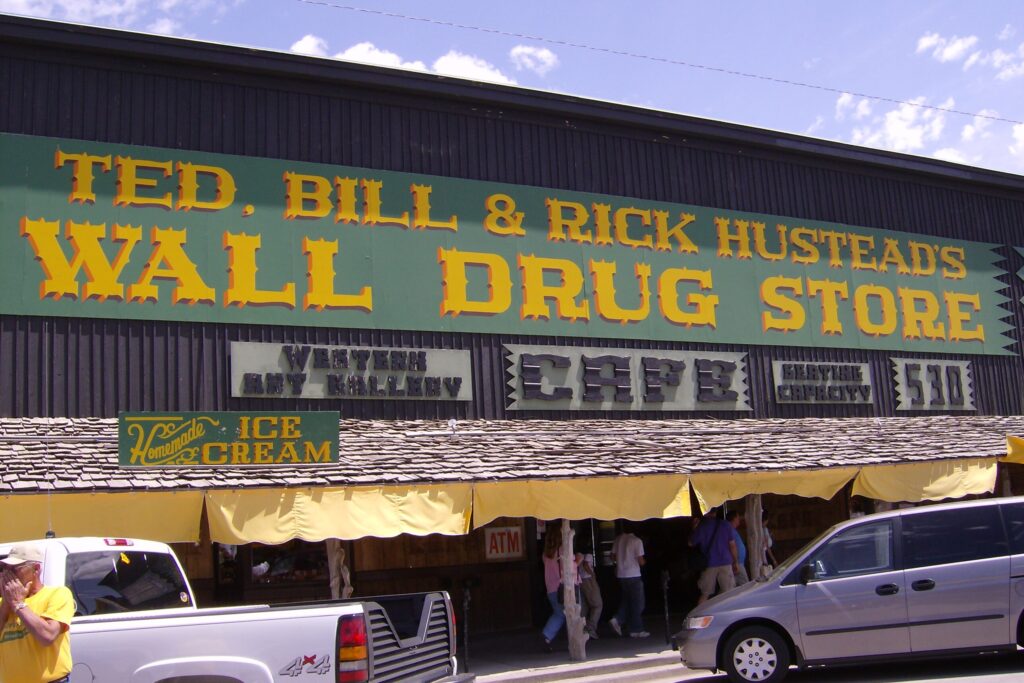
If you’ve ever driven through South Dakota, you’ve probably seen the endless billboards for Wall Drug long before you actually got there. What started in 1931 as a struggling pharmacy turned into a roadside empire after the owners began offering free ice water to travelers during the Dust Bowl. That simple idea pulled in road-weary drivers, and over time, the place expanded into a massive Western-themed attraction with shops, restaurants, and quirky photo ops. By the ’50s and ’60s, it had become a full-on destination rather than just a pit stop.
Even today, Wall Drug is still operating, but it’s also a reminder of how much small-town tourism once relied on clever gimmicks and highway culture. Families would plan stops there as part of cross-country trips, treating it almost like a theme park in the middle of nowhere. Its success helped put Wall, a town with a population under 1,000, firmly on the map. It’s one of the clearest examples of how a single business could transform an entire town’s identity. And for a lot of people, those signs are still burned into memory long before the town itself appears.
2. The Corn Palace – Mitchell, South Dakota
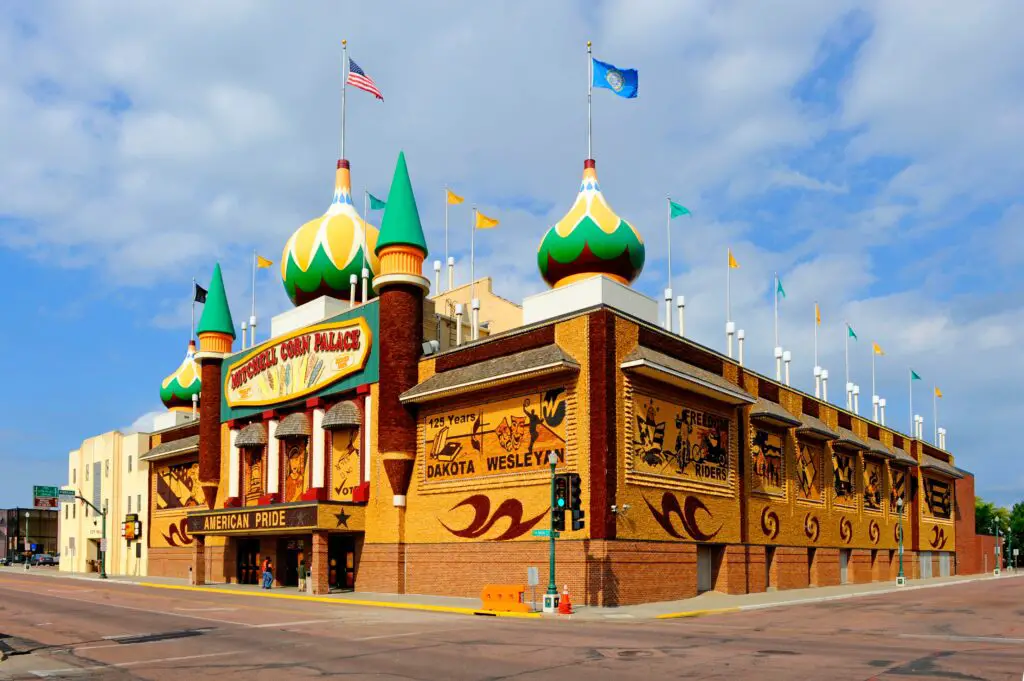
The Corn Palace sounds like something out of a tall tale, but it’s very real and has been drawing visitors since the late 1800s. Each year, the building is decorated with murals made entirely from corn and other grains, showcasing detailed designs that change annually. At one point, it was one of the most unusual attractions in the Midwest, and people traveled specifically to see it. In an era before theme parks dominated, something this odd and visually striking was enough to make a town famous.
Mitchell leaned into the novelty, promoting the Corn Palace as a symbol of agricultural pride and creativity. It hosted events, concerts, and even sports games, giving visitors more reasons to stop and stay. For decades, it helped define the town’s identity and brought in steady tourism traffic. Even now, it still draws visitors, though it feels more like a nostalgic piece of Americana than a must-see destination. Still, there was a time when this single building made Mitchell a household name in certain parts of the country.
3. South of the Border – Hamer, South Carolina
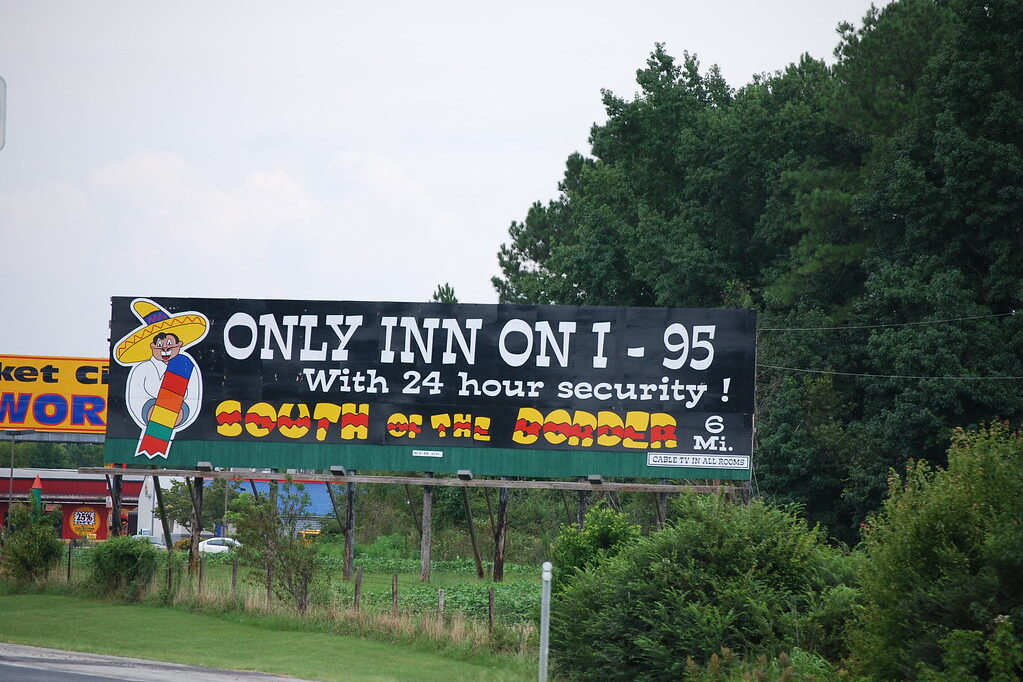
South of the Border became a legendary roadside stop thanks to its bright signs and relentless advertising along I-95. Starting in the 1950s, travelers heading to Florida would see hundreds of billboards counting down the miles, making it almost impossible to ignore. The attraction itself grew into a sprawling complex with restaurants, shops, rides, and its iconic Pedro mascot. For many families, stopping there became part of the vacation tradition rather than just a break from driving.
At its peak, it practically defined the town of Hamer, which otherwise might have been overlooked entirely. The place thrived on kitsch and spectacle, leaning into its over-the-top personality to keep people coming back. While it still exists today, its cultural impact has faded compared to its heyday in the ’60s and ’70s. Back then, it was one of those stops you talked about long after the trip was over. It’s a perfect example of how highway travel once created its own kind of fame for small towns.
4. Lucy the Elephant – Margate City, New Jersey
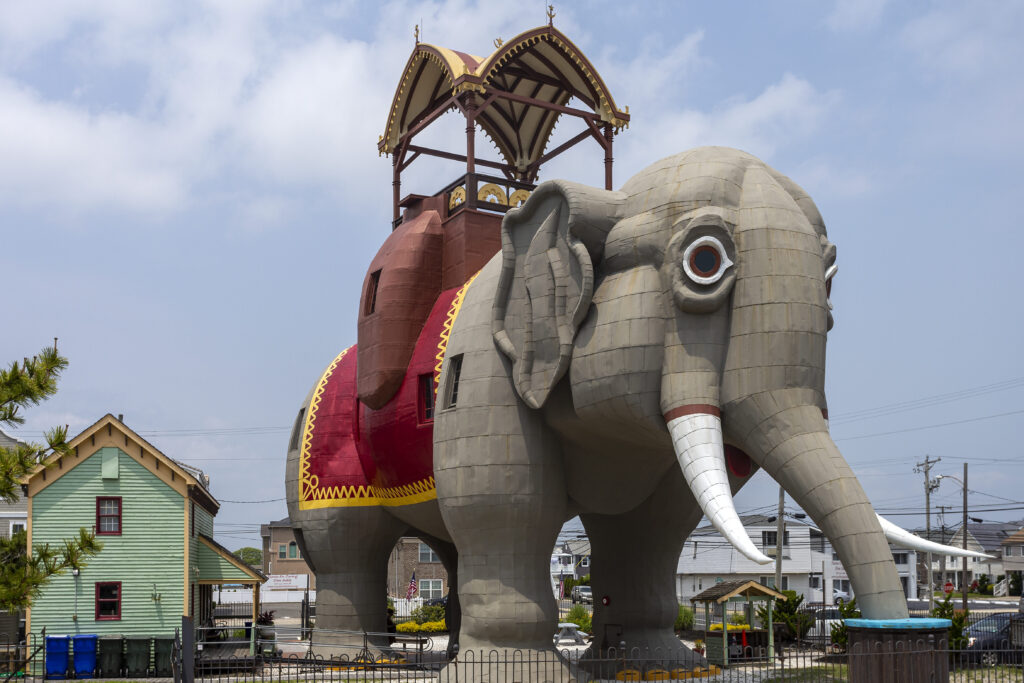
Lucy the Elephant is exactly what it sounds like, a six-story elephant-shaped building constructed in 1881. Originally built as a real estate attraction to lure buyers to the Jersey Shore, it quickly became a curiosity that drew visitors from all over. People could climb inside and look out from the top, turning it into both a novelty and a sightseeing experience. Over time, Lucy became the defining landmark of Margate City.
There were periods when Lucy fell into disrepair, and at one point, demolition was a real possibility. A grassroots preservation effort in the ’70s saved it, and today it stands as a National Historic Landmark. For decades, though, Lucy was more than just a quirky structure, it was the reason people knew the town existed at all. Families would make special trips just to see it and snap photos. It’s one of the earliest examples of a roadside attraction becoming a town’s entire identity.
5. Cadillac Ranch – Amarillo, Texas
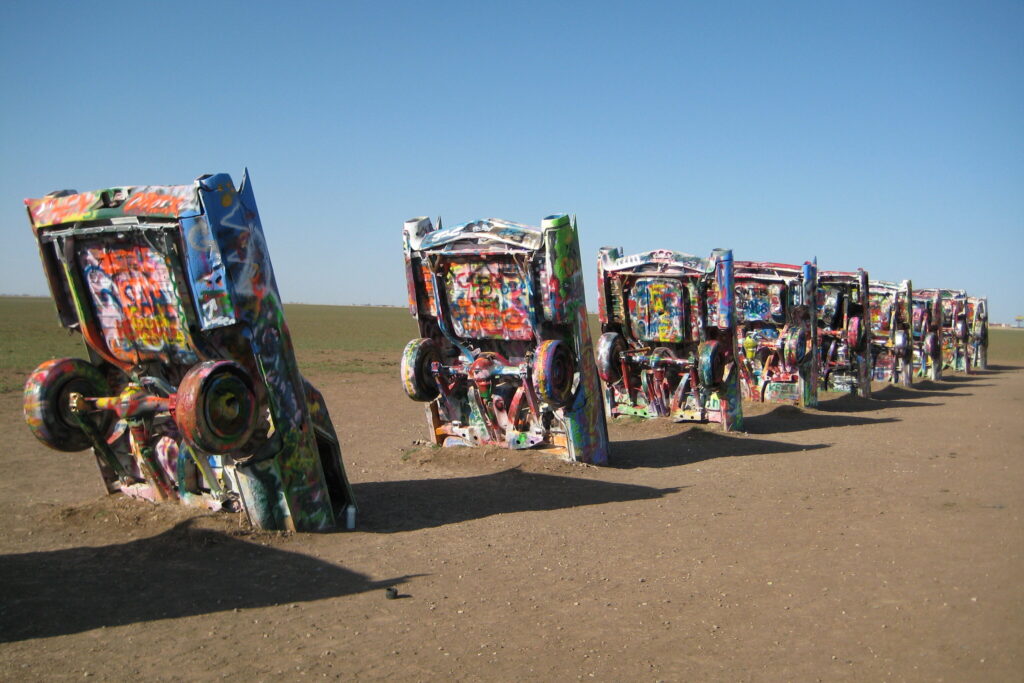
Cadillac Ranch appeared in 1974 as a public art installation featuring ten Cadillacs buried nose-first in the ground. Created by a group of artists known as Ant Farm, it was meant to be a statement on consumer culture and the evolution of the automobile. Over time, it became something much more interactive, as visitors were encouraged to spray paint the cars. That constant layering of graffiti turned it into an ever-changing piece of art.
For Amarillo, it became a defining attraction that brought in travelers from Route 66 and beyond. People didn’t just stop to look, they participated, leaving their own mark before moving on. It helped cement the town’s place on the map during a time when many Route 66 stops were fading away. Even now, it continues to draw visitors, though its peak cultural moment was tied closely to the road trip boom. It’s a reminder of how even unconventional art can drive tourism in a big way.
6. The Mystery Spot – Santa Cruz, California
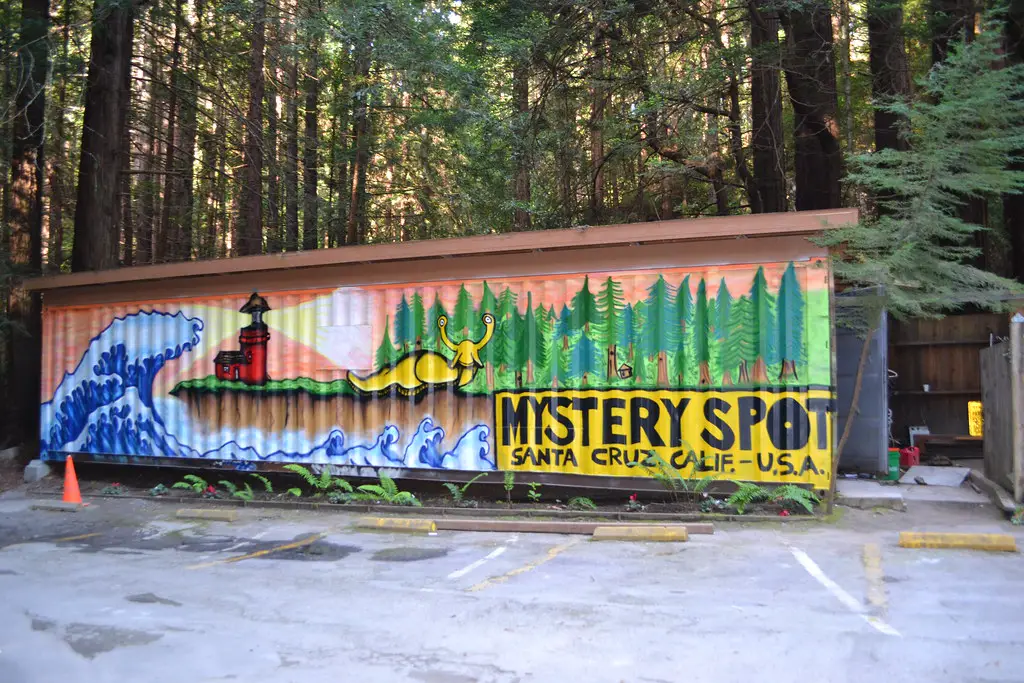
The Mystery Spot opened in 1940 and quickly became famous for its strange gravitational effects. Visitors would watch balls roll uphill and people appear to lean at impossible angles, creating the illusion that physics itself had stopped working. In reality, it’s a cleverly designed tilted structure, but the experience feels convincing enough to keep people guessing. Word of mouth turned it into a must-see attraction along California’s coast.
For Santa Cruz, it became one of those quirky stops that people felt they had to experience at least once. Families and road trippers would add it to their itineraries, often pairing it with a beach visit. While Santa Cruz has many other attractions, the Mystery Spot gave it a unique identity that stood out from other coastal towns. Its popularity peaked in the mid-20th century, when roadside curiosities were at their height. Even today, it still draws crowds who want to see if it lives up to the legend.
7. House on the Rock – Spring Green, Wisconsin
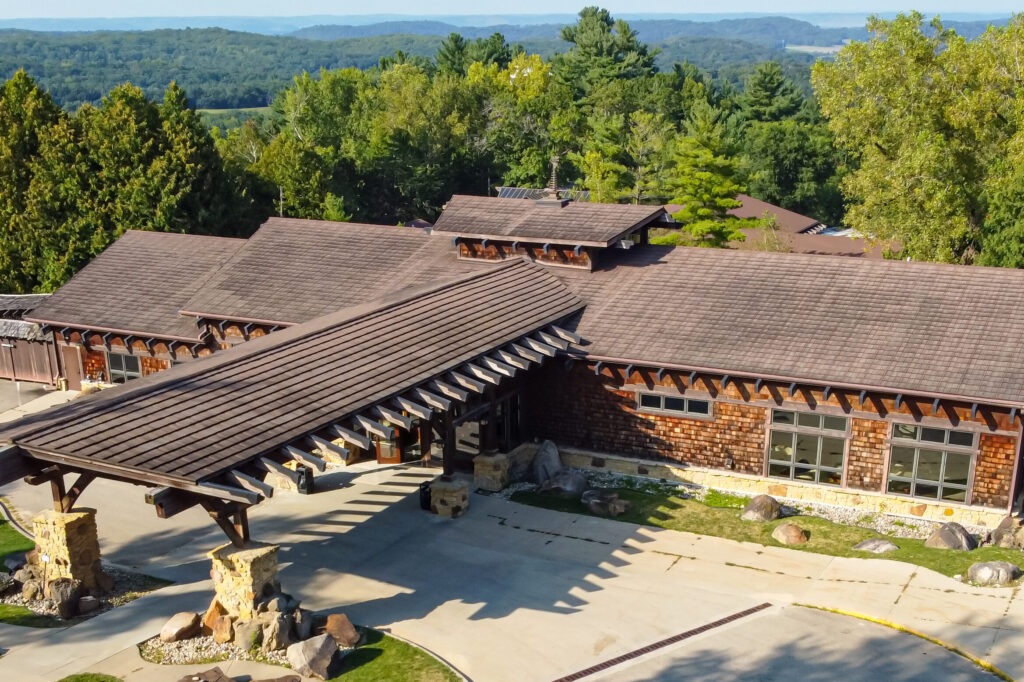
House on the Rock started as a private residence built by Alex Jordan Jr., but it evolved into something far more elaborate. The attraction expanded into a maze of rooms filled with collections, ranging from mechanical music machines to massive model ships. Its most famous feature, the Infinity Room, extends out over a valley with no visible support, creating a surreal experience. By the ’60s and ’70s, it had become one of Wisconsin’s biggest tourist draws.
Spring Green itself is a small town, but this attraction brought in visitors from across the country. People didn’t just come once, many returned because there was so much to take in. The sheer scale and oddness of the place made it hard to describe, which only added to its appeal. While it remains open today, its peak cultural relevance was decades ago when word-of-mouth travel played a bigger role. For a time, it completely defined the town’s reputation.
8. The World’s Largest Ball of Twine – Cawker City, Kansas
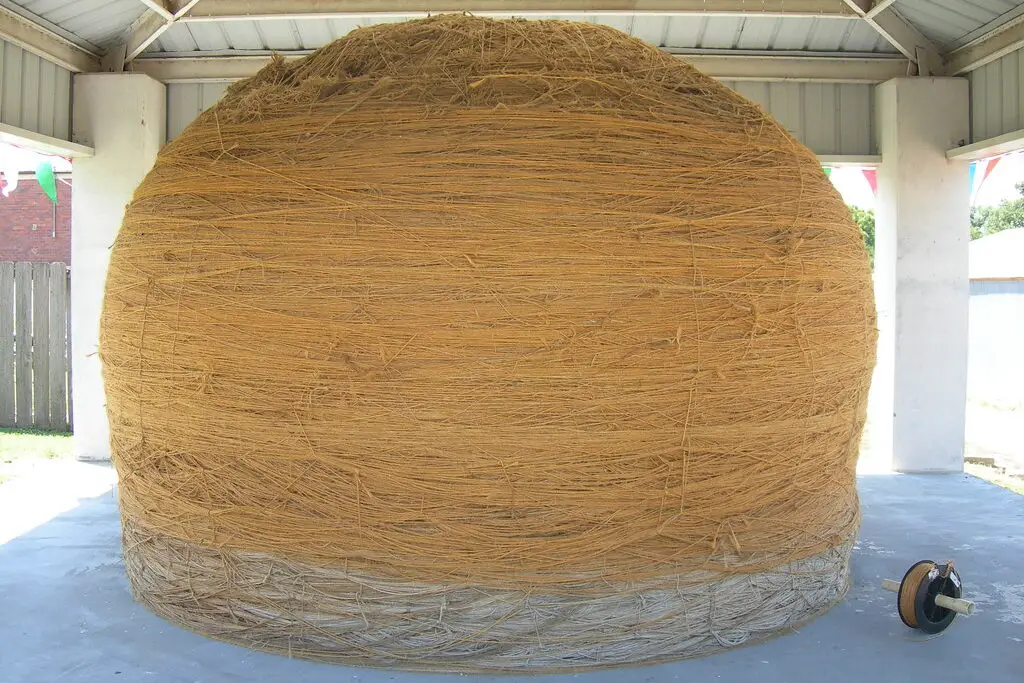
The World’s Largest Ball of Twine began in 1953 when Frank Stoeber started winding sisal twine into a ball on his farm. Over time, it grew so large that it became a local curiosity, and eventually, a national one. Visitors began stopping by to see it, and the town embraced the attraction, even hosting an annual Twine-a-thon where people help add to it. It became one of those classic roadside oddities that travelers sought out just to say they’d seen it.
Cawker City, a very small town, gained recognition far beyond what its size would suggest. The twine ball became a symbol of the kind of offbeat attractions that once defined American road trips. Families would detour just to check it off their list, often taking photos as proof. While it still exists and continues to grow, its biggest impact came during the golden age of roadside travel. It’s a simple idea that somehow turned into a lasting claim to fame.
9. Rock City – Lookout Mountain, Georgia
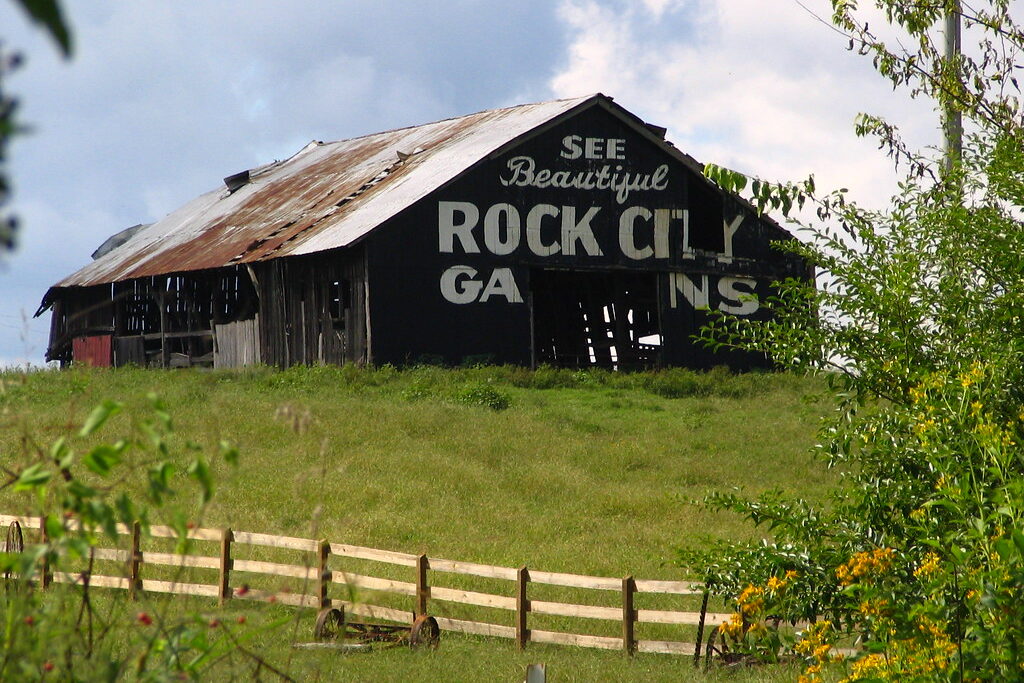
Rock City opened to the public in the 1930s and quickly became famous for its panoramic views. The attraction’s slogan promised that visitors could “See Seven States” from its highest point, a claim that helped draw crowds even if it’s debated how accurate it is. The site features winding trails, unique rock formations, and themed gardens that made it feel like a natural wonder with a touch of fantasy. Painted barn advertisements across the Southeast helped spread its fame.
Those barns, often reading “See Rock City,” turned the attraction into a regional icon. For many travelers, it was a must-stop destination on trips through the South. The marketing was so effective that it put Lookout Mountain firmly on the map. Even today, Rock City remains popular, though its advertising heyday has passed. At one time, though, it was nearly impossible to travel through the region without hearing about it.
10. Silver Dollar City – Branson, Missouri
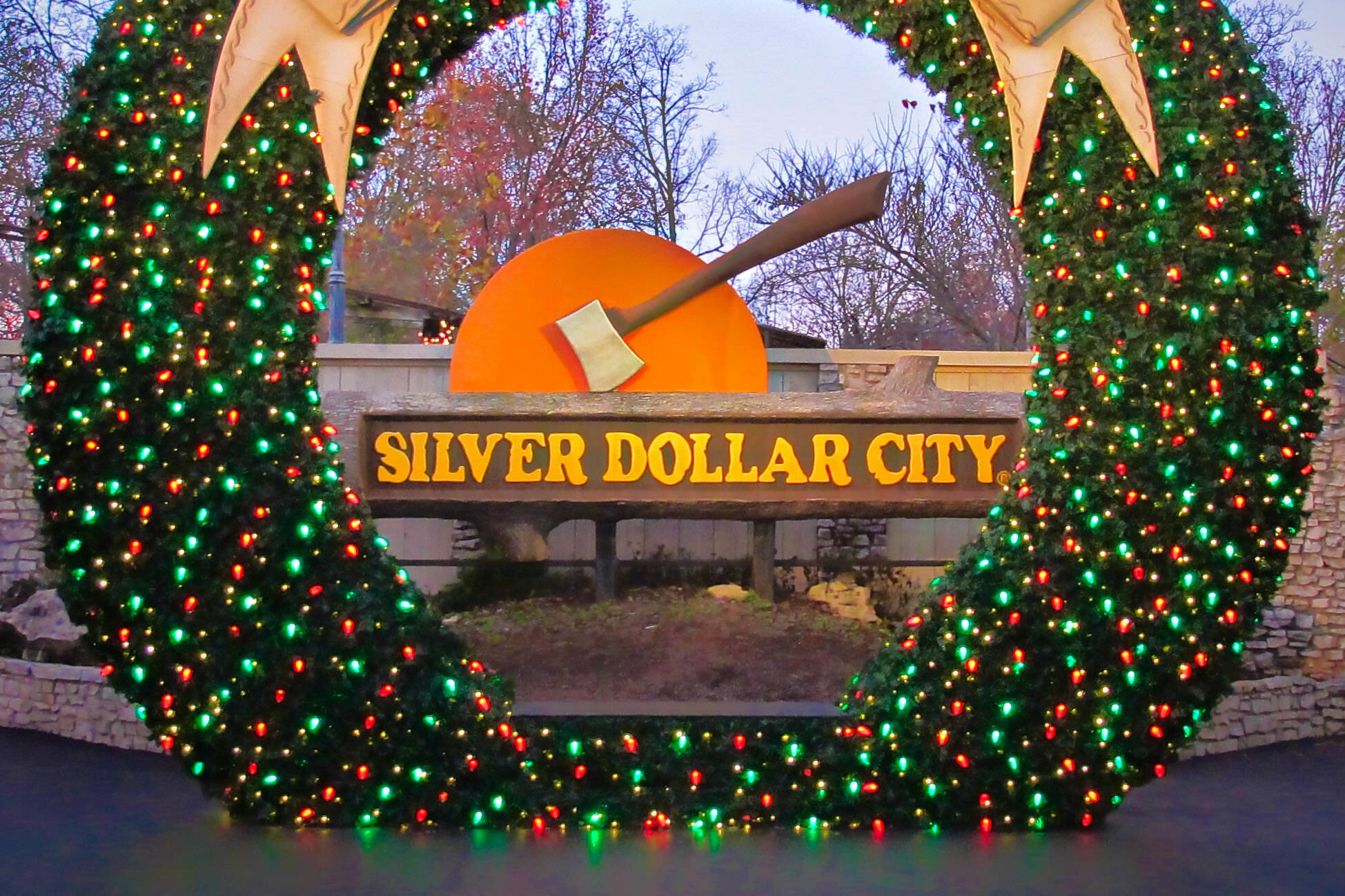
Silver Dollar City began as a small attraction built around Marvel Cave but grew into a full-fledged theme park. In the 1960s and ’70s, it helped transform Branson into a major tourist destination. The park focused on crafts, live entertainment, and a nostalgic version of frontier life that appealed to families. Over time, it became the centerpiece of the town’s tourism industry.
Branson’s reputation as a vacation spot is closely tied to the success of Silver Dollar City. What was once a quiet Ozark town turned into a hub for shows, attractions, and family travel. The park drew visitors who then explored the rest of the area, boosting the local economy. While Branson has expanded far beyond it, Silver Dollar City was the catalyst. It’s a clear example of how one attraction can reshape an entire town.
11. The Enchanted Highway Sculptures – Regent, North Dakota
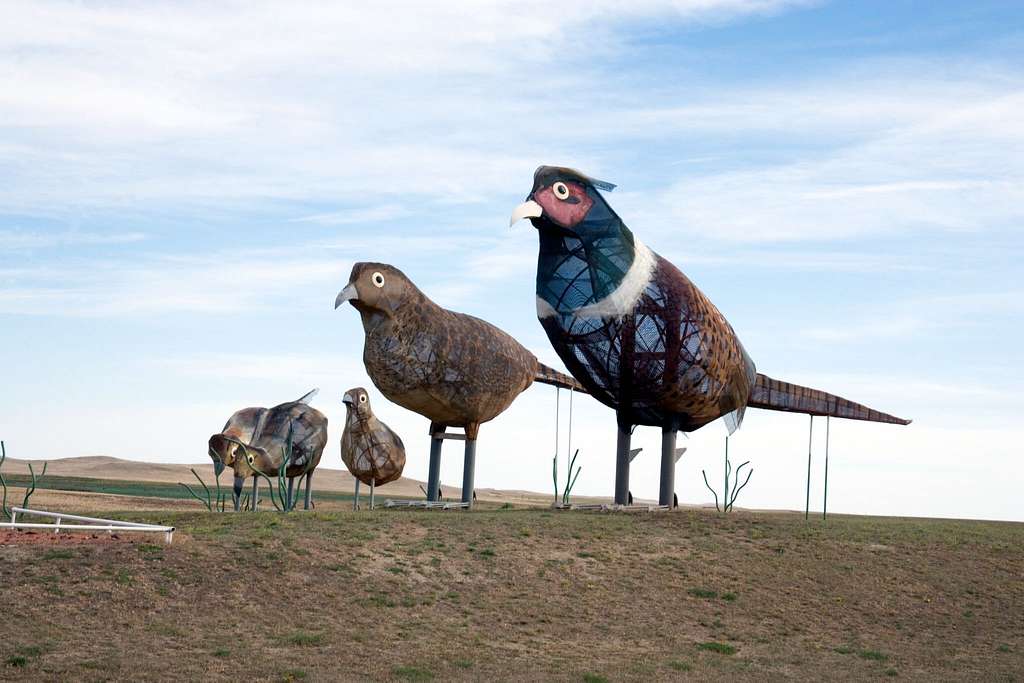
The Enchanted Highway is a series of massive metal sculptures created by artist Gary Greff along a rural stretch of road. Starting in the 1990s, these sculptures, including giant grasshoppers and geese in flight, were designed to draw attention to the tiny town of Regent. Travelers began making the drive specifically to see each piece, turning an otherwise quiet area into a destination. The scale of the artwork makes it impossible to ignore.
Regent used the project as a way to bring tourism and attention back to the community. It worked, at least for a time, as the highway became a known stop for road trippers. People would map out the route just to experience it from start to finish. While it never reached the level of older attractions, it still put the town on the map in a meaningful way. It shows that even in more recent decades, one creative idea can still draw people in.
12. Dogpatch USA – Marble Falls, Arkansas
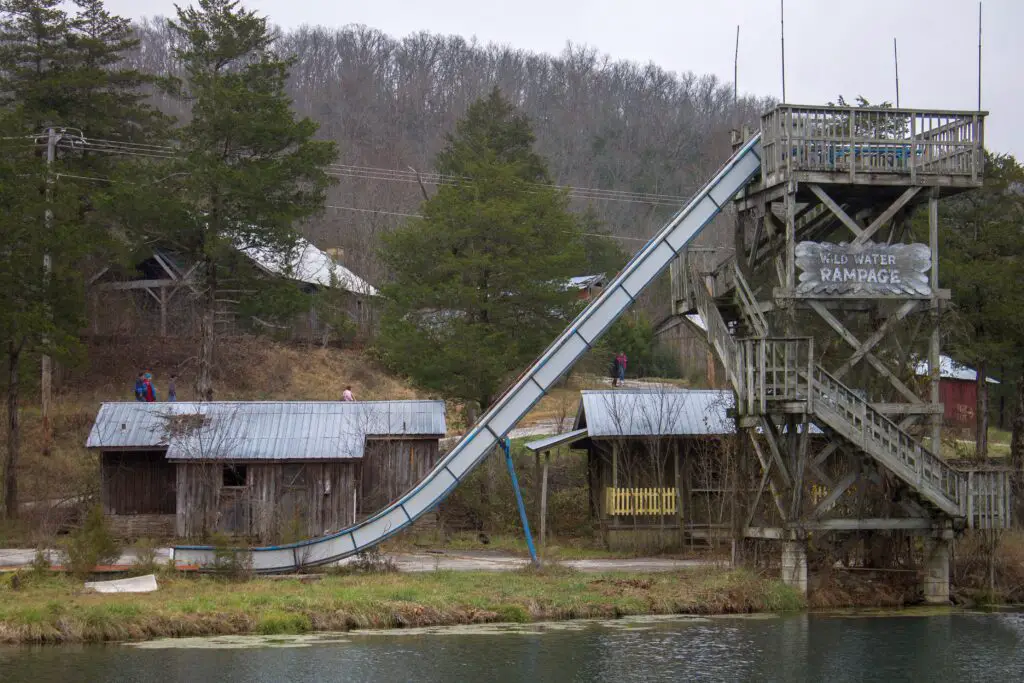
Dogpatch USA opened in 1968 as a theme park based on the comic strip Li’l Abner by Al Capp. At first, it drew large crowds curious to see the fictional hillbilly town brought to life. The park featured rides, shows, and themed areas that leaned heavily into the characters and setting of the comic. For a while, it put Marble Falls on the tourism map in a way nothing else had.
However, the park struggled financially and eventually closed in 1993 after years of decline. As the popularity of Li’l Abner faded, so did interest in the attraction. Today, it’s often remembered as a cautionary tale about tying a destination too closely to a single cultural property. During its peak, though, it was a major draw that brought thousands of visitors to a small Arkansas town. Its rise and fall are both tied to how quickly cultural relevance can change.