
1. Lucille Ball’s Pregnancy on I Love Lucy
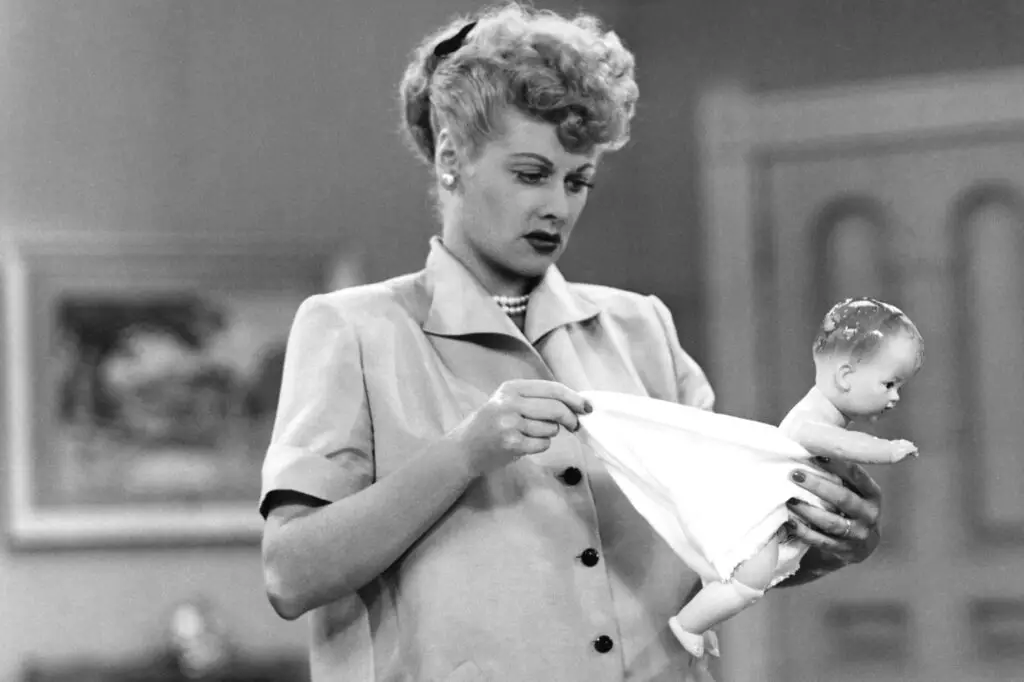
When Lucille Ball became pregnant in 1952, it created a real dilemma for CBS. At the time, networks considered pregnancy too sensitive to portray on television, even for a married couple like Lucy and Ricky Ricardo. The word “pregnant” itself was considered inappropriate, so the show used “expecting” instead. Ball and Desi Arnaz pushed hard to include the storyline anyway, knowing audiences would relate.
CBS ultimately allowed it, but only after consulting religious leaders to ensure it wouldn’t offend viewers. The episode featuring the birth aired the same day Ball gave birth in real life, which added to the buzz. Despite the hesitation, it became one of the most-watched television moments ever at the time. What the network once feared would be controversial ended up changing TV forever.
2. Vivian Vance and William Frawley’s Off-Screen Feud on I Love Lucy
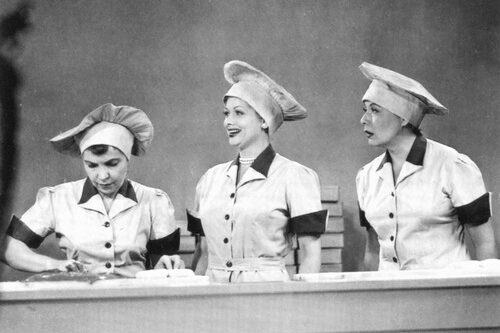
On-screen, Ethel and Fred Mertz seemed like a believable, bickering couple, but behind the scenes, things were far more tense. Vivian Vance reportedly disliked William Frawley from the start, partly due to their age difference and her perception of him. She allegedly complained about being paired with someone much older, which didn’t sit well with Frawley.
The tension was something producers tried to keep quiet, especially since the chemistry worked so well on screen. They rarely interacted off camera unless required for filming. Even during publicity appearances, their discomfort was noticeable to those paying attention. Still, audiences never suspected just how strained things really were.
3. The Real Reason Behind Suzanne Somers’ Exit from Three’s Company
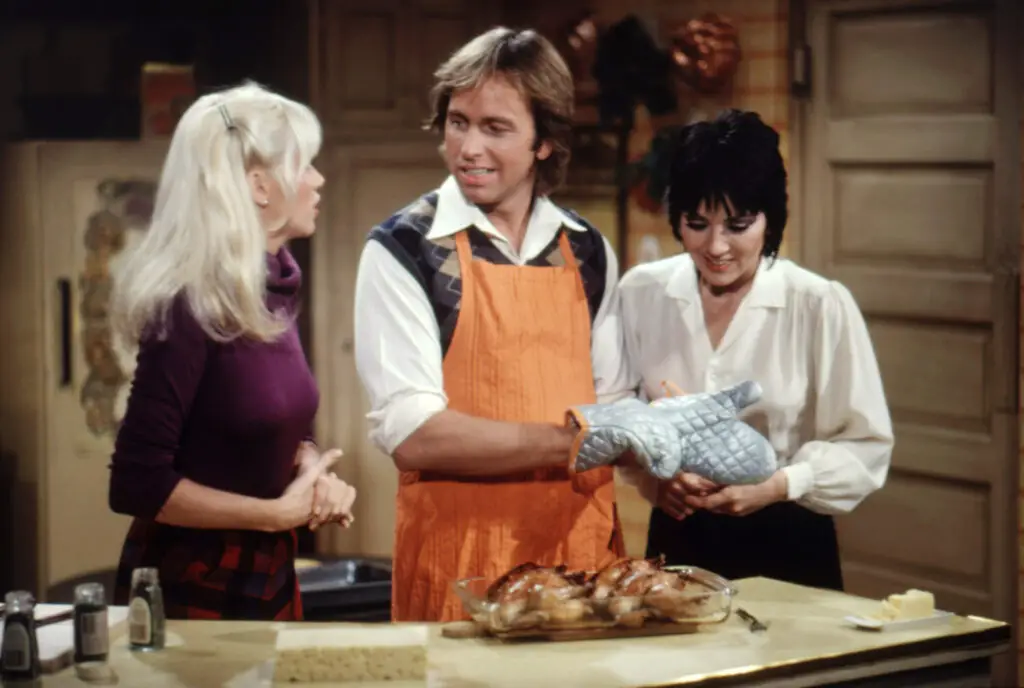
Suzanne Somers was one of the breakout stars of the late ’70s sitcom, but her time on the show ended abruptly. She asked for a significant salary increase to match her co-star John Ritter, which was not well received by the network. Instead of negotiating publicly, ABC chose to quietly phase her out.
Somers was reduced to brief phone appearances before being written off entirely. For years, the full story was downplayed, with the network avoiding direct discussion of the pay dispute. It later became a widely known example of salary inequality in television. At the time, though, viewers were left confused about her sudden disappearance.
4. Gilligan’s Island Cast Pay Disputes
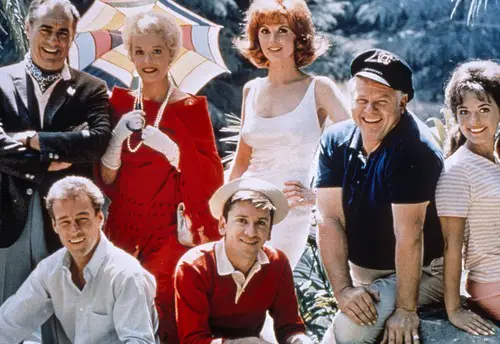
Despite the show’s long-running popularity in reruns, most of the cast of Gilligan’s Island saw very little financial reward. Actors like Bob Denver and Dawn Wells were not included in lucrative syndication deals. This created frustration as the show continued to generate revenue without properly compensating its stars.
Networks and studios didn’t openly discuss these financial arrangements at the time. It wasn’t until years later that cast members began speaking out about it. The situation highlighted how little control actors had over their contracts in early television. For viewers, the show’s cheerful tone masked a much different reality behind the scenes.
5. The Brady Bunch Dating Controversy
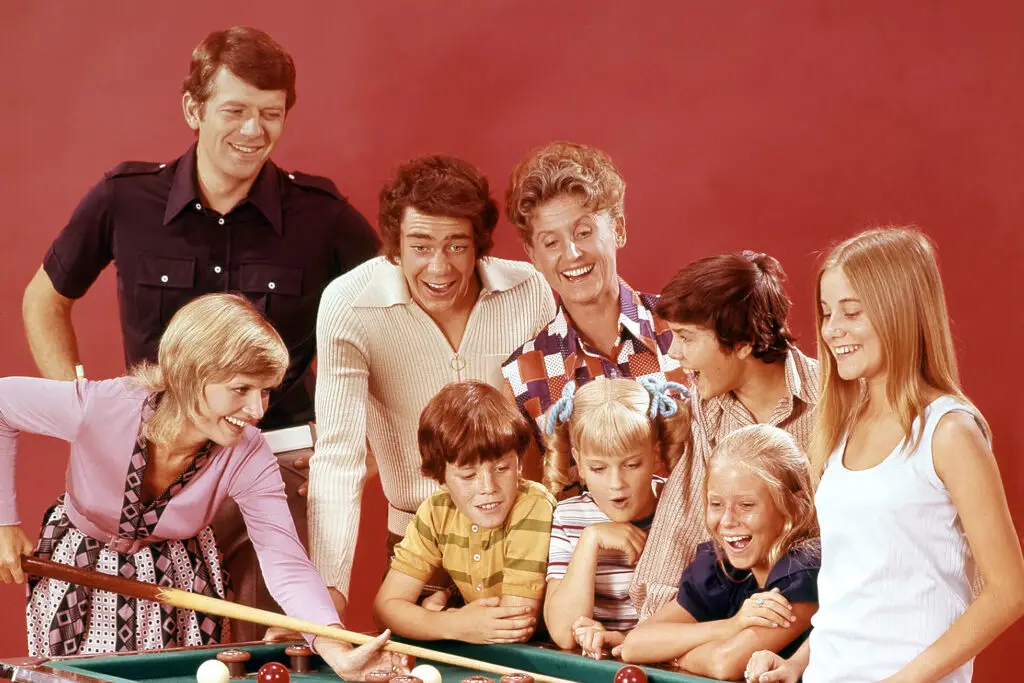
During the filming of The Brady Bunch, several of the teenage cast members began dating each other, something producers preferred to keep under wraps. Barry Williams and Maureen McCormick were among those who formed off-screen relationships. While not unusual, the network worried it might affect the show’s wholesome image.
Publicly, the cast was presented as one big happy family with no complications. Behind the scenes, emotions and teenage dynamics sometimes spilled into filming. Producers tried to maintain strict professionalism on set to avoid issues. Years later, the cast openly discussed these relationships, but at the time, it was something the network preferred to keep quiet.
6. The Twilight Zone Incident That Sparked Safety Concerns
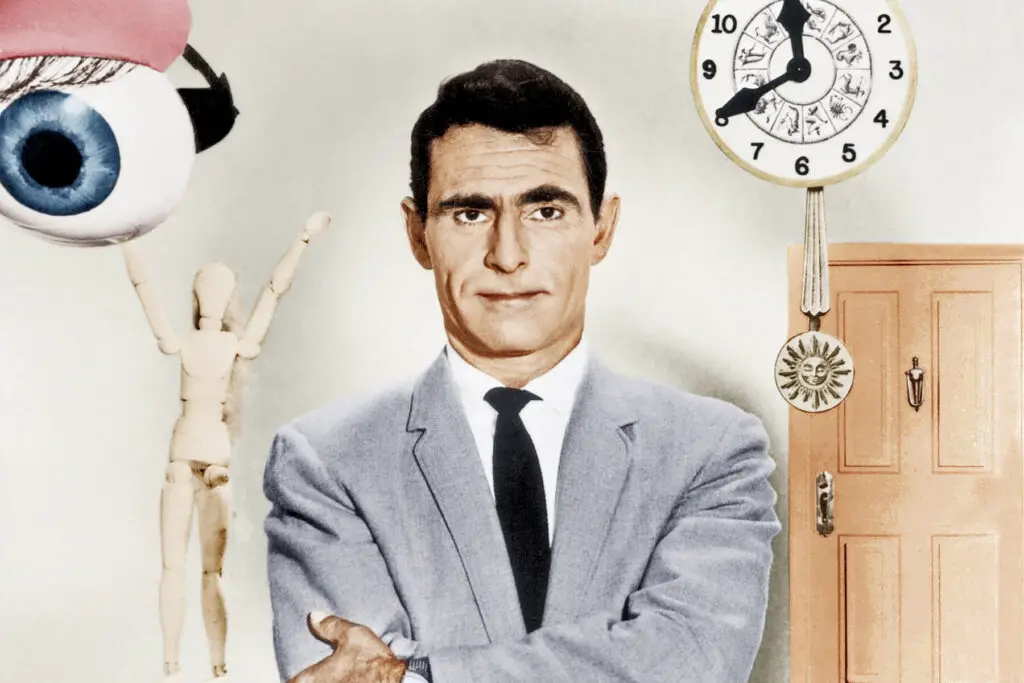
One of the most tragic incidents connected to The Twilight Zone didn’t happen during the original series but during the 1982 film adaptation. Actor Vic Morrow and two child actors were killed in a helicopter accident during filming. The incident raised serious questions about on-set safety practices.
While the tragedy became public, the industry initially handled details cautiously. It led to stricter safety regulations in Hollywood, particularly regarding special effects and child labor laws. Networks and studios became more careful about how productions were managed. It remains one of the most sobering stories tied to the franchise.
7. Andy Griffith and Don Knotts’ Contract Disagreements on The Andy Griffith Show
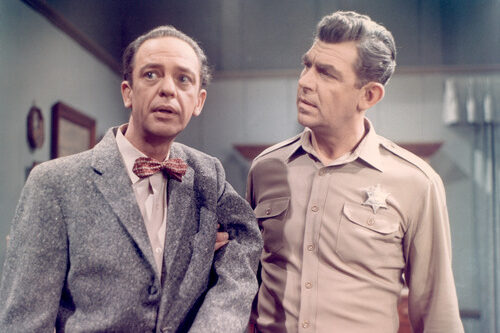
Don Knotts left The Andy Griffith Show after five seasons, surprising many viewers. He believed the show was ending and had opportunities in film, but Andy Griffith chose to continue the series. The misunderstanding was not fully explained to audiences at the time.
Producers avoided publicizing the contract confusion to maintain the show’s image. Knotts’ absence significantly changed the dynamic of the series. While he returned for guest appearances, the core cast was never quite the same. Only later did interviews clarify what really happened.
8. The M*A*S*H Pilot Controversy
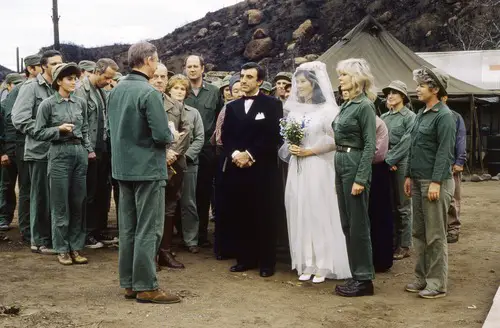
When M*A*S*H first aired, its tone was considered risky for network television. The mix of comedy and war commentary made CBS uneasy about how audiences would respond. Early episodes included a laugh track, even during operating room scenes, which drew criticism.
The network quietly adjusted the show over time, including allowing episodes without a laugh track in certain scenes. Cast members like Alan Alda advocated for a more authentic tone. Behind the scenes, there was ongoing tension about how serious the show should be. Eventually, it became one of the most respected series in TV history.
9. Bewitched and Dick York’s Health Struggles
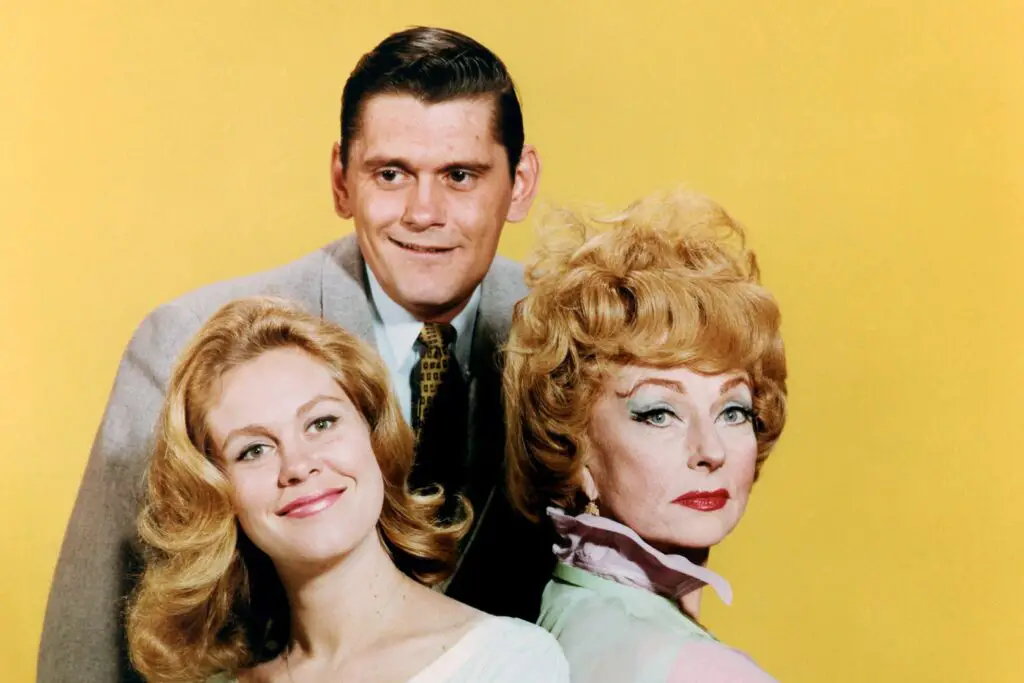
Dick York, who played Darrin Stephens on Bewitched, suffered from severe back pain due to an earlier injury. As the series went on, his condition worsened, making it difficult for him to continue filming. The production tried to manage the situation quietly without alarming viewers.
Eventually, York had to leave the show and was replaced by Dick Sargent. The recasting was done with little explanation, leaving audiences puzzled. At the time, networks rarely discussed actors’ health issues publicly. It wasn’t until later that the full story became widely known.
10. The Rivalry Between The Munsters and The Addams Family
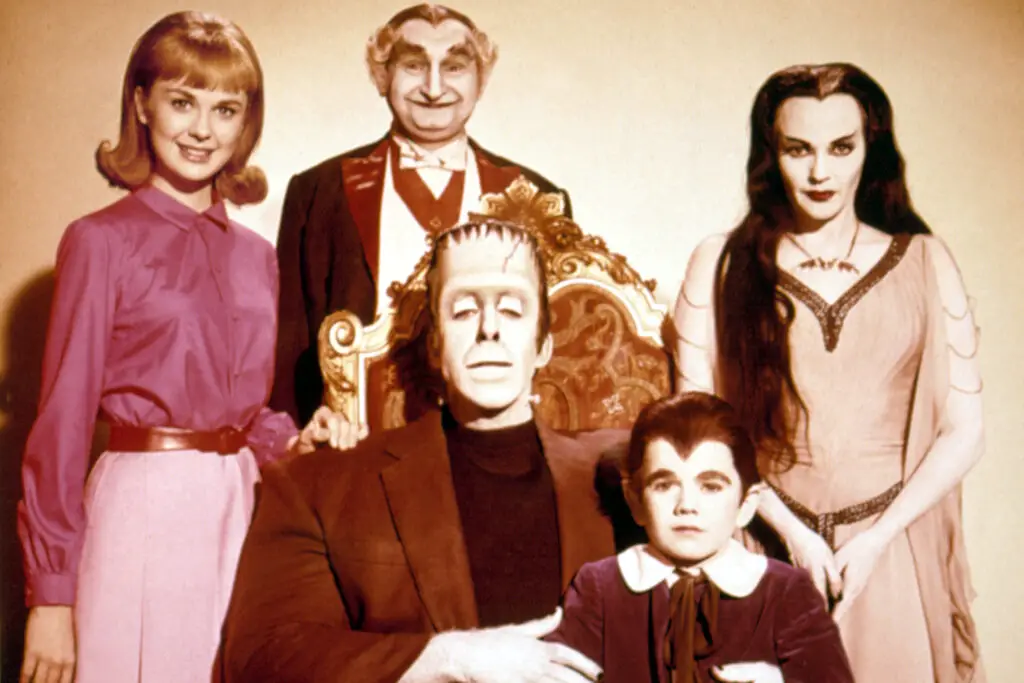
The Munsters and The Addams Family debuted around the same time and were often compared. While both shows had devoted audiences, networks positioned them as competitors. Behind the scenes, there was pressure to outperform the other in ratings.
Executives were careful about how this rivalry was discussed publicly. Each show maintained its own identity, but comparisons were unavoidable. The Munsters ultimately lasted longer in initial ratings success, though both gained lasting popularity. The competitive dynamic was more intense than viewers realized at the time.
11. The Partridge Family Lip-Sync Secret
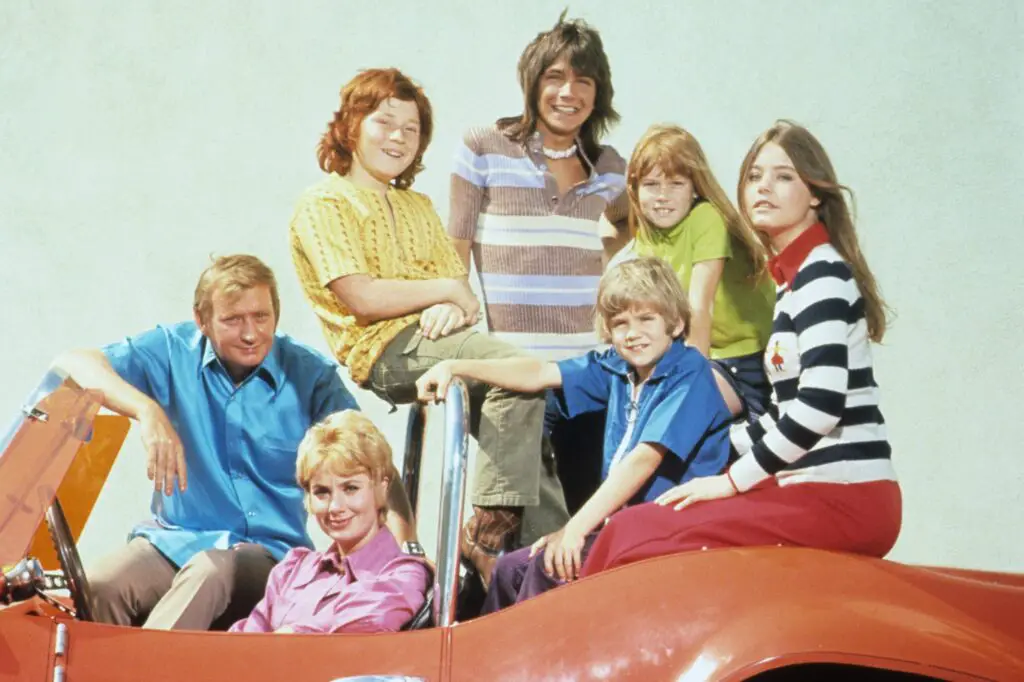
David Cassidy became a teen idol thanks to The Partridge Family, but there was a behind-the-scenes detail many fans didn’t know. Most of the cast did not actually perform the songs heard on the show’s recordings. Professional session musicians and singers were heavily used.
This was common practice, but it wasn’t widely advertised. The show presented the family as a fully performing band, which added to its appeal. Cassidy did sing lead vocals, but others were less involved musically than portrayed. Over time, this became more openly acknowledged.
12. The Cultural Criticism of The Beverly Hillbillies
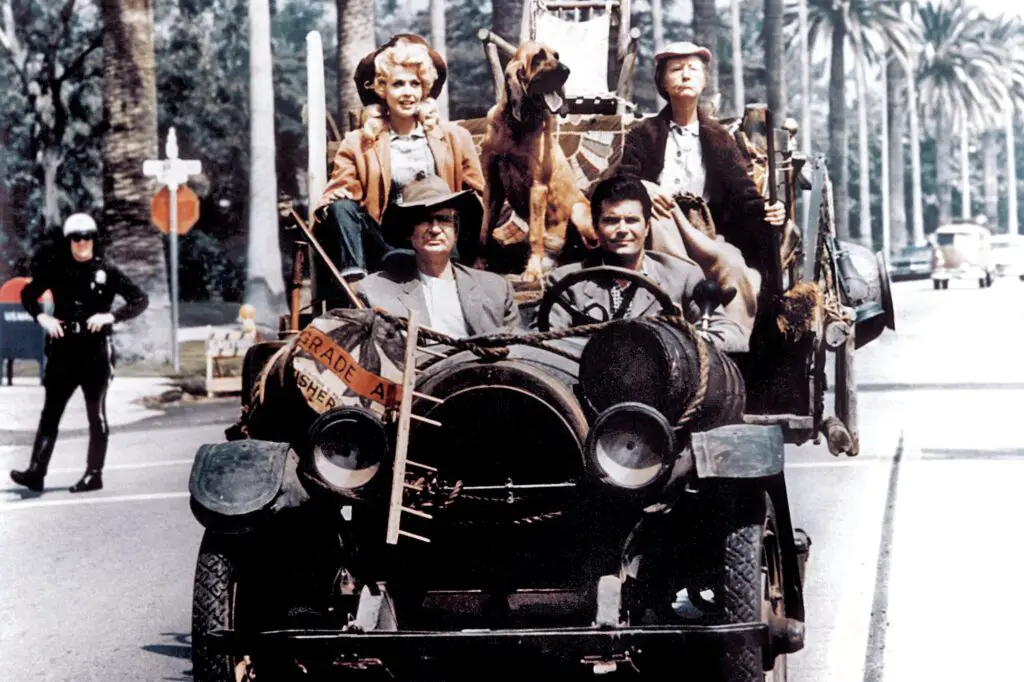
The Beverly Hillbillies was hugely popular, but it also faced criticism for its portrayal of rural Americans. Some critics argued it relied on stereotypes that didn’t reflect reality. Networks were aware of the backlash but chose not to highlight it publicly.
Despite the criticism, the show remained a ratings hit. Producers focused on humor rather than addressing concerns directly. The tension between popularity and criticism was something the network managed carefully. Today, it’s often discussed as part of the show’s legacy.
13. The Leave It to Beaver Toilet Scene Debate
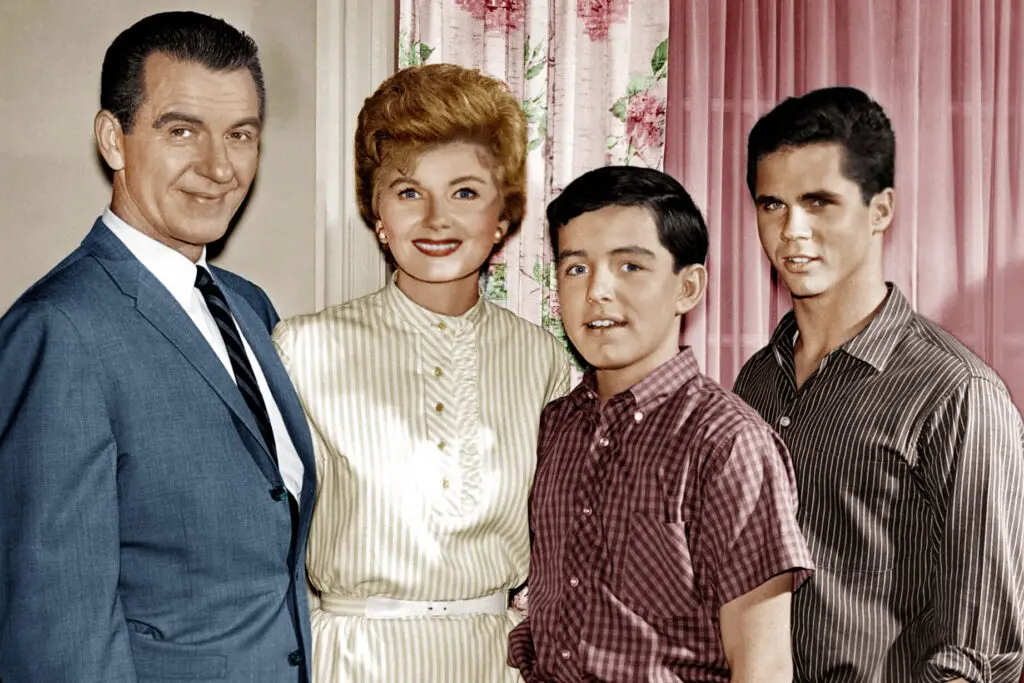
One of the most surprising controversies from Leave It to Beaver involved a toilet. A 1957 episode featured a toilet tank, which was considered inappropriate to show on television at the time. The scene required special approval from network executives.
Even then, only the tank was shown, not the full toilet. It seems minor today, but it reflected strict broadcasting standards of the era. The network handled the situation cautiously to avoid complaints. It’s now remembered as a turning point in what TV could depict.
14. The “Jump the Shark” Moment on Happy Days
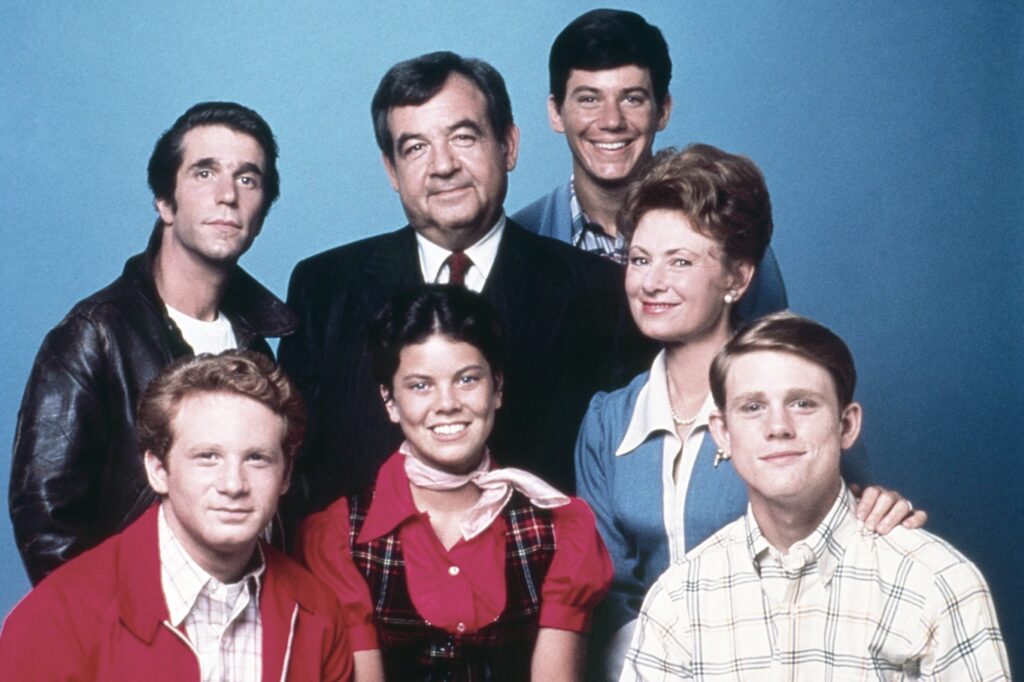
Happy Days remained popular for years, but one particular episode drew mixed reactions. In a 1977 episode, Henry Winkler’s character Fonzie literally jumped over a shark on water skis. While intended as a fun stunt, it became symbolic of a show past its peak.
Networks didn’t emphasize the criticism at the time, focusing instead on ratings. The phrase “jump the shark” eventually entered pop culture as shorthand for decline. At the time of airing, though, the reaction was more muted publicly. It took years for its reputation to fully form.
15. The Short Run Reality of The Honeymooners
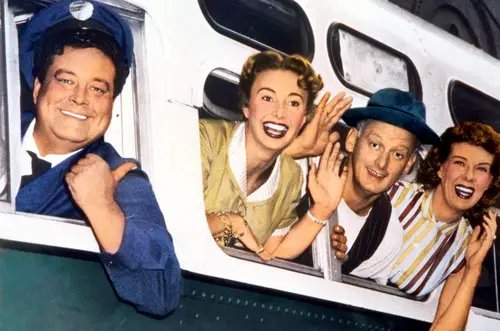
The Honeymooners is often remembered as a long-running classic, but its original run was surprisingly short. The main series aired only 39 episodes during the 1955–56 season. Networks didn’t emphasize this at the time, allowing the show’s legacy to grow through reruns.
Jackie Gleason continued to revisit the characters in later specials, which added to the confusion. Many viewers assumed it had a longer initial run than it actually did. The show’s impact far exceeded its episode count. That disconnect was something networks never felt the need to clarify.
16. Star Trek’s Near Cancellation and Fan Campaign
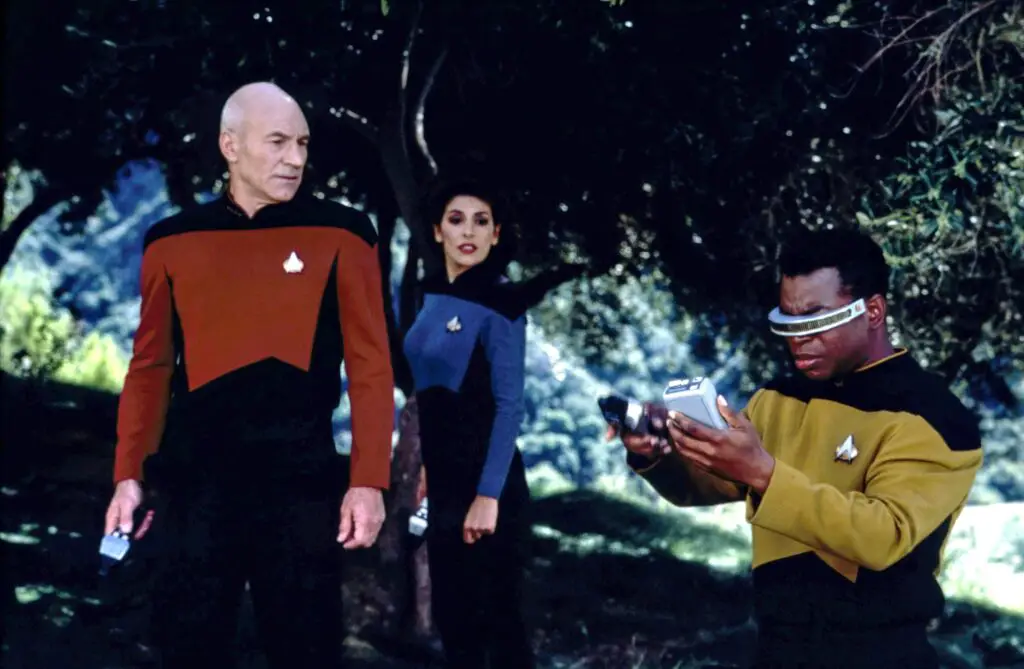
Star Trek struggled with ratings during its original run, putting it at risk of cancellation. NBC received an overwhelming number of letters from fans campaigning to save the show. This early example of fan activism helped secure a third season.
The network didn’t heavily publicize how close the show came to ending. Behind the scenes, executives debated whether it was worth continuing. Despite its eventual cancellation, the show found new life in syndication. What started as a near failure became one of the most influential franchises in television history.