
1. Rasputin
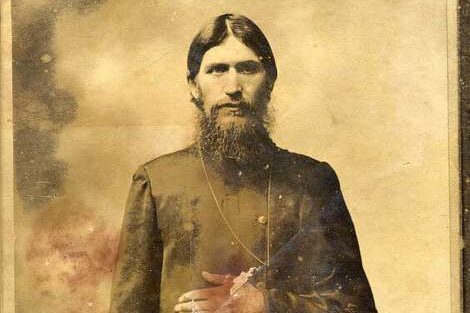
Grigori Rasputin’s rise from a Siberian peasant to one of the most powerful figures in imperial Russia almost sounds like folklore. Born in 1869, he was a self-proclaimed holy man who gained influence over Tsar Nicholas II and Empress Alexandra, largely because they believed he could help their hemophiliac son, Alexei. Stories of his strange behavior, intense stare, and rumored healing abilities only added to his mystique. At court, he was both feared and resented, especially by nobles who saw him as an uneducated outsider with too much power.
His death in 1916 is what really pushes his story into unbelievable territory. According to widely circulated accounts, conspirators tried to poison him, then shot him multiple times, and finally dumped him into an icy river, yet he seemed difficult to kill. While historians debate the exact sequence of events, it is confirmed that he was murdered by Russian nobles. The exaggerated details of his death helped cement his almost mythological reputation. Even today, Rasputin’s life reads less like a biography and more like a gothic novel.
2. Typhoid Mary
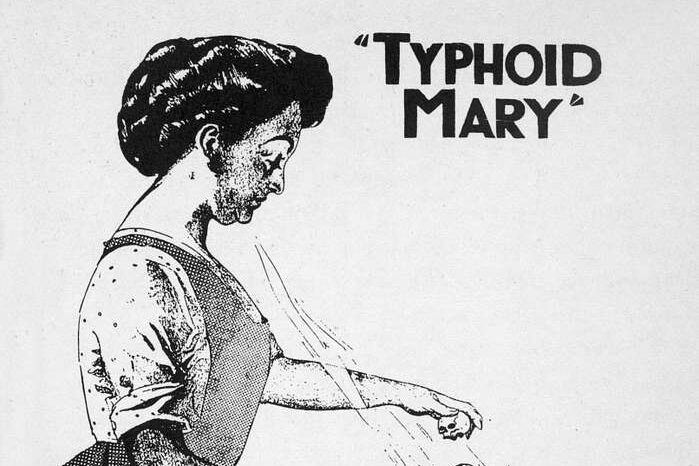
Mary Mallon, better known as Typhoid Mary, became one of the most infamous public health cases in American history. Born in Ireland in 1869, she immigrated to the United States and worked as a cook for wealthy families. The strange part is that she appeared perfectly healthy, yet she was a carrier of typhoid fever. Several households she worked in experienced outbreaks, which eventually led investigators to her.
What makes her story feel almost invented is how it unfolded afterward. She was forcibly quarantined by health officials, released under strict conditions, and then later resumed cooking under an assumed name. When more outbreaks followed, she was quarantined again, this time for the rest of her life. She spent decades in isolation on North Brother Island in New York. The idea of someone unknowingly spreading disease while feeling completely fine still feels eerie even by modern standards.
3. Joshua Norton
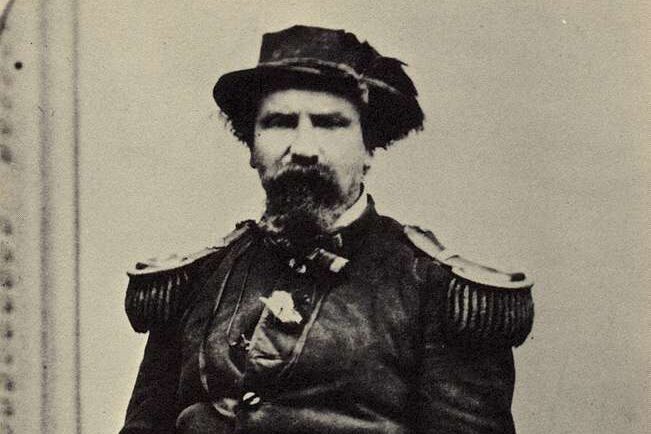
Joshua Norton declared himself Emperor of the United States in 1859, and somehow, San Francisco went along with it. A failed businessman who had lost his fortune, Norton began issuing proclamations in newspapers, including calls to abolish Congress. Instead of dismissing him entirely, many locals embraced him as a harmless and eccentric figure. Businesses even accepted currency he issued himself, known as “Norton money.”
What makes Norton’s story so unusual is how seriously people treated him. He attended public events, inspected infrastructure, and was given a kind of unofficial respect by the city. When he died in 1880, thousands attended his funeral, which is remarkable for someone with no official power. His life sits somewhere between performance, delusion, and community myth. It is difficult to imagine a modern city embracing someone in quite the same way.
4. Count of St. Germain
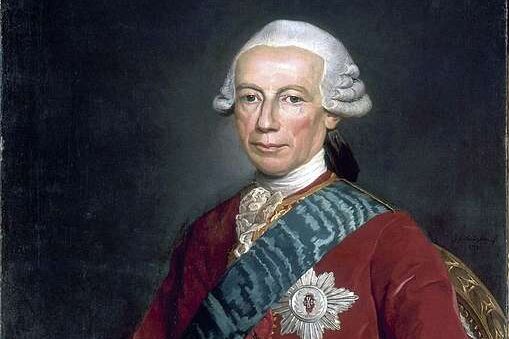
The Count of St. Germain is one of the most mysterious figures in European history. Active in the 18th century, he appeared in royal courts across Europe, including France, where he impressed people with his intelligence, charm, and apparent wealth. He spoke multiple languages fluently and seemed to possess knowledge of science, art, and politics. What made him especially intriguing was his claim that he never aged.
Some contemporaries believed he was centuries old, and rumors circulated that he had discovered the secret to immortality. While there is no evidence to support those claims, his behavior fueled speculation. He avoided discussing his origins and seemed to appear and disappear at will. Even after his reported death in 1784, sightings of him continued to be reported. His story feels less like history and more like a legend that refuses to end.
5. Phineas Gage

Phineas Gage was a railroad construction foreman whose accident in 1848 became one of the most famous cases in neuroscience. While working in Vermont, an explosion sent a large iron rod through his skull. Remarkably, he survived the injury and was able to walk and speak shortly afterward. The physical survival alone is difficult to believe given the severity of the accident.
What truly astonished doctors was the change in his personality. Before the accident, he was described as responsible and well-liked, but afterward, he became impulsive and unreliable. His case provided early evidence that different parts of the brain control personality and behavior. Despite the dramatic nature of the story, it is well-documented in medical literature. It remains one of the clearest examples of how brain injury can alter who a person is.
6. Julie d’Aubigny
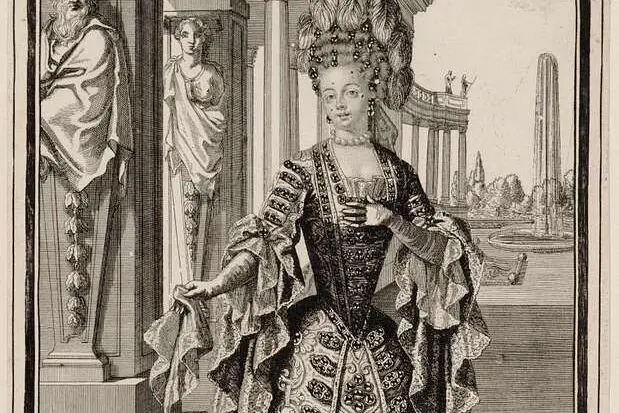
Julie d’Aubigny, also known as La Maupin, lived a life that sounds more like an adventure novel than a historical record. Born in France in the late 17th century, she was trained in sword fighting and became known for her skill in duels. She also pursued a career as an opera singer, performing at the Paris Opera. Her personal life was just as dramatic, including multiple romantic relationships and public scandals.
One of the most unbelievable episodes involved her rescuing a lover from a convent by setting it on fire and escaping with her. She later received a royal pardon for her actions, which only adds to the surreal nature of her story. D’Aubigny also fought and won several duels against men, which was highly unusual for the time. Her life combined art, rebellion, and danger in a way that feels almost cinematic. Yet historical records confirm many of these events.
7. Tarrare

Tarrare was an 18th-century Frenchman known for his extreme and unusual appetite. He could consume vast amounts of food in a single sitting and was constantly hungry, regardless of how much he ate. During the French Revolutionary Wars, he was even used as a courier because he could swallow messages and later retrieve them. His condition baffled doctors at the time.
Reports about his eating habits are difficult to read and even harder to believe. He was said to eat animals whole, including cats and snakes, though some details may have been exaggerated. He also had a noticeably distended abdomen and emitted a strong odor, according to accounts. Despite attempts to treat him, his condition persisted. His life ended in his twenties, and the exact medical explanation for his condition remains uncertain.
8. Hedy Lamarr
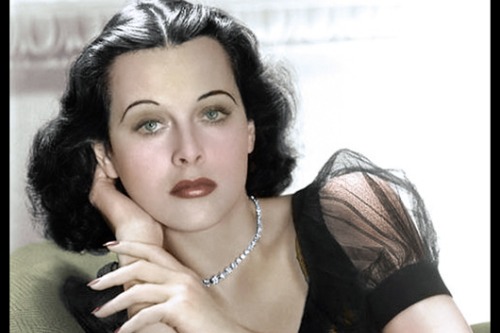
Hedy Lamarr is often remembered as a glamorous Hollywood actress, but her story goes far beyond film. Born in Austria in 1914, she became a major star in the 1930s and 1940s. At the same time, she was deeply interested in science and technology. During World War II, she co-invented a frequency-hopping communication system intended to prevent enemy interception of torpedo guidance signals.
The invention was far ahead of its time and was not fully implemented during the war. However, the underlying concept later became important in the development of technologies like Wi-Fi and Bluetooth. It is unusual enough for a film star to have such a technical mind, but Lamarr’s contributions were largely overlooked during her lifetime. She was only widely recognized for her work decades later. Her story challenges assumptions about who gets remembered as an innovator.
9. Ignaz Semmelweis
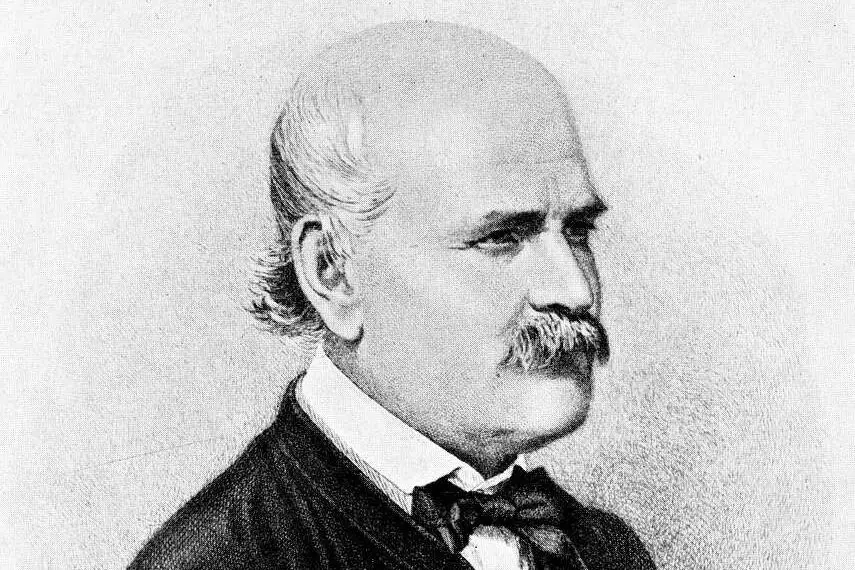
Ignaz Semmelweis was a Hungarian physician in the mid-19th century who made a discovery that should have made him a hero. While working in a Vienna hospital, he realized that doctors were transmitting deadly infections to patients during childbirth. He introduced handwashing with chlorinated lime solutions, which dramatically reduced mortality rates. Today, this seems obvious, but at the time it was revolutionary.
What makes his story so frustrating is how it was received. Many of his colleagues rejected his findings and refused to change their practices. Semmelweis became increasingly outspoken and was eventually dismissed from his position. He died in an asylum in 1865, before his ideas were widely accepted. Only later was he recognized as a pioneer of antiseptic procedures. His story reads like a tragic example of being right too early.
10. Timothy Dexter
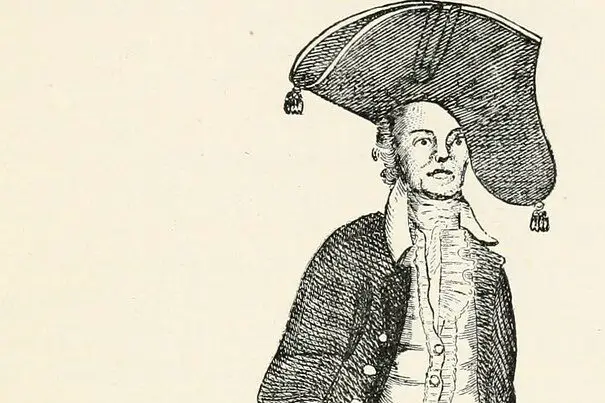
Timothy Dexter was an American businessman in the late 18th century who became wealthy through what seemed like completely illogical decisions. Born into poverty, he made a series of investments that appeared foolish on the surface. For example, he shipped coal to Newcastle, a city already known for its coal supply. Surprisingly, the shipment arrived during a miners’ strike and sold at a profit.
He repeated this pattern with other ventures, including sending warming pans to the Caribbean, where they were repurposed for molasses. Dexter also wrote a book with almost no punctuation, which still managed to sell. His success defied conventional business logic at nearly every turn. It is difficult to determine how much was luck versus instinct. Either way, his life feels like a series of improbable outcomes that somehow worked.
11. Ada Lovelace
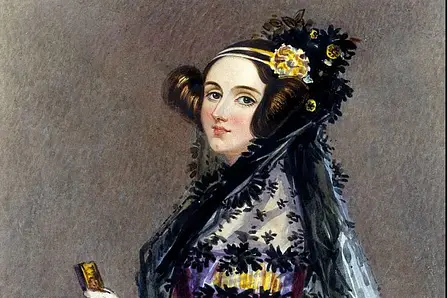
Ada Lovelace, born in 1815, is often described as the world’s first computer programmer. She worked with Charles Babbage on his proposed Analytical Engine, a mechanical general-purpose computer that was never fully built. Lovelace translated an article about the machine and added extensive notes of her own. In those notes, she outlined how the machine could be used to perform complex calculations.
What makes her story remarkable is how far ahead of her time she was. She understood that such a machine could go beyond numbers and potentially create music or process symbols. This conceptual leap is foundational to modern computing. Despite this, her contributions were not fully appreciated until much later. Her work now places her at the beginning of computer science as a field.
12. Leo Major
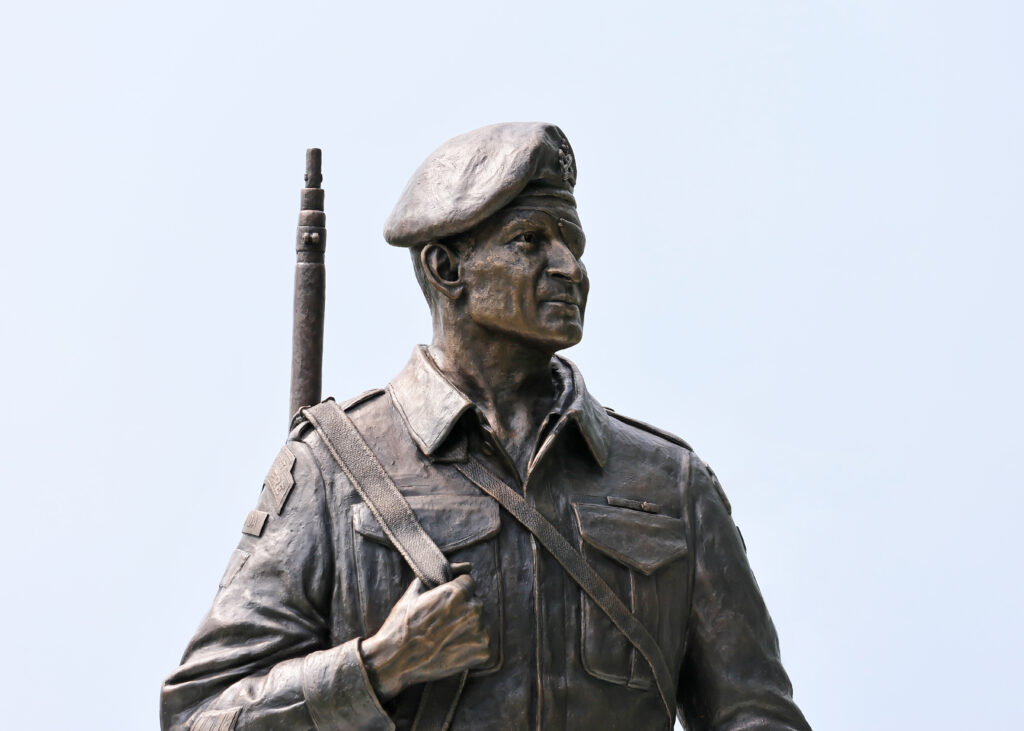
Leo Major was a Canadian soldier in World War II whose actions sound almost exaggerated, yet they are well-documented. During the war, he single-handedly captured dozens of German soldiers and later played a key role in the liberation of the Dutch city of Zwolle. In 1945, he reportedly entered the city alone at night, creating enough confusion among German forces to convince them to retreat.
What stands out is the scale of what he accomplished as a single individual. He used stealth, deception, and boldness rather than direct confrontation. Major also refused a military decoration earlier in the war because he disagreed with the commanding officer presenting it. He later received the Distinguished Conduct Medal twice, which is rare. His story reads like something out of a war film, but it is supported by historical accounts.