
1. SOS (Creamed Chipped Beef on Toast)
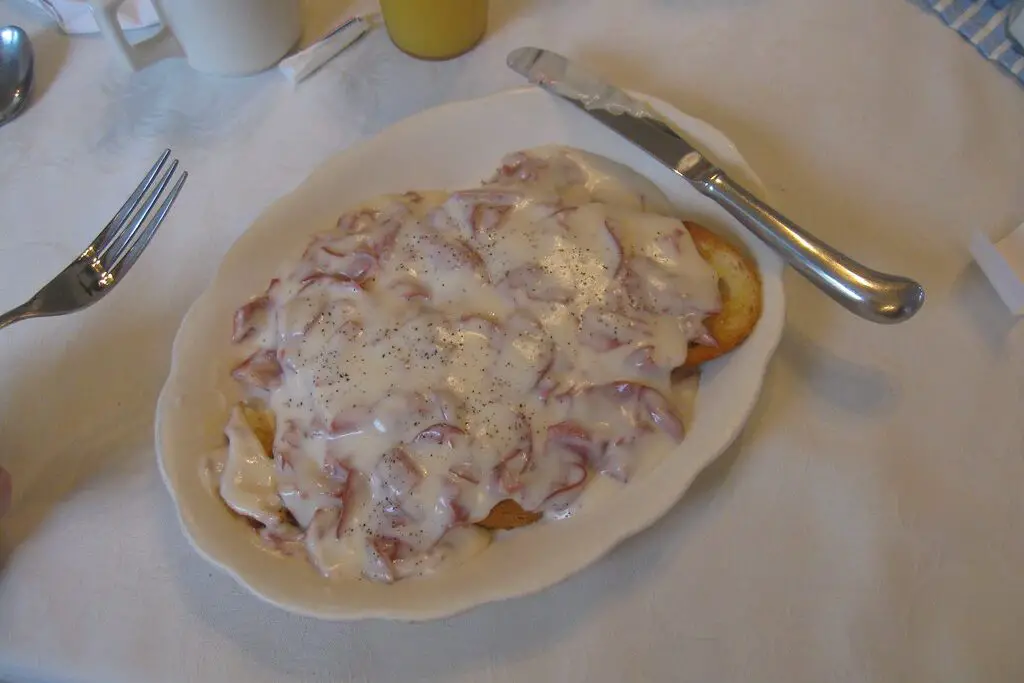
If you grew up hearing someone mention SOS, you probably knew it meant creamed chipped beef poured over toast. The dish dates back to military mess halls, especially during World War II, where it was cheap, filling, and easy to make in bulk. Families brought it home because it stretched a small amount of dried beef into something that could feed several people. The creamy white sauce helped disguise the saltiness of the meat and made it feel a little more substantial. It was rarely anyone’s favorite meal, but it showed up when grocery money was running low. Parents could make it quickly with pantry staples and a loaf of bread. Even kids who complained usually ate it because there wasn’t much else. It became one of those meals people remember with a mix of humor and mild dread.
There was also something oddly comforting about it, especially on cold nights when a hot meal mattered more than flavor. Many families passed the recipe down, even if they didn’t cook it often anymore. It represented making do with what you had, without wasting anything. Some households used hamburger instead of chipped beef to cut costs even further. Others added peas or onions to stretch it even more. No matter how it was made, the goal was always the same, feed everyone as cheaply as possible. Today, it still shows up in nostalgic conversations about tough times. It is one of those dishes that tells a bigger story than its ingredients ever could.
2. Beans and Cornbread
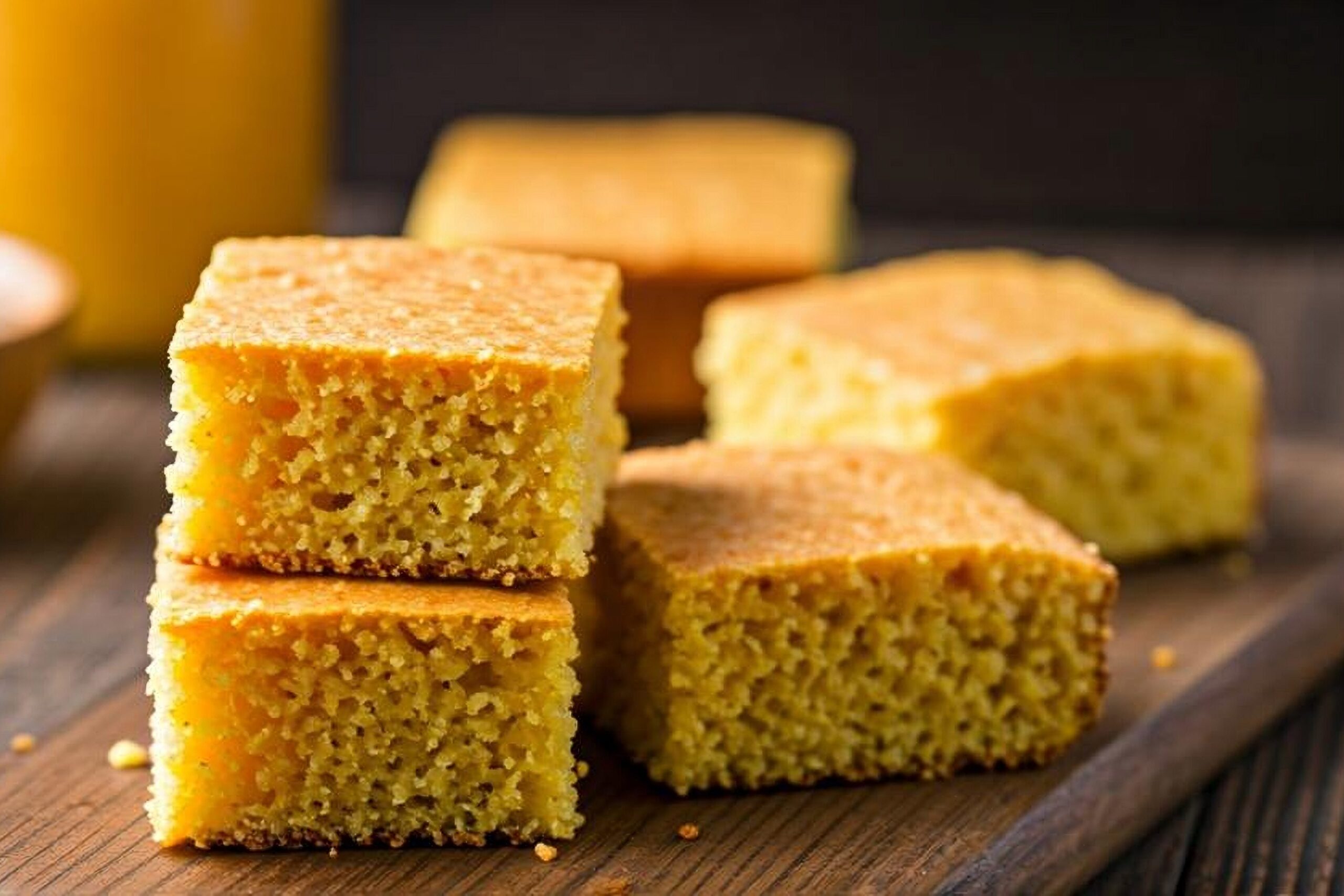
Beans and cornbread have long been associated with frugal cooking, especially in Southern households. Dried beans were inexpensive, lasted a long time, and could feed a large family when cooked slowly. Cornbread, made from simple ingredients like cornmeal, water, and sometimes milk, was just as affordable. Together, they formed a complete meal that was filling and dependable. Families leaned on this combination when meat was scarce or too expensive. It was common to flavor the beans with a small piece of pork, or sometimes none at all. The meal was simple, but it kept people full for hours.
Over time, it became more than just a “tight budget” meal and turned into a cultural staple. Still, many people remember eating it most often when money was stretched thin. Leftovers were easy to reheat and sometimes tasted even better the next day. Some families added greens or onions for variety, depending on what they had. The dish could be adjusted endlessly without costing much more. It taught generations how to cook economically without sacrificing nourishment. Even now, it carries a sense of resilience and practicality. It is a reminder that simple food can still be satisfying when it needs to be.
3. Potato Soup
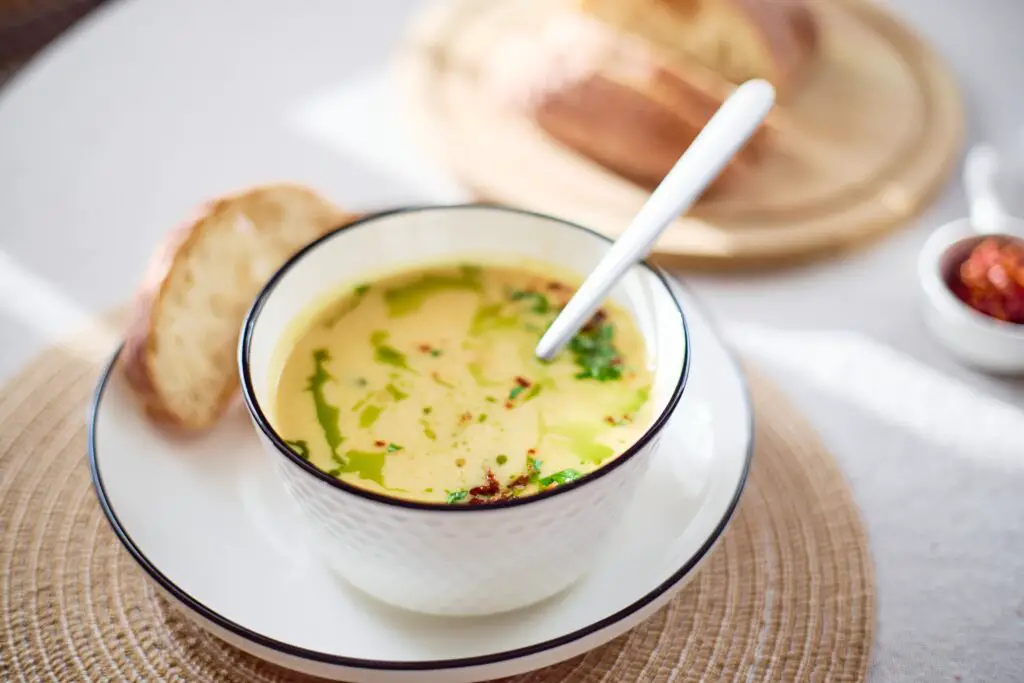
Potato soup was one of the easiest ways to turn a few basic ingredients into a full meal. Potatoes were cheap, widely available, and could be stored for long periods. Families would boil them down with water, milk, or broth to create a thick, filling soup. Sometimes onions or a bit of butter were added for flavor if they were on hand. It was the kind of meal that could be made in a single pot and stretched over multiple servings. When money was tight, this was a reliable option that didn’t require much planning. Even small additions could make it feel different from one night to the next.
For many, the memory of potato soup is tied to cold weather and simple kitchens. It wasn’t fancy, but it was warm and filling, which mattered most. Some families mashed the potatoes completely, while others left chunks for texture. Leftovers could be thinned out with more liquid to make them last longer. It was also easy to adjust based on what was available in the pantry. A little bacon or cheese, when affordable, could make it feel like a treat. Most of the time, though, it was kept plain to save money. It stands as one of the clearest examples of how far a humble ingredient could go.
4. Fried Bologna Sandwiches

Fried bologna sandwiches showed up often when lunch meat budgets were limited. Bologna was one of the cheapest deli options, and frying it gave it a stronger flavor and better texture. Families would cook it in a pan until the edges curled, then place it between slices of white bread. Sometimes there was cheese or mustard, but often it was just the bologna itself. It was quick, inexpensive, and filling enough to satisfy hungry kids. Many people remember eating it after school or on weekends. It became a staple in households where stretching every dollar mattered.
There was a certain routine to making them that people still recall clearly. The smell of bologna frying on the stove is something that sticks with you. Some families cut slits in the edges to keep it from puffing up in the pan. Others stacked multiple slices to make the sandwich feel more substantial. It wasn’t glamorous, but it got the job done. Over time, it became a nostalgic comfort food rather than just a budget necessity. Even today, some people still crave it for the memories alone. It’s a simple reminder of how creative families got with limited ingredients.
5. Cabbage and Noodles
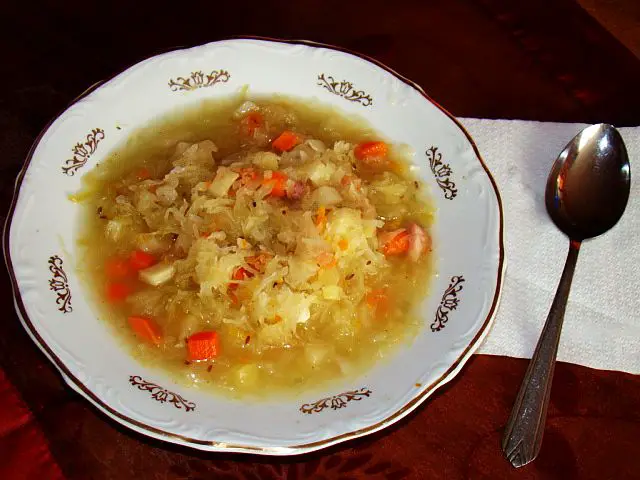
Cabbage and noodles is a dish that shows up in many cultures, often tied to times of financial strain. Cabbage was inexpensive, easy to grow, and could be stored for long periods. Egg noodles were also relatively cheap and filling, making the combination practical. Families would sauté cabbage with butter or oil, then mix it with cooked noodles. Sometimes onions or a small amount of meat were added if available. It created a hearty dish that could feed several people without much cost. The flavors were mild but satisfying.
For many families, it was a go-to meal when the pantry looked bare. It required only a few ingredients and came together quickly. Leftovers were easy to reheat and often tasted even better the next day. Some households seasoned it heavily to add variety, while others kept it simple. It was a dish that could be adapted depending on what was available. Even though it started as a necessity, it became a comfort food for many. People still make it today, often for the memories as much as the taste. It represents practical cooking at its most efficient.
6. Rice and Beans

Rice and beans have been a staple in many parts of the world for centuries, especially during times of economic hardship. Both ingredients are inexpensive, shelf-stable, and highly filling. When combined, they provide a more complete nutritional profile than either one alone. Families relied on this pairing when meat was too costly or unavailable. It could be flavored in countless ways depending on regional traditions and available spices. Even a small amount of seasoning could transform the dish. It was dependable, affordable, and easy to make in large quantities.
For families trying to stretch meals across several days, rice and beans were a reliable solution. Leftovers could be repurposed into different dishes with minimal effort. Some households added vegetables or scraps of meat when they could afford it. Others kept it as simple as possible to save money. The dish carried different cultural meanings depending on where you lived, but the purpose was often the same. It was about feeding people efficiently without sacrificing nourishment. Even today, it remains a staple in many kitchens. Its staying power speaks to how effective and practical it has always been.
7. Tuna Noodle Casserole
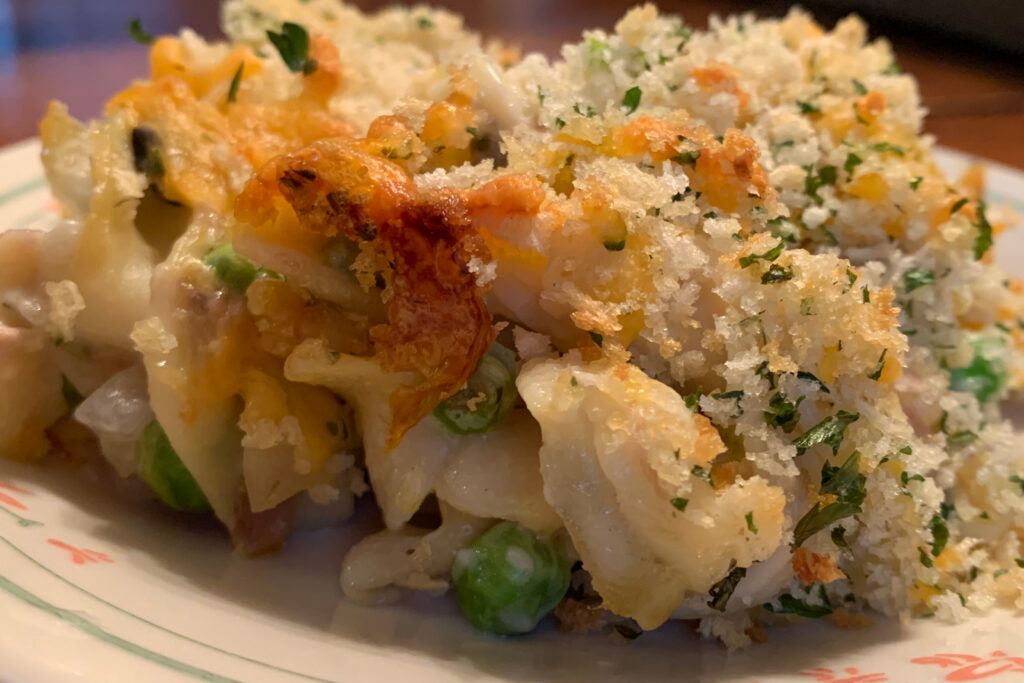
Tuna noodle casserole became popular in the mid-20th century as a way to stretch inexpensive canned goods. Canned tuna was affordable and had a long shelf life, making it a reliable protein source. Combined with egg noodles and a creamy base, it created a filling meal for large families. Many recipes used canned soup to simplify preparation and reduce costs. It was often baked in one dish, making cleanup easier. Families turned to it when they needed something hearty but inexpensive. It quickly became a weeknight staple in many homes.
Despite its simplicity, it was often met with mixed reactions from kids. Some loved the creamy texture, while others dreaded it. Still, it showed up frequently because it made sense financially. Leftovers were common and could be reheated the next day. Some families added peas or breadcrumbs to stretch it further. Others adjusted the recipe depending on what was available. Over time, it became a symbol of practical, budget-conscious cooking. Today, it’s remembered as both a comfort food and a sign of tighter times.
8. Peanut Butter and Jelly Sandwiches
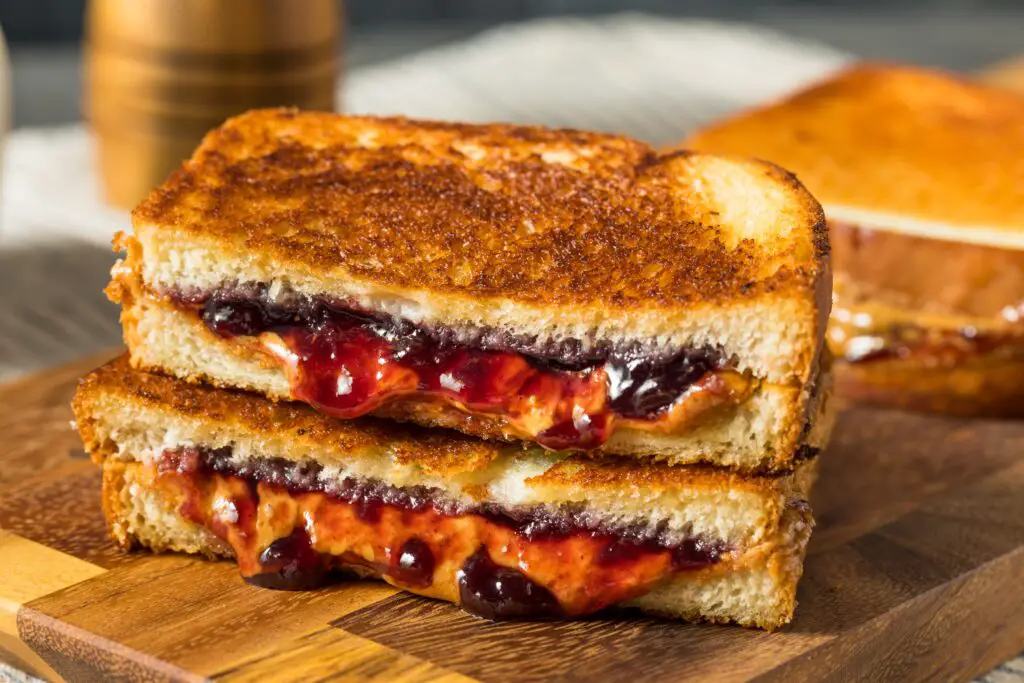
Peanut butter and jelly sandwiches were one of the most affordable meals families could rely on. Peanut butter provided protein, while jelly added sweetness and flavor. Bread was inexpensive and widely available, making this an easy go-to option. It required no cooking, which made it especially useful for quick meals. Many kids ate it regularly when budgets were tight. It was filling enough to serve as lunch or even dinner in some households. The simplicity made it both practical and dependable.
For many people, it became more than just a budget meal and turned into a lifelong comfort food. Families could buy the ingredients in bulk and stretch them over many meals. Variations were minimal, but small changes could make it feel different. Some added honey or bananas when available. Others stuck to the basics to keep costs down. It was one of those meals that required almost no effort but delivered consistent results. Even now, it’s a staple in many homes. Its longevity speaks to how effective it was during lean times.
9. Hot Dogs and Beans
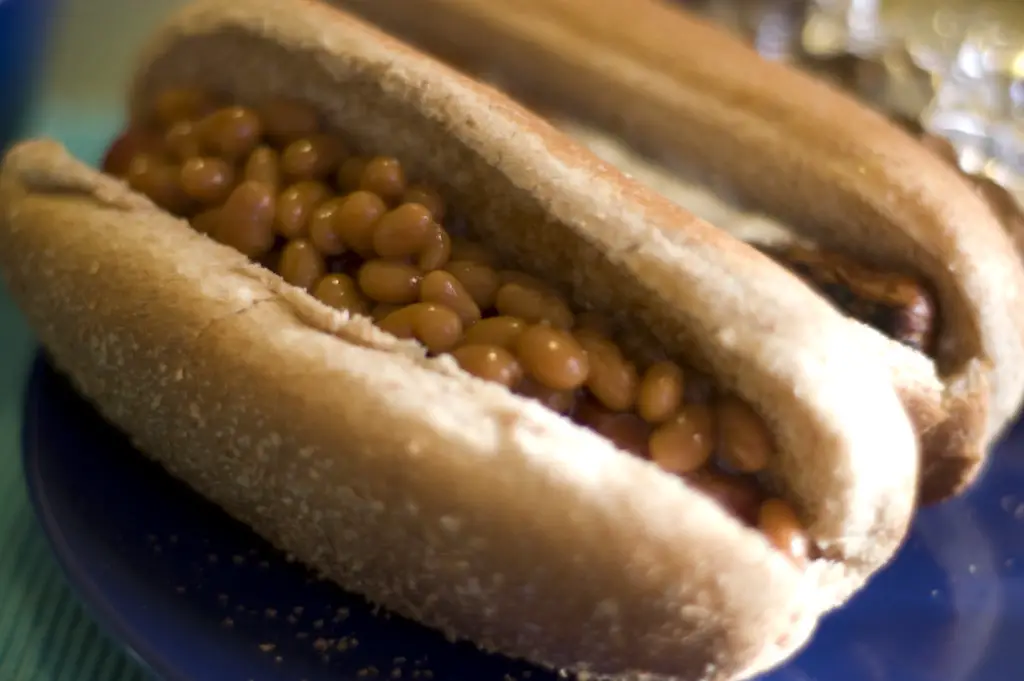
Hot dogs and beans were a common combination when families needed to make a small amount of meat go further. Hot dogs were inexpensive and could be sliced to stretch across multiple servings. Baked beans added bulk and made the meal more filling. Together, they created a dish that was simple but satisfying. It was often cooked in one pot or pan, making it convenient. Families relied on it when they needed something quick and affordable. It was especially common during colder months.
The meal had a casual, almost comforting feel despite its simplicity. Kids often enjoyed it more than some other budget dishes. Parents appreciated how far it could stretch with minimal effort. Some families added ketchup or mustard for extra flavor. Others baked it to create a slightly different texture. It wasn’t a fancy meal, but it worked. Over time, it became associated with both childhood and financial practicality. It remains a nostalgic favorite for many people.
10. Spam and Rice
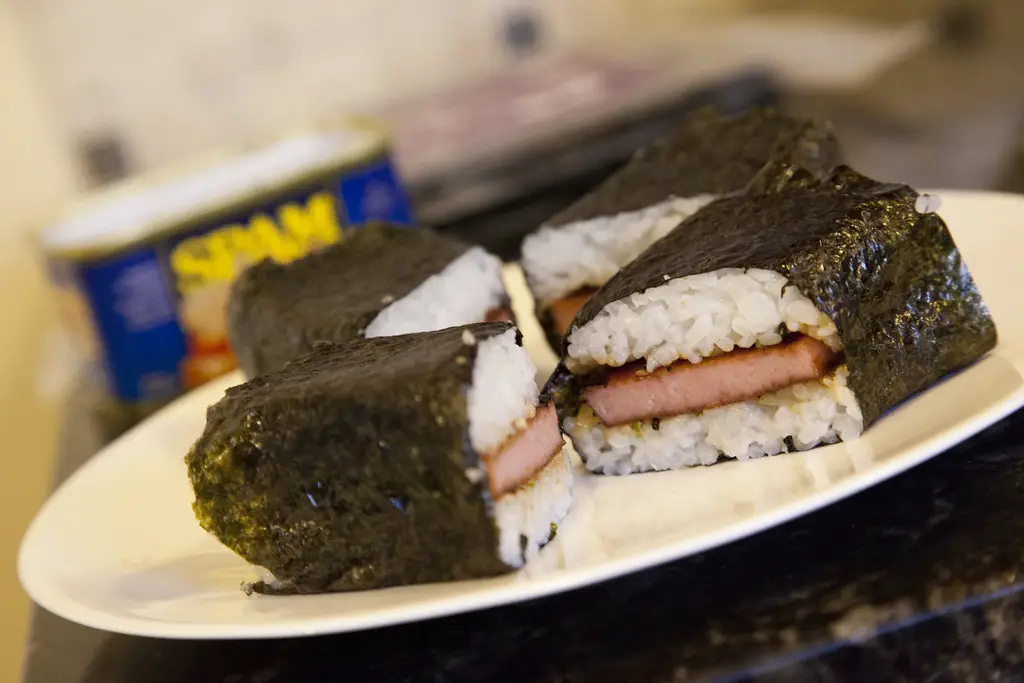
Spam became a staple in many households because of its affordability and long shelf life. Introduced in 1937, it gained popularity during World War II when fresh meat was limited. Families continued using it afterward as a budget-friendly protein option. When paired with rice, it could feed multiple people with minimal cost. The saltiness of the Spam added flavor without needing many additional ingredients. It was easy to prepare and required little effort. For many, it became a reliable fallback meal.
Different regions developed their own variations of Spam and rice. Some fried the Spam for extra texture, while others served it as-is. Adding eggs or vegetables could stretch the dish even further. It was a meal that could be adjusted depending on what was available. Despite its reputation, it played an important role in feeding families during difficult times. Many people still keep it in their pantry today. It remains a symbol of resourcefulness and practicality. Its history is closely tied to periods of scarcity.
11. Grilled Cheese Sandwiches
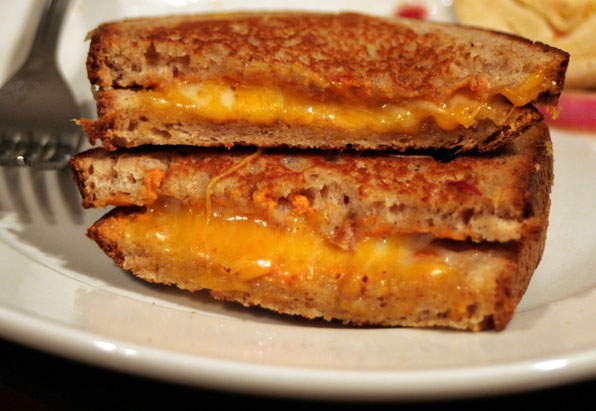
Grilled cheese sandwiches were a dependable option when budgets were tight. Bread and processed cheese were both relatively inexpensive and widely available. When cooked together, they created a warm, filling meal with minimal ingredients. It was quick to make and required little skill. Families often served it with soup to stretch the meal further. Kids especially enjoyed it, which made it an easy choice. It became a staple in many households.
There was something comforting about the simplicity of a grilled cheese sandwich. The melted cheese and crispy bread made it feel more satisfying than its cost suggested. Some families used margarine instead of butter to save money. Others added extras when they could afford it. Even without additions, it was enough to fill people up. It became one of those meals that crossed generations. Today, it’s still widely eaten, often for the same reasons. Its staying power reflects how practical it has always been.
12. Macaroni with Butter
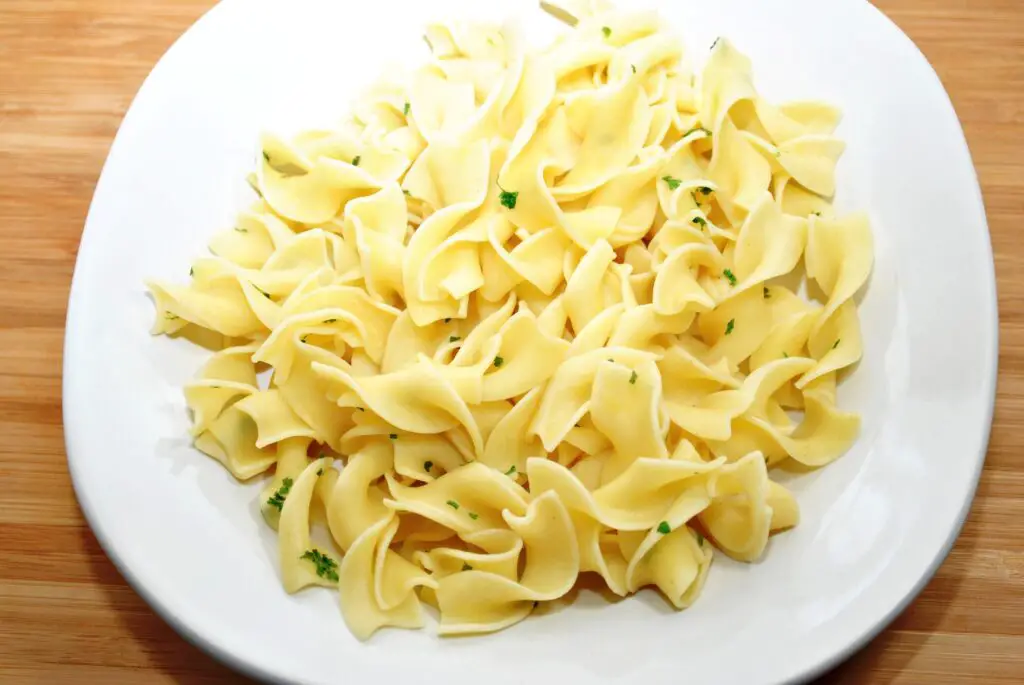
Macaroni with butter was one of the simplest meals families could make when resources were limited. Pasta was inexpensive, easy to store, and quick to cook. Adding butter provided flavor without requiring additional ingredients. It was often served as a main dish rather than a side when budgets were tight. Kids tended to like it, which made it an easy fallback option. It required very little preparation or planning. Families could rely on it when the pantry was nearly empty.
Some households added salt or pepper to enhance the flavor. Others included small additions like cheese when available. Even in its plainest form, it was filling and dependable. Leftovers were easy to reheat and still tasted good. It was one of those meals that didn’t require much thought. Over time, it became associated with both childhood and financial hardship. Many people still make it occasionally for the nostalgia. It remains a clear example of simple, budget-conscious cooking.
13. Corned Beef Hash
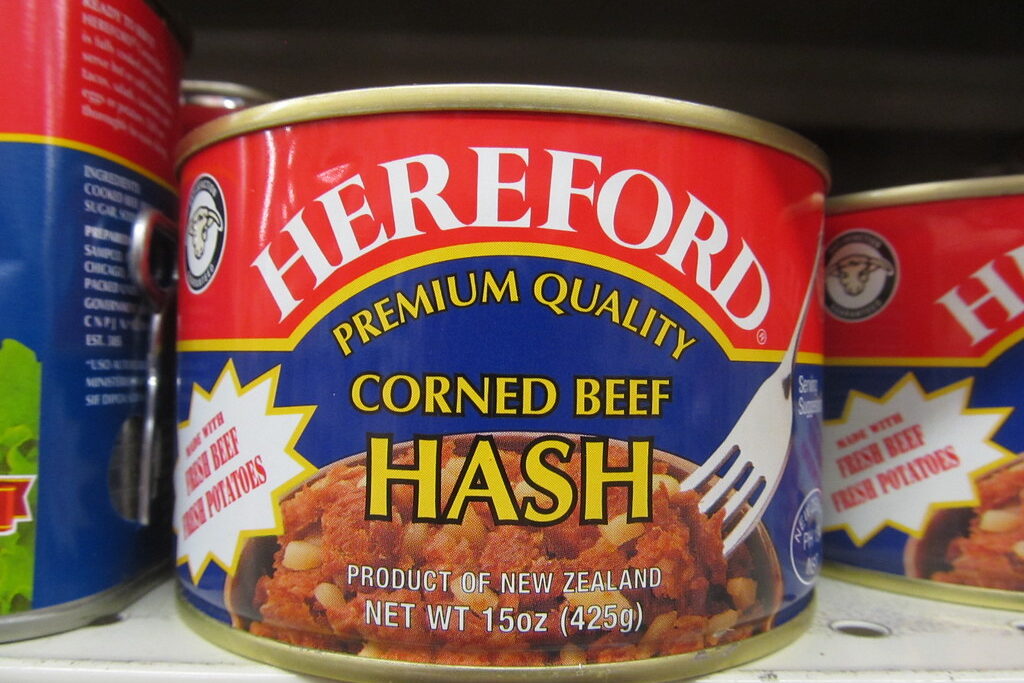
Corned beef hash was often made using canned corned beef and potatoes. Both ingredients were relatively inexpensive and could be stored for long periods. Families would fry them together to create a filling, hearty dish. It was commonly served for breakfast or dinner, depending on the household. The dish allowed families to stretch a small amount of meat across multiple servings. It was especially popular during times when fresh meat was scarce. Its simplicity made it a practical choice.
The crispy texture from frying added a bit of variety to an otherwise basic meal. Some families added onions or peppers when they had them. Others kept it simple to save money. It was a dish that could be adjusted easily based on what was available. Many people remember it as a regular part of their childhood. It wasn’t glamorous, but it served its purpose. Over time, it became a nostalgic comfort food. It reflects a period when practicality mattered more than presentation.
14. Milk Toast
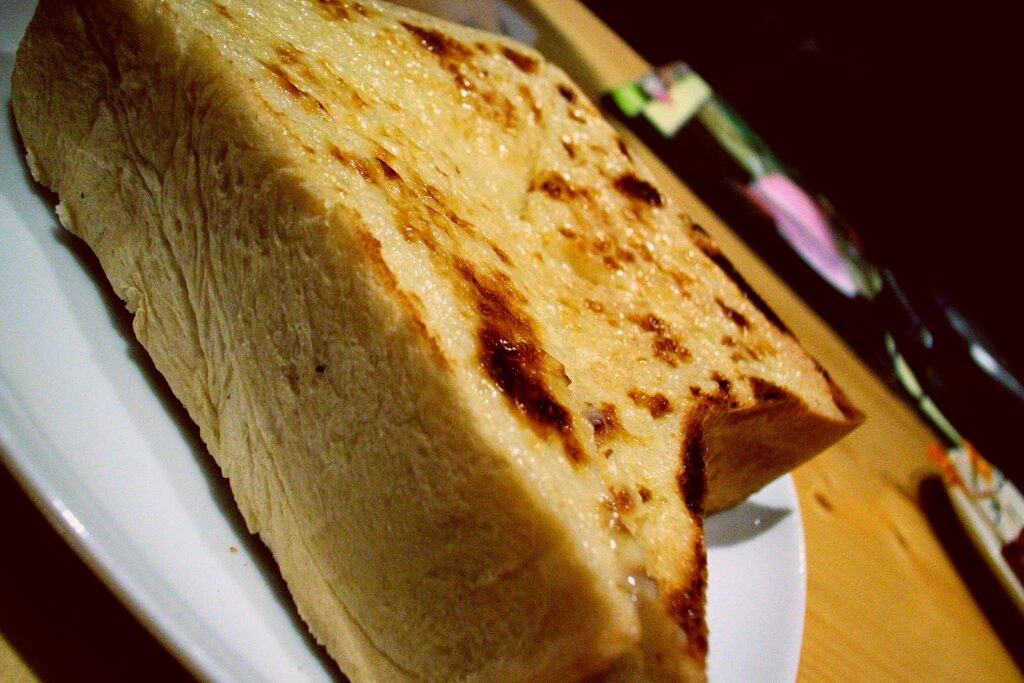
Milk toast is one of the most understated meals associated with hard times. It typically consisted of toasted bread soaked in warm milk, sometimes with a bit of sugar or butter. The ingredients were inexpensive and usually already on hand. It was often served to children or anyone feeling unwell, but it also appeared when money was tight. The dish required almost no effort to prepare. It was soft, simple, and easy to eat. Families relied on it when they needed something quick and cheap.
Despite its plainness, milk toast carried a certain sense of comfort. It was warm and filling, even if it lacked strong flavor. Some families added cinnamon or a sprinkle of sugar when they could. Others kept it as basic as possible. It was a meal born out of necessity rather than preference. Over time, it became a symbol of simpler, more difficult periods. Many people remember it clearly, even if they haven’t eaten it in years. It stands as a quiet reminder of how families made do.