
1. A Box of Unused Ration Books
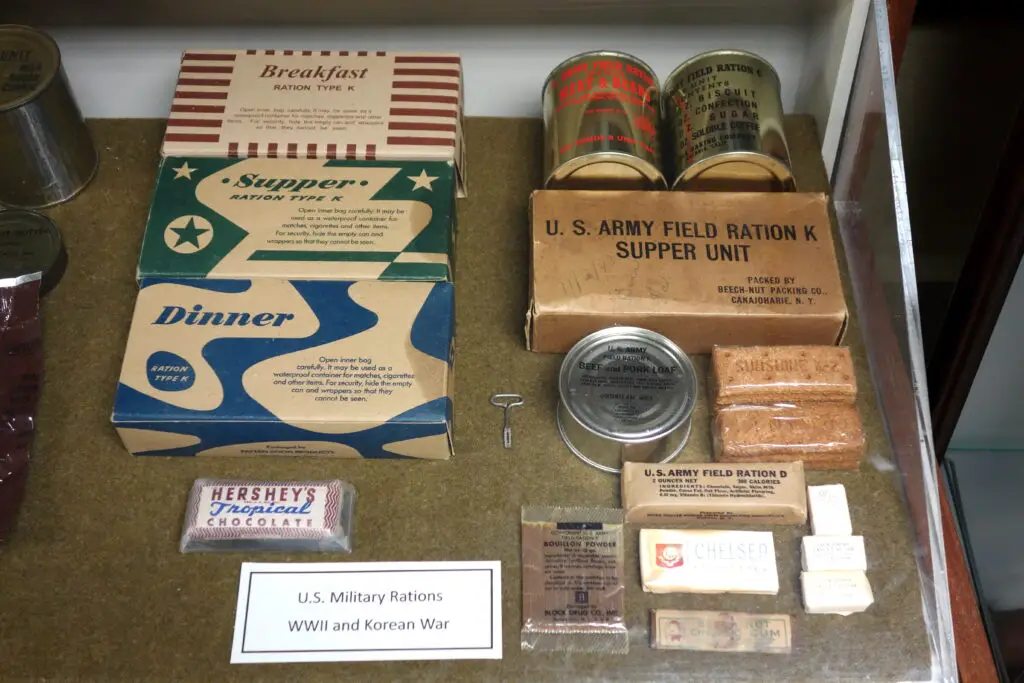
Cleaning out an old garage can sometimes uncover relics from wartime, including ration books from World War II that were never fully used. These booklets were issued in the United States to control the distribution of items like sugar, gasoline, and meat. Many families kept extras tucked away, especially if they moved or had surplus stamps they never redeemed. Finding a stack of them today feels like opening a time capsule tied directly to daily life during the 1940s.
Collectors and historians value these items because they show how ordinary Americans adapted to shortages. The stamps and printed dates help verify authenticity, and many still look surprisingly intact. It is not unusual for these to turn up in garages where belongings were stored for decades without being sorted. What seems like paper clutter at first glance can turn out to be a small but meaningful piece of history.
2. Vintage License Plates from Multiple States
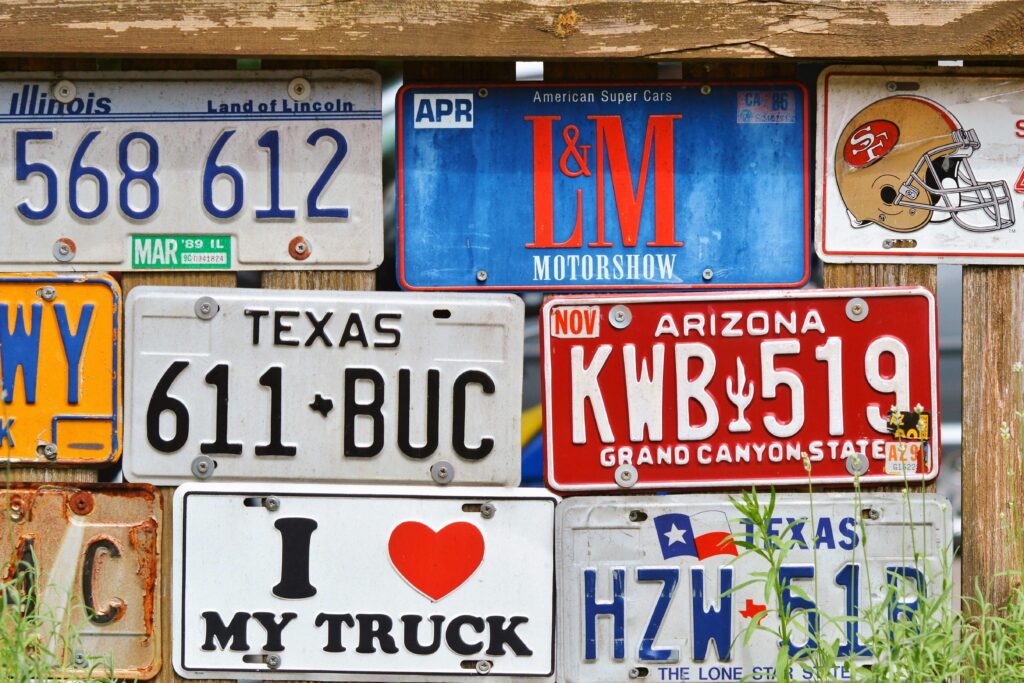
It is fairly common to find stacks of old license plates tucked into rafters or nailed to garage walls. In many cases, families kept plates from previous vehicles rather than discarding them. Some date back to the early 20th century, when designs were simpler and often made of porcelain or heavy steel. These plates can reflect cross-country moves, road trips, or even forgotten vehicles long gone.
Collectors actively seek older plates, especially those with unique designs or low production numbers. Certain states issued limited runs during wartime due to metal shortages, which makes those versions more valuable today. Even plates that look worn can carry historical interest tied to regional design changes. What looks like scrap metal can end up telling a surprisingly detailed story about a family’s past.
3. A Sealed Trunk Full of Old Newspapers

Garages often become storage spaces for trunks that no one has opened in decades. Occasionally, those trunks contain neatly stacked newspapers preserved far better than expected. Because they were kept dry and sealed, the pages can remain readable even after many years. The headlines sometimes capture major historical events exactly as they were first reported.
Old newspapers are useful to researchers because they show how stories were framed at the time, not just what happened. Even local editions can provide insight into community reactions and everyday concerns. While they are not always highly valuable, complete editions tied to major events can attract collectors. It is a reminder that history is often sitting quietly in overlooked places.
4. Antique Hand Tools with Obsolete Designs
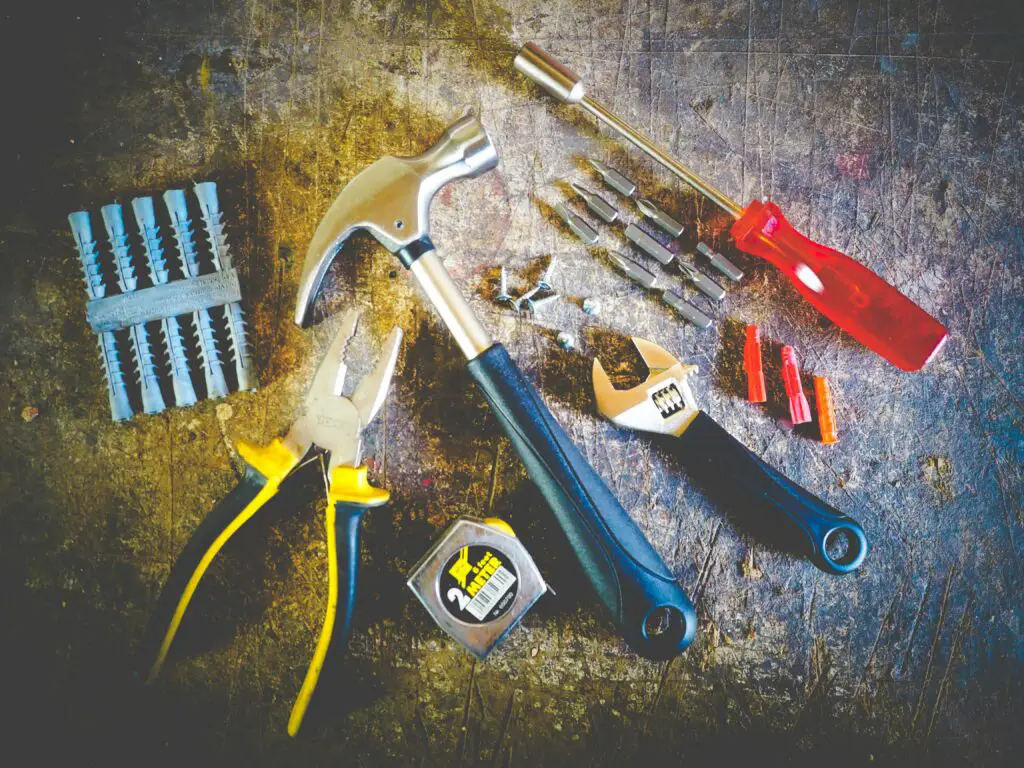
Many garages still hold hand tools that have not been manufactured in decades. Items like brace drills, hand-forged wrenches, and early woodworking planes often show up covered in dust but still functional. These tools were built to last, and their craftsmanship stands out compared to many modern equivalents. Some designs are no longer used because power tools replaced them.
Restorers and hobbyists often seek out these tools for both practical use and display. Brands stamped into the metal can help date them and confirm their origin. Even heavily rusted pieces can sometimes be restored with basic cleaning techniques. What looks like outdated equipment can actually be a window into older methods of craftsmanship.
5. Forgotten Gas Station Memorabilia
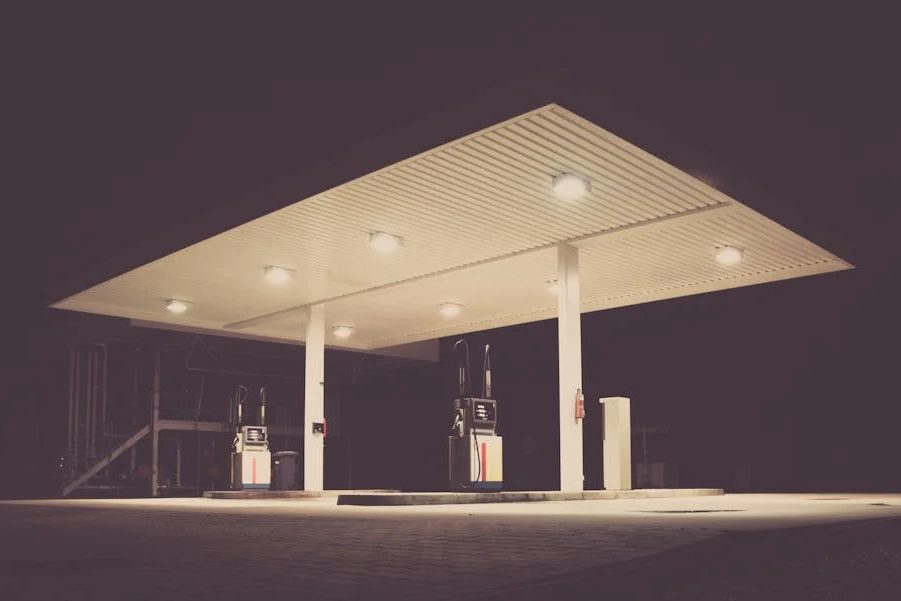
Old garages sometimes double as storage for items picked up at gas stations decades ago. Things like branded oil cans, road maps, and signage were often saved without much thought. Over time, these items have become collectible, especially those tied to companies that no longer exist. The designs often reflect bold colors and typography typical of mid-century advertising.
Collectors of automotive history value these pieces for their connection to early road travel culture. Some oil cans and signs can be traced back to specific regions or time periods. Even small items like promotional keychains or maps can carry surprising value. These finds often reveal how central car culture was to everyday life.
6. A Box of Old Vinyl Records
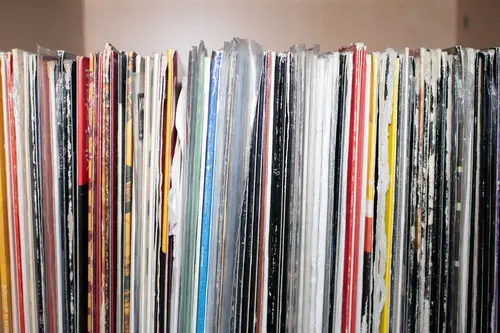
Garages are notorious for storing boxes of records that were set aside during moves or upgrades to newer formats. Vinyl records from the ’50s through the ’80s frequently turn up in these collections. While many are common releases, some include rare pressings or albums that were only briefly available. Condition plays a major role in determining whether they are valuable.
Music enthusiasts often search through these boxes hoping to find well-preserved originals. Albums stored in dry conditions can still play well decades later. Even when they are not worth much financially, they offer a direct connection to the music people were listening to at the time. It is one of the more personal discoveries someone can make in an old garage.
7. Early Home Electronics
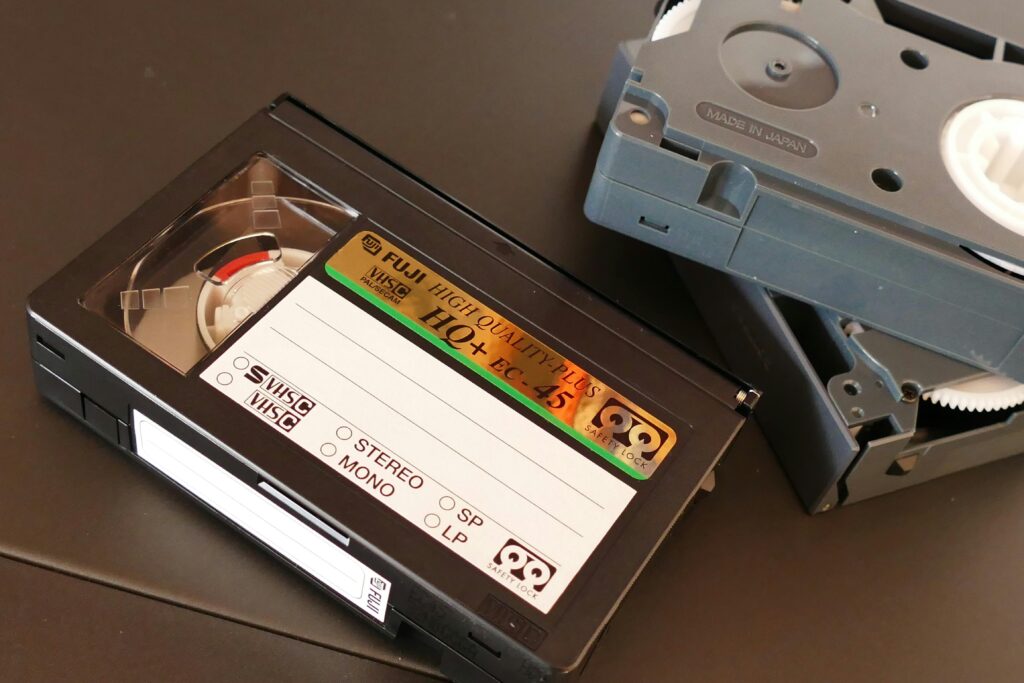
It is not unusual to find outdated electronics stored away instead of thrown out. Items like early televisions, radios, and even first-generation personal computers sometimes resurface during cleanouts. These devices often stopped working long ago but were kept due to their original cost or novelty. Over time, they became forgotten rather than intentionally preserved.
Collectors of technology history are often interested in these finds, especially if they are complete or repairable. Certain early models represent key moments in consumer electronics development. Even non-working units can be valuable for parts or display. They highlight how quickly technology evolves and how easily yesterday’s innovations become obsolete.
8. Old Paint Cans with Vintage Labels

Garages frequently contain old paint cans left behind from past home projects. Some of these cans date back several decades and still have their original labels intact. The branding and design on these labels can reflect different eras of advertising and manufacturing. In some cases, the paint inside has hardened completely, but the container remains intact.
These cans can be of interest to collectors who focus on industrial design or advertising history. However, they also raise practical concerns, as older paints may contain materials no longer considered safe. Proper disposal is often required, depending on local regulations. What starts as a routine cleanup task can turn into an unexpected look at how home improvement products have changed.
9. Military Footlockers with Personal Items

Some garages hold military footlockers that have not been opened in years. These sturdy boxes often contain uniforms, letters, and personal effects from service members. The contents can provide a detailed snapshot of an individual’s experience during wartime or training. Names, dates, and locations are often preserved within the items.
Families sometimes rediscover these lockers without realizing their historical significance. Letters and documents can offer firsthand accounts that are not found in official records. While the monetary value varies, the personal and historical importance is often much greater. These discoveries tend to carry emotional weight alongside their historical relevance.
10. Classic Car Parts from Disassembled Projects
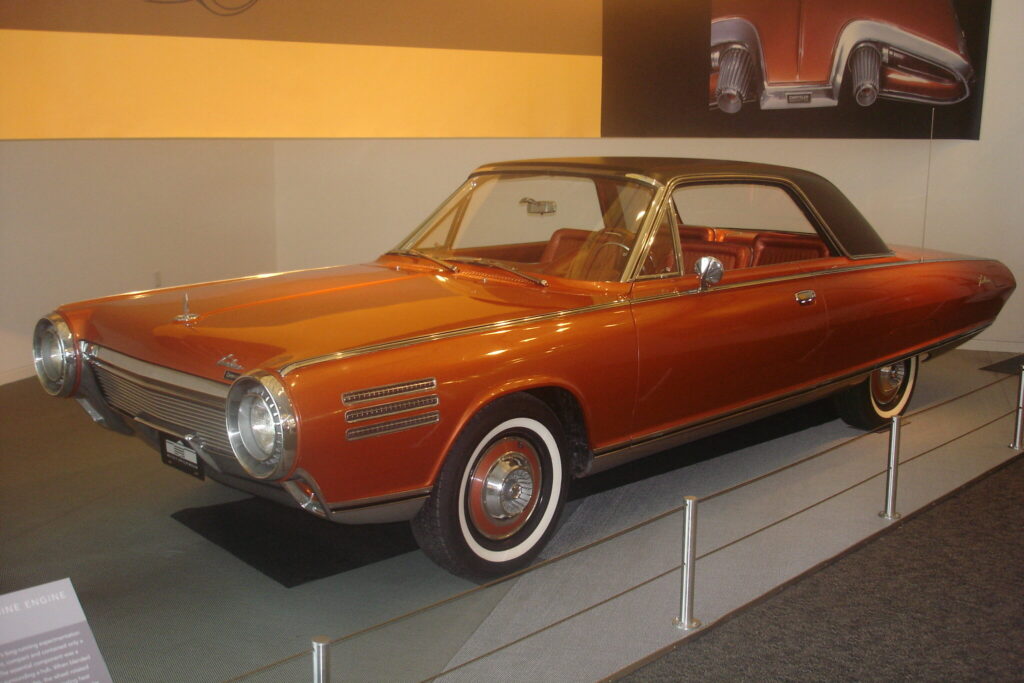
Many garages become long-term storage for car projects that were never completed. It is common to find engines, body panels, or interior parts from vehicles that no longer exist. These parts were often saved with the intention of future restoration that never happened. Over time, they were simply left in place.
Enthusiasts often look for these parts because original components can be difficult to find. Even incomplete sets can be useful for restoring vintage cars. Identifying the make and model sometimes requires careful inspection of serial numbers or design features. What appears to be clutter can actually be valuable to the right buyer.
11. Boxes of Old Photographic Slides

Before digital photography, many people stored their photos as slides rather than prints. These slides were often boxed up and placed in garages for long-term storage. When rediscovered, they can still be viewed with the proper equipment. The images often capture everyday moments that were never digitized.
Historians and archivists sometimes use these slides to study changes in neighborhoods, fashion, and daily life. Families may also find long-forgotten memories preserved in surprisingly good condition. Converting them to digital formats allows them to be shared again. It is one of the more rewarding discoveries during a cleanout.
12. Outdated Safety Equipment

Old garages sometimes contain safety gear that is no longer up to modern standards. Items like early fire extinguishers, gas masks, or first aid kits were often stored and forgotten. While they may look intact, many of these items are no longer safe to use. Materials degrade over time, and regulations have changed significantly.
Despite this, collectors sometimes seek out these items for historical purposes. They reflect how safety practices have evolved over the decades. Labels and instructions can reveal what people were taught to do in emergencies. Even though they should not be used, they still provide insight into past approaches to safety.
13. A Hidden Safe with Forgotten Contents

Occasionally, people discover small safes tucked into corners or hidden behind stored items. These safes were often installed for security but later forgotten or abandoned. Opening them can reveal documents, jewelry, or other personal belongings. In some cases, the contents are still well-preserved due to the sealed environment.
The process of opening an old safe can be challenging, especially if the combination is lost. Locksmiths are sometimes needed to access the contents without causing damage. While not every safe contains something valuable, the possibility adds a sense of mystery to the discovery. It is one of the more dramatic finds that can come from cleaning out a garage.