
1. What Really Happened to the Roanoke Colony?
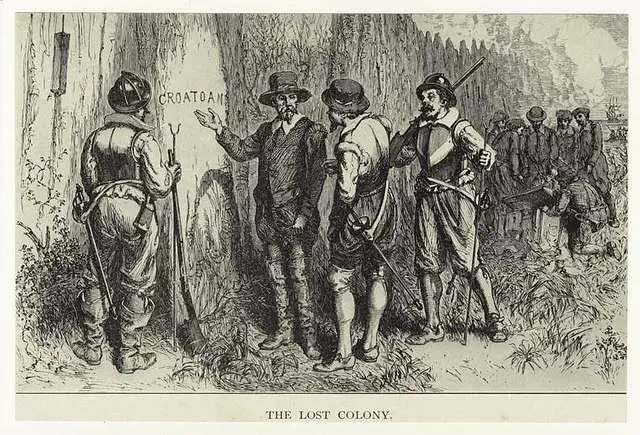
In 1587, more than 100 English settlers arrived on Roanoke Island off the coast of present-day North Carolina, hoping to establish a permanent colony. When supply ships finally returned in 1590, the settlement had been completely abandoned, with no signs of violence. The only clue left behind was the word “CROATOAN” carved into a wooden post. Historians have long debated whether the colonists integrated with nearby Indigenous groups, particularly the Croatan people. Some archaeological evidence suggests they may have moved inland and blended with local tribes.
Even so, there is no definitive proof that confirms their fate. No mass graves or clear written records have been found to settle the question. Linguistic and cultural traces have been proposed, but nothing has been universally accepted. The mystery persists because the evidence is fragmentary and open to interpretation. More recent excavations have added possibilities, not conclusions.
2. The Identity of Jack the Ripper
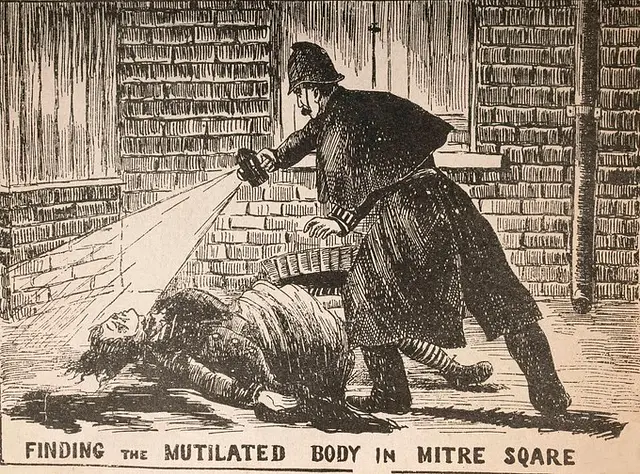
In 1888, a series of brutal murders in London’s Whitechapel district shocked the world and introduced the name “Jack the Ripper.” The killer was never caught, and the case remains one of the most famous unsolved crimes in history. Over the years, suspects have ranged from local butchers to members of the royal family. Modern forensic attempts, including DNA analysis of preserved evidence, have been inconclusive or disputed.
Some researchers claim to have identified a suspect using mitochondrial DNA from a shawl, but other experts question the chain of custody and testing methods. Contemporary police records were incomplete and sometimes contradictory. The lack of reliable physical evidence has allowed theories to flourish. As a result, no single suspect has been universally accepted. The debate continues among historians, criminologists, and amateur sleuths alike.
3. What Caused the Collapse of the Maya Civilization?
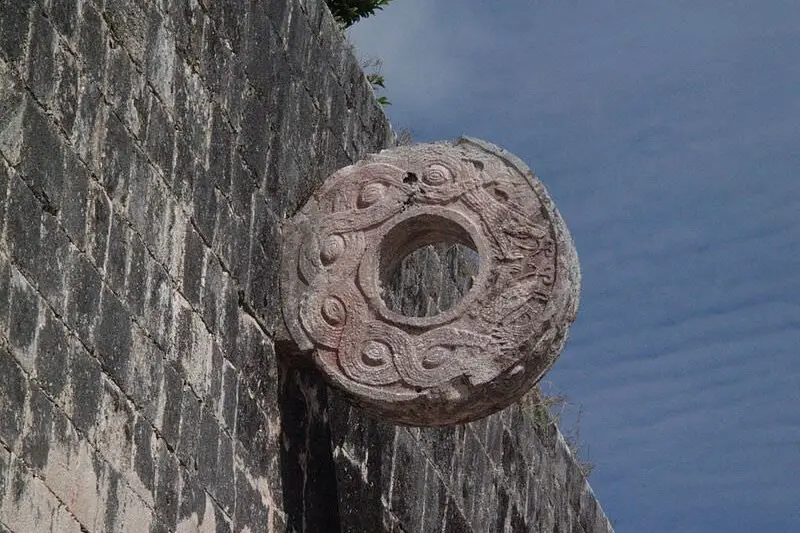
The Maya civilization reached impressive heights in architecture, astronomy, and writing before experiencing a major decline around the 8th and 9th centuries. Cities in the southern lowlands were gradually abandoned, and population levels dropped significantly. Early theories suggested invasion or sudden catastrophe, but those ideas have largely been set aside. Today, scholars point to a combination of factors including prolonged drought, environmental degradation, and political instability.
Evidence from lake sediment cores supports the idea of severe drought periods. At the same time, inscriptions indicate increased warfare among city-states. Overpopulation and overuse of land likely made the situation worse. However, not all Maya regions collapsed at the same time or in the same way. This uneven pattern complicates any single explanation. Experts continue to debate how these factors interacted.
4. The Fate of Amelia Earhart
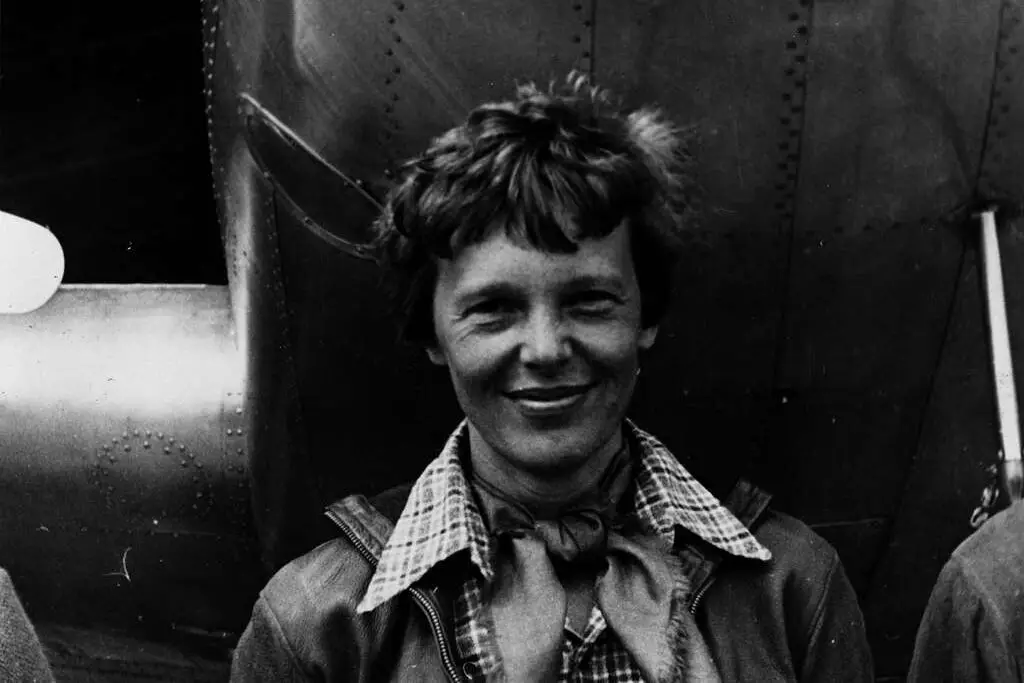
In 1937, aviator Amelia Earhart disappeared while attempting to circumnavigate the globe. Her last known transmission placed her near Howland Island in the Pacific Ocean. Despite an extensive search, no confirmed wreckage was found at the time. The most widely accepted theory is that her plane ran out of fuel and crashed into the ocean. However, alternative theories suggest she may have landed on a remote island or been captured.
Some researchers believe bones found on Nikumaroro Island may have belonged to Earhart, though that claim remains contested. Artifacts recovered from the island have been interpreted in different ways. Others argue that radio signals received after her disappearance indicate survival for a short time. None of these theories have been conclusively proven. The case remains open to interpretation based on limited evidence.
5. Who Built Stonehenge, and Why?
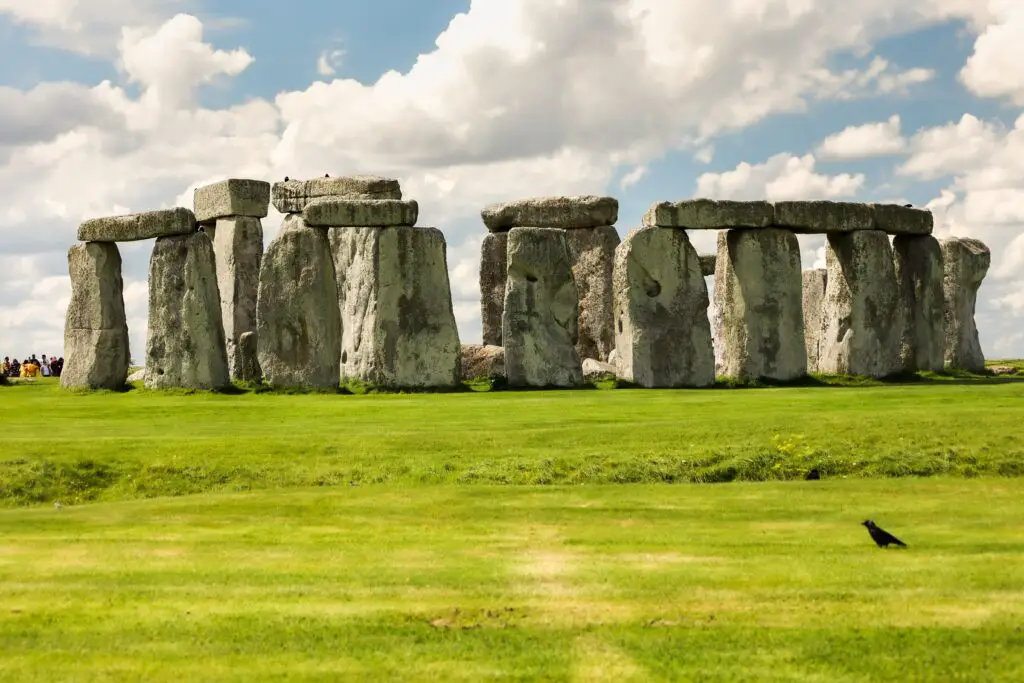
Stonehenge, located in southern England, dates back to around 3000 to 2000 BCE and remains one of the most iconic prehistoric monuments. The massive stones were transported over long distances, raising questions about how and why it was built. Archaeological evidence suggests it was constructed in multiple phases by Neolithic peoples. Some researchers believe it functioned as a ceremonial or religious site.
Others point to its alignment with the solstices as evidence of astronomical significance. Excavations have uncovered nearby burial sites, indicating it may have been connected to funerary practices. The engineering methods used to move the stones are still studied and debated. While many theories exist, no single purpose has been definitively confirmed. The monument continues to invite interpretation.
6. The Disappearance of the Indus Valley Civilization
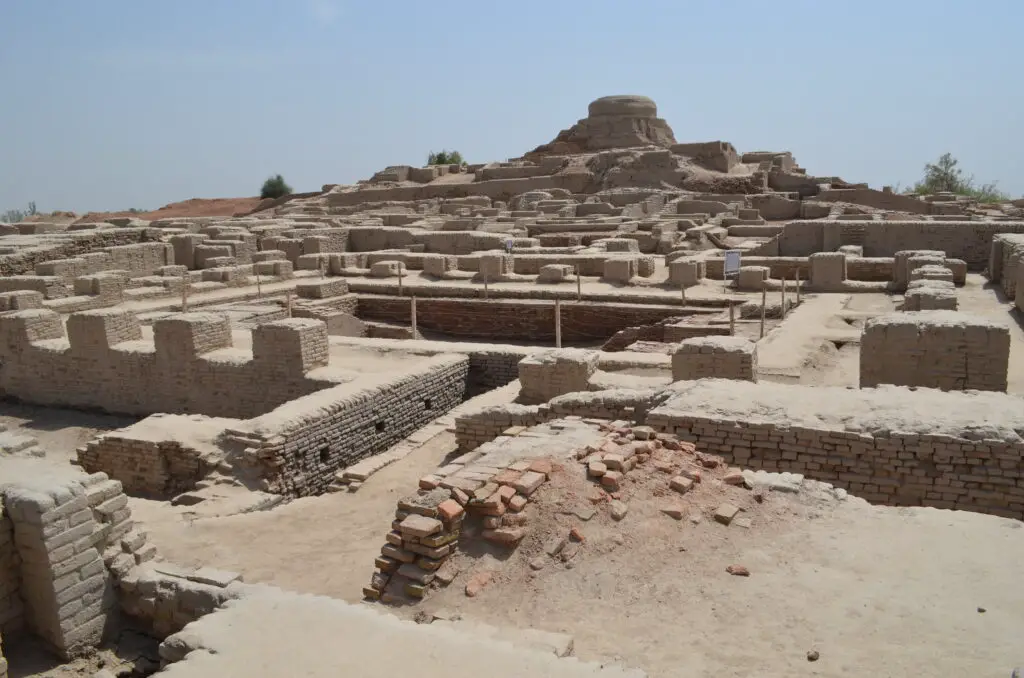
The Indus Valley Civilization, which thrived around 2600 to 1900 BCE in what is now Pakistan and northwest India, was one of the world’s earliest urban cultures. Cities like Mohenjo-daro and Harappa featured advanced planning, drainage systems, and standardized construction. Yet the civilization gradually declined and its cities were abandoned. Earlier theories blamed invasion, but there is little evidence to support that.
More recent research suggests climate change played a significant role, particularly shifts in river patterns. The drying of the Ghaggar-Hakra river system may have disrupted agriculture and trade. There is also evidence of gradual migration rather than sudden collapse. However, the undeciphered Indus script limits what historians can confirm. Without written records, many aspects remain unclear. The reasons for its decline are still debated.
7. What Happened to the Princes in the Tower?
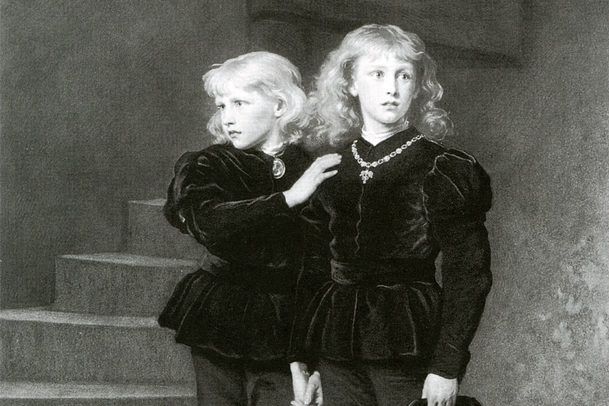
In 1483, two young boys, Edward V and his brother Richard, Duke of York, were placed in the Tower of London. They were heirs to the English throne but disappeared shortly afterward. Their uncle, Richard III, became king, leading many to suspect he was responsible. Contemporary accounts are conflicting, and no definitive evidence has ever been found.
Skeletal remains discovered in the 17th century are believed by some to belong to the princes, but they have not been conclusively identified. Alternative theories suggest other political figures may have been involved. The political instability of the period complicates the narrative. Historians continue to debate motives and possibilities. The truth remains uncertain.
8. The Voynich Manuscript
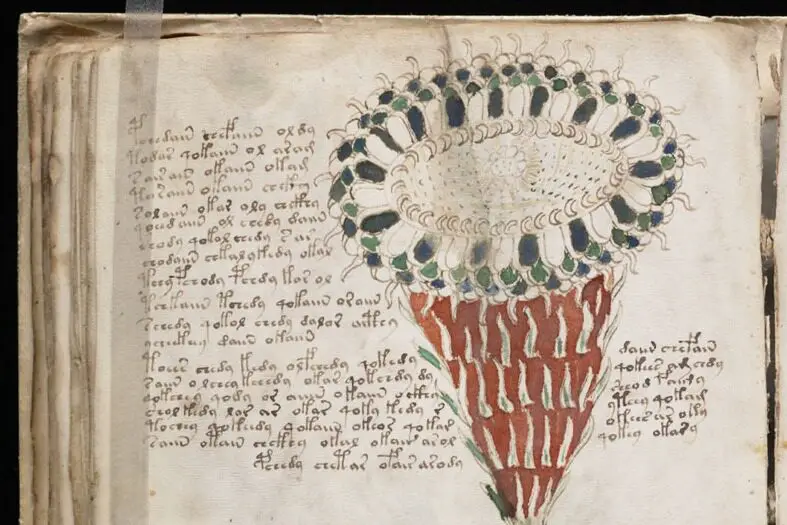
The Voynich Manuscript is a mysterious illustrated book dating to the early 15th century, written in an unknown script. Despite extensive study by cryptographers and linguists, its contents have never been definitively decoded. The text is accompanied by strange diagrams of plants, astronomical symbols, and human figures. Some believe it represents a lost language or coded scientific knowledge.
Others argue it may be an elaborate hoax, though the level of detail makes that difficult to prove. Carbon dating confirms the parchment’s age, but not the meaning of the text. Attempts at translation have produced inconsistent results. No consensus has been reached on its purpose or origin. It remains one of the most puzzling documents in history.
9. The True Story of the Bermuda Triangle
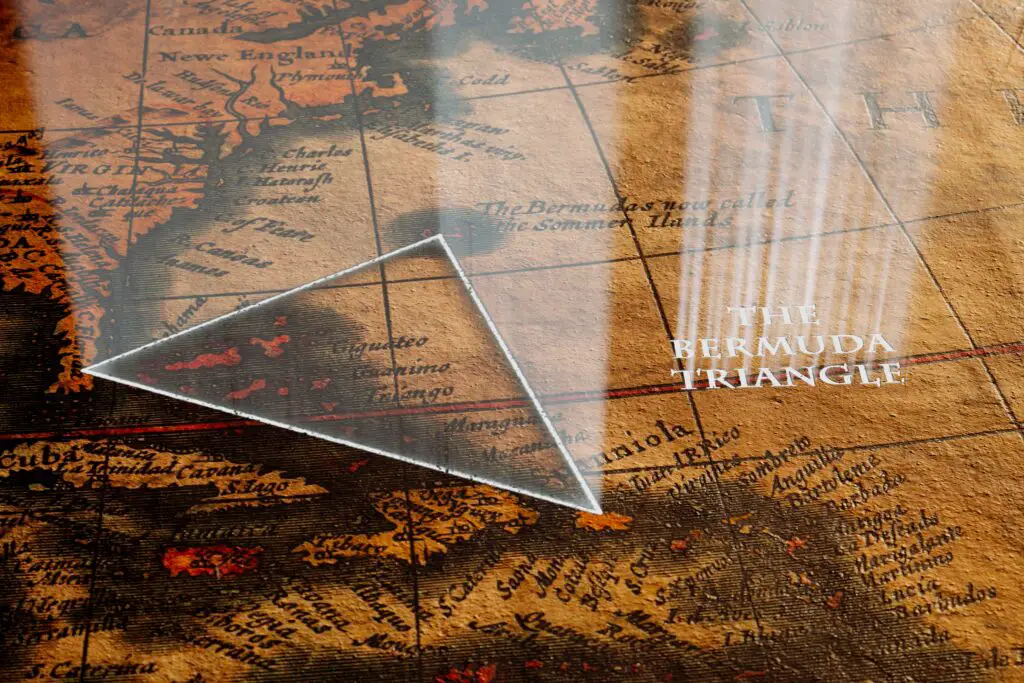
The Bermuda Triangle, a region in the western Atlantic Ocean, has been associated with unexplained disappearances of ships and aircraft. Reports of strange events date back to the mid-20th century and gained widespread attention through books and media. Some incidents, like the disappearance of Flight 19 in 1945, are often cited as evidence of unusual phenomena.
However, many scientists and historians argue that the number of incidents is not significantly higher than in other heavily traveled regions. Weather patterns, navigational errors, and human factors provide plausible explanations. Some earlier reports were exaggerated or misreported. While the mystery persists in popular culture, most experts do not consider it paranormal. The debate is more about perception than unexplained forces.
10. The Death of Cleopatra
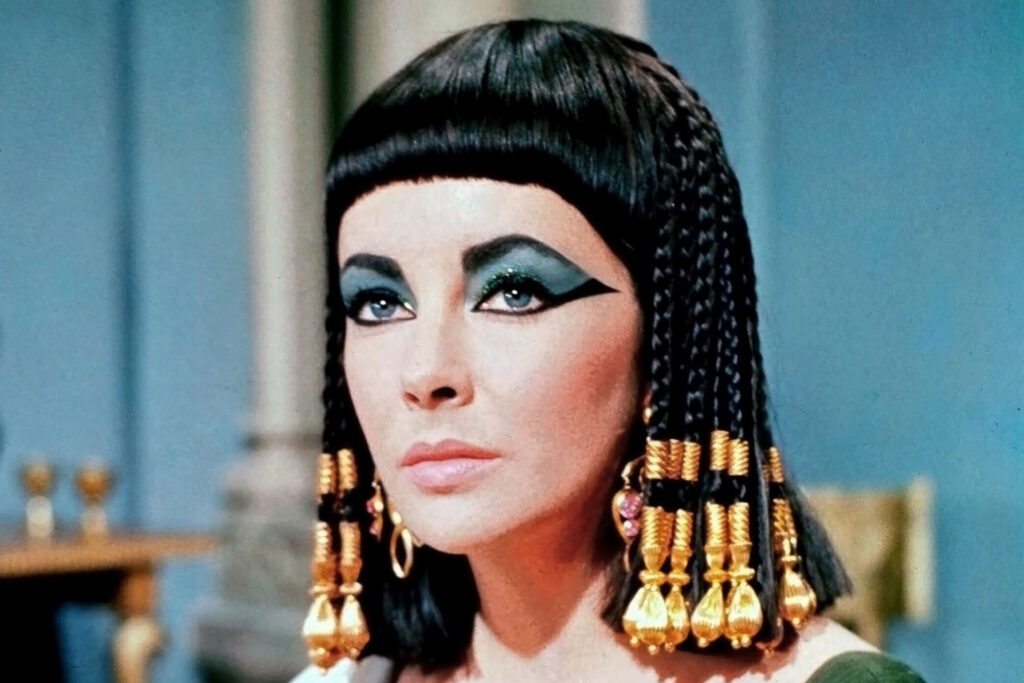
Cleopatra VII, the last active ruler of Ptolemaic Egypt, died in 30 BCE after her defeat by Octavian. Ancient sources, particularly Roman writers, claim she died by allowing an asp to bite her. However, some historians question this account, suggesting poison or other methods may have been used instead. The reliability of ancient sources is a major issue in this debate.
There is little physical evidence to confirm how she died. Roman narratives may have been shaped by political motives. Alternative theories attempt to reconcile historical descriptions with medical plausibility. None have been definitively proven. The exact cause of her death remains uncertain.
11. The Purpose of the Nazca Lines
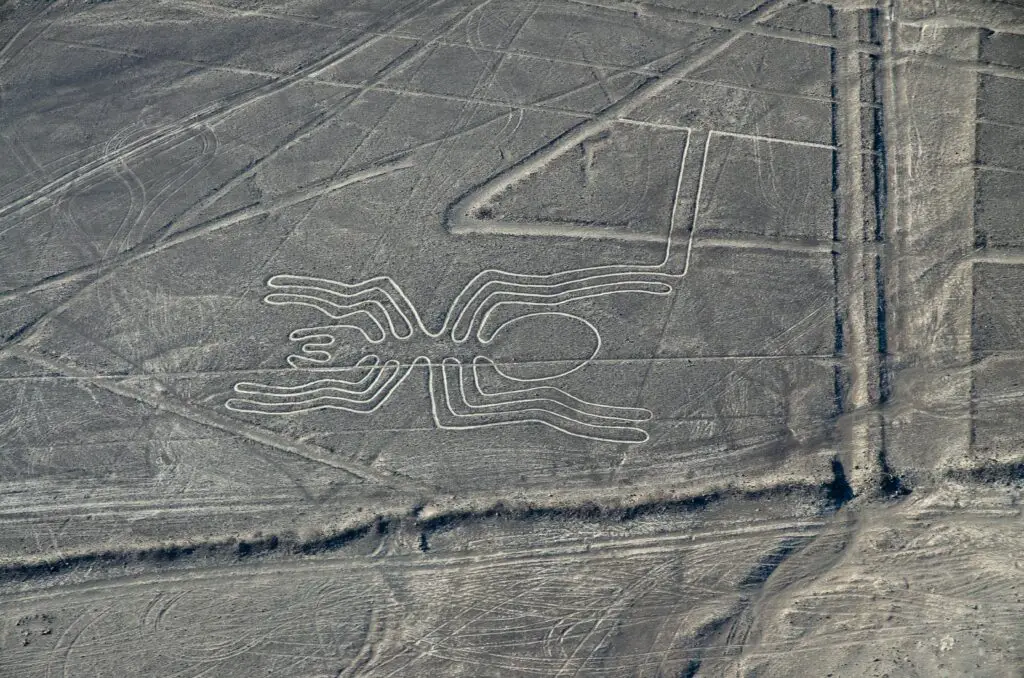
The Nazca Lines are massive geoglyphs etched into the desert in southern Peru between 500 BCE and 500 CE. They depict animals, plants, and geometric shapes visible primarily from the air. Early theories suggested they were created as astronomical markers. More recent research points to ritual or ceremonial purposes.
Some scholars believe they were part of water-related rituals, given the region’s arid climate. Others argue they served as pathways for religious processions. The sheer scale and precision of the lines continue to impress researchers. While several theories have strong support, none fully explain all aspects of the site. Debate continues over their exact function.
12. Who Betrayed the Knights Templar?
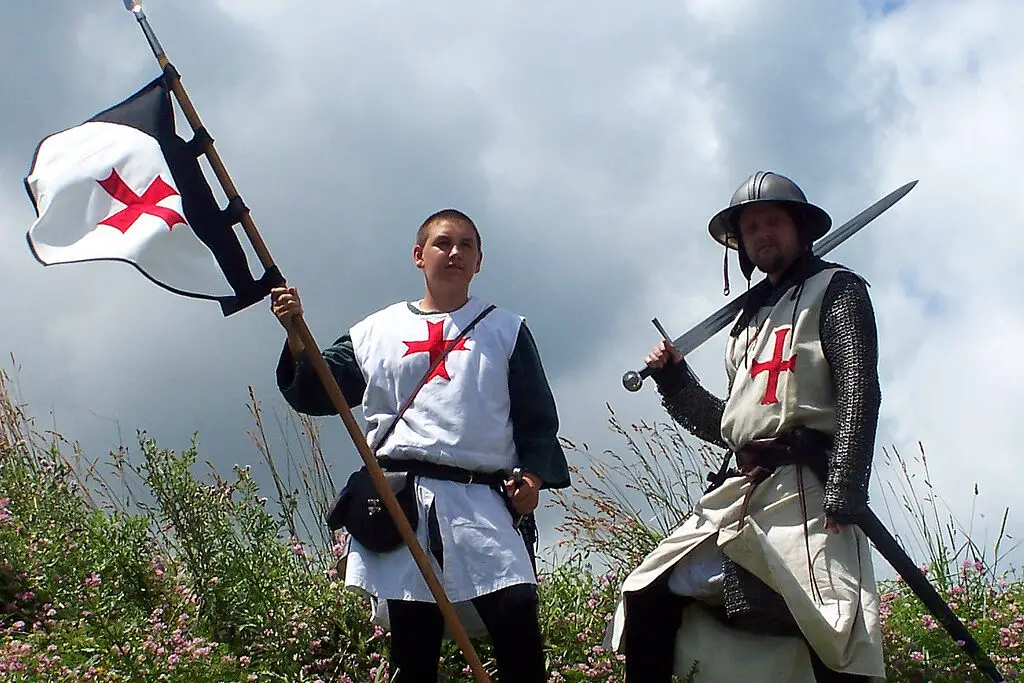
The Knights Templar were a powerful medieval military order that was suddenly arrested and disbanded in the early 14th century. King Philip IV of France accused them of heresy, leading to widespread persecution. Many historians believe the charges were politically motivated, as Philip was heavily indebted to the order.
However, the extent of any actual wrongdoing remains unclear. Confessions were often obtained under torture, making them unreliable. Some argue that internal issues within the order may have contributed to its downfall. Others see it purely as a financial and political move by the crown. The true nature of the accusations is still debated.
13. The Lost City of Atlantis
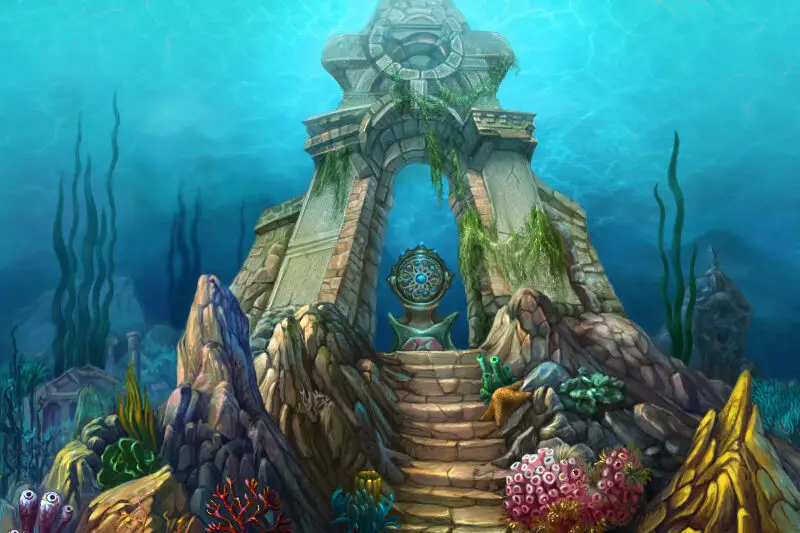
The story of Atlantis originates from the writings of the ancient Greek philosopher Plato, who described it as a powerful civilization that sank into the ocean. Some interpret the account as allegory, meant to illustrate philosophical ideas. Others believe it may have been inspired by real events, such as volcanic eruptions or ancient coastal cities.
Attempts to locate Atlantis have spanned centuries, with proposed locations ranging from the Mediterranean to the Caribbean. None have been confirmed. Geological and historical evidence does not clearly support the existence of such a civilization as described. Still, the idea continues to capture public imagination. Scholars remain divided on whether it was ever meant to be literal.
14. The Identity of the Man in the Iron Mask
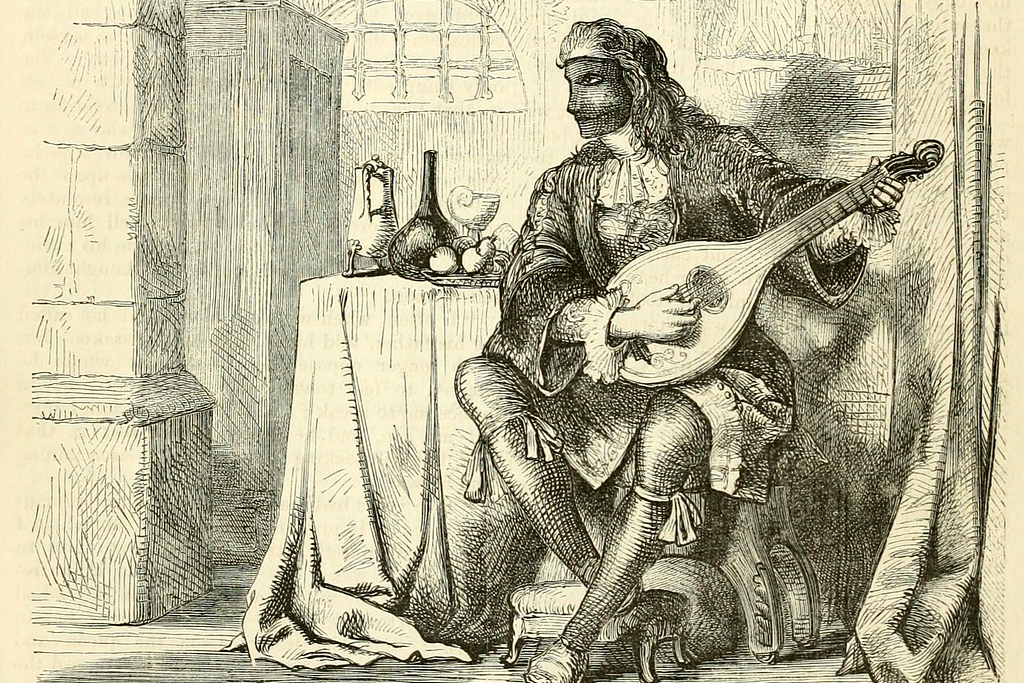
In the late 17th century, a mysterious prisoner was held in French custody and forced to wear a mask, often described as being made of iron. His identity was never publicly revealed, and he died in 1703. The story later inspired numerous theories and works of fiction. Some historians believe he was a political prisoner of significance.
Proposed identities have included a relative of King Louis XIV or a disgraced official. However, surviving records are incomplete and sometimes contradictory. The mask itself may not have been iron, adding another layer of uncertainty. While some candidates are considered more plausible than others, no definitive identification has been made. The mystery remains unresolved.
15. What Caused the Dyatlov Pass Incident?
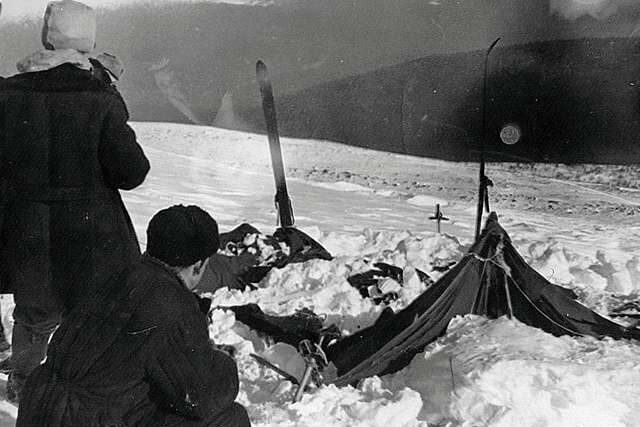
In 1959, nine experienced hikers died under mysterious circumstances in the Ural Mountains of the Soviet Union. Their tent was found cut open from the inside, and the group appeared to have fled into extreme cold conditions. Some victims showed unusual injuries, including fractures without external wounds. The incident quickly became the subject of speculation.
Recent investigations have suggested a rare type of avalanche as a possible explanation. This theory accounts for the injuries and the hikers’ sudden flight. However, not all details are fully explained, and alternative theories continue to circulate. Declassified documents have clarified some aspects but not all. The case remains one of the most debated modern mysteries.