
1. The Baby Cage
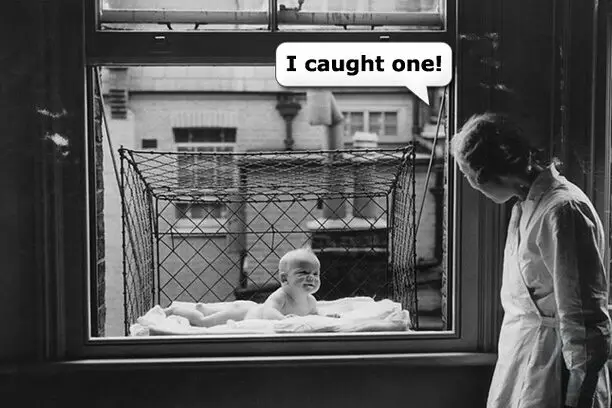
In the early 20th century, some urban parents turned to something that feels unthinkable today, a wire “baby cage” that attached to apartment windows. These devices were patented in 1922 by Emma Read in the United States and were marketed as a way to give babies fresh air in crowded cities. At the time, fresh air was widely believed to be essential for preventing illnesses like tuberculosis. The cages allowed infants to sit or lie outside several stories above the ground, secured only by the structure itself. It sounds alarming now, but many parents genuinely thought they were doing something beneficial.
They were even used in cities like London, where organizations provided them to families without access to yards. Safety standards were obviously minimal compared to today’s expectations, which is part of why they eventually disappeared. As urban safety awareness increased, the idea quickly fell out of favor. Looking back, it’s one of those inventions that makes you wonder how it ever passed as acceptable. Still, at the time, it reflected real concerns about health and living conditions.
2. The Vibrating Belt Machine
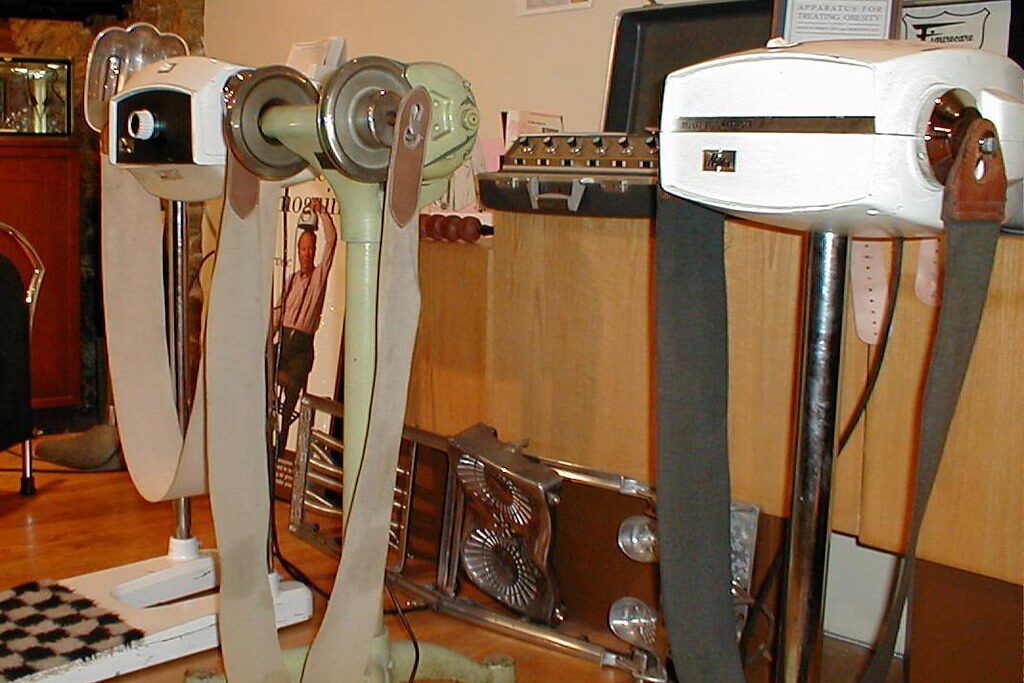
If you’ve ever seen old footage of people standing in gyms with a belt shaking their midsection, you’ve seen this invention in action. Vibrating belt machines became popular in the 1940s and 1950s and were marketed as an effortless way to lose weight. The idea was that the vibrations would break down fat without requiring exercise. It sounded appealing, especially in an era when fitness culture was just beginning to evolve.
In reality, there’s no credible evidence that these machines caused meaningful fat loss. They were more about passive movement than actual physical exertion. Still, they showed up in gyms, salons, and even home versions sold to consumers. The marketing leaned heavily on the promise of results without effort, something that always sells. Today, they’re mostly remembered as a symbol of mid-century fitness misconceptions.
3. The TV Dinner Tray with Built-In Ashtray

When television became a centerpiece of American life in the 1950s, companies rushed to create products that made watching more convenient. One of those was the TV dinner tray that included a built-in ashtray. It was designed for people who wanted to eat, watch TV, and smoke all at the same time without getting up. At the time, smoking indoors was completely normalized, even during meals.
The trays were practical in a very specific cultural context, but they feel strange now. Combining food and cigarettes on the same surface would be unthinkable for most households today. As smoking declined and health awareness increased, these trays quietly disappeared. They now serve as a snapshot of how different everyday habits used to be. It’s less about the product itself and more about the lifestyle it represents.
4. Lawn Flamingos

The pink plastic lawn flamingo might not seem bizarre at first glance, but it was once considered an unusual and even controversial piece of decor. Created in 1957 by Don Featherstone for Union Products, the flamingo became a suburban staple. It was inexpensive, bright, and easy to set up, which helped it spread quickly across American lawns. Some people loved the playful look, while others saw it as tacky.
Despite the mixed reactions, it sold in large numbers and became one of the most recognizable lawn ornaments ever made. Over time, it even gained a kind of ironic cultural status. What started as a simple decorative item turned into a symbol of mid-century suburbia. Its staying power is part of what makes it interesting. It’s a reminder that even the most ordinary-seeming objects can have a strange origin story.
5. The Cigarette Holder for Two

At a time when smoking was social and often romanticized, inventors came up with ways to make it even more of a shared activity. One example was the double cigarette holder, designed so two people could smoke from the same device at once. It was marketed as a novelty item, sometimes with a playful or romantic angle. The idea was that couples could share a cigarette in a more “intimate” way.
It never became a mainstream necessity, but it did make its way onto store shelves as a novelty product. Looking back, it feels impractical and a bit awkward. The logistics alone make you wonder how often it was actually used. Still, it reflects the cultural attitudes toward smoking at the time. It’s one of those inventions that makes more sense when you consider the era it came from.
6. The Pet Rock
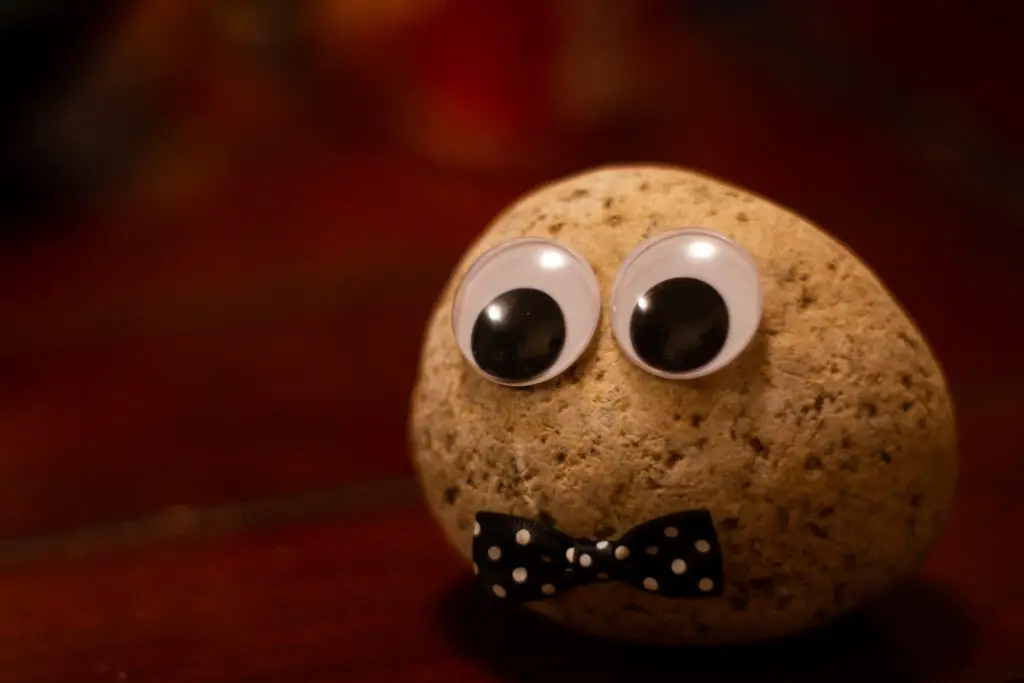
In 1975, Gary Dahl turned an ordinary rock into a retail sensation. The Pet Rock was exactly what it sounds like, a smooth stone packaged in a box with breathing holes and a humorous instruction manual. It was marketed as the perfect pet because it required no care, feeding, or training. The joke was part of the appeal, and people bought into it in surprising numbers.
Millions were sold during its brief peak, making it one of the most successful novelty items ever. It tapped into a mix of humor and clever marketing rather than any practical function. The concept was simple, but the execution made it memorable. It’s often cited as an example of how branding can turn almost anything into a product. Even today, it still comes up in conversations about unusual inventions.
7. The Diet Water (Water with “Added Oxygen”)

Over the years, companies have tried to reinvent even the most basic product, water. One example is “diet water” or oxygenated water, marketed as having added oxygen for health benefits. These products appeared in stores with claims that they could boost energy or improve overall wellness. The idea sounded scientific enough to catch attention.
However, scientific consensus does not support the claim that drinking oxygenated water provides meaningful health benefits beyond regular hydration. The body absorbs oxygen through the lungs, not the digestive system. Despite that, these products have periodically reappeared on shelves. They tend to rely on marketing language rather than solid evidence. It’s a reminder that even simple products can be repackaged in strange ways.
8. The Electric Hairbrush

At one point, inventors decided that brushing your hair manually wasn’t enough. Electric hairbrushes were introduced with features like vibration or mild electrical stimulation, claiming to improve scalp health or hair growth. They were marketed as high-tech grooming tools, especially during the mid-20th century. The idea was that added stimulation would lead to better results.
In practice, there’s little credible evidence that these devices provided significant benefits over a standard brush. They were more about novelty and the appeal of new technology. Still, they made it into stores and were purchased by curious consumers. Over time, they faded as simpler tools proved just as effective. Today, they’re mostly remembered as a quirky attempt to modernize something already simple.
9. The Bread Slicer for Home Use (Pre-Sliced Bread Alternative)
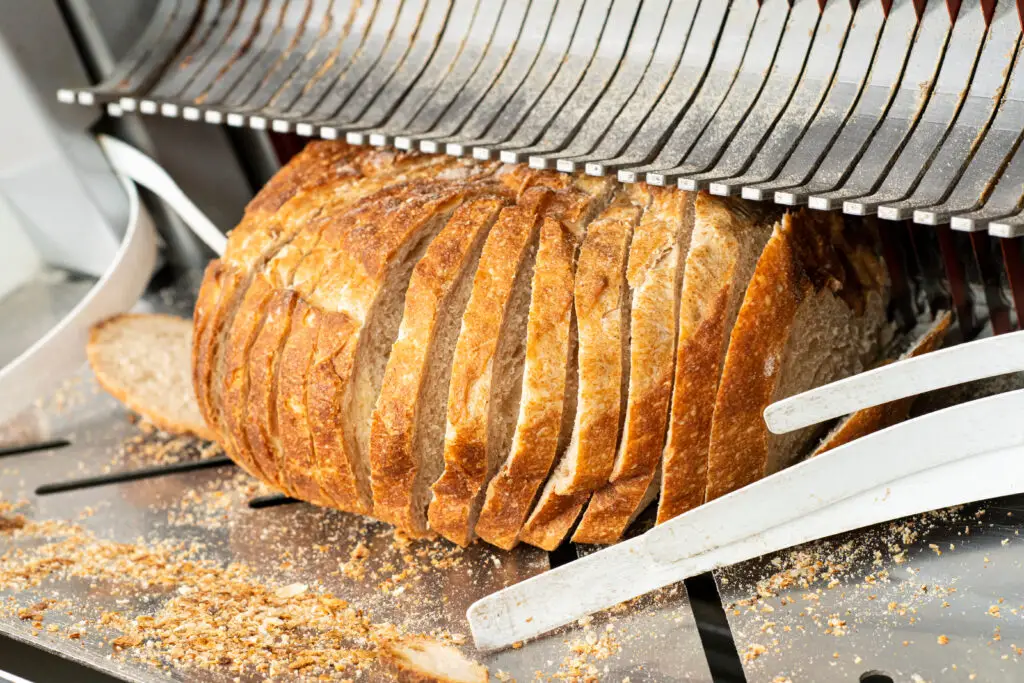
Before pre-sliced bread became widely available in the 1930s, some companies sold home bread-slicing devices. These gadgets were designed to help people cut even slices themselves, often with metal guides. While that might not sound bizarre on its own, it became unnecessary almost overnight once commercially sliced bread hit the market. The shift was so significant that sliced bread quickly became the standard.
For a brief period, though, these devices were sold as helpful kitchen tools. They reflect a transitional moment in food technology. Once industrial slicing became widespread, the home versions lost their appeal. It’s an example of how quickly an invention can become obsolete. What once solved a problem suddenly had no purpose at all.
10. The Motorized Ice Cream Cone

In the 1970s, a novelty product appeared that took a simple treat and made it unnecessarily complex. The motorized ice cream cone used a small battery-powered mechanism to rotate the scoop as you ate it. The goal was to prevent drips and make the experience more convenient. It sounded clever in theory.
In practice, it was more of a gimmick than a solution. Eating ice cream didn’t really require that level of engineering. The added components also made it less practical than a regular cone. Still, it was sold and attracted attention as a novelty item. It’s a good example of overengineering something that was already perfectly functional.
11. The Shower Hood Hair Dryer
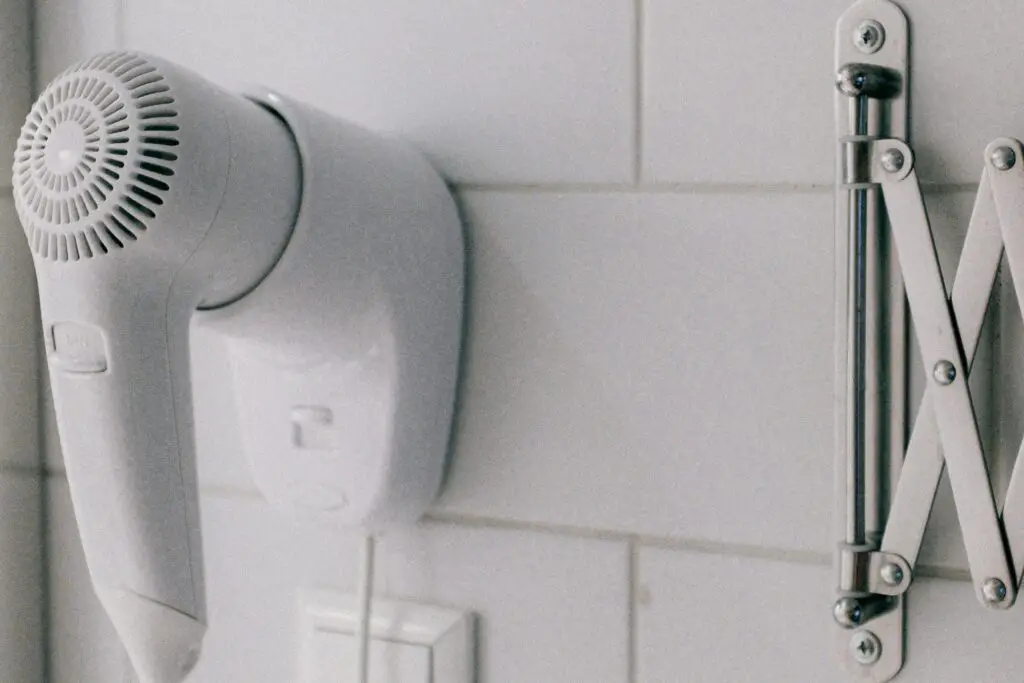
Before handheld hair dryers became common, people used large, hooded dryers that covered the entire head. Some versions were designed for home use and connected to a hose that attached to a portable unit. They allowed users to sit in one place while warm air circulated around their hair. It was a more salon-style experience brought into the home.
These devices were widely sold and used, especially in the mid-20th century. While not inherently bizarre, they feel bulky and inconvenient by today’s standards. The setup alone required more effort than modern tools. As technology improved, smaller and more efficient dryers replaced them. Now they mostly exist as vintage curiosities.
12. The Finger Guard for Typing
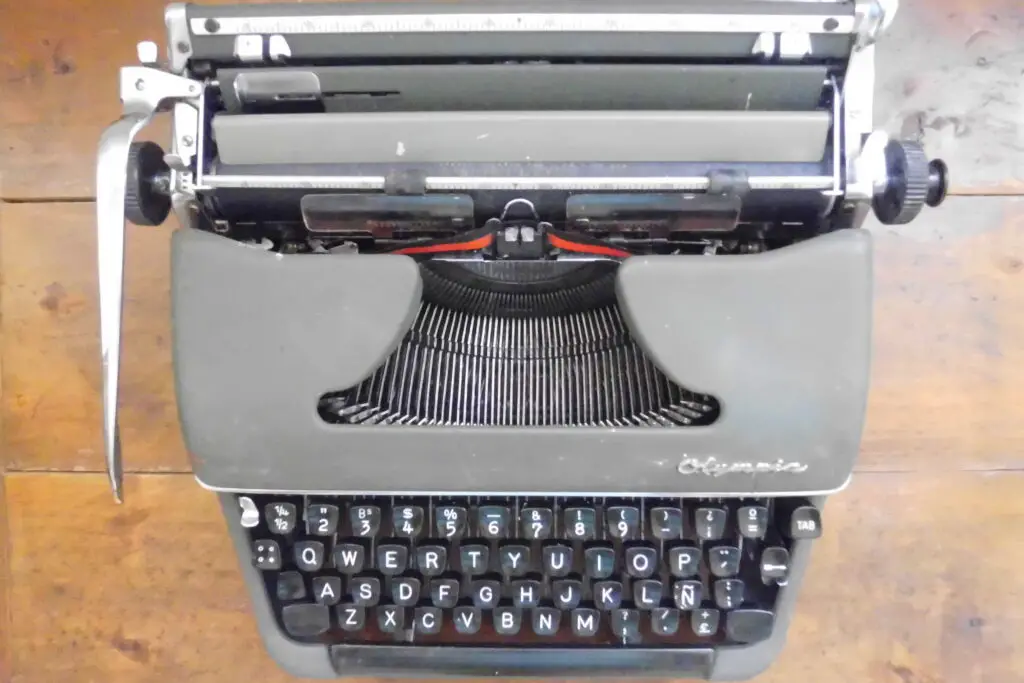
As typewriters became common, some inventors focused on protecting users’ fingers. One such product was a finger guard designed to prevent strain or injury while typing. These devices were worn on the fingers and acted as a barrier between the keys and the skin. They were marketed as ergonomic solutions long before that term was widely used.
They did make it onto store shelves, though they never became standard equipment. Most people found them unnecessary or uncomfortable. Typing techniques and keyboard design eventually improved, making such devices largely irrelevant. Still, they reflect early attempts to address workplace ergonomics. It’s another case of a well-intentioned idea that didn’t quite stick.