
1. The Local Arcade
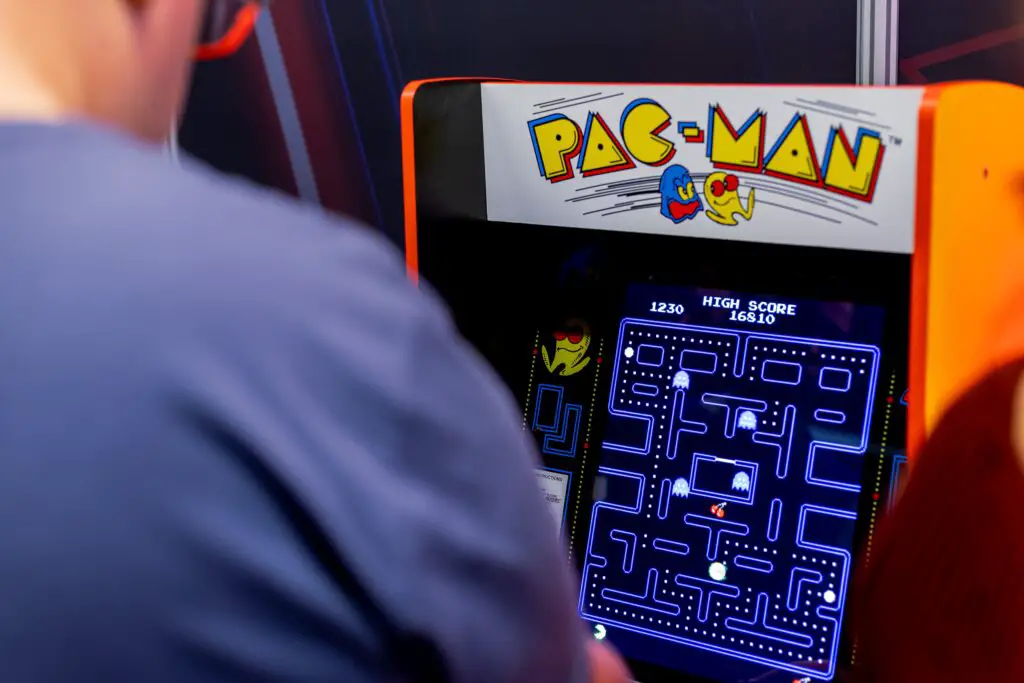
For a lot of kids, the arcade was the ultimate after-school destination. You’d walk in and immediately hear the sounds of machines like Pac-Man, Donkey Kong, and Galaga chiming from every corner. Quarters disappeared quickly as kids tried to beat high scores or last longer than their friends. The glow of the screens and the excitement of a crowd watching someone reach a new level made it feel like something special. Arcades also became social spaces where friendships formed over shared obsessions with particular games.
As home gaming consoles improved in the late ’80s and ’90s, the need to visit arcades slowly faded. Systems like the Nintendo Entertainment System and later the PlayStation brought similar experiences into living rooms. Many malls that once hosted busy arcades eventually replaced them with retail stores or closed them altogether. A few retro arcades still exist today, but they function more as nostalgic attractions than everyday hangouts. For many people who grew up before home gaming took over, the arcade remains one of the most memorable gathering spots of childhood.
2. The Mall Food Court
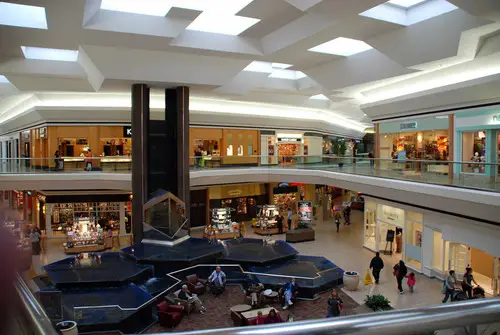
During the ’80s and ’90s, the shopping mall wasn’t just a place to buy things. It was a social hub, especially for teenagers and preteens who finally had a little independence. Groups of kids would gather in the food court with slices of pizza, soft pretzels, or cups of orange chicken. You might spend hours just talking, people watching, or wandering from store to store. It felt like a mini world where everyone your age eventually showed up.
Over time, online shopping began to chip away at the mall’s importance. Many malls across the United States saw declining foot traffic as retail moved online. When anchor stores closed, entire complexes sometimes followed. The food courts that once served as social centers grew quieter or disappeared entirely. Today’s kids often socialize online instead of meeting under fluorescent lights with a tray of fries.
3. Roller Skating Rinks
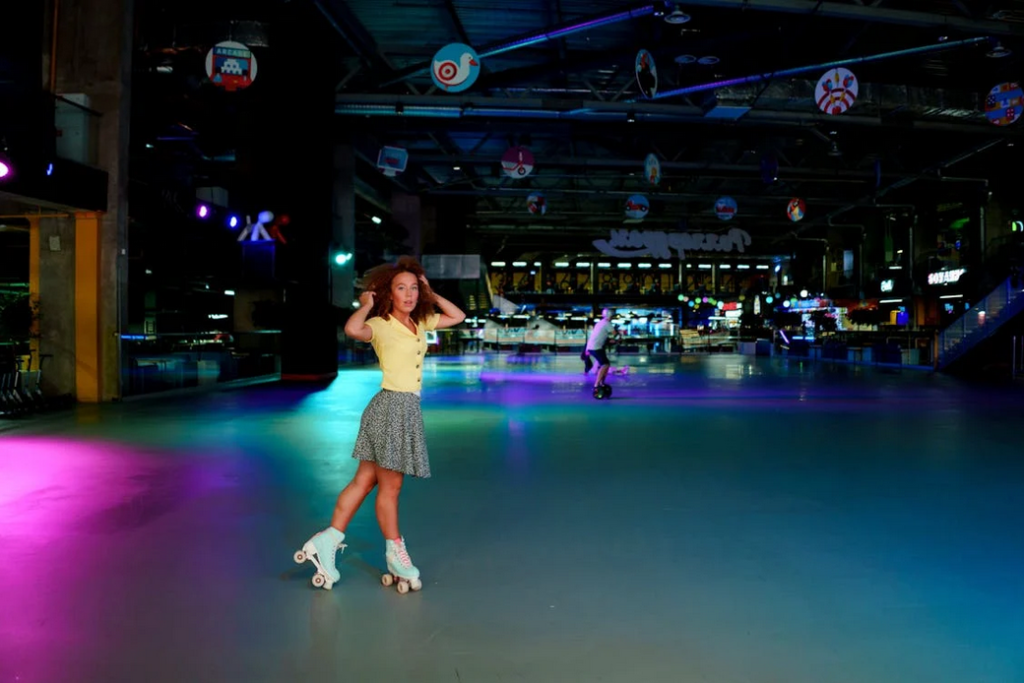
Roller rinks were once packed with kids on Friday and Saturday nights. Music blasted while colorful lights spun across the floor and everyone tried to skate without falling. Couples would nervously hold hands during slow songs while beginners clung to the wall. Many rinks even hosted birthday parties and school fundraisers. For a lot of kids, it was the first place they experienced a sense of independence.
By the late ’90s and early 2000s, attendance began to decline. Video games, home entertainment, and shifting recreational habits meant fewer families spent weekends at skating rinks. Some facilities closed, while others reinvented themselves with special events or adult skate nights. A handful still operate today, but they’re far less common than they once were. For those who remember them at their peak, roller rinks were a loud, colorful part of growing up.
4. The Neighborhood Treehouse
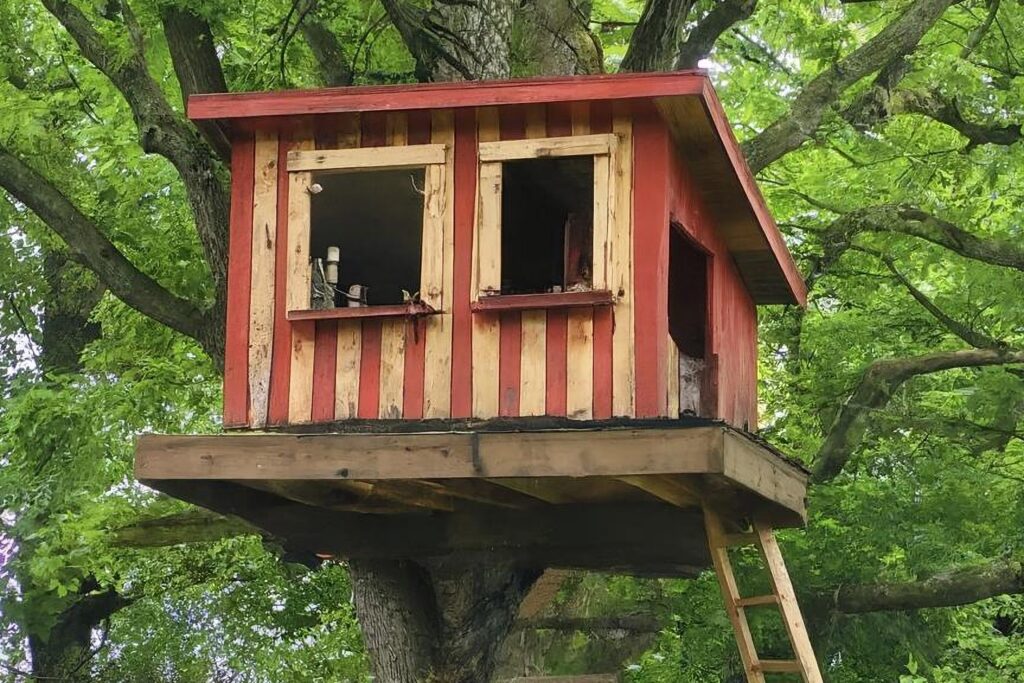
Treehouses were the ultimate private clubhouse for kids. Whether built by parents or assembled with scrap wood and imagination, they offered a secret hideout above the ground. Kids used them for everything from playing games to telling stories or keeping “no adults allowed” clubs. They were simple spaces, but they felt like entire worlds of their own. Climbing the ladder into that little structure felt like entering a special territory.
Over time, childhood play shifted more toward indoor entertainment and digital devices. Fewer kids spent entire afternoons outside building forts or climbing trees. Safety concerns and smaller yards in many neighborhoods also played a role. Treehouses still exist, but they are less central to childhood than they once were. For many adults, they remain a vivid symbol of unplugged childhood freedom.
5. The Local Record Store
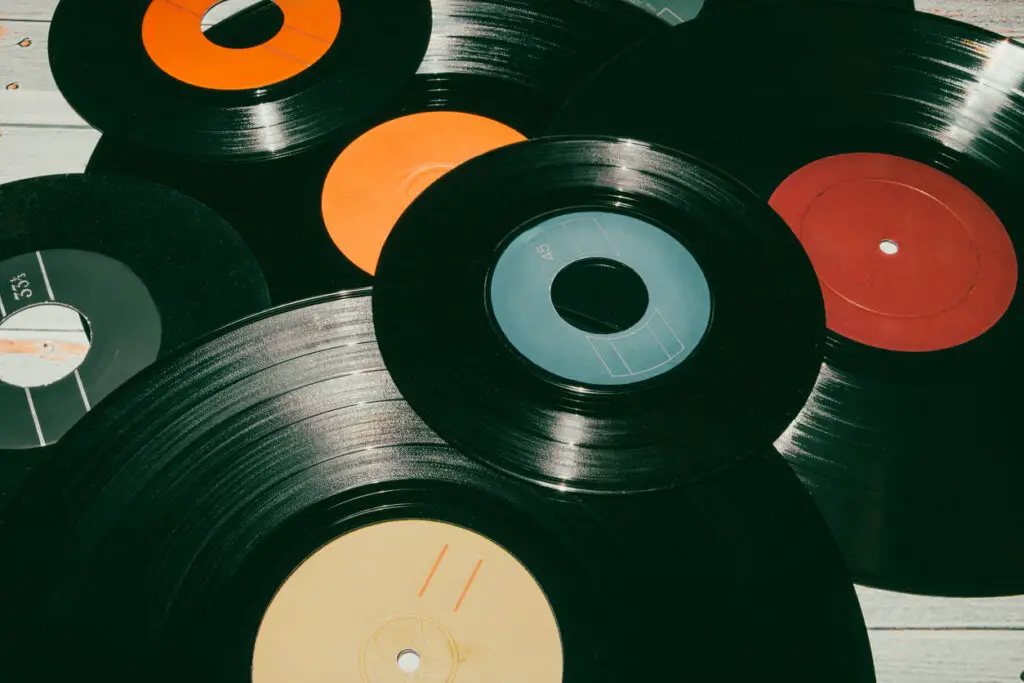
Before music streaming, record stores were essential meeting places for young music fans. Kids and teens would gather to browse vinyl records, cassette tapes, and later CDs. Listening stations sometimes allowed you to sample songs before buying them. Clerks and customers often talked about bands, albums, and concerts. The atmosphere could feel almost like a clubhouse for people who loved music.
The rise of digital downloads in the early 2000s dramatically changed the industry. Services like iTunes and later streaming platforms made it unnecessary to visit a store to discover music. Thousands of independent record shops closed during that period. Some have returned in recent years thanks to vinyl’s revival, but they rarely serve as the everyday hangouts they once were. For many former regulars, record stores were where musical identities first took shape.
6. The Corner Video Rental Store
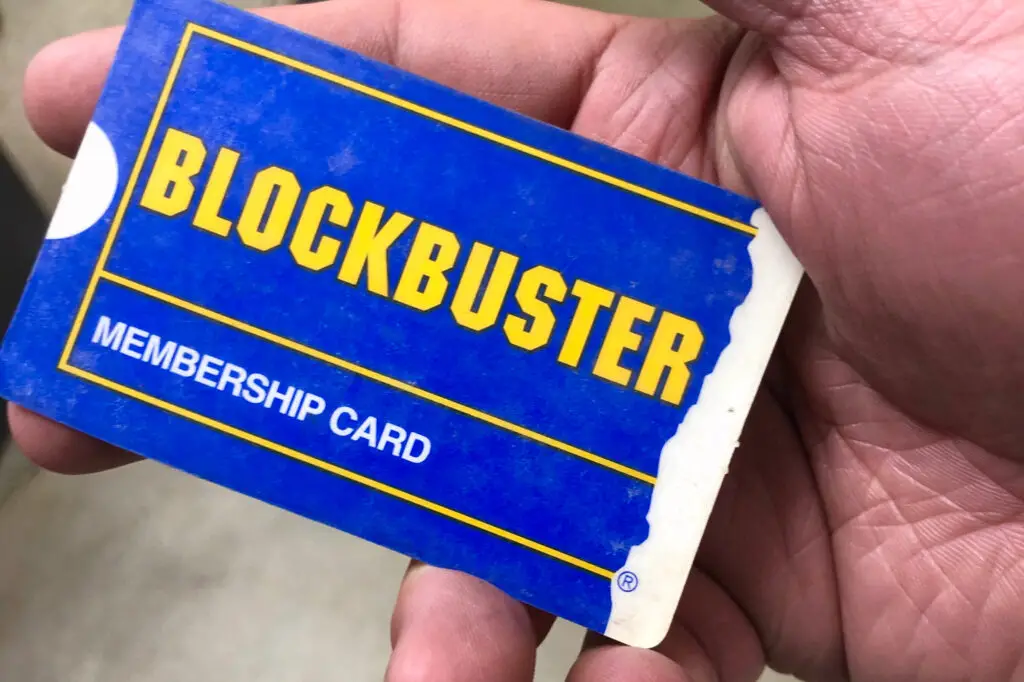
Friday nights often meant a trip to the local video rental shop. Kids would wander the aisles staring at rows of VHS tapes, hoping the movie they wanted hadn’t already been rented. The excitement of choosing something from the “new releases” wall was part of the experience. Families debated their choices while holding a plastic case and reading the back cover. It felt like a ritual that kicked off the weekend.
Streaming services eventually changed that entire routine. When companies like Netflix introduced online streaming in the late 2000s, visiting a physical store became unnecessary. Large chains such as Blockbuster rapidly disappeared. Most neighborhood rental stores closed as well. The browsing experience that once brought people together moved onto screens at home.
7. The Community Swimming Pool

In many towns, the public pool was the center of summer life. Kids spent entire afternoons swimming, jumping off diving boards, or lining up for the snack stand. Lifeguards blew whistles while parents relaxed in lawn chairs nearby. It was a place where friendships formed naturally between kids from different schools and neighborhoods. The long, hot days seemed to revolve around the pool schedule.
Many community pools still operate, but their cultural role has changed. Organized camps, travel sports, and indoor entertainment compete for kids’ attention. Some municipalities have closed older pools due to maintenance costs. Others remain open but attract smaller crowds than they once did. For many adults, the pool represents the kind of slow, unscheduled summer days that feel rarer now.
8. The Neighborhood Basketball Court

Outdoor basketball courts were once reliable gathering spots after school. Kids would show up with a ball and start a pickup game with whoever happened to be around. It didn’t matter if the teams were uneven or the rules changed halfway through. The point was simply to play until the streetlights came on. These courts often became social hubs where kids from the entire neighborhood crossed paths.
Technology has not eliminated outdoor sports, but it has shifted how kids spend free time. Video games, social media, and structured sports leagues changed how recreation happens. Many courts still exist in parks, yet they aren’t always the spontaneous gathering spots they once were. In earlier decades, they functioned almost like informal community centers. You could show up alone and still find a game.
9. The Library’s Children’s Room

For book-loving kids, the library’s children’s section felt like a quiet sanctuary. Rows of colorful bookshelves held everything from picture books to early chapter series. Many libraries hosted story hours or reading programs during the summer. Kids could sit on the floor, browse for as long as they wanted, and discover new authors. It was a place where curiosity and imagination were encouraged.
Libraries still exist, but digital reading has changed how people interact with them. E-books, online research, and digital media services mean fewer children spend long afternoons browsing physical shelves. Many libraries have adapted by offering technology programs and multimedia spaces. The traditional image of kids quietly flipping through stacks of books is less common. Still, the children’s room remains a meaningful memory for many readers.
10. The Soda Fountain Counter
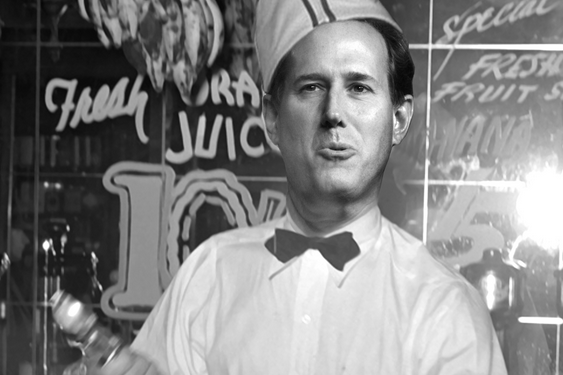
Soda fountains inside drugstores or small diners were once classic gathering places for young people. Kids ordered milkshakes, floats, or ice cream while sitting on spinning stools. It was common to meet friends there after school or during weekend outings. The atmosphere was casual and social, and everyone lingered longer than they planned. For decades, these counters appeared in towns across the United States.
By the late twentieth century, most soda fountains had vanished. Chain restaurants and fast food establishments replaced many traditional counters. Changes in retail pharmacy layouts also removed the space needed for them. A few historic soda fountains remain as nostalgic attractions. However, the everyday hangout they once represented largely disappeared.
11. The School Playground After Hours
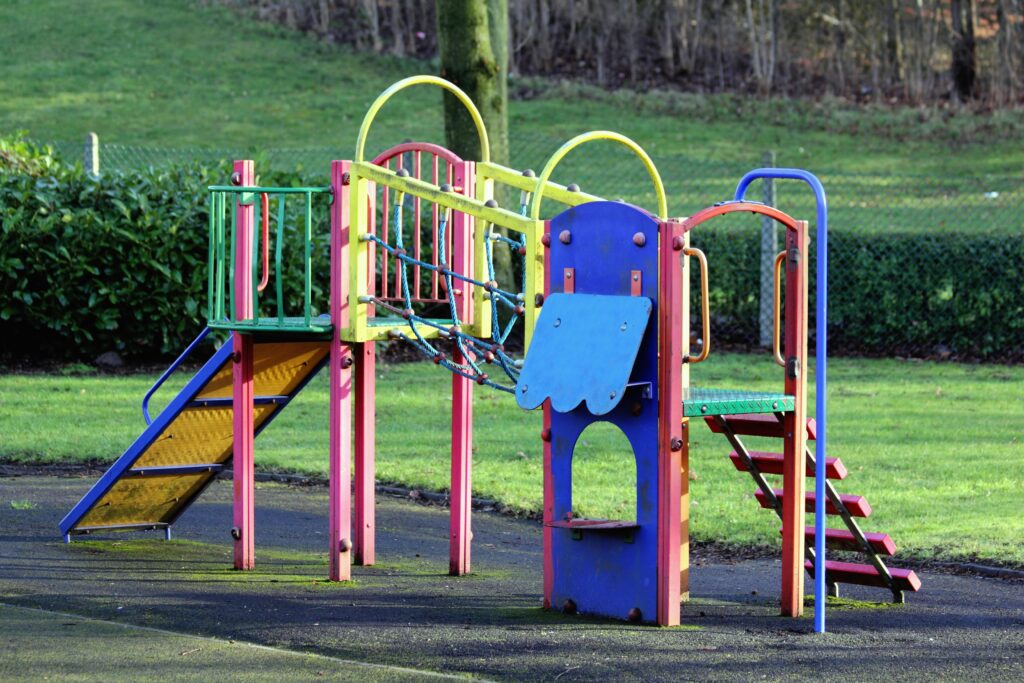
Long after the school day ended, playgrounds often stayed busy. Kids from nearby neighborhoods returned to climb jungle gyms, swing, or invent their own games. It was one of the easiest places to meet friends without making formal plans. Everyone simply knew that the playground would be active in the afternoon. Parents could often watch from a distance while kids played freely.
Today, many schools lock playgrounds outside of school hours. Concerns about liability and safety policies changed how school property is used. Organized activities and indoor entertainment also compete for children’s time. While some playgrounds remain open, the informal after-school gatherings are less common. What once felt like a daily routine now happens far less frequently.
12. The Comic Book Shop
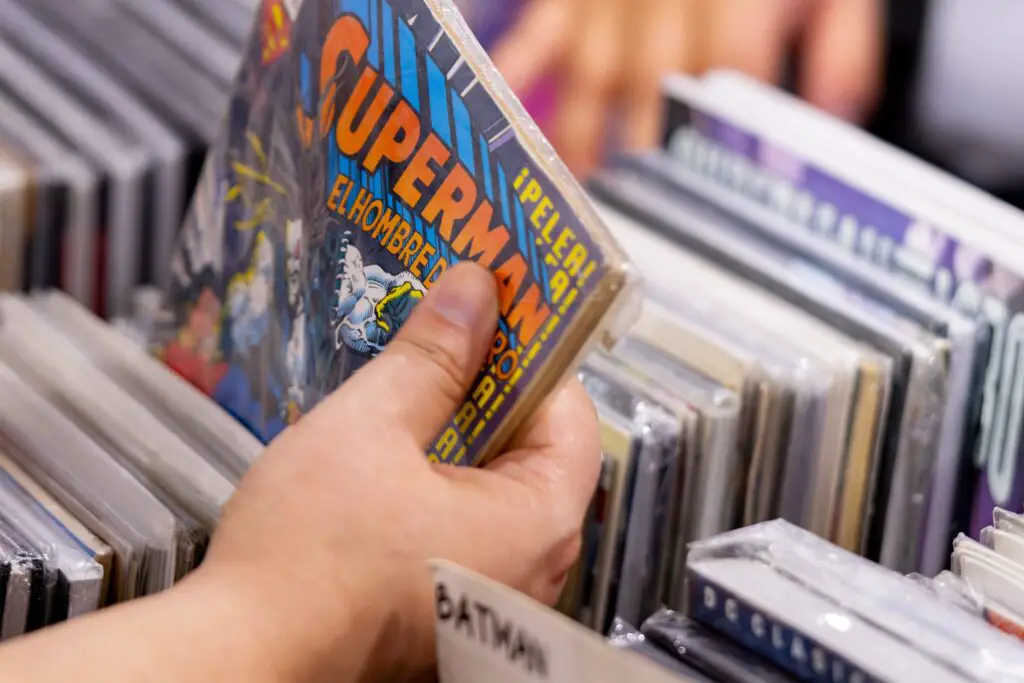
Comic shops were once a magnet for kids who loved superheroes and fantasy stories. Shelves were filled with issues of characters like Spider-Man, Batman, and the X-Men. Kids flipped through new arrivals while discussing storylines with friends or store owners. Some shops even hosted small groups of regulars who came in every week. It felt like belonging to a small club built around shared interests.
Digital comics and online fandom changed how readers engage with the hobby. Many independent comic shops struggled during the late twentieth and early twenty-first centuries. Some closed, while others shifted toward collectibles and gaming events. Physical comic stores still exist, but they are less universal than they once were. In earlier decades, they were a central meeting place for young fans.
13. The Drive-In Movie Playground
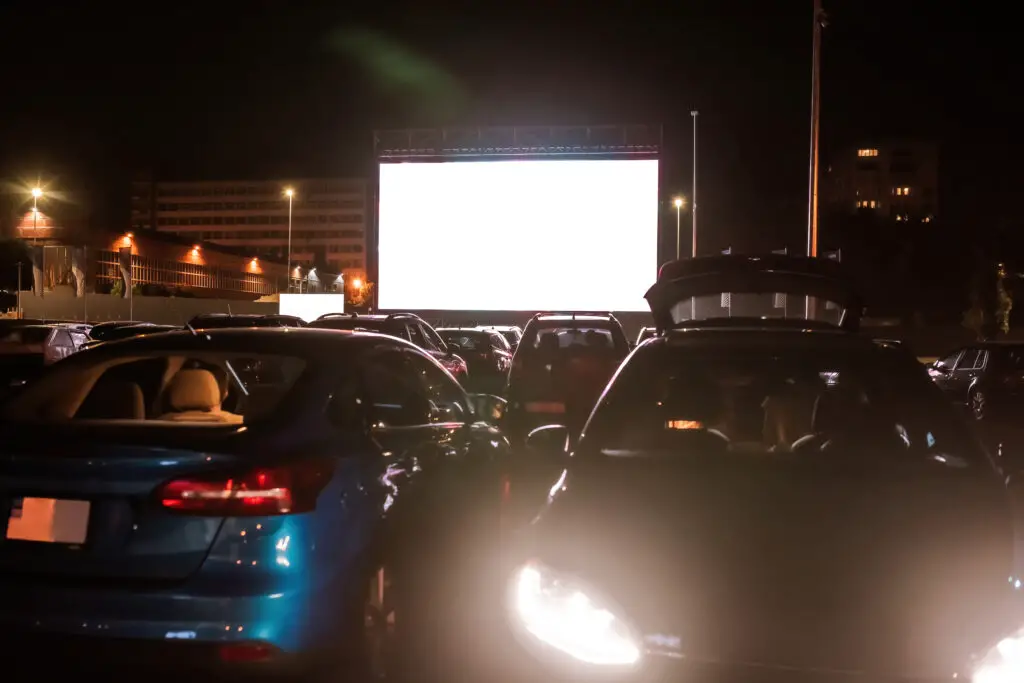
Many drive-in theaters once included playgrounds directly in front of the movie screen. Kids played on swings and slides while waiting for the film to start after sunset. The atmosphere felt like a mix of playground, picnic, and movie night all in one place. Families brought blankets and snacks while children ran around with friends. For younger kids, the playground was often the highlight of the evening.
Drive-in theaters declined dramatically beginning in the 1970s and 1980s. Rising land values and competition from indoor multiplex theaters led many to close. As drive-ins disappeared, so did their unique playground areas. A small number of drive-ins still operate in the United States today. However, the lively playground scenes that once came before every movie are far less common.
14. The Corner Candy Store

Small neighborhood candy stores used to be irresistible to kids with pocket change. Jars of penny candy lined the shelves, offering everything from licorice to jawbreakers. Kids carefully counted coins while deciding what treats they could afford. The store owner often knew the regulars by name and sometimes slipped an extra piece into the bag. It was a simple but memorable stop on the walk home from school.
Large convenience chains and supermarkets gradually replaced many independent candy shops. As retail shifted toward bigger stores and packaged goods, the penny candy tradition faded. Kids today are more likely to grab snacks from a gas station or supermarket aisle. The small storefront devoted entirely to candy is much harder to find. For many adults, those little shops represent a sweet and simple part of childhood.