
1. Button Hooks
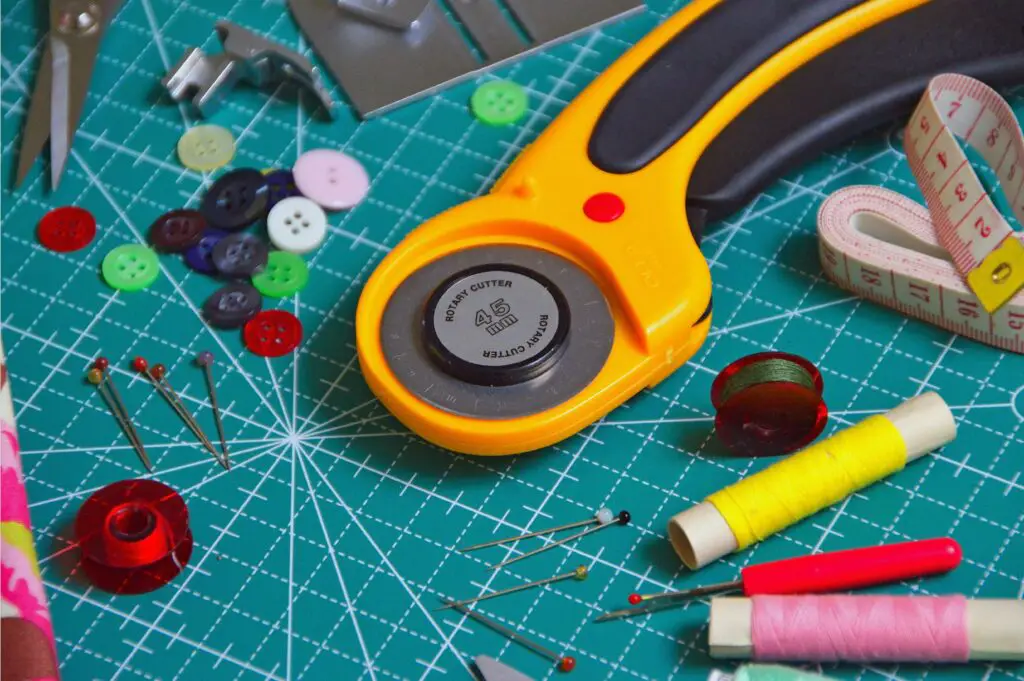
If you’ve ever stumbled across a small metal tool with a thin handle and a tiny hook at the end, chances are you were looking at a button hook. These were extremely common in the late 1800s and early 1900s, when clothing often featured rows of very small, tightly spaced buttons. Shoes, gloves, and dresses frequently required them because the buttonholes were too small to manage easily with fingers. The hook slid through the hole, grabbed the button, and pulled it back through. For people wearing high-button boots or formal gloves, the tool saved a lot of time and frustration. Without it, getting dressed could take considerably longer.
By the mid-20th century, zippers and elastic closures began replacing those tiny buttons. As a result, most families stopped using button hooks entirely. Yet the tools often remained tucked inside sewing kits or old dresser drawers. Later generations would discover them and assume they were strange medical instruments or miniature fireplace tools. In reality, they were simply everyday helpers for a fashion style that vanished.
2. Boot Jacks
A boot jack is a simple wooden or metal device that looks a bit like a flattened Y shape with a notch in one end. For people unfamiliar with it, the object can seem completely mysterious. The design actually serves a very practical purpose: helping someone remove tight boots. One heel slides into the notch while the other foot presses down on the wide base. When the wearer pulls their foot upward, the boot stays behind.
These tools were especially useful in the 18th and 19th centuries when tall leather boots were common for riding or farm work. Because those boots often fit snugly, pulling them off by hand could be difficult. Boot jacks solved the problem without requiring help from another person. As footwear styles changed, fewer households needed them. Today they sometimes show up at flea markets or in barns, leaving people puzzled about their oddly shaped design.
3. Carpet Sweepers
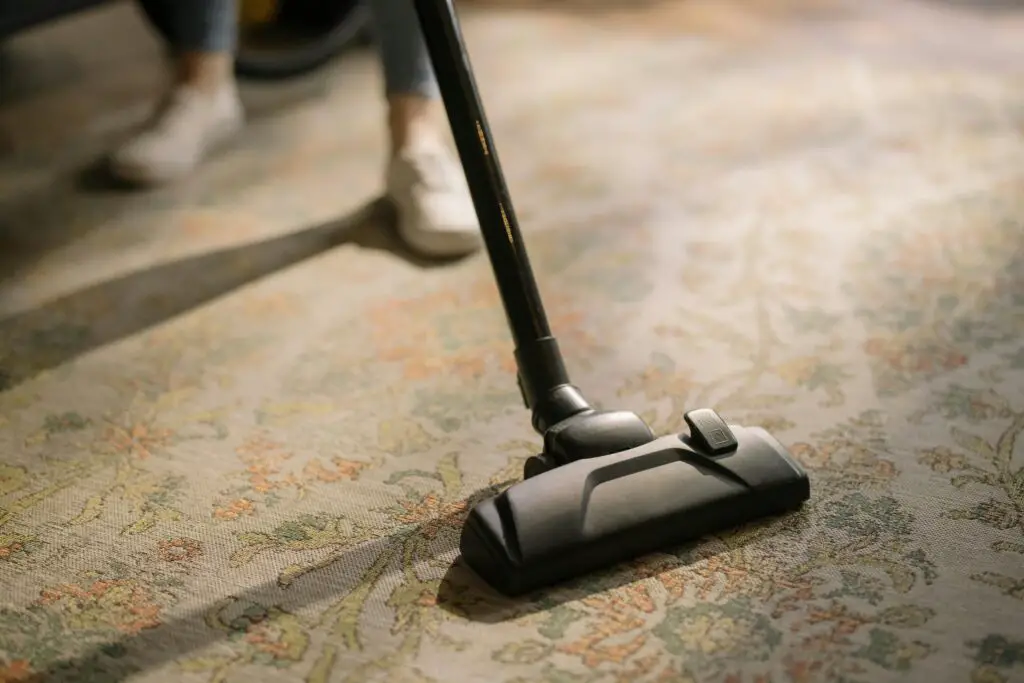
Before vacuum cleaners became widespread, many households relied on carpet sweepers. At first glance they resemble a small box with wheels and a handle, which can leave modern viewers wondering what they were meant to do. Inside the device are rotating brushes powered by the wheels as the sweeper moves across the floor. The brushes flick dirt and crumbs into a small internal container. No electricity or batteries were required.
These sweepers became popular in the late 19th century and remained common well into the early 1900s. They were quieter and easier to operate than the earliest vacuum machines. Families would run them quickly across rugs to pick up crumbs between deeper cleanings. As electric vacuums improved, carpet sweepers slowly disappeared from daily use. Many ended up stored in closets or attics where later generations discovered them with no idea what they were.
4. Darning Eggs
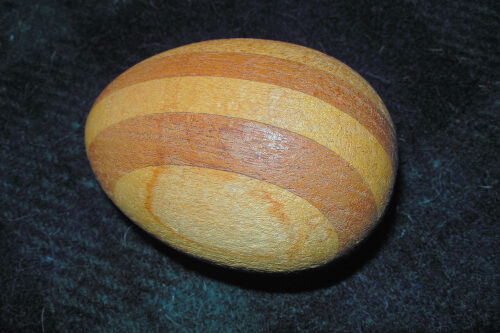
A darning egg is a smooth wooden tool shaped like an egg or small mushroom. When people first encounter one today, they often guess it might be a decorative object or a kitchen utensil. In reality, it was an essential sewing tool used to repair socks. The egg was inserted inside the sock to stretch the fabric over a firm surface. That made it much easier to weave thread across worn areas.
Before mass-produced clothing became inexpensive, repairing garments was a normal household task. Families routinely darned socks rather than throwing them away. The curved shape of the egg helped maintain the natural contour of the heel or toe during repairs. As clothing prices dropped and disposable fashion became more common, fewer people bothered with the process. Darning eggs quietly disappeared from sewing kits, leaving modern observers scratching their heads.
5. Butter Churn Dashers
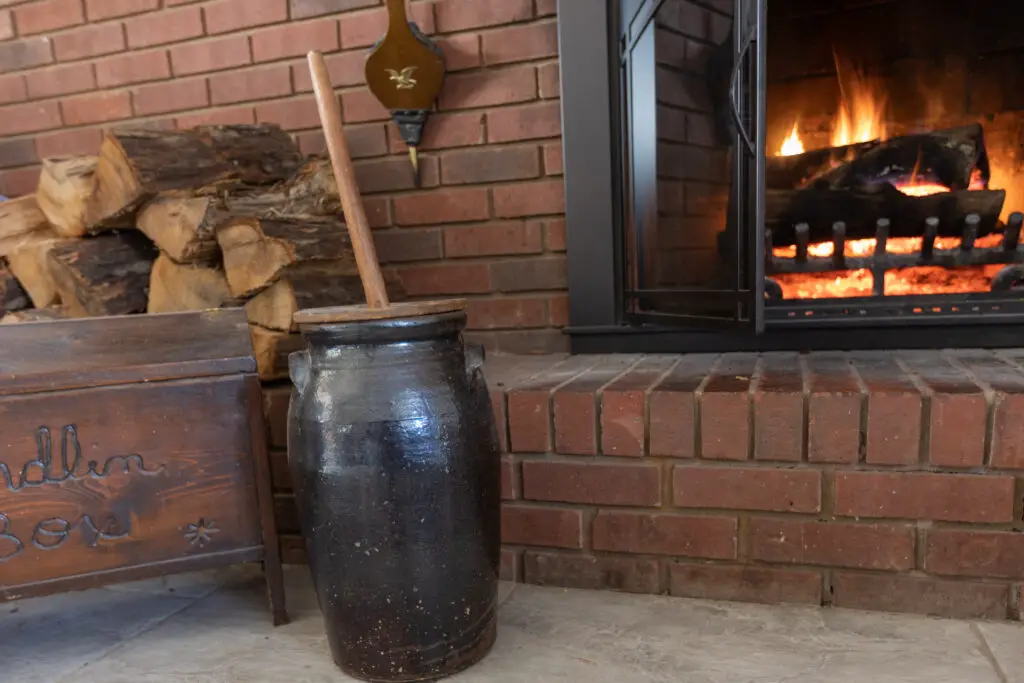
Occasionally people come across a long wooden stick with a round or cross-shaped piece at the end and assume it must have been part of a strange tool. It was actually the dasher from a butter churn. The stick was pushed up and down inside a container of cream to agitate it. Over time the motion separated butterfat from the liquid, producing butter. The process required patience and steady movement.
For many farm families, making butter at home was once a routine chore. The churn and dasher were common kitchen items throughout the 18th and 19th centuries. When commercial dairies made butter widely available, the need for home churning faded. Many churns were discarded or broken apart. Sometimes the dashers survived on their own, leaving later generations wondering why anyone would keep such an oddly shaped stick.
6. Hat Stretchers

Hat stretchers are wooden tools that expand outward with a screw mechanism in the center. At first glance they resemble a strange piece of carpentry equipment. Their purpose was actually much simpler: maintaining the shape and size of hats. The stretcher would be inserted inside the hat and gently expanded. This prevented shrinkage or restored the fit after moisture caused the hat to tighten.
Felt hats were once a standard part of everyday clothing, especially for men in the early 20th century. Because the material could shrink slightly over time, these stretchers were practical household items. They were also useful for storing hats so they kept their proper shape. As hat-wearing declined in the late 20th century, these tools gradually disappeared. Today they sometimes surface in closets or estate sales where their function is not immediately obvious.
7. Laundry Manglers
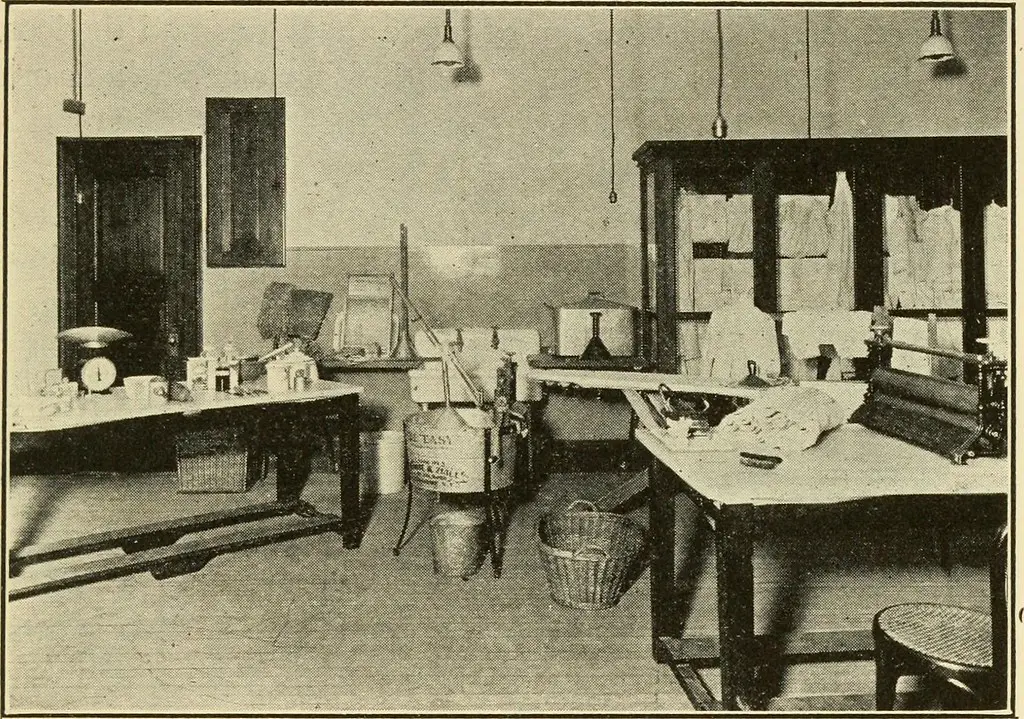
A laundry mangle looks like a small machine with two rollers and a hand crank. Without context, it can appear intimidating or puzzling. The device was used to squeeze water out of freshly washed clothing. After garments were rinsed, they were fed between the rollers and turned through with the crank. The pressure forced out excess water before the clothes were hung to dry.
Manglers became common in the late 19th and early 20th centuries, especially before electric washing machines and spin cycles existed. Removing water this way made drying clothes faster and easier. Some versions were attached directly to early washing tubs. As modern appliances improved, the mangle became unnecessary. Many were discarded, though a few survive in basements and antique shops where they look like mysterious contraptions.
8. Nutmeg Graters
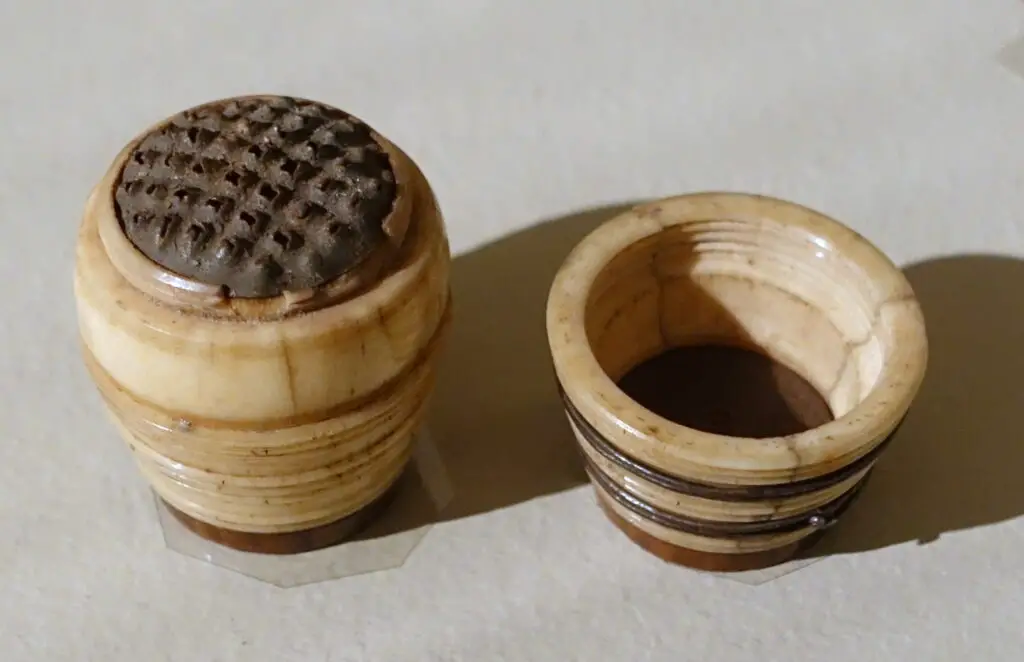
Small metal cylinders with tiny perforations often confuse people who encounter them today. Many assume they were designed for cheese or spices in general. In fact, these graters were specifically made for nutmeg. Whole nutmeg seeds were once commonly carried by diners or stored in kitchens. A quick twist against the grater produced fresh nutmeg powder.
Freshly grated nutmeg was prized because it loses flavor quickly once ground. During the 18th and 19th centuries, small personal graters even appeared at dinner tables. Over time pre-ground spices became more convenient and widely available. As that happened, the dedicated nutmeg grater faded from daily use. When found today, the object often looks too small and specialized for people to recognize right away.
9. Apple Peelers

Old cast-iron apple peelers often appear complicated at first glance, with gears, clamps, and a turning crank. The design can make them seem like some kind of industrial device. In reality, they were simple kitchen tools built to peel apples quickly. The apple was mounted on a pronged fork and turned with the crank. As it rotated, a blade removed the peel in one long spiral.
These devices became especially popular in the late 19th century. Large batches of apples were often prepared for pies, sauces, or drying. Using a peeler saved a great deal of time compared with hand peeling. Many families kept them for decades, passing them down through generations. Today they are sometimes discovered in old kitchens, where the gears and clamps make their purpose look far more mysterious than it really is.
10. Fly Swatters Made from Wire
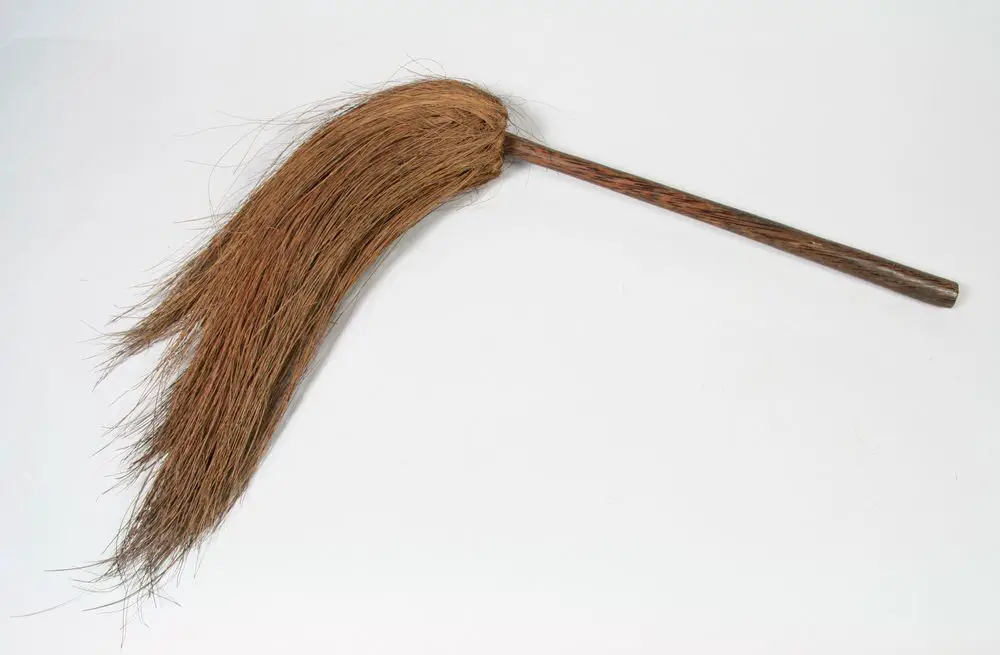
Some antique fly swatters look very different from the plastic versions people recognize today. Older ones often featured a coiled or woven wire head attached to a wooden handle. When people find these in old drawers, they sometimes mistake them for unusual kitchen tools. Their purpose, however, was straightforward. They were simply designed to kill flies.
Before window screens and modern pest control became common, flies inside the house were a frequent annoyance. Swatters provided a quick way to deal with them. The wire design allowed airflow through the head so it could move faster. This made it more effective when swung at an insect. Although the concept remains familiar today, the old metal designs can look unusual enough to confuse people who have never seen one before.
11. Strop Handles for Straight Razors
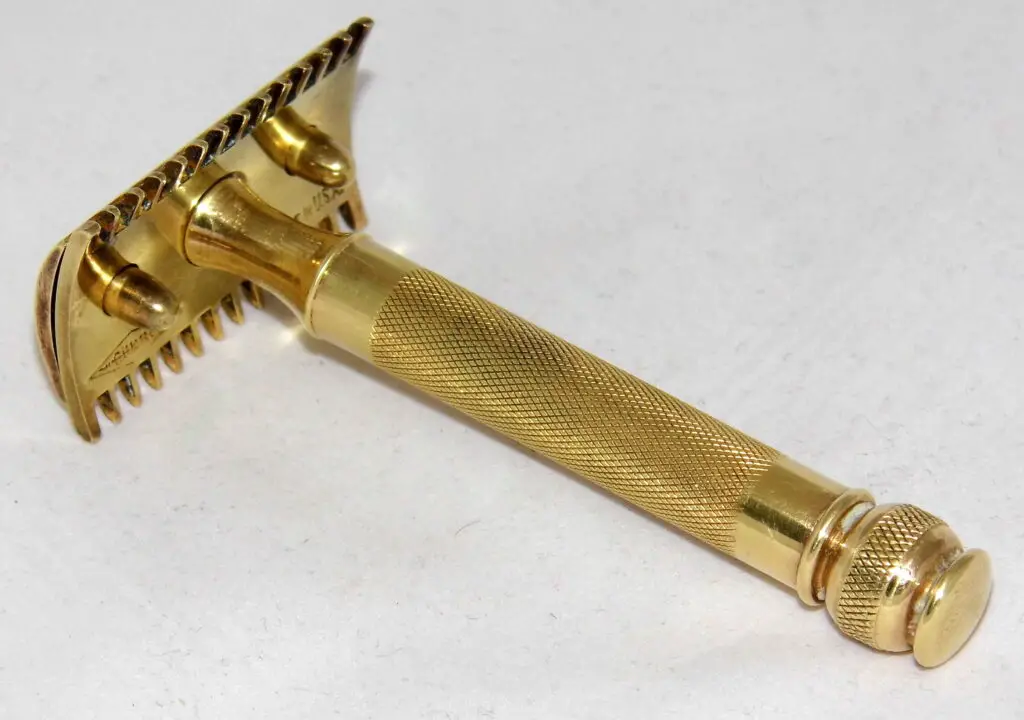
A leather razor strop usually hangs from a hook or strap, but many older versions included a wooden handle attached to one end. When separated from the leather strip, that handle can look like a strange standalone tool. In reality it was part of a sharpening system for straight razors. The razor blade was drawn repeatedly along the leather surface to maintain its edge. The handle simply made it easier to hold the strop steady during the process.
Straight razors were once the standard for shaving before safety razors and electric shavers became widespread. Maintaining them properly required regular stropping. Most barbers and many households had strops hanging somewhere in the bathroom or dressing area. As shaving technology changed, the tools became obsolete for everyday use. Occasionally the handles turn up alone, leaving people puzzled about their original purpose.
12. Ice Tongs

Ice tongs look a bit like oversized metal scissors with sharp pointed ends. People often assume they were meant for lifting something heavy or even for fireplace work. Their real job was to grab large blocks of ice. Before refrigerators were common, many households stored ice in iceboxes. Delivery workers would bring blocks of ice that needed to be handled carefully.
The pointed ends of the tongs dug slightly into the ice, allowing someone to lift it securely. Ice deliveries were a regular part of daily life in the late 19th and early 20th centuries. Families would use the tongs to move pieces from the block into the icebox compartment. Once electric refrigerators became standard, the entire system disappeared. The tongs remained behind in some homes, turning into one more puzzling object people struggled to identify.