
1. Archie Bunker’s Racial Slurs on All in the Family
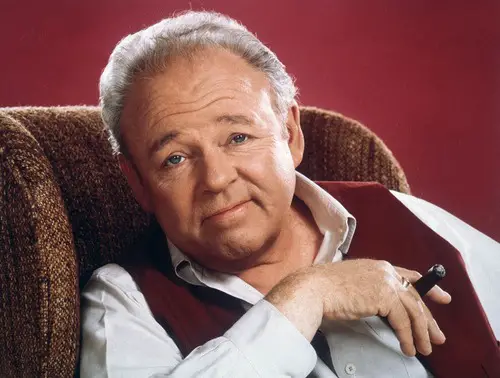
When All in the Family premiered in 1971, television had never really seen a character like Archie Bunker. Archie openly used racist, sexist and bigoted language, something that shocked many viewers at the time. Creator Norman Lear designed the character to expose prejudice by putting it right out in the open, but plenty of audiences misunderstood the satire. Some people even saw Archie as a hero rather than the butt of the joke.
Network executives and affiliates worried constantly about backlash. Certain episodes drew complaints from viewers who felt the language was offensive, even when it was meant to critique those attitudes. The show began airing with a disclaimer warning audiences that it addressed social issues through humor. Today it is often praised for confronting prejudice directly, but in the early ’70s it pushed the limits of what sitcoms were allowed to say.
2. Sammy Davis Jr. Kissing Archie on All in the Family
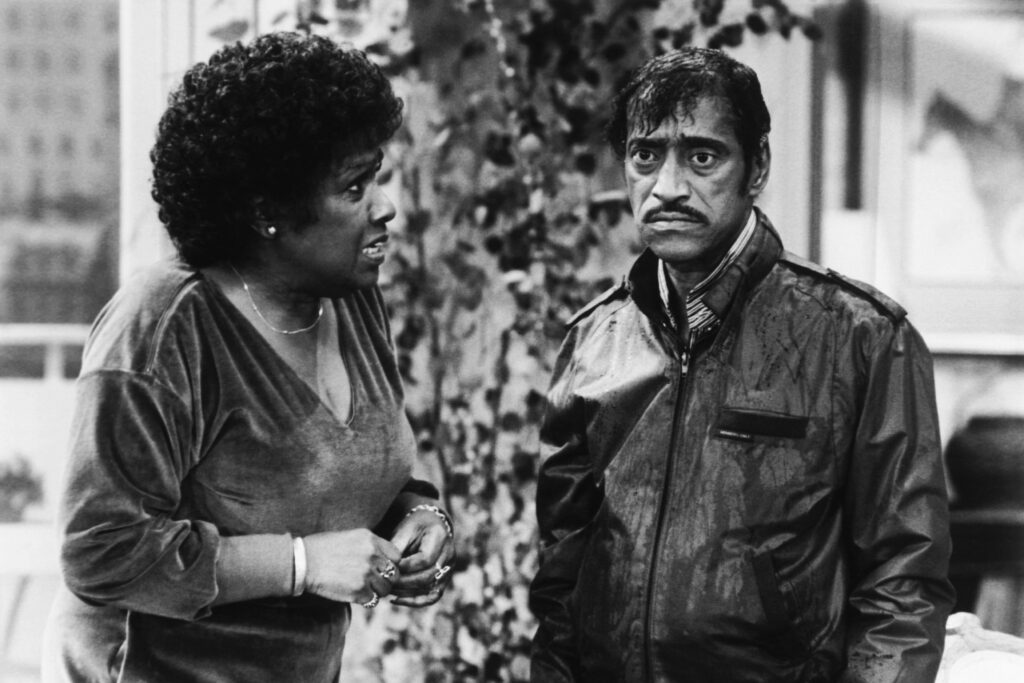
One of the most talked about sitcom scenes of the 1970s came when Sammy Davis Jr. appeared on All in the Family in 1972. In the episode “Sammy’s Visit,” Archie reluctantly hosts the entertainer after accidentally taking his briefcase. At the end of the episode, Davis kisses Archie on the cheek while a photographer snaps a picture.
The moment was played for laughs, but it also carried real cultural weight. Seeing a Black entertainer kiss a famously prejudiced character on television surprised audiences and stirred debate. Some viewers thought the gag went too far for primetime TV. Others praised it as a clever way to challenge Archie’s racism and embarrass him in front of the camera.
3. Edith Bunker’s Attempted Assault Episode
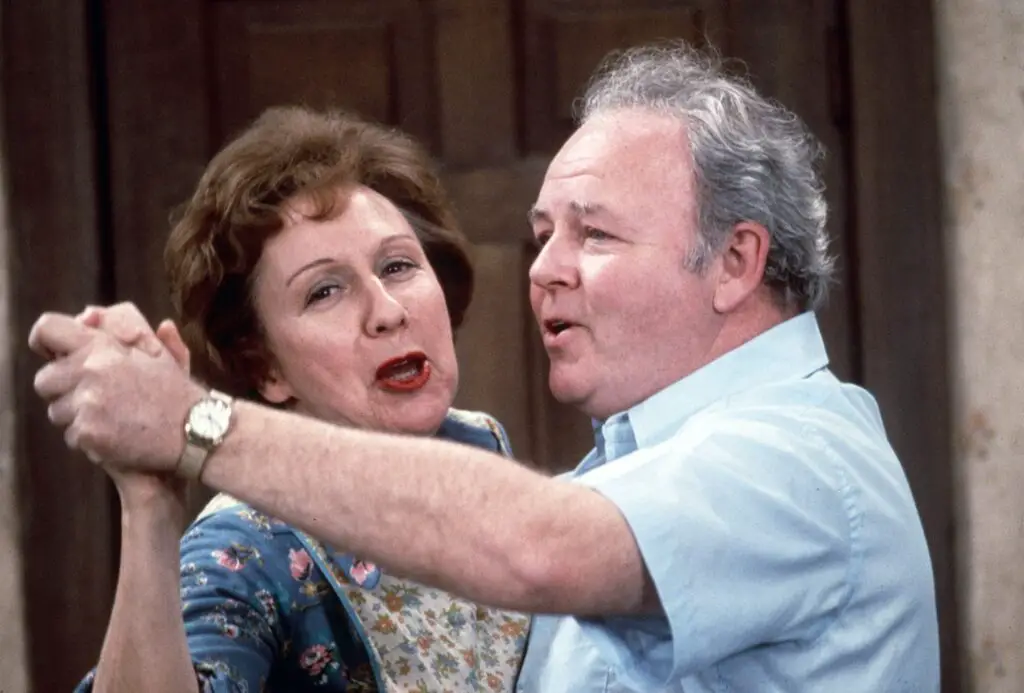
In 1977, All in the Family aired one of its most serious episodes, titled “Edith’s 50th Birthday.” During the story, Edith is nearly sexually assaulted in her own home by a man posing as a police officer. The situation becomes genuinely frightening before Archie returns home and stops the attack.
The episode was controversial because sitcoms rarely addressed sexual violence at the time. Many viewers expected lighthearted comedy from the series and were shocked by how tense the scene became. Critics debated whether such a heavy subject belonged in a sitcom at all. In retrospect, the episode is often cited as one of television’s earliest attempts to confront sexual assault within a mainstream comedy.
4. Maude’s Abortion Storyline on Maude
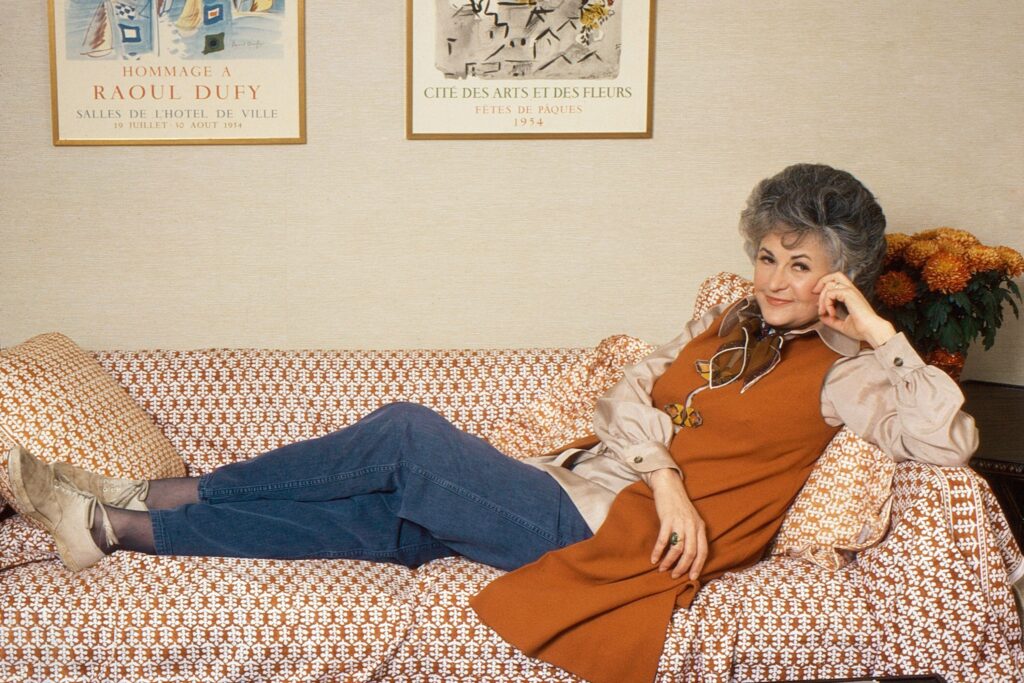
In 1972, the sitcom Maude aired a groundbreaking two-part storyline in which the title character considers having an abortion. The episodes were titled “Maude’s Dilemma,” and they dealt directly with the topic months before the Supreme Court’s Roe v. Wade decision. At the time, abortion was rarely discussed openly on television.
The storyline triggered an intense national reaction. Some stations refused to air the episodes, while others received large numbers of complaints. Religious groups organized protests and letter-writing campaigns against the show. Even decades later, the episodes remain one of the most controversial plotlines ever tackled by a sitcom.
5. The “Chuck Cunningham Syndrome” Joke on Happy Days
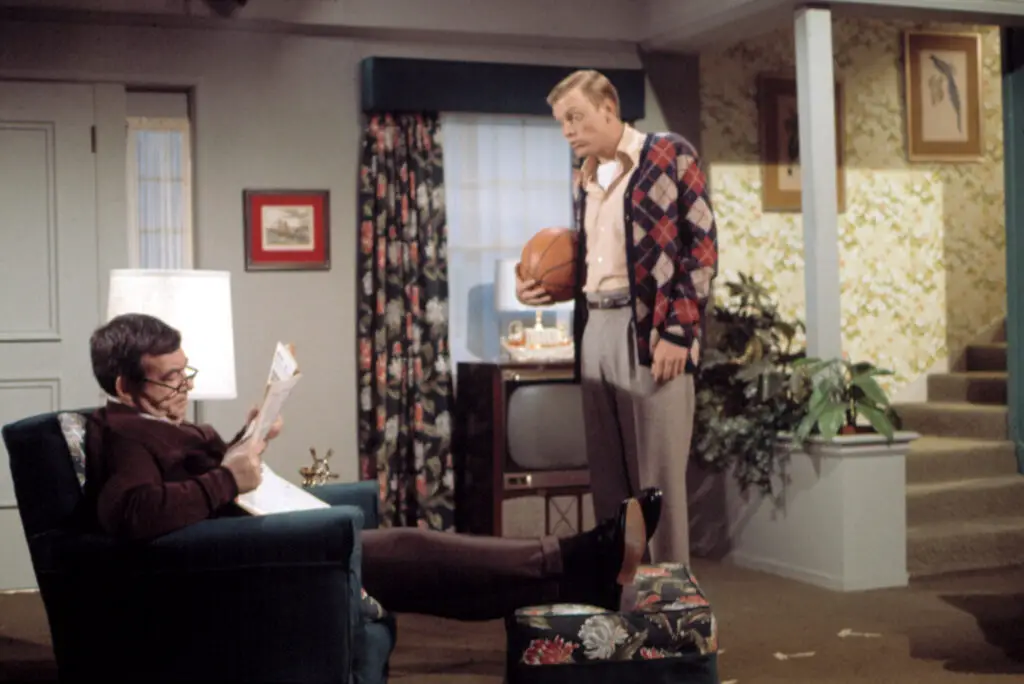
Early in Happy Days, Richie Cunningham had an older brother named Chuck who appeared in several episodes. Then, without explanation, the character disappeared from the show entirely. The writers simply stopped mentioning him as if he had never existed.
This quiet disappearance later became famous among TV fans. It was eventually nicknamed “Chuck Cunningham Syndrome,” referring to characters who vanish from shows without explanation. While not scandalous in the traditional sense, viewers at the time noticed the odd change and questioned why the family suddenly acted like Richie was an only child. The situation has since become a well known example of sitcom continuity quirks.
6. The Interracial Kiss on The Jeffersons
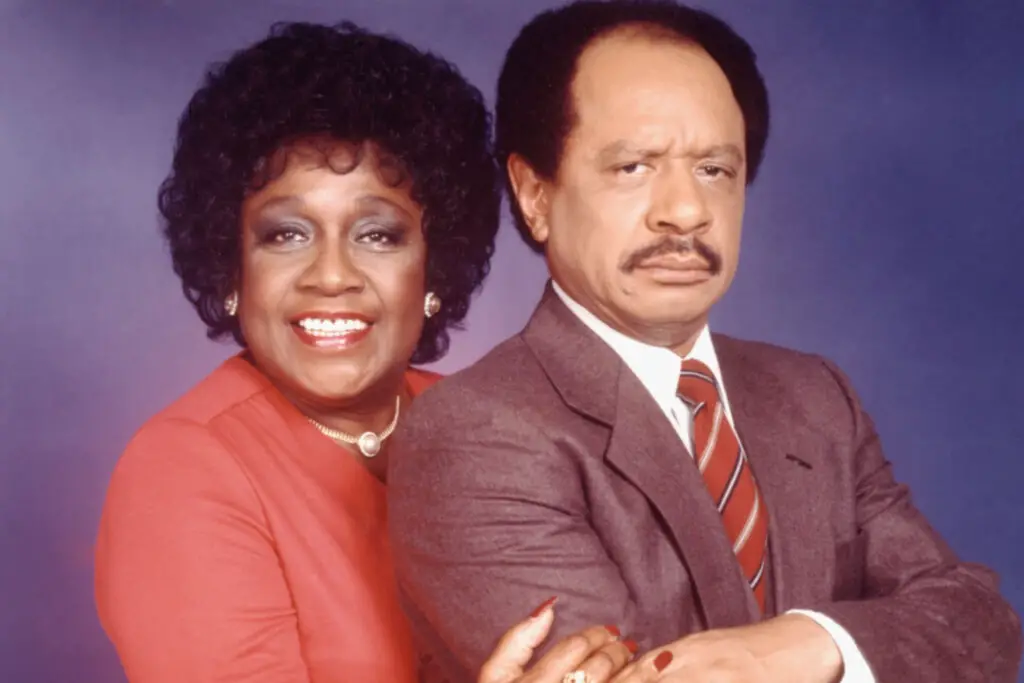
In 1975, The Jeffersons aired an episode titled “Jenny’s Low.” In the story, George Jefferson discovers that his daughter’s boyfriend is white. The episode eventually leads to an on-screen kiss between the interracial couple.
While interracial relationships were becoming more visible on television, they were still controversial in parts of the country. Some viewers reacted negatively, and certain stations reportedly hesitated about the episode. The show’s writers intentionally addressed prejudice through George’s own reactions. The storyline helped normalize interracial dating on mainstream television.
7. The “Very Special Episode” Drug Story on Diff’rent Strokes
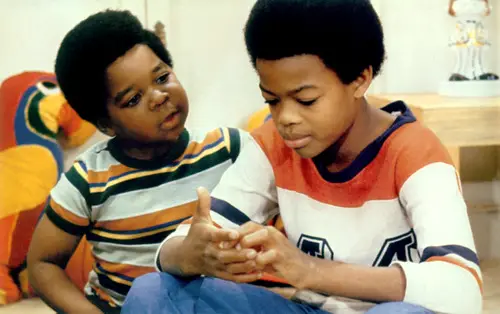
One of the most famous “very special episodes” of the 1980s came from Diff’rent Strokes. In the 1983 episode “The Bicycle Man,” Arnold and Dudley are lured into the apartment of a man who attempts to exploit them. The storyline tackled child molestation directly, something that was extremely unusual for a sitcom.
The episode shocked audiences who expected a lighter show about family life. Many viewers were unsettled by how serious and realistic the situation felt. However, the episode was also widely praised for raising awareness about child abuse. It remains one of the most discussed sitcom episodes of the decade.
8. The Racism Episode on The Golden Girls
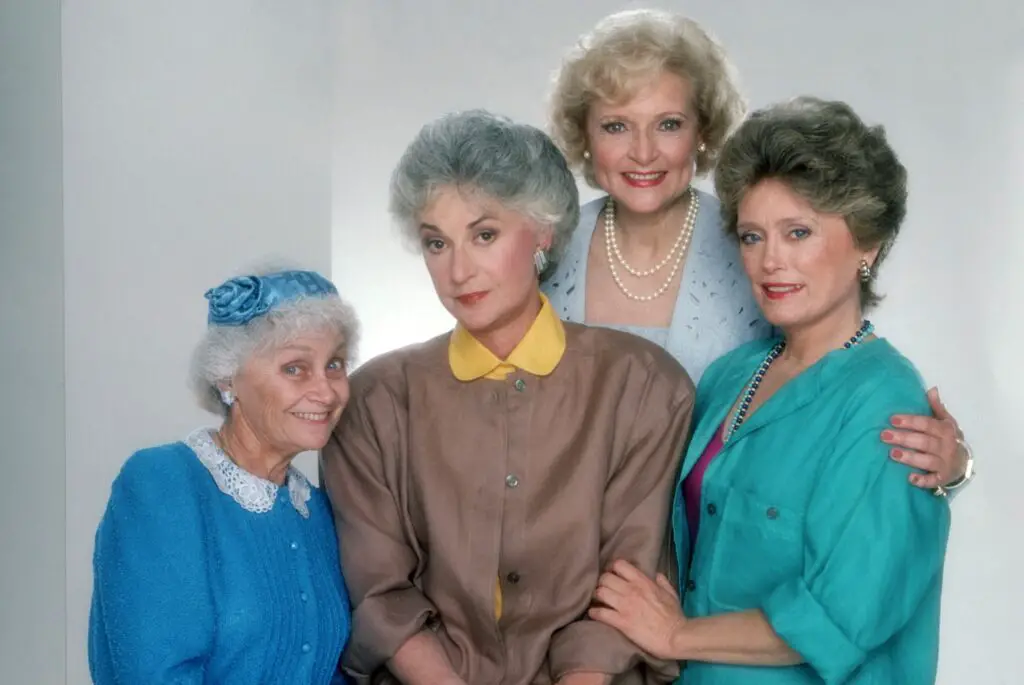
In the 1988 episode “Mixed Blessings,” Dorothy’s son Michael becomes engaged to a Black woman named Lorraine. Both families struggle with their own biases about the relationship. Dorothy and Lorraine’s mother initially clash, each believing the other disapproves because of race.
The episode openly discussed interracial marriage, something sitcoms had rarely handled with this level of honesty. While the story ultimately resolves with understanding, some viewers found the arguments uncomfortable. The writers intentionally used humor to highlight how prejudice can exist on both sides. Today the episode is often remembered as one of the show’s more socially ambitious stories.
9. The “Puppy Episode” on Ellen
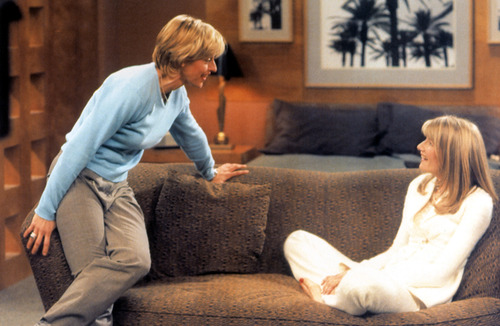
In 1997, the sitcom Ellen aired an episode that changed television history. In “The Puppy Episode,” Ellen Morgan, played by Ellen DeGeneres, comes out as gay. The storyline mirrored DeGeneres’ real life coming-out at the same time.
The episode generated enormous media attention and controversy. Some sponsors withdrew advertising, and certain stations refused to broadcast it. At the same time, it received widespread praise from LGBTQ advocates. The moment became one of the most significant milestones for LGBTQ representation on television.
10. The Breastfeeding Debate on Murphy Brown
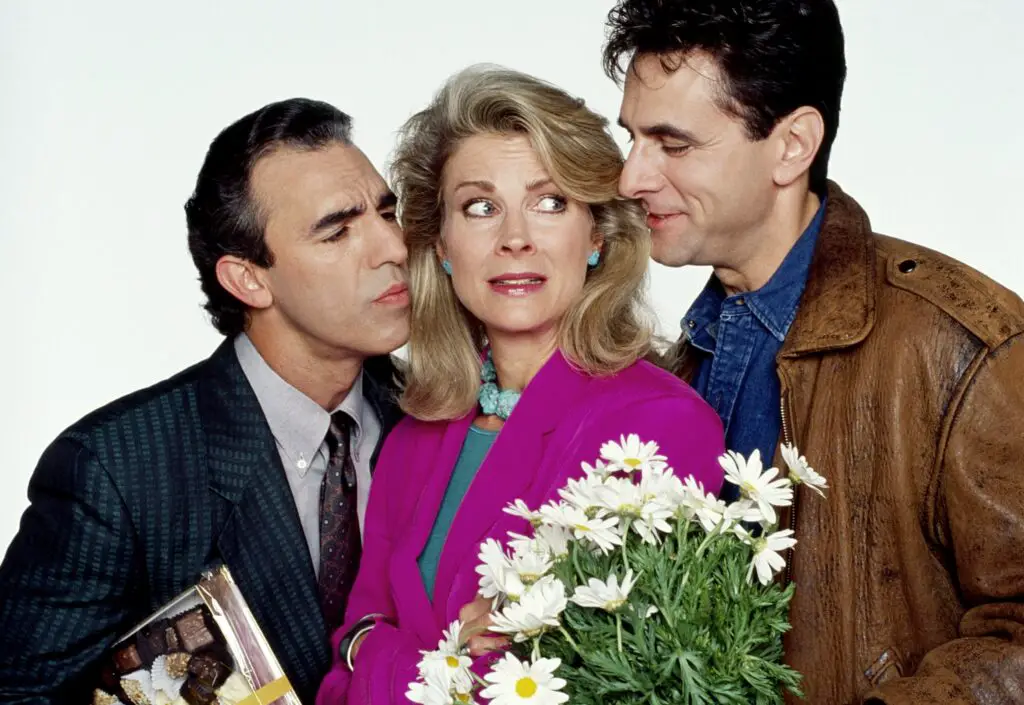
In a 1992 episode of Murphy Brown, the title character decides to raise her baby as a single mother. This storyline sparked a major political controversy when U.S. Vice President Dan Quayle criticized the show for supposedly undermining family values. His comments triggered a nationwide debate about television and culture.
The show’s writers responded directly within the series, defending Murphy’s choices. The storyline helped spark broader discussions about single motherhood and women’s independence. At the time, it was unusual for a sitcom to become part of a national political conversation. The episode demonstrated how influential television comedy had become in shaping public debate.
11. The Seinfeld “Contest” Episode
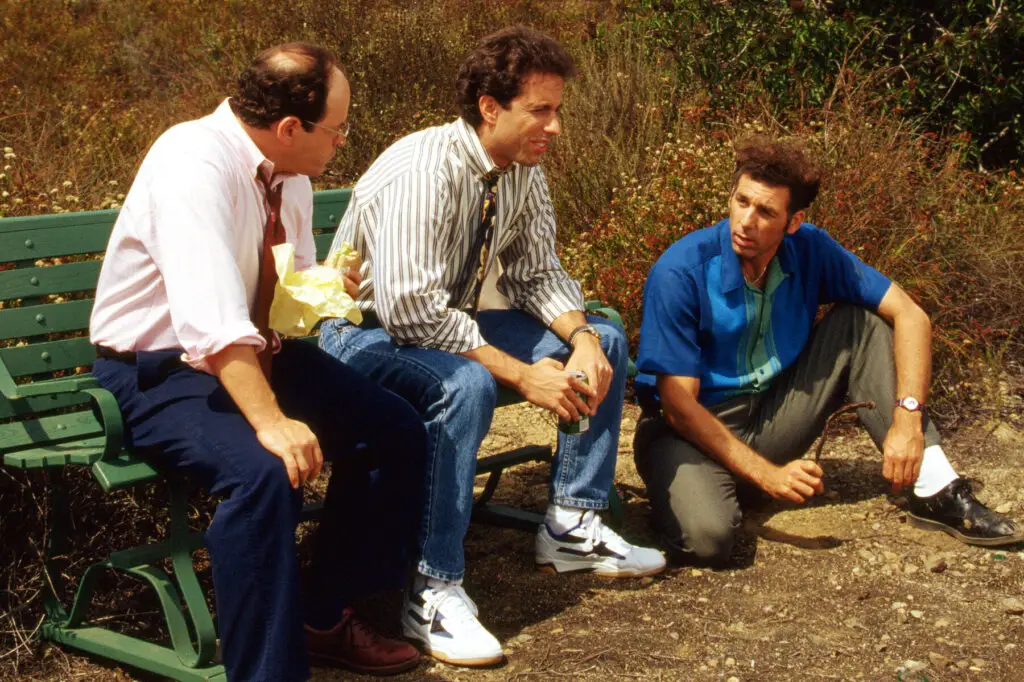
In 1992, Seinfeld aired the episode “The Contest,” in which the main characters compete to see who can go the longest without masturbating. The word itself is never spoken in the episode, but the implication is clear. NBC executives were nervous about the subject matter.
Despite the taboo topic, the episode aired and became one of the show’s most famous installments. Critics praised how cleverly the script handled a controversial subject without explicit language. Some viewers were surprised that a primetime sitcom tackled the idea at all. Over time, the episode has been widely ranked among the greatest in television history.
12. The Homophobia Storyline on Roseanne
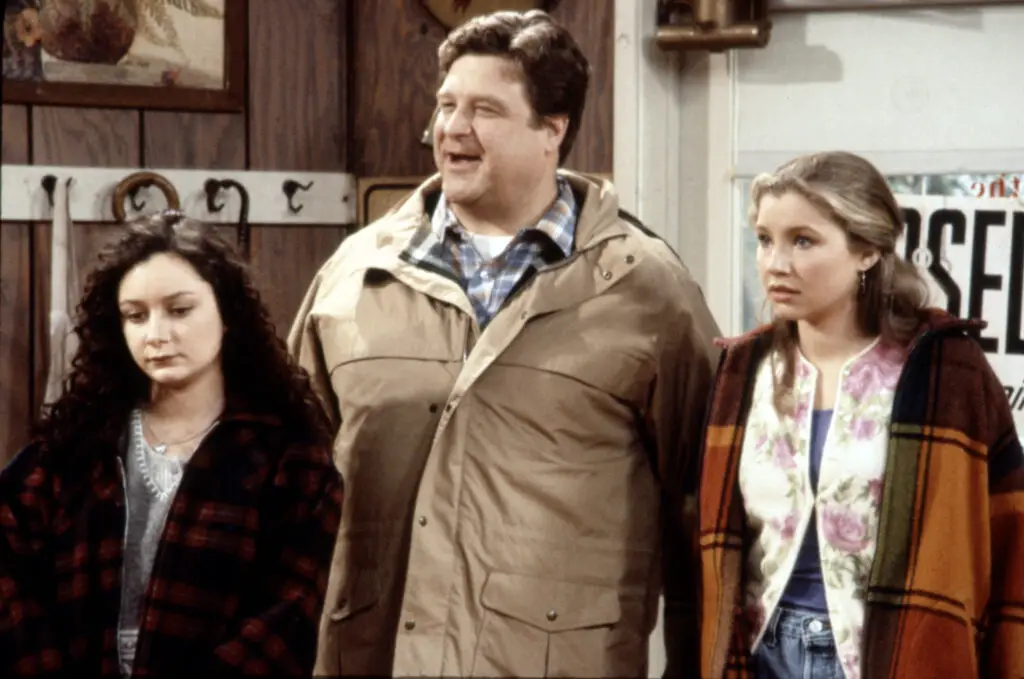
In a 1994 episode of Roseanne, the character Roseanne Connor kisses another woman in a gay bar. The storyline was meant to challenge the characters’ own assumptions about sexuality. At the time, same-sex affection on primetime TV was still uncommon.
The scene generated strong reactions from viewers and advertisers. Some affiliates reportedly received complaints after the episode aired. Others praised the show for confronting homophobia with humor and honesty. The moment became one of the series’ most talked about episodes.
13. The “Soup Nazi” Character on Seinfeld
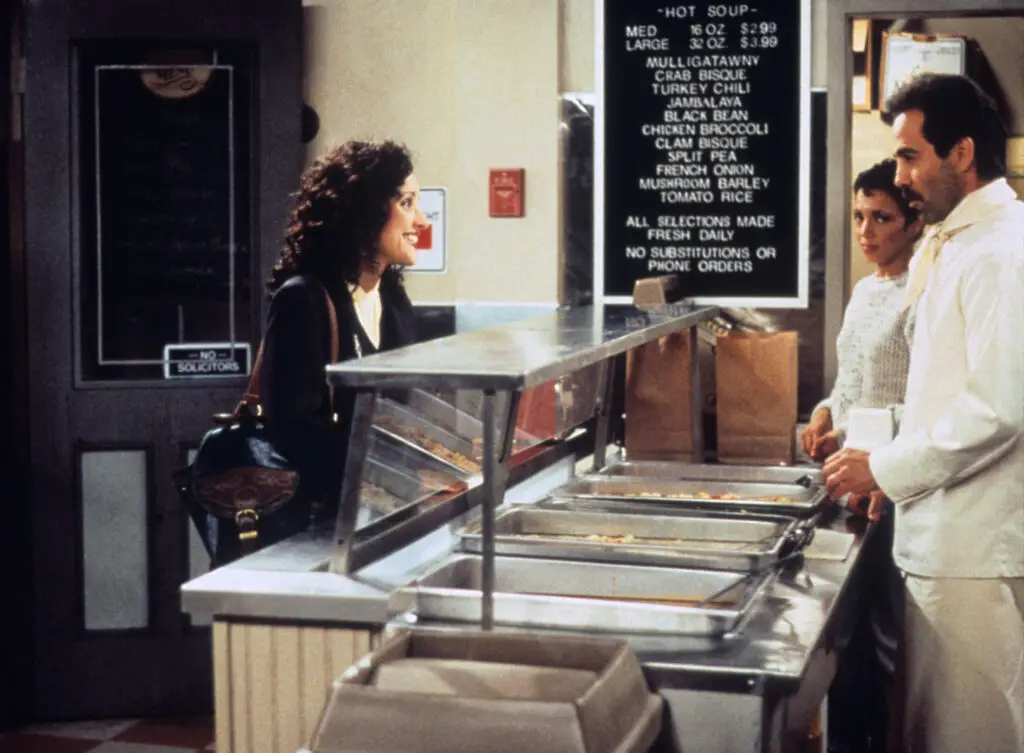
One of Seinfeld’s most memorable characters appeared in the 1995 episode “The Soup Nazi.” The character, played by Larry Thomas, runs a soup stand with strict rules and angrily bans customers who break them. The nickname used by the characters became the episode’s central joke.
Some viewers later questioned whether using the term “Nazi” as a comedic nickname was appropriate. The writers said the character was inspired by a real New York soup vendor known for strict service rules. While controversial to some, the episode became one of the show’s most quoted stories. The character even became a pop culture reference point for strict customer service.
14. The “Puerto Rican Day” Episode of Seinfeld
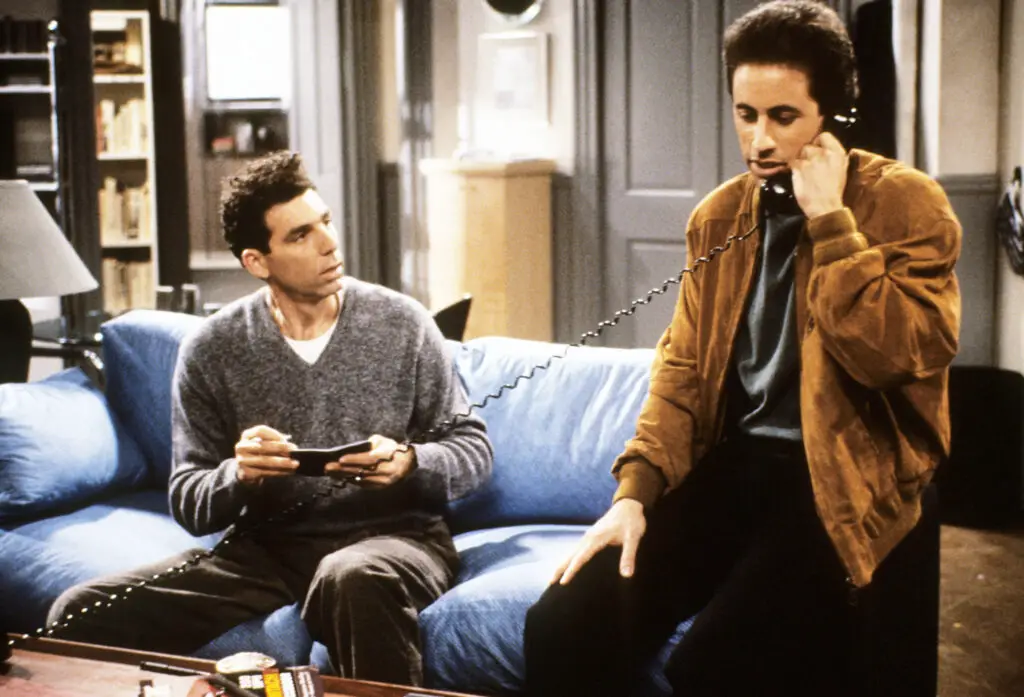
The 1998 Seinfeld episode “The Puerto Rican Day” sparked controversy shortly after it aired. In the story, the characters become stuck in traffic during the Puerto Rican Day Parade in New York City. One scene shows Kramer accidentally burning a Puerto Rican flag while trying to extinguish a small fire.
Many viewers and community leaders criticized the episode as disrespectful. NBC eventually apologized for the scene. The network also chose not to air the episode again in syndication for several years. It remains one of the most controversial moments in the show’s history.
15. The Same-Sex Wedding on Friends
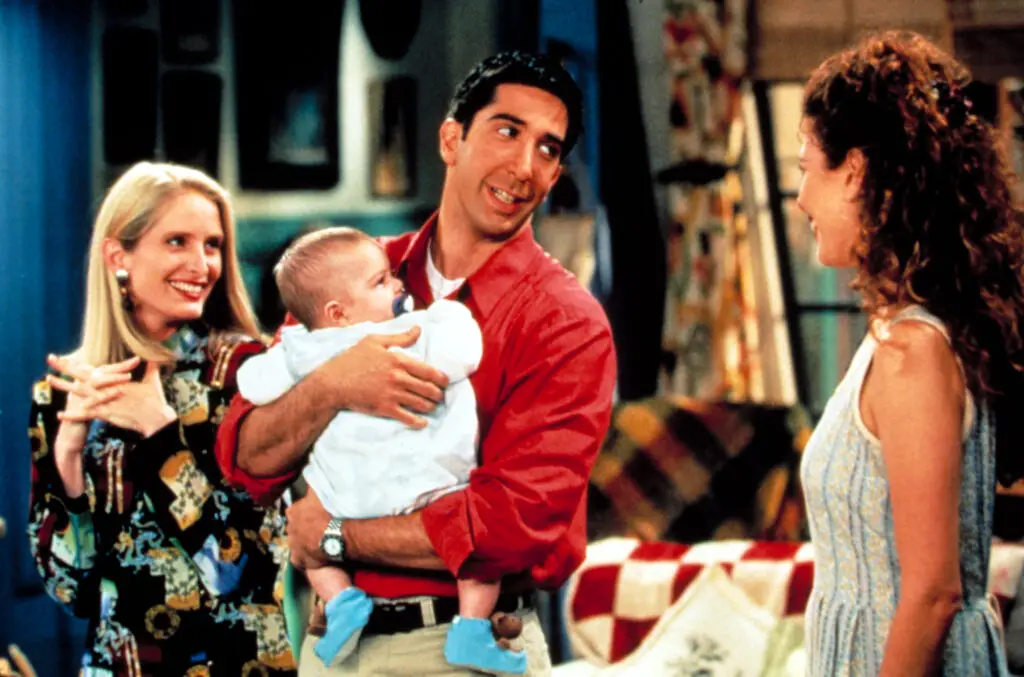
In 1996, Friends featured the wedding of Ross’s ex-wife Carol and her partner Susan. The ceremony was one of the first same-sex weddings depicted on a mainstream network sitcom. At the time, same-sex marriage was not yet legally recognized in the United States.
Some NBC affiliates reportedly declined to air the episode. Others received viewer complaints after it aired. However, many audiences praised the show for portraying the relationship with warmth and humor. The episode is now seen as an early step toward broader LGBTQ representation on television.
16. The Pregnancy Debate on I Love Lucy
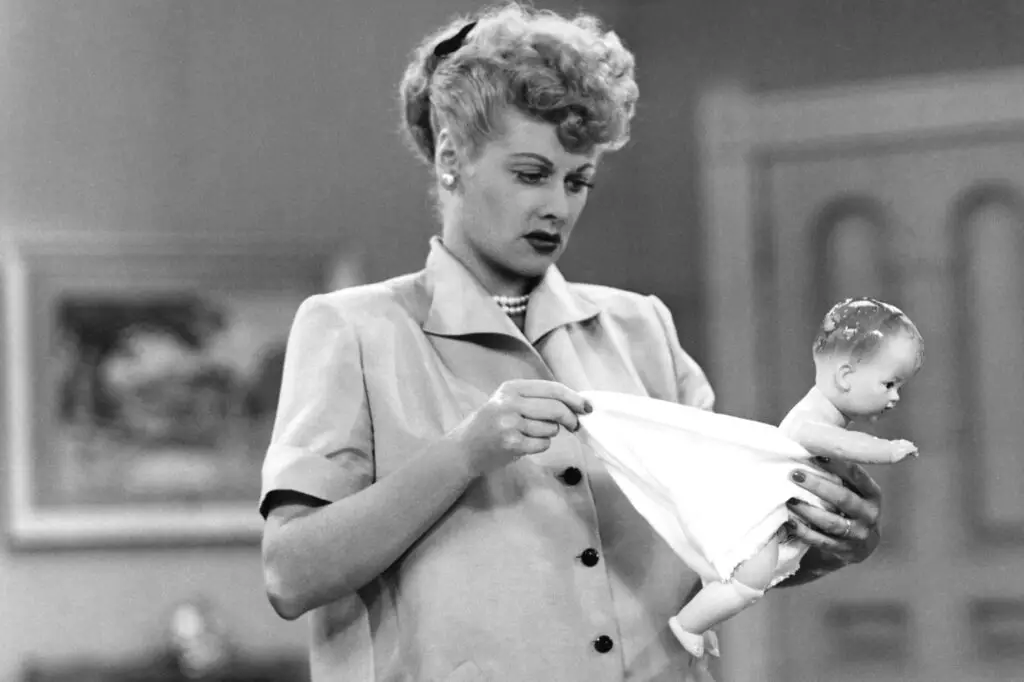
In 1952, I Love Lucy broke new ground when Lucille Ball’s real-life pregnancy was written into the show. At the time, network censors would not allow the word “pregnant” to be used on television. The show instead referred to Lucy as “expecting.”
Even with those restrictions, the storyline caused debate among network executives. Some sponsors were concerned that discussing pregnancy was too risqué for primetime TV. Despite those fears, the episode in which Lucy gives birth drew one of the largest audiences in television history. Today it is widely recognized as a turning point in how television addressed family life.