
1. The 1964 New York World’s Fair Futurama Ride
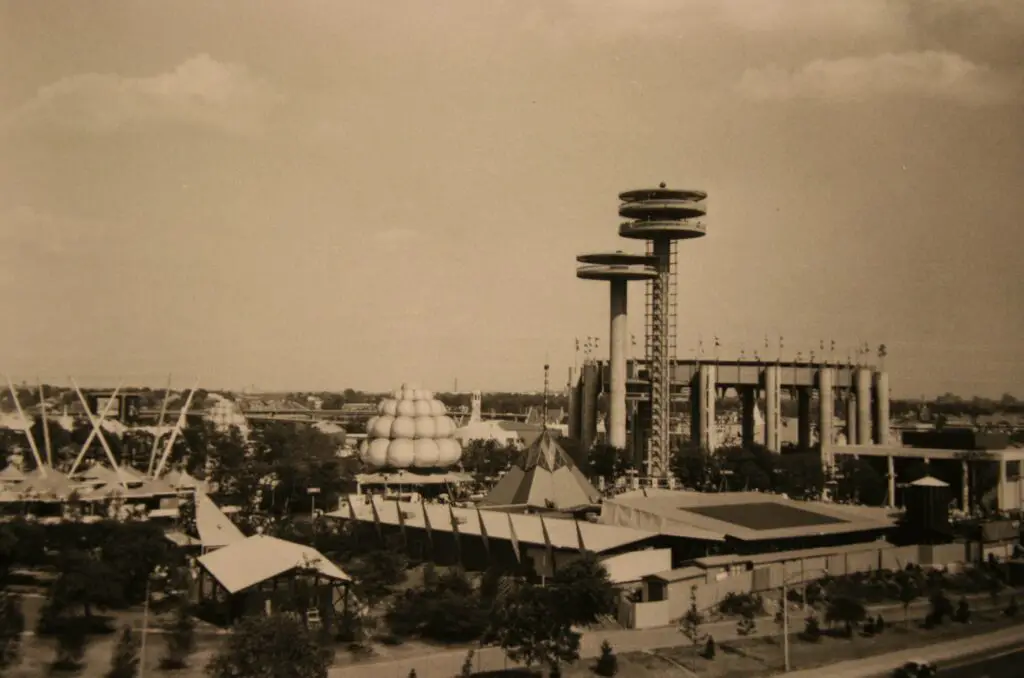
At the 1964 New York World’s Fair, General Motors once again invited visitors to imagine the future through an attraction called Futurama II. Guests rode in moving theater seats that slowly passed enormous dioramas depicting life in the decades ahead. The scenes showed underwater mining operations, automated farms, and even human settlements on the Moon. For many people attending the fair, it felt like stepping inside a living science fiction story.
More than 29 million people visited the GM Pavilion during the fair’s two seasons, making it one of the event’s biggest attractions. The exhibit reflected the optimism of the early Space Age, when technological progress seemed unstoppable. Some predictions proved overly ambitious, but the ride captured the spirit of the time perfectly. When the fair ended in 1965, the attraction disappeared, leaving only photos and memories of its grand vision.
2. The Monsanto House of the Future at Disneyland
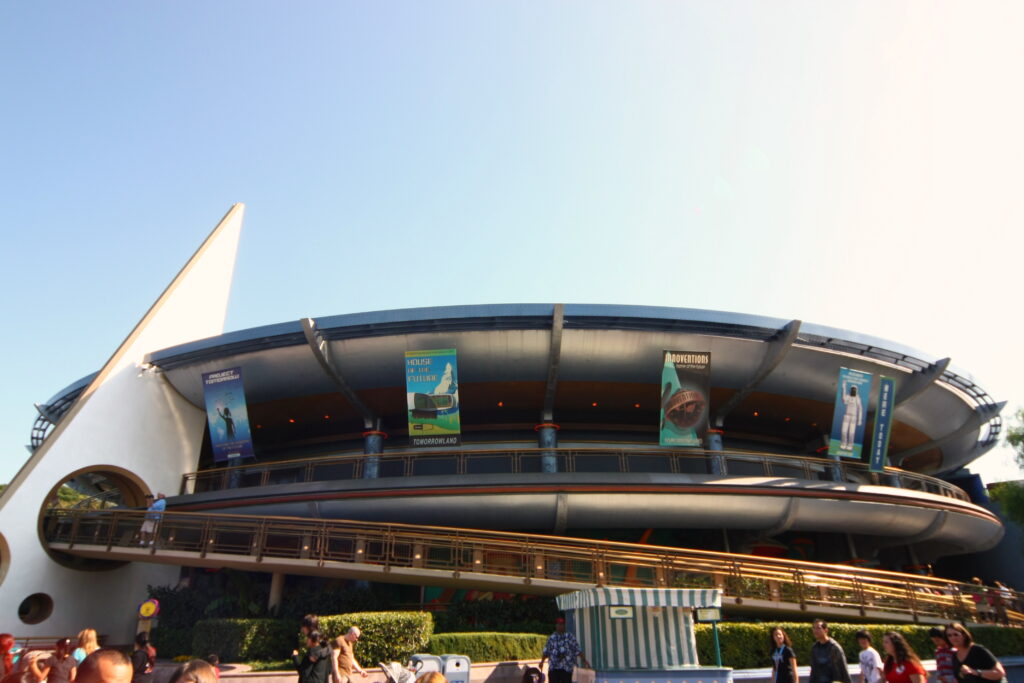
In 1957, Disneyland’s Tomorrowland debuted the Monsanto House of the Future, a full-scale model home designed to showcase what living in the future might look like. The house was built almost entirely from fiberglass reinforced plastic and sat elevated on a pedestal with four wings extending outward. Visitors could walk through the home and see sleek plastic furniture, futuristic kitchen appliances, and built-in electronics.
The attraction stayed open for ten years and was seen by millions of park guests. It reflected the optimism of the postwar era, when plastics were viewed as the material that would transform everyday life. The house closed in 1967 during a Tomorrowland redesign. Workers reportedly found the reinforced structure so strong that demolishing it was surprisingly difficult.
3. EPCOT Center’s Horizons Pavilion
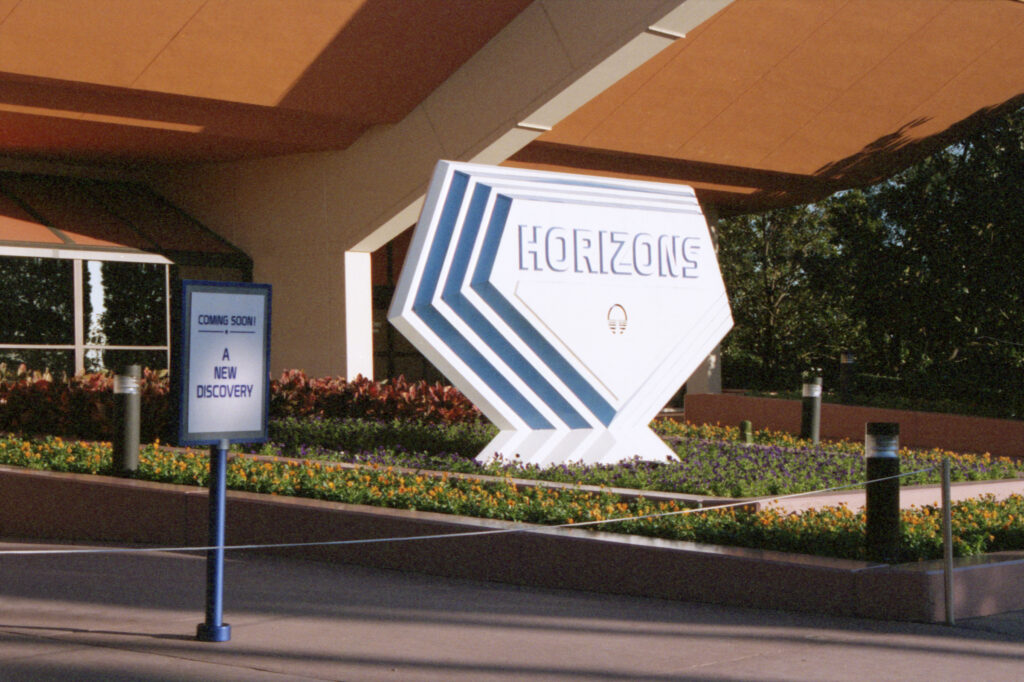
When EPCOT Center opened at Walt Disney World in 1982, Horizons quickly became one of the park’s most beloved attractions. The ride explored how humans might live in the future through detailed scenes and elaborate storytelling. Guests passed underwater research bases, space colonies, and high-tech desert farms powered by advanced technology.
The attraction emphasized innovation, exploration, and human ingenuity. At the end of the ride, guests could choose their preferred future scenario, which then played out in the finale. Horizons remained open for nearly two decades before closing in 1999. The building was later demolished, but many Disney fans still remember it as one of the park’s most imaginative attractions.
4. EPCOT’s World of Motion Pavilion
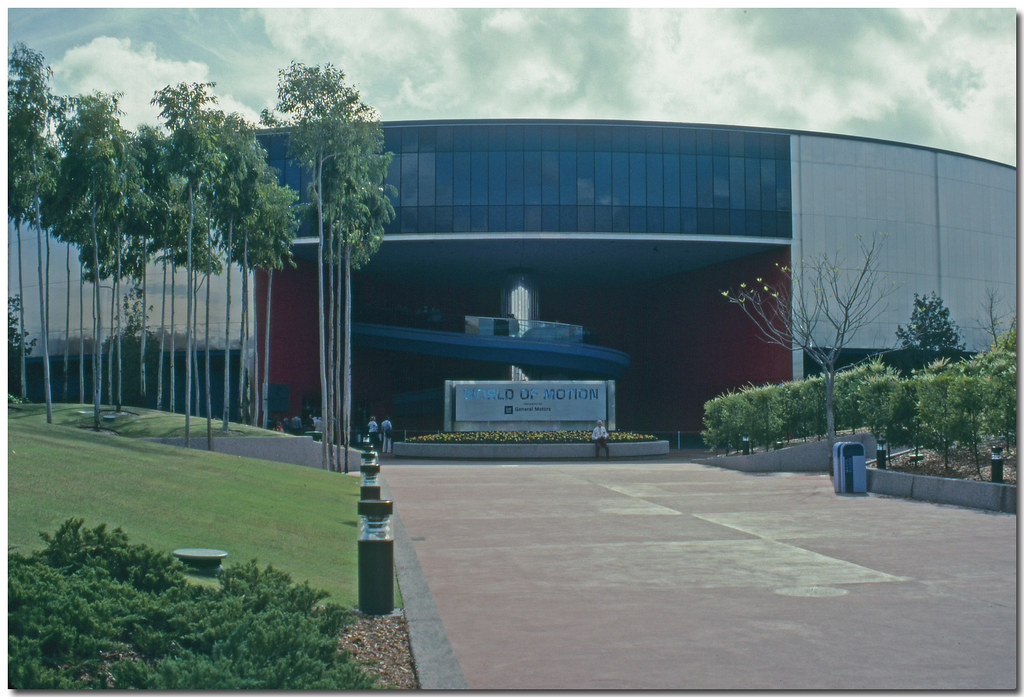
Another futuristic EPCOT attraction that promised a bold vision of tomorrow was World of Motion. Sponsored by General Motors, the ride explored the history and future of transportation. Guests traveled through humorous scenes showing how humans had moved around throughout history before arriving at a look at future vehicles.
The final section of the attraction focused on concept cars and futuristic transportation technology. It reflected the belief that automobiles would continue evolving in dramatic ways. World of Motion closed in 1996 as part of EPCOT’s modernization efforts. The pavilion later reopened as Test Track, a very different type of ride focused on car testing.
5. EPCOT’s Universe of Energy Pavilion
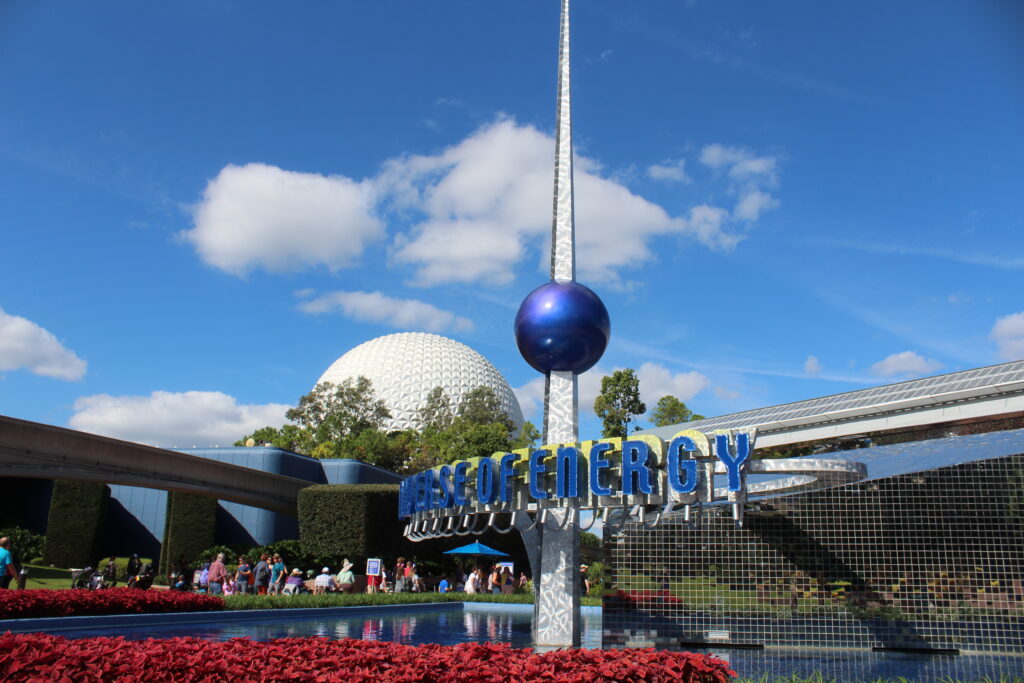
When EPCOT Center opened in 1982, the Universe of Energy pavilion promised visitors a look at the future of global power. Guests boarded large theater vehicles that moved through massive sets explaining how energy worked and where it came from. The attraction included a huge diorama featuring animatronic dinosaurs meant to illustrate the origins of fossil fuels.
The pavilion focused heavily on education and scientific optimism. It suggested that new technologies would help solve the world’s growing energy needs. Over time, the attraction began to feel outdated as energy conversations shifted. The pavilion closed in 2017 and was eventually demolished to make way for new development.
6. The Futuro House
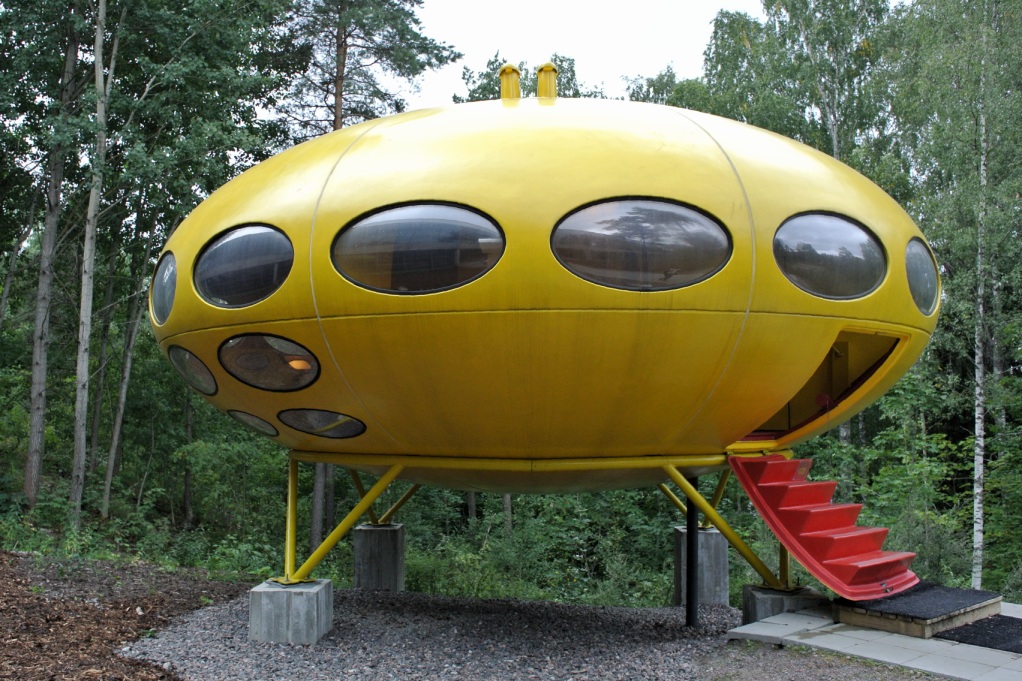
The Futuro House looked like something that had landed from outer space when it appeared in 1968. Designed by Finnish architect Matti Suuronen, the prefabricated structure resembled a flying saucer perched on metal legs. The idea was to create a portable vacation home that could be transported by helicopter and assembled almost anywhere.
Inside, the circular interior contained molded plastic furniture designed to match the futuristic theme. Around 60 to 100 Futuro houses were built around the world, though the exact number is uncertain. Rising oil prices in the 1970s made the plastic construction too expensive. Today, only a few surviving examples remain, often displayed as unusual roadside attractions.
7. The Space Needle’s Rotating Restaurant
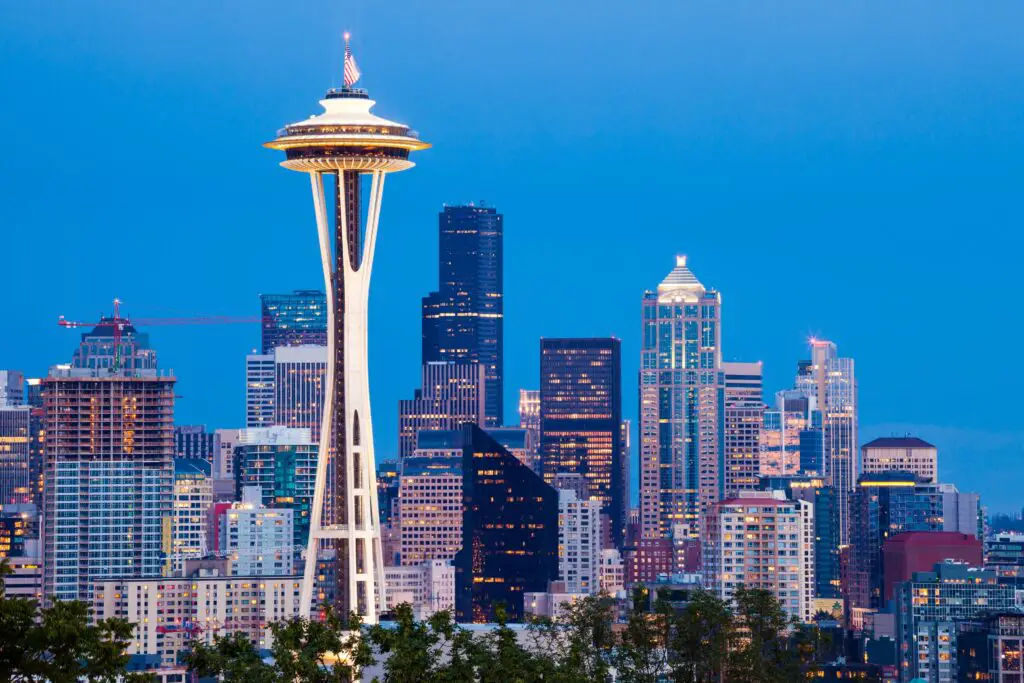
When the Space Needle opened during the 1962 Seattle World’s Fair, it was meant to symbolize the future of architecture and technology. At the top sat a rotating restaurant that slowly turned to give diners a panoramic view of Seattle. The concept of a revolving restaurant felt incredibly futuristic at the time.
Visitors could sit and watch the entire city slowly move around them while they ate. It quickly became one of the most famous features of the Space Needle. The structure itself became a permanent Seattle landmark after the fair ended. While the restaurant still exists today, the attraction once represented the optimistic “space age future” the fair celebrated.
8. EPCOT’s CommuniCore
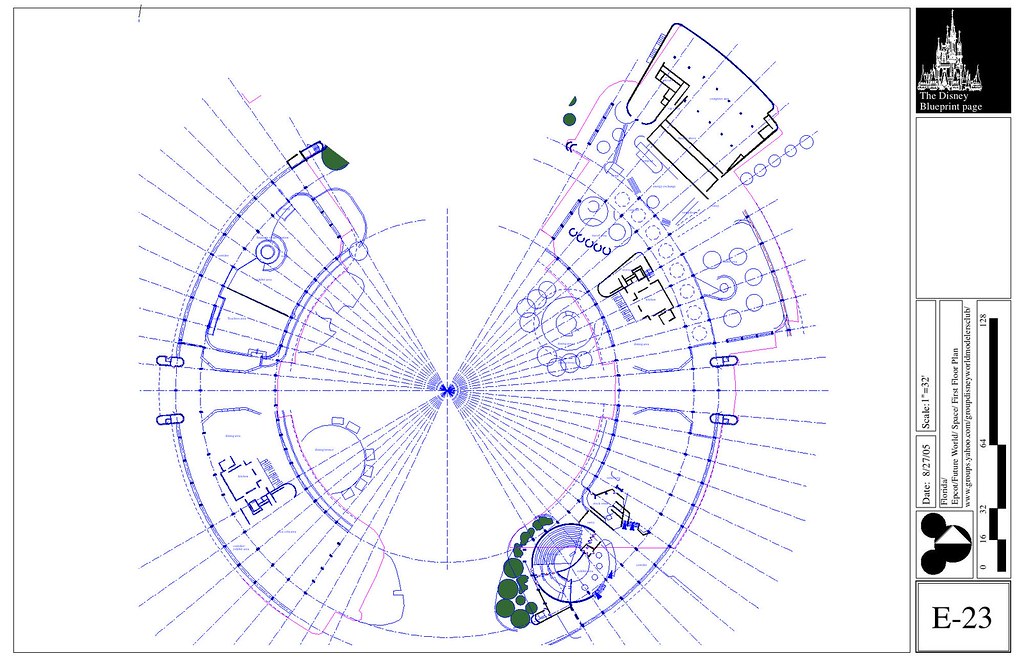
When EPCOT Center opened in 1982, CommuniCore served as the park’s technological showcase. The large pavilion was filled with interactive exhibits demonstrating computers, robotics, and emerging digital technology. Visitors could try hands-on displays that explained how new machines might shape the future.
For many guests in the 1980s, it was their first time seeing personal computers up close. The exhibits aimed to make complex technology understandable and exciting. Over time, the displays became outdated as real-world technology advanced faster than the exhibits. CommuniCore closed in the mid 1990s during EPCOT’s major renovations.
9. General Motors’ Motorama Shows
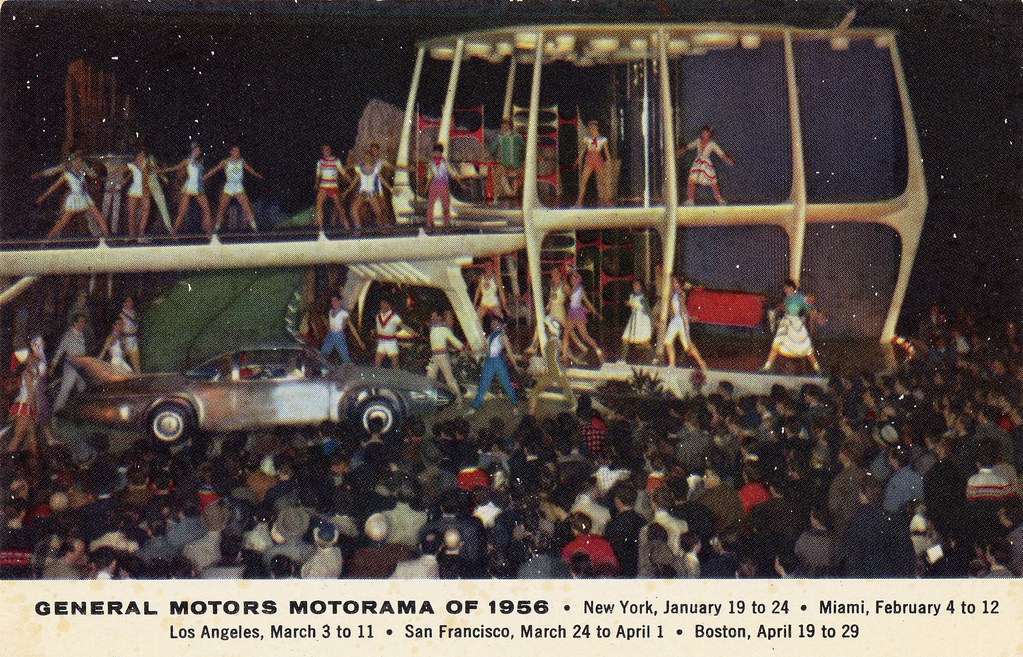
During the 1950s and early 1960s, General Motors hosted massive traveling exhibitions called Motorama. These events toured major American cities and showcased futuristic concept cars and transportation ideas. Visitors could walk through displays featuring sleek vehicles with dramatic designs and experimental technology.
Many of the cars looked like something out of a space movie, with tailfins, bubble canopies, and unusual shapes. The shows were extremely popular and drew huge crowds. They helped fuel the public imagination about what cars might look like decades later. The Motorama tours ended in 1961 as marketing strategies changed.
10. The Bell System Pavilion at the 1964 New York World’s Fair
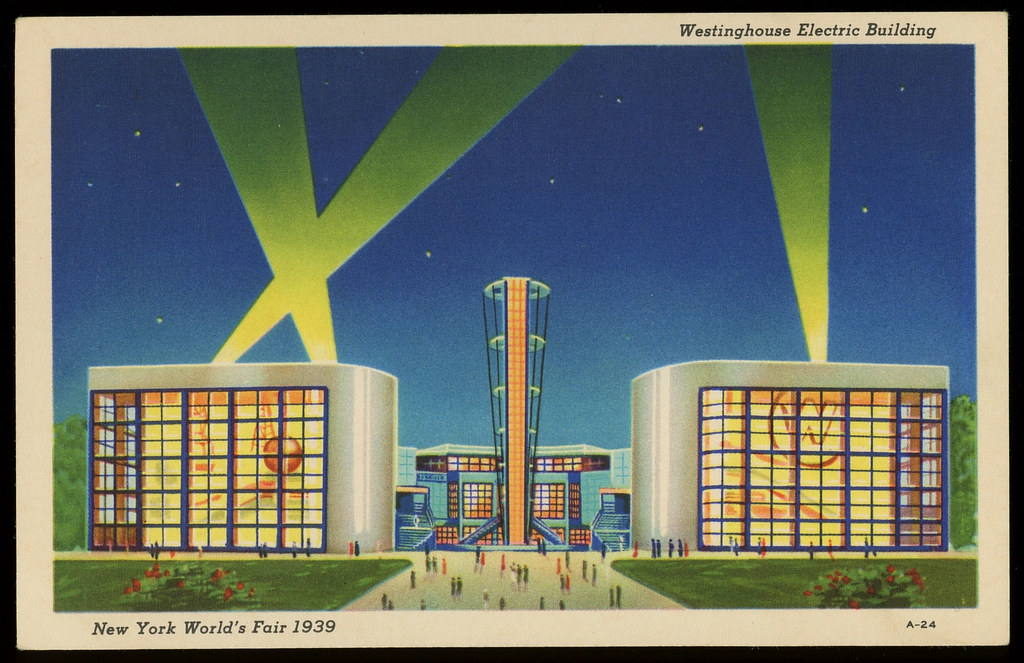
The Bell System Pavilion at the 1964 New York World’s Fair offered visitors a look at the future of communication. Guests rode a theater attraction that demonstrated how satellites and computers might transform global communication. At a time when long distance phone calls were still expensive and uncommon, the ideas seemed revolutionary.
The exhibit predicted technologies like video calling and worldwide digital communication. Visitors saw demonstrations of concepts that sounded like science fiction at the time. Decades later, many of those ideas became everyday reality through the internet and smartphones. When the fair ended, the pavilion closed along with the rest of the exhibits.
11. EPCOT’s Wonders of Life Pavilion
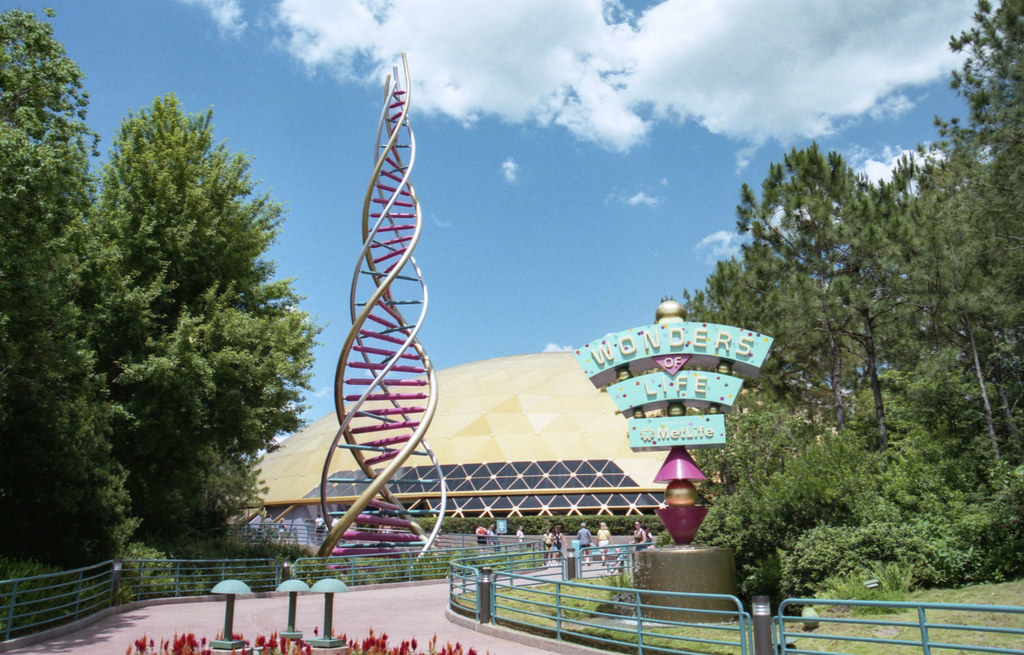
The Wonders of Life pavilion opened at EPCOT in 1989 and explored the future of medicine and human health. Inside were interactive exhibits about the human body, fitness, and medical technology. Attractions like Body Wars and Cranium Command used humor and storytelling to explain how the body worked.
The pavilion reflected the late twentieth century belief that science would dramatically extend human health and longevity. Guests could also explore exhibits about nutrition, exercise, and stress management. Wonders of Life eventually closed in 2007 after years of seasonal operation. The building later stood unused for many years before redevelopment began.
12. The Futurist City Model at the 1939 New York World’s Fair
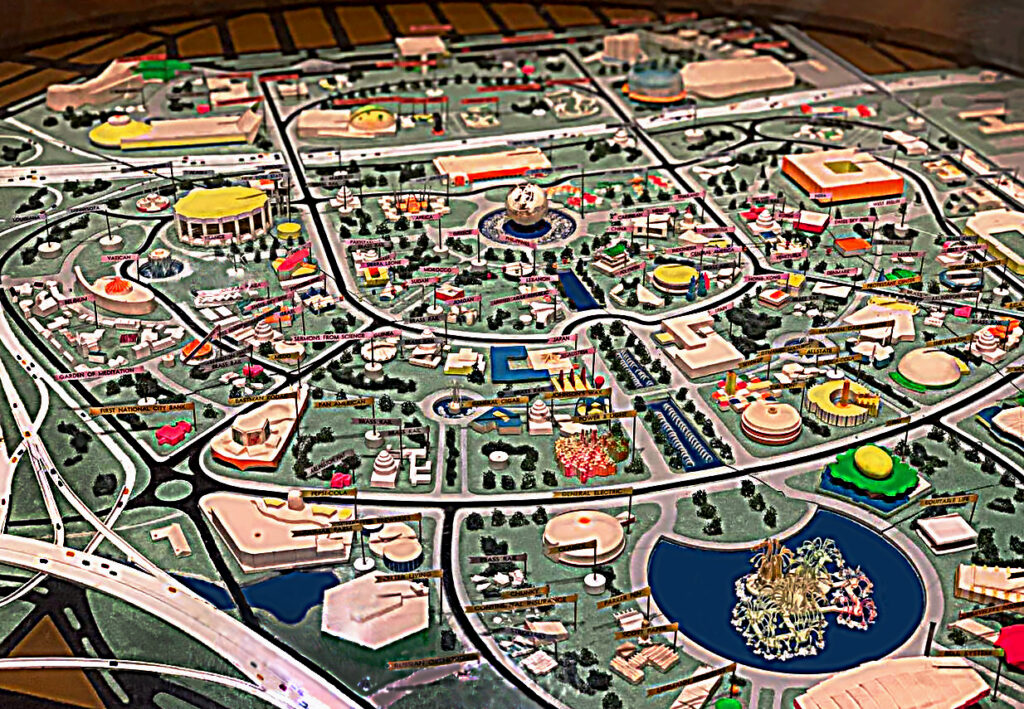
Another memorable vision of the future appeared inside the Perisphere at the 1939 New York World’s Fair. Visitors rode a moving walkway around a giant model city known as Democracity. The model showed carefully planned suburbs, highways, and green spaces designed to represent a modern future society.
The exhibit emphasized efficient urban planning and the idea that technology could create better communities. Narration explained how cities might grow and evolve with smart design. For visitors in 1939, the concept felt incredibly advanced. The structures housing the exhibit were dismantled after the fair ended.
13. EPCOT’s The Land Pavilion Greenhouse Tours
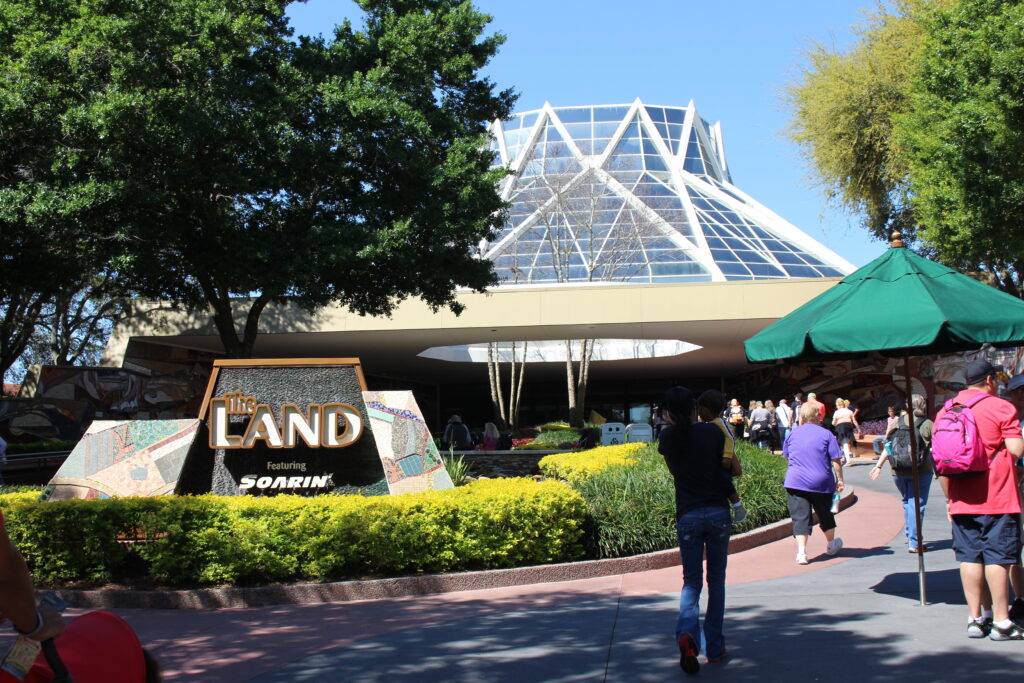
When EPCOT opened in 1982, The Land pavilion offered guests a glimpse of futuristic agriculture. Visitors could ride through working greenhouses that demonstrated advanced farming techniques. The attraction showed hydroponic growing systems, experimental crops, and new ideas for sustainable food production.
The greenhouse tour allowed guests to see scientists actively researching new agricultural methods. It suggested that technology would reshape how food was grown around the world. The attraction still exists today in a modified form as Living with the Land. In the early years of EPCOT, however, it was promoted as a bold look at the future of farming.