
1. Rodney King

Rodney King became one of the most widely recognized figures of the early 1990s after a shocking incident in Los Angeles. In March 1991, a bystander recorded King being beaten by several police officers during an arrest. The footage aired repeatedly on television and quickly spread across the country. For many Americans, it was one of the first times they had seen clear video evidence of police violence.
The officers were later tried, and when a jury acquitted them in 1992, protests erupted across Los Angeles. The unrest became known as the Los Angeles riots. King later appeared publicly asking for calm and delivered the famous line, “Can we all get along?” His name remains tied to one of the most significant moments in modern discussions about policing in the United States.
2. Phineas Gage

Phineas Gage became famous after surviving one of the strangest accidents in medical history. In 1848, he was working on a railroad construction project in Vermont when an explosion sent a tamping iron straight through his skull. Astonishingly, he survived the injury and was able to speak and walk soon afterward. The iron bar entered below his cheekbone and exited through the top of his head.
Doctors were fascinated because Gage’s personality reportedly changed after the accident. The case became one of the earliest examples scientists used to study how different parts of the brain affect behavior. His story still appears in psychology textbooks today. What began as a horrific workplace accident ended up shaping the early study of neuroscience.
3. Typhoid Mary
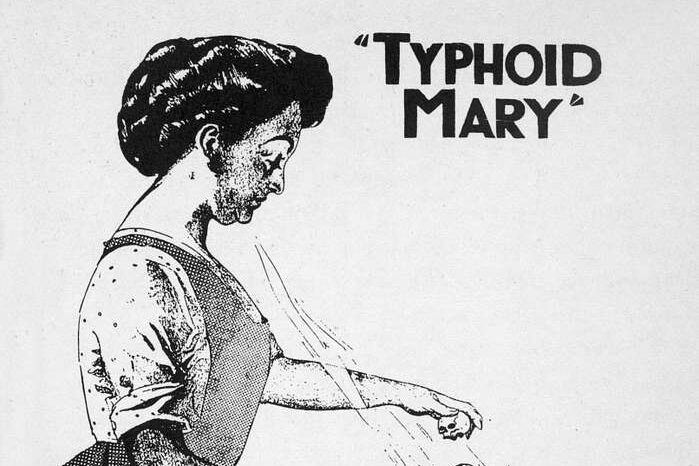
Mary Mallon became infamous in the early 1900s for spreading typhoid fever without ever appearing sick herself. She worked as a cook for wealthy families in New York, and several outbreaks followed wherever she was employed. Eventually health investigators discovered she was an asymptomatic carrier of the disease. That meant she could pass it to others while remaining healthy.
Newspapers quickly turned her into a public villain and began calling her Typhoid Mary. Authorities forced her into quarantine for years on North Brother Island. Mallon insisted she had done nothing wrong and resisted the restrictions placed on her. Her case became one of the most famous examples of disease transmission in public health history.
4. Emperor Norton
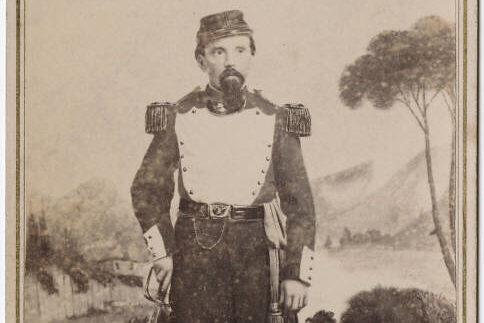
Joshua Norton became a legend in San Francisco after declaring himself “Emperor of the United States” in 1859. Instead of dismissing the claim, many residents embraced the eccentric title and treated him with surprising respect. Norton wandered the streets in a military style uniform and issued written proclamations about politics and social issues. Local newspapers sometimes printed these announcements as entertainment.
Restaurants often allowed him to eat for free, and businesses even accepted currency printed in his name. Over time he became one of the city’s most beloved characters. When Norton died in 1880, thousands of people reportedly attended his funeral procession. His strange self coronation turned him into one of the most memorable figures in San Francisco history.
5. Cliff Young

Cliff Young was a 61 year old potato farmer when he entered the 1983 Sydney to Melbourne ultramarathon. The race covered roughly 544 miles and usually attracted highly trained runners. Young arrived wearing overalls and rubber work boots, which made many people think he had misunderstood the event. Instead of sprinting, he shuffled along in a slow but steady stride.
While the other competitors stopped to sleep each night, Young simply kept moving. His steady pace allowed him to pass the entire field over several days. He ended up winning the race and capturing international attention. The unexpected victory turned the quiet farmer into a folk hero in Australia.
6. Charles Blondin
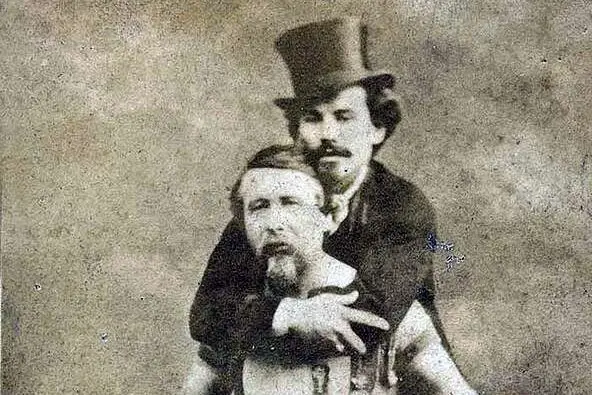
Charles Blondin became a global sensation in the 1850s for his daring tightrope walks across Niagara Falls. Crossing the roaring falls on a thin rope was already terrifying, but Blondin constantly added new twists. He repeated the feat blindfolded, on stilts, and even pushing a wheelbarrow across the rope. Each stunt drew huge crowds on both sides of the border.
In one famous performance he carried a man on his back across the rope above the rushing water. Spectators watched in silence because one misstep could have been fatal. Blondin’s stunts made him one of the most famous entertainers of the 19th century. His fame came entirely from doing something most people would never even consider attempting.
7. Ann Hodges
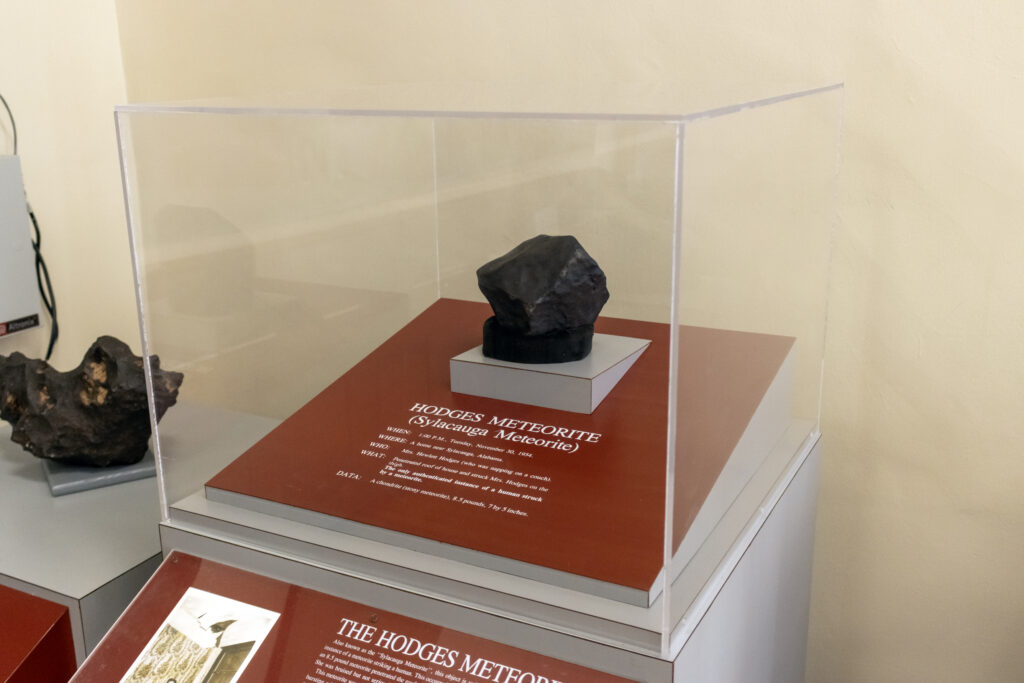
Ann Hodges became unexpectedly famous in 1954 after an extremely rare accident in Alabama. A meteorite crashed through the roof of her house and struck her while she was resting on the couch. The rock left a massive bruise on her side but did not seriously injure her. Scientists later confirmed it was a fragment from a meteor that had broken apart in the atmosphere.
The story spread around the world because the odds of being hit by a meteorite are extraordinarily small. Hodges soon found herself in a legal dispute with her landlord over who actually owned the rock. For a short time she became a minor celebrity because of the unusual event. To this day she remains the only documented person known to have been struck by a meteorite and survived.
8. Robert Wadlow
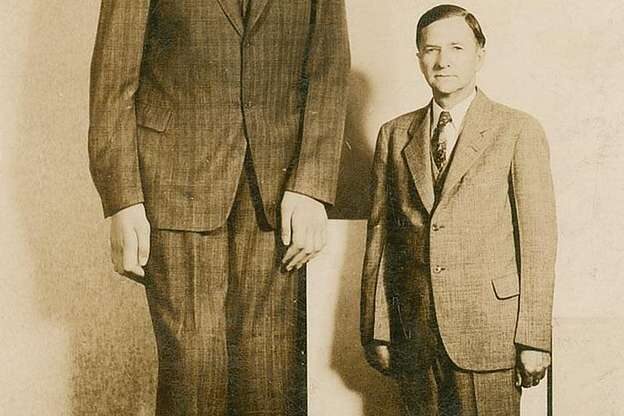
Robert Wadlow became internationally known simply because of his extraordinary height. Born in Illinois in 1918, he grew continuously due to a rare condition involving his pituitary gland. By adulthood he stood 8 feet 11 inches tall. That measurement still makes him the tallest person in recorded history.
Wherever he traveled, crowds gathered just to see him in person. Wadlow toured the United States making public appearances and meeting curious onlookers. Despite the attention, people who met him often described him as gentle and soft spoken. His unusual condition turned him into one of the most recognizable figures of the early 20th century.
9. Joshua Abraham Norton
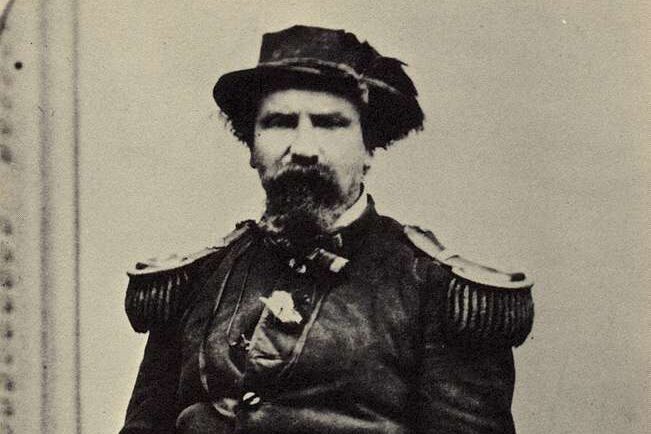
Joshua Abraham Norton’s strange decision to declare himself emperor made him one of the most unusual celebrities of the 1800s. After losing his fortune in business, he simply announced his new royal title in a local newspaper. Instead of ignoring him, the citizens of San Francisco treated the declaration almost like a civic joke everyone agreed to play along with.
Police officers often saluted him, and theaters reserved seats for him at performances. Norton even issued orders about dissolving Congress and building bridges across the bay. None of these commands had any legal authority, but people enjoyed the spectacle. His unusual claim to royalty turned him into a beloved legend of the city.
10. William Henry Harrison
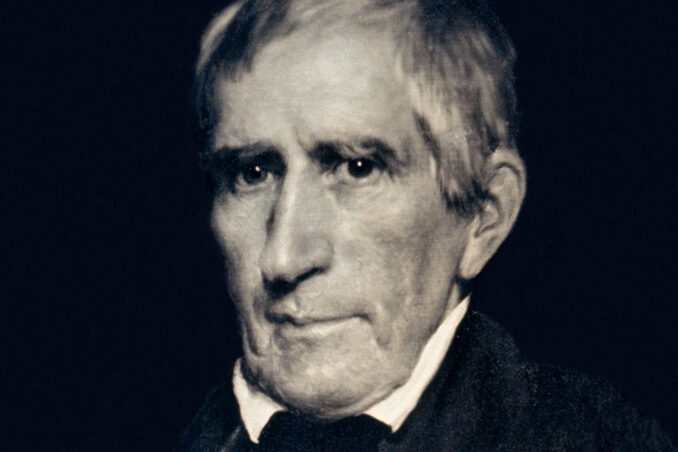
William Henry Harrison became famous for holding the shortest presidency in American history. He took office in March 1841 after delivering one of the longest inaugural speeches ever given. The speech lasted nearly two hours and was delivered outdoors in cold weather. Soon afterward he fell ill.
About a month later Harrison died after developing pneumonia. His presidency lasted only 31 days. Because of that brief term, his name is often remembered mainly for the unusual record. Few leaders in history are known primarily for how quickly their time in office ended.
11. Alfred Packer
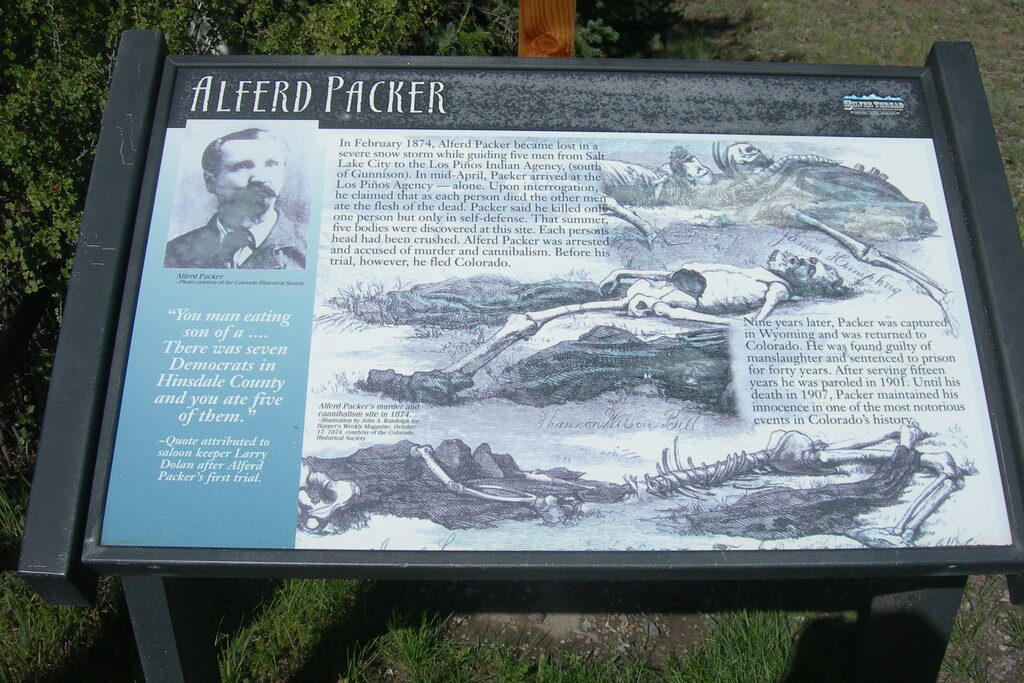
Alfred Packer became one of the most infamous figures of the American frontier after a disastrous expedition in the Colorado mountains. In 1874 he led a group of prospectors through a harsh winter landscape. Only Packer returned alive. His story about what happened to the others kept changing.
Authorities eventually accused him of killing and eating the men in his party. The sensational accusations made headlines across the country. Packer was later convicted of manslaughter after a long legal battle. His strange and grim story became a lasting piece of Western folklore.
12. Claudette Colvin
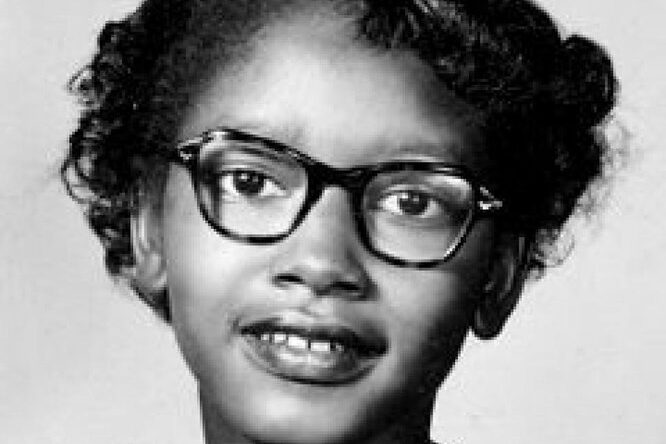
Claudette Colvin made history in Montgomery, Alabama in 1955 when she refused to give up her bus seat to a white passenger. She was only 15 years old at the time. The incident happened nine months before Rosa Parks performed a similar act of protest. Colvin was arrested and charged under segregation laws.
Her case later became part of the federal lawsuit that challenged bus segregation in Montgomery. That court case helped lead to the end of segregated buses in the city. For many years her role received less attention than other figures in the movement. Historians now recognize her as an important early voice in the civil rights struggle.
13. Gary Gilmore

Gary Gilmore became widely known in the 1970s because of the way he responded to his death sentence. After being convicted of murder in Utah, he refused to pursue appeals that might have delayed his execution. Instead he insisted that the sentence be carried out. His case drew intense national attention.
In 1977 Gilmore became the first person executed in the United States after the Supreme Court reinstated the death penalty. His reported last words were “Let’s do it.” The phrase later inspired Nike’s famous slogan. His unusual willingness to accept execution turned him into a grim figure in American legal history.
14. Christine Chubbuck

Christine Chubbuck became known for a tragic and shocking moment in television history. In 1974 she was hosting a local news program in Sarasota, Florida. During a live broadcast she unexpectedly pulled out a gun and shot herself on air. The event stunned viewers and television professionals across the country.
The footage was never publicly released and has largely remained out of circulation. Chubbuck’s death sparked conversations about mental health and media pressures. Over time the incident became one of the most discussed tragedies in broadcasting history. Her name remains associated with one of the most disturbing moments ever captured on live television.