
1. Buffalo Wings
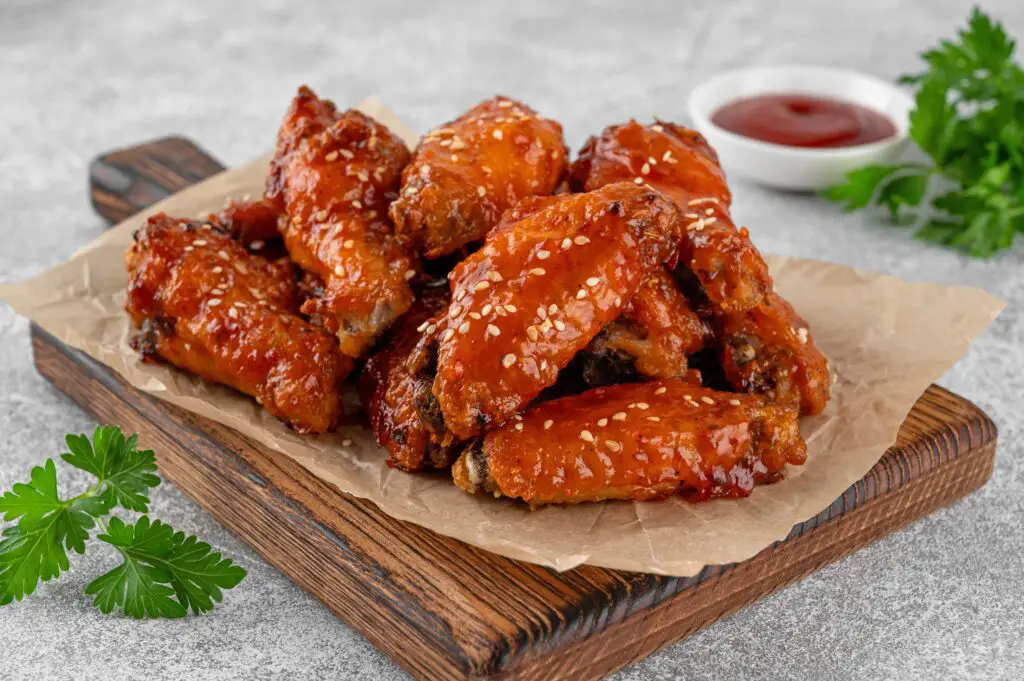
Buffalo wings weren’t created by a big restaurant chain or a fancy chef trying to reinvent chicken. They started in 1964 at the Anchor Bar in Buffalo, New York, when co-owner Teressa Bellissimo reportedly tossed some leftover chicken wings in hot sauce and butter as a quick late-night snack for her son and his friends. At the time, wings were considered one of the least desirable parts of the chicken and were often used for stock or discarded. The simple idea of frying them and coating them in sauce turned something cheap into something addictive. Soon customers started asking for them by name.
What began as a quick bar experiment quickly turned into a national obsession. By the 1980s, Buffalo wings were appearing on menus across the United States, especially in sports bars. Today they’re one of the most recognizable American bar foods around. Restaurants now serve countless variations, from honey barbecue to garlic parmesan. It’s funny to think the whole craze started with a pile of unwanted chicken parts.
2. Fettuccine Alfredo
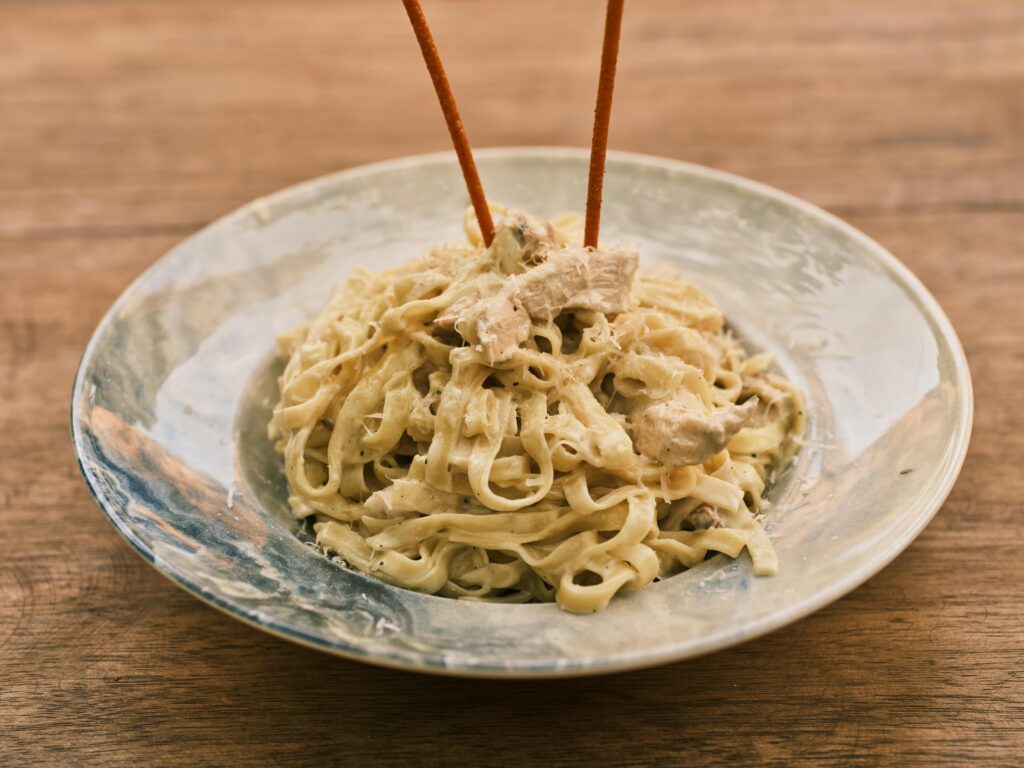
Many people assume fettuccine Alfredo has always been a luxurious Italian restaurant dish. In reality, the version Americans know traces back to a simple experiment at Alfredo di Lelio’s Roman restaurant in the early 1900s. He created the dish by tossing fettuccine with butter and Parmesan cheese to tempt his wife to eat after she gave birth. It was meant to be comforting and easy to digest rather than fancy. The rich texture came purely from technique and good cheese.
The dish gained international fame after American actors Mary Pickford and Douglas Fairbanks visited the restaurant during their honeymoon in the 1920s. They loved it so much they brought the idea back to Hollywood. Restaurants in the United States gradually made it even richer by adding cream. What began as a simple two ingredient pasta experiment is now one of the most common pasta dishes on restaurant menus. It still feels indulgent even though its roots were humble.
3. Caesar Salad
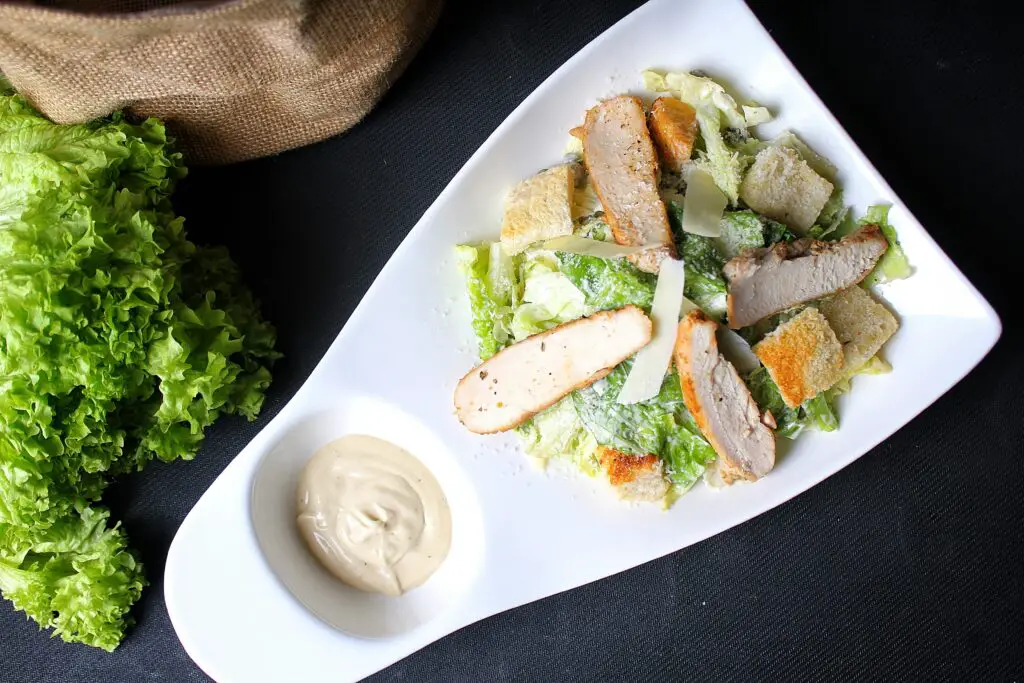
Caesar salad sounds like something that must have come from ancient Rome. In reality it was invented in 1924 by restaurateur Caesar Cardini in Tijuana, Mexico. Cardini reportedly created the salad during a busy Fourth of July weekend when his kitchen supplies were running low. Working with what he had left, he tossed together romaine lettuce, olive oil, egg, Parmesan cheese, Worcestershire sauce, garlic, and croutons. The result was surprisingly flavorful.
Customers were fascinated by the tableside preparation and the bold taste. Word spread quickly among American tourists visiting Tijuana during Prohibition. Soon the salad was being copied in restaurants across the United States. Anchovies were later added in many versions, though they were not part of the original recipe. What started as a creative way to stretch limited ingredients became one of the most famous salads ever served in restaurants.
4. Nachos
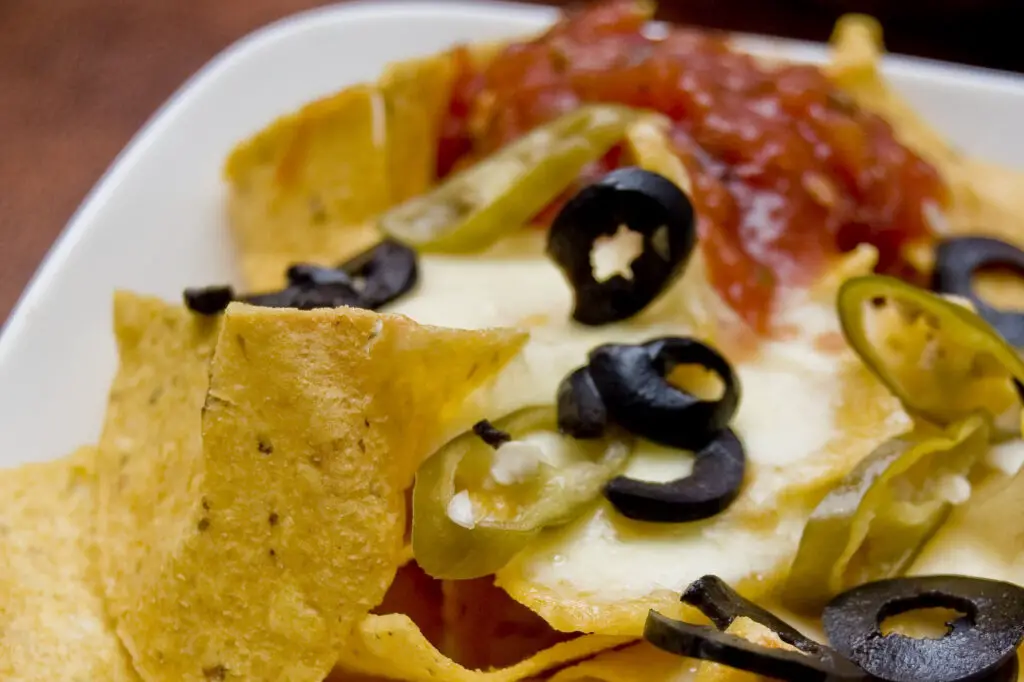
Nachos were invented almost by accident in 1943 at a restaurant in Piedras Negras, Mexico. The story goes that Ignacio “Nacho” Anaya was working when a group of U.S. Army wives arrived after the kitchen had closed. Trying to help them out, he cut tortillas into triangles, fried them, topped them with cheese and jalapeños, and heated everything together. The women loved the quick snack. When they asked what the dish was called, Anaya simply said “Nachos,” referring to his nickname.
The snack spread rapidly along the Texas Mexico border. Soon restaurants started experimenting with toppings like beans, meat, and sour cream. By the 1970s, stadium concessions had turned nachos into a mass audience favorite. Today the dish ranges from simple bar snacks to massive loaded platters meant for sharing. It’s hard to imagine sports watching without them.
5. French Dip Sandwich
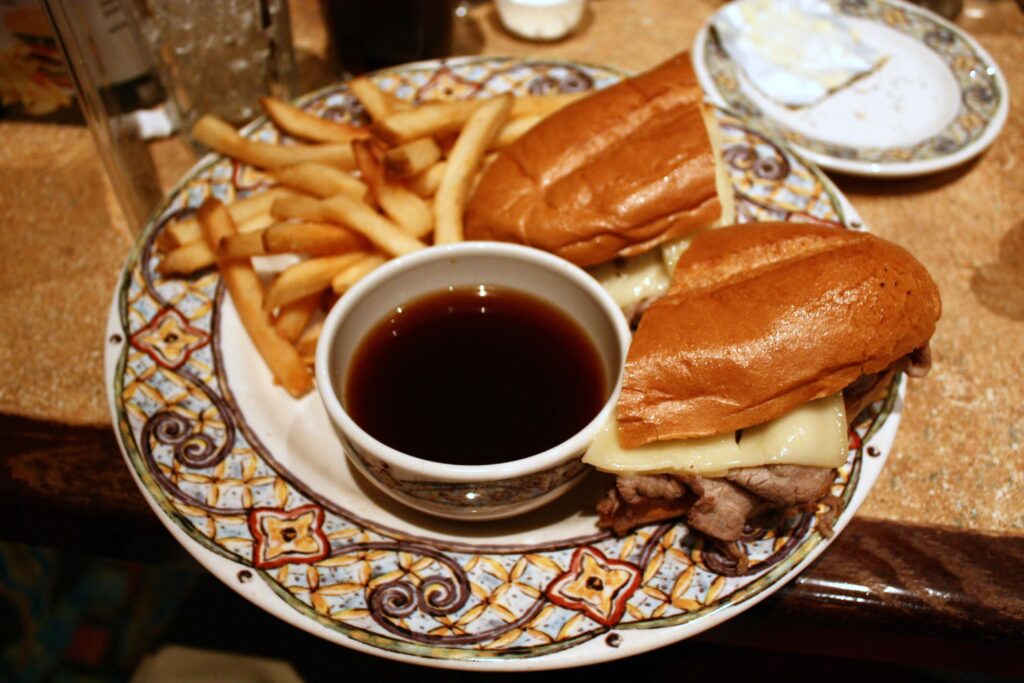
The French dip sandwich was born in Los Angeles in the early 1900s. Two restaurants claim credit, Philippe The Original and Cole’s, both saying the sandwich happened by accident. In one version of the story, a roll accidentally fell into a pan of roasting juices before being served. The customer liked the result and asked for it again the next day. Soon other diners began requesting their sandwiches dipped as well.
The combination of thinly sliced roast beef and a juicy roll proved irresistible. Restaurants began serving the sandwich with a small bowl of beef broth for dipping. Despite the name, the dish has nothing to do with France. It is entirely a California creation that spread across diners and casual restaurants nationwide. Today it still feels like a classic comfort food.
6. Lobster Rolls
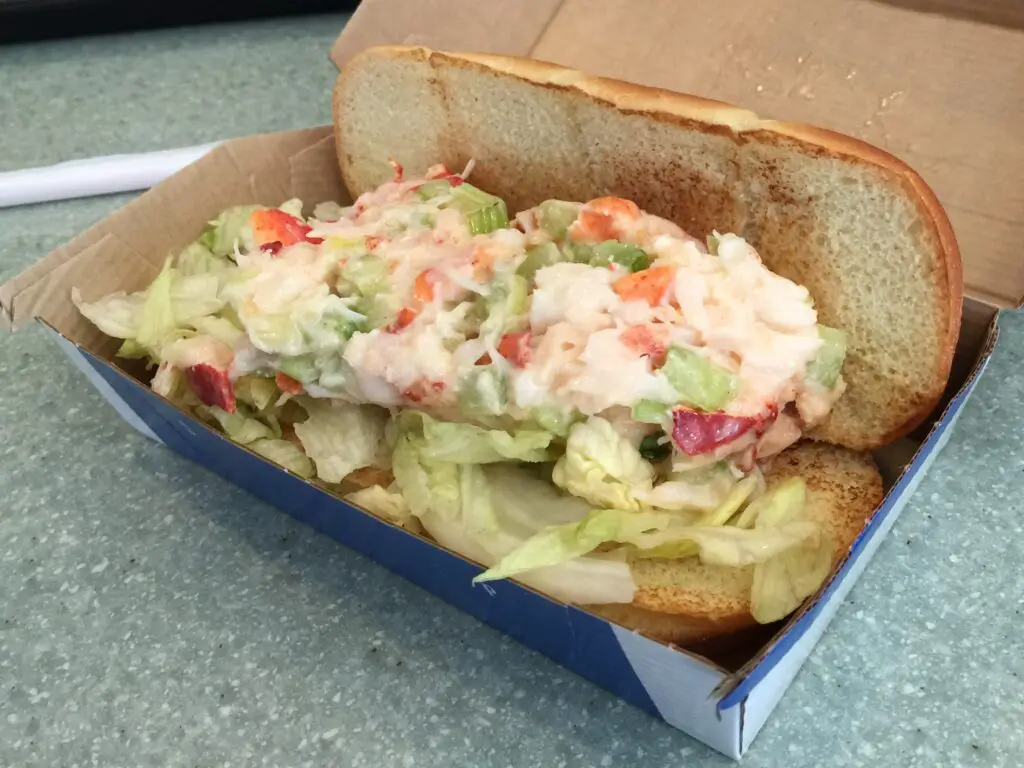
Lobster was not always considered a luxury food. In the 1800s and early 1900s it was so plentiful in New England that it was often seen as poor people’s food. Some restaurants began experimenting with simple lobster sandwiches as a cheap way to use the catch. The modern lobster roll likely emerged in Connecticut during the 1920s at Perry’s restaurant. They served warm lobster meat in a toasted roll with butter.
The idea caught on quickly with summer travelers along the New England coast. Eventually the Maine style version appeared, mixing chilled lobster with mayonnaise. What once started as a practical way to sell an inexpensive ingredient is now a pricey menu item in many seafood restaurants. Tourists travel specifically to try them. It is one of the clearest examples of a humble dish becoming upscale.
7. Eggs Benedict
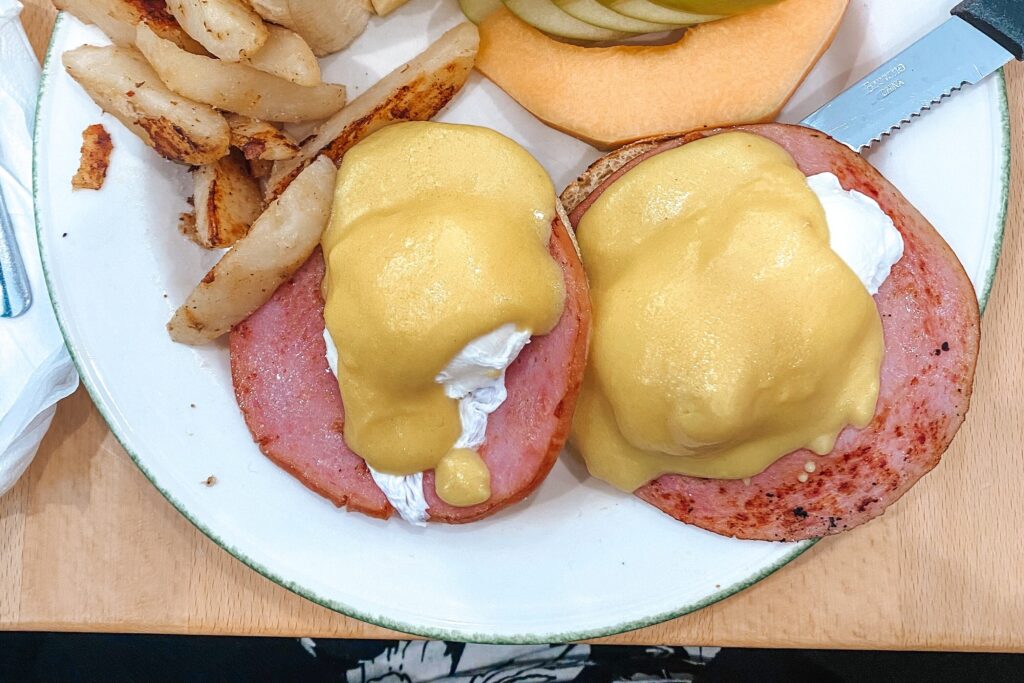
Eggs Benedict has several origin stories, but most point to New York City restaurants in the late 1800s. One popular version credits Lemuel Benedict, who reportedly ordered buttered toast, poached eggs, bacon, and hollandaise sauce at the Waldorf Hotel as a hangover cure. The chef liked the combination and adjusted it slightly by using English muffins and Canadian bacon. It quickly became a menu item.
The dish felt elegant but was built from relatively simple breakfast ingredients. Restaurants soon realized it was perfect for brunch menus. Over time, variations like eggs Florentine and eggs Royale appeared. Despite its refined reputation, it likely began as an improvised restaurant order. Now it is considered one of the most classic brunch dishes around.
8. Chicken Tikka Masala
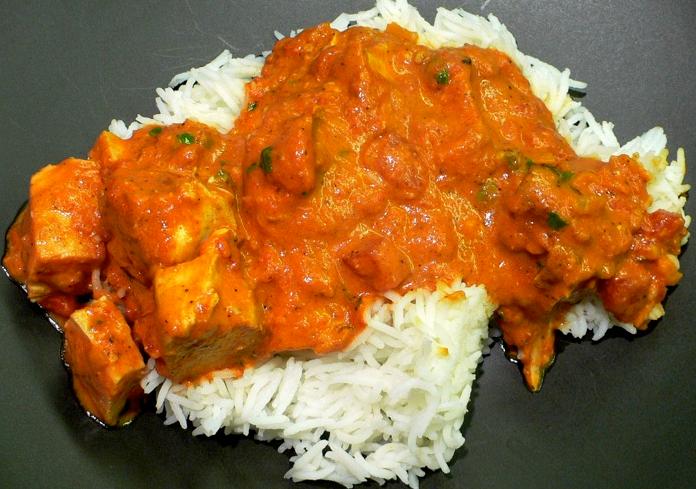
Chicken tikka masala is often associated with Indian cuisine, but many historians believe it was created in Britain. The story most frequently cited places its invention in a Glasgow restaurant in the 1970s. A customer reportedly complained that his chicken tikka was too dry. The chef quickly improvised a sauce made from tomato soup, cream, and spices to moisten the dish. The customer loved it.
Soon the saucy version became far more popular than the original dry dish. Restaurants across the United Kingdom added it to their menus. It eventually spread internationally and became one of the most recognizable curry dishes in the world. Some even call it Britain’s unofficial national dish. All of that grew from a quick kitchen fix.
9. Chocolate Chip Cookies
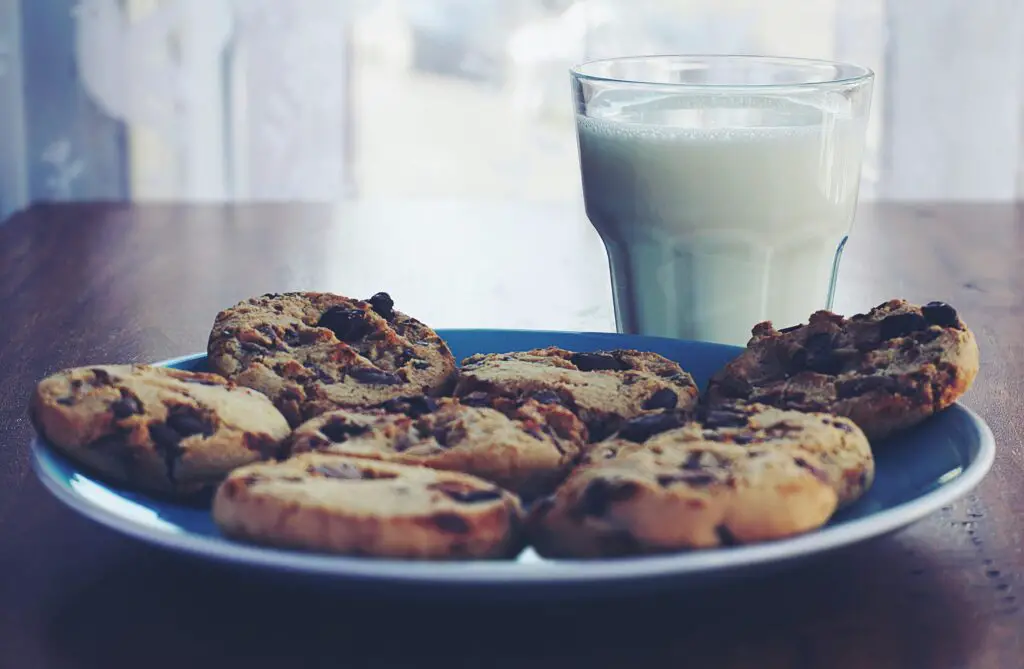
Chocolate chip cookies are now a bakery staple, but they began as a restaurant experiment in Massachusetts. Ruth Wakefield created them in the late 1930s at the Toll House Inn. According to the commonly accepted story, she chopped up a Nestlé chocolate bar and added the pieces to cookie dough. She expected the chocolate to melt completely, but the chunks held their shape.
Customers loved the unexpected pockets of chocolate in each bite. The cookies became so popular that Nestlé struck a deal with Wakefield to print the recipe on its chocolate packaging. Soon home bakers everywhere were making them. What began as a small restaurant dessert experiment turned into one of the most famous cookies ever created. It’s now hard to imagine dessert without them.
10. Potato Chips
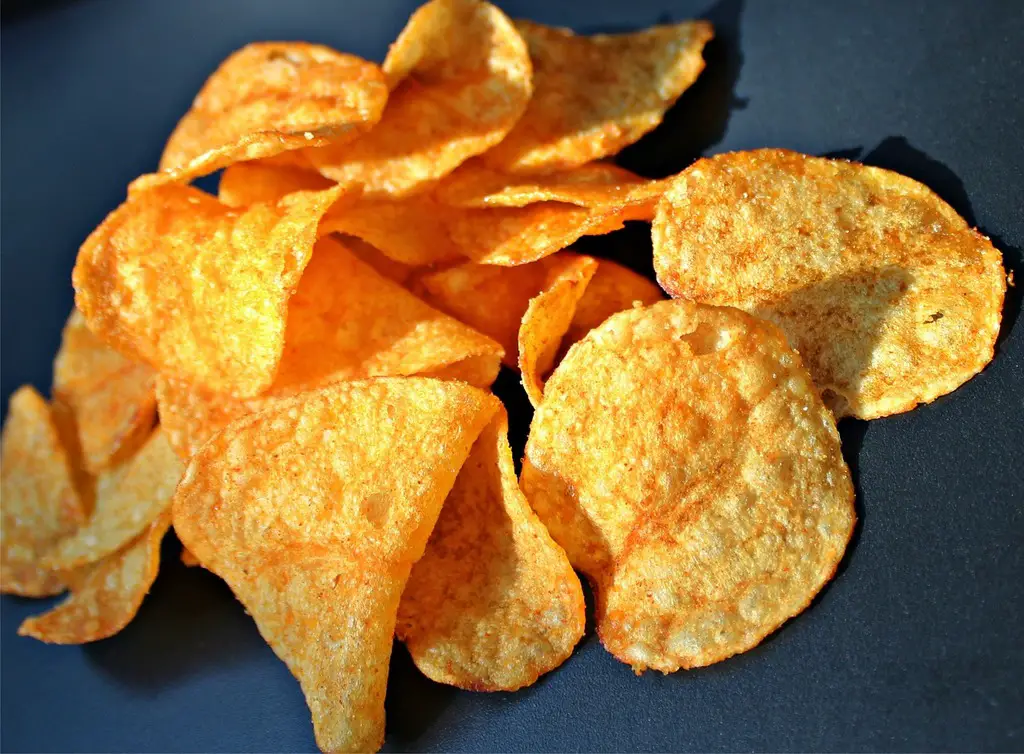
Potato chips were supposedly invented out of frustration in 1853 at Moon’s Lake House in Saratoga Springs, New York. Chef George Crum was annoyed by a customer who kept sending back fried potatoes for being too thick. To prove a point, Crum sliced the potatoes extremely thin, fried them until crisp, and salted them heavily. Instead of complaining, the customer loved them.
Other diners soon asked for the same crunchy snack. The dish became known as Saratoga chips and spread to restaurants and resorts across the country. Eventually companies began packaging them for sale in stores. Today potato chips are one of the most popular snack foods in the world. Their origin was essentially a sarcastic kitchen experiment.
11. Cobb Salad
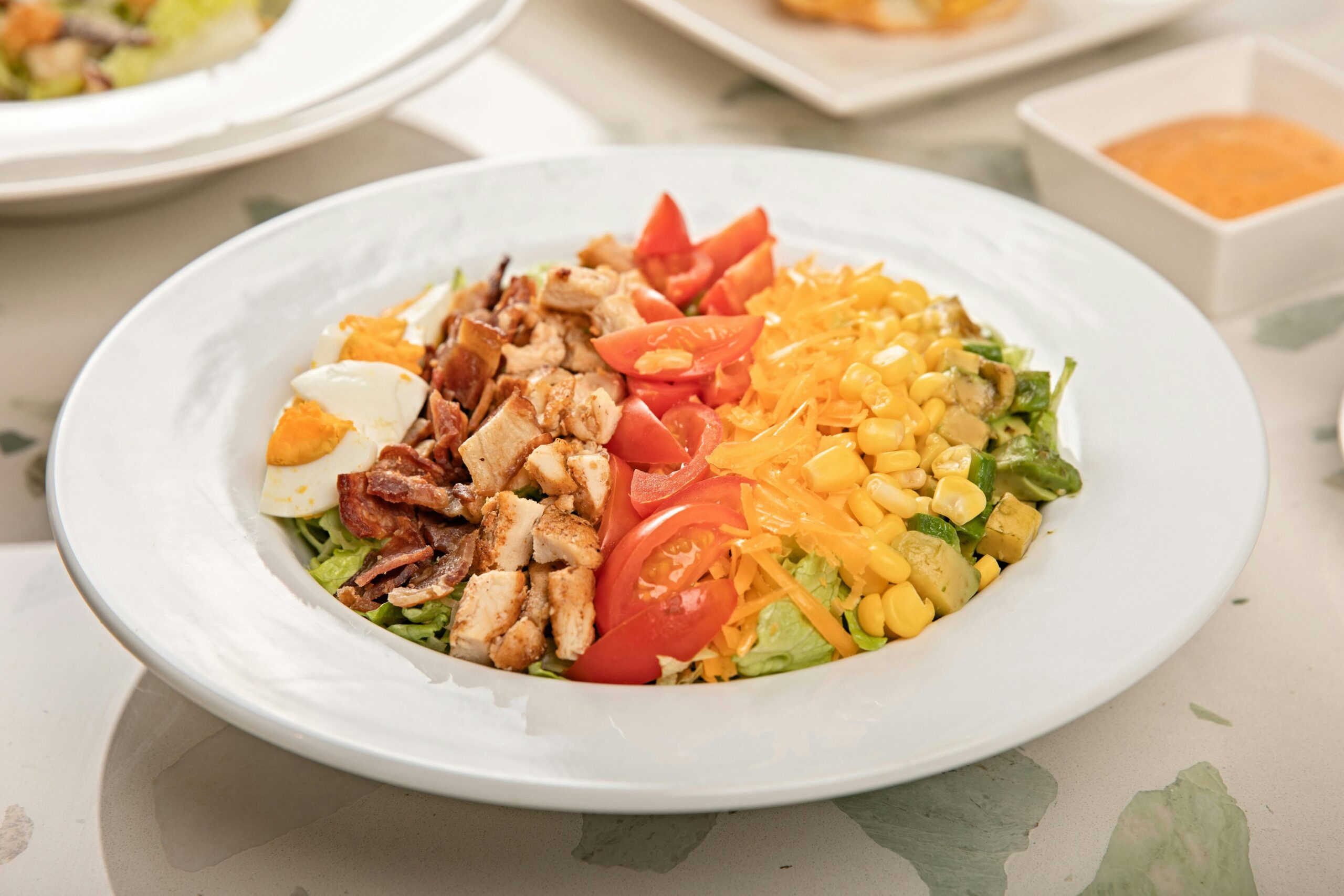
The Cobb salad reportedly originated at the Brown Derby restaurant in Hollywood during the 1930s. Owner Robert Cobb was said to be rummaging through the kitchen late at night looking for something to eat. He chopped together leftovers including lettuce, chicken, bacon, avocado, tomato, and blue cheese. A simple dressing tied everything together.
The mix of ingredients turned out to be surprisingly satisfying. Actor Sid Grauman tasted it and encouraged Cobb to add it to the menu. Soon Hollywood regulars were ordering the salad regularly. Its chopped style made it feel hearty enough to be a full meal. What started as a midnight kitchen raid became a restaurant staple.
12. Clam Chowder in Bread Bowls
Clam chowder has deep roots in New England, but serving it in a bread bowl came later as a restaurant innovation. Some coastal eateries began hollowing out round loaves of sourdough bread to hold the soup. The idea helped prevent spills and turned the meal into something more filling. It was also a clever way to use leftover bread.
Diners loved the combination of creamy soup soaking into warm bread. The concept became especially popular in San Francisco during the 20th century. Tourists quickly embraced it as a fun way to eat chowder. Eventually chain restaurants adopted the idea as well. What began as a practical serving trick became a signature presentation.
13. Bananas Foster
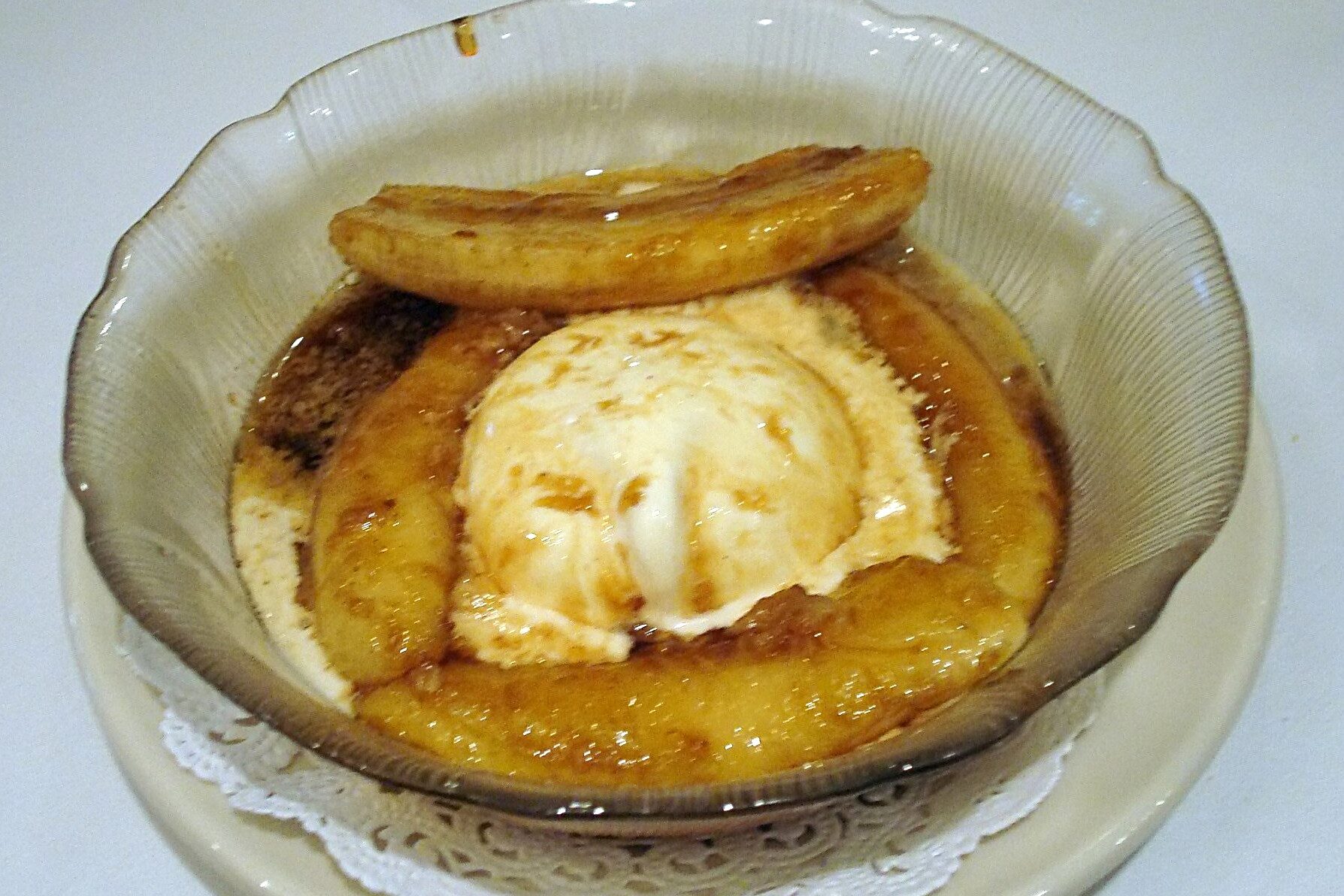
Bananas Foster was created in the 1950s at Brennan’s Restaurant in New Orleans. The city was a major port for bananas arriving from Central America, so local restaurants often experimented with the fruit. Chef Paul Blangé developed the dish by cooking bananas in butter, brown sugar, cinnamon, and rum. The mixture was flambéed and served over vanilla ice cream.
The dramatic table side flames made the dessert instantly memorable. Customers loved both the flavor and the theatrical presentation. It quickly became the restaurant’s signature dish. Over time it spread to restaurants far beyond Louisiana. What began as a way to showcase a cheap and abundant ingredient became a classic dessert.