
1. Mowing the Lawn
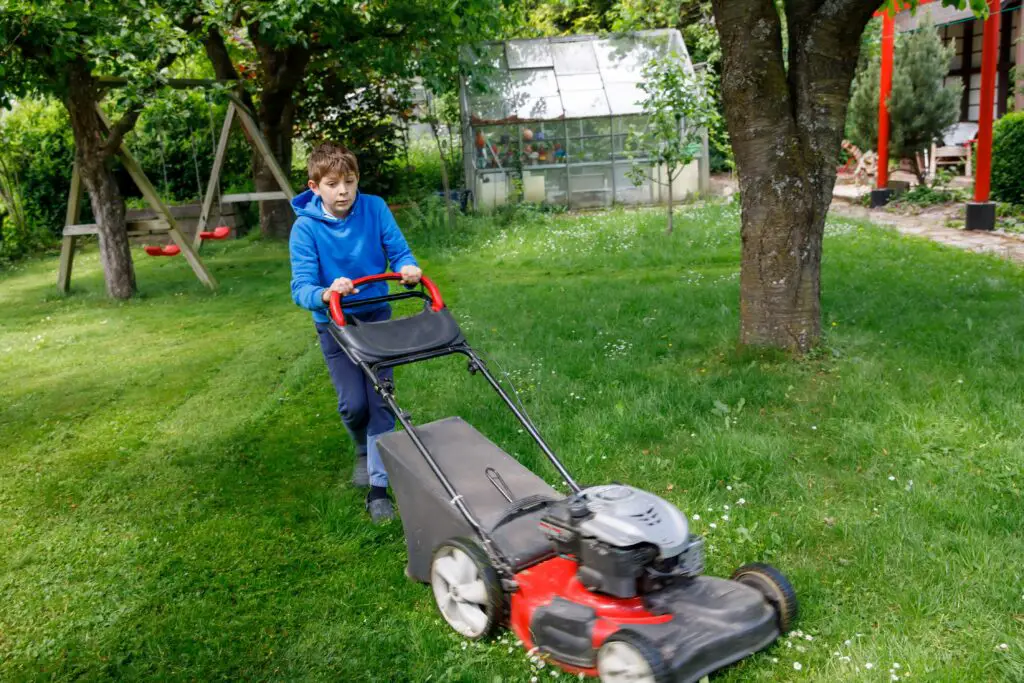
For a lot of kids, mowing the lawn was practically a rite of passage. Once you were tall enough to push the mower and trusted not to run over the garden hose, the job was yours. Saturday mornings often meant heading outside while the grass was still a little damp and the neighborhood was quiet. Parents would point out the lines you missed or remind you to empty the clippings. It felt like a big responsibility because the yard was one of the first things neighbors noticed. Kids quickly learned how long it took and how to avoid rocks and tree roots.
It also taught patience in a way few chores did. You couldn’t rush a lawn without leaving patches behind. Some kids took pride in making neat rows that looked like a baseball field. Others just powered through as fast as possible so they could get back to riding bikes or playing outside. Either way, plenty of kids were handling the mower years before they ever set foot in middle school.
2. Watching Younger Siblings
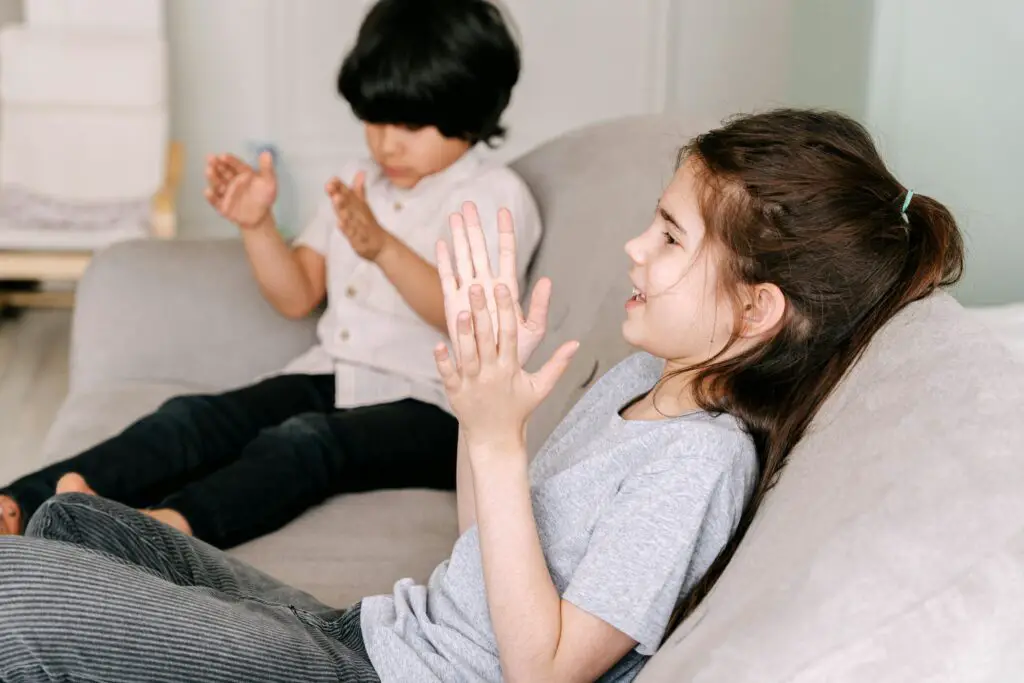
Being in charge of a younger brother or sister was extremely common for older kids. Parents might step out for errands or ask the older child to keep an eye on things after school. It usually meant making sure no one climbed something dangerous or wandered too far from the house. Sometimes it also meant settling little arguments before they turned into full-blown shouting matches. Kids learned quickly that younger siblings could test your patience.
Still, many older children took the role seriously. They might help with snacks, turn on a favorite cartoon, or invent a game to keep everyone busy. Parents often trusted them to keep things under control for an hour or two. It was one of the first times kids experienced real responsibility for someone else. Looking back, it is surprising how often families relied on children barely out of elementary school.
3. Walking to the Store for Groceries

Sending a child to the neighborhood store used to be completely normal. Parents would hand over a small list and a few dollars and expect them to come back with exactly what was needed. The walk might only be a few blocks, but it felt like a big errand at the time. Kids learned to check the shelves carefully and make sure they grabbed the right brand. Sometimes the store clerk even knew them by name.
There was also a little thrill in carrying money and being trusted with it. Children had to count change and keep the receipt safe on the way home. If they forgot something, they might have to turn right back around. These small trips quietly taught budgeting, independence, and attention to detail. Today many parents would hesitate to send a young child alone, but it used to be part of everyday life.
4. Washing the Family Car
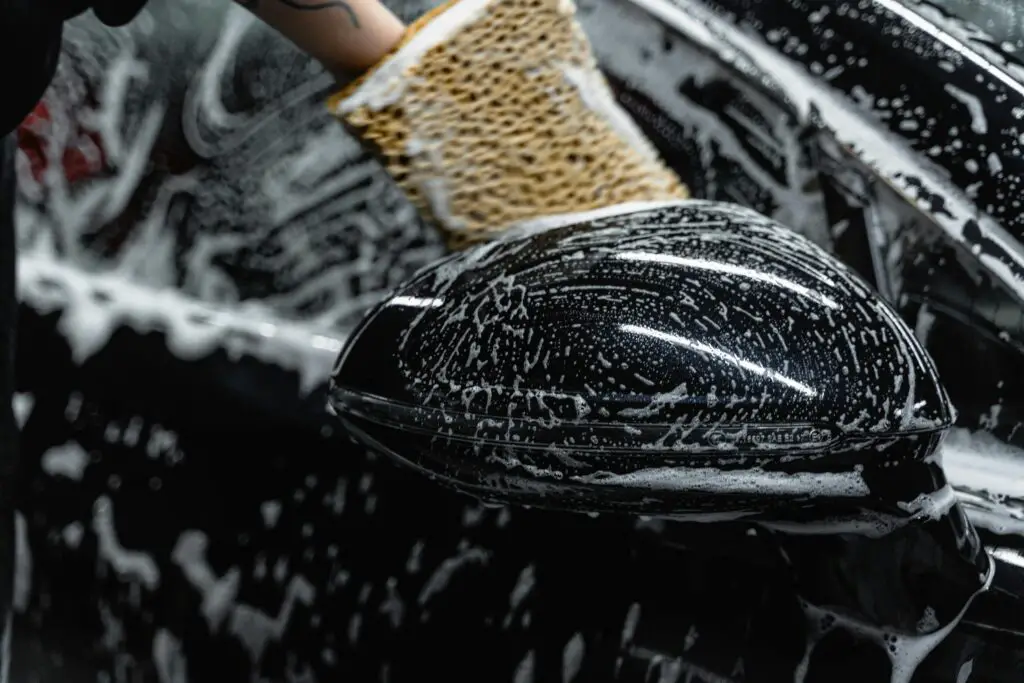
Washing the car was another chore many kids were handed early. It usually happened in the driveway with a bucket, a sponge, and the garden hose. Soap suds would run down the pavement while kids worked their way around the car. Parents often inspected the finished job and pointed out missed spots on the bumper or windows. It was messy work, but it was also strangely satisfying.
Some kids turned it into a mini business in the neighborhood. They would offer to wash cars for neighbors in exchange for a few dollars or an ice cream from the corner store. Even when it was just the family car, the task came with a sense of pride. A freshly cleaned vehicle felt like proof that you had done something useful. For many kids, it was one of their first lessons in earning trust through work.
5. Setting and Clearing the Dinner Table
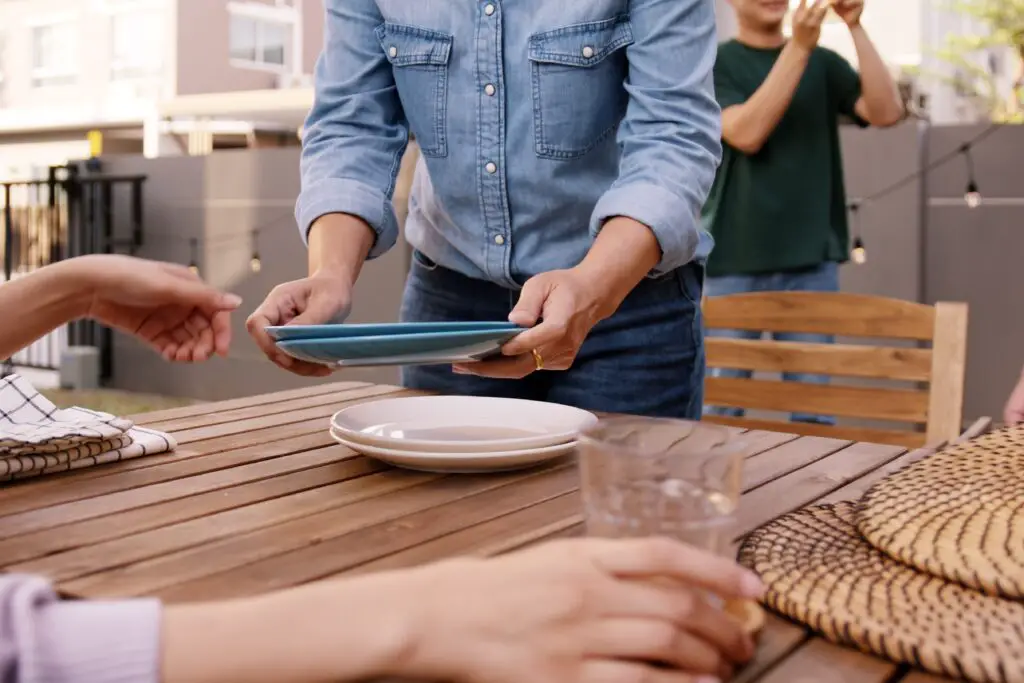
Setting the table might sound simple, but kids were often expected to get it right. That meant knowing where every fork, knife, and napkin belonged. Some families even had rules about which glasses to use or how the placemats should be lined up. It was one of those chores that happened every single day, not just on weekends. Kids quickly memorized the routine without needing reminders.
After dinner, the job usually continued with clearing the table. Plates had to be stacked, leftovers wrapped, and dishes carried carefully to the kitchen. Parents counted on kids to help keep the evening moving smoothly. Over time, the whole process became automatic. It was a small responsibility, but it taught cooperation and helped keep family life running on schedule.
6. Raking Leaves
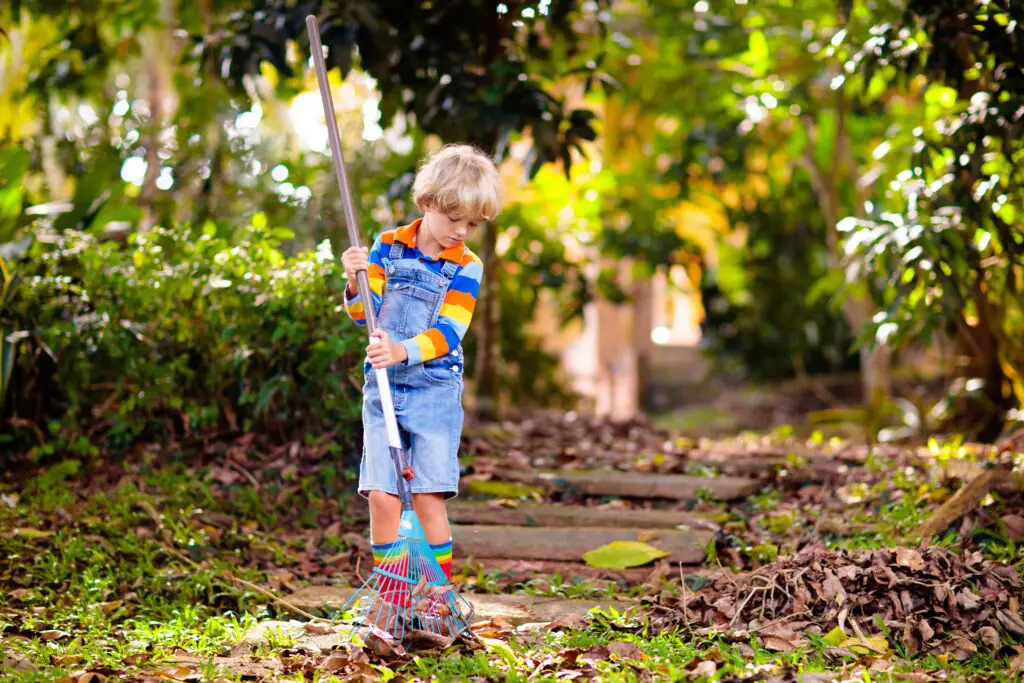
Every fall seemed to come with the same assignment. Kids were handed a rake and sent into the yard to tackle the mountain of leaves. It could take hours depending on how many trees surrounded the house. Leaves would pile up faster than expected, especially on windy days. Still, most kids eventually figured out the most efficient way to gather them.
Of course, the temptation to jump into the pile was always there. Many parents allowed it once the work was done, turning the chore into a reward. Afterward the leaves had to be bagged or dragged to the curb. The task taught persistence because there was no quick way to finish it. Long before middle school, plenty of kids were already in charge of the annual leaf battle.
7. Doing Their Own Laundry

Many kids learned to run the washing machine surprisingly young. Parents showed them how to sort colors, measure detergent, and choose the right settings. At first it might have been just their own clothes or sports uniforms. Over time they often started helping with the whole family’s laundry. The machines felt complicated at first but quickly became familiar.
Laundry also came with lessons about responsibility. If you forgot to move the clothes to the dryer, they might smell musty the next day. If you mixed colors the wrong way, you might end up with pink socks. Kids learned through trial and error, sometimes the hard way. Still, by the time middle school arrived, many already knew how to handle the entire process.
8. Taking Out the Trash
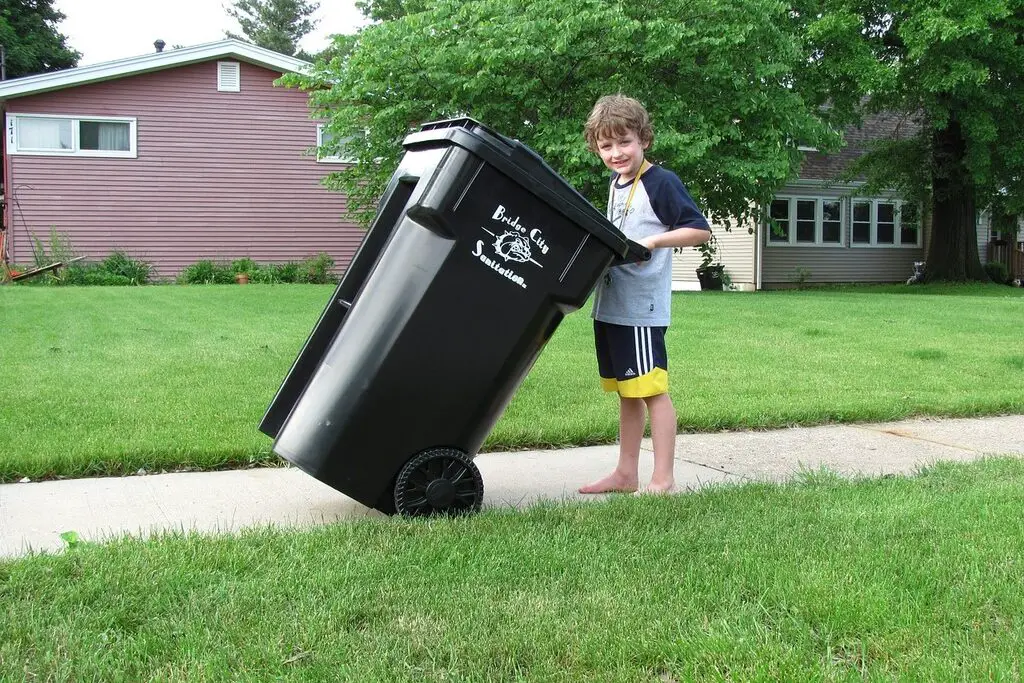
Taking out the trash was one of the most universal childhood chores. Kids were responsible for emptying smaller bins and hauling the big bag outside. On garbage day they often had to drag heavy cans to the curb. It was not glamorous work, especially when the bag ripped or something smelled terrible. Still, someone had to do it.
Parents relied on kids to remember the weekly schedule. Forgetting meant the trash would pile up for another week. Over time the task became routine, something done almost automatically. Even though it was simple, it built reliability. Many adults today still remember the feeling of rolling those big bins down the driveway.
9. Feeding and Caring for Pets
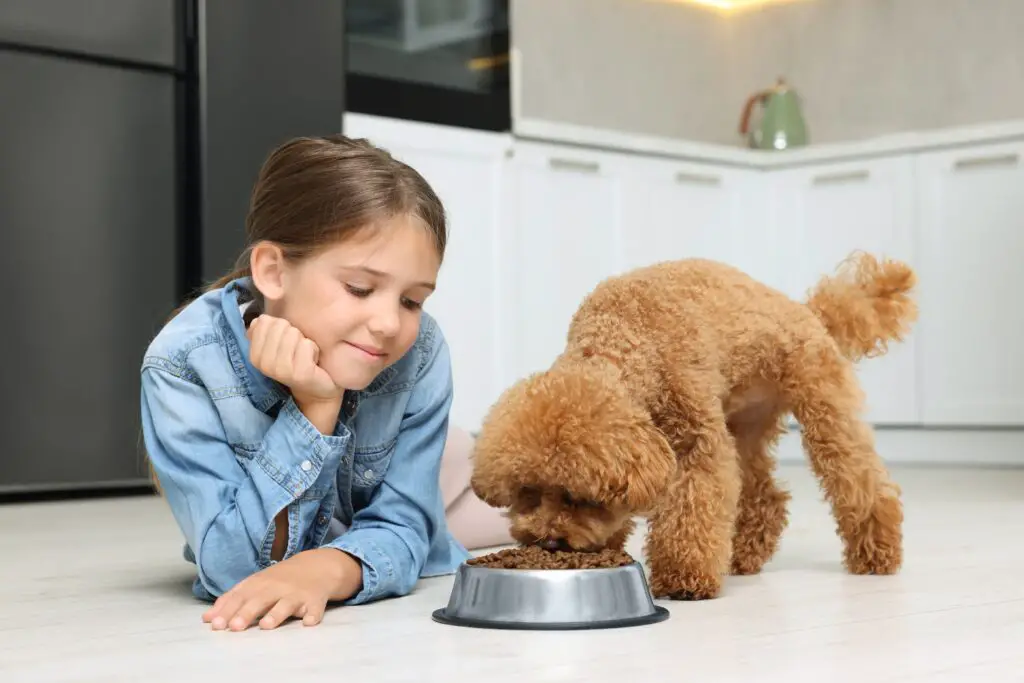
Pets were often considered a child’s responsibility in many households. Kids were expected to fill food bowls, change water, and sometimes clean cages or litter boxes. If the family had a dog, that might also include daily walks. Parents used these tasks to teach consistency and care. Animals depended on someone remembering every day.
Children who handled these chores often developed a strong bond with the pet. Feeding time became a daily ritual the animal clearly looked forward to. Kids learned quickly that forgetting had consequences. The responsibility also helped build empathy and patience. Long before middle school, many children were already acting as the household pet caretaker.
10. Sweeping Floors
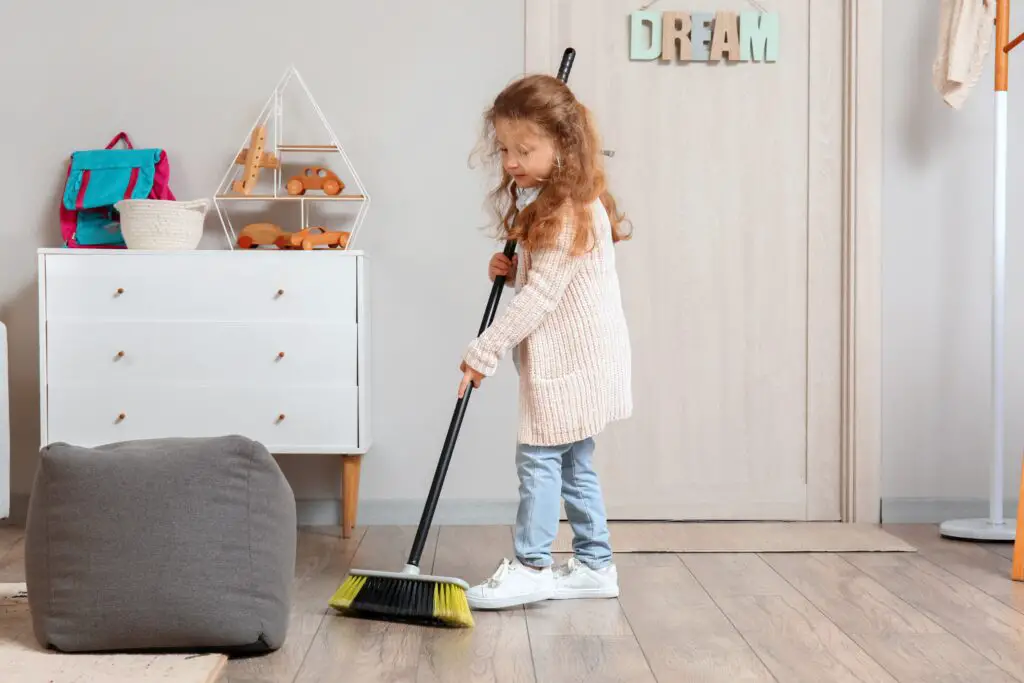
Sweeping the kitchen or entryway was a common assignment for younger kids. It usually happened after dinner or when the floor started to look messy. Parents handed over a broom and expected the crumbs to disappear. At first the sweeping might be uneven, with piles left behind in corners. Eventually kids figured out how to guide everything into the dustpan.
The job was repetitive but important. Clean floors made the whole house feel more orderly. Kids also learned that small tasks done regularly prevented bigger messes later. It was one of those chores that quietly built good habits. Many children mastered it well before they reached middle school.
11. Shoveling Snow
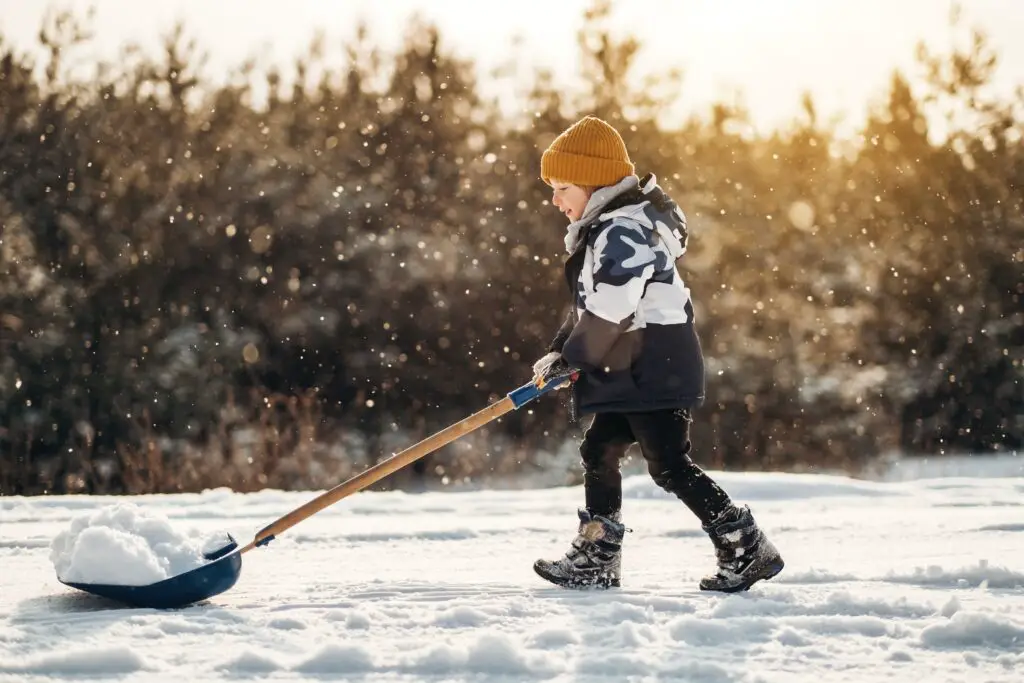
In colder regions, snow shoveling quickly became part of winter life. Kids were often sent outside after a snowfall to clear walkways or the front steps. The shovel felt heavy at first, especially when the snow was wet. Parents usually helped with the driveway but expected kids to handle smaller areas. It was tiring work that could take a while.
Still, many children treated it like a challenge. They raced siblings to see who could finish their section first. Sometimes neighbors would even pay kids a few dollars to clear their sidewalks too. The work left you cold and tired but oddly proud. Plenty of kids learned early that winter chores were unavoidable.
12. Packing Their Own School Lunch
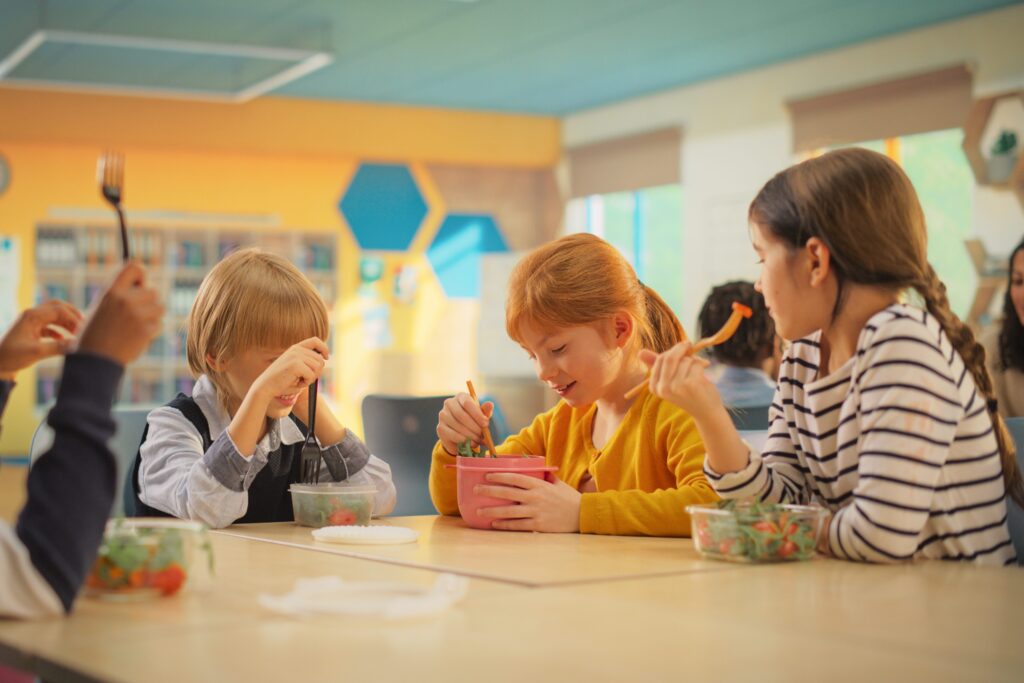
Some parents expected kids to assemble their own lunches before school. That meant making a sandwich, grabbing fruit, and remembering a drink. At first there might be reminders, but eventually the routine became second nature. Kids learned what they liked and how to pack it quickly in the morning. It also meant fewer last-minute scrambles before the bus arrived.
Packing lunch gave children a small sense of independence. They were responsible for making sure everything they needed was in the bag. Forgetting something meant going without it that day. Over time the process became part of the daily rhythm of school mornings. It was a simple task that helped kids start managing their own routines.
13. Helping with Basic Cooking

Many children were introduced to cooking through small kitchen tasks. They might stir ingredients, crack eggs, or help measure flour for a recipe. Parents supervised but gradually handed over more responsibility. By late elementary school, some kids could prepare simple meals like grilled cheese or scrambled eggs. The kitchen became a place to learn by doing.
Mistakes happened, of course. Burned toast or spilled batter was part of the process. Still, the experience built confidence and useful skills. Kids also began to understand how much effort went into family meals. That appreciation often lasted long after childhood.
14. Watering the Garden
Gardens often became a child’s job during the warmer months. Kids were expected to water plants, especially during dry stretches. That meant dragging the hose around the yard and making sure each area got attention. Parents often explained which plants needed extra care. Over time kids learned to recognize when soil looked too dry.
It was a quiet chore that connected children to the rhythms of the season. Watching plants grow made the work feel worthwhile. Sometimes kids even helped pick vegetables once they were ready. The responsibility encouraged patience and observation. Many children handled it regularly long before middle school.
15. Making Their Own Bed

Making the bed was one of the earliest chores many kids learned. Parents insisted it should happen every morning before school. At first the blankets were crooked and the pillows uneven. With practice, kids learned how to smooth everything out properly. The routine took only a few minutes but required consistency.
For parents, it was about teaching discipline and order. A made bed made the whole room look neater. Kids also felt a small sense of accomplishment before the day even started. Over time the task became automatic. Many adults still remember being told not to leave the house until the bed was made.
16. Cleaning Their Own Room
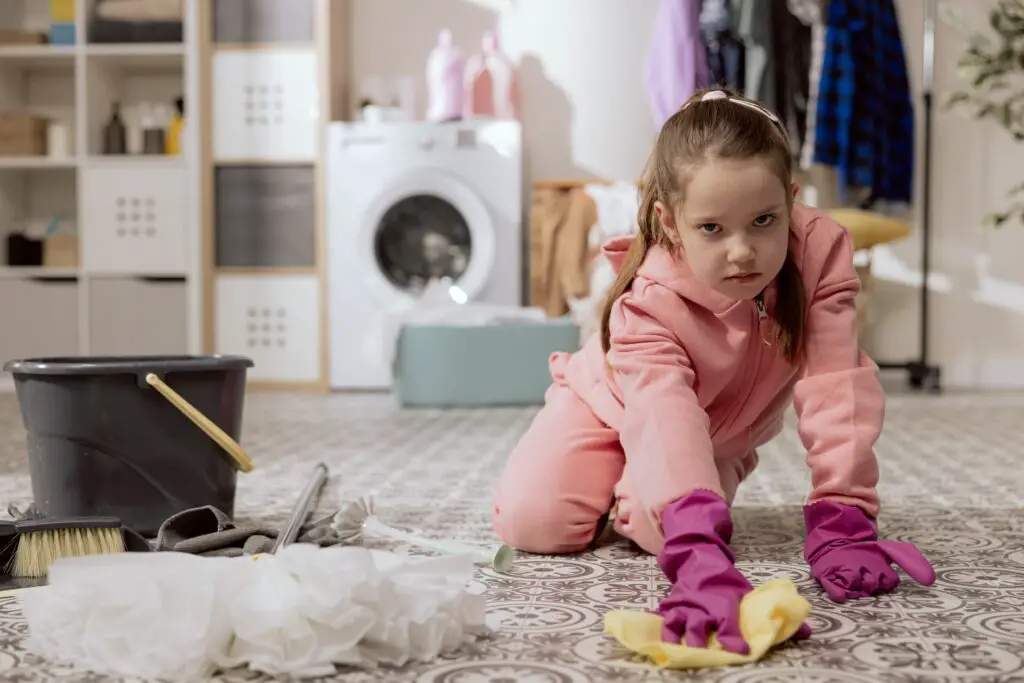
Keeping a bedroom clean was a classic childhood responsibility. Kids were expected to pick up toys, fold clothes, and put things back where they belonged. Parents might inspect the room and ask for another round if it was still messy. It was often a weekly ritual, especially before guests came over. Learning where everything belonged took time.
Eventually kids developed their own systems for staying organized. Some stacked books neatly while others hid clutter in drawers. Even if it was not perfect, the responsibility belonged to them. It was one of the first spaces children were fully accountable for. Long before middle school, many kids were already learning how to manage their own little corner of the house.