
1. Johnny Appleseed
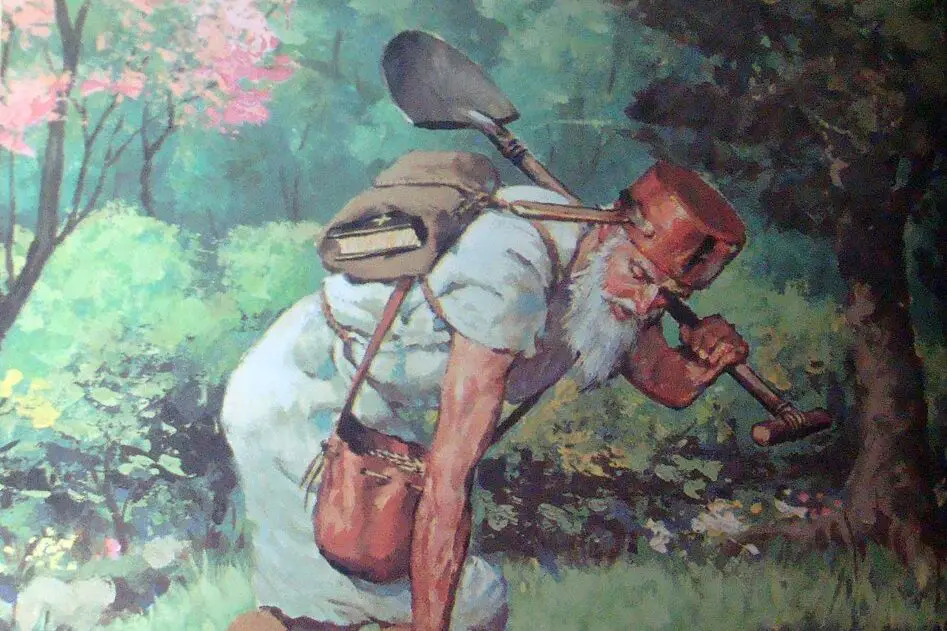
Most people picture Johnny Appleseed wandering the frontier barefoot with a pot on his head, scattering apple seeds wherever he went. The truth is a little less cartoonish but arguably more interesting. The legend is widely believed to be based on a real man named John Chapman, who lived from 1774 to 1845. Chapman did travel across parts of Pennsylvania, Ohio, and Indiana planting apple nurseries during the early settlement years. However, he planted organized orchards rather than randomly tossing seeds.
Chapman was also known for his unusual lifestyle and deep religious beliefs. He followed the teachings of the New Church, a Christian movement inspired by the writings of Emanuel Swedenborg. Settlers often described him as gentle, eccentric, and incredibly kind. Over time, stories about his travels grew larger than life, turning him into the folk hero Americans still remember today.
2. Paul Bunyan
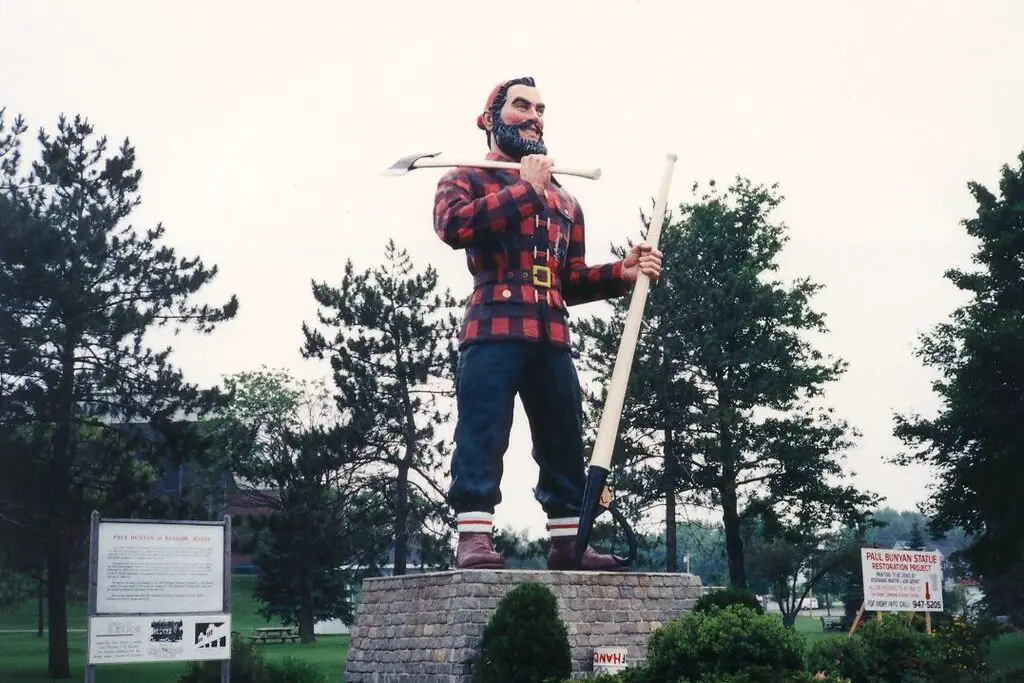
Paul Bunyan is the giant lumberjack who supposedly carved valleys with his axe and traveled everywhere with a massive blue ox named Babe. According to folklore, Bunyan could clear entire forests in a single day and reshape the American landscape while doing it. While the character sounds completely mythical, historians believe the story may have been inspired by real lumberjacks. Logging camps in the Upper Midwest were known for tall tales, and Bunyan may have grown out of those storytelling traditions.
One figure sometimes connected to the legend is a French Canadian lumberjack named Fabien “Saginaw Joe” Fournier, who was active in Michigan during the nineteenth century. Fournier was known for his large size and impressive strength. Some historians think stories about him may have been exaggerated over time by fellow workers. By the early twentieth century, advertising campaigns helped turn Paul Bunyan into a national folk hero.
3. Pecos Bill
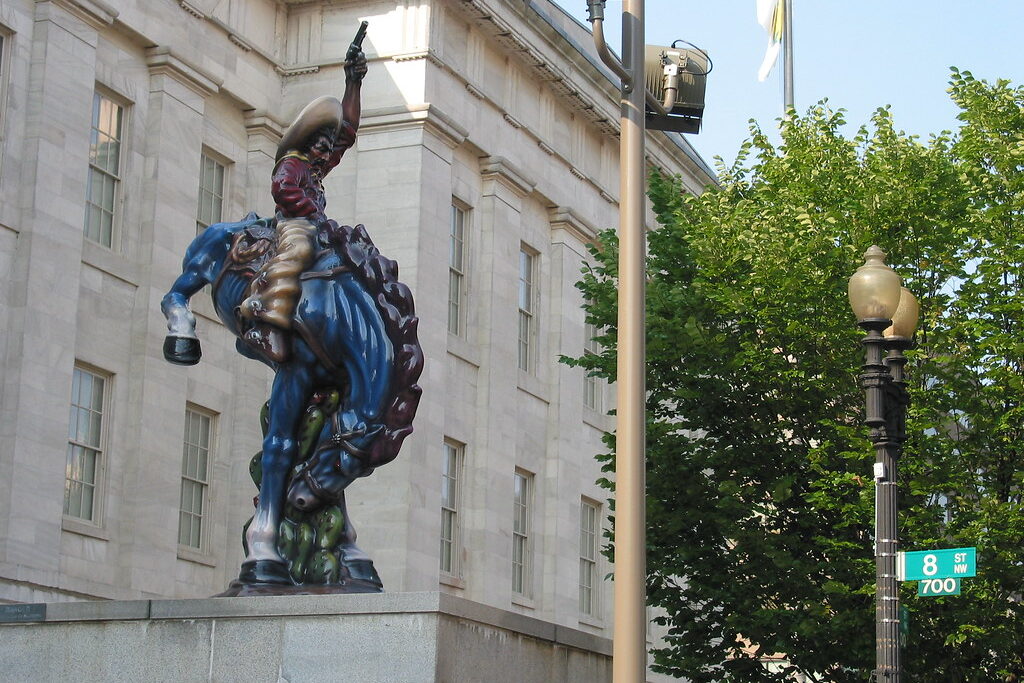
Pecos Bill is often described as the wildest cowboy who ever lived. In classic stories, he was raised by coyotes, rode a mountain lion like a horse, and used rattlesnakes as lassos. The setting for most of his adventures is the American Southwest, especially Texas. These tales began circulating in the late nineteenth century, especially among ranch hands and railroad workers.
Some historians believe the legend could have been loosely inspired by real cowboys who worked along the Pecos River in Texas and New Mexico. One possibility is that the stories began as campfire jokes about particularly tough ranch hands. Over time, the stories grew more elaborate and absurd with each retelling. Eventually the character became a full-blown symbol of the exaggerated frontier spirit.
4. Molly Pitcher
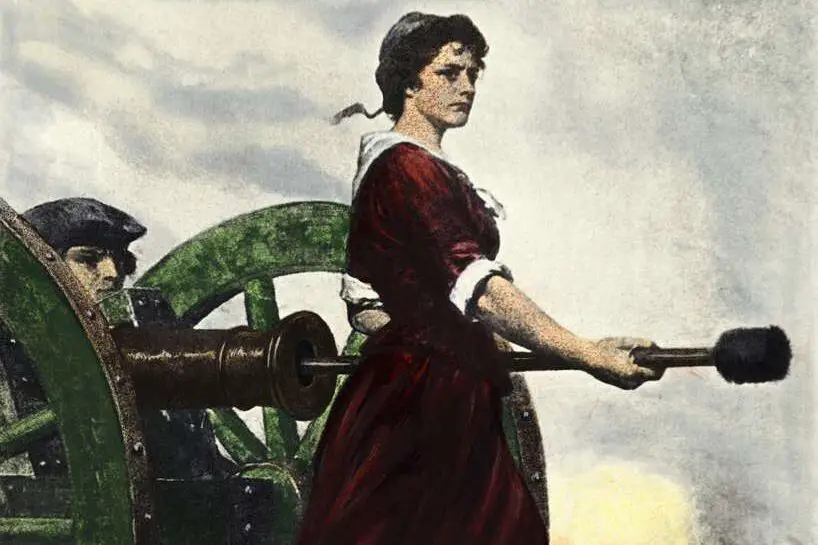
During the American Revolutionary War, soldiers told stories about a woman nicknamed Molly Pitcher who carried water to thirsty troops during battle. According to the most famous version of the story, she took over her husband’s cannon when he was injured and continued firing it at the enemy. The image of a determined woman stepping into combat captured the public imagination. For many years, historians debated whether Molly Pitcher was real or purely symbolic.
Most evidence suggests the legend may combine the stories of several real women. One strong candidate is Mary Ludwig Hays, who was present at the Battle of Monmouth in 1778 and reportedly assisted artillery crews. Another possible figure is Margaret Corbin, who also fought alongside her husband at a cannon during the war. Over time, their stories may have merged into the single heroic figure remembered as Molly Pitcher.
5. John Henry
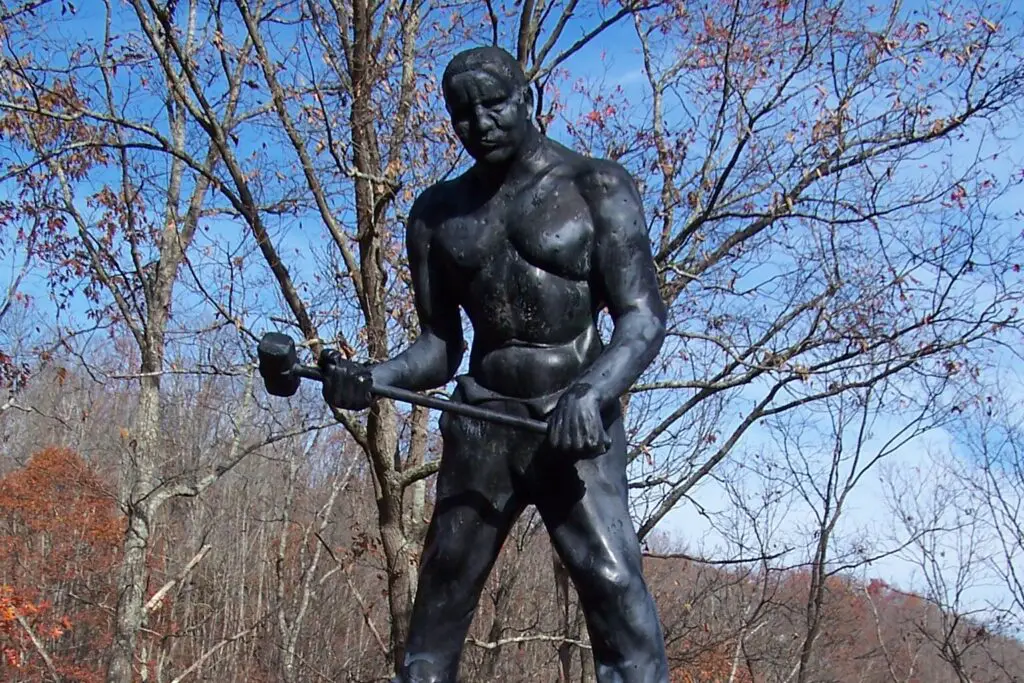
The legend of John Henry centers on a steel driving worker who challenged a steam powered drill to prove human strength could still beat machines. According to the story, he won the race but died from exhaustion immediately afterward. The tale became one of the most famous American folk ballads, especially in railroad and mining communities. For many people, John Henry symbolizes the struggle between human labor and industrial technology.
Historians have spent decades searching for a real person behind the story. Some research points to a prisoner named John Henry who worked on railroad construction in the 1870s. Records from the Chesapeake and Ohio Railway describe workers using hand tools to drive steel spikes into rock tunnels. While the details remain debated, many scholars believe the ballad may have been inspired by a real laborer whose story evolved through oral tradition.
6. Casey Jones

Casey Jones is remembered as the railroad engineer who heroically stayed at the controls of his train to slow it down before a deadly crash. The dramatic story became famous through songs and railroad folklore across the United States. Unlike many legends, Casey Jones is clearly tied to a real historical figure. His actual name was John Luther “Casey” Jones, a locomotive engineer from Mississippi.
In 1900, Jones was driving a passenger train near Vaughan, Mississippi when he encountered a stalled freight train on the tracks ahead. He reportedly remained in the cab attempting to slow the locomotive, allowing many passengers to survive. Jones was killed in the crash and quickly became a symbol of railroad bravery. Ballads and stories about the event helped transform him into a legendary American figure.
7. Davy Crockett
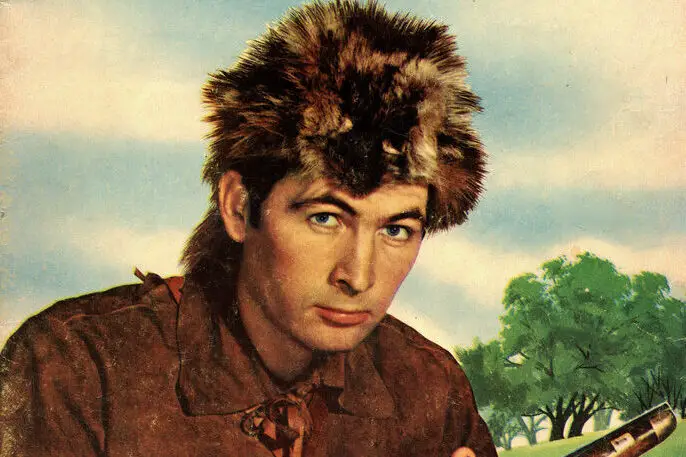
Davy Crockett is often portrayed as a larger-than-life frontiersman wearing a coonskin cap and wrestling bears. Popular stories describe him roaming the wilderness and performing impossible feats of survival. In reality, Crockett was a genuine historical figure who served as a soldier, congressman, and frontiersman. His real life was already adventurous enough to inspire plenty of storytelling.
Crockett was born in Tennessee in 1786 and eventually became a member of the United States House of Representatives. He later moved to Texas, where he joined the fight for independence from Mexico. Crockett died in 1836 during the Battle of the Alamo. Over time, frontier storytelling and later television shows helped turn the real man into an exaggerated American legend.
8. Calamity Jane
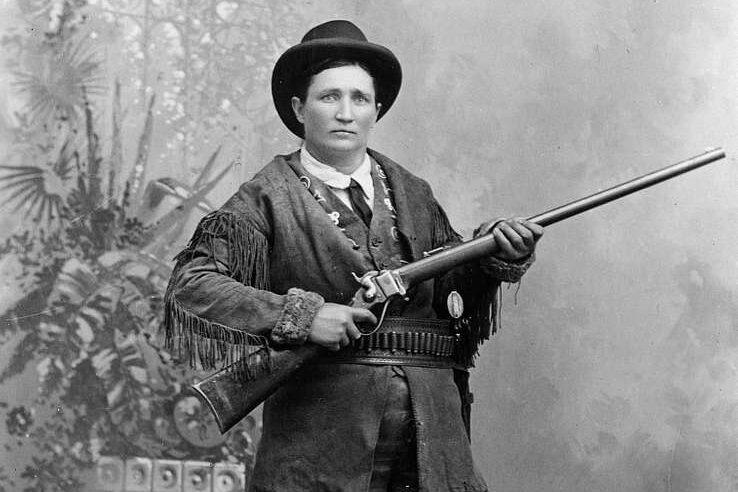
Calamity Jane is often remembered as a fearless gunslinger who rode across the Wild West alongside famous figures like Wild Bill Hickok. Stories describe her wearing men’s clothing, drinking heavily, and living a rough frontier life. The real woman behind the nickname was Martha Jane Canary, who lived during the late nineteenth century. She worked as a scout, cook, and occasional performer in traveling shows.
Jane’s reputation grew partly because she told colorful stories about her own life. Some of those stories are difficult for historians to confirm. However, records do show that she lived in mining towns and frontier settlements across the American West. Like many frontier figures, the mixture of truth and exaggeration helped transform her into a legendary character.
9. Jesse James
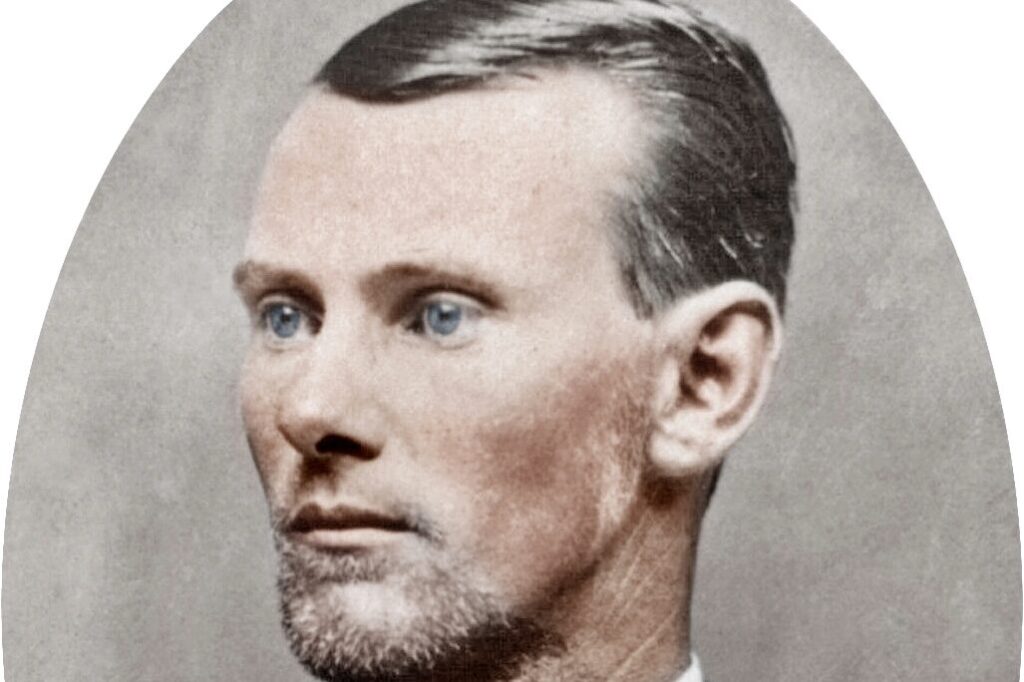
Jesse James is sometimes portrayed as a Robin Hood figure who robbed banks and trains while standing up to powerful corporations. Stories about him often describe a charming outlaw who helped ordinary people. The real Jesse James was a Confederate guerrilla fighter during the Civil War who later became one of the most notorious criminals of the nineteenth century. His gang carried out numerous robberies across Missouri and nearby states.
The myth surrounding James grew partly because sympathetic newspapers portrayed him as a folk hero. Supporters framed his crimes as acts of rebellion against railroad companies and banks. In reality, historians have found little evidence that he gave stolen money to the poor. Even so, the legend of the outlaw continued to grow long after his death in 1882.
10. Billy the Kid
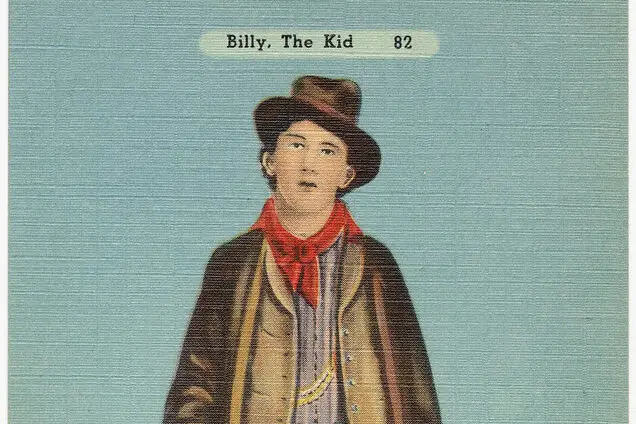
Billy the Kid is one of the most famous gunfighters of the American frontier. Popular stories portray him as a lightning fast outlaw who survived dozens of gunfights before finally being captured. The real person behind the nickname was Henry McCarty, who also used the names William Bonney and Henry Antrim. He became involved in cattle disputes and criminal activity in New Mexico during the 1870s.
Billy the Kid’s reputation grew quickly after his death at age 21. Newspaper reports and dime novels exaggerated his exploits and turned him into a symbol of the Wild West outlaw. Some accounts claim he killed twenty-one men, though historians doubt that number. As with many frontier legends, the mixture of fact and storytelling helped cement his place in American folklore.
11. Captain Stormalong
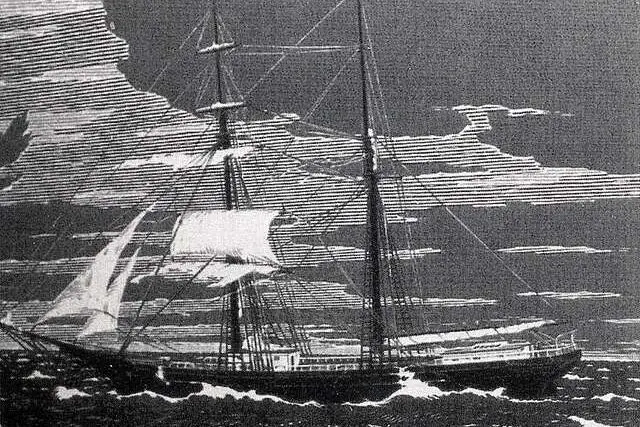
Captain Stormalong is a giant sailor said to have commanded a massive clipper ship called the Courser. In folklore, Stormalong was so tall that he could stand on the ocean floor and clean the barnacles off passing ships. His adventures were told in sailor communities along the Atlantic coast during the nineteenth century. The stories were usually humorous exaggerations shared in taverns and on long sea voyages.
Some researchers believe the character may have been loosely inspired by real sea captains known for their impressive height or reputation. Sailors often used exaggerated storytelling to pass the time during long journeys. Over time, those tall tales evolved into the mythical figure known as Captain Stormalong. The legend reflects the larger tradition of maritime storytelling that shaped American folklore.
12. The Lone Ranger

The Lone Ranger is remembered as the masked lawman who traveled the Old West with his trusted companion Tonto. The character first appeared on radio in the 1930s and quickly became one of the most recognizable heroes in American pop culture. While the Ranger himself is fictional, some historians believe he may have been loosely inspired by real Texas Rangers. Lawmen in that organization were known for operating alone across dangerous frontier territory.
Another possible influence was Bass Reeves, a Black deputy U.S. marshal who worked in the Indian Territory during the late nineteenth century. Reeves was known for his skill in tracking criminals and reportedly arrested thousands of fugitives during his career. Some scholars believe his exploits resemble aspects of the Lone Ranger stories. Although the connection cannot be confirmed with certainty, the similarities continue to intrigue historians.