
1. Elevator Operator
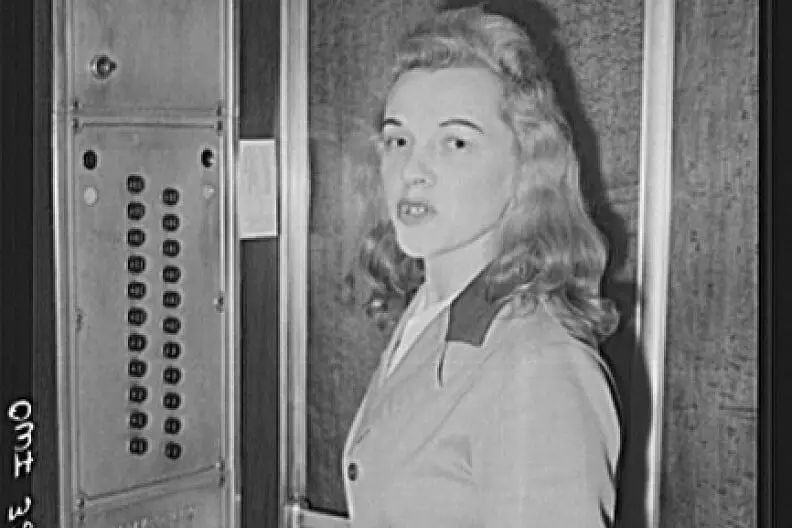
For much of the early and mid 20th century, riding an elevator meant stepping inside and handing control over to a uniformed operator. These workers stood by a panel of levers and switches, carefully guiding the elevator between floors and opening the doors by hand. In large department stores, hotels and office buildings, they often greeted passengers and called out floors as they arrived. Some operators even became familiar faces who chatted with regular riders during their daily trips.
As elevator technology improved, automated controls made the job unnecessary. Push-button panels replaced manual levers, and buildings no longer needed someone standing inside the car all day. By the late 20th century, most operators had disappeared except in a few historic buildings. Today the role mostly survives as a nostalgic memory of a slower, more personal era of city life.
2. Switchboard Operator
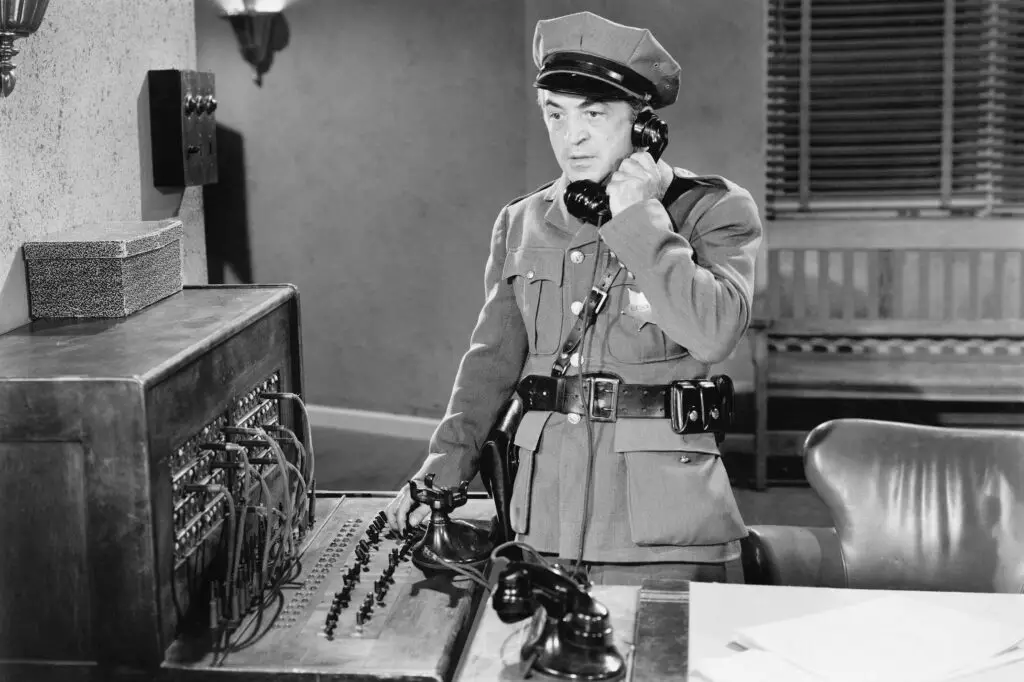
Before phones could automatically connect calls, someone had to manually plug lines together to make a conversation possible. That job belonged to switchboard operators, who worked in busy rooms filled with blinking lights and tangled cords. When someone picked up the phone, the operator answered and asked who they wanted to reach. Then they physically connected the call using a patch cord.
The job required quick thinking and excellent memory, especially in small towns where operators often knew everyone by name. It was also one of the few professional jobs widely available to women for decades. As automated telephone exchanges spread in the mid 20th century, the need for human operators steadily declined. Eventually the massive switchboards vanished almost entirely.
3. Milkman

For generations, the milkman was a regular part of the morning routine. He drove a small truck or horse-drawn wagon and delivered fresh bottles of milk directly to people’s doorsteps. Families left empty glass bottles outside, and the milkman replaced them with full ones. In some neighborhoods, he also brought butter, cream and eggs.
The system worked well when refrigeration was limited and grocery stores were less common. Once supermarkets and large-scale dairy distribution became widespread, home delivery slowly faded away. By the late 20th century, most milk routes had disappeared. A few specialty dairies still offer the service today, but the classic milkman is largely gone.
4. Movie Projectionist
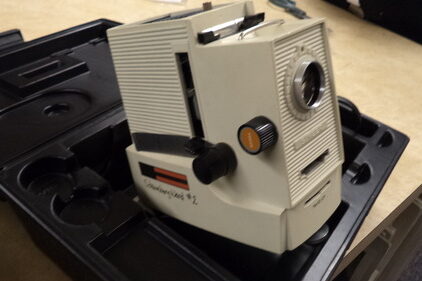
When film ruled the movie industry, projectionists were the unseen experts keeping theaters running. They operated large projectors, threaded film reels and carefully monitored screenings to make sure nothing jammed or burned. In the days of multi-reel films, projectionists often had to switch reels at exactly the right moment. A mistake could cause the movie to stop or even damage the film.
Projectionists were highly skilled technicians who understood complex equipment. However, the rise of digital cinema in the 2000s changed everything. Modern theaters now use automated digital systems that require far less hands-on work. As a result, many projectionist jobs quietly disappeared.
5. Bowling Alley Pinsetter

Anyone who visited a bowling alley before the 1950s likely saw young workers standing behind the lanes. These workers, called pinsetters, quickly cleared knocked-down pins and set up a fresh rack for the next player. It was fast, repetitive work, and often done by teenagers trying to earn a little money.
The job could also be dangerous, since workers stood just feet away from rolling bowling balls. Mechanical pinsetting machines changed all that when they became widely adopted in the mid 20th century. Once the machines took over, thousands of pinsetter jobs vanished almost overnight. Today most bowlers have no idea the job ever existed.
6. Ice Cutter

Before refrigerators became common, people needed another way to keep food cold. Ice cutters worked on frozen lakes and rivers during winter, cutting huge blocks of ice with saws and tools. These blocks were hauled to icehouses and stored under insulation for use throughout the year. During warmer months, delivery workers would bring the ice to homes and businesses.
It was extremely hard and often dangerous work in freezing conditions. Still, the ice trade was once a massive industry across North America. When electric refrigeration became common in the early 20th century, the demand for harvested ice collapsed. Within a few decades, the ice cutter became a relic of the past.
7. Gas Station Attendant (Full Service)
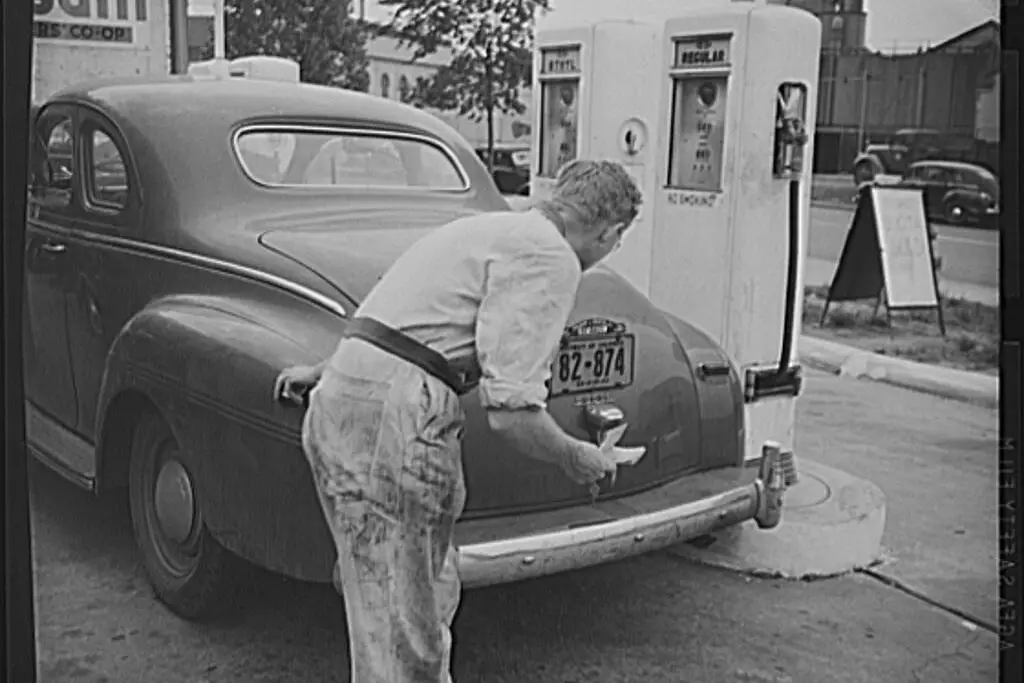
There was a time when drivers rarely pumped their own gas. Instead, they pulled into a station and a uniformed attendant rushed over to help. The attendant filled the tank, cleaned the windshield and sometimes checked the oil or tire pressure. In many places, the experience felt almost like a mini pit stop.
Self-service gas stations began spreading in the 1970s as companies looked for ways to reduce labor costs. Drivers gradually got used to pumping their own fuel. Today full-service attendants are rare outside a few states or specialty stations. The once-common job has largely disappeared from everyday life.
8. Typist
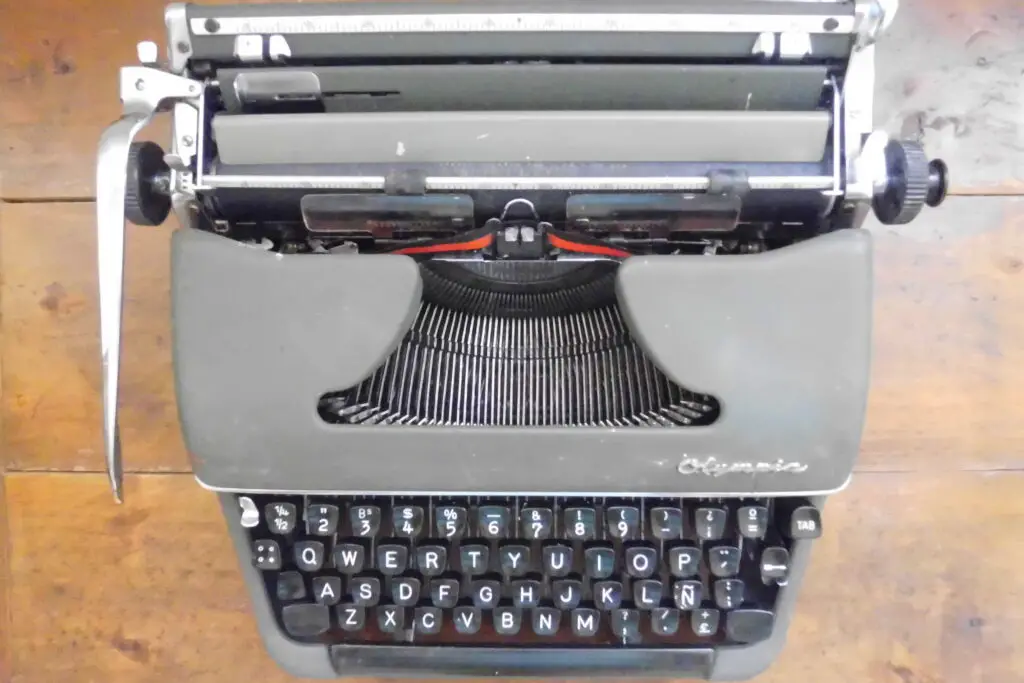
Long before personal computers and smartphones, businesses relied on dedicated typists to produce letters, reports and documents. These workers sat at typewriters all day, carefully formatting pages and correcting mistakes with white-out or carbon copies. In large offices, entire typing pools handled paperwork for multiple departments.
Accuracy and speed were essential skills for the job. But when computers and word processing software arrived in the late 20th century, employees could create their own documents easily. Typing pools quickly shrank and eventually disappeared. The work itself did not vanish, but the dedicated typist role did.
9. Lamplighter

City streets were once lit by gas lamps rather than electricity. Each evening, lamplighters walked their routes carrying long poles or torches to ignite the lamps one by one. In the morning they returned to extinguish them. It was a quiet job that helped cities stay illuminated after dark.
As electric streetlights replaced gas lamps in the late 19th and early 20th centuries, the need for lamplighters faded away. The transformation happened gradually as cities modernized their infrastructure. Today the job mostly survives in historical demonstrations or tourist areas. For most of history, though, lamplighters were a familiar sight in many cities.
10. Telegraph Operator
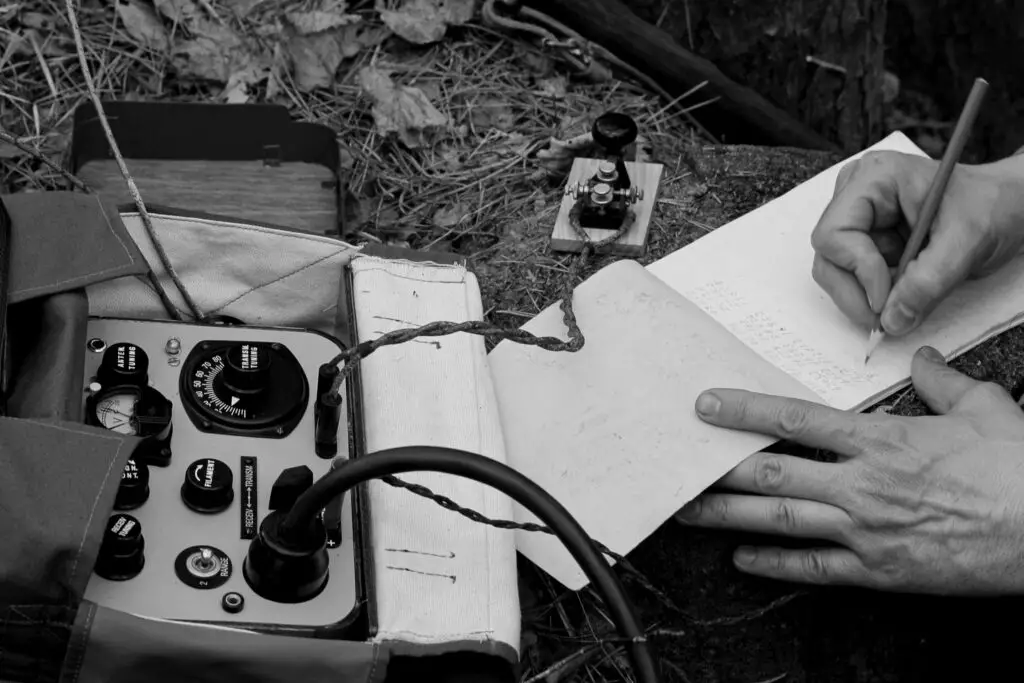
For decades, the telegraph was one of the fastest ways to send messages across long distances. Skilled operators translated messages into Morse code and transmitted them through telegraph lines. At the receiving end, another operator decoded the signals back into written text. Important news, business deals and personal messages often traveled this way.
Telegraph operators were essential communication specialists in the 19th and early 20th centuries. However, telephones and later digital communication systems gradually replaced telegraph services. By the late 20th century, commercial telegraph networks had mostly shut down. The once-critical profession faded into history.
11. Human Computer

Before electronic computers existed, complicated calculations still had to be done somehow. Large organizations hired people known as “human computers” to perform mathematical calculations by hand. They worked through complex formulas for engineering projects, astronomy research and early scientific studies.
The work required patience, precision and strong math skills. Groups of human computers were especially common in government agencies and research institutions. Once electronic computers became reliable in the mid 20th century, these manual calculation teams were no longer necessary. The job title itself disappeared almost completely.
12. Photo Lab Technician
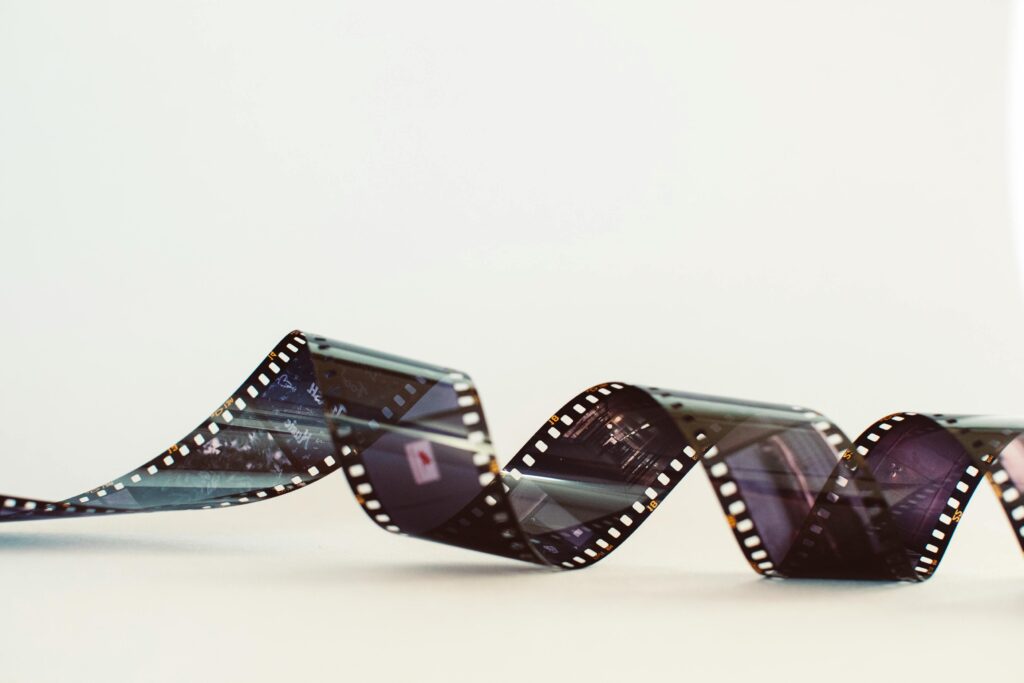
Not long ago, developing photographs required specialized equipment and chemicals. Photo lab technicians handled rolls of film, carefully processing them in darkrooms and printing physical photos. Many drugstores and camera shops had small labs where technicians worked behind the counter.
Customers often dropped off film and returned days later to pick up their prints. The job required technical skill and careful timing during the developing process. Digital photography changed everything in the late 1990s and early 2000s. As film cameras disappeared, so did most photo lab technician positions.