
1. No Speaking Unless You Raised Your Hand
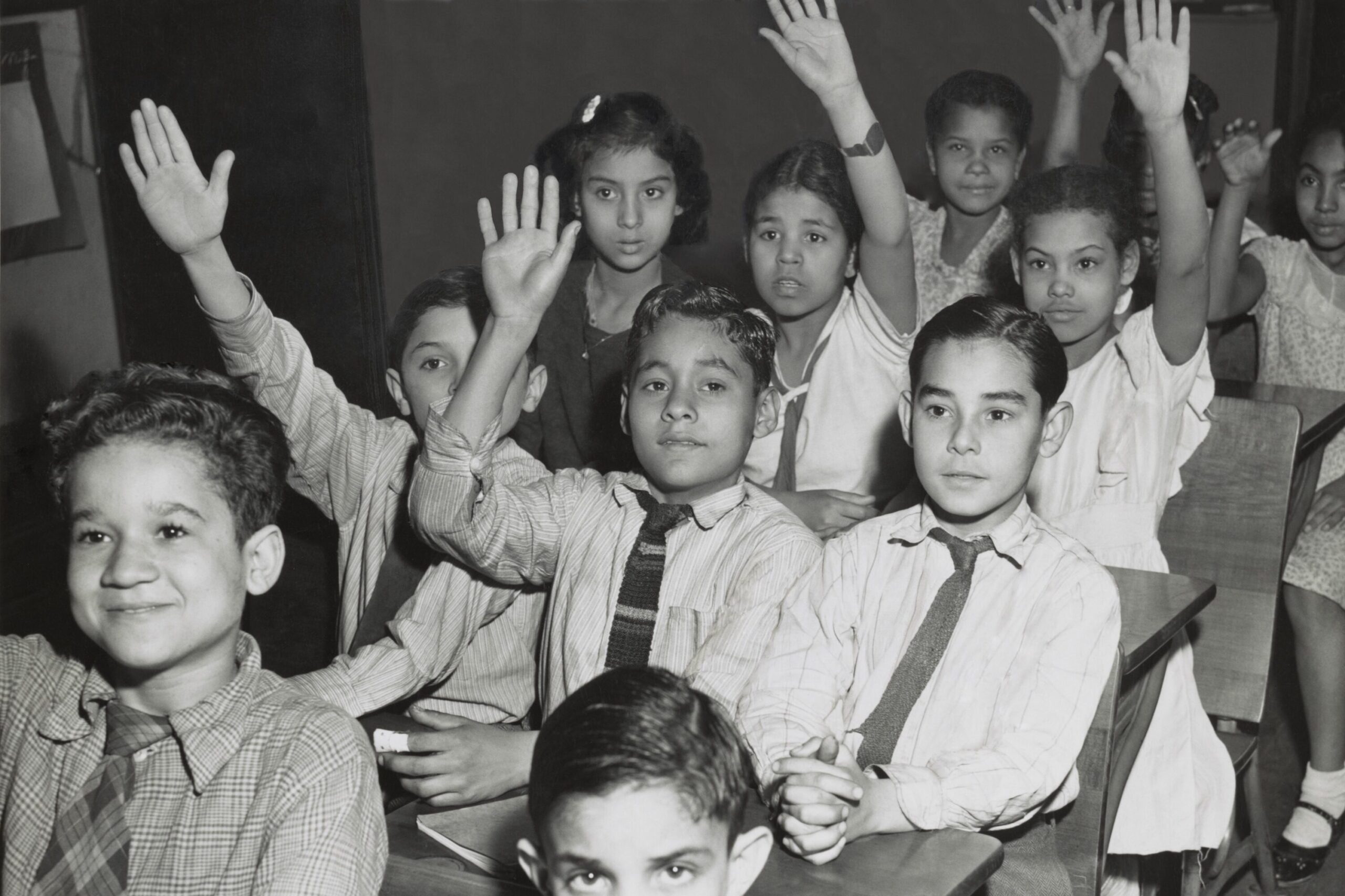
For decades, classrooms ran on a strict rule: you didn’t speak unless your hand was raised and the teacher called on you. Blurting out an answer, even if you knew it, could earn a quick reprimand or even a note home. Teachers believed the rule kept order and made sure everyone got a fair chance to participate. Students quickly learned to sit quietly with their hands hovering in the air, sometimes for minutes at a time.
In many schools, speaking without permission was considered disrespectful rather than enthusiastic. Kids who were naturally talkative had to train themselves to stay silent until called on. Some classrooms even had charts tracking who followed the rule and who didn’t. Today, many teachers encourage open discussion and collaborative learning instead.
2. Always Address the Teacher as “Sir” or “Ma’am”
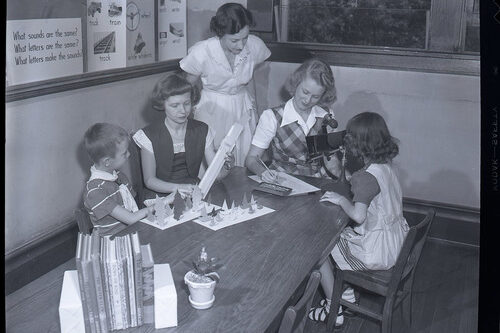
In many schools, especially before the 1980s, students were expected to address teachers formally. Saying “yes, sir,” “no, ma’am,” or “Mr.” and “Mrs.” followed by the teacher’s last name was considered basic classroom etiquette. Using a first name would have been unthinkable in most places. It was part of a broader culture of respect and hierarchy in schools.
If a student forgot and spoke too casually, teachers often corrected them immediately. The reminder usually came in a firm but calm tone that made the expectation clear. In some classrooms, students had to repeat their answer properly before continuing. These days, while last names are still common, the atmosphere is often much more relaxed.
3. No Writing with Ink Until You Were Older
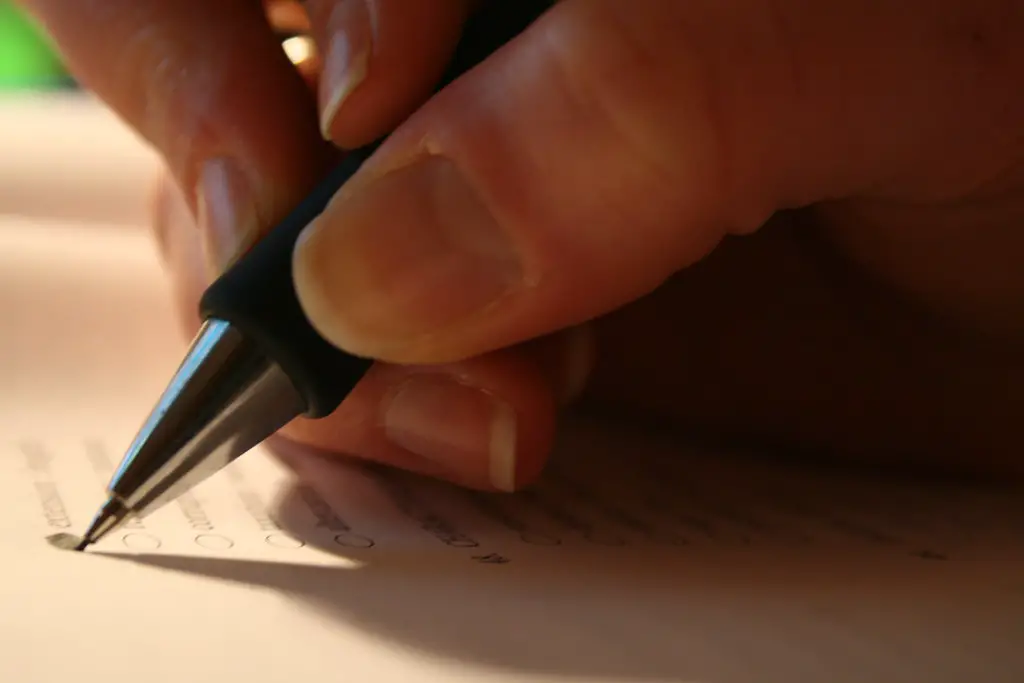
Believe it or not, younger students were once banned from using ink pens. Teachers insisted children use pencils until their handwriting was neat enough to avoid messy mistakes. Ink was considered too permanent for beginners who might need to erase frequently. Smudges and blots were seen as signs of sloppy work.
Many schools had an unofficial milestone when students were finally allowed to graduate to pen. For some kids, it felt like a small rite of passage. Fountain pens and early ballpoints made the rule even more important because they could leak or smear. Today most classrooms hand out pens without a second thought.
4. Keep Both Feet on the Floor at All Times
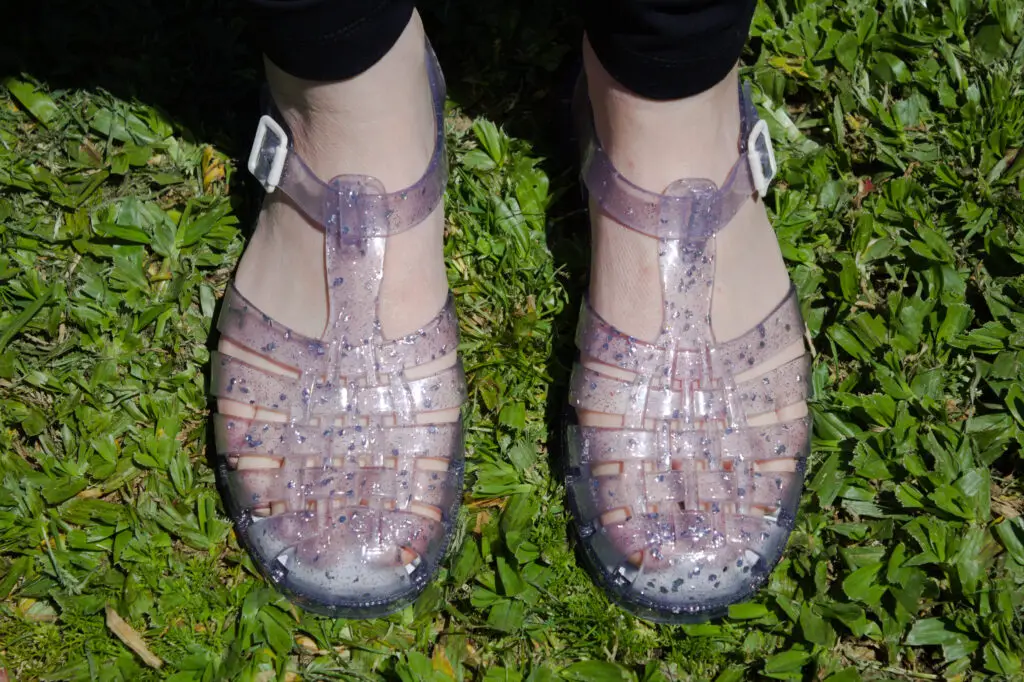
Posture used to be taken very seriously in the classroom. Teachers often insisted that students sit upright with both feet flat on the floor. Leaning back in a chair or crossing your legs could quickly get you corrected. The idea was that proper posture showed attentiveness and discipline.
Some classrooms even had periodic reminders about “sitting properly.” A student caught rocking in their chair might be told to stand for a few minutes instead. The rule was meant to keep classrooms orderly and safe, especially when desks were tightly packed together. Modern classrooms tend to be more flexible about how students sit and move.
5. No Talking While Papers Were Being Passed Out
Passing out papers used to happen in total silence. Teachers expected the room to stay completely quiet until every student had received their worksheet or test. Even whispering during the process could bring a stern look from the front of the room. The quiet helped prevent distractions and confusion.
Students quickly learned to wait patiently while papers traveled row by row across the desks. Some teachers assigned “paper passers” who were expected to move quickly and efficiently. The moment often felt a little tense, especially if it was a big test. Today, classrooms are usually less strict about chatter during these routine moments.
6. No Erasing Holes Through Your Paper

This rule sounds funny now, but teachers took it seriously. Students who erased too aggressively could tear their paper, leaving ragged holes in their assignments. Teachers often warned kids not to rub the eraser so hard. Neatness was considered a reflection of effort and responsibility.
If a page looked too messy, some teachers made students start the entire assignment over. The goal was to encourage careful writing the first time around. Many classrooms also required handwriting practice to improve neatness. Today, with so much work done digitally, the problem hardly comes up anymore.
7. Stand When an Adult Entered the Room

In some schools, students were expected to stand when a teacher, principal, or visitor entered the classroom. The gesture was meant to show respect and attention. Once the adult acknowledged the class, students could sit back down. The routine was common in many American classrooms well into the mid twentieth century.
For students, it became second nature to rise from their seats the moment the door opened. Teachers often appreciated the brief moment of order before beginning a lesson. The practice has largely disappeared in modern schools. Most classrooms today greet visitors in much more informal ways.
8. Keep Your Desk Perfectly Organized
Many teachers regularly inspected desks for cleanliness and organization. Books had to be stacked neatly, pencils placed in proper spots, and loose papers kept in folders. A messy desk could result in a warning or a lunchtime cleanup assignment. Teachers believed a tidy workspace helped students think more clearly.
Some classrooms even held surprise “desk checks.” Students would nervously open their desks while the teacher walked down the rows. Finding crumpled papers or broken crayons could mean losing points on a behavior chart. While organization still matters today, formal desk inspections are far less common.
9. No Passing Notes in Class
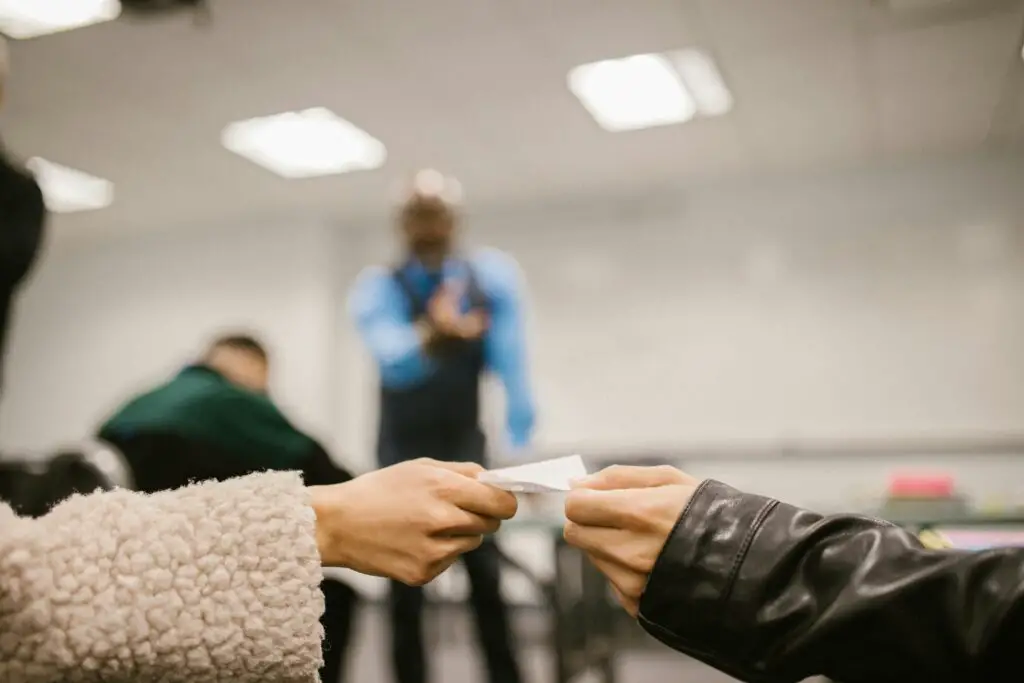
Passing folded notes between friends was once a major classroom offense. Teachers saw it as a sign that students were distracted from the lesson. If a note was intercepted, it might be read aloud or confiscated entirely. The embarrassment alone was usually enough to discourage repeat offenders.
Despite the risk, kids still found creative ways to send messages across the room. Notes were tucked inside textbooks or slipped between desks when the teacher wasn’t looking. For many students it was an early version of texting. With phones now replacing paper notes, the rule has mostly faded away.
10. Speak Only in Complete Sentences

Some teachers insisted that every answer be spoken in a full sentence. A simple “yes” or “no” was often not acceptable. Instead, students had to respond with something like, “Yes, the capital of France is Paris.” The rule was meant to reinforce grammar and clear communication.
Teachers believed the practice helped students develop better speaking skills. It also ensured everyone was paying attention to the question. Students sometimes found the rule tedious, especially during quick review sessions. Today many classrooms still encourage complete answers, but they rarely enforce it so strictly.
11. No Leaving Your Seat Without Permission
In older classrooms, students were expected to remain in their seats unless given permission to move. Even sharpening a pencil required raising a hand first. Walking around the room without approval could lead to discipline. The rule kept classrooms orderly and prevented distractions.
Students often waited patiently for the teacher’s signal before standing up. Some classrooms had specific times for sharpening pencils or throwing away trash. The routine helped teachers keep track of large groups of students. Modern classrooms often allow a bit more freedom of movement.
12. No Gum Chewing Under Any Circumstances

Chewing gum was strictly banned in many schools for decades. Teachers worried it would end up stuck under desks or on classroom floors. If a student was caught chewing gum, they might be told to throw it away immediately. Repeat offenders could face detention.
The rule was partly about cleanliness and partly about manners. Teachers believed gum chewing looked disrespectful during lessons. Some students tried to hide it by chewing quietly or keeping it tucked in their cheeks. Many schools still discourage gum today, though enforcement is usually less intense.
13. Perfect Handwriting Was Mandatory

Handwriting used to be a major part of classroom grading. Students were expected to form letters neatly and follow strict cursive styles. Sloppy handwriting could lower a grade even if the answers were correct. Teachers believed penmanship reflected discipline and pride in one’s work.
Many classrooms had daily handwriting drills to build consistency. Students practiced loops, curves, and spacing over and over again. The lessons sometimes felt repetitive, but they were considered essential skills. Today, with keyboards everywhere, perfect penmanship is no longer the priority it once was.