
1. Walking to School Alone
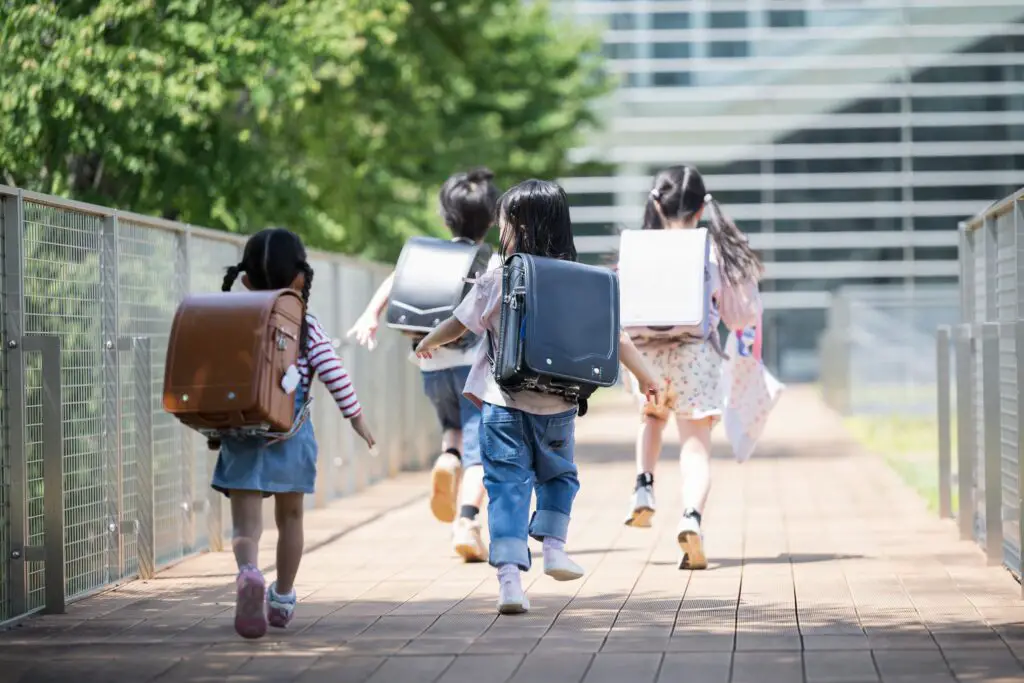
For decades, walking to school was simply part of growing up. Kids grabbed their backpacks, met up with friends along the sidewalk, and headed to class without an adult in sight. In many neighborhoods, groups of kids formed little morning caravans, picking up more classmates as they went. Parents often watched from the porch or kitchen window, trusting their children to make it safely. It was a daily routine that quietly built independence. Kids learned street safety, time management, and how to navigate their neighborhood.
Today that simple tradition has mostly faded. Many schools now expect parents to drive their children or put them on a bus. Some communities even consider young kids walking alone unusual or unsafe. The result is a generation that spends less time moving independently through their own neighborhoods. Something as ordinary as a solo walk to school has quietly become a rare sight.
2. Playing Outside Until the Streetlights Came On
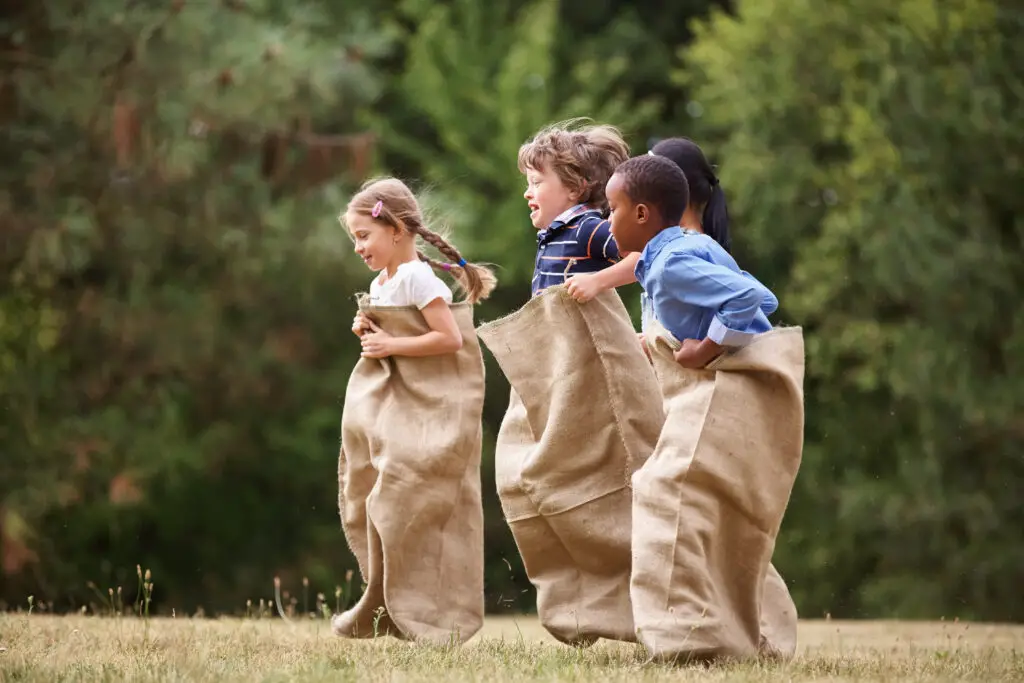
One of the most familiar childhood rules used to be simple: be home when the streetlights turn on. Until then, the neighborhood was a giant playground. Kids rode bikes, climbed trees, played tag, and invented games that lasted for hours. No one needed a schedule or a planned activity. Parents often had only a general idea of where their children were, but that was normal. As long as everyone returned home by dinner or sunset, things felt under control.
Modern parenting tends to keep a closer eye on kids’ whereabouts. Organized activities, busy schedules, and safety concerns have replaced many of those long unstructured afternoons. Children are more likely to have supervised playdates than free roaming neighborhood adventures. The phrase about streetlights still exists, but the experience behind it is fading. For many families today, that kind of carefree outdoor freedom is hard to imagine.
3. Riding Bikes All Over Town
For many kids, a bicycle was the first real taste of freedom. Once you learned to ride, suddenly the world got bigger. Friends could meet at parks, corner stores, or baseball fields several blocks away. A bike ride often meant hours of exploring without adults nearby. It was common for kids to disappear for the afternoon and return sweaty, scraped up, and happy.
Today bikes are still around, but the freedom that came with them has changed. Many parents prefer to supervise rides or keep kids close to home. Traffic has increased in many areas, and neighborhoods are often less walkable than they once were. As a result, those long wandering bike rides across town have become less common. The bike remains, but the independence that once came with it has shifted.
4. Running Errands for Parents
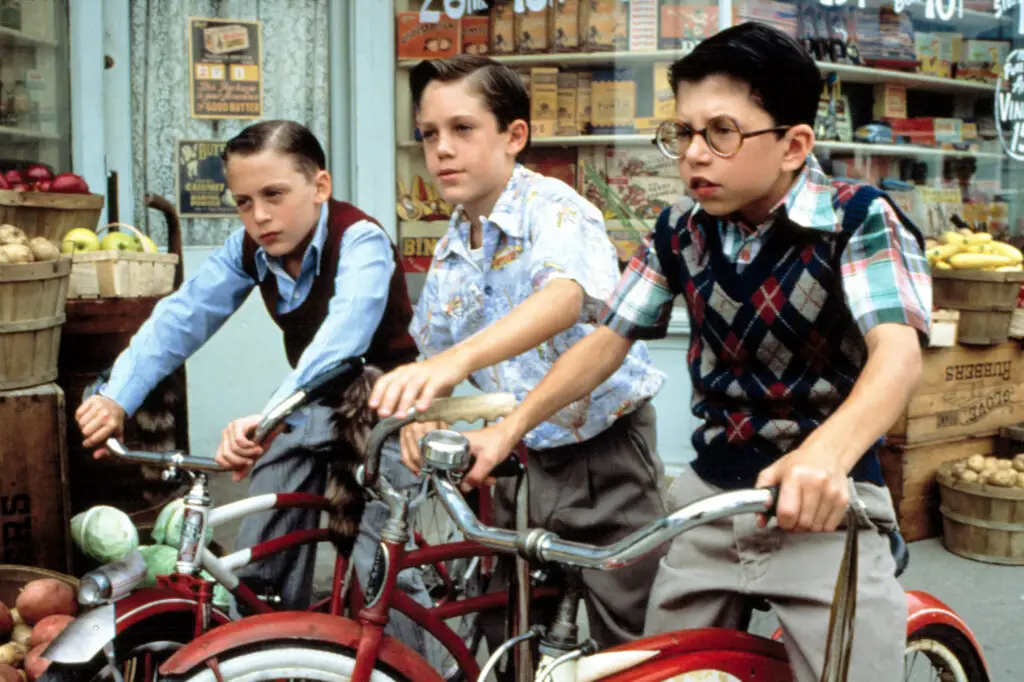
At one time it was completely normal for a parent to hand a child a few dollars and send them to the store. Kids picked up milk, bread, stamps, or whatever else the household needed. It was a small responsibility, but it made children feel trusted and useful. Corner stores and small markets were often close enough to walk to, which made these errands easy. Many kids even memorized the shopping list instead of carrying it.
Today that practice has largely disappeared. Parents usually run errands themselves or bring their children along. Larger supermarkets and busy roads make sending a child alone less practical. Some parents also worry about safety or strangers in ways earlier generations rarely discussed. As a result, kids have fewer chances to handle those small real world responsibilities.
5. Unsupervised Neighborhood Games
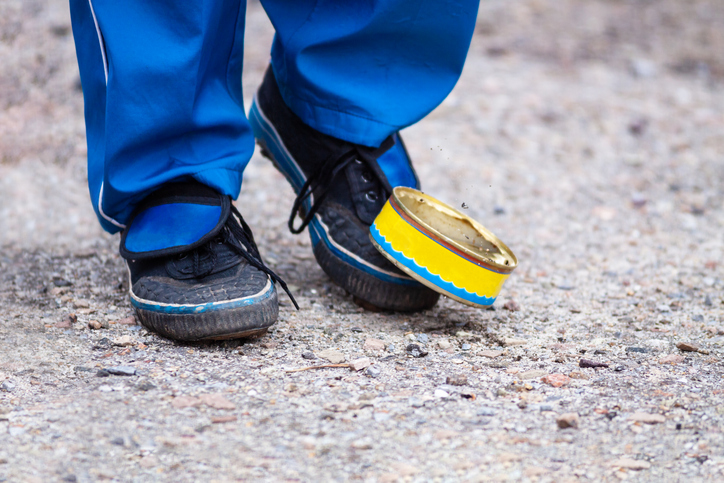
Entire neighborhoods once turned into giant playgrounds after school. Kids gathered for pickup games of kickball, stickball, or hide and seek. There were no referees, coaches, or sign up sheets. Someone brought a ball, someone else marked the bases, and the game started. Arguments happened, but kids usually sorted them out on their own. It was messy, loud, and full of imagination.
Today many children experience sports mainly through organized leagues. While those programs offer structure and coaching, they leave less room for spontaneous games. Neighborhood play groups have become less common as families stay busier and spend more time indoors. Kids still play sports, but the casual after school games that lasted until dark are harder to find. A lot of childhood creativity used to grow in those unsupervised moments.
6. Building Backyard Forts
A pile of scrap wood, an old blanket, and a little imagination could turn into an entire kingdom. Kids once spent hours building forts in backyards, woods, or empty lots. Some used cardboard boxes while others nailed together real wooden structures. The goal was usually simple: create a secret hideout where adults rarely visited. These forts became headquarters for games, clubs, and whispered conversations.
Today safety concerns and tighter supervision have changed how kids play outside. Many parents worry about tools, nails, or unstable structures. Backyards are also smaller in many communities, and empty lots are less common. Children still build pillow forts indoors, but the outdoor hideouts of the past were something different. They felt like small pieces of independence carved out of the grown up world.
7. Playing in the Street
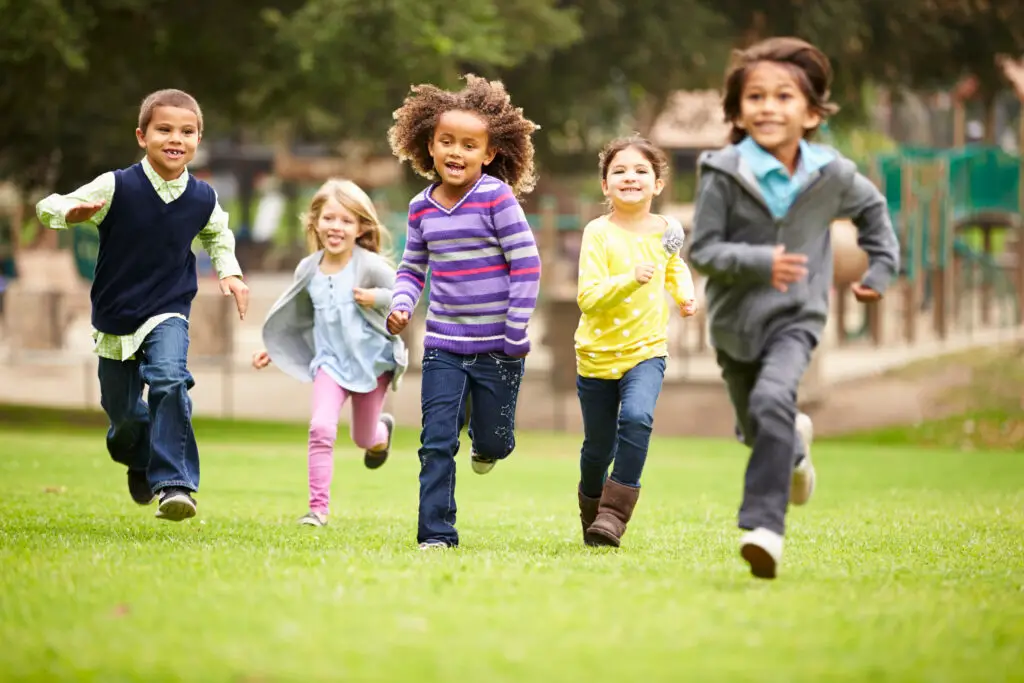
On quiet residential roads, the street itself used to double as a playground. Kids drew hopscotch squares in chalk or set up impromptu baseball games between parked cars. When a vehicle finally came down the road, someone would yell “car!” and everyone moved aside for a moment. Then the game picked right back up. Streets belonged to the neighborhood as much as they did to drivers.
Today heavier traffic has made that kind of play far less common. Many parents are understandably cautious about children being near roads at all. Some neighborhoods even prohibit street games for safety reasons. As a result, kids often stay in fenced yards or designated parks instead. The once ordinary sight of children filling the street with laughter has slowly faded.
8. Making Collect Calls to Get a Ride Home

Before cell phones, kids had to get creative when they needed a ride. One classic trick involved making a collect call from a payphone. Instead of saying their name when the operator asked, kids would quickly blurt out a message like “Mom come pick me up at the mall.” The parent would refuse the charges, but the message had already been delivered. It was a clever workaround that many families quietly understood.
With smartphones everywhere, the whole situation has disappeared. Children can now text or call instantly without needing a payphone. Payphones themselves have nearly vanished from public spaces. What once felt like a clever little communication hack is now just a funny story from another era. Younger generations may never experience the strange ritual of a collect call.
9. Spending Whole Days with Neighborhood Kids
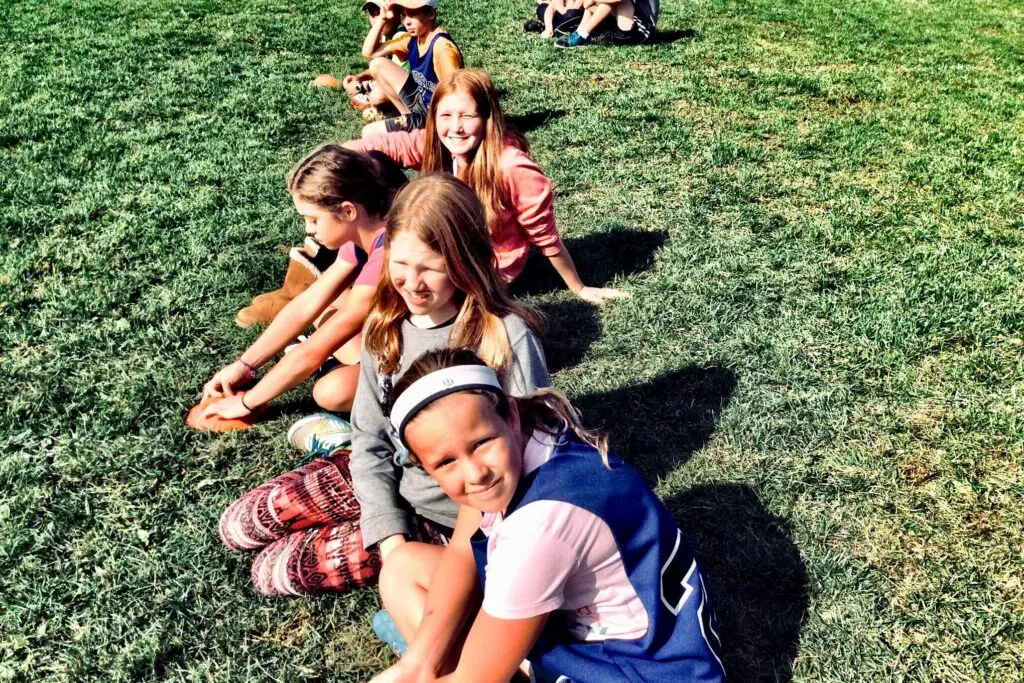
Many childhood summers revolved around the same group of neighborhood friends. Kids knocked on each other’s doors in the morning and stayed together for most of the day. The group might ride bikes, wander through nearby woods, or invent elaborate imaginary games. Adults occasionally checked in, but the kids mostly ran the show. Those friendships often felt like a second family.
Modern childhood tends to look more scheduled. Camps, lessons, and organized activities fill many summer calendars. Kids still have friends, but they may not spend entire unsupervised days together. Technology also keeps many children indoors more often than in the past. The loose, all day neighborhood friendships that once defined summer have become less common.
10. Visiting Friends Without Calling First

Not long ago, it was perfectly normal to show up at a friend’s house unannounced. Kids simply rode their bikes over, knocked on the door, and asked if their friend could come outside. Sometimes the answer was yes, sometimes it wasn’t. Either way, it was part of everyday life. Parents generally accepted that kids would wander between houses throughout the day.
Today most social visits are planned in advance. Parents often coordinate schedules through texts or messages before kids get together. While this helps avoid conflicts, it also removes some spontaneity. The casual drop by visit has mostly disappeared. Childhood friendships used to thrive on those unexpected knocks at the door.
11. Staying Home Alone for Short Periods
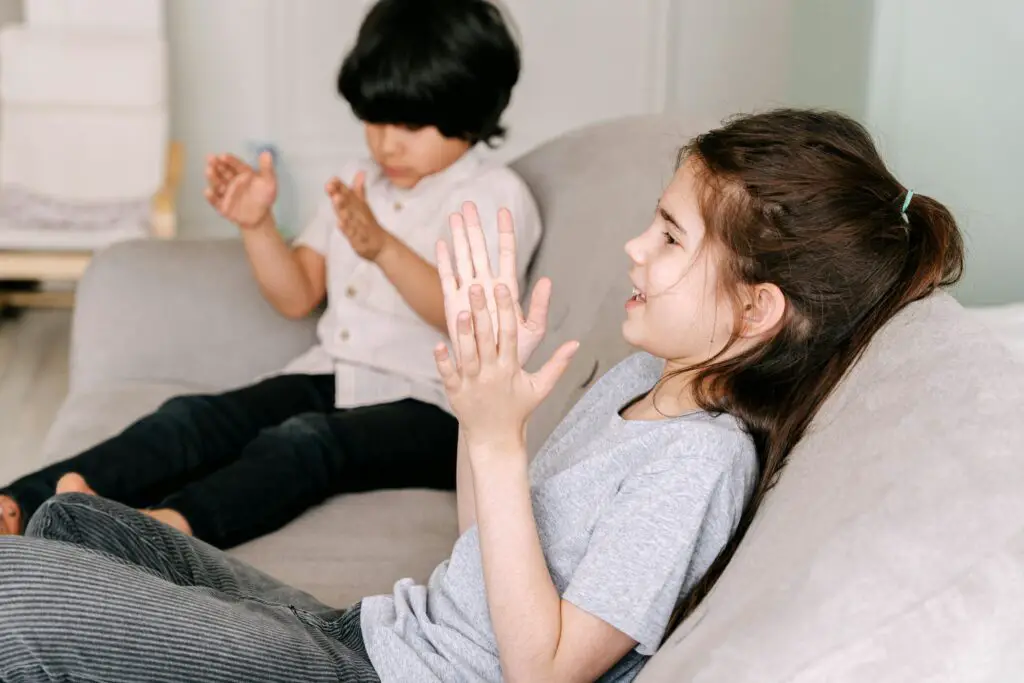
Many children in past decades spent small chunks of time home alone. Parents might run to the store, attend an appointment, or finish work while the kids stayed home for an hour or two. Some children even came home from school to an empty house and let themselves in with a key. These moments were often considered part of growing up responsibly. Kids learned to manage small tasks and solve minor problems on their own.
Today parents are often more cautious about leaving children unsupervised. Laws and social expectations in some places discourage it. Many families also have access to after school programs or childcare that didn’t exist before. As a result, kids have fewer opportunities to practice that kind of independence. The once common experience of being home alone for a short time has become less typical.
12. Roaming the Mall with Friends

For teenagers especially, the shopping mall used to be a social hub. Groups of kids spent entire afternoons walking the halls, browsing stores, and hanging out in food courts. They rarely bought much, but the experience itself was the point. Malls offered a safe place to socialize away from parents while still being indoors. It was a rite of passage for many adolescents.
Many malls have declined or closed in recent years. Others now have stricter rules about unattended minors. Teenagers also socialize more through phones and online spaces than in public gathering spots. As a result, mall roaming has lost much of its cultural importance. What once felt like the center of teenage life has largely faded.
13. Drinking from the Garden Hose
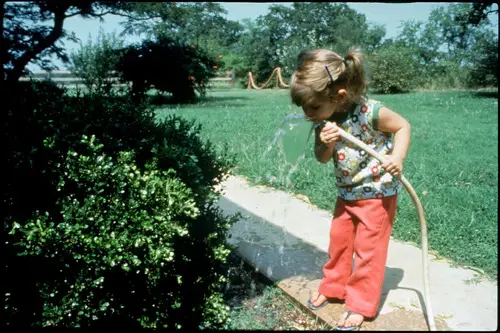
For kids playing outside all day, the garden hose was often the quickest way to get a drink. You turned the handle, waited a second for the warm water to clear, and gulped it down. No one worried much about cups or bottled water. It was just part of being outside for hours at a time. Somehow the water always tasted a little better after running around in the sun.
Today parents tend to encourage cleaner and more controlled options. Kids are more likely to carry water bottles or come inside for a drink. Concerns about sanitation and water quality have made the hose less appealing. While it might seem like a small detail, it represents a bigger shift in how childhood works. Even the simple act of grabbing a drink outside has changed with modern parenting.