
1. Pennsylvania Station (1963)
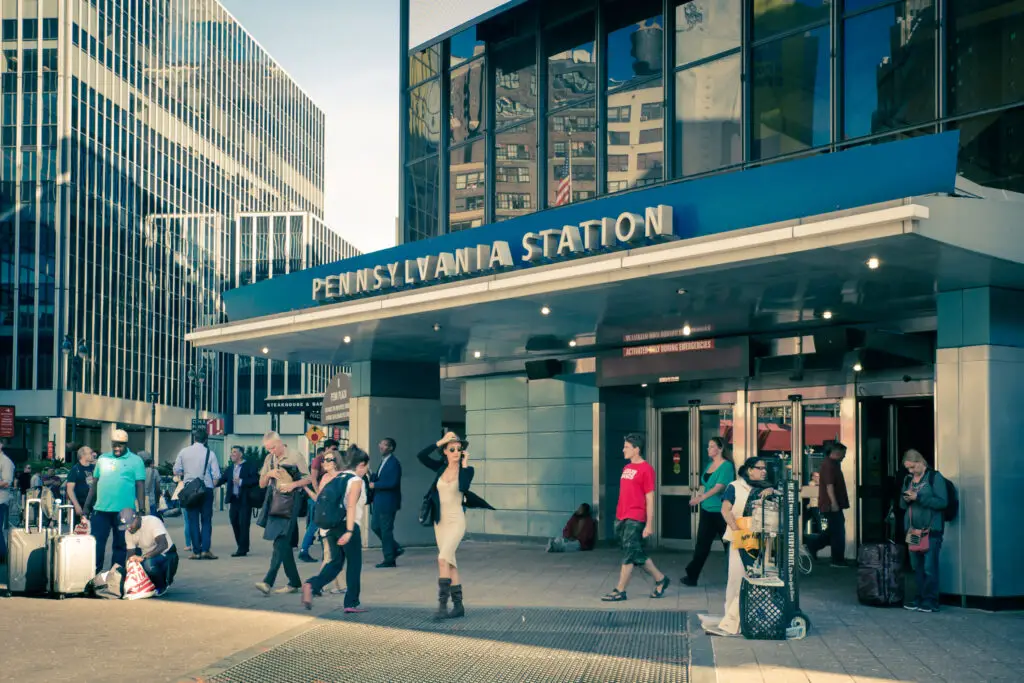
For decades, the original Pennsylvania Station in New York City was considered one of the most beautiful public buildings in America. Designed by the architecture firm McKim, Mead & White and opened in 1910, the massive Beaux-Arts structure featured towering columns and a grand waiting room modeled after ancient Roman baths. By the early 1960s, however, rail travel had declined and the building’s owners saw the valuable Manhattan real estate as more profitable if redeveloped. Demolition began in October 1963 and much of the destruction happened quickly, shocking New Yorkers who watched the landmark disappear piece by piece. Many people only realized how quickly it was vanishing when entire sections were suddenly gone.
The speed and secrecy surrounding the demolition created a public outcry that historians still talk about today. Commuters walked through the station one week and saw huge sections missing the next. Within a few years the magnificent structure had been replaced by the underground Penn Station and Madison Square Garden above it. Critics said the demolition felt like the city erased one of its greatest landmarks almost overnight. Ironically, the loss of the building helped spark the modern historic preservation movement in New York.
2. Singer Building (1968)
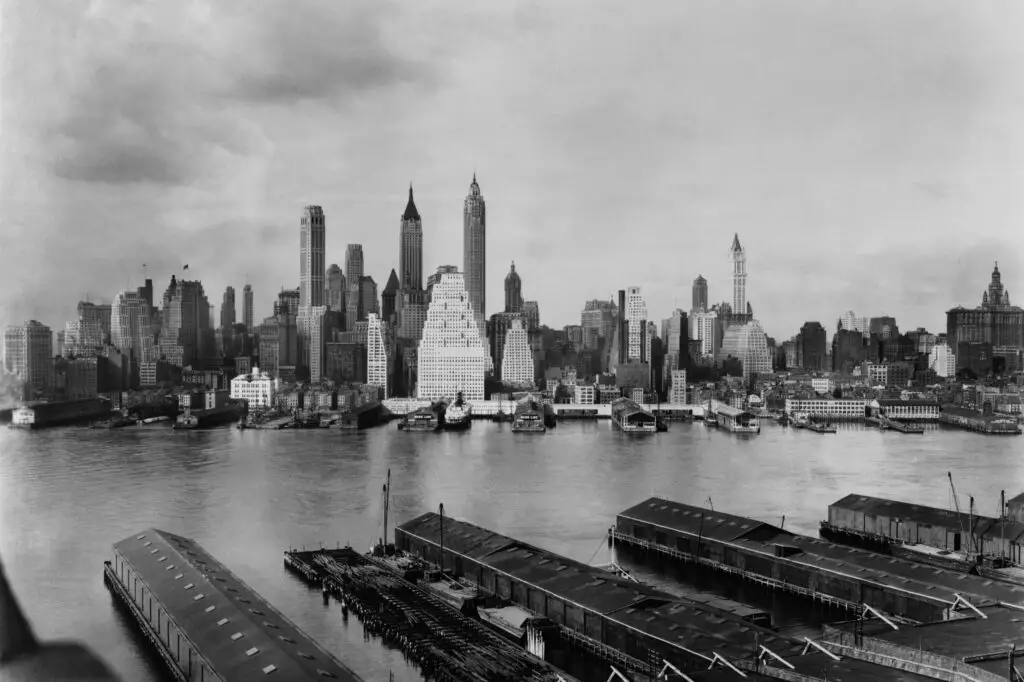
When the Singer Building opened in 1908, it was briefly the tallest building in the world. The slender tower stood 612 feet tall in lower Manhattan and served as the headquarters for the Singer sewing machine company. Its ornate design, complete with a domed top and intricate detailing, made it one of the most recognizable skyscrapers of its era. But by the 1960s, the building was considered outdated and inefficient compared to newer office towers. Developers decided the land would be more valuable with a larger modern structure.
Demolition began in 1967 and the building disappeared surprisingly fast. Within months, the once-famous skyscraper was reduced to rubble. Many New Yorkers were stunned that such a prominent part of the skyline could vanish so quietly. In its place rose the much larger U.S. Steel Building, now known as One Liberty Plaza. The Singer Building remains the tallest building ever intentionally demolished.
3. New York Hippodrome (1939)
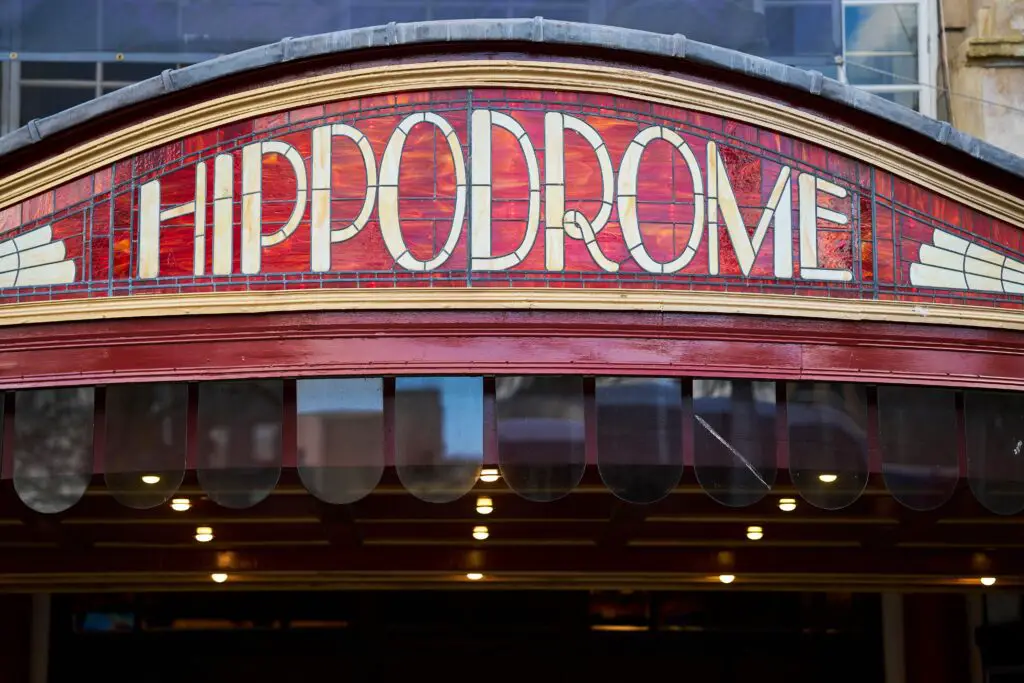
At the start of the 20th century, the New York Hippodrome was the largest theater in the world. When it opened in 1905, the massive venue could seat more than 5,000 people and was famous for its extravagant stage spectacles. Performances sometimes included live animals, elaborate water features and massive stage machinery. For years it was one of Broadway’s biggest attractions. But by the late 1930s, changing entertainment tastes and financial struggles made the theater difficult to maintain.
In 1939 the building was suddenly sold and demolition began soon afterward. Many residents were surprised by how quickly the giant structure vanished. The enormous theater that once dominated Sixth Avenue was gone before many people even realized it was closing. A large office building soon replaced it. Today, few traces remain of what was once one of the most spectacular performance venues ever built.
4. The Carlton Hotel (1957)
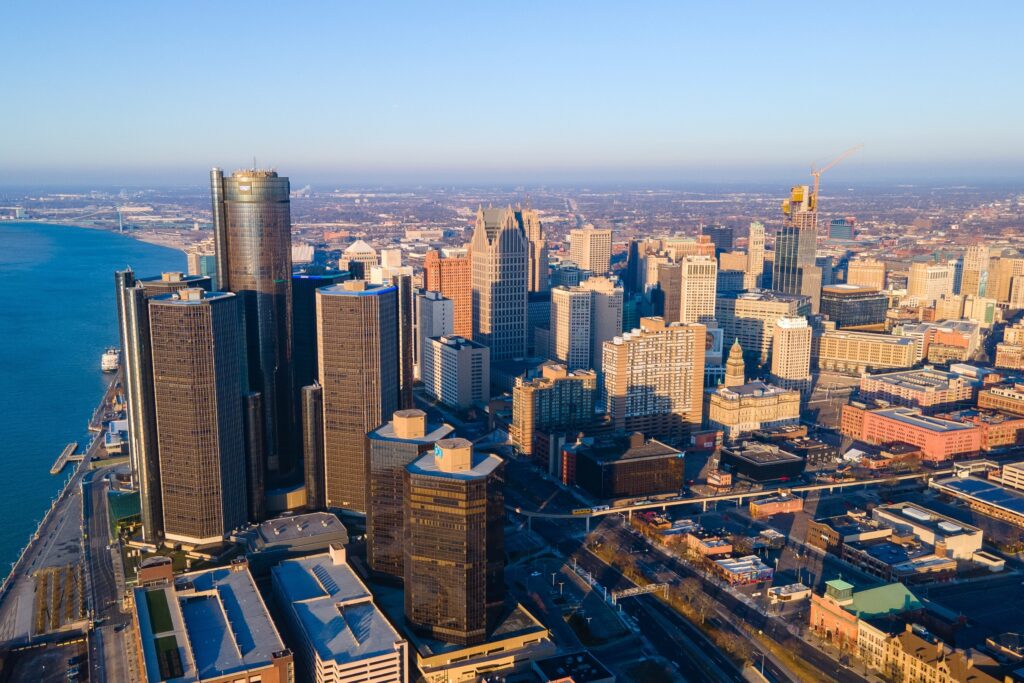
Detroit’s Carlton Hotel opened in 1924 and quickly became one of the city’s most elegant places to stay. The 16 story building was known for its ornate design and luxury amenities that attracted travelers and entertainers passing through town. For years it stood as a symbol of Detroit’s booming early 20th century prosperity. But by the 1950s the neighborhood around the hotel had begun to change. Declining business and rising maintenance costs made the building harder to keep operating.
The decision to demolish the hotel came quickly and demolition crews moved in with little fanfare. Within a short period of time, the once grand structure had been torn down. Longtime residents were surprised at how quickly such a prominent building disappeared from the skyline. In its place came more modern development that lacked the same architectural character. The Carlton soon became one of many historic Detroit buildings lost during the city’s redevelopment era.
5. Chicago Federal Building (1965)
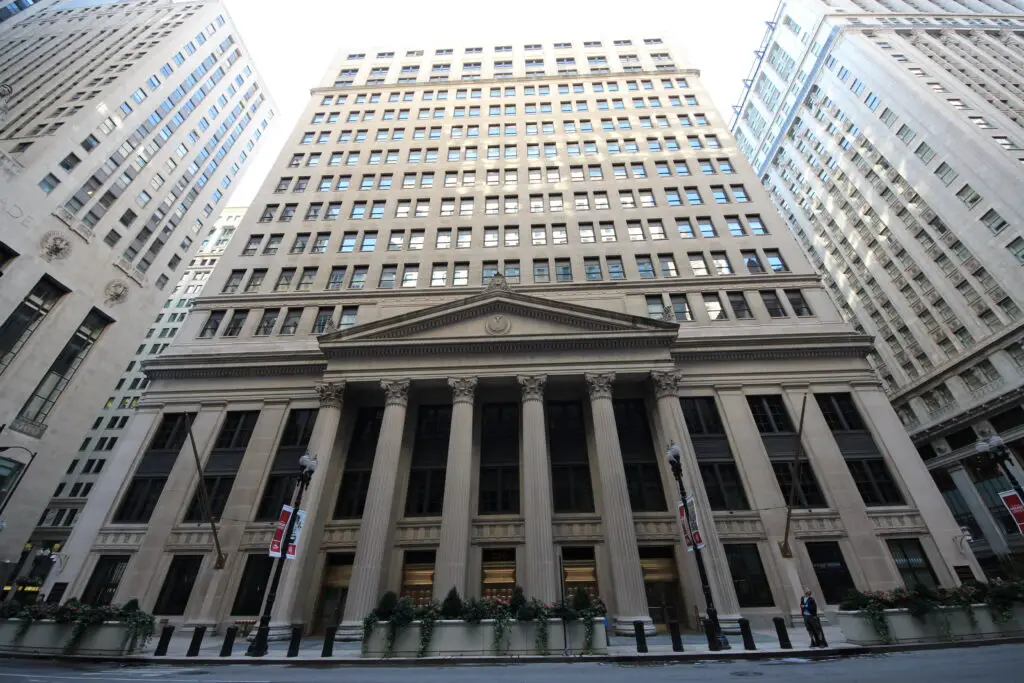
Chicago’s Federal Building once stood as one of the city’s most imposing government structures. Completed in 1905, the massive complex included a post office, courthouse and offices for federal agencies. Its towering central dome and classical design made it one of the most recognizable buildings in the Loop. For decades it served as a hub for federal activity in the Midwest. But by the 1960s officials decided the aging complex no longer met modern needs.
The government approved its demolition in the mid 1960s and the building came down faster than many residents expected. The destruction happened so efficiently that many Chicagoans said it seemed to disappear almost overnight. In its place now stands the modernist Kluczynski Federal Building designed by Ludwig Mies van der Rohe. The loss of the original structure remains controversial among architecture historians. Many still consider it one of the city’s greatest preservation failures.
6. New York’s Fifth Avenue Hotel (1908)
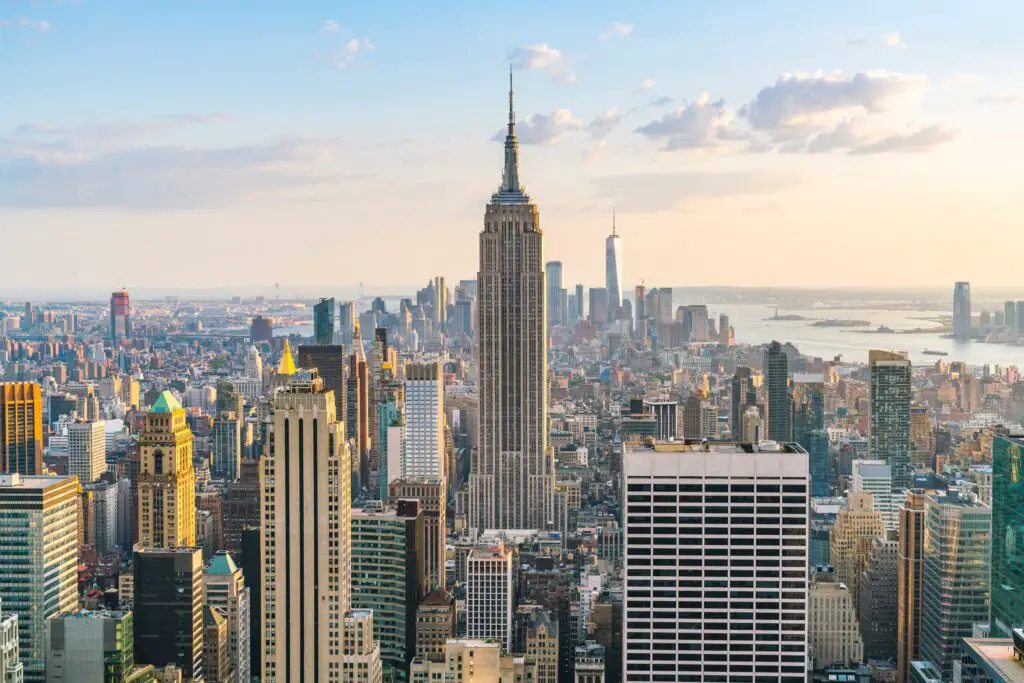
The Fifth Avenue Hotel once stood at the corner of Fifth Avenue and 23rd Street in Manhattan and was considered one of the city’s grandest hotels in the late 19th century. Opened in 1859, it quickly became a gathering place for wealthy travelers and prominent businessmen. The building’s Italianate design and luxurious interiors helped define the area during New York’s Gilded Age. Politicians and celebrities were frequently seen in its famous dining rooms. Over time, however, newer hotels began to overshadow it.
In 1908 the property was sold and demolition began soon afterward. Despite its historic reputation, the building disappeared with surprising speed. Many longtime New Yorkers were shocked to see such a famous landmark gone so quickly. A commercial building soon replaced the hotel on the site. Today, the Fifth Avenue Hotel is remembered mostly through photographs and written accounts.
7. Chicago Stock Exchange Building (1972)
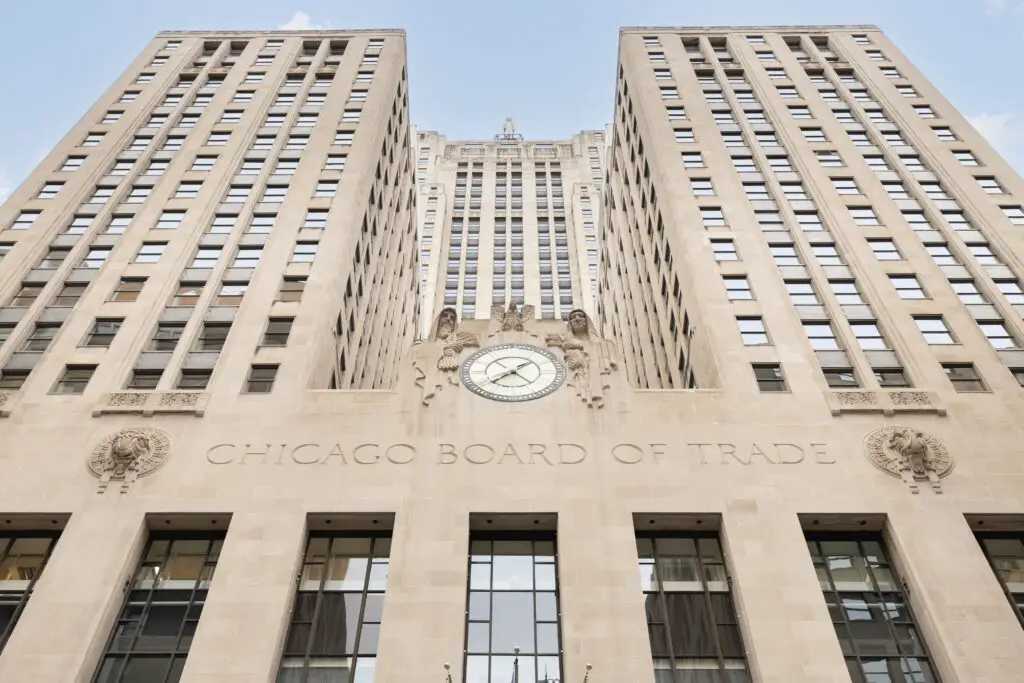
The Chicago Stock Exchange Building, designed by the famous architect Louis Sullivan, opened in 1894 and became one of the most celebrated examples of early skyscraper design. Its elaborate ornamentation and striking trading room made it a masterpiece of the Chicago School of architecture. For decades it stood proudly in downtown Chicago as a symbol of the city’s financial power. By the late 1960s, however, redevelopment pressures threatened the aging structure. Preservationists tried to save it, but their efforts ultimately failed.
In 1972 demolition crews moved in and the building came down rapidly. Many residents felt the process happened far too quickly for such an important landmark. Parts of the ornate interior were salvaged and eventually preserved in museums. The site was later redeveloped into a modern office building. The loss of the Chicago Stock Exchange Building is still cited as a major moment in the history of architectural preservation.
8. The Waldorf–Astoria (Original Building, 1929)
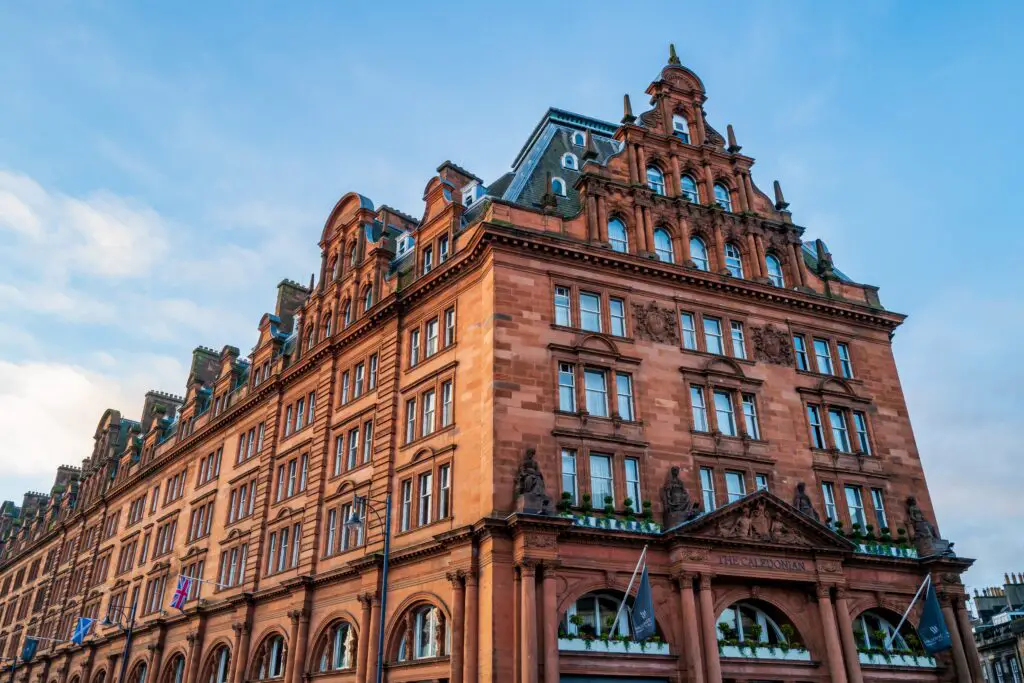
Before the famous Park Avenue hotel existed, the original Waldorf–Astoria stood on Fifth Avenue at the site where the Empire State Building now rises. Opened in 1893, it quickly became one of the most luxurious hotels in the world. Presidents, royalty and celebrities all stayed there, and its lavish ballrooms hosted some of New York’s most glamorous events. For decades it was the social center of Manhattan. But by the late 1920s the land had become far more valuable than the aging building itself.
In 1929 the hotel closed and demolition soon followed. The teardown moved quickly so construction of the Empire State Building could begin. Many New Yorkers watched as the once legendary hotel disappeared within a matter of months. By the early 1930s the towering new skyscraper had taken its place. The Waldorf–Astoria name survived when a new hotel opened on Park Avenue in 1931.
9. St. Louis Arena (1999)
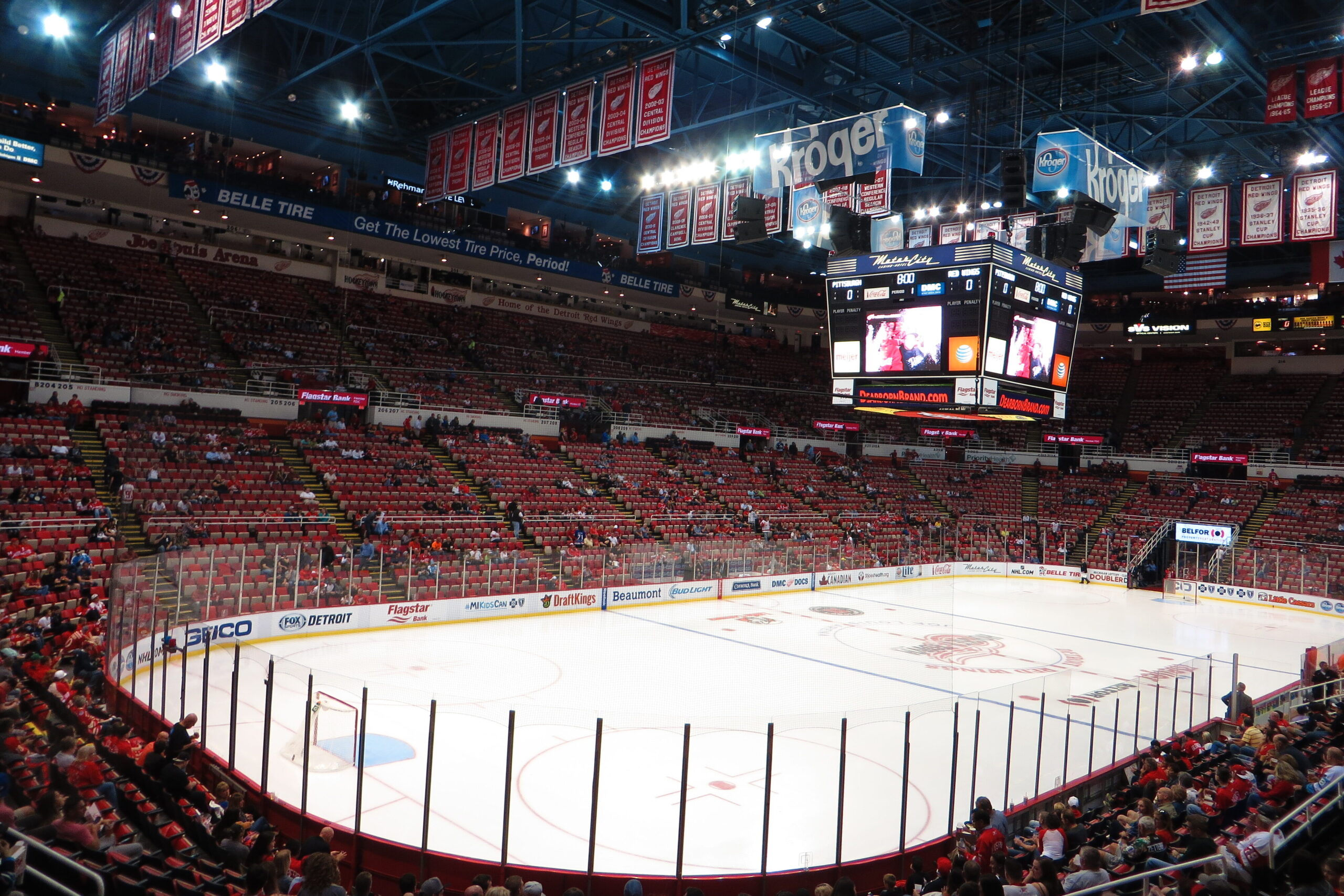
The St. Louis Arena had been a major sports and entertainment venue since 1929. Known to locals as “The Old Barn,” it hosted hockey games, concerts, political conventions and countless other events over the decades. The arena was especially famous as the longtime home of the St. Louis Blues hockey team. Its distinctive dome and massive interior made it a recognizable part of the city’s landscape. But after a newer arena opened in the mid 1990s, the old building was left largely unused.
In 1999 the decision was made to demolish the structure. Crews moved in quickly and the arena disappeared faster than many longtime fans expected. For residents who had attended games and concerts there, watching it vanish felt surreal. Within a short time the site was cleared for new development. Today the arena survives mostly in the memories of sports fans who remember its loud and crowded atmosphere.
10. The Pan Am Building Annex (1982)
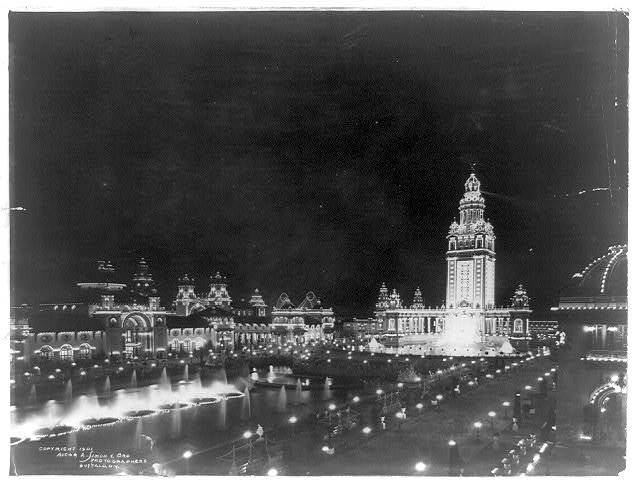
The Pan Am Building in New York City, now known as the MetLife Building, once had a smaller annex nearby that supported its operations. The annex housed offices and service facilities tied to the massive corporate headquarters. While not as famous as the main tower, it still formed part of the larger complex that dominated Park Avenue. Over time the building became less useful as corporate needs changed. Developers began looking for ways to reconfigure the property.
The annex was quietly demolished during redevelopment plans in the early 1980s. The process moved quickly and attracted little public attention compared with other demolitions. Office workers in the area suddenly noticed the smaller building was simply gone. The cleared land allowed for further redevelopment around the main tower. It was a reminder that even relatively prominent structures can disappear quickly when real estate values rise.
11. The Morrison Hotel (1965)
Chicago’s Morrison Hotel opened in 1925 and was once one of the city’s busiest business hotels. Located near the Loop, it catered heavily to traveling salesmen and visiting executives during the early and mid 20th century. At its peak the hotel had more than 1,800 rooms and was considered one of the largest hotels in the world. For decades it thrived thanks to Chicago’s role as a transportation and convention hub. But by the 1960s newer hotels and shifting travel patterns made the property less competitive.
The building was eventually sold for redevelopment and demolition followed soon afterward. Much of the structure disappeared in a surprisingly short period of time. Longtime Chicago residents were startled to see such a massive hotel vanish from the skyline. A modern office building later replaced it on the site. Today the Morrison Hotel survives mostly as a footnote in the city’s architectural history.
12. The Marlborough-Blenheim Hotel (1979)
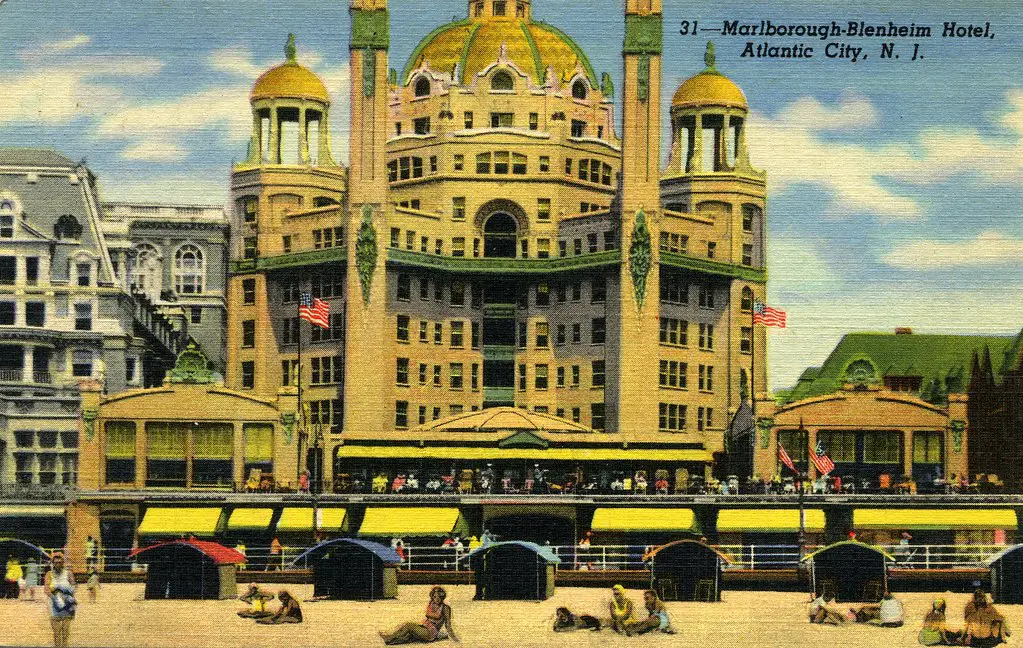
The Marlborough-Blenheim Hotel once stood along the Atlantic City Boardwalk and was famous for its massive reinforced concrete construction. Completed in stages between 1905 and 1906, the hotel was one of the largest seaside resorts in the United States. Its sweeping domes and ornate towers made it a striking sight for visitors arriving in Atlantic City. For decades it welcomed vacationers during the city’s heyday as a seaside destination. But by the late 1970s the aging structure was considered too expensive to maintain.
In 1979 the hotel was demolished to make room for casino development after gambling was legalized in New Jersey. The teardown happened quickly and many residents said the building seemed to vanish almost overnight. Within a few years a casino complex occupied the site. Historians later criticized the decision, arguing that the building could have been preserved as an architectural landmark. Its sudden disappearance remains one of Atlantic City’s most controversial demolitions.