
1. Hidden Rooms Behind Walls
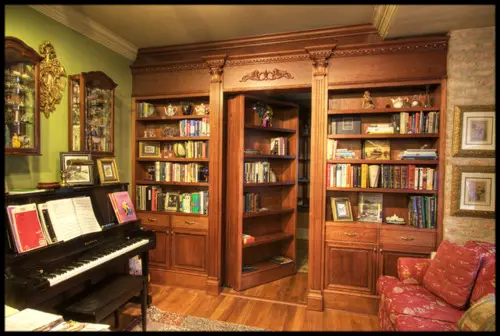
One of the most surprising things homeowners sometimes discover during renovations is an entire hidden room sealed behind drywall or paneling. In older houses, especially ones built before the mid 20th century, it wasn’t unusual for extra storage spaces or servant areas to be closed off during later remodels. Someone tearing out a wall might suddenly notice a hollow echo or a draft that shouldn’t be there. When the wall finally comes down, it can reveal a fully enclosed space no one has entered for decades. Sometimes these rooms still contain old furniture, trunks, or boxes left behind by previous owners. In a few cases, the rooms were intentionally concealed during Prohibition or wartime for hiding valuables.
Walking into one of these forgotten spaces can feel like stepping into a time capsule. Dust-covered items might still be sitting exactly where they were left years earlier. Old newspapers, clothing, or family photographs often provide clues about when the room was last used. Some homeowners even find antique light fixtures or wallpaper styles that disappeared from the rest of the house long ago. It turns an ordinary renovation project into a little archaeological dig inside your own home.
2. Newspapers Used as Insulation

Before modern insulation materials became widely available, builders often stuffed walls with whatever paper products they had on hand. During renovations, homeowners sometimes pull out crumbling layers of old newspapers dating back 80 or even 100 years. These papers were commonly used to fill gaps between studs and help keep cold air out. At the time, it was cheap and surprisingly effective. For people renovating today, it’s like opening a window into the past.
The headlines can be the most fascinating part. You might suddenly be reading about election results, wartime updates, or advertisements from the early 1900s. Prices for everyday items printed in those ads can be especially eye opening. A loaf of bread for a few cents or a brand new car for a few hundred dollars feels almost unreal now. Renovators often save these papers as keepsakes once they realize what they’ve found.
3. Old Money Hidden in the Walls

Sometimes the discoveries inside walls are a lot more valuable than dusty insulation. Contractors occasionally uncover envelopes, jars, or even small metal boxes filled with cash that someone hid decades earlier. During difficult economic periods, many people distrusted banks and preferred to stash their savings at home. Walls, floorboards, and attic beams were common hiding spots. The problem was that people sometimes passed away before telling anyone where the money was hidden.
When renovations open up those spaces years later, the cash finally reappears. In some cases the bills are still in excellent condition because they were sealed away from light and air. Occasionally the currency itself becomes collectible if it dates back far enough. Discoveries like that instantly turn a routine remodeling project into a headline-worthy story. Of course, they also raise interesting legal questions about who actually owns the money.
4. Secret Prohibition Era Liquor Stashes

Homes built in the 1920s sometimes carry traces of America’s Prohibition era. Renovators have discovered hidden bottles of whiskey, gin, and other alcohol tucked inside walls, beneath staircases, or under floorboards. During Prohibition from 1920 to 1933, it was illegal to manufacture or sell alcoholic beverages in the United States. People who wanted to keep a private stash often hid their bottles carefully inside their homes. Builders even designed clever concealment spots to help.
Opening a wall and finding dusty glass bottles lined up inside can feel like uncovering a secret bar from a century ago. Some bottles are still sealed, which makes them especially intriguing to collectors. Others contain handwritten labels or markings from bootleggers. While the alcohol inside may not always be drinkable anymore, the historical curiosity alone makes the discovery memorable. It’s a reminder of how creative people became during that unusual period in American history.
5. Forgotten Personal Letters
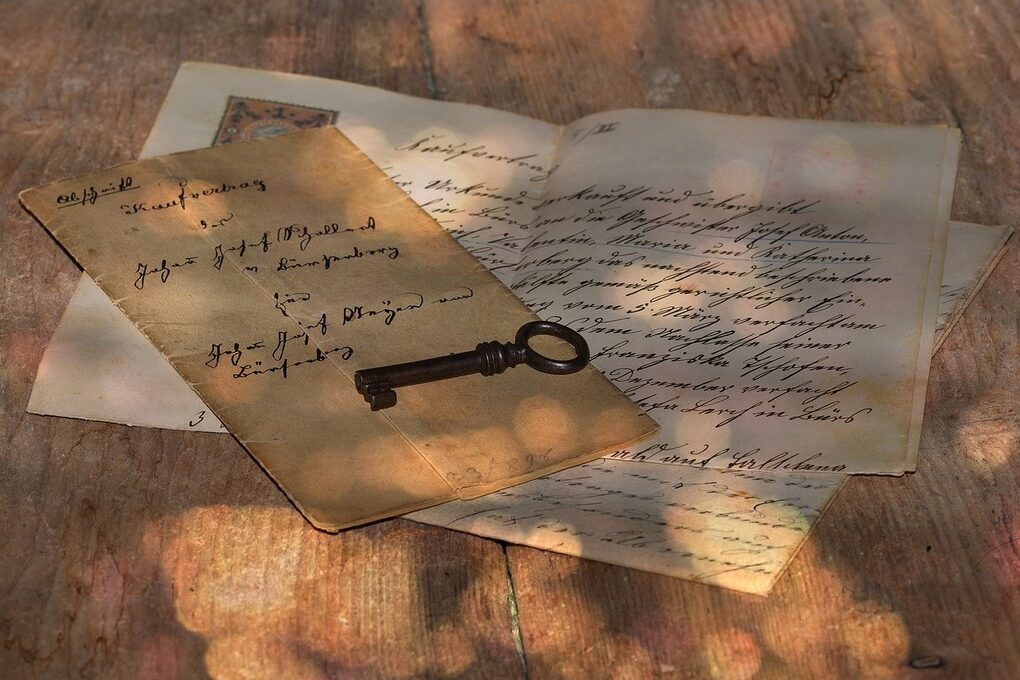
Renovations sometimes uncover bundles of old letters tucked between floorboards or hidden inside wall cavities. These letters might have slipped into cracks decades ago or been intentionally hidden for safekeeping. When homeowners carefully unfold the fragile paper, they often find handwritten messages from another era. The letters can reveal family dramas, love stories, or everyday concerns from long ago. Reading them feels a bit like overhearing voices from the past.
Some letters date back to soldiers writing home during wartime. Others are romantic notes exchanged between couples before marriage. Occasionally entire stacks of correspondence appear, tied together with ribbon or string. These discoveries are deeply personal, even though the people involved may have lived generations earlier. Many homeowners feel a sense of responsibility to preserve them rather than throw them away.
6. Antique Toys Lost for Generations
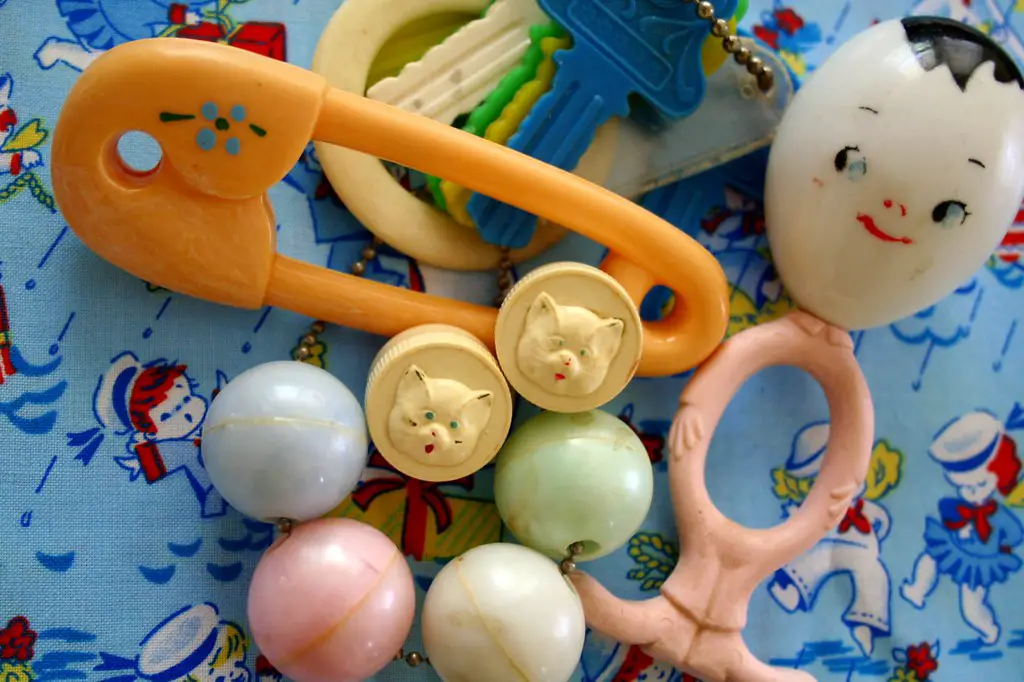
Children living in old houses often managed to lose toys in places that adults couldn’t easily reach. During renovations, those toys sometimes reappear decades later. Workers pulling up floorboards might suddenly find marbles, tin soldiers, or small wooden cars trapped between the joists. Because the spaces stayed sealed for so long, the toys can remain surprisingly well preserved. It’s like a small snapshot of childhood from another era.
Some of the toys date back to the early 1900s or even earlier. Simple dolls, metal trains, or handmade figures often appear among the dust and debris. Homeowners frequently imagine the child who once played with them and accidentally dropped them through a crack in the floor. That small moment from long ago suddenly becomes visible again. It adds a strangely emotional element to the renovation process.
7. Old Medicine Bottles

Another common discovery during renovations is collections of old medicine bottles. These glass containers were often tossed into walls or crawl spaces after they were emptied. In earlier decades, it wasn’t unusual for builders or homeowners to treat hidden wall cavities like convenient trash bins. As a result, renovators sometimes uncover dozens of small bottles from long-defunct pharmacies and patent medicine companies. Many still have faded labels attached.
The names of the remedies can be fascinating. Some promised cures for everything from headaches to mysterious “nervous conditions.” Others contained ingredients that would never be approved today. Collectors often value these bottles because they reflect the early history of medicine and advertising. Even when they’re empty, they provide a glimpse into how people once tried to treat everyday ailments.
8. Vintage Wallpaper Layers
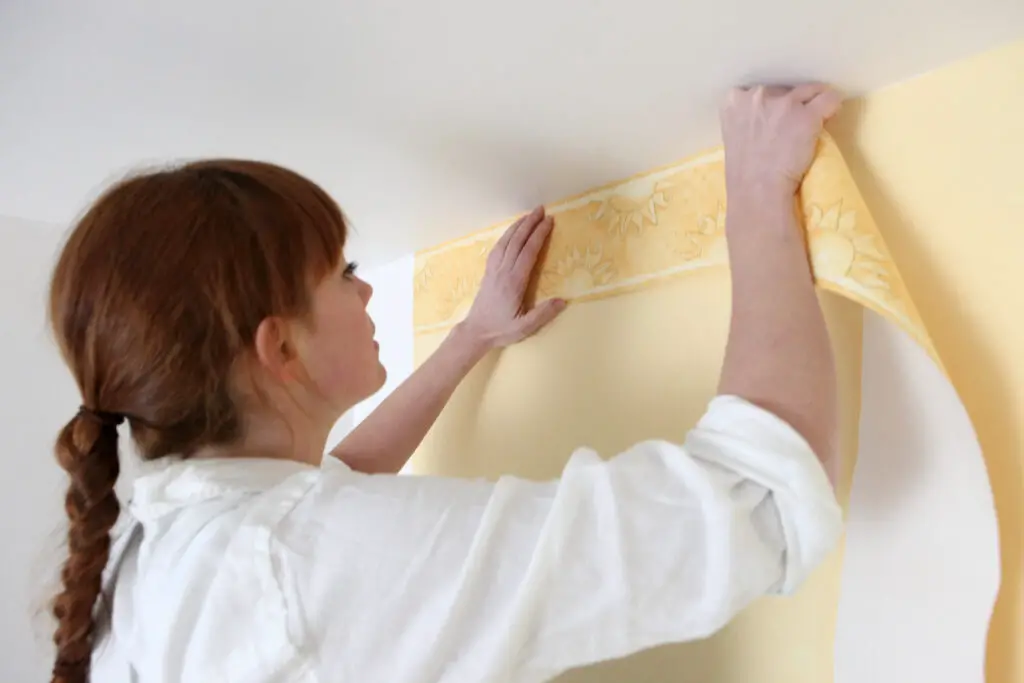
Peeling back modern drywall sometimes reveals layers and layers of old wallpaper underneath. Homes that have been remodeled repeatedly often contain several generations of decorative patterns hidden beneath the surface. Each layer reflects the style trends of its time. Floral prints from the Victorian era might sit beneath bold geometric patterns from the 1970s. Removing them becomes a visual timeline of changing tastes.
Homeowners often find the colors surprisingly vibrant despite the years. Because the wallpaper was sealed behind newer materials, it avoided sunlight and fading. Some patterns are so striking that people choose to preserve a small section as a design feature. It turns a routine demolition step into an unexpected design discovery. Suddenly the house starts telling its own story through its walls.
9. Old Photographs

Every once in a while, renovations reveal old photographs hidden in unusual places. A small stack might appear inside a wall cavity, tucked beneath attic insulation, or wedged between floorboards. The images often show families who once lived in the home many decades earlier. Sometimes the people in the pictures are carefully posed portraits, while others capture casual moments of everyday life. Either way, they create an immediate connection to the past.
The mystery surrounding the photos can be part of the fascination. Homeowners may try to track down the people in the pictures through local history groups or online genealogy sites. Occasionally they even manage to return the photos to descendants of the original family. When that happens, a simple renovation discovery turns into a meaningful historical reunion. It’s a rare but remarkable outcome.
10. Hidden Safes
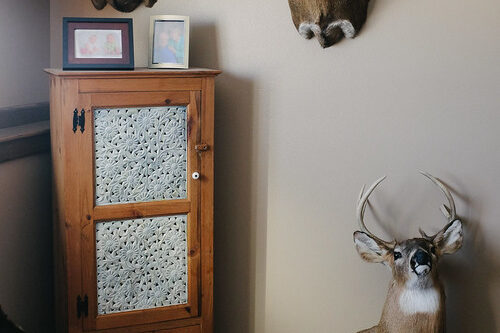
While removing drywall or paneling, contractors occasionally discover an old safe built directly into the structure of the house. Many older homes included wall safes designed to store documents, jewelry, or cash. Over time, those safes were sometimes forgotten when new owners moved in. Renovators might only notice them after uncovering a heavy metal door hidden behind a layer of plaster or wood.
Opening one of these safes can feel like something out of a movie. Sometimes they’re completely empty, suggesting the previous owners removed the contents long ago. Other times they still contain old documents, coins, or personal valuables. Even when the safe holds nothing, its presence hints at the history of the house and the people who once tried to protect their belongings there. It’s a reminder that homes often hold secrets in their structure.
11. Old Tools Left by Builders
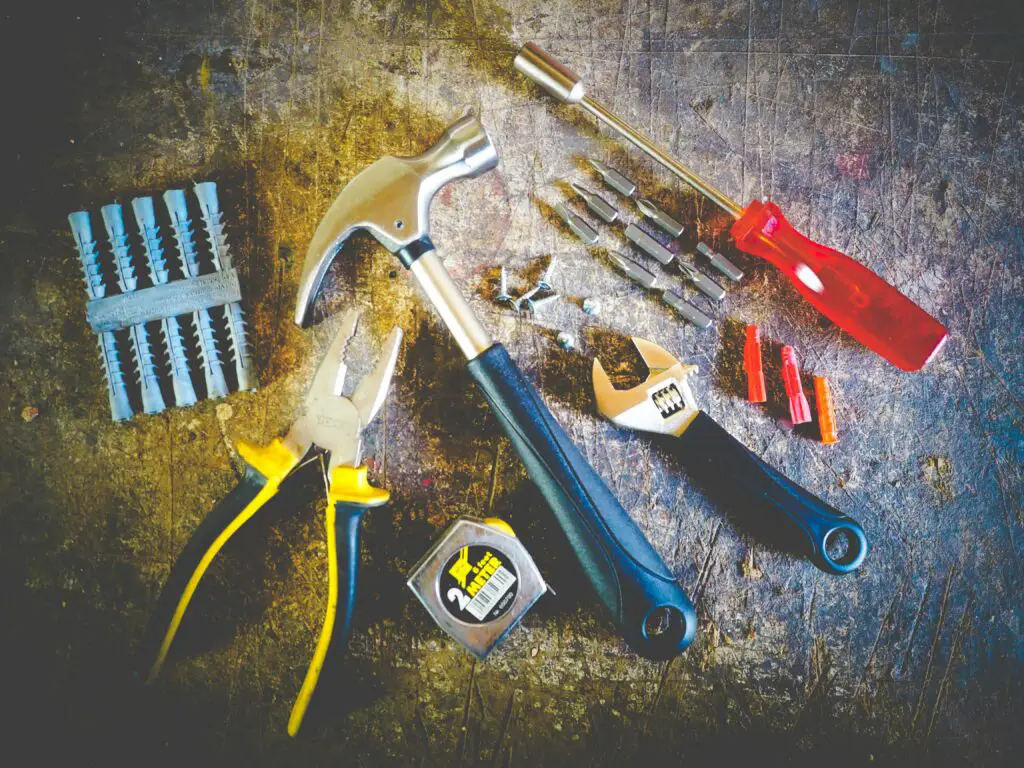
Renovators sometimes find tools that were accidentally sealed inside walls by the original builders. A hammer, chisel, or measuring tape might appear after decades of being trapped between studs. Construction crews in the past often worked quickly, and small tools could easily be forgotten before the walls were closed up. Once sealed, they stayed there unnoticed for generations. The discovery usually comes as a surprise when demolition begins.
Many of these tools look remarkably sturdy despite their age. Some even bear the manufacturer’s name or markings that help date them. Holding one can make you imagine the craftsman who used it when the house was first built. It adds a human connection to the structure itself. Suddenly the renovation feels tied to the people who originally constructed the home.
12. Old Clothing Hidden in Walls

In several historic homes, renovators have found items of clothing sealed inside the walls. Shirts, shoes, hats, and even full garments sometimes appear tucked into cavities near chimneys or doorways. Historians believe some of these items were placed there intentionally as part of old protective folk traditions. People believed hidden clothing could ward off evil spirits or bring good luck to the household. It sounds unusual today, but it was surprisingly common in earlier centuries.
The garments often show heavy wear, suggesting they belonged to everyday working people. Even so, they provide valuable clues about fashion and fabric from the time period. Museums occasionally collect these items because they are rarely preserved elsewhere. What started as a strange renovation find can become an artifact of cultural history. The house ends up revealing traditions that most modern homeowners never knew existed.
13. Antique Coins Under Floorboards
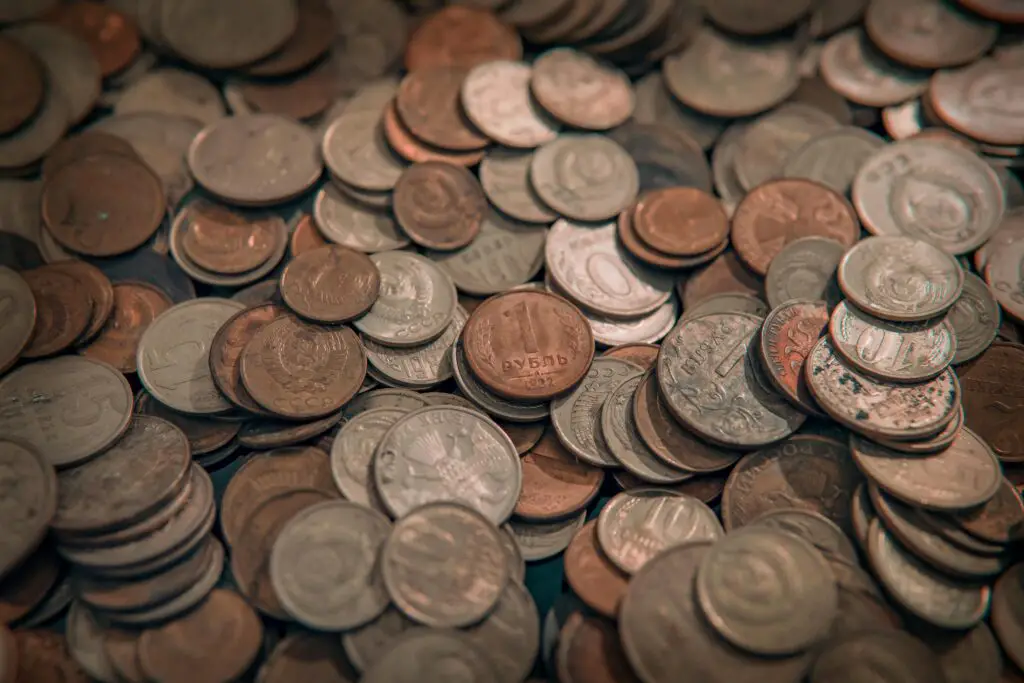
Another discovery that sometimes happens during renovations is a small collection of coins hidden beneath floorboards. In older homes, people occasionally dropped coins through gaps in the floor or deliberately hid them for safekeeping. Over decades the coins remained trapped below, untouched by later occupants. Renovators removing flooring might suddenly hear the faint clink of metal as something falls loose. That sound can lead to an exciting find.
The coins often date back to the early 1900s or even the 1800s depending on the age of the house. While some are common currency, others can have collectible value. Even coins worth only a few cents still carry historical interest. Holding money that circulated generations earlier can feel strangely powerful. It connects the present homeowner with countless past residents.
14. Handwritten Messages from Builders
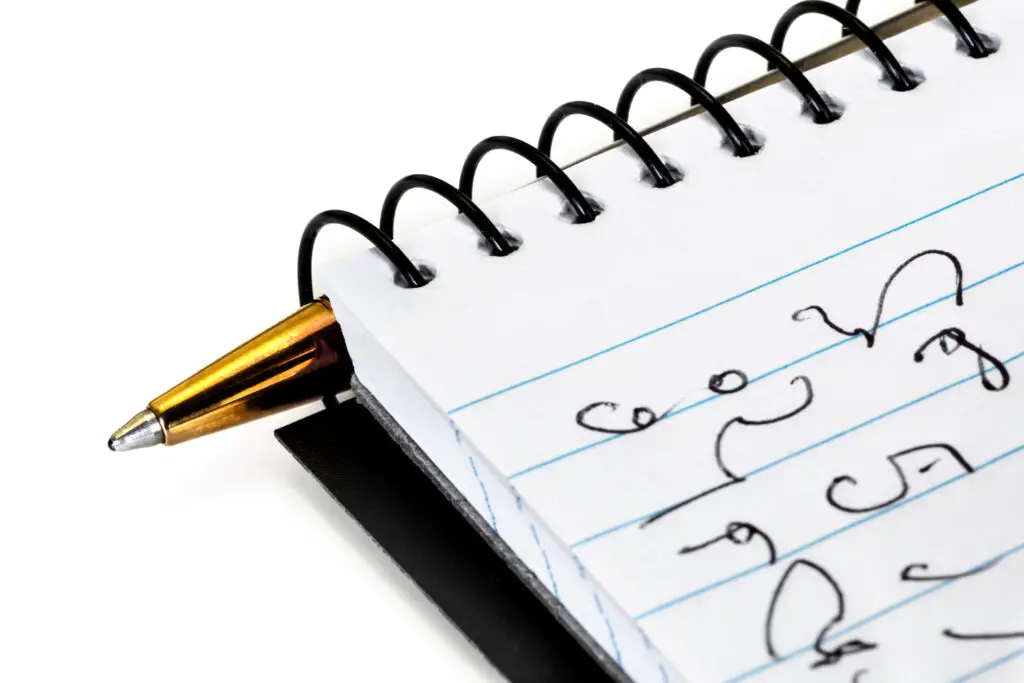
One of the most charming discoveries inside old houses is a handwritten note left by the original builders. Carpenters sometimes wrote messages on studs or beams before sealing up the walls. These notes might include the construction date, the crew’s names, or a simple greeting to whoever opened the wall in the future. Because the space remained hidden, the writing stayed preserved for decades.
When renovators finally expose those messages, it creates a moment of connection across time. The builders likely never expected anyone to read their words so many years later. Some homeowners choose to leave the message visible or even add their own note nearby. It becomes a quiet tradition linking different generations of people who have lived in the same house. Renovations rarely feel more personal than that moment.