
1. Grace Kelly
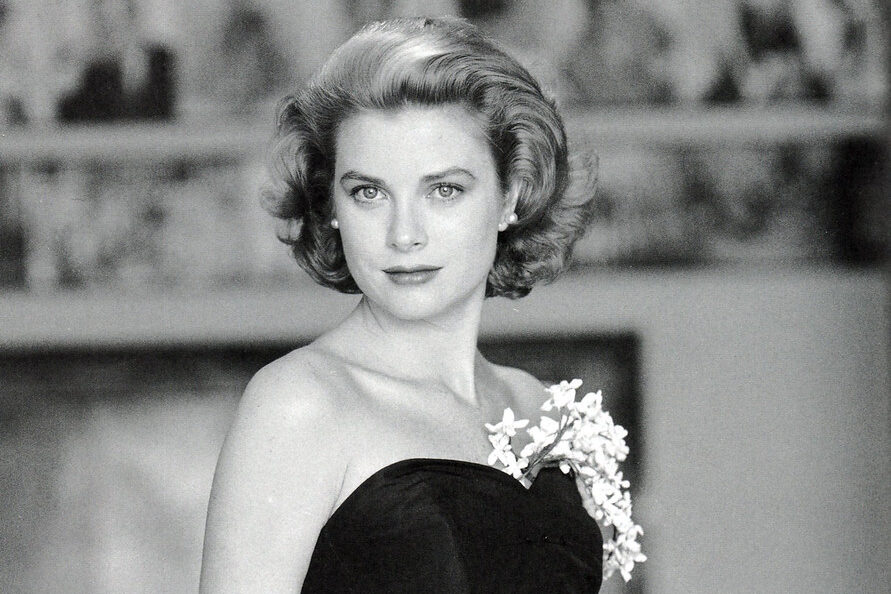
Grace Kelly was one of the most admired actresses of the 1950s, known for her elegant screen presence in films like Rear Window, High Noon and Dial M for Murder. Her performances made her a favorite of director Alfred Hitchcock and one of Hollywood’s most recognizable stars. At the height of her career she even won the Academy Award for Best Actress for The Country Girl in 1955. From the outside it looked like she had decades of movie stardom ahead of her.
Instead, Kelly made a life decision that changed everything. In 1956 she married Prince Rainier III of Monaco and became Princess Grace, leaving Hollywood behind almost overnight. Royal responsibilities meant she would no longer appear in films, something that surprised many fans. She spent the rest of her life focused on charity work and cultural projects in Monaco. Few entertainers have transformed their identity as completely as a Hollywood star becoming European royalty.
2. Dolly Parton
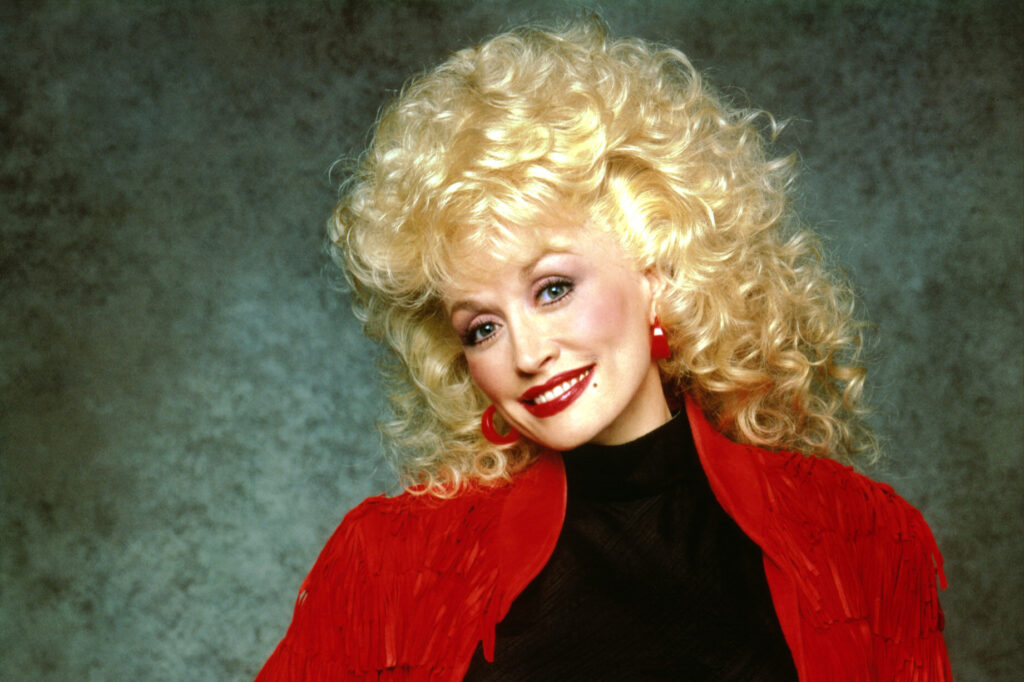
When Dolly Parton first arrived in Nashville during the 1960s, she was known primarily as a country singer and songwriter with a powerful voice and unmistakable personality. Her career gained national attention through her television partnership with Porter Wagoner. Songs like “Jolene” and “Coat of Many Colors” helped establish her as one of country music’s most compelling storytellers. At that point she was mainly seen as a traditional country artist.
Over time, Parton reinvented herself in ways few people expected. She crossed into pop music, starred in films such as 9 to 5 and built a massive business empire around Dollywood and other ventures. Later she became widely respected for her philanthropic work, especially the Imagination Library program that provides free books to children. The country singer from rural Tennessee evolved into a global cultural figure. Today she is viewed as much as a humanitarian and entrepreneur as she is a performer.
3. Bob Dylan
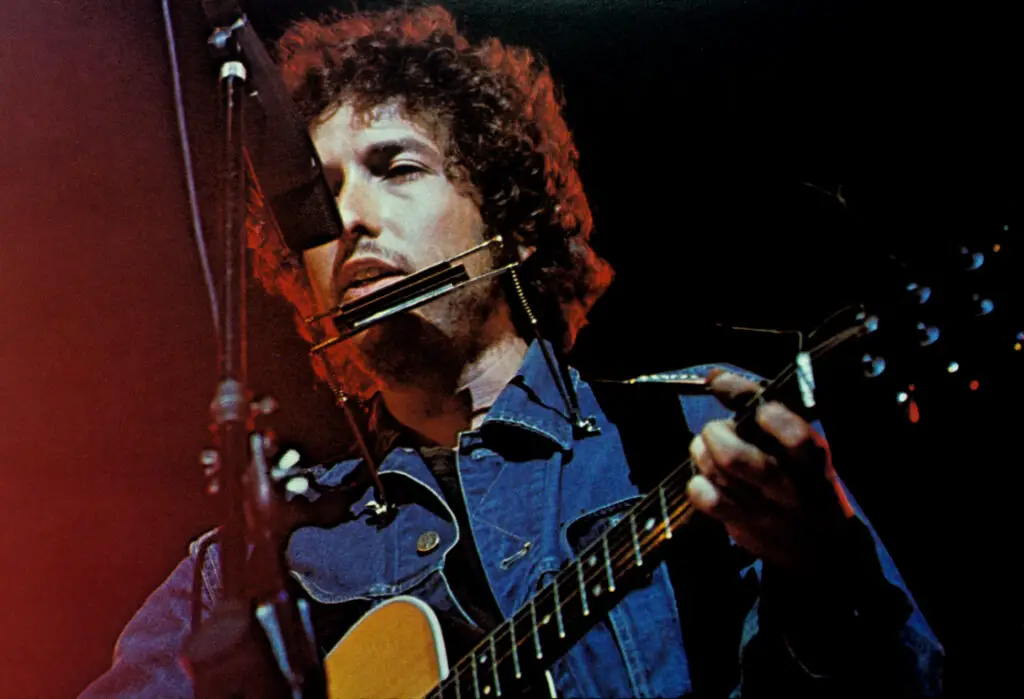
Bob Dylan emerged in the early 1960s folk scene as a young singer with a guitar and harmonica who wrote powerful protest songs. Tracks like “Blowin’ in the Wind” and “The Times They Are A-Changin’” turned him into the voice of a generation. Fans associated him closely with political activism and the acoustic folk tradition. His identity seemed firmly rooted in that musical world.
Then Dylan shocked audiences in 1965 when he performed with electric instruments at the Newport Folk Festival. The shift toward rock music angered some fans who felt he had abandoned folk traditions. Dylan continued reinventing himself through different musical styles across the decades. In the late 1970s he even released a series of gospel albums after a religious conversion. His career became defined by constant transformation rather than one fixed identity.
4. Jane Fonda
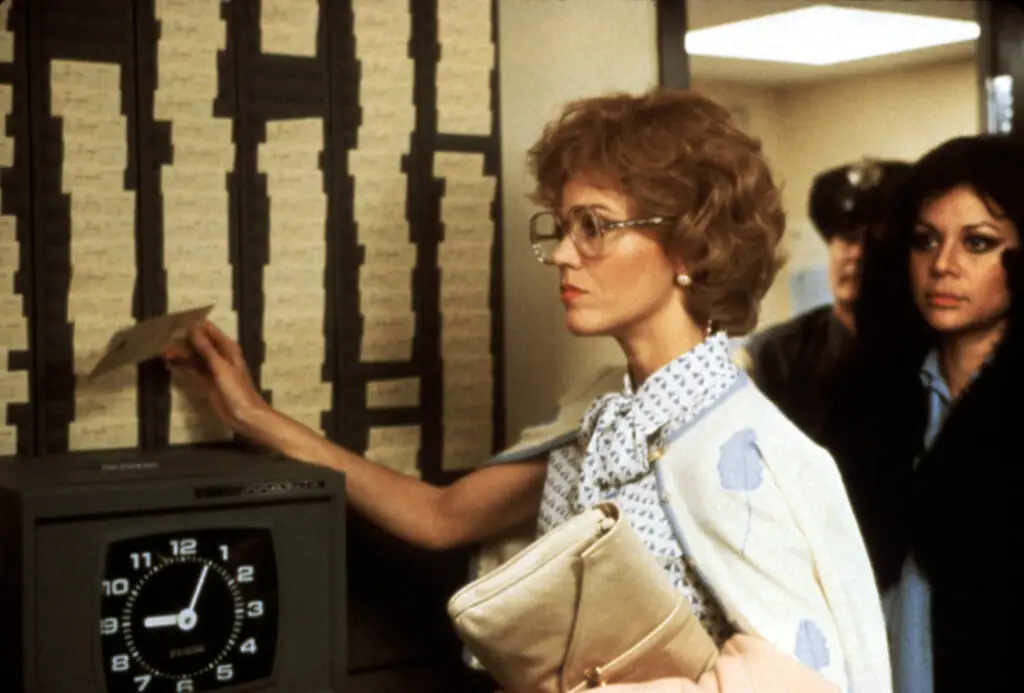
Jane Fonda first gained fame during the 1960s as a glamorous Hollywood actress appearing in films like Barbarella and Klute. She came from a famous acting family and quickly became one of the era’s biggest stars. Early publicity often focused on her beauty and her rising status in the movie industry. Few people initially saw her as a political figure.
That image changed dramatically in the late 1960s and 1970s. Fonda became deeply involved in political activism, speaking out against the Vietnam War and later advocating for a range of social causes. In the 1980s she reinvented herself again by launching wildly successful fitness videos that became cultural phenomena. Across several decades she moved between acting, activism and entrepreneurship. Each chapter of her life looked almost like a completely different career.
5. Sammy Davis Jr.

Sammy Davis Jr. started performing as a child in the Will Mastin Trio alongside his father and uncle. His early career was rooted in vaudeville-style entertainment that showcased singing, dancing and comedy. By the 1950s he had become a major star and a member of the famous Rat Pack with Frank Sinatra and Dean Martin. Las Vegas audiences knew him as one of the most dynamic entertainers in show business.
A serious car accident in 1954 changed the course of his life. Davis lost his left eye in the crash and later converted to Judaism after a period of personal reflection. He also became increasingly outspoken about civil rights and racial equality during the 1960s. The entertainer who once focused mainly on performance began using his influence to speak on social issues. His public identity expanded far beyond the stage.
6. Cat Stevens
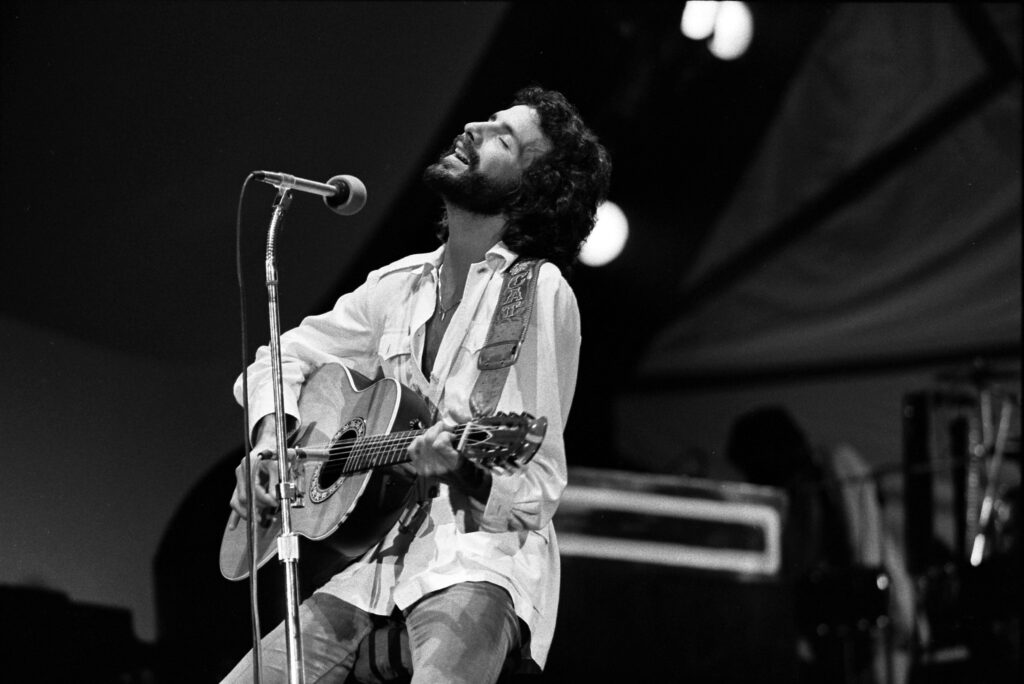
Cat Stevens became one of the most recognizable singer-songwriters of the late 1960s and early 1970s. Songs like “Wild World” and “Peace Train” made him a major presence on radio and in popular culture. His thoughtful lyrics and gentle sound helped define a certain style of folk-pop music during that era. Fans expected him to remain one of the decade’s biggest recording artists.
Then Stevens stepped away from the music industry entirely. After a near drowning experience in 1976, he began studying religion and converted to Islam the following year. He changed his name to Yusuf Islam and devoted much of his time to education and humanitarian work. For years he stayed largely out of the pop spotlight. His transformation from pop star to religious teacher surprised much of the music world.
7. Arnold Schwarzenegger
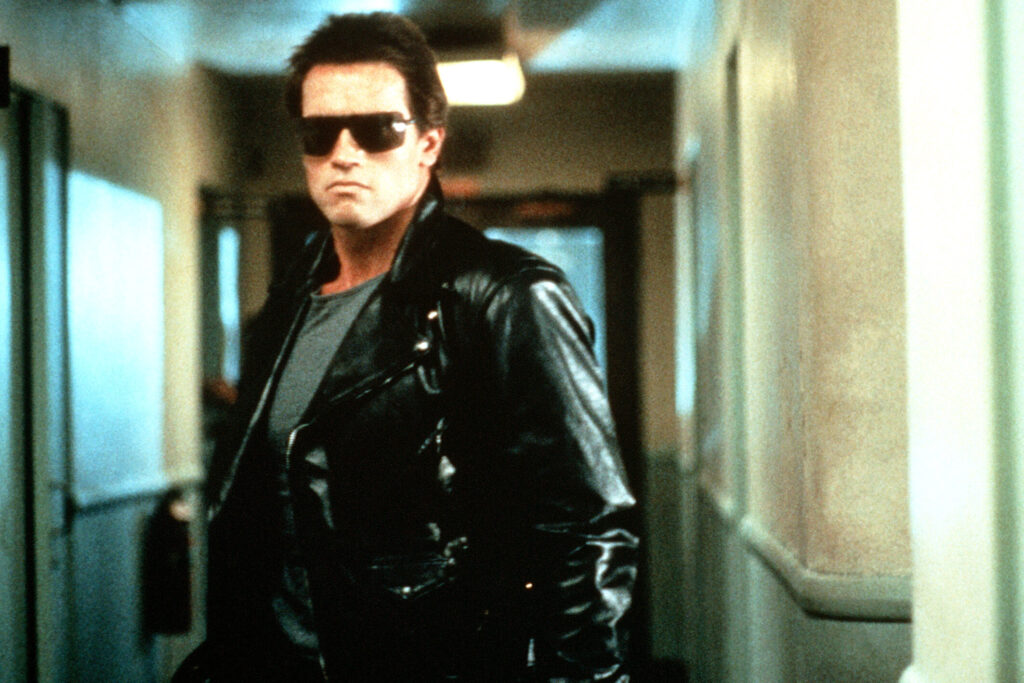
Arnold Schwarzenegger first gained fame in the 1970s as a champion bodybuilder. Winning multiple Mr. Olympia titles made him one of the most famous athletes in the sport’s history. He then moved into acting and became an international action star through films like The Terminator, Predator and Total Recall. By the 1990s he was one of Hollywood’s biggest box office draws.
In 2003 Schwarzenegger surprised many observers by entering politics. He ran for governor of California during the state’s recall election and won. The transition from action hero to politician was dramatic and highly publicized. Schwarzenegger served two terms as governor, focusing on issues such as environmental policy and state finances. His career shift remains one of the most unusual paths taken by a major movie star.
8. Audrey Hepburn

Audrey Hepburn became a symbol of elegance in films such as Roman Holiday, Breakfast at Tiffany’s and My Fair Lady. Her delicate screen presence and charm made her one of the most beloved actresses of classic Hollywood. For many people she embodied the glamour of mid-century cinema. Her acting career alone would have secured her place in film history.
Yet Hepburn eventually focused much of her life on humanitarian work. During the late 1980s she served as a Goodwill Ambassador for UNICEF, traveling to regions affected by poverty and famine. Her childhood experiences during World War II influenced her desire to help children in crisis. She used her fame to draw attention to humanitarian causes around the world. By the end of her life she was remembered not only as a movie star but also as a dedicated advocate for global relief efforts.
9. Jerry Lewis

Jerry Lewis rose to fame as part of the hugely successful comedy team Martin and Lewis with Dean Martin. Their nightclub routines and films made them one of the most popular acts of the 1950s. After the duo split, Lewis continued as a solo performer and starred in comedies like The Nutty Professor. His performances were known for wild physical humor and exaggerated characters.
Lewis eventually became just as famous for something outside of comedy. For decades he hosted the Muscular Dystrophy Association Labor Day telethon. The televised event raised billions of dollars for research and patient care. Through that work Lewis became a powerful advocate for families affected by neuromuscular disease. The comedian who once specialized in slapstick gradually became associated with one of television’s largest charity efforts.
10. Clint Eastwood
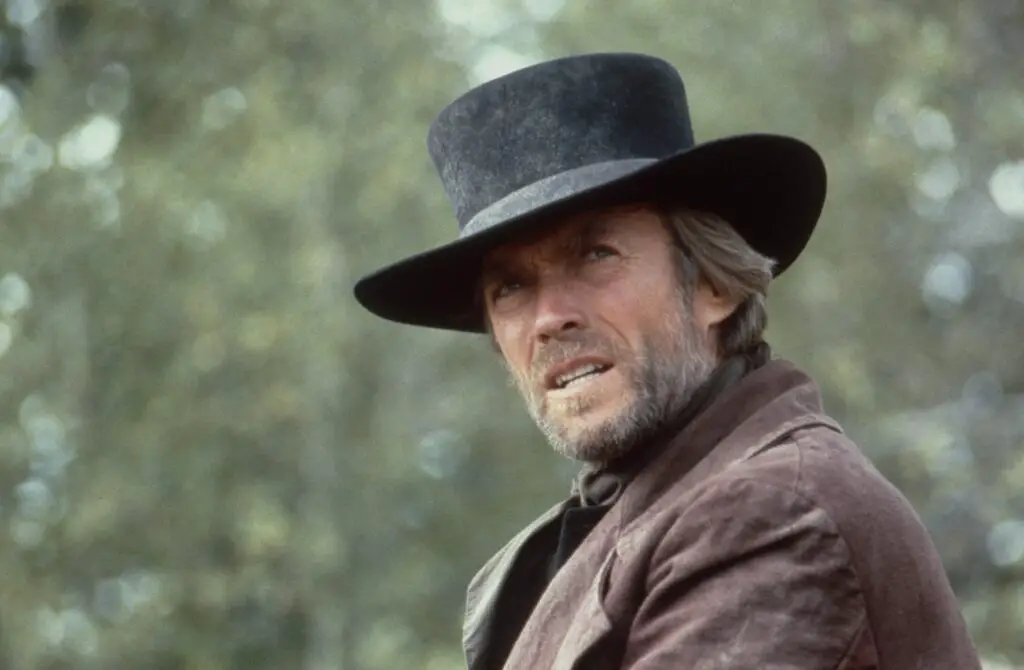
Clint Eastwood first became famous through westerns like A Fistful of Dollars and later through the Dirty Harry crime films. His tough, quiet characters defined much of his early career. Audiences saw him as the ultimate no-nonsense action star. For many years he seemed closely tied to that particular screen image.
Over time Eastwood reinvented himself as a respected filmmaker. He directed and produced major films including Unforgiven and Million Dollar Baby, both of which won Academy Awards for Best Picture. His directing style emphasized thoughtful drama rather than action spectacle. Eastwood also briefly served as mayor of Carmel-by-the-Sea, California in the 1980s. The transformation from action star to award-winning director reshaped how audiences viewed his career.
11. Rick Moranis
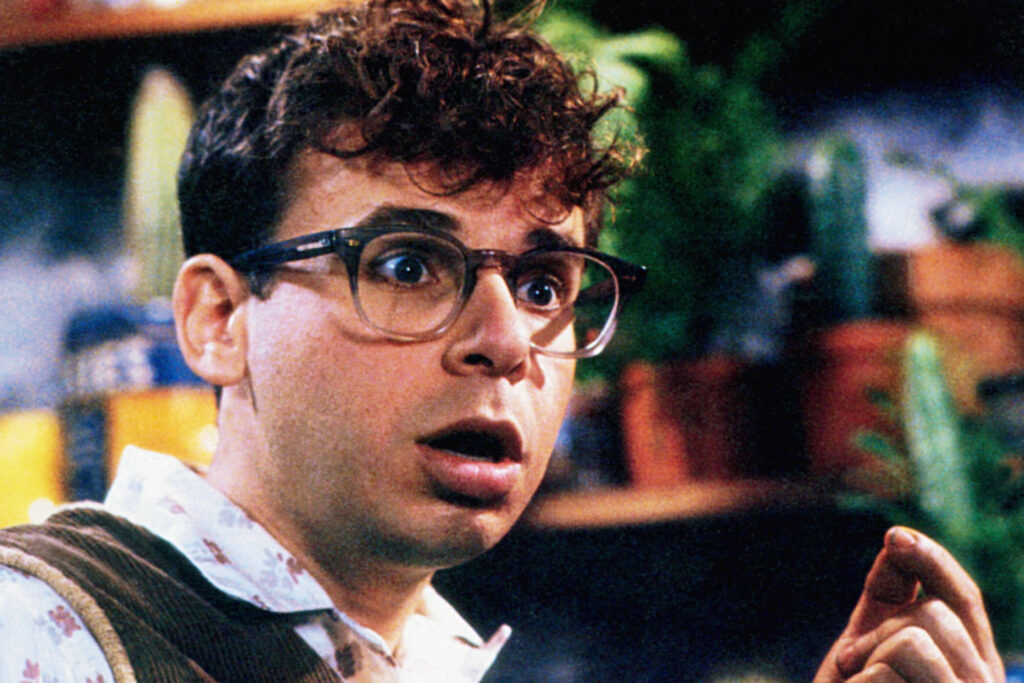
Rick Moranis became a beloved comedic actor in the 1980s with roles in films like Ghostbusters, Spaceballs and Honey, I Shrunk the Kids. His characters were often mild-mannered, slightly awkward and endlessly likable. Moranis quickly became one of the most recognizable comic actors of the era. Many people expected him to continue appearing in major comedies for years.
Instead, Moranis stepped away from acting during the 1990s. After the death of his wife in 1991, he chose to focus on raising his two children. The decision meant turning down numerous film opportunities and largely leaving Hollywood behind. For decades he lived a private life outside the entertainment industry. His quiet departure made him one of the rare stars who willingly walked away from fame.
12. Gene Hackman
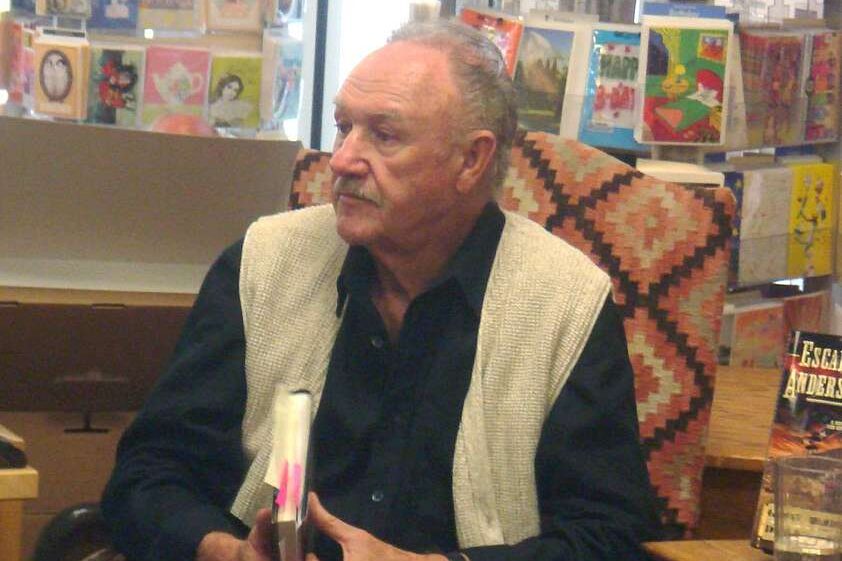
Gene Hackman spent decades building a reputation as one of Hollywood’s most respected actors. He won Academy Awards for The French Connection and Unforgiven, playing intense and complex characters. Hackman’s performances made him a dominant presence in films throughout the 1970s, 1980s and 1990s. By the early 2000s he had appeared in dozens of major movies.
Then Hackman stepped away from acting entirely. Instead of continuing his film career, he focused on writing novels, particularly historical fiction. He co-authored several books before later writing his own works. The transition surprised fans who associated him with powerful screen performances. Hackman traded the film set for the quieter life of a novelist.