
1. The Secret Apartment Inside the Statue of Liberty
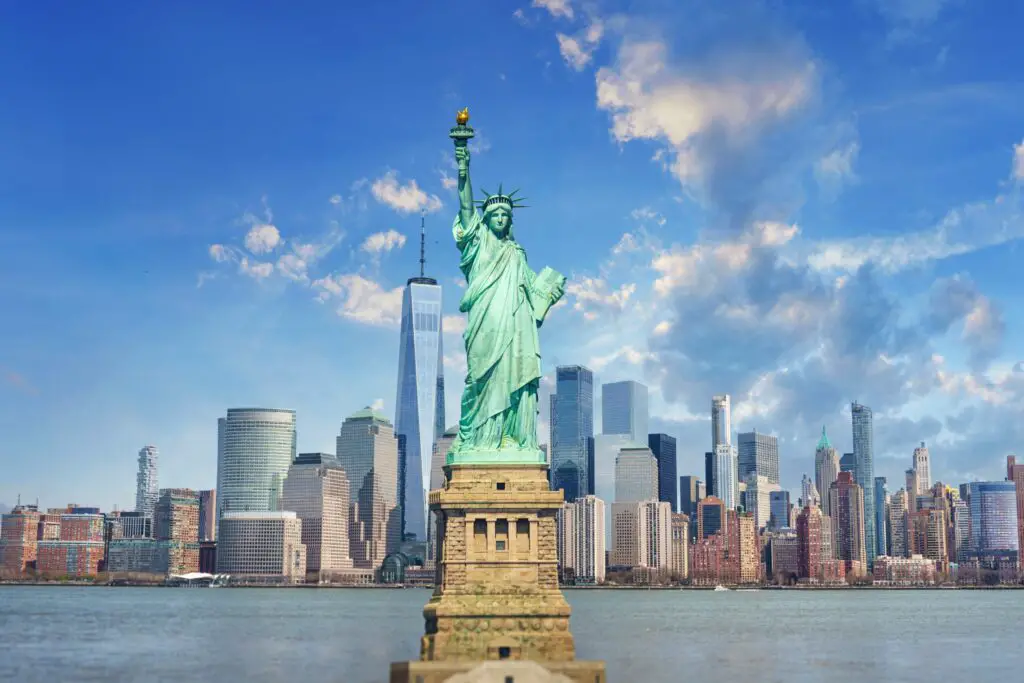
Most people know the Statue of Liberty as a towering symbol of freedom, but few realize there was once a small apartment hidden inside the torch. In the early 1900s, the torch balcony actually served as living quarters for lighthouse keepers who maintained the light guiding ships into New York Harbor. They lived surprisingly high above the water, climbing long staircases just to get home each day. The view must have been incredible, though the living space itself was tiny and cramped.
The apartment was used until a 1916 explosion on nearby Black Tom Island damaged the torch and closed it to the public. After that, the area was permanently sealed. Today visitors can climb to the crown but not the torch, leaving that little apartment frozen as a strange historical footnote. It is one of those details that makes the monument feel more human. Imagine commuting to work inside one of the most famous landmarks in the world.
2. The Hollywood Sign Was Originally an Advertisement
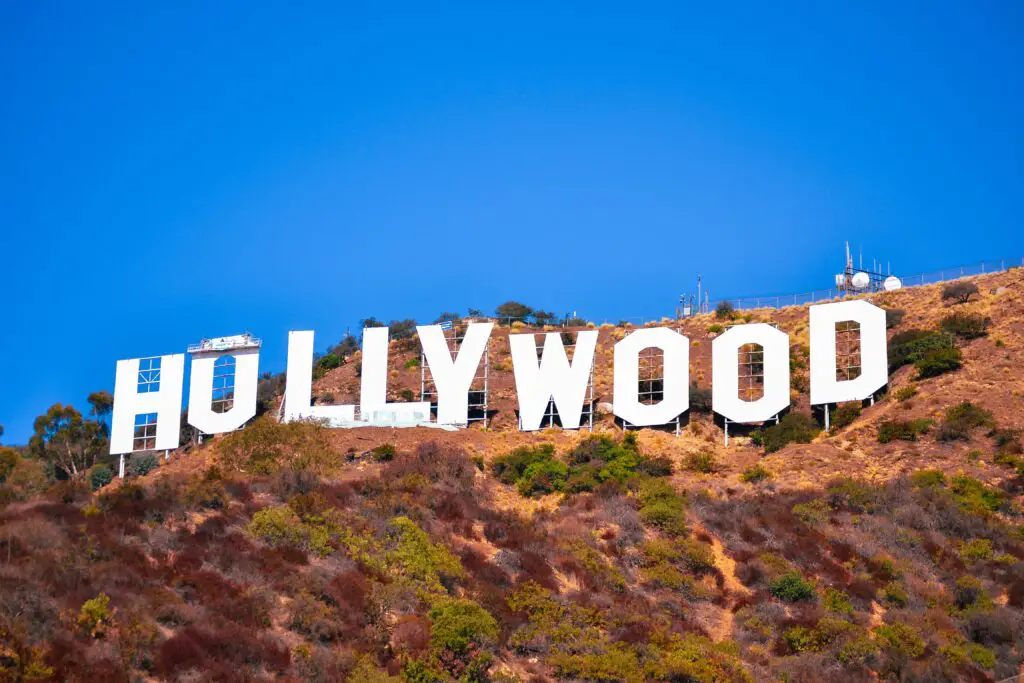
Today the Hollywood Sign feels like the ultimate symbol of the movie industry, but that was never the original plan. When it was built in 1923, the giant letters actually spelled “HOLLYWOODLAND.” It was meant to advertise a real estate development in the hills above Los Angeles. Developers figured if they built a massive illuminated sign, people would remember the neighborhood name.
The sign was supposed to last about a year and then be removed. Instead it became part of the landscape and stayed up long after the housing promotion ended. Over time the sign deteriorated, losing letters and falling into disrepair. In 1949 the final four letters were removed, leaving the famous “HOLLYWOOD.” What started as a temporary billboard turned into one of the most recognizable landmarks in the world.
3. The Washington Monument’s Two Different Colors

If you look closely at the Washington Monument, you can see a noticeable change in color partway up the structure. There is a practical reason for it. Construction began in 1848 but stopped in 1854 after funding problems and political disputes brought the project to a halt. For more than twenty years the partially built monument simply sat there unfinished on the National Mall.
When construction resumed in 1877, builders had to use marble from a different quarry because the original source was no longer available. The new stone had a slightly different shade, creating the visible color break. Instead of starting over, workers just continued building upward. The monument was finally completed in 1884. That line in the stone still quietly tells the story of the long pause.
4. A Hidden Chamber Inside Mount Rushmore
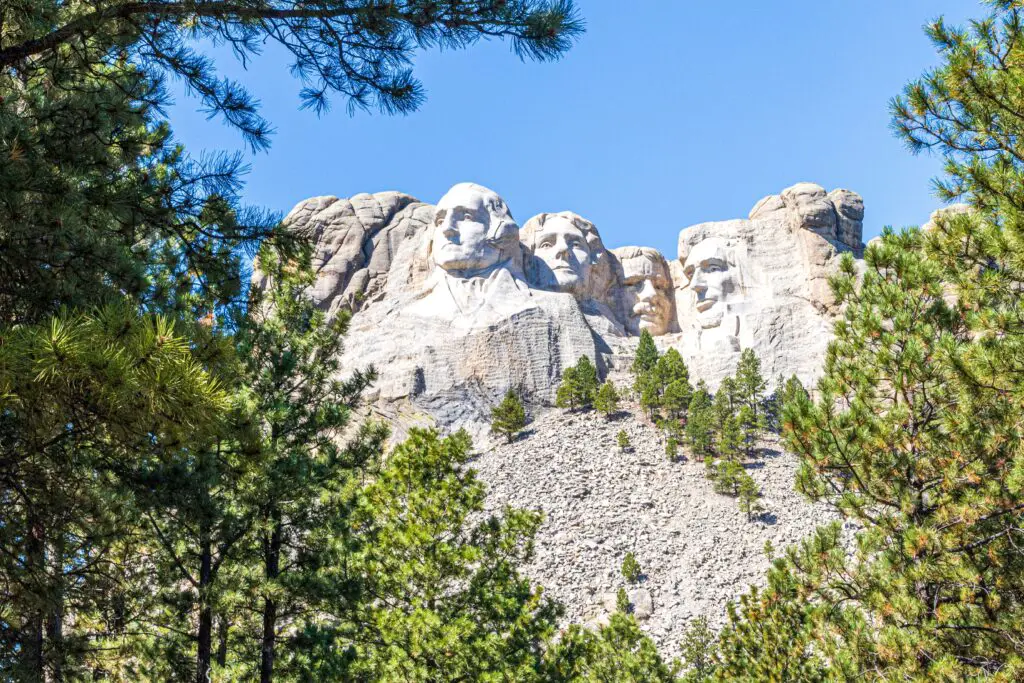
Millions of visitors have stood in front of Mount Rushmore without realizing there is a secret chamber inside the mountain. Sculptor Gutzon Borglum originally planned a large “Hall of Records” carved behind the presidents’ heads. The idea was to store important documents explaining the history of the United States. Work on the chamber began in 1938.
The project was abandoned before it was completed because funding ran out. For decades the unfinished room remained largely unknown. In 1998 the National Park Service placed a titanium vault inside containing documents about the monument and the country’s founding. The chamber is not accessible to visitors because the climb to reach it is dangerous. Still, the hidden room remains one of the monument’s most unusual secrets.
5. The Liberty Bell Cracked Almost Immediately
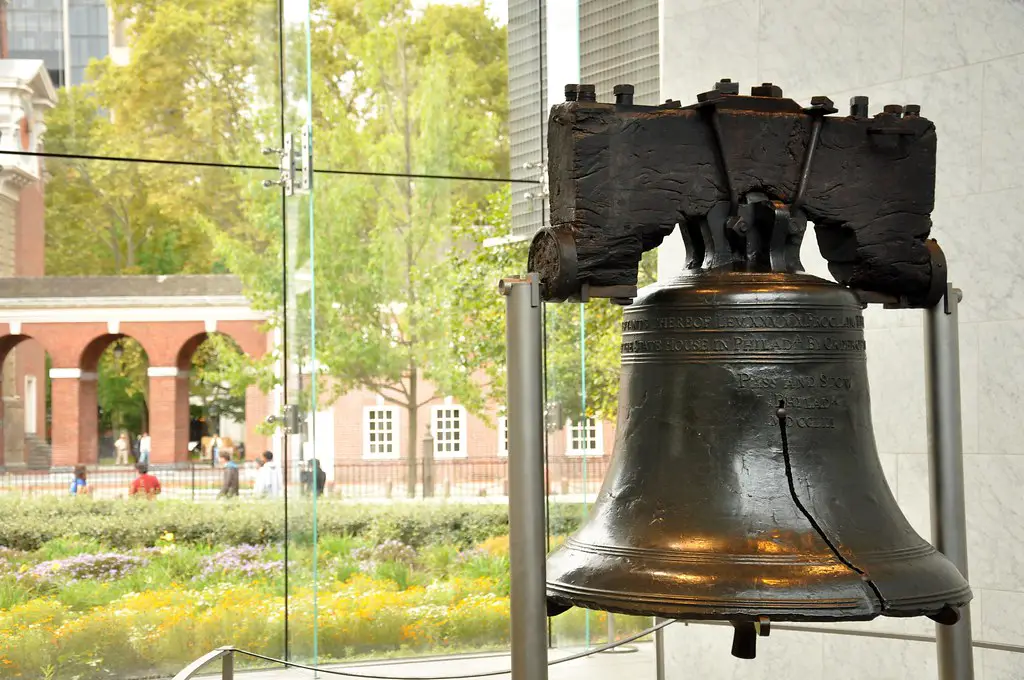
The Liberty Bell is famous for the large crack across its surface, but its problems started long before that dramatic break appeared. When the bell first arrived in Philadelphia from England in 1752, it reportedly cracked during its first test ring. Local metalworkers had to melt it down and recast it twice before it was usable. Even then, it was never considered perfect.
The larger crack people see today likely developed sometime in the early 1800s. One widely reported story says it expanded while the bell was rung for George Washington’s birthday in 1846. After that event, officials decided it could no longer be safely used. The bell was retired but soon became an important symbol of American independence. Ironically, its flaw helped make it famous.
6. The Escape From Alcatraz That Might Have Worked
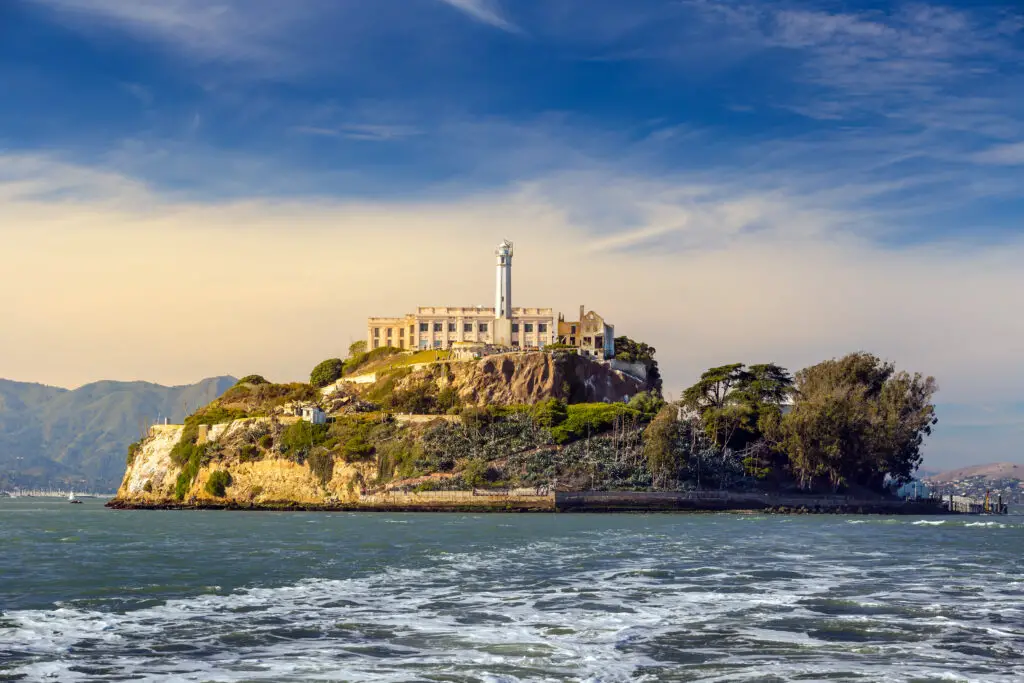
Alcatraz prison in San Francisco Bay had a reputation for being completely escape proof. Yet in 1962 three inmates managed to carry out one of the most famous prison breaks in American history. Frank Morris and brothers John and Clarence Anglin spent months digging through the walls of their cells using improvised tools. They carefully covered the holes and even built fake heads to fool guards during nighttime inspections.
After reaching a ventilation shaft, they climbed to the roof and escaped using a makeshift raft made from raincoats. Officials concluded the men likely drowned in the cold waters of the bay. However, their bodies were never found. That detail has fueled speculation for decades that they may have survived. The mystery remains one of the most debated stories connected to the island prison.
7. The Empire State Building’s Airship Plan
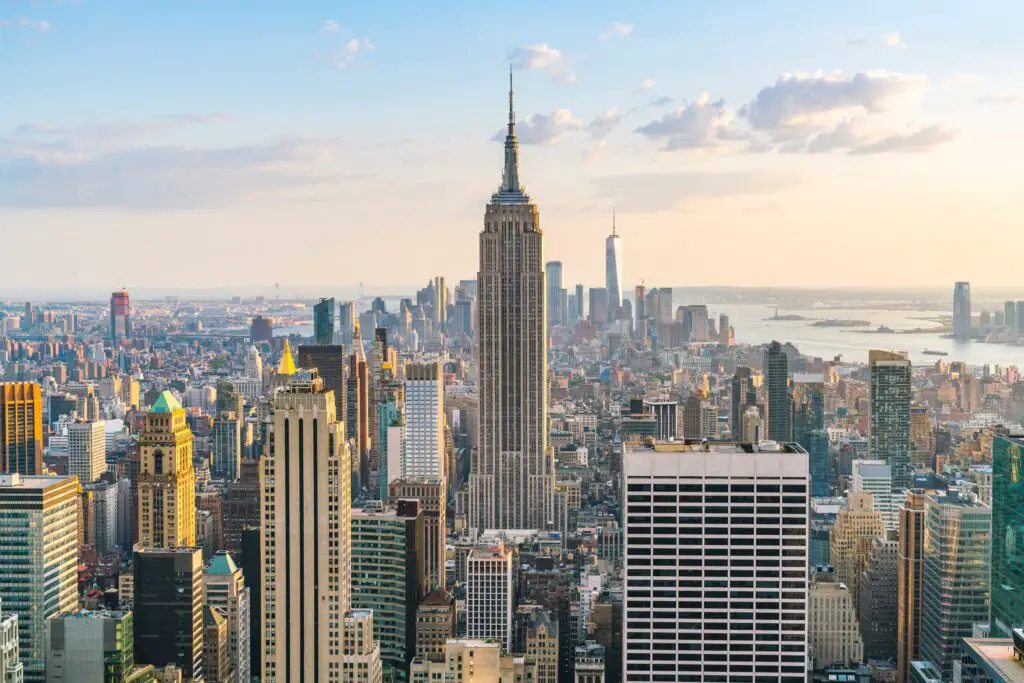
When the Empire State Building opened in 1931, its designers imagined it playing a role in the future of air travel. The spire at the top was actually designed as a docking mast for dirigibles. In theory, airships would attach to the mast and passengers would step directly into the building. It sounded like something out of a science fiction story.
In reality the idea turned out to be dangerously impractical. Powerful winds around the top of the skyscraper made it almost impossible for airships to safely approach. Only one brief attempt was made to test the concept. After that the idea was abandoned completely. The spire was eventually used for radio and television antennas instead.
8. The Endless Painting of the Golden Gate Bridge
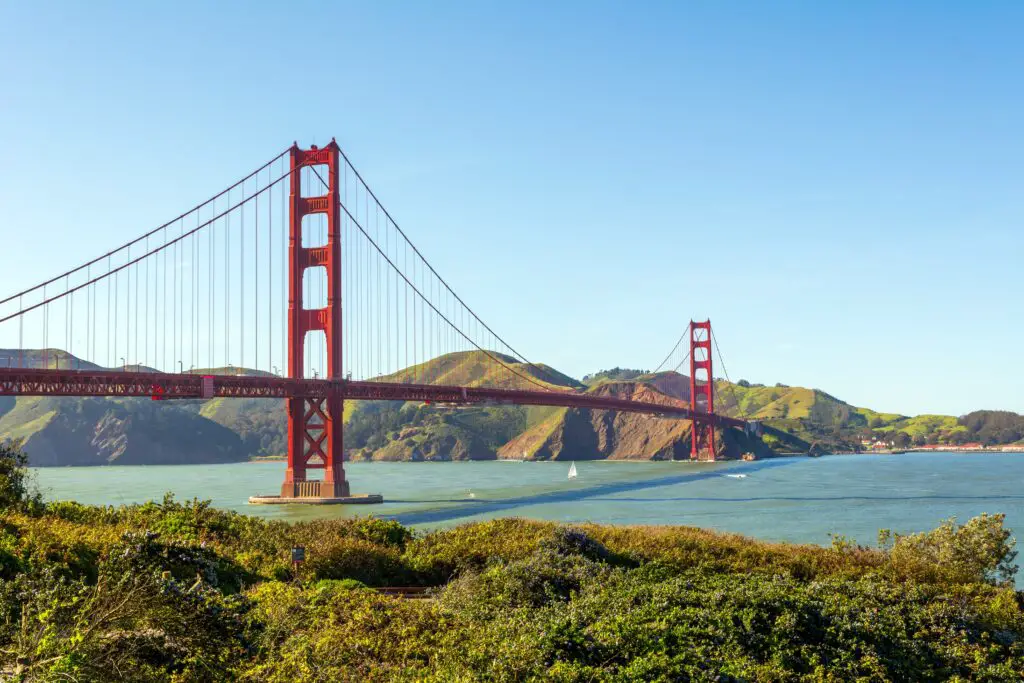
The Golden Gate Bridge’s famous color is officially called International Orange. When the bridge opened in 1937, the paint was meant to protect the steel from the harsh marine environment of San Francisco Bay. Salt air and fog constantly threatened to corrode the metal. Maintaining that protective coating became a massive task.
For many years crews were known for constantly repainting the bridge from one end to the other. By the time they finished one section, another area already needed attention again. This led to the popular myth that the bridge was always being painted nonstop. Modern coatings now last much longer than the original paint. But the idea of painters endlessly chasing the bridge remains part of its legend.
9. Niagara Falls Once Stopped Flowing
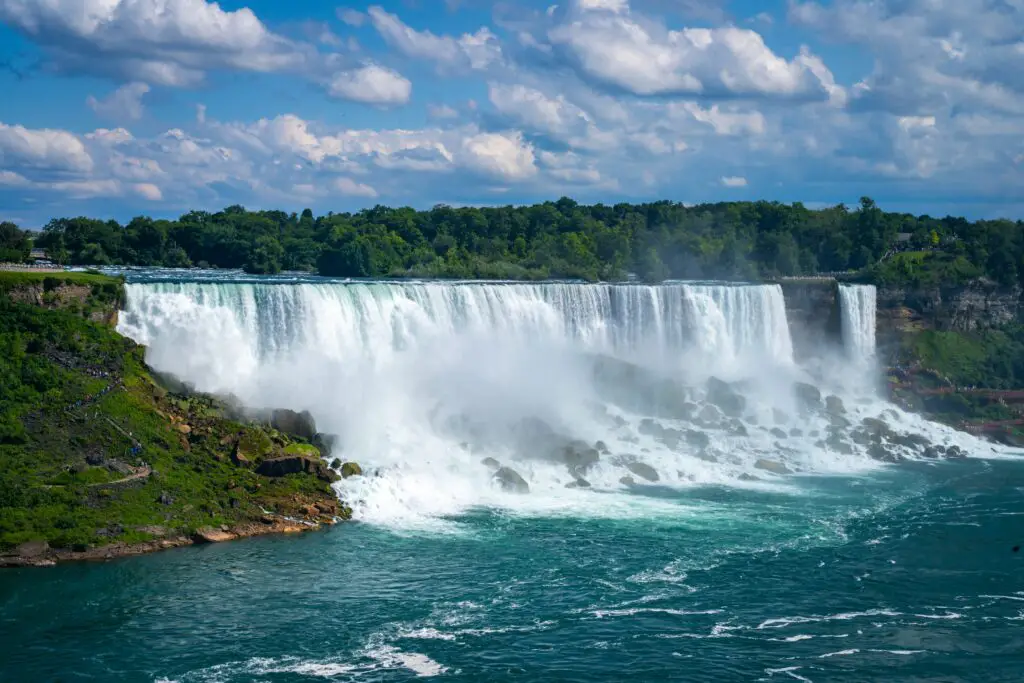
Niagara Falls is famous for its thunderous waterfalls, but there have been rare moments when the water nearly stopped. In 1848 a massive ice jam in the Niagara River temporarily blocked the flow feeding the falls. Residents woke up to find the riverbed largely exposed. People reportedly walked out onto areas that are normally covered by rushing water.
More than a century later, engineers intentionally stopped part of the falls. In 1969 the U.S. Army Corps of Engineers built a temporary dam to divert water away from the American Falls. This allowed them to study rock erosion and structural concerns. For months visitors saw the bare rock face where water normally poured down. Eventually the dam was removed and the river resumed its natural flow.
10. The Brooklyn Bridge Panic
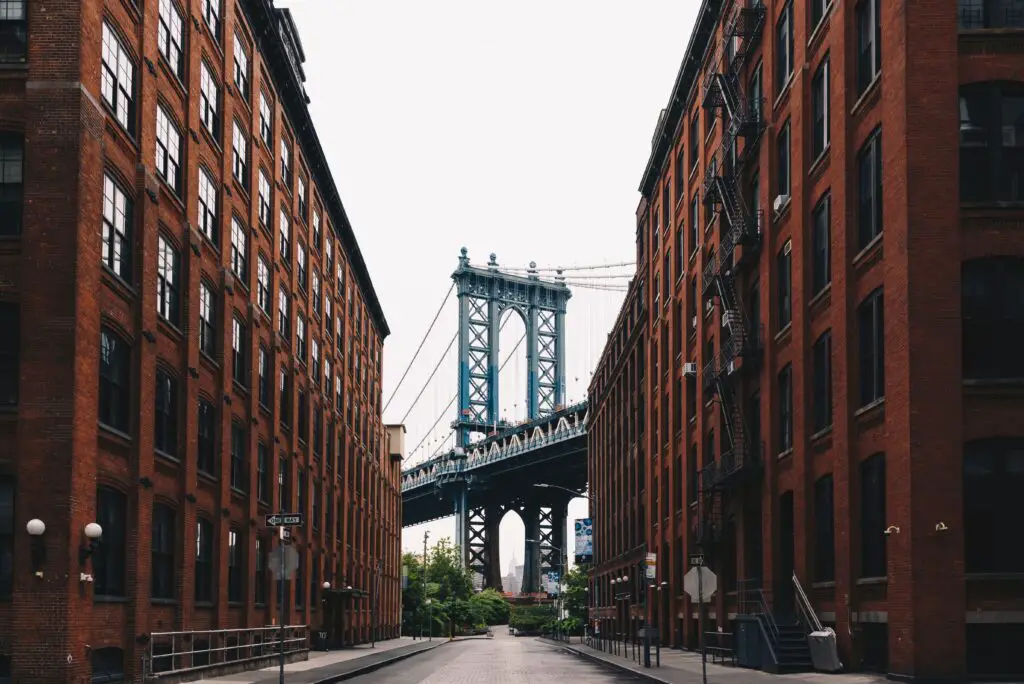
Just days after the Brooklyn Bridge opened in 1883, it became the scene of a deadly panic. Someone in the crowd shouted that the bridge was collapsing while hundreds of pedestrians were crossing it. The rumor spread instantly through the tightly packed walkway. People began pushing and running to escape.
The resulting stampede killed twelve people and injured many others. Investigations later confirmed that the bridge itself was perfectly safe. Still, the incident left many New Yorkers uneasy about crossing it. To restore confidence, showman P. T. Barnum later marched a group of elephants across the bridge. The unusual stunt helped convince the public the structure was strong.
11. The White House Was Painted to Hide Fire Damage
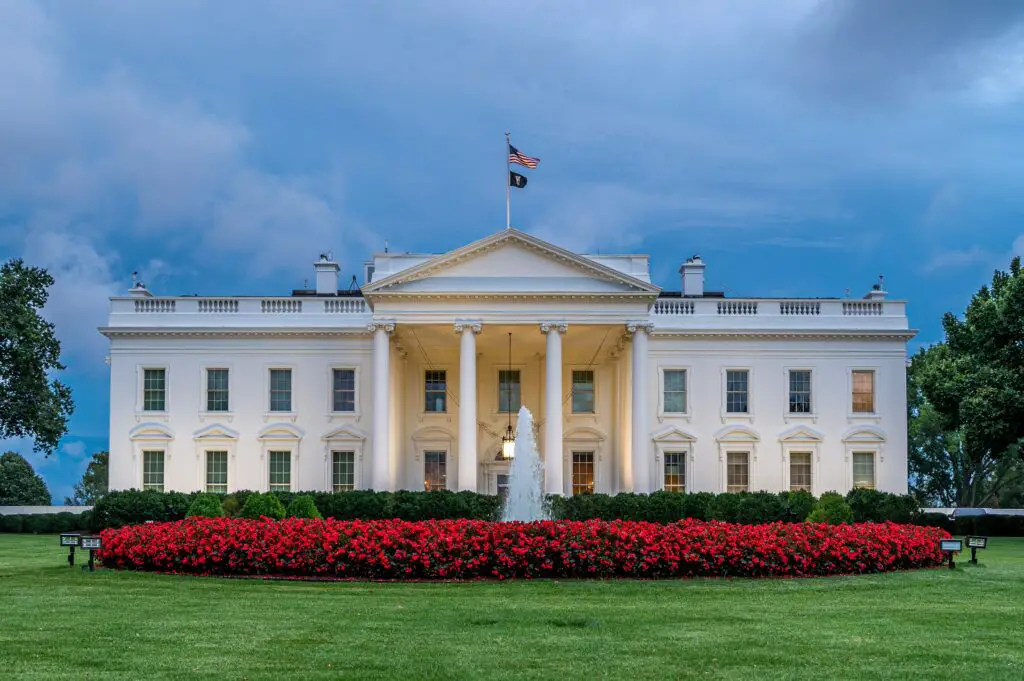
The White House is known for its bright exterior, but that color became permanent partly by accident. During the War of 1812, British troops set the building on fire in 1814. The flames badly damaged the structure and left the sandstone walls blackened by smoke. Major repairs were needed once the war ended.
During reconstruction, workers coated the building with white paint to protect the stone and cover the fire damage. Over time the appearance became so recognizable that the name “White House” took hold. Before that, it was often called the Executive Mansion or the President’s House. The simple paint job eventually became a defining feature of the residence.
12. The Gateway Arch Took Decades to Happen
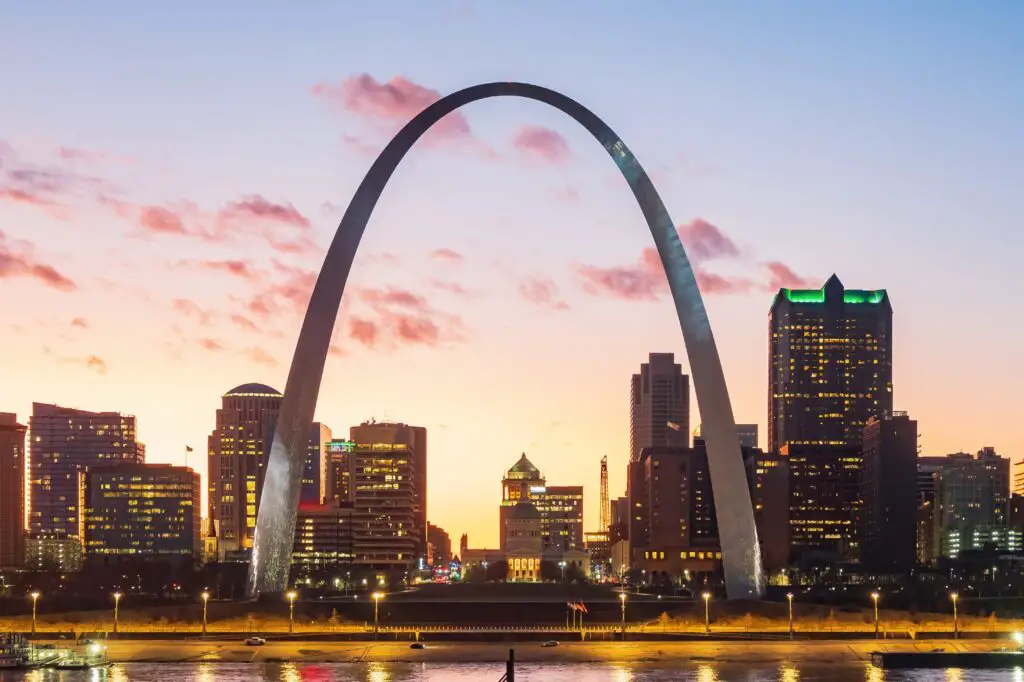
The Gateway Arch now dominates the skyline of St. Louis, but the project took decades to become reality. The idea first emerged in the 1930s as part of a memorial honoring westward expansion in the United States. Political disagreements and funding challenges delayed the plan for years. For a long time it existed only on paper.
Construction finally began in 1963. Engineers built the arch by assembling sections from both sides until they met in the middle at the top. The final piece was placed in 1965 while thousands watched from below. The structure stands 630 feet tall and remains the tallest arch in the world. Its long delay is almost as remarkable as the monument itself.
13. Plymouth Rock’s Uncertain History

Plymouth Rock is often described as the exact place where the Pilgrims landed in 1620. The problem is that no written record from the time mentions the rock at all. The story only appeared more than a century later. A local man claimed his ancestors told him that the Pilgrims stepped ashore there.
By the time historians began questioning the story, the rock had already become a powerful symbol. Over the years it was moved several times and even split in half during relocation attempts. The famous “1620” engraving was added long after the event itself. Today historians generally view the rock as symbolic rather than historically verified. Even so, it remains one of the most visited historical sites in Massachusetts.
14. Daredevil Stories From the Hoover Dam
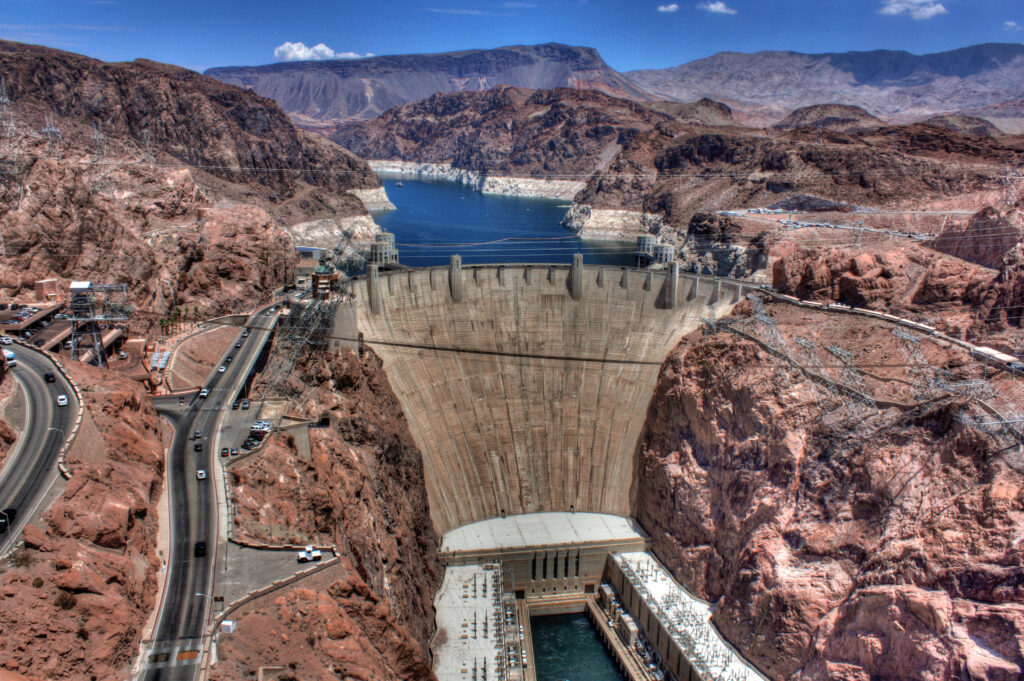
When the Hoover Dam was under construction in the 1930s, thousands of workers lived in nearby camps while building the massive structure. The work was dangerous and physically demanding. Workers often developed a culture of daring and bravado on the job site. Stories circulated about risky stunts performed high above the Colorado River.
Some accounts claim that a few workers jumped from high sections of the structure into the river below. These dives were extremely dangerous and not officially allowed. It is difficult to verify how many actually occurred. Still, the stories became part of the folklore surrounding the dam’s construction. The project itself already felt larger than life.
15. The Grand Canyon’s Early Mule Rides
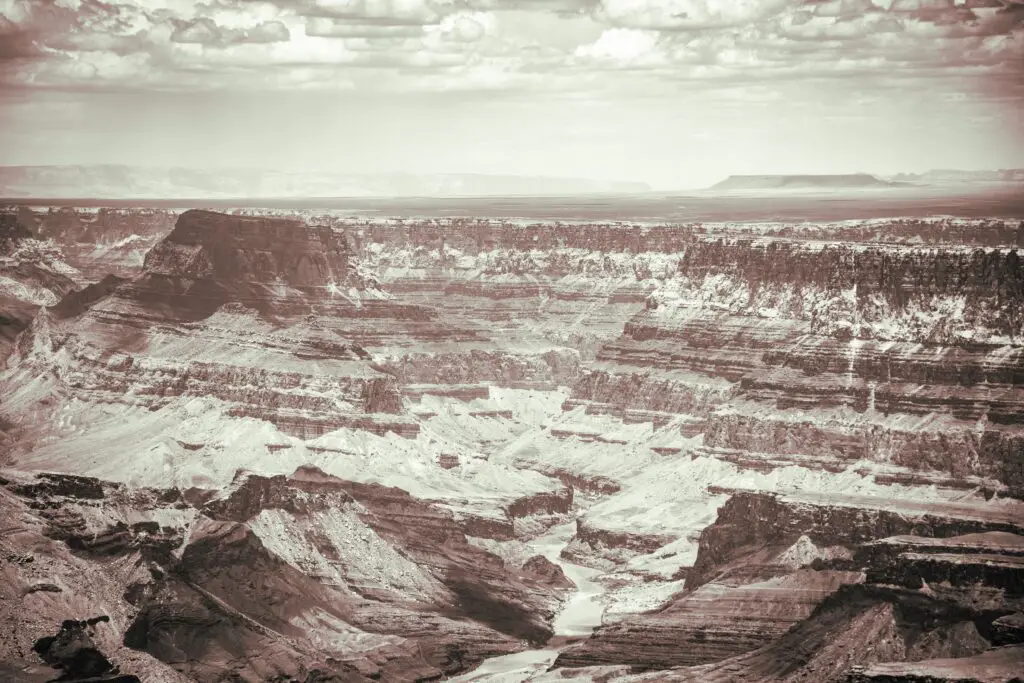
Long before modern visitor centers and safety rails, tourists explored the Grand Canyon in much rougher ways. In the late 1800s and early 1900s, adventurous visitors could ride mules down narrow trails carved into the canyon walls. These paths often ran along steep cliffs with dramatic drops beside them. Riders had to trust the animals completely.
Many travelers described the experience as both thrilling and terrifying. Guides often reassured nervous visitors that the mules knew the trail better than any person. Despite the risk, the rides became one of the canyon’s most popular attractions. Variations of these mule trips still exist today with stronger safety rules. The tradition remains one of the canyon’s most memorable experiences.