
1. Watermelon Festivals
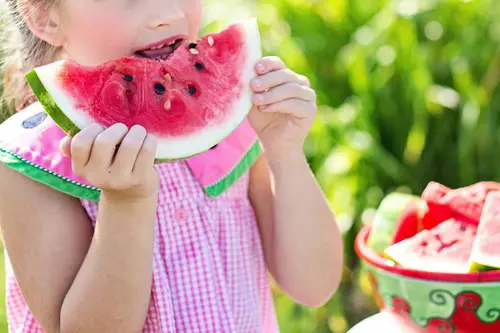
In dozens of small farming towns across the South, the annual watermelon festival used to feel like the biggest day of the entire summer. Farmers hauled in enormous melons grown in nearby fields, and people lined up to see who had produced the biggest one. Kids waited for the watermelon-eating contests, which always ended with sticky hands and bright red smiles. Local bands set up on flatbed trailers while neighbors spread blankets in the grass.
For a few hours the whole town gathered in one place, eating slices of watermelon handed out by volunteers. There were parades, pie contests and sometimes even a watermelon seed-spitting championship. The crowds often spilled far beyond the town limits as visitors came from nearby counties. Long before social media, word of these festivals spread simply because people knew they were a good time. For many towns, the watermelon festival became the highlight of the year.
2. Strawberry Festivals
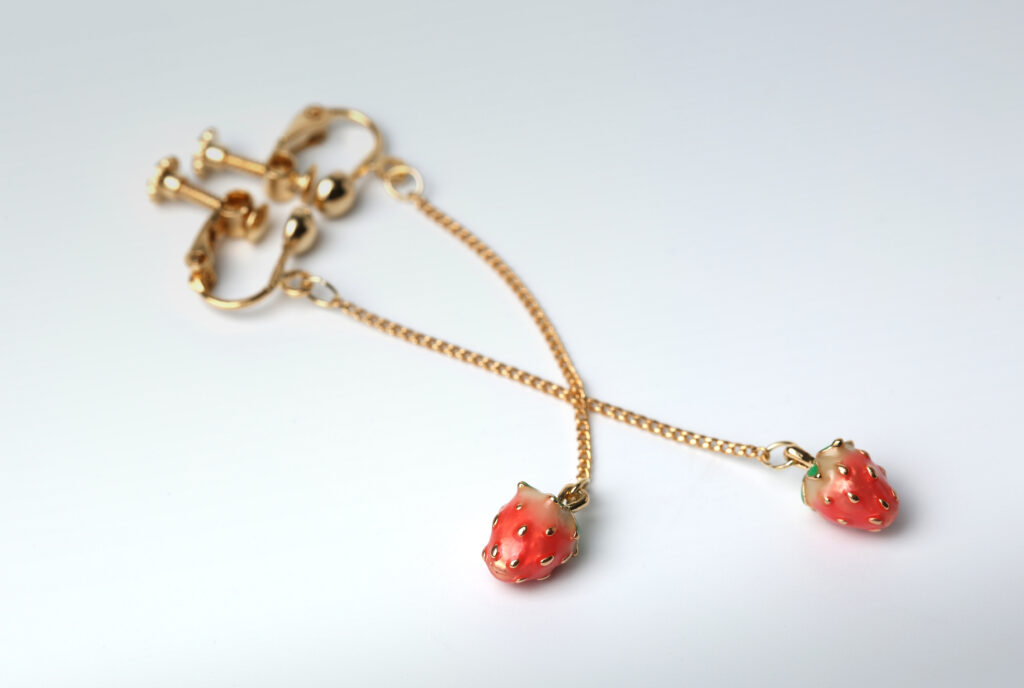
Small strawberry farms once built entire festivals around the brief moment when the berries were perfectly ripe. Families would drive out early in the morning, hoping to buy fresh baskets before they sold out. Church groups set up booths selling strawberry shortcake piled high with whipped cream. The smell of baked biscuits and sweet berries drifted through the fairgrounds all afternoon.
Parades often featured local kids dressed as strawberries while marching bands played down Main Street. Farmers proudly showed off the biggest berries of the season like prized trophies. Some towns reported crowds that doubled or tripled their usual population for the weekend. Even people who didn’t care much about fruit showed up for the music, games and homemade desserts. It was simple entertainment that brought whole communities together.
3. Apple Harvest Festivals
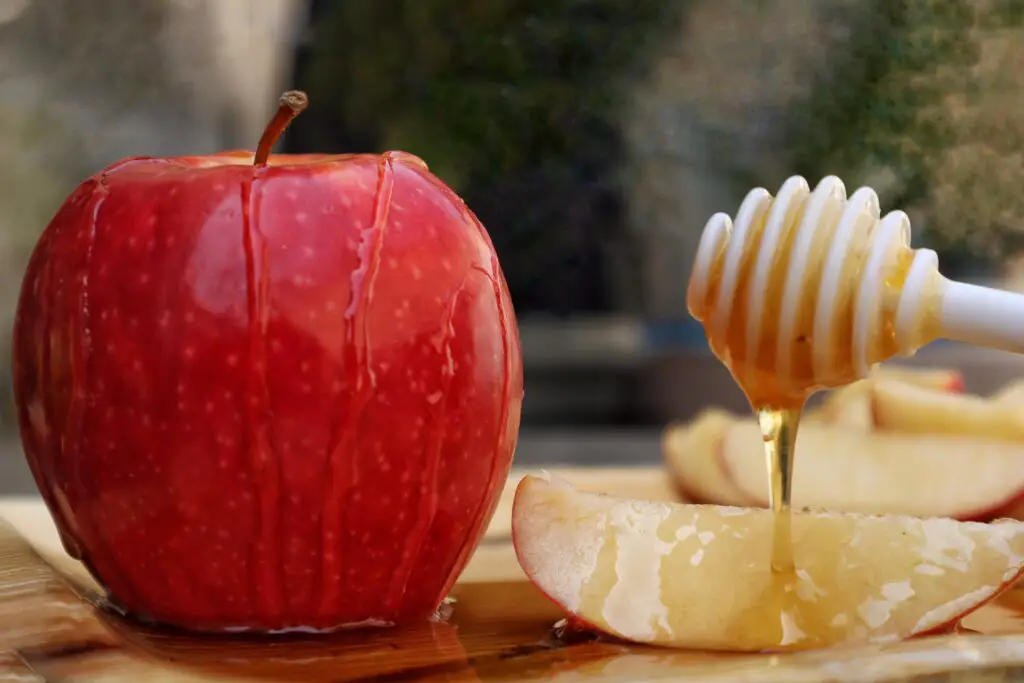
In orchard regions, apple harvest festivals were practically a rite of autumn. The leaves turned red and gold just as the apples reached their peak, giving the whole event a postcard-perfect backdrop. Visitors wandered through orchards picking their own fruit while local cider presses ran nonstop. There was always a line for hot apple cider and warm apple fritters.
Craft vendors filled long rows of booths selling homemade jam, pies and wooden decorations. Some festivals added hayrides and small carnival rides for children. By afternoon the place usually felt packed, with families carrying bags of apples back to their cars. The festival marked the moment when summer officially gave way to fall. For many small towns, it became their most famous tradition.
4. Corn Festivals
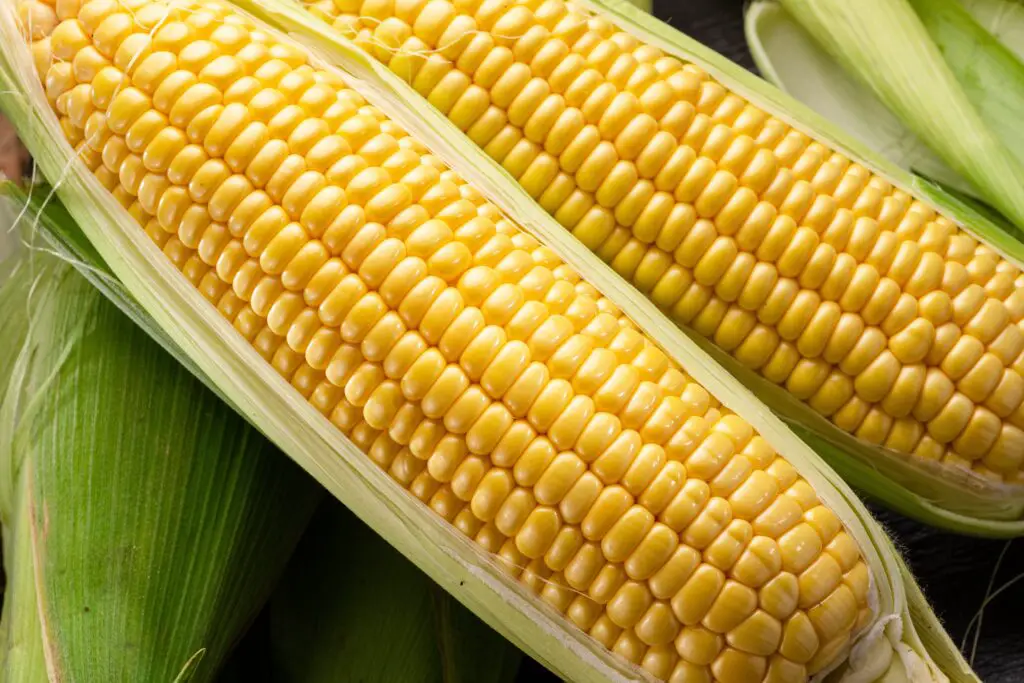
Corn festivals were especially common in the Midwest, where the crop dominated the local economy. Farmers competed to grow the tallest stalks or the biggest ears, and winning ribbons carried serious bragging rights. Volunteers worked giant grills roasting hundreds of ears of sweet corn at a time. The buttery smell could be detected from blocks away.
People gathered at long picnic tables to eat corn dripping with butter and salt. Tractor parades rolled slowly through town while local marching bands followed behind. Kids played games like corn-shucking contests or sack races in nearby fields. It felt like a celebration of the entire harvest season. For towns surrounded by farmland, it was a moment of shared pride.
5. Pumpkin Festivals
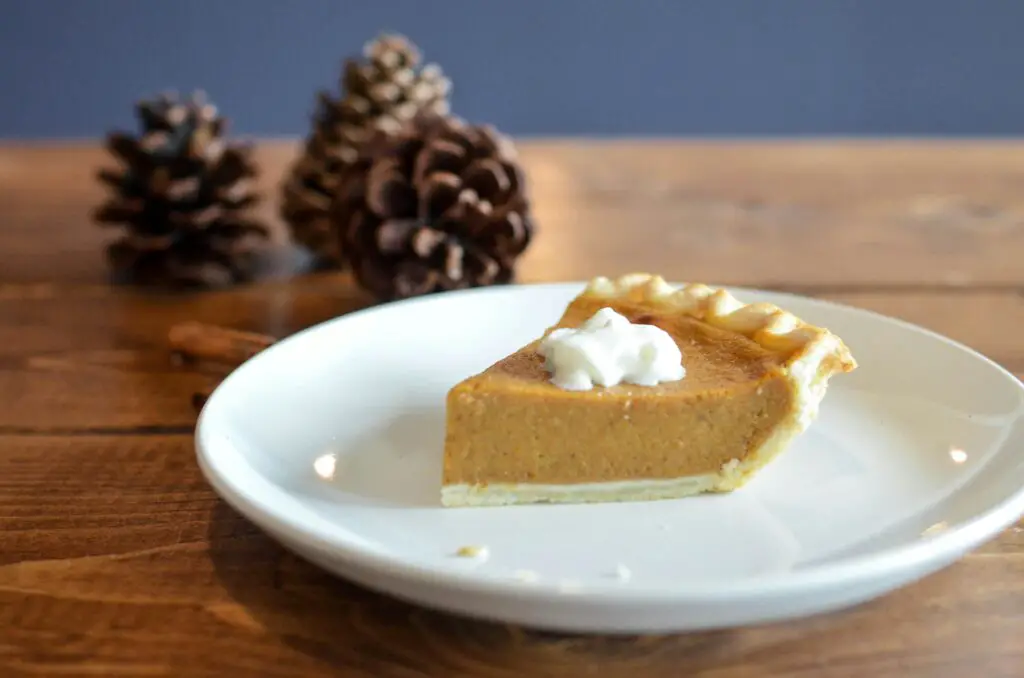
By October, pumpkin festivals turned quiet towns into bustling fall destinations. Giant pumpkins were weighed on courthouse steps while crowds gathered to see if a new record had been set. Families wandered through displays of carved jack-o’-lanterns glowing in the early evening. There were pumpkin pies, pumpkin bread and pumpkin everything else.
Children lined up for costume parades while parents snapped photos from the sidewalk. Hayrides rumbled through nearby fields as the sun began to set. Local farmers sold pumpkins directly from wagons piled high with orange gourds. For one weekend the town square felt almost like a movie set. It was the kind of festival people planned their whole autumn around.
6. County Fair Livestock Shows
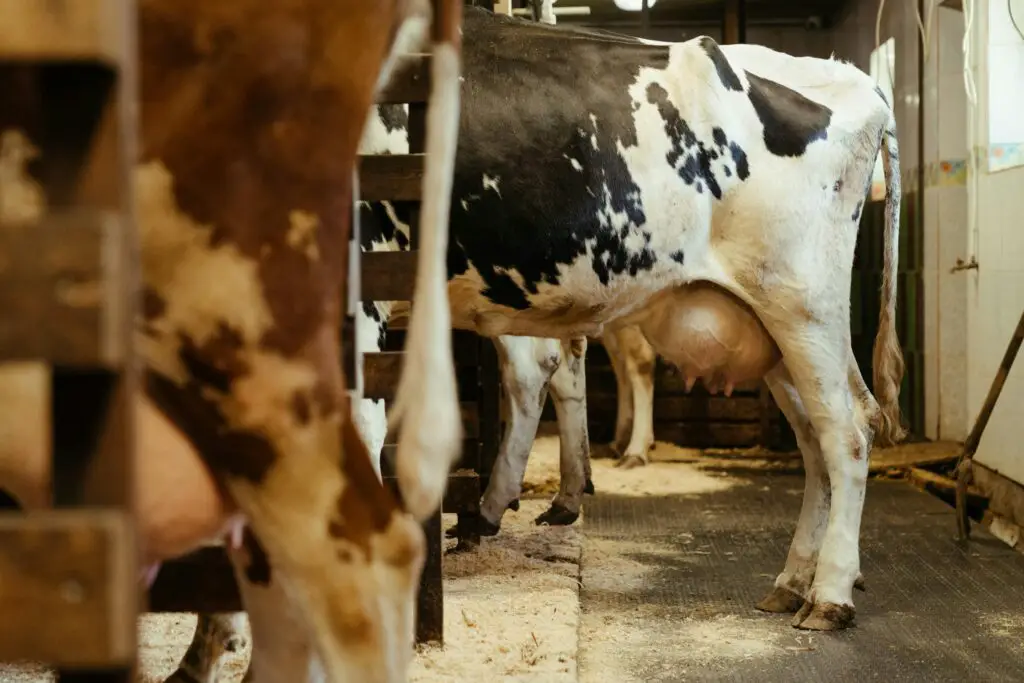
While technically part of larger county fairs, livestock festivals often felt like their own small-town celebration. Local kids spent months raising animals for the big judging day. Families crowded into show barns to watch as ribbons were awarded to the best cows, pigs or sheep. Proud parents stood nearby pretending not to beam.
Outside the barns, the fairgrounds filled with food stands and carnival rides. Neighbors ran into each other constantly, stopping for long conversations. Auction nights were especially packed as buyers bid on prize animals. For many farming communities, this was the social event of the year. Even people without farms came just to be part of it.
7. Cherry Festivals
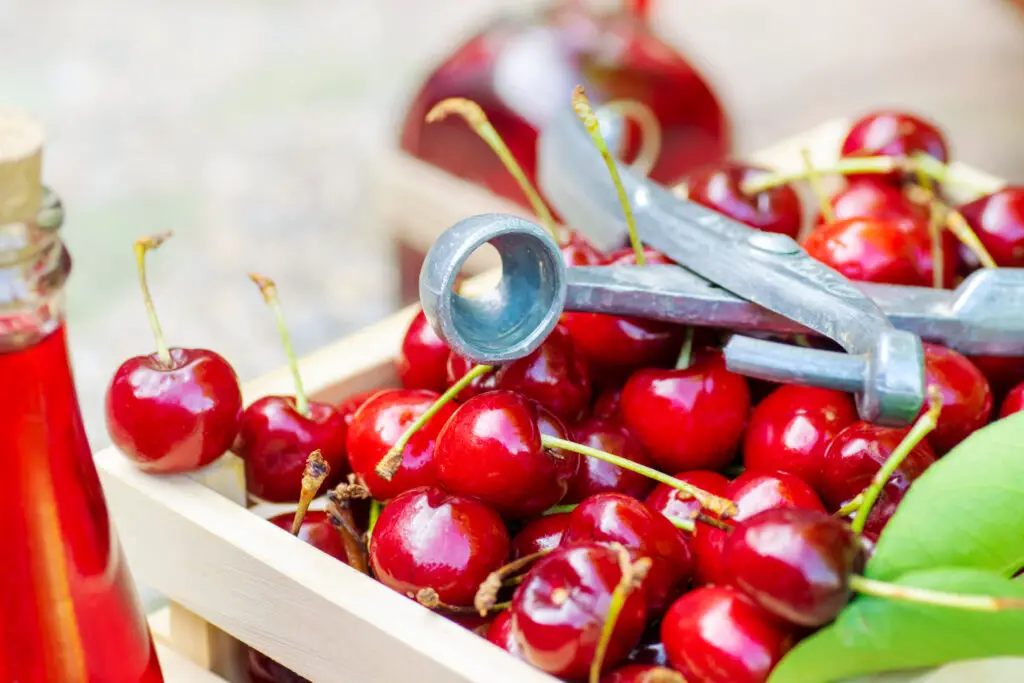
Cherry festivals flourished in regions where the fruit was a major crop. Orchards around towns like those in Michigan and Wisconsin helped inspire huge celebrations when harvest time arrived. Cherry pies cooled on long rows of tables while volunteers scooped vanilla ice cream on top. The combination was nearly impossible to resist.
Parades often included floats covered in artificial cherries and bright red decorations. Local bands played cheerful music while crowds lined the sidewalks. Visitors could watch pie-baking contests or even cherry pit-spitting competitions. For a few days the whole town smelled faintly sweet. It was a joyful celebration of the season’s best fruit.
8. Maple Syrup Festivals
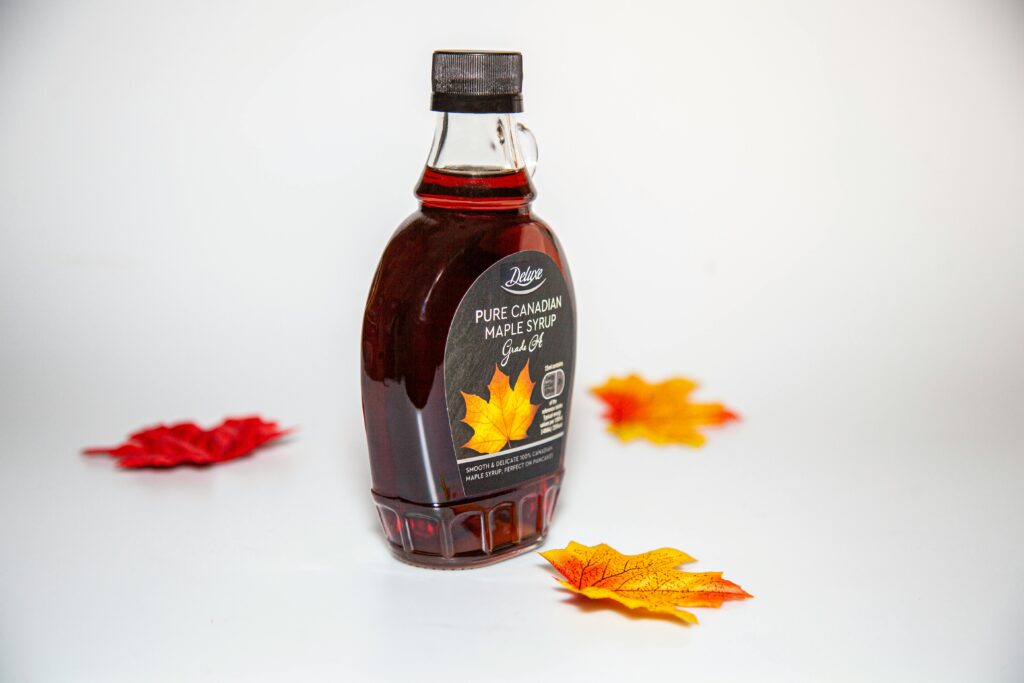
In the Northeast and parts of Canada, maple syrup festivals marked the end of winter. Sugar shacks opened their doors to visitors eager to see how sap turned into syrup. Steam rose from large boiling pans while volunteers explained the process. People waited patiently for fresh pancakes drenched in warm maple syrup.
Horse-drawn wagon rides carried guests through maple groves dotted with metal sap buckets. Vendors sold bottles of syrup, maple candy and other sweet treats. Even chilly weather didn’t keep the crowds away. After months of snow, people were ready for an excuse to celebrate. The festival offered a sweet preview of spring.
9. Crawfish Festivals
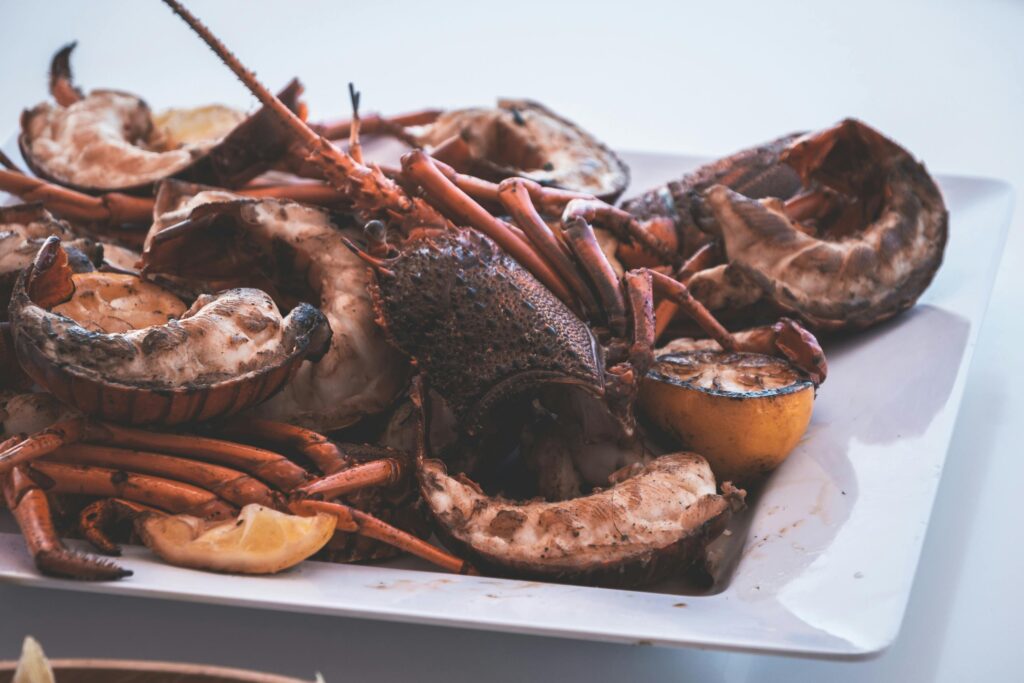
In Louisiana and other Gulf Coast towns, crawfish festivals became lively community events. Huge boiling pots bubbled with crawfish, potatoes and corn seasoned with spices. The smell alone could draw people from miles away. Friends gathered around long tables covered in newspaper to dig into piles of bright red shells.
Live music usually played all day, often featuring local Cajun or zydeco bands. Dancing broke out near the stage as the crowd grew larger. Visitors who had never tried crawfish before quickly learned how to peel them like locals. The atmosphere felt more like a neighborhood party than a formal event. That relaxed spirit helped the festival attract thousands.
10. Chili Cook-Off Festivals
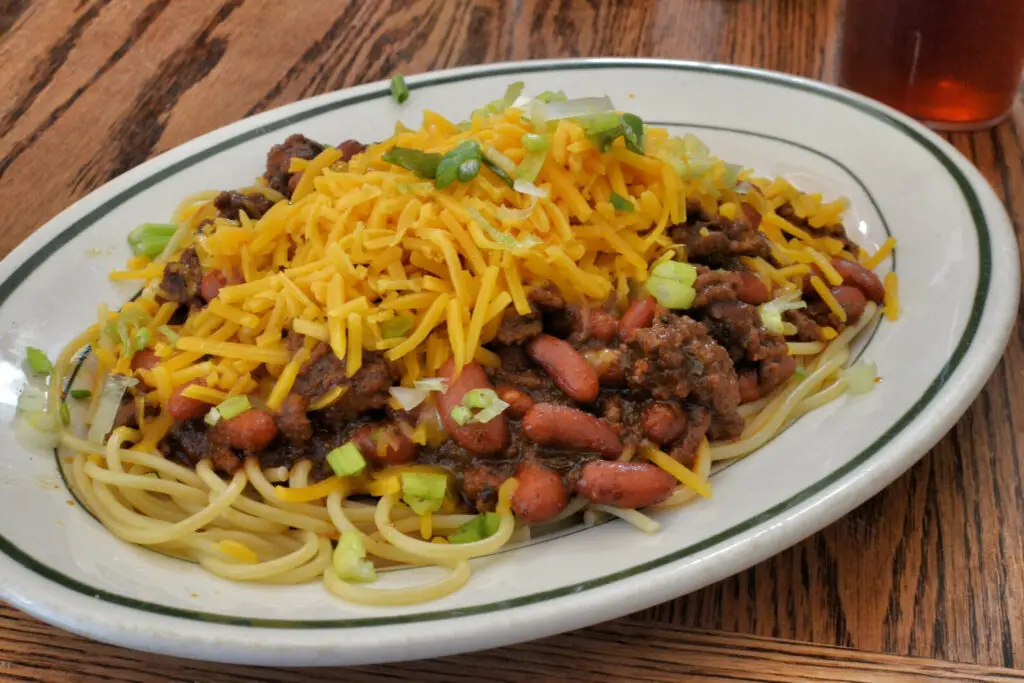
Chili cook-offs once turned ordinary weekends into friendly culinary competitions. Amateur cooks arrived with secret recipes they guarded like family heirlooms. Tents lined the streets as judges and curious visitors sampled bowl after bowl. Some recipes were mild while others brought tears to people’s eyes.
Crowds enjoyed the chance to vote for their favorite chili while listening to live music. Local businesses often sponsored teams, turning the contest into a point of civic pride. The smell of simmering spices hung in the air all day. By evening the winners proudly held up trophies shaped like chili peppers. Even the losing cooks usually left smiling.
11. Sauerkraut Festivals
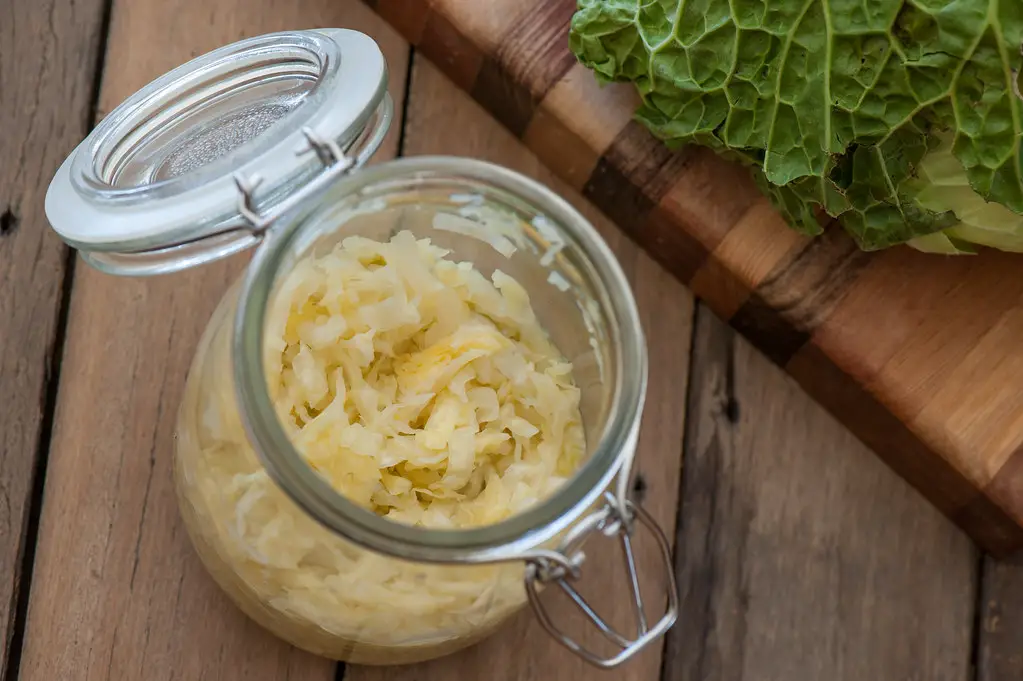
In parts of the Midwest with strong German heritage, sauerkraut festivals became a quirky but beloved tradition. Giant barrels of fermented cabbage were prepared weeks in advance. Food stands served bratwurst piled high with sauerkraut alongside soft pretzels and mustard. The flavors reflected the immigrant history of the region.
Polka bands often provided the soundtrack for the day. Dancers filled makeshift floors while spectators clapped along. Visitors who arrived out of curiosity often stayed much longer than planned. What began as a cultural celebration slowly turned into a regional attraction. For some towns, it was their signature event.
12. Tulip Festivals
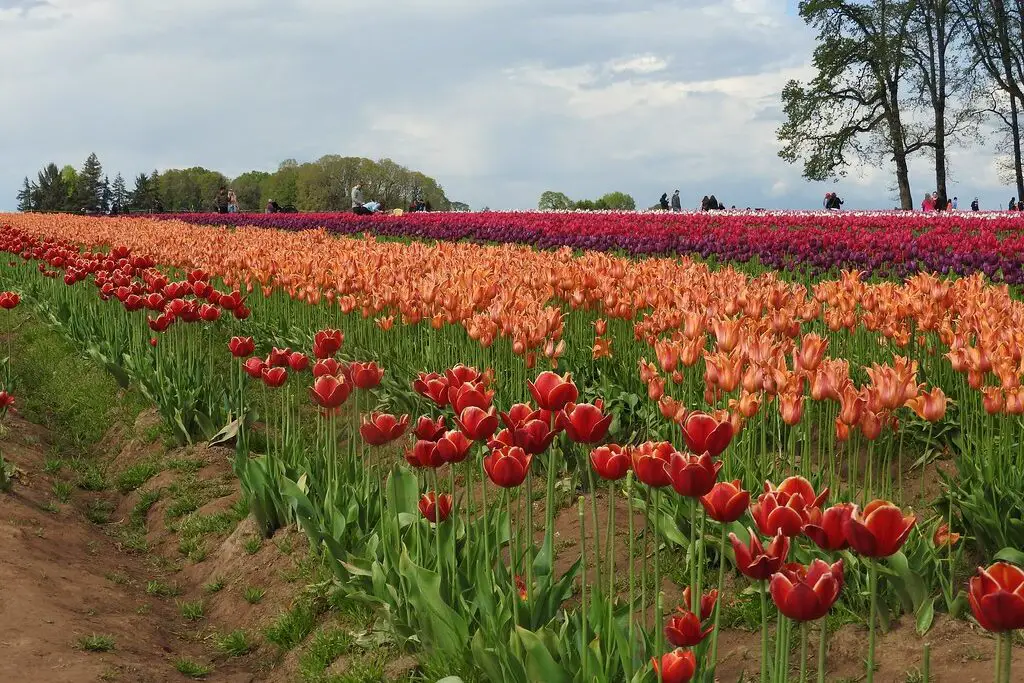
Some communities became famous for their tulip festivals each spring. Streets and parks were planted with thousands of colorful blooms that attracted photographers and tourists. Windmills, wooden shoes and Dutch costumes sometimes added to the theme. Walking through the displays felt like stepping into a painting.
Local shops stayed open late while street vendors sold snacks and souvenirs. Parades featured floats covered in flowers and bright decorations. Residents proudly guided visitors through the best viewing spots. For a few weeks the town looked almost transformed. The festival turned nature’s short blooming season into a full celebration.
13. Oyster Festivals
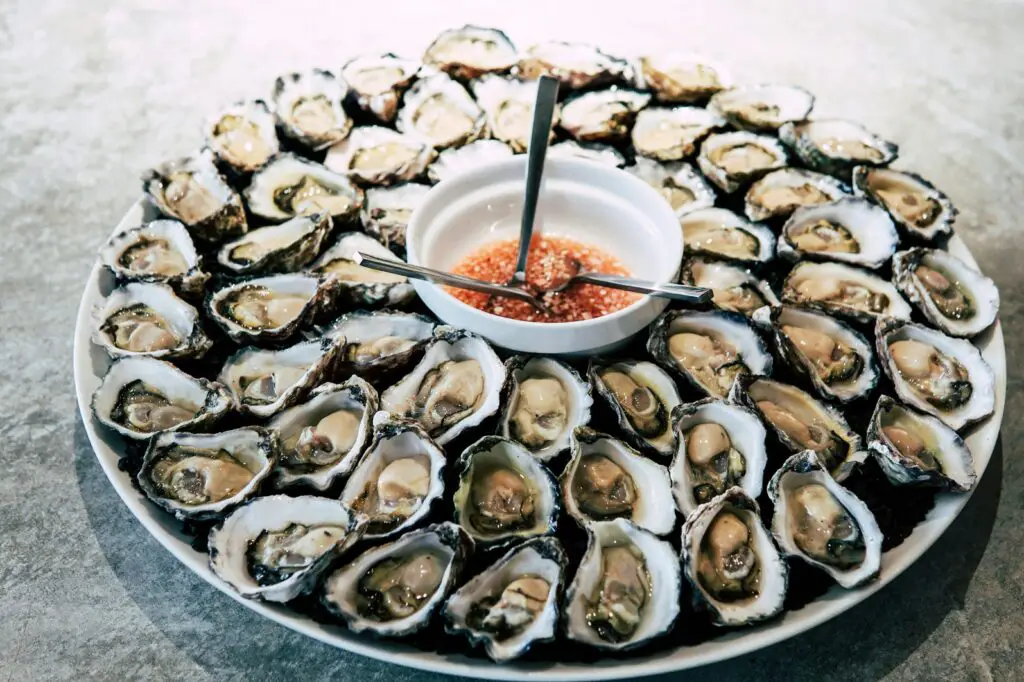
Coastal towns once built entire weekends around oyster harvests. Fishermen brought in fresh catches that were quickly shucked and served on ice. People gathered around raw bars sampling oysters with lemon or hot sauce. Others preferred them fried or baked with butter and breadcrumbs.
Seafood lovers traveled long distances to attend these events. Cooking competitions, boat parades and live music filled the schedule. The relaxed waterfront setting made it easy to spend the whole day wandering between food stands. By evening the docks were crowded with people enjoying the sunset. For many small coastal towns, the oyster festival became a major attraction.
14. Butter Churning Festivals
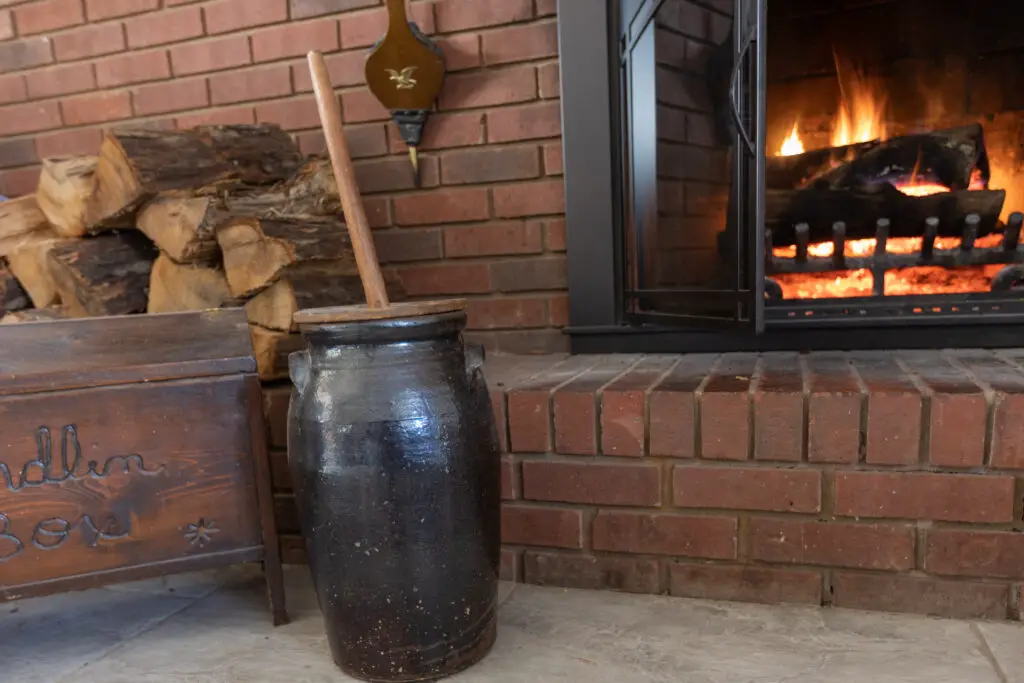
A few farming communities once celebrated dairy traditions with butter churning festivals. Demonstrations showed how cream was churned the old-fashioned way in wooden barrels. Visitors took turns cranking the handles to see how long it took before butter finally formed. Kids especially loved the chance to participate.
Fresh butter was spread on warm bread and passed around to anyone nearby. There were dairy contests, baking competitions and plenty of homemade desserts. The festival reminded people how much work once went into everyday foods. Crowds gathered not just for entertainment but for a connection to local farming history. Even simple traditions like churning butter could bring thousands together.