
1. Knocking on Wood
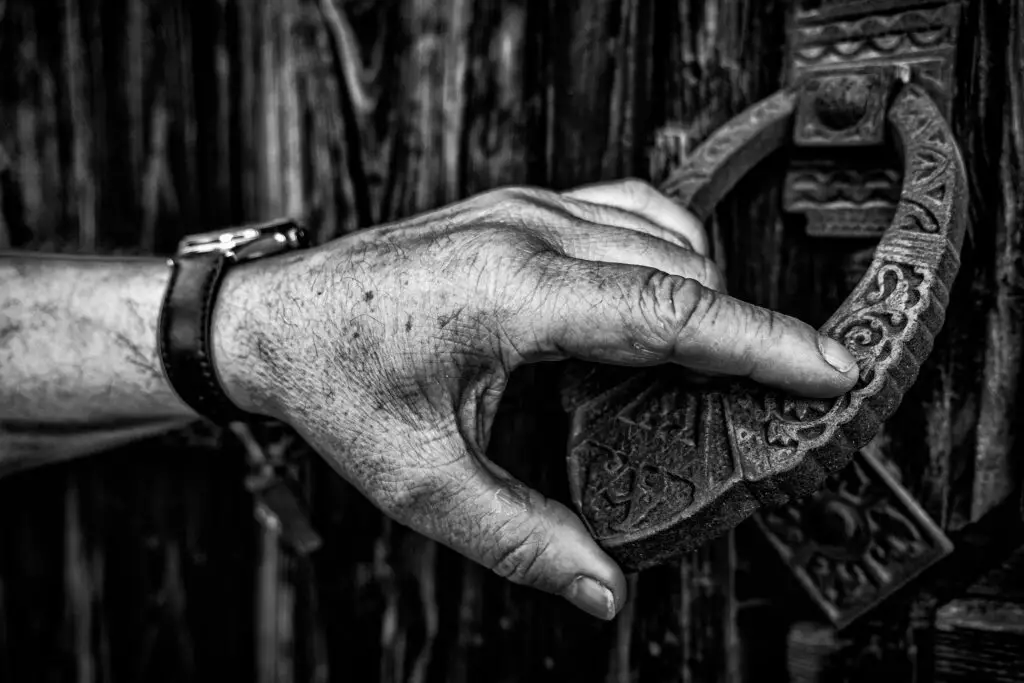
Most people still knock on wood after saying something hopeful, like “I haven’t gotten sick all year.” The quick tap feels like a small insurance policy against tempting fate. The belief traces back to ancient pagan traditions in Europe, where people believed spirits lived inside trees. Knocking on the wood was thought to awaken those spirits or ask them for protection.
Over time the ritual stuck around even after the original beliefs faded. Today people do it almost automatically, sometimes without even thinking about why. It shows up in offices, kitchens and casual conversations everywhere. Even people who claim not to believe in superstitions often catch themselves doing it anyway.
2. Avoiding Walking Under Ladders
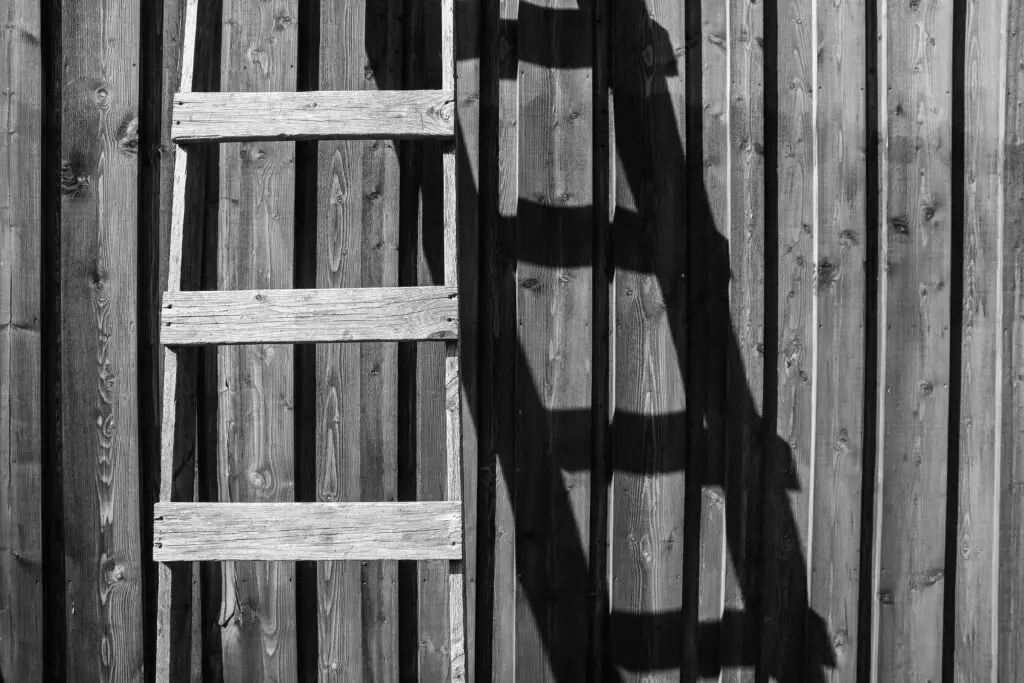
Walking under a ladder still makes a lot of people pause and rethink their path. Even in modern workplaces, you will often see someone take the long way around rather than risk the supposed bad luck. The superstition dates back to ancient Egypt, where the triangular shape of a ladder against a wall resembled sacred pyramids and was considered spiritually significant.
Breaking that triangle was believed to disturb divine forces. Later European traditions added another layer by associating ladders with gallows and executions. Because of those associations, passing underneath came to symbolize inviting misfortune. Even today many people avoid it out of habit, just in case.
3. Crossing Fingers for Luck
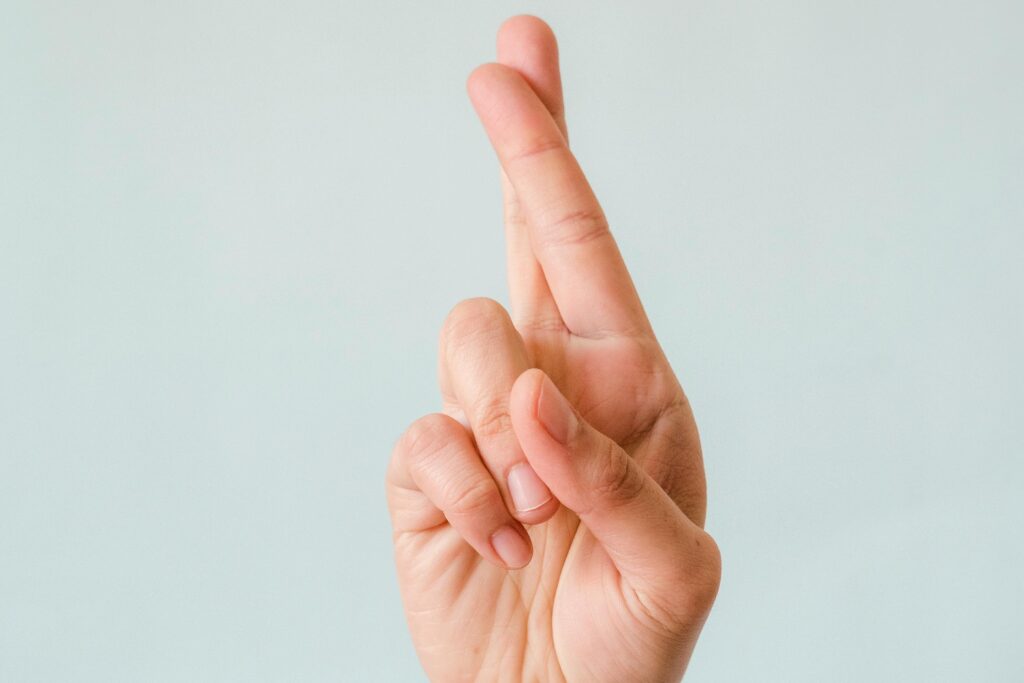
Crossing your fingers when hoping for good news is a gesture nearly everyone recognizes. People do it when waiting for exam results, job calls or even when watching their team in a close game. The symbol goes back to early Christianity, when believers used the cross shape as a protective sign against evil spirits.
Before that, similar gestures existed in ancient Europe where two people would cross fingers together while making a wish. Over time the act became a personal symbol rather than a shared one. Now it is used everywhere from playgrounds to boardrooms. It is a small ritual that feels like a quiet way to ask the universe for help.
4. Throwing Salt Over Your Shoulder

Spilling salt has long been considered bad luck, and many people still toss a pinch over their left shoulder afterward. The belief dates back to ancient times when salt was extremely valuable and wasting it was seen as careless or unlucky. Some traditions said the devil waited behind the left shoulder, ready to exploit a moment of bad fortune.
Throwing salt behind you was supposed to blind or drive away that lurking spirit. While most people today do not believe in literal demons hiding nearby, the habit still survives. It often happens quickly and almost automatically after a spill. A centuries old ritual continues to live on at the dinner table.
5. The Fear of Friday the 13th
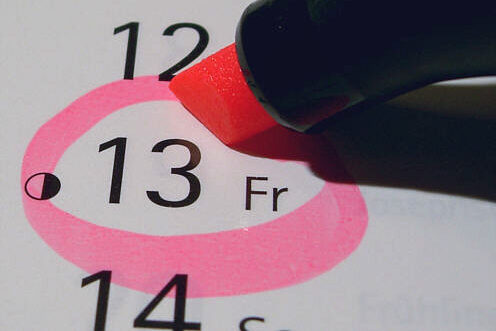
Friday the 13th still makes some people uneasy, even if they cannot explain why. Hotels sometimes skip the 13th floor and airlines occasionally avoid row numbers that include 13. The superstition blends two older fears: the number 13 and the day Friday.
In Norse mythology a chaotic thirteenth guest ruined a gathering of gods, and in Christian tradition the Last Supper also had thirteen people present. Friday itself gained a reputation as unlucky because of several religious associations. Over centuries the two ideas merged into one powerful superstition. Even today some people delay travel or big decisions when the date rolls around.
6. Breaking a Mirror Means Seven Years of Bad Luck

Breaking a mirror still gives many people a moment of dread. The belief that it brings seven years of bad luck dates back to ancient Rome. Romans believed mirrors reflected not just a face but a person’s soul.
Damaging that reflection was thought to harm the soul itself. The seven year period came from the Roman idea that life renewed itself in cycles of seven years. While modern mirrors are just glass and silver backing, the old superstition remains strong. People still cringe when one shatters.
7. Carrying Lucky Charms
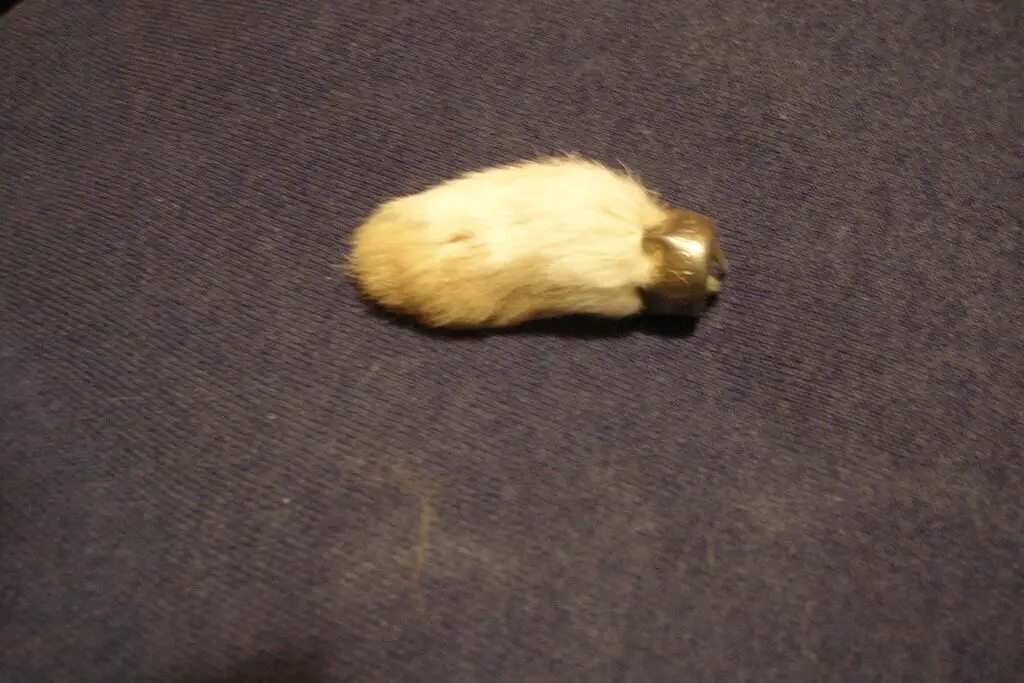
From rabbit’s feet to special coins, lucky charms have existed for thousands of years. Ancient cultures believed certain objects carried protective or magical power. People carried them into battle, on journeys or during important life events.
Today lucky charms still show up in sports, travel and everyday routines. Athletes might wear a certain necklace or keep a particular item in their locker. Students sometimes bring a “lucky pen” to an exam. Even if the charm does nothing physically, it offers a sense of confidence.
8. The Evil Eye
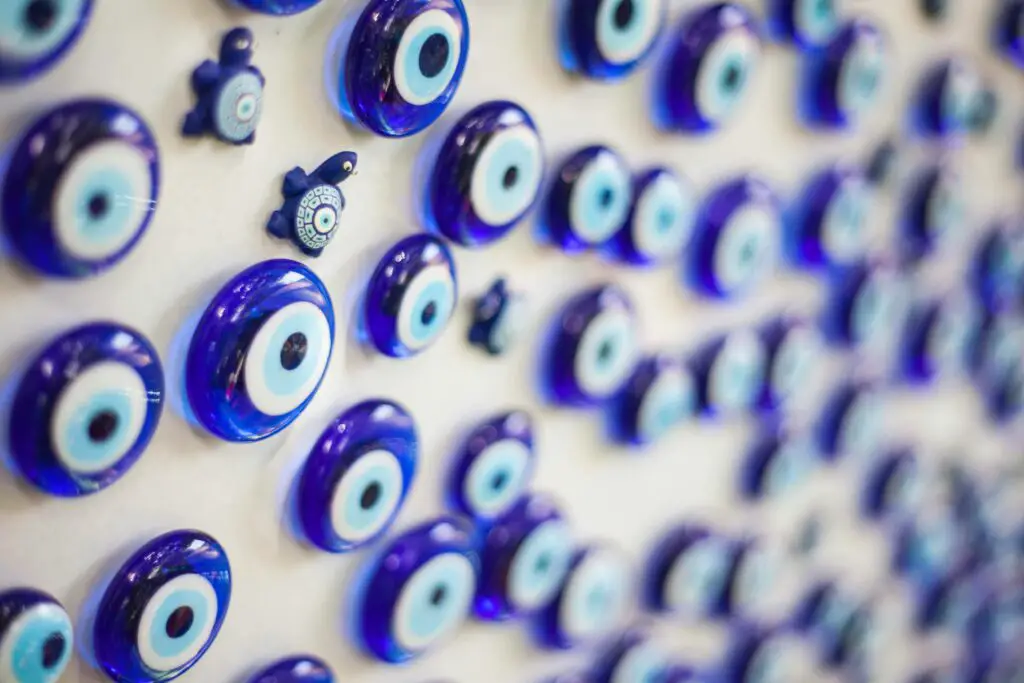
The fear of the evil eye is one of the oldest superstitions still around today. In ancient Mediterranean and Middle Eastern cultures, people believed a jealous glance could bring illness or misfortune. To protect themselves they wore charms shaped like blue eyes.
Those symbols still appear in jewelry, home decorations and cultural traditions. In many countries parents pin small protective charms on babies or place them near doorways. The belief has traveled across continents over thousands of years. Even people who do not fully believe in it sometimes keep a charm nearby.
9. Lucky Horseshoes
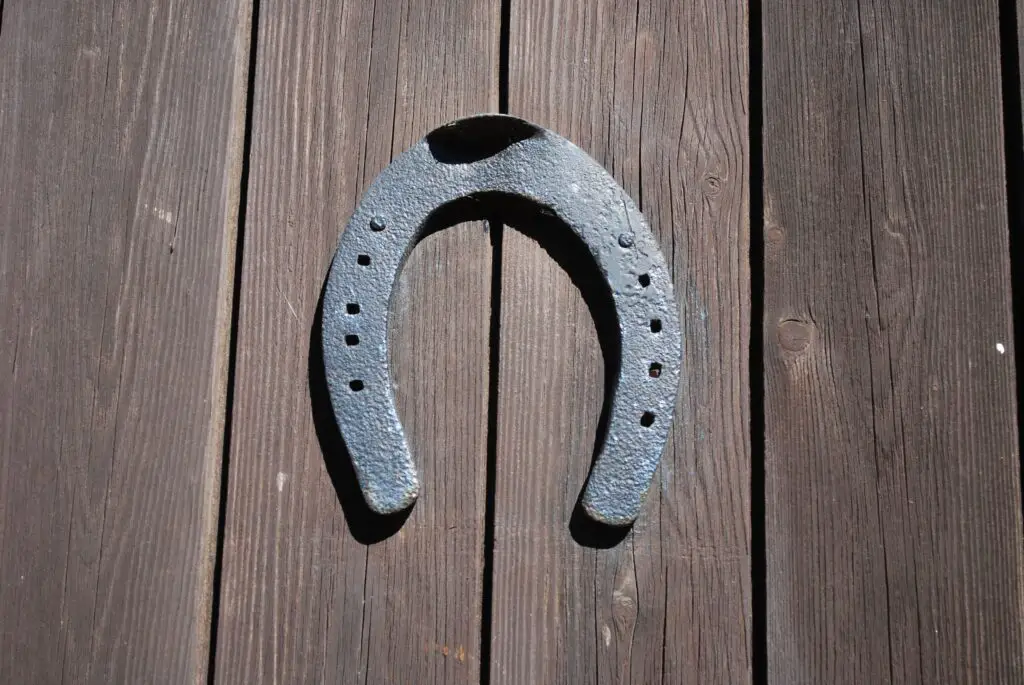
Horseshoes are often hung above doorways to bring good luck. This tradition likely started in medieval Europe, where iron was believed to repel evil spirits. Horseshoes were also associated with hardworking animals and prosperity.
Some people hang them with the ends pointing upward to “hold” the luck inside. Others turn them downward so the luck pours onto anyone who enters. Either way the symbol has survived centuries of changing beliefs. Many homes still display one near the front door.
10. Saying “Bless You” After a Sneeze

When someone sneezes, it is common for someone nearby to say “bless you.” The phrase traces back to ancient beliefs that sneezing left a person briefly vulnerable to evil spirits or illness. In some traditions it was thought the soul could momentarily escape the body during a sneeze.
Offering a blessing was meant to protect the person from harm. During outbreaks of plague in medieval Europe, the phrase became even more widespread. Today it is simply polite reflex. Most people say it automatically without thinking about the superstition behind it.
11. Lucky Numbers
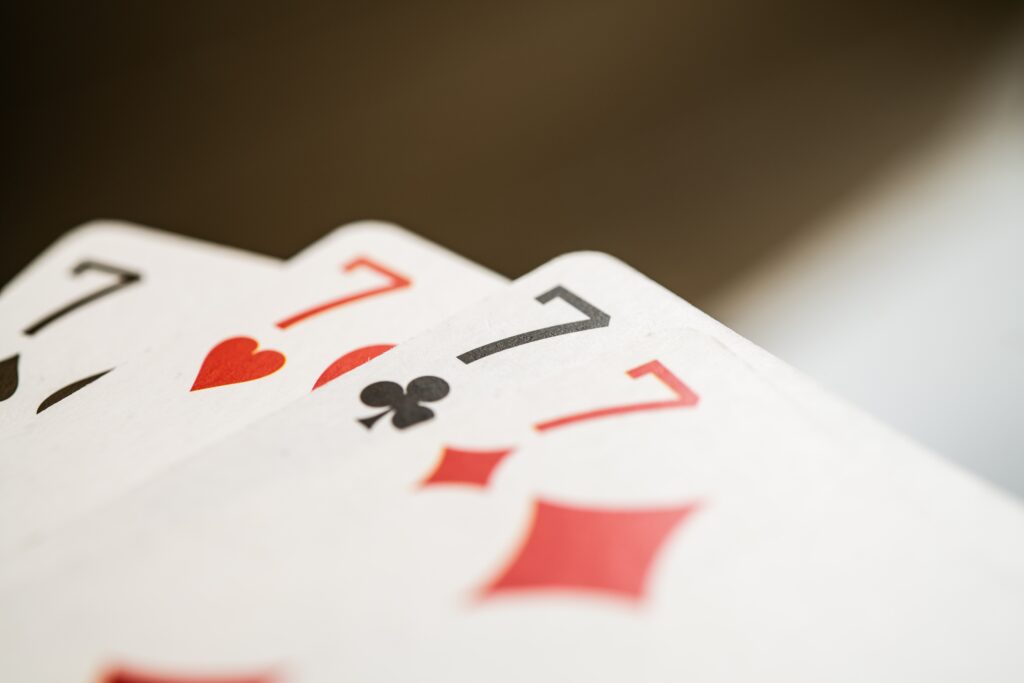
Many cultures assign special meaning to certain numbers. In ancient China the number eight became associated with prosperity because its pronunciation sounded like the word for wealth. In other traditions the number seven gained a reputation for luck due to religious symbolism and natural patterns.
People still choose these numbers when picking lottery tickets, phone numbers or wedding dates. Sports players often treat certain jersey numbers as lucky. Even businesses sometimes use numbers they believe bring prosperity. The ancient fascination with numbers still shapes small decisions today.
12. Avoiding Black Cats
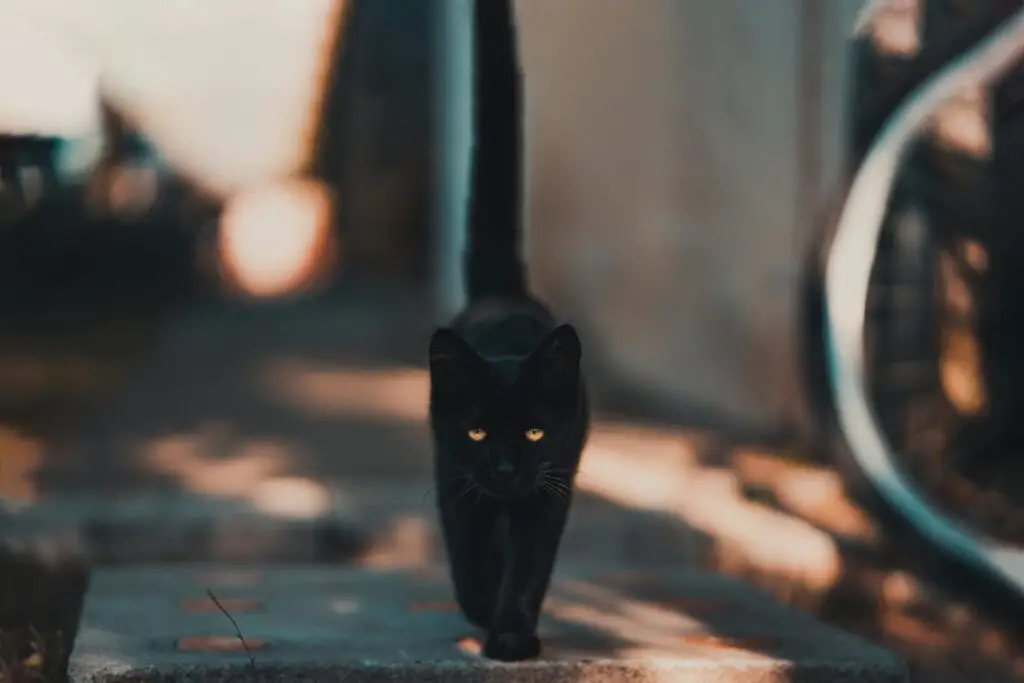
Black cats have carried a reputation for bad luck for centuries. In medieval Europe they were sometimes linked to witchcraft and supernatural beliefs. Seeing one cross your path became associated with misfortune.
In other cultures the same animal actually symbolizes good luck, which shows how superstitions can shift over time. Despite that, the negative reputation stuck in many Western traditions. Even now some people feel a brief hesitation when a black cat crosses the road. The superstition lingers long after its original fears faded.