
1. The Corner Hardware Store
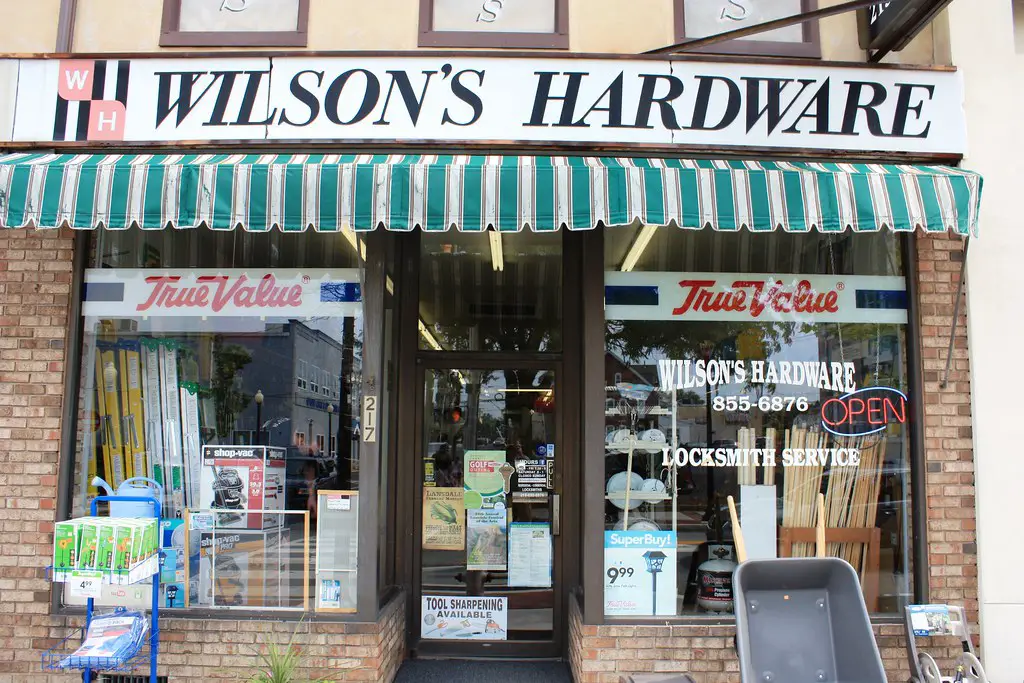
Every neighborhood seemed to have one hardware store where the owner knew exactly what you needed before you finished explaining the problem. These weren’t giant warehouse chains with endless aisles. They were narrow stores with creaky floors, bins of nails behind the counter, and the smell of lumber and motor oil hanging in the air. If you walked in looking confused, someone would usually ask, “What are you fixing?” before you even spoke. More often than not, they had the exact screw, hinge, or tool that saved the day.
People didn’t just go there for supplies. They stopped in for advice and conversation. The owner often knew half the neighborhood by name and remembered which house you lived in. Kids sent by their parents with handwritten lists were treated like regular customers. Over time the store became less of a business and more of a neighborhood institution. When one closed, it felt like losing a helpful neighbor.
2. The Family-Owned Diner
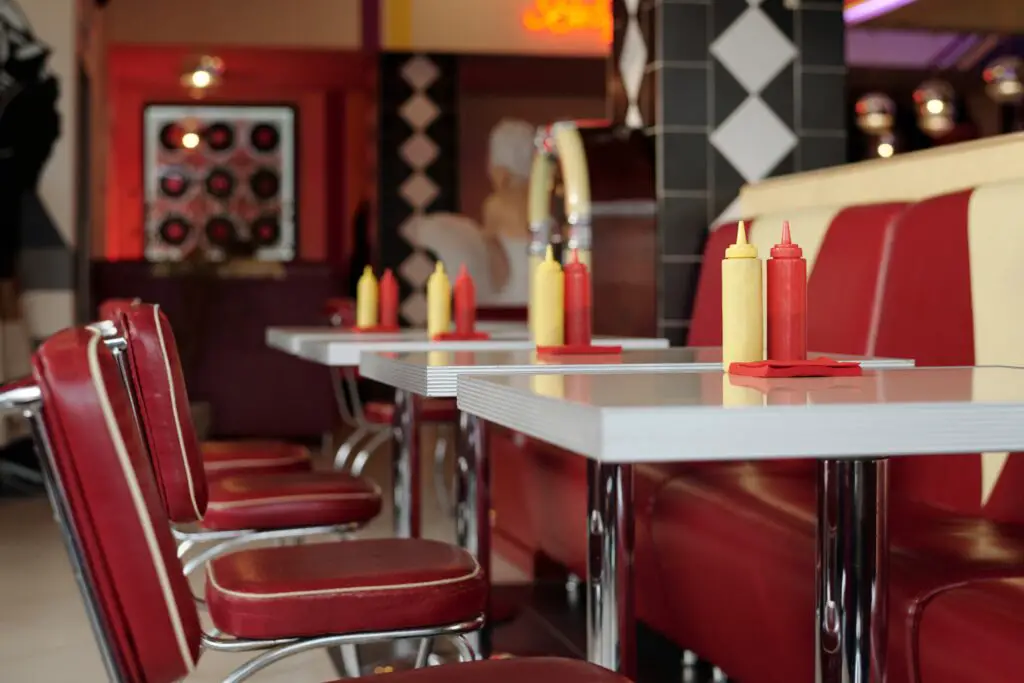
The neighborhood diner was where people gathered without needing a special reason. It might have had a long counter with spinning stools, vinyl booths along the wall, and a coffee pot that never seemed to empty. Breakfast was usually the main attraction, with pancakes, eggs, and hash browns served from early morning until well past lunch. Regulars often had “their” booth or stool that no one else dared claim. The staff knew what they ordered before they sat down.
These diners were a kind of unofficial town square. Local gossip traveled from table to table along with the coffee refills. Police officers, construction workers, retirees, and teenagers all shared the same space. Birthdays, bad news, and everyday victories were all discussed over pie and toast. When a diner shut its doors, the neighborhood lost more than a place to eat. It lost one of its most reliable gathering spots.
3. The Neighborhood Pharmacy
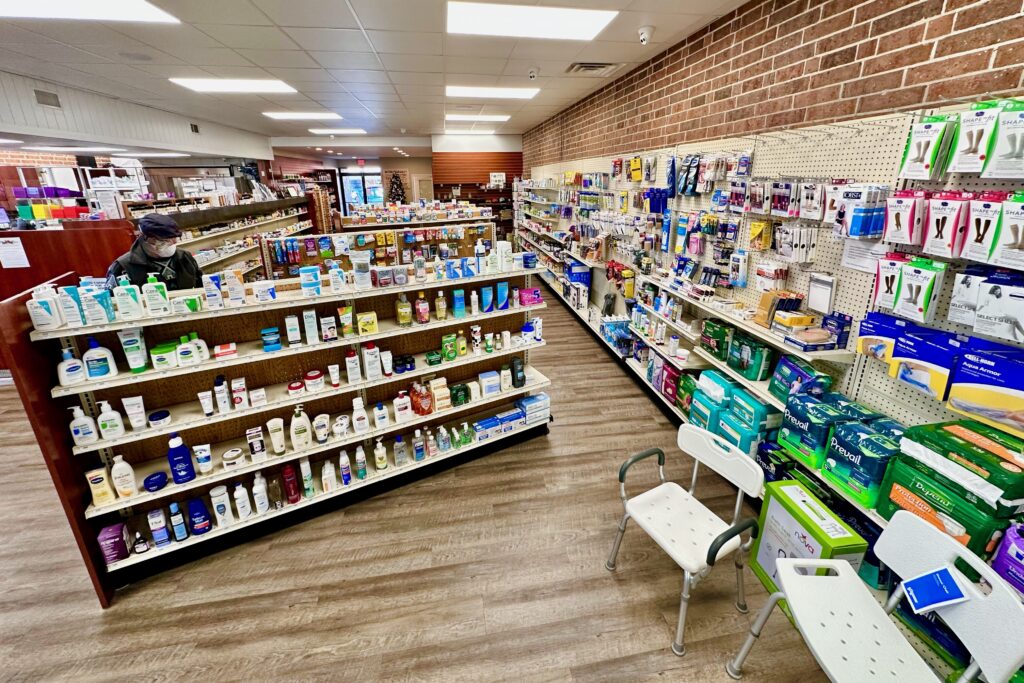
Long before chain drugstores took over entire corners, most neighborhoods relied on a single trusted pharmacy. Inside, shelves were packed with medicine, greeting cards, and small household items. But the real center of the store was the pharmacist behind the counter, someone who knew families and their medical histories surprisingly well. Many older pharmacies even had a small soda fountain or lunch counter. Kids would stop by after school for a milkshake or ice cream float.
The pharmacist often played a quiet but important role in the community. People asked questions they might not have wanted to bother a doctor about. Parents came in seeking advice for sick children late at night. Over time the pharmacist became a familiar and reassuring figure. The store wasn’t just a place to fill prescriptions. It was a place where people felt looked after.
4. The Corner Grocery Store
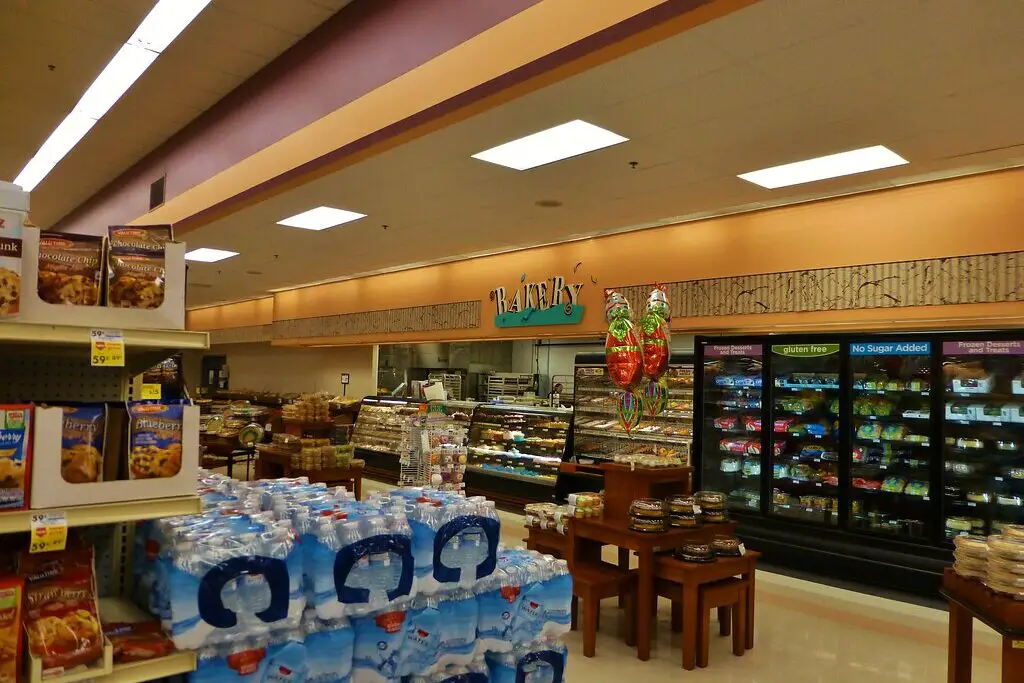
Before supermarkets expanded into massive chains, the corner grocery store handled most of the neighborhood’s everyday needs. These small markets had narrow aisles, stacked wooden produce crates, and the steady hum of an old refrigerator case. You might run in for bread and milk but leave with a bag full of things the owner recommended. The selection was smaller than a modern store, but somehow it always covered the basics. And if something wasn’t in stock, the owner might order it just for you.
Shopping there felt personal in a way that larger stores rarely achieve. The cashier often knew your parents, your kids, and what you usually bought. Credit might even be extended with a simple note in a small ledger. Kids walking home from school would stop in for candy or a soda. These stores anchored the rhythm of daily life. When they disappeared, neighborhoods lost a little bit of their independence.
5. The Local Movie Theater
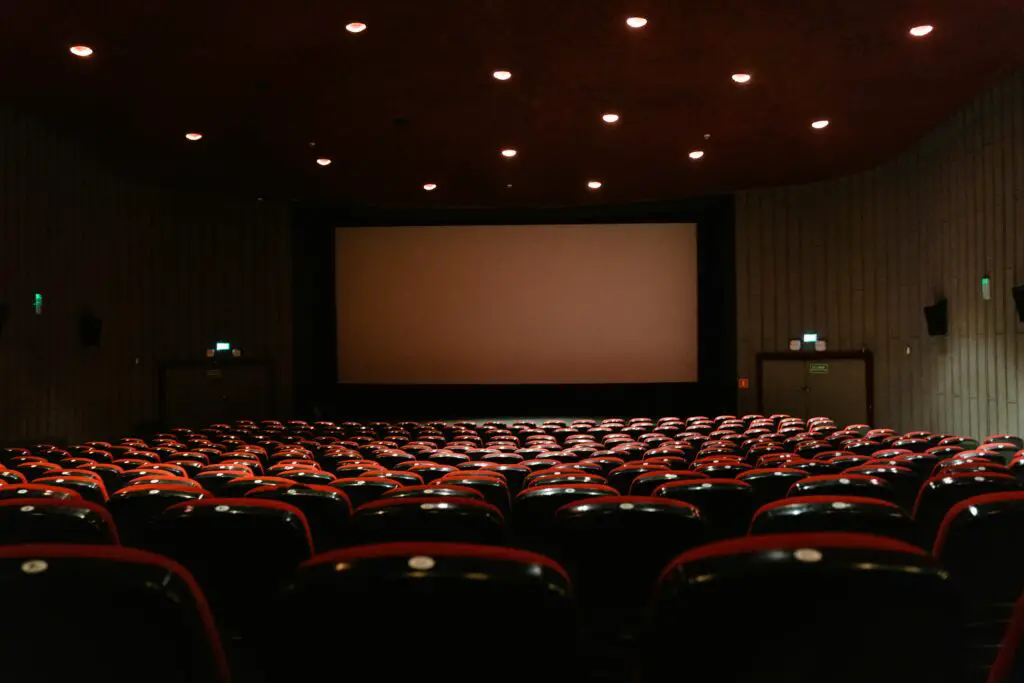
For many neighborhoods, the local movie theater was the main source of entertainment. It might have had just one or two screens, but the glowing marquee made it feel magical. On weekend nights the sidewalk outside would fill with teenagers waiting for the next showing. Inside, the smell of popcorn mixed with the sound of film reels clicking overhead. Seeing a movie there felt like a small event.
These theaters often became part of people’s memories growing up. First dates, Saturday matinees, and family outings all happened under the same roof. Kids saved allowance money for tickets and snacks. The theater staff often knew the regular crowd and kept an eye on everything like unofficial chaperones. Even if the building itself wasn’t fancy, it belonged to the neighborhood. When multiplexes replaced them, something about the experience changed.
6. The Neighborhood Barber Shop

Barber shops were more than places for haircuts. They were social hubs where people talked about everything from sports to local politics. The chairs were heavy, the mirrors were large, and the sound of clippers buzzing filled the room all day. Customers often waited their turn on a row of chairs along the wall, flipping through magazines or newspapers. Conversations would drift across the room as people joined in.
Regular customers often stuck with the same barber for decades. The barber knew how each person liked their haircut without needing much explanation. Kids sometimes received their first haircut there while nervous parents watched nearby. Over time, these shops became places where stories and opinions were exchanged freely. In many neighborhoods, the barber shop functioned almost like a daily meeting place.
7. The Family Bakery

A neighborhood bakery could fill an entire block with the smell of fresh bread early in the morning. Display cases were often packed with pastries, cookies, and cakes decorated by hand. People stopped in before work for donuts or picked up bread on the way home. The recipes were often family traditions passed down through generations. Regular customers could taste the difference.
The bakery also played a role in life’s celebrations. Birthday cakes, wedding pastries, and holiday treats all came from the same trusted place. During busy seasons, lines sometimes stretched out the door. Children pressed their noses against the glass cases trying to decide what to pick. Over time the bakery became tied to countless family memories. Its disappearance often felt like the loss of a familiar tradition.
8. The Local Record Store

For music lovers, the neighborhood record store was a place of discovery. Rows of vinyl records filled wooden bins that customers flipped through for hours. Posters of bands covered the walls, and new albums played over the store speakers. The staff usually knew music inside and out and loved recommending artists people had never heard before. Walking in felt like stepping into a different world.
Teenagers often treated the store as a hangout as much as a shop. Friends compared albums, debated favorite bands, and saved money for the next purchase. Many stores hosted small listening parties or autograph events. The shop owner often knew exactly what new release each regular customer was waiting for. These stores helped shape musical tastes for entire neighborhoods. When they closed, a whole culture of browsing and discovery faded with them.
9. The Independent Bookstore

Independent bookstores once acted as quiet cultural centers within neighborhoods. Shelves were packed with novels, history books, children’s stories, and magazines. The atmosphere felt calm and welcoming, with soft lighting and the faint smell of paper and ink. People could wander for an hour without feeling rushed. The staff often read constantly and loved talking about books.
These stores also created a sense of intellectual community. Local authors sometimes held readings or signings there. Book clubs formed around regular customers who shared recommendations. Parents brought children in to pick out their first favorite stories. The store became a place where curiosity was encouraged. When larger chains and online retailers took over, many neighborhoods lost these small literary hubs.
10. The Neighborhood Gas Station
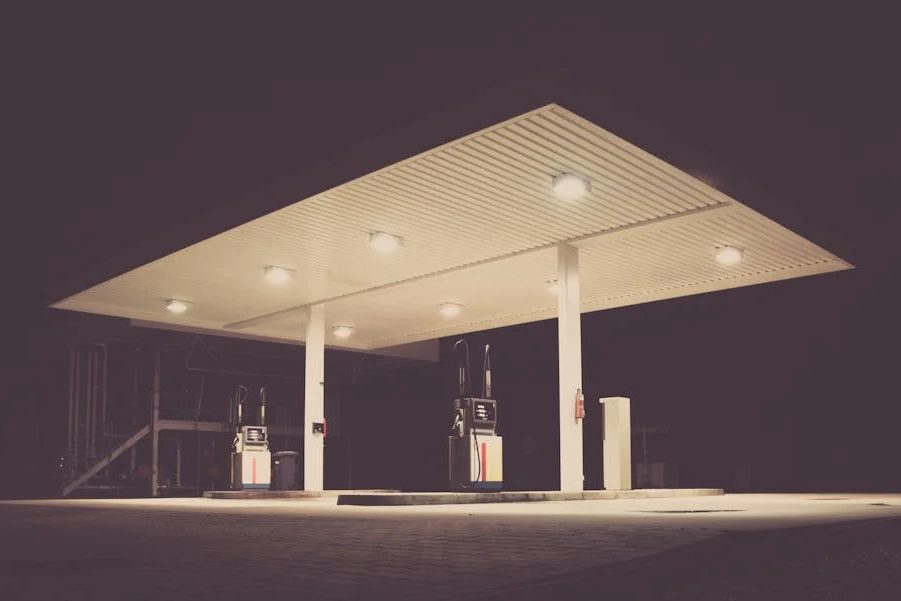
Before massive service plazas and convenience chains dominated highways, local gas stations were deeply tied to their neighborhoods. They often had just a few pumps and a small office where the owner handled everything. Mechanics might work in a garage attached to the building, fixing cars for familiar customers. Drivers pulled in not just for fuel but for quick repairs and advice. It felt practical and personal.
The attendants often knew the cars that belonged to the area. Some stations even pumped gas for customers while chatting through the window. People stopped by to ask about strange engine noises or a flat tire. Over time the station owner became known as someone who could solve problems. These places quietly supported daily life. When they disappeared, something dependable vanished with them.
11. The Local Candy Store

Candy stores once held a special place in many neighborhoods, especially for kids. The shelves were lined with glass jars filled with colorful sweets. Licorice ropes, gumdrops, chocolate bars, and taffy sat within easy reach. Many children arrived with just a few coins but left feeling like they had discovered treasure. The excitement of choosing candy made even a quick visit memorable.
These stores were often small but full of personality. The owner might weigh candy on a scale and wrap it in paper bags. After school the shop filled with chatter and laughter. Parents sometimes stopped in for a nostalgic treat of their own. Over time the candy store became part of childhood memories for an entire generation. When they closed, something playful disappeared from the neighborhood.
12. The Local Department Store
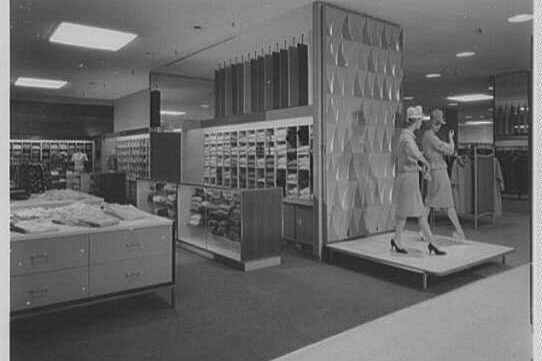
In many towns, a single department store acted as a central shopping destination. It sold clothing, housewares, toys, and sometimes furniture under one roof. Families visited for back to school shopping, holiday gifts, or special occasions. The store often decorated its windows for different seasons, which drew people walking by. Even browsing inside could feel like an outing.
These stores also served as important community landmarks. People arranged to meet friends near the entrance or the escalator. Holiday displays sometimes became traditions families looked forward to each year. Employees often worked there for decades and knew customers personally. Over time the store’s identity blended with that of the neighborhood itself. When it closed, it left a noticeable gap in local life.