
1. Rick Moranis
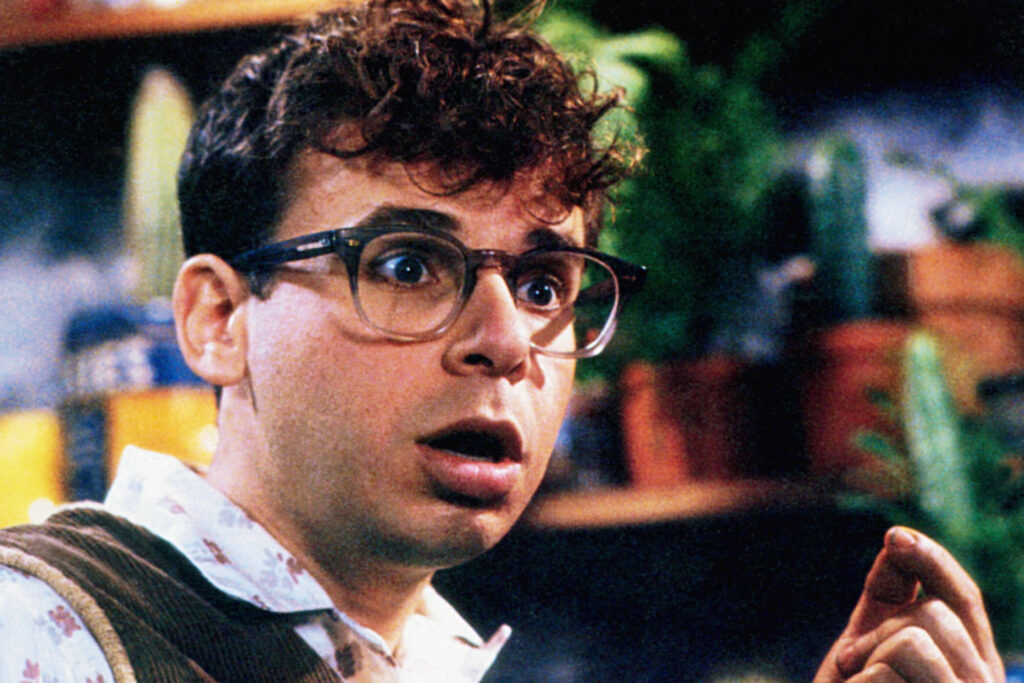
For much of the ’80s and early ’90s, Rick Moranis seemed to be everywhere. He had a knack for playing the slightly awkward but lovable character, whether he was shrinking kids in Honey, I Shrunk the Kids or singing about plants in Little Shop of Horrors. Audiences recognized his voice, his glasses, and that gentle comedic timing that made every scene feel warmer. It felt like Moranis was on a steady climb that would keep him in theaters for decades.
Then, almost without fanfare, he stepped away. After the death of his wife in 1991, Moranis chose to focus on raising his children and gradually turned down major roles. By the late ’90s, he had largely disappeared from Hollywood. Fans would occasionally wonder where he went, because his absence never came with a dramatic announcement. He simply chose family over fame and quietly stepped out of the spotlight.
2. Phoebe Cates
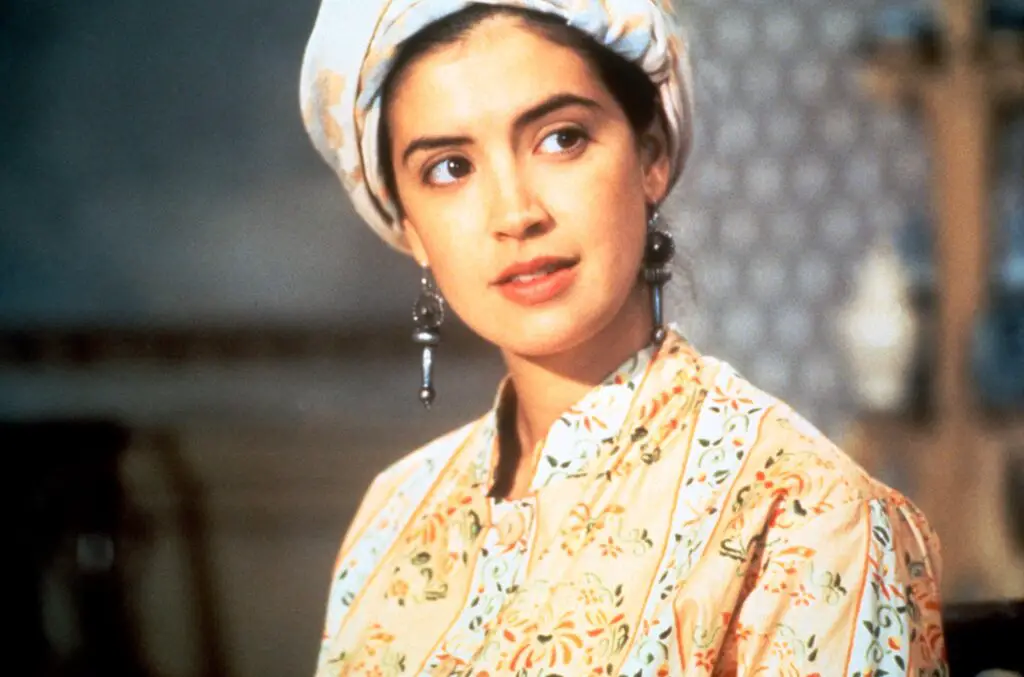
In the early ’80s, Phoebe Cates was one of those faces you instantly recognized. Her role in Fast Times at Ridgemont High made her a pop culture sensation, and she followed it with memorable parts in films like Gremlins. She had a natural charm that made audiences feel like they knew her even when she appeared in just a few scenes. For a moment, it looked like she might become one of the decade’s biggest stars.
Instead, her film appearances slowly became less frequent. After marrying actor Kevin Kline in 1989, Cates shifted her focus toward family life. By the mid ’90s she had largely stepped away from acting altogether. There was no scandal and no dramatic farewell tour. She simply moved on, leaving behind a handful of roles that people still remember decades later.
3. Shelley Duvall
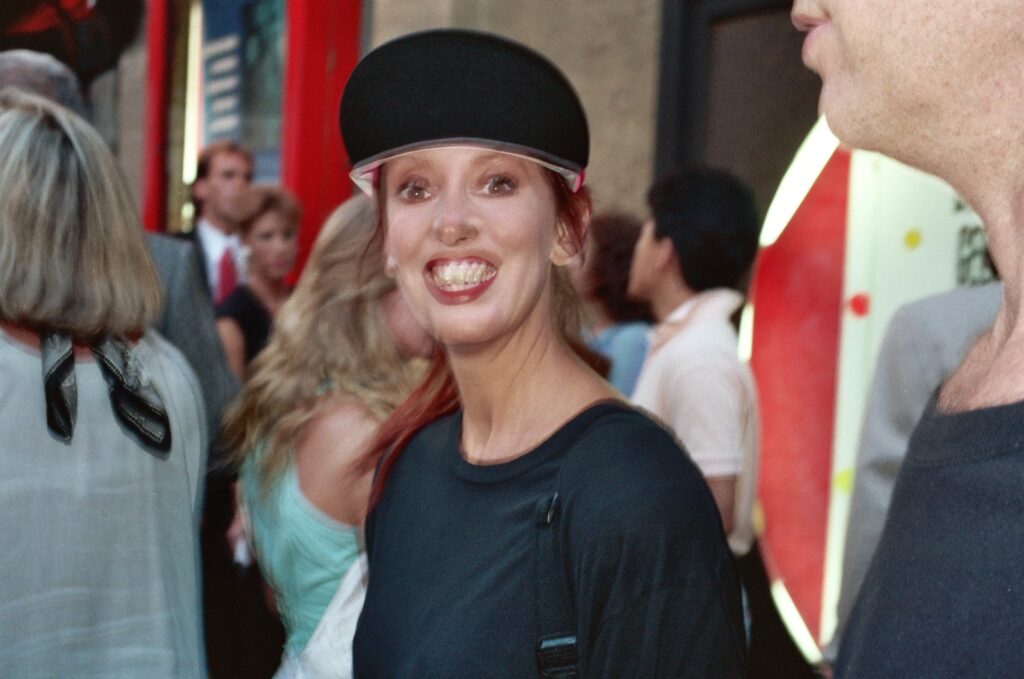
Shelley Duvall had one of the most distinctive screen presences of the ’70s and ’80s. With her wide eyes and unique voice, she brought an unusual sensitivity to films like The Shining and Popeye. Directors often cast her because she could make odd, fragile characters feel deeply human. At one point she was a regular part of the creative circle surrounding director Robert Altman.
Her career gradually shifted in the ’90s. Duvall spent years producing and hosting children’s television projects like Faerie Tale Theatre, which became beloved by families. After that period, she stepped further away from Hollywood and eventually returned to Texas. Public appearances became rare, and fans realized her absence only after a long stretch of quiet. It felt less like a disappearance and more like someone gently closing a door.
4. Freddie Prinze
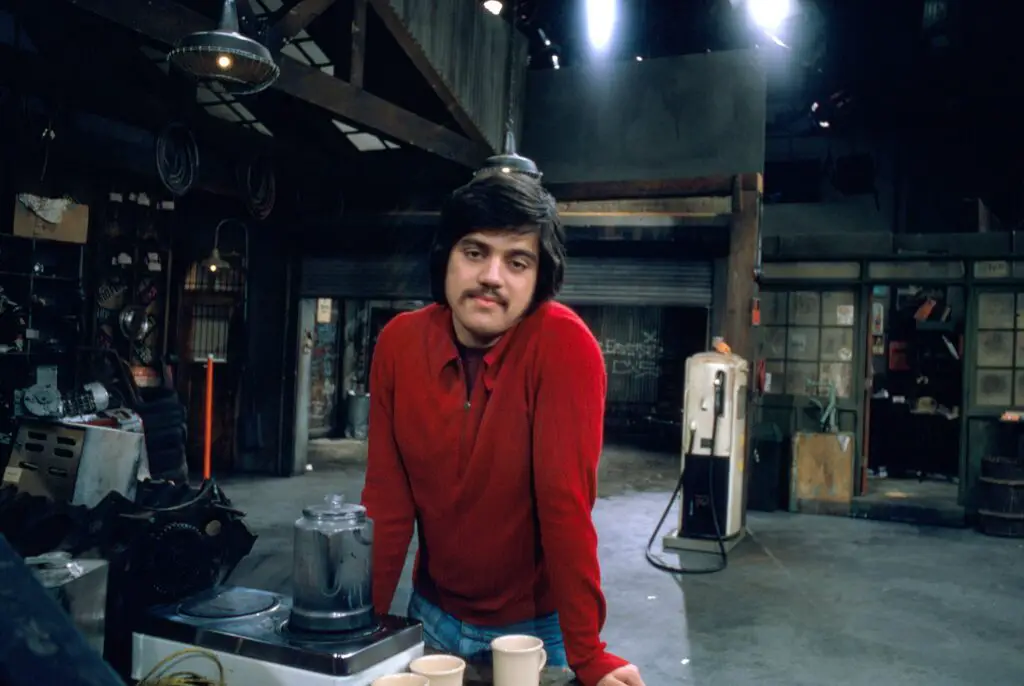
Freddie Prinze became a household name almost overnight thanks to Chico and the Man. The sitcom turned him into one of television’s brightest young stars in the mid ’70s. Prinze’s sharp stand up comedy and easy charisma made him hugely popular with audiences. For a brief moment, it looked like his career would keep expanding for years.
But fame came fast and complicated things just as quickly. Prinze struggled with the pressure that followed his sudden rise in Hollywood. His life ended tragically in 1977 at only 22 years old. Because his career burned so brightly and briefly, many people remember him as someone who seemed to vanish just as quickly as he arrived.
5. Debra Winger
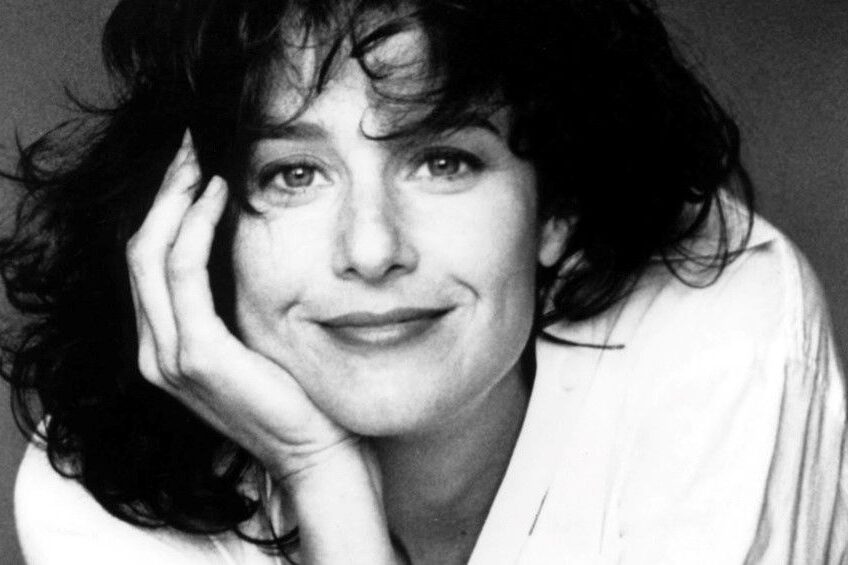
During the late ’70s and early ’80s, Debra Winger was one of the most respected actresses working in Hollywood. Films like An Officer and a Gentleman and Terms of Endearment showed her ability to balance vulnerability with strength. Critics praised her performances and she earned multiple Academy Award nominations. She appeared poised to remain one of the industry’s central figures.
Then her presence began to fade from the mainstream. Winger grew increasingly selective about roles and eventually stepped away from acting for several years during the ’90s. She later explained that the pace and culture of Hollywood no longer appealed to her. When she returned to film, it was on her own terms and far less frequently. By then, she had already slipped from the constant visibility she once had.
6. Erik Estrada
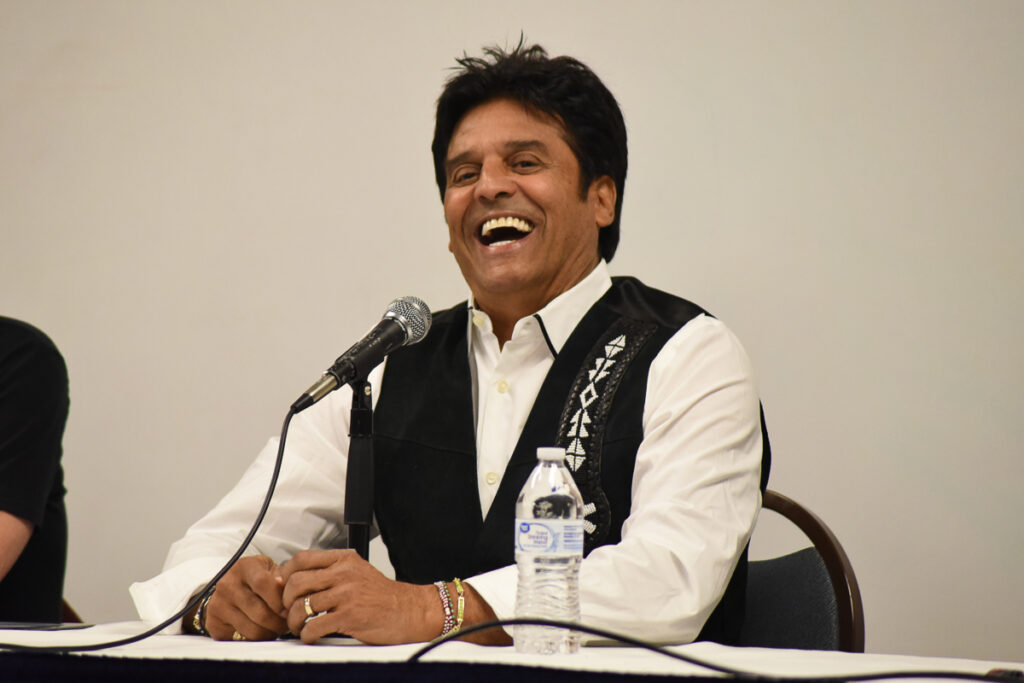
In the late ’70s and early ’80s, Erik Estrada was practically synonymous with CHiPs. His role as Officer Frank Poncherello made him one of television’s most recognizable stars. Kids knew the show, posters of Estrada hung in bedrooms, and his smile seemed to appear on magazine covers everywhere. He had the kind of popularity that suggested a long television career ahead.
After the series ended in 1983, his visibility slowly declined. Estrada continued acting, often in television guest roles or international projects, but the constant spotlight faded. He also shifted toward public service and eventually became involved in law enforcement work off screen. Fans still remember Ponch vividly, even if the actor himself stepped away from the same level of fame.
7. Tatum O’Neal
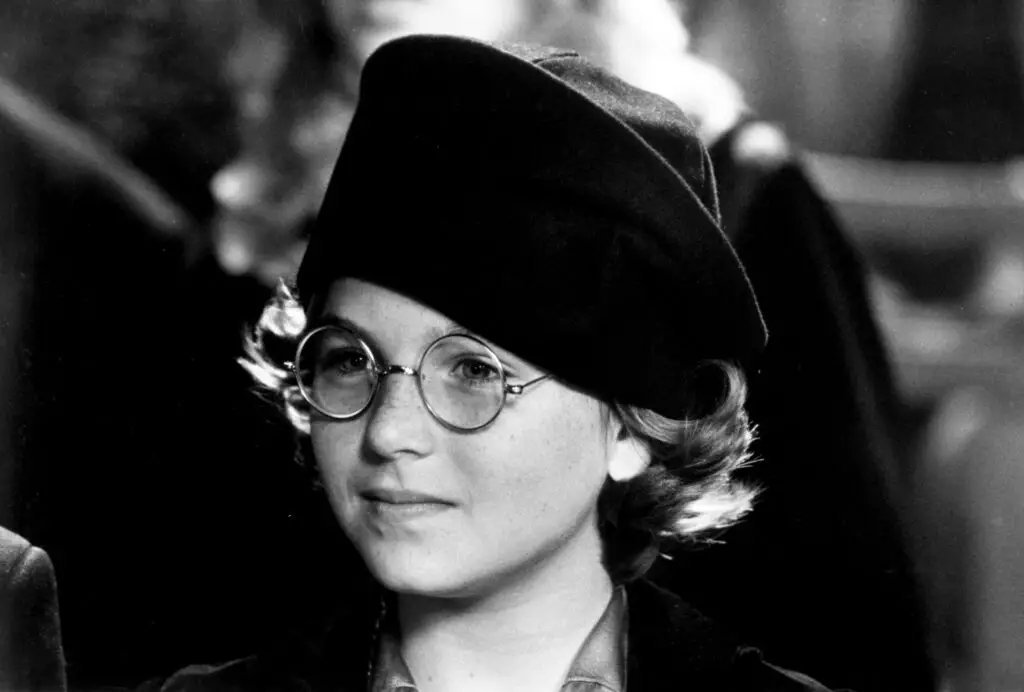
When Tatum O’Neal won an Academy Award for Paper Moon in 1974, she became the youngest person ever to win an acting Oscar. The achievement instantly made her one of the most talked about young performers in Hollywood. Her natural performance alongside her father Ryan O’Neal captured audiences everywhere. For a time, it seemed like she would grow into one of the industry’s most dominant adult actresses.
Her career, however, took a more complicated path. Personal struggles and changing roles gradually pulled her away from the spotlight. By the late ’80s and ’90s, her appearances became far less frequent. While she occasionally returned to acting, the constant visibility of her early fame never returned. The public memory of that Oscar winning child star remained much stronger than her later career.
8. Mackenzie Phillips
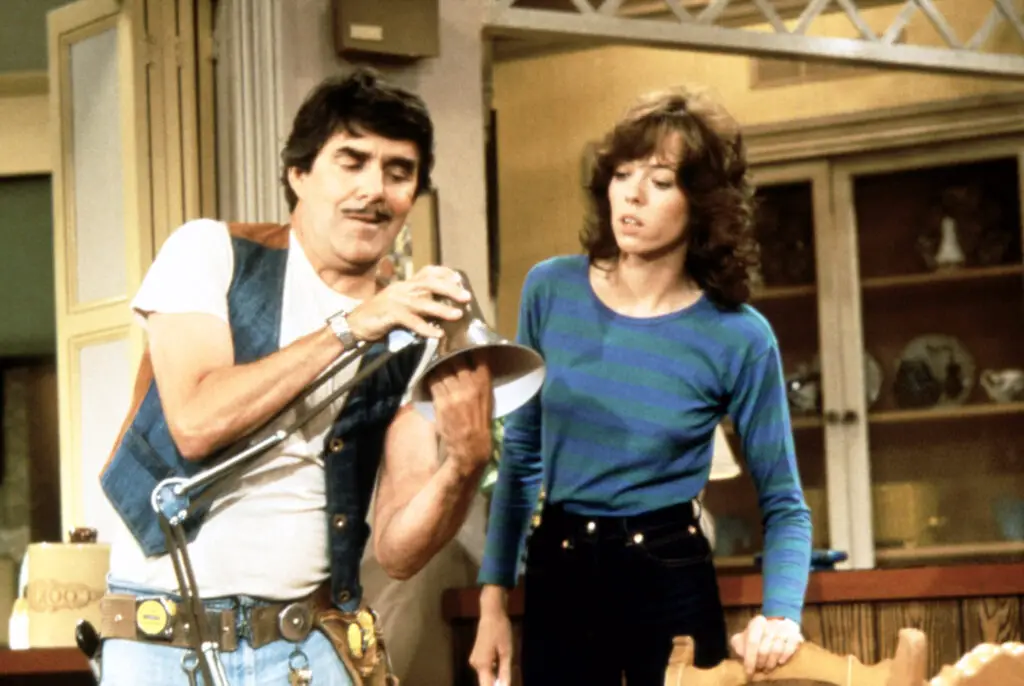
Mackenzie Phillips became a familiar face to television viewers through her role on One Day at a Time. As Julie Cooper, she represented a generation of teenagers navigating complicated family lives. The show made her instantly recognizable during the late ’70s. Her presence on television felt authentic and relatable to many viewers.
Yet her career gradually slowed as personal struggles began affecting her work. Phillips stepped away from acting for periods of time while dealing with addiction and recovery. Over the years she returned to television occasionally, but never at the same level of visibility. For many fans, she remains closely associated with that single sitcom era. The transition from constant exposure to occasional appearances happened quietly over time.
9. Bridget Fonda

Bridget Fonda seemed poised to carry on the famous Fonda acting legacy during the ’90s. She appeared in a wide range of films including Single White Female, Point of No Return, and Jackie Brown. Her performances showed versatility, moving easily between thrillers, comedies, and dramas. For a while, she was one of the most recognizable actresses of that decade.
Then her career slowed dramatically in the early 2000s. After marrying composer Danny Elfman in 2003, Fonda gradually stepped away from acting altogether. She did not formally announce a retirement, which made her absence feel more gradual than sudden. Years passed without new roles, and eventually people realized she had quietly left the profession behind. Her filmography now feels like a snapshot of a very specific moment in ’90s cinema.
10. David Cassidy
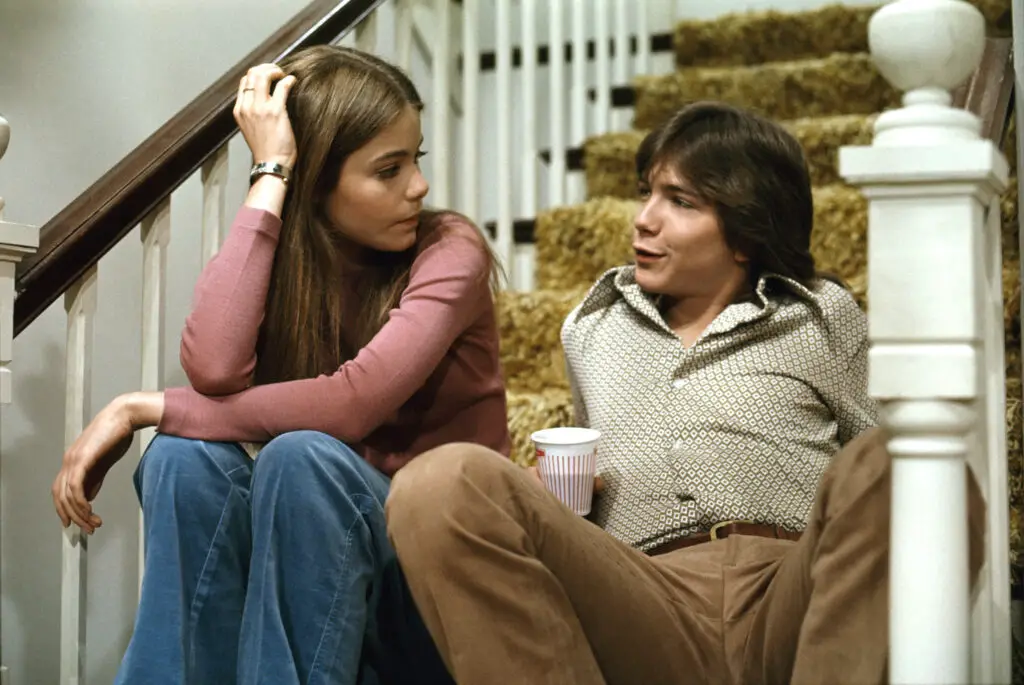
David Cassidy was once one of the biggest teen idols in the world. His role on The Partridge Family turned him into a global sensation during the early ’70s. Fans screamed at concerts, magazines devoted endless pages to him, and his music sold millions of records. At the height of his fame, it seemed impossible to imagine pop culture without him.
But the teen idol spotlight rarely lasts forever. Cassidy spent years trying to reshape his image and pursue a more mature music career. While he continued performing and touring, the overwhelming fame of his early years gradually faded. Younger audiences moved on and the cultural spotlight shifted elsewhere. What remained was a powerful memory of just how massive his popularity once was.
11. Jonathan Taylor Thomas
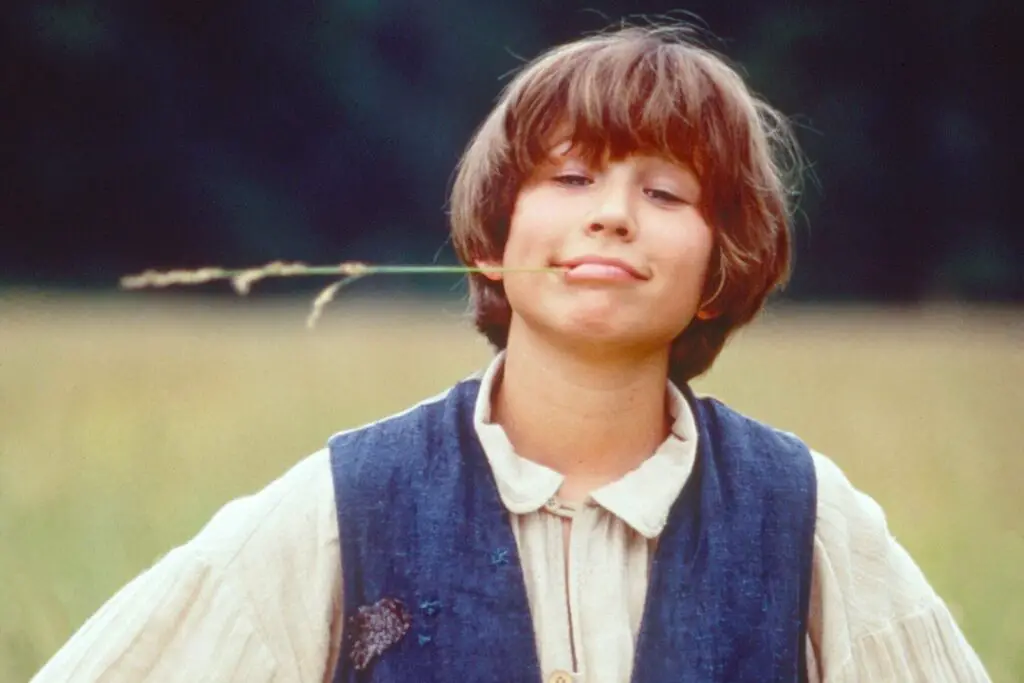
In the ’90s, Jonathan Taylor Thomas was everywhere teenagers looked. His role as Randy Taylor on Home Improvement made him one of television’s most recognizable young stars. He also voiced young Simba in The Lion King and appeared on countless magazine covers. For a brief period, he was one of the most famous teen actors in America.
Then something unusual happened for a celebrity at that level. Thomas chose to step away from the spotlight and focus on education instead. He attended Harvard and later Columbia University, appearing only occasionally in small projects afterward. The sudden quiet around his name made people wonder where he had gone. In reality, he simply chose a more private life away from constant attention.
12. Greta Garbo
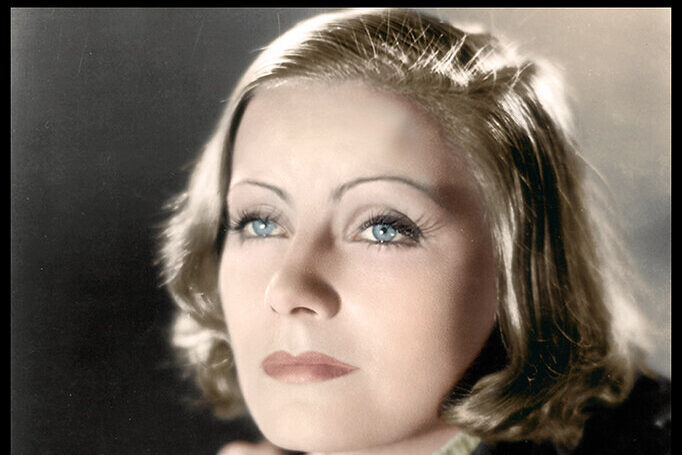
During the ’20s and ’30s, Greta Garbo was one of the most famous movie stars in the world. Her mysterious persona and powerful screen presence made her a defining figure of classic Hollywood. Films like Camille and Ninotchka cemented her reputation as a legendary actress. Studios built entire campaigns around the idea that Garbo herself was an enigma.
Then, at the age of 36, she stepped away from acting completely. Garbo retired from film in 1941 and spent the rest of her life largely out of public view. She rarely gave interviews and avoided publicity whenever possible. Over time her absence became part of her legend. The star who once dominated movie screens became known for choosing privacy instead.
13. Danny Bonaduce
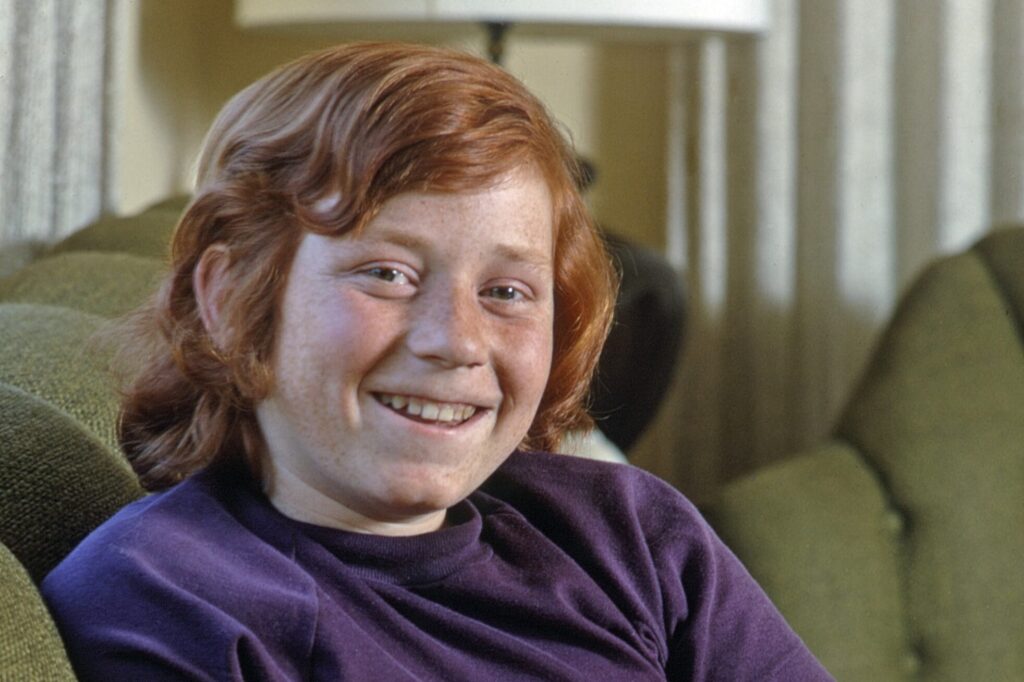
Danny Bonaduce became famous very young thanks to his role as Danny Partridge on The Partridge Family. As the mischievous red haired bassist, he stood out among the show’s ensemble cast. His quick wit and energetic personality made him a memorable part of the series. For many viewers growing up in the ’70s, his character felt like a familiar presence.
After the show ended, Bonaduce’s career took a winding path. He worked in radio, reality television, and occasional acting roles, but the steady visibility of his childhood fame faded. Personal struggles also shaped parts of his public story over the years. Even so, he remained recognizable to fans who remembered the show’s original run. His public presence never fully disappeared, but it gradually shifted away from mainstream television fame.
14. Bo Derek
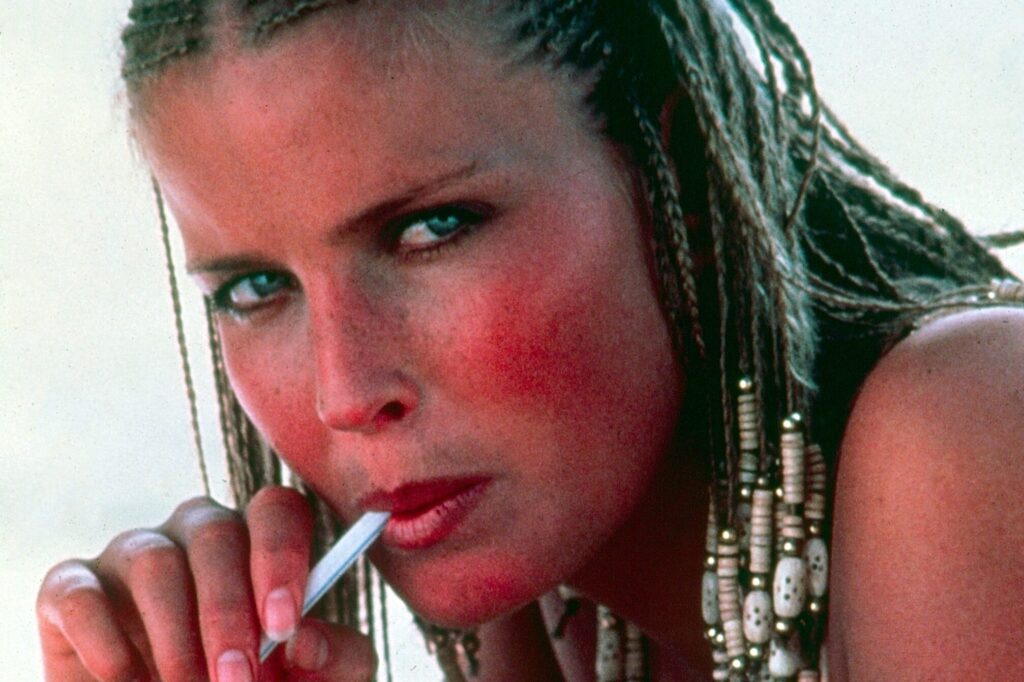
Bo Derek became a sensation almost overnight after appearing in the 1979 film 10. The image of her running along the beach with braided hair became one of the most recognizable movie moments of the era. Suddenly she was appearing in magazines, interviews, and headlines everywhere. For a brief period, it felt like she was one of Hollywood’s most talked about stars.
Yet that level of attention did not last indefinitely. Derek continued acting in later years, but none of her films recreated the cultural impact of 10. As time passed, her appearances became less frequent and the spotlight gradually moved on. She remained a recognizable figure but no longer a constant presence in popular culture. Her story became another example of how quickly Hollywood attention can shift.