
1. Atlantic City Boardwalk
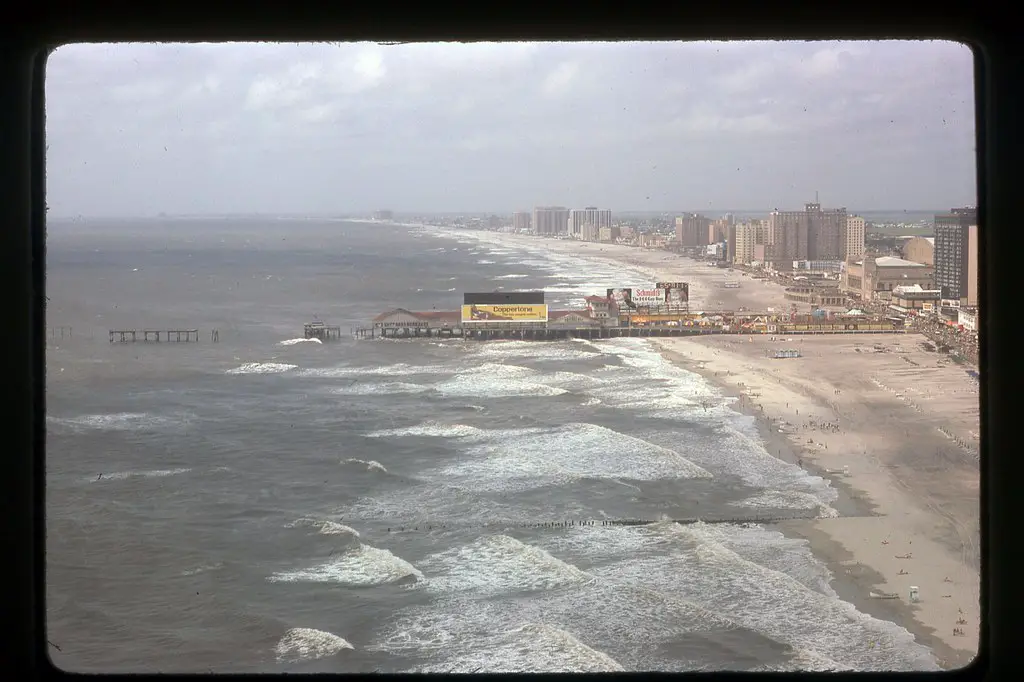
For decades, the Atlantic City Boardwalk felt like the center of the universe for summer vacationers. Families arrived from across the Northeast, stepping onto those wooden planks with salt air in their lungs and pockets full of arcade quarters. The Steel Pier’s diving horses, rolling chairs, and bright carnival lights made the place feel larger than life. In the early 20th century, it was where celebrities performed and big crowds gathered just to see the spectacle.
Even people who never visited Atlantic City knew about the boardwalk through postcards, movies, and stories. It carried a reputation that stretched far beyond New Jersey. A walk there once meant you were standing somewhere important, almost legendary. Over time the spotlight faded, but the old stories still give the place a glow. For a long stretch of history, it felt like the most famous strip of wood in America.
2. The Catskills Resorts
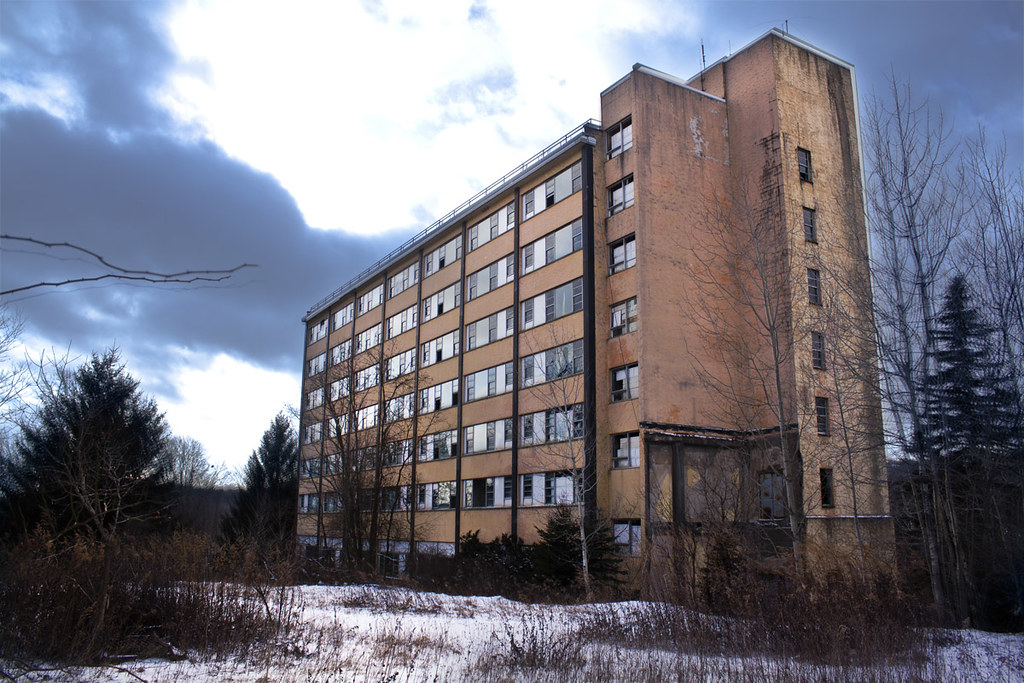
For much of the mid-20th century, the Catskills in New York were the ultimate vacation destination. Resorts like Grossinger’s and the Concord attracted thousands of guests each summer. Families returned year after year, filling the dining halls and dance floors. Comedians, musicians, and entertainers honed their craft there in front of lively crowds.
People often called it the “Borscht Belt,” and the name carried serious cultural weight. For many New Yorkers, spending time there was practically a rite of passage. Stories of big shows and late-night laughter traveled far beyond the mountains. By the ’70s and ’80s the resort era had largely faded, but the legend never completely disappeared. For a generation, the Catskills felt as glamorous as any international resort.
3. Palisades Amusement Park
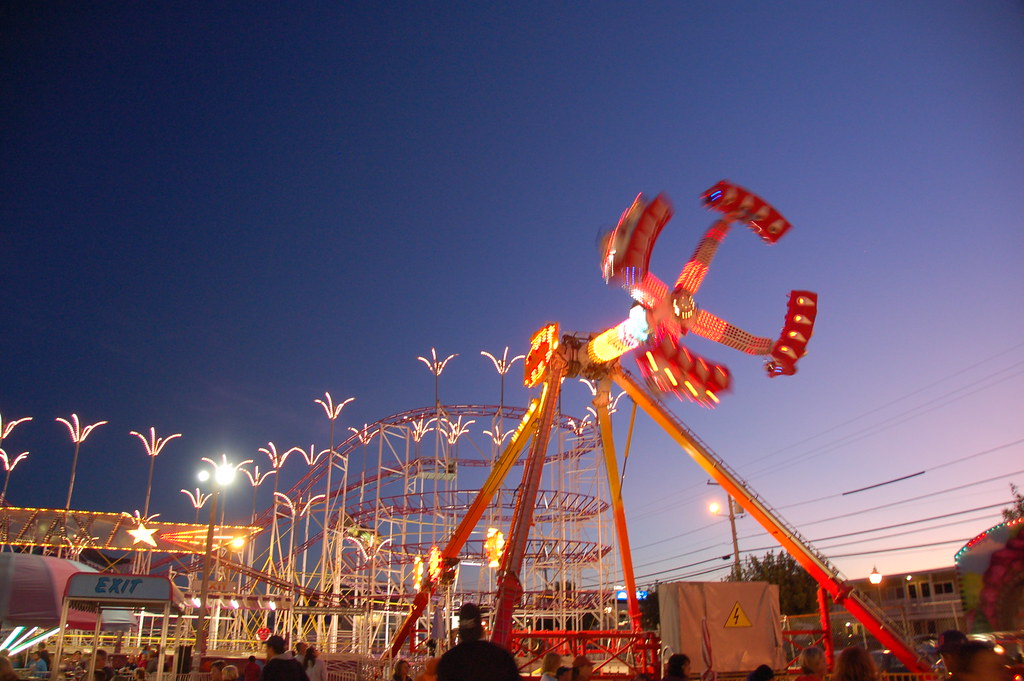
Palisades Amusement Park in New Jersey was once one of the most famous amusement parks in the country. Perched along the Hudson River cliffs, it attracted millions of visitors each year. Its roller coasters, giant saltwater pool, and booming loudspeaker music made it unforgettable. Teenagers flocked there during the summer just to ride the Cyclone and soak up the energy.
The park’s theme song even played constantly over the speakers, drilling itself into visitors’ memories. Radio stations promoted events there, making it feel like a national attraction. In truth it was simply a regional park, but its reputation made it feel much bigger. When it closed in 1971, many people felt like a piece of their youth disappeared with it. For decades, Palisades felt like the most exciting place you could possibly go.
4. Coney Island
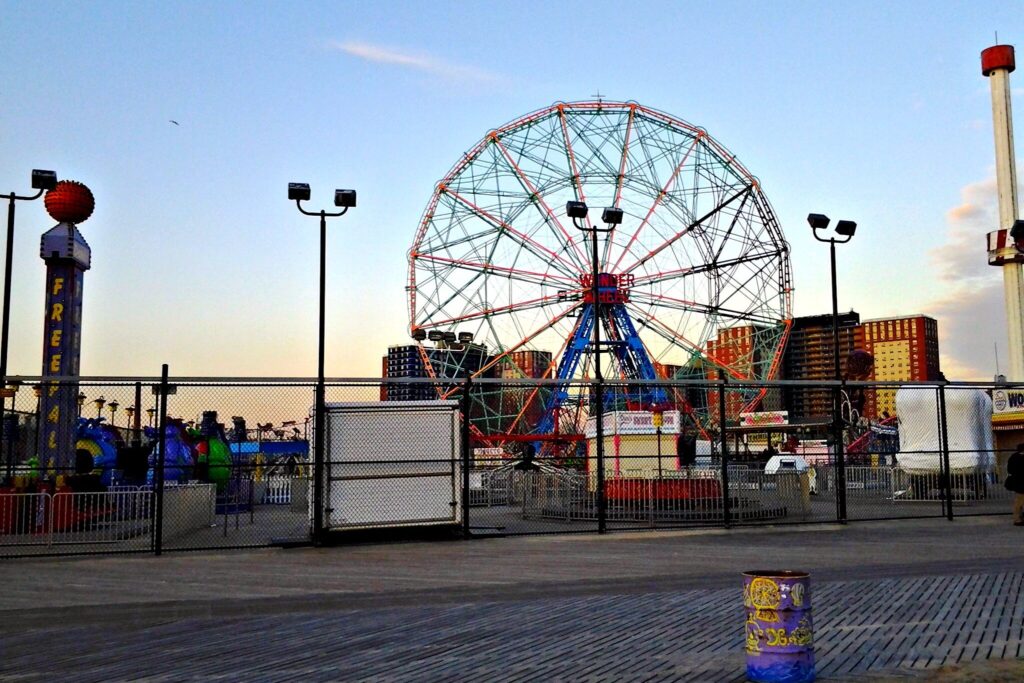
At the turn of the 20th century, Coney Island was practically synonymous with American entertainment. Luna Park and Dreamland dazzled visitors with electric lights and thrilling rides. Crowds poured in from New York City and beyond, eager to experience the spectacle. For many working families, it was the closest thing to a grand vacation.
The Cyclone roller coaster and Nathan’s hot dogs became cultural icons. Coney Island showed up in movies, music, and newspaper headlines. Even people who never visited knew the name immediately. It carried an almost mythical reputation for fun and chaos. For a long stretch of time, Coney Island felt like the amusement capital of the world.
5. Niagara Falls Honeymoon Trips
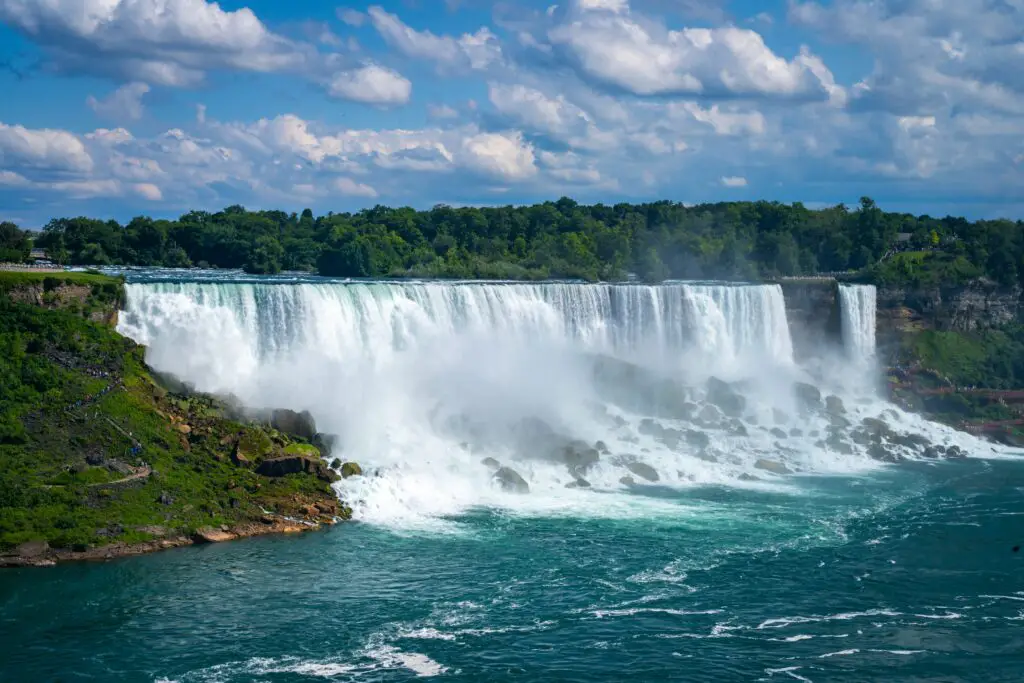
For generations of newlyweds, Niagara Falls represented the ultimate honeymoon destination. Couples from across North America traveled there to celebrate their first days of marriage. The roaring waterfalls, misty air, and scenic views created a romantic atmosphere that felt almost cinematic. Hotels and souvenir shops catered specifically to honeymooners.
By the early 1900s, Niagara Falls had become synonymous with romance itself. Popular culture reinforced the idea again and again. Saying you were going to Niagara Falls for your honeymoon carried a certain prestige. Even though it was relatively accessible, it felt like a grand adventure. At one time, few places seemed more famous to young couples.
6. Lake Tahoe Casinos
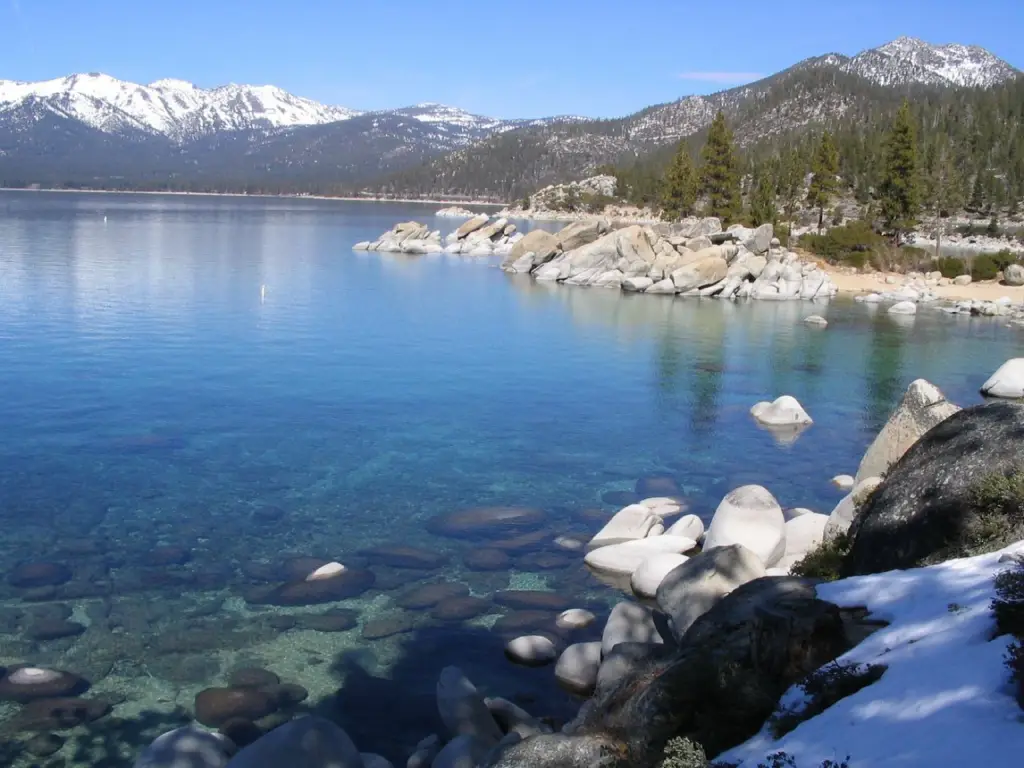
Lake Tahoe’s casinos once held a glamorous reputation that stretched far beyond Nevada and California. In the mid-20th century, famous performers like Frank Sinatra and Sammy Davis Jr. appeared regularly. Tourists came for the gambling but stayed for the shows and lake views. The atmosphere felt elegant and exciting at the same time.
Visitors often described the area as a smaller, more sophisticated alternative to Las Vegas. The casinos drew crowds who wanted entertainment without the chaos of the Strip. Stories about celebrity performances circulated widely. For many people, Tahoe sounded almost mythical. During its peak years, it felt like a hidden jewel of American nightlife.
7. The Wisconsin Dells
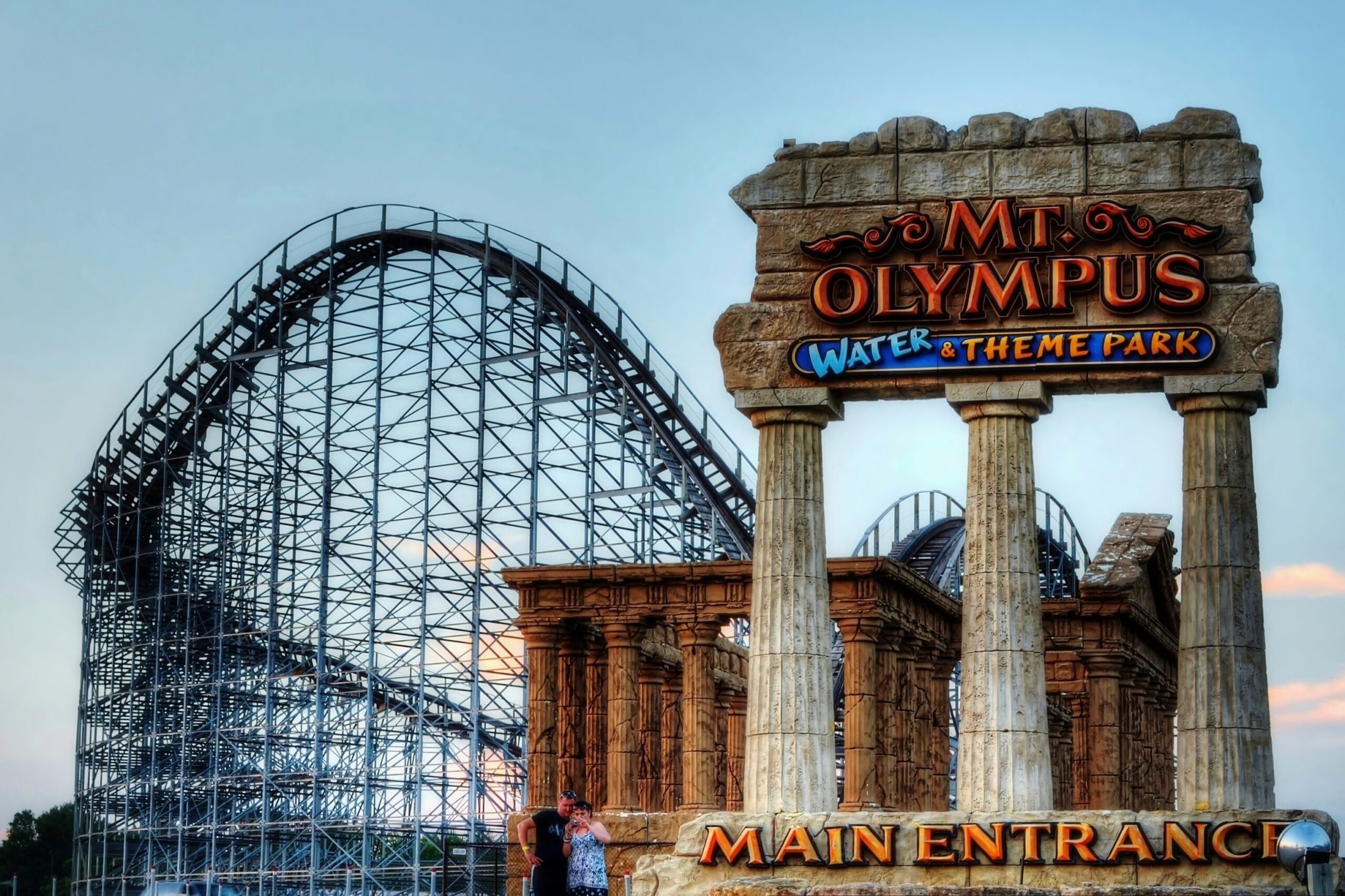
The Wisconsin Dells has long been a beloved Midwest vacation spot. Families piled into station wagons and drove for hours to reach the sandstone cliffs and scenic boat tours. Guides pointed out rock formations with names like Witches Gulch and Stand Rock. It was part natural wonder, part roadside attraction.
Over time the Dells became known as the “Waterpark Capital of the World.” Yet even before that era, the town had a larger-than-life reputation. Kids came home talking about duck boats and endless souvenir shops. For Midwestern families, it felt like a legendary getaway. The excitement made it seem far more famous than its modest size suggested.
8. Saratoga Race Course
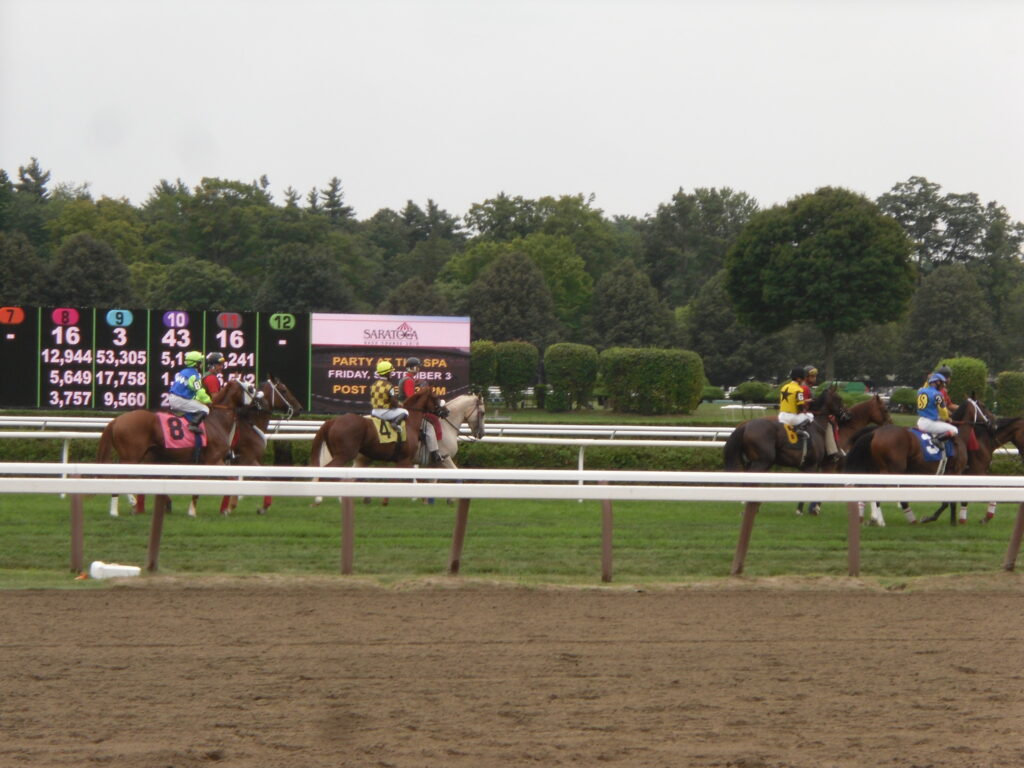
Saratoga Race Course in upstate New York once carried an aura of prestige and glamour. During the summer racing season, wealthy visitors arrived in elegant clothes and stylish hats. The track became a meeting place for socialites, gamblers, and horse racing fans alike. Newspapers covered the races as major cultural events.
Even people who knew little about horse racing recognized the name Saratoga. Winning a race there meant something special. The atmosphere blended tradition, excitement, and a touch of high society. Visitors often felt like they were stepping into a famous chapter of American history. For decades, Saratoga felt like the most important race track in the country.
9. Mackinac Island

Mackinac Island in Michigan has long felt like a step back into another era. Cars were banned early on, leaving horse-drawn carriages and bicycles as the main ways to get around. Victorian hotels, especially the Grand Hotel, gave the island an almost storybook appearance. Tourists arrived by ferry, eager to experience its charm.
For much of the 20th century, Mackinac developed a reputation that spread far beyond the Midwest. Fudge shops, scenic views, and old-fashioned traditions made it feel unique. Visitors often described it as a place frozen in time. Travel magazines and postcards helped build the island’s reputation. At its height, Mackinac Island felt like one of America’s most enchanting destinations.
10. Hot Springs, Arkansas

Hot Springs, Arkansas once drew visitors from all over the country. People believed the natural thermal waters had healing powers. Bathhouses lined Bathhouse Row, offering elaborate spa treatments. The town became both a health retreat and a lively social hub.
At one point, Hot Springs even attracted famous gangsters and celebrities. Baseball players trained there during the off-season, adding to the town’s notoriety. Stories about its healing waters and colorful nightlife traveled widely. Visitors often described it as a destination with a mysterious reputation. For a while, Hot Springs felt like one of the most talked-about towns in America.
11. Route 66 Roadside Stops
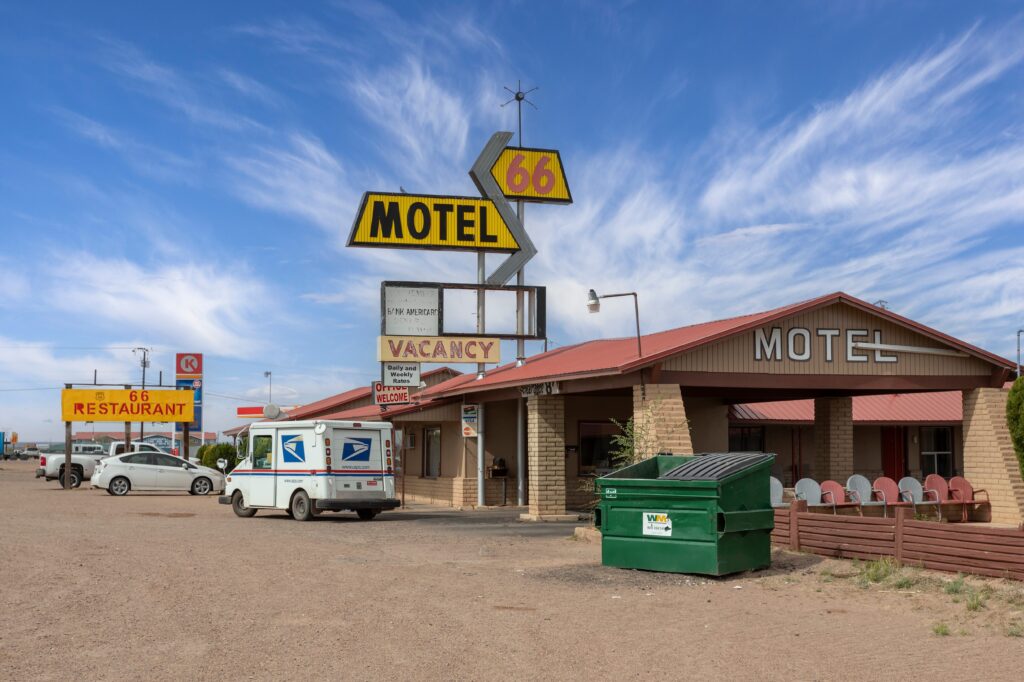
During the golden age of Route 66, even small roadside attractions could become famous. Diners, gas stations, and neon-lit motels became landmarks for travelers heading west. Each stop promised something memorable, whether it was a giant statue or a quirky souvenir shop. For many families, the journey itself was the attraction.
Stories about the highway spread through songs, postcards, and travel guides. A simple stop along the road could feel legendary. Kids remembered giant fiberglass figures and glowing signs late at night. Route 66 gave ordinary places an almost mythic reputation. In its heyday, the road made dozens of small destinations feel world-famous.
12. South Beach Before the Boom
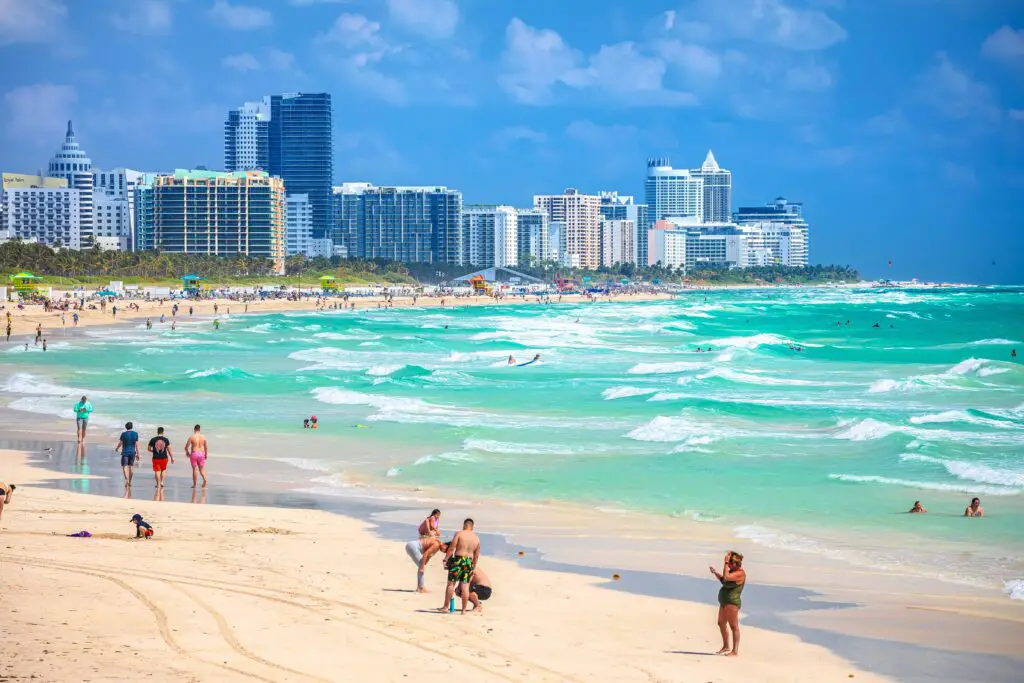
Before its modern revival, Miami’s South Beach already had a reputation for glamour. In the ’50s and ’60s, pastel hotels and ocean views attracted vacationers seeking sunshine and nightlife. It was a place where fashion, music, and beach culture blended together. Tourists came expecting a slice of tropical excitement.
The Art Deco architecture gave the neighborhood a distinctive look. Visitors often talked about the energy of the place long after returning home. Even if someone had never been there, the name carried a certain mystique. South Beach felt exotic compared with most American destinations. For many travelers, it seemed like the ultimate coastal escape.
13. The Jersey Shore Boardwalks
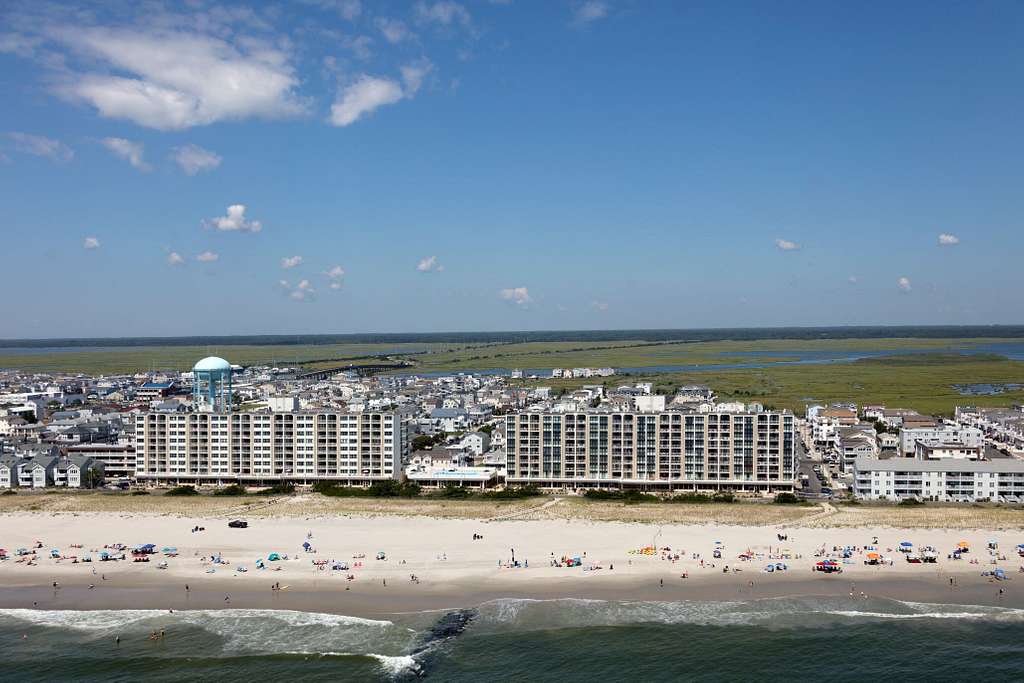
Throughout the mid-20th century, the Jersey Shore boardwalks became summer legends. Towns like Wildwood and Asbury Park buzzed with arcades, music, and carnival rides. Teenagers cruised the boardwalk while families lined up for saltwater taffy. The bright lights and ocean breeze created a memorable atmosphere.
Musicians performed there, and radio stations broadcast live events. For many East Coast families, these boardwalks defined summer vacation. Stories about the crowds and excitement spread widely. Even small seaside towns gained outsized reputations. During their peak years, the Jersey Shore boardwalks felt like the center of summer fun.
14. Palm Springs in the ’50s
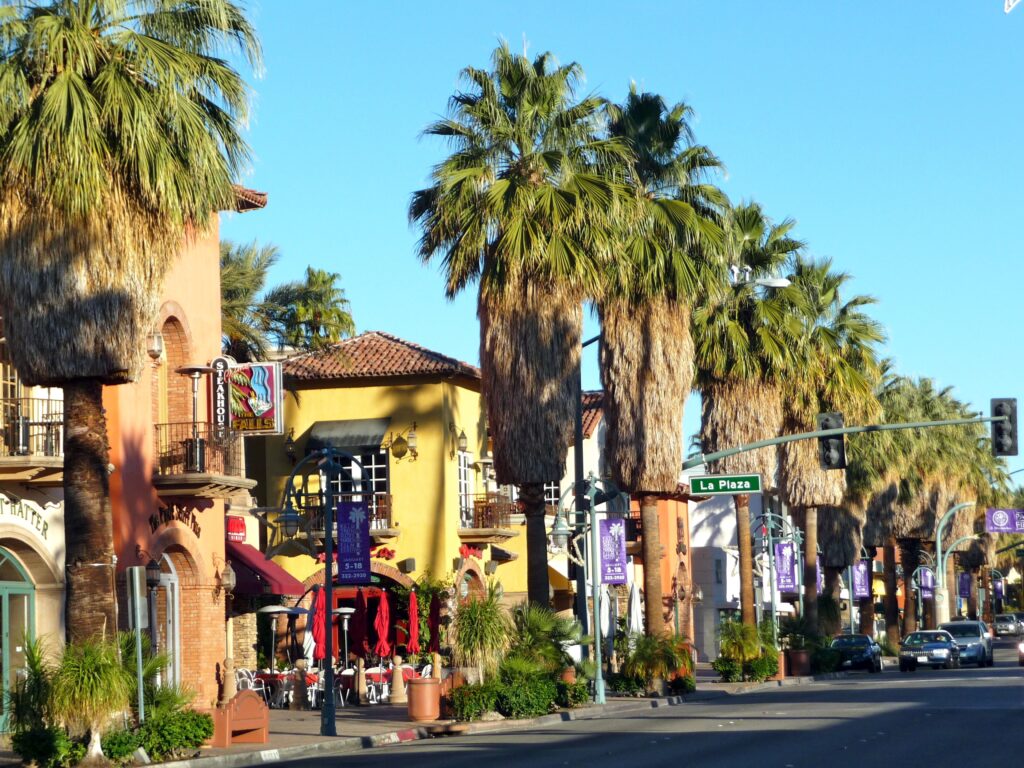
Palm Springs became a desert playground during the ’50s and ’60s. Hollywood stars escaped there for sunshine, golf, and quiet weekends away from Los Angeles. Photographs of celebrities lounging by pools helped build the town’s glamorous image. Suddenly this small desert city seemed like the most fashionable place to be.
Fans followed the stories closely, hoping to catch a glimpse of a famous face. Hotels and clubs catered to wealthy visitors and entertainers. The mystique of Palm Springs spread through magazines and gossip columns. For many Americans, it felt like a secret celebrity hideaway. Its reputation made it seem far grander than its size.
15. The Original Disneyland
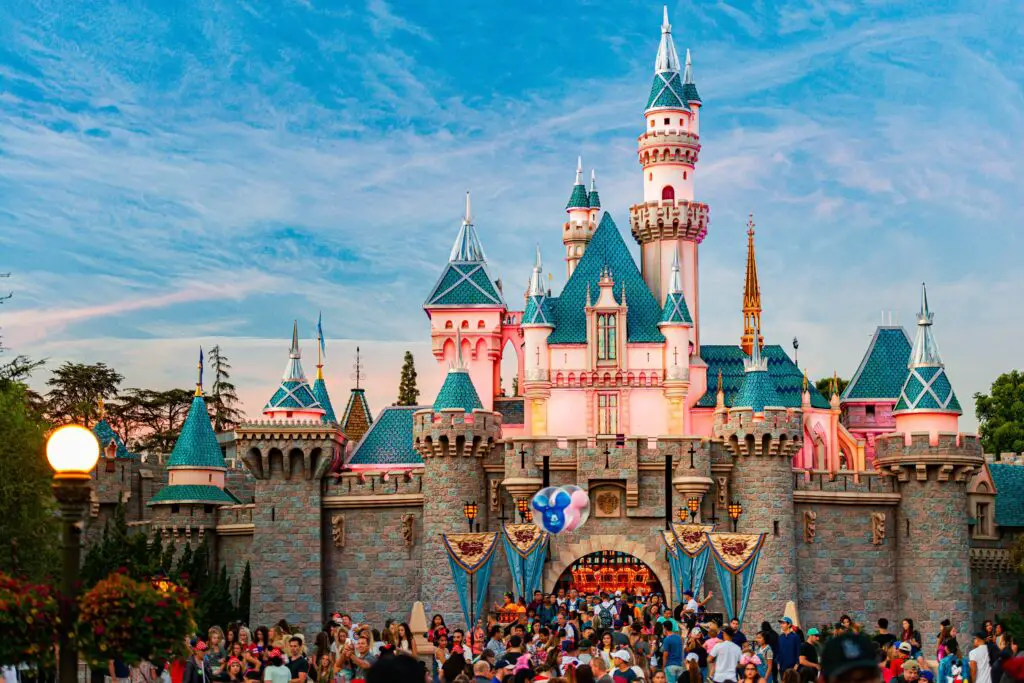
When Disneyland opened in 1955 in Anaheim, it immediately became a cultural phenomenon. Families across the country dreamed of visiting Walt Disney’s new park. Television specials and news coverage helped turn it into a national sensation. For children especially, the place felt almost magical.
Even though it was just one park in Southern California, its reputation traveled everywhere. Kids talked about it in school as if it were another world. Parents planned entire vacations around the trip. The idea of Disneyland quickly grew bigger than the park itself. For many early visitors, stepping through the gates felt like visiting the most famous place on Earth.