
1. Making Your Bed Before Leaving the House

For a lot of kids, making the bed was one of the first tiny responsibilities that quietly became part of the morning routine. It usually happened after a parent’s reminder or after hearing the words, “You’re not leaving until that’s done.” At the time, it probably felt like a pointless task that only existed to slow down your escape to school. But repeating it day after day created a small sense of order that many people carry into adulthood without thinking about it.
As adults, that same habit often turns into a preference for starting the day with something simple and completed. It creates a feeling that the day has officially begun and something productive has already happened. Many people who grew up doing this feel strangely unsettled if they skip it. It is a tiny ritual that signals control and structure, even when the rest of the day is unpredictable.
2. Setting the Dinner Table Every Night

Some kids grew up hearing the familiar call to set the table before dinner. Plates, forks, napkins, and sometimes a glass for everyone had to be placed in just the right spots. It felt like a chore at the time, especially if friends were outside playing. But it quietly reinforced the idea that meals were something shared and organized.
As adults, many people who grew up with this routine still feel more comfortable eating at a proper table instead of wandering around with a plate. They might even feel compelled to straighten utensils or arrange things neatly. The habit turns into a subtle respect for shared meals. Even casual dinners feel more intentional because of that early routine.
3. Doing Homework at the Same Time Every Day
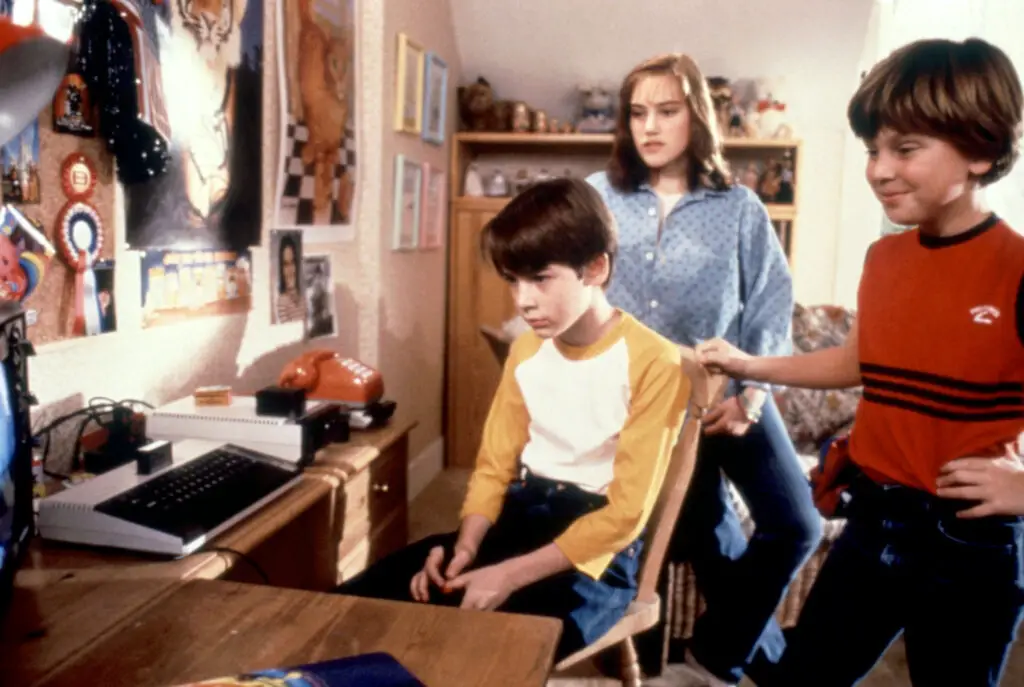
For many kids, homework was not optional and it often happened at the same time every afternoon. Some sat at the kitchen table while a parent cooked dinner, while others were sent straight to a desk before anything fun could begin. The schedule felt rigid at the time, but it created a predictable rhythm for getting work done.
That structure tends to show up later in life in the form of strong work habits. Adults who had consistent homework routines often find it easier to focus during certain parts of the day. They naturally build routines around productivity. Without realizing it, they learned early that responsibilities usually come before relaxation.
4. Saying Thank You for Everything

Many children were gently reminded, or sometimes firmly corrected, if they forgot to say thank you. Whether it was for a birthday gift, a ride somewhere, or a simple favor, gratitude was expected. It might have felt repetitive or overly formal as a child. Still, the repetition helped turn politeness into second nature.
As adults, those same kids often become people who instinctively express appreciation. They thank servers, coworkers, and even strangers who hold the door. The behavior rarely requires thought because it was practiced so often growing up. A simple phrase becomes a reflection of deeper social awareness.
5. Cleaning Your Room Before the Weekend
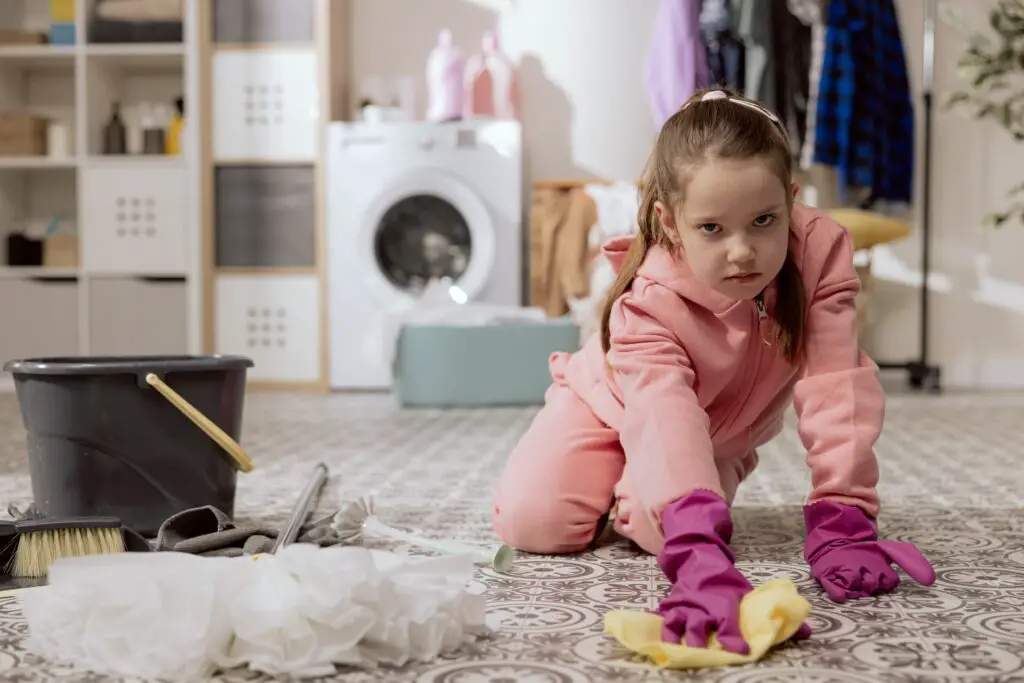
Many families had a rule that bedrooms had to be cleaned before anything fun could happen. Toys had to be picked up, clothes folded, and the floor cleared before plans with friends were allowed. It often felt like an obstacle standing between a kid and freedom.
Over time, that routine can create adults who associate enjoyment with completing tasks first. Many people feel uneasy relaxing if their environment feels messy. Cleaning becomes less about rules and more about mental clarity. The link between order and relaxation started years earlier than they realized.
6. Putting Away Groceries After Shopping

Some kids were always called into the kitchen when groceries arrived. Bags were unpacked and items had to be sorted into cabinets, refrigerators, and freezers. It seemed like a small task, but it taught awareness about where things belonged in a household.
Adults who grew up doing this often carry a quiet efficiency when managing their homes. They instinctively organize food, keep track of supplies, and avoid waste. Grocery shopping feels less chaotic because the system was learned early. Even a pantry shelf reflects habits that started in childhood.
7. Walking the Dog Before School

For some children, mornings began with the responsibility of walking a family pet. It meant stepping outside even when the weather was unpleasant or when they would have preferred to stay in bed. That obligation quietly reinforced consistency.
Later in life, many people who had this responsibility become adults who value routines involving movement. Morning walks, exercise, or fresh air often feel natural rather than forced. The habit of caring for another living creature builds discipline and empathy at the same time.
8. Packing Your Own School Bag

Many kids eventually had to learn to pack their own backpack. Books, notebooks, lunch, and permission slips all had to make it inside before leaving the house. Forgetting something usually meant dealing with the consequences later.
That experience helped develop an early sense of personal responsibility. Adults who grew up with that routine often double check things before leaving home. They prepare for meetings, trips, or errands with similar care. The instinct to plan ahead often traces back to those school mornings.
9. Waiting Your Turn in Family Conversations

Some households had a strong expectation that children should not interrupt adults. Kids learned to wait until someone finished speaking before jumping into a conversation. At the time, it could feel frustrating or overly strict.
But those moments quietly taught patience and listening skills. Many adults who grew up this way tend to be thoughtful speakers. They pause before responding and give others room to finish their thoughts. The habit often translates into stronger communication later in life.
10. Watching a Specific Show at the Same Time Every Week
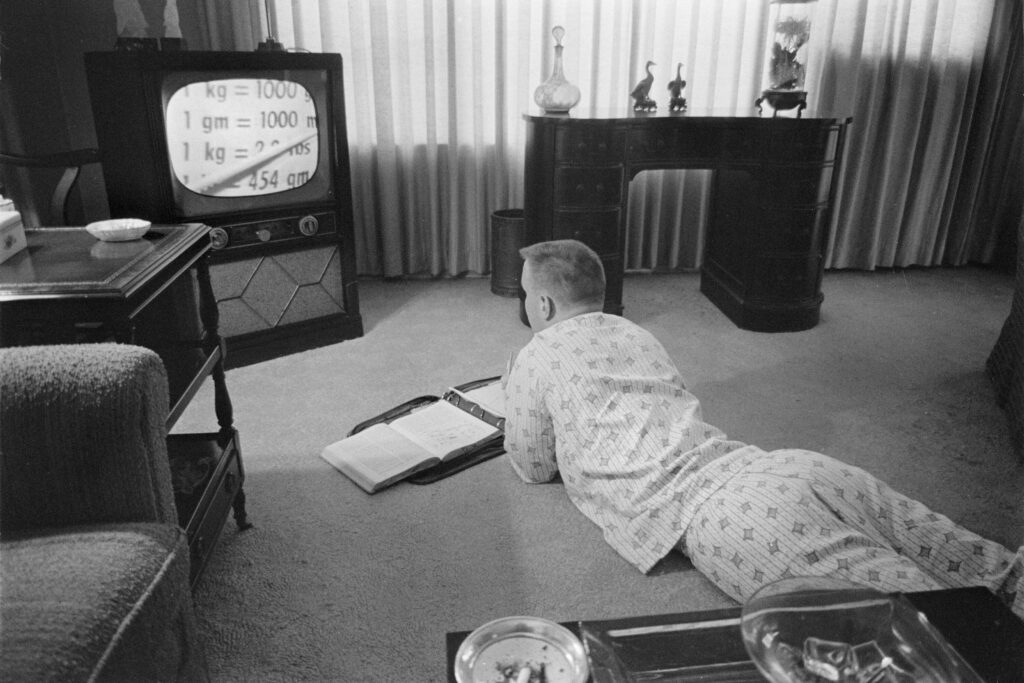
Before streaming services existed, television shows arrived at very specific times. Kids often planned their evenings around one favorite program that aired once a week. Missing it meant waiting until reruns appeared months later.
That experience created a shared sense of anticipation and routine. Many adults still enjoy scheduled rituals like movie nights or weekly activities. The pleasure comes from repeating something familiar at a predictable time. It echoes the rhythm of those childhood evenings in front of the television.
11. Saving Allowance Instead of Spending It Immediately

Some parents encouraged kids to save part of their allowance instead of spending it all at once. It meant waiting weeks or months to buy something bigger. That patience was not always easy for a child.
Still, the habit quietly introduced the idea of delayed gratification. Adults who grew up saving allowance often feel comfortable budgeting and planning purchases. They tend to weigh decisions instead of acting impulsively. That early lesson can shape financial behavior for decades.
12. Helping Cook Dinner

Many kids were invited into the kitchen to help with simple cooking tasks. Stirring ingredients, washing vegetables, or setting timers made them part of the process. Even small jobs helped them see how meals came together.
As adults, those same people often feel more confident in the kitchen. Cooking feels less intimidating because the basics were learned early. They may also appreciate shared meals more deeply. The kitchen becomes a familiar place instead of a stressful one.
13. Saying Goodnight to Everyone in the House

In many families, bedtime involved going around the house and saying goodnight to parents or siblings. It was a quiet ritual that closed out the day. Even if the words were simple, the routine created a sense of connection.
Adults who experienced that often carry a similar instinct for small daily check ins. They may text loved ones, call family members, or maintain simple habits of connection. It reinforces the importance of acknowledging the people around you. The gesture may be small, but its emotional impact lasts.
14. Finishing What You Started

Many children heard the same instruction again and again: finish what you started. Whether it was a puzzle, homework assignment, or household chore, quitting halfway was rarely encouraged. The lesson was repeated in countless small situations.
That message often becomes a defining adult trait. People who grew up hearing it frequently feel a strong drive to complete projects. They push through challenges rather than abandoning things too quickly. The persistence may feel natural now, but it was shaped long before adulthood.