
1. Cleopatra
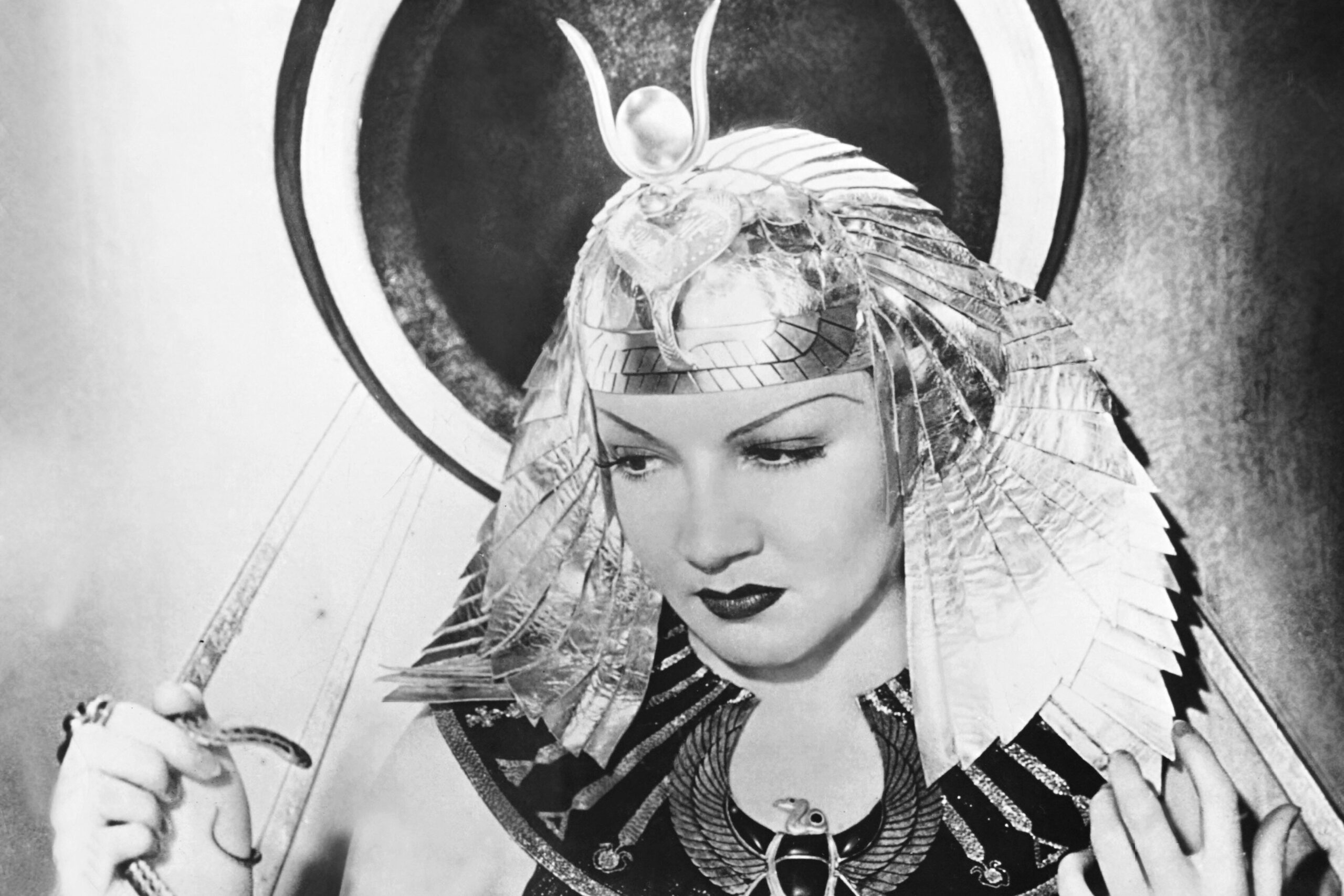
Cleopatra is often remembered primarily as the glamorous queen who charmed powerful Roman leaders. For generations, stories focused on her romances with Julius Caesar and Mark Antony, turning her life into something that almost feels like a historical soap opera. Hollywood films leaned into that image, portraying her as a seductive figure who used beauty as her greatest weapon. That version of Cleopatra has stuck in popular imagination for a very long time.
But historians now emphasize that Cleopatra was also a highly educated and politically skilled ruler. She spoke multiple languages, managed a complicated kingdom, and navigated the dangerous politics between Egypt and Rome. Her relationships with Roman leaders were likely as much strategic alliances as personal ones. In other words, Cleopatra was far more than the romantic caricature that often dominates her reputation. The legend focuses on intrigue and romance, while the historical record suggests a sharp and capable political operator.
2. Napoleon Bonaparte
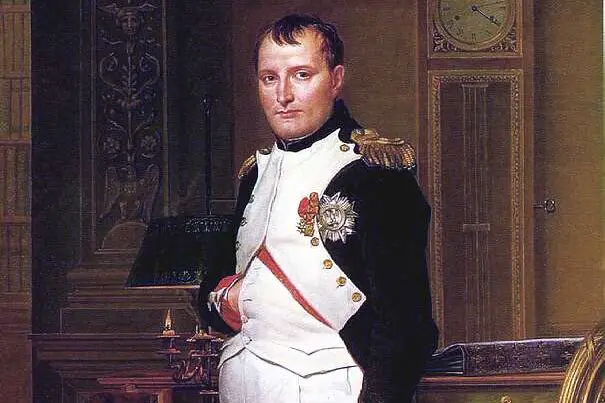
Napoleon Bonaparte is often remembered as a brilliant military genius who nearly conquered Europe. His rise from a relatively obscure Corsican officer to the ruler of France remains one of the most dramatic power grabs in history. Supporters admired his battlefield tactics, his legal reforms, and the way he reshaped European politics. For a long time, that image of the unstoppable strategist defined his reputation.
Yet the full picture is much more complicated. Napoleon crowned himself emperor, restricted political freedoms, and plunged Europe into years of devastating wars. His campaigns cost millions of lives across the continent. At the same time, he also introduced lasting reforms like the Napoleonic Code, which influenced legal systems around the world. Because of this, historians still debate whether he should be remembered more as a visionary reformer or an ambitious autocrat. His legacy continues to sit uncomfortably between those two extremes.
3. Billy the Kid
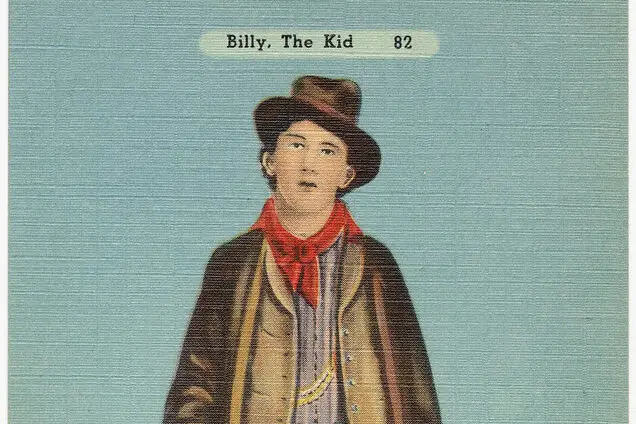
Billy the Kid has been portrayed for decades as the charming outlaw of the American West. Movies and novels often turn him into a rebellious young gunslinger who lived by his own code and outsmarted the law. The nickname alone sounds almost playful, which helped turn him into a folk hero. That romantic image has stuck around for generations.
The reality is less tidy. Billy the Kid, whose real name was Henry McCarty, was involved in several killings during the violent Lincoln County War in New Mexico. Contemporary records show a teenager caught in a chaotic frontier conflict rather than a swashbuckling antihero. Some people who knew him described him as friendly and quick-witted, while others saw him as dangerous. The myth grew quickly after his death in 1881, especially in dime novels and later films. Over time the legend of Billy the Kid became far larger than the complicated young man who inspired it.
4. Amelia Earhart
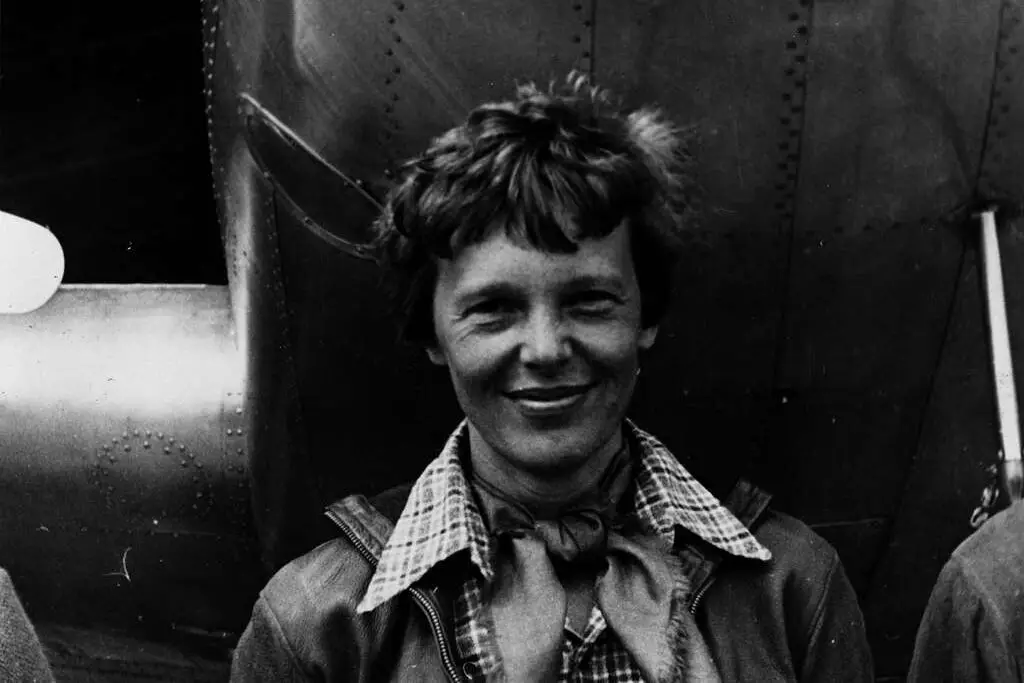
Amelia Earhart is remembered as one of the most daring aviators of the early 20th century. Her flights across the Atlantic and around the world made her a symbol of courage and independence. She became an international celebrity and an inspiration for women in aviation. Her mysterious disappearance in 1937 only added to the legend surrounding her life.
But historians sometimes note that her flying skills were not always as flawless as the myth suggests. Some aviation experts have pointed out that Earhart relied heavily on navigators and advisors during complex flights. That was not unusual for the era, but it contrasts with the idea of a completely solo trailblazer. None of that diminishes her bravery or her impact on aviation history. It simply reminds us that even icons often relied on teams and support behind the scenes. The legend sometimes overshadows the more realistic story.
5. Wyatt Earp
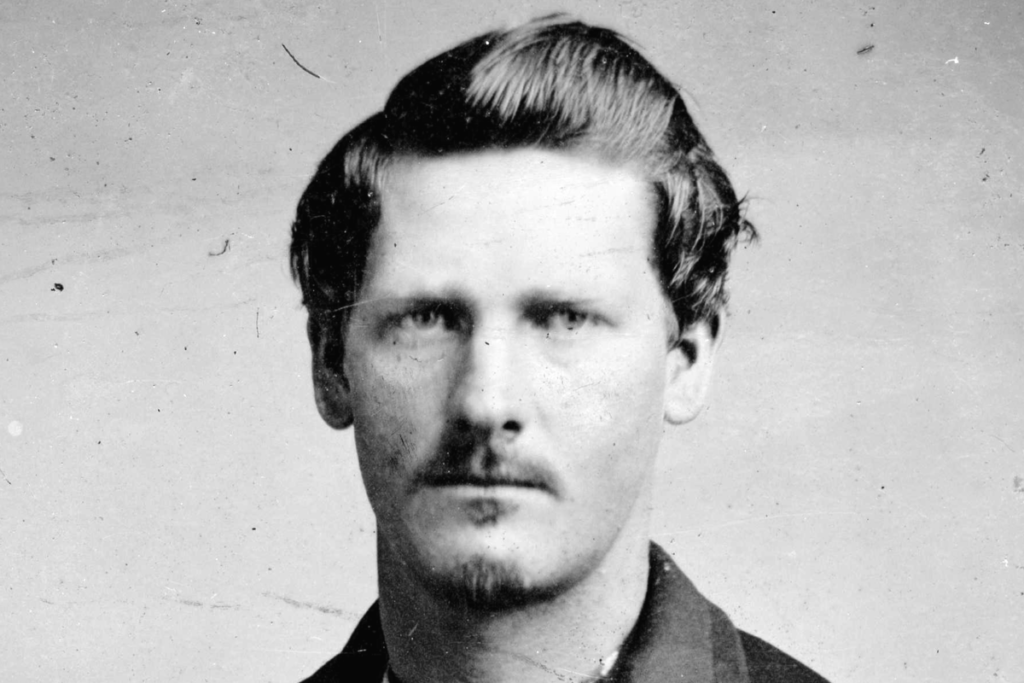
Wyatt Earp is often remembered as the fearless lawman of the Old West. His role in the famous Gunfight at the O.K. Corral helped cement his reputation as a defender of order on the frontier. Later biographies and Western films turned him into a near-mythic hero who cleaned up lawless towns. The story fits neatly into the classic American cowboy narrative.
Yet the historical record suggests a far more complicated life. Earp spent time working as a gambler, saloon operator, and sometimes a lawman depending on where he lived. His involvement in the gunfight in Tombstone was also tied to personal rivalries and business interests. Some historians argue that the event itself was less heroic than later stories made it seem. After Earp’s death in 1929, biographies and movies greatly expanded the legend. The result is a reputation that often blends fact with a large dose of frontier mythology.
6. Rasputin
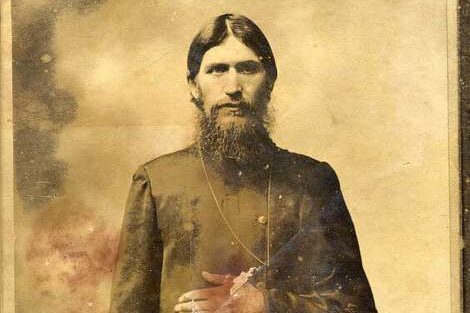
Grigori Rasputin remains one of the most mysterious figures of the Russian imperial court. Stories often describe him as a sinister monk who hypnotized the royal family and controlled the Russian government from the shadows. His dramatic murder in 1916 only fueled the myth, especially the famous tale that he survived poison and multiple gunshots before finally dying. Over time, Rasputin became almost a supernatural villain in popular culture.
Modern historians have found that some of those stories were exaggerated or invented. Rasputin did have influence over Tsar Nicholas II and Empress Alexandra, largely because they believed he could help their sick son. But the idea that he secretly ruled Russia appears to be largely myth. Political rivals and scandal-hungry newspapers helped spread sensational rumors about him. His reputation grew darker and stranger after his death. Today, Rasputin’s legacy still sits somewhere between real historical figure and enduring legend.
7. Marco Polo
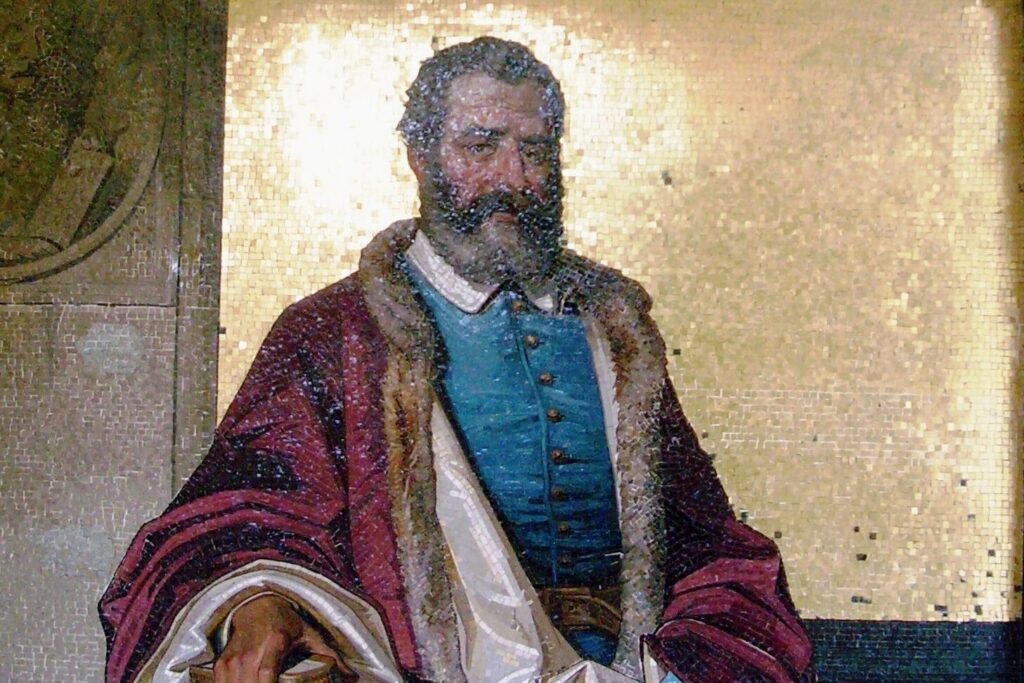
Marco Polo is famous for supposedly traveling across Asia and describing the wonders of the Mongol Empire. His book about the journey introduced many Europeans to places they had never imagined before. For centuries, people treated his accounts as proof of one of the greatest explorations in history. His name became almost synonymous with adventurous travel.
But historians have long debated whether Polo actually visited all the places he described. Some scholars point out that certain details in his book are vague or missing key cultural elements. For example, critics often note that he never mentioned the Great Wall of China. Others argue that his stories may have been compiled from conversations with merchants and travelers. That does not necessarily mean he fabricated everything, but it complicates the traditional narrative. The result is a reputation that still sparks debate centuries later.
8. Mata Hari
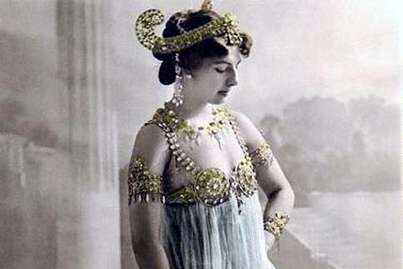
Mata Hari became famous as the glamorous spy of World War I. According to the popular story, she was a seductive dancer who secretly worked for the Germans and passed along valuable military secrets. Her trial and execution by France in 1917 turned her into one of history’s most infamous double agents. Newspapers at the time portrayed her almost like a master manipulator operating across Europe.
Later research has raised serious doubts about that version of events. Many historians believe Mata Hari was more of a minor informant than a powerful spy. Some evidence suggests the French government may have exaggerated her role to make an example during wartime panic. The case against her was largely circumstantial and based on intercepted messages that may have been misleading. After her death, the legend of the seductive super-spy only grew stronger. Her reputation today still raises questions about justice, propaganda, and mythmaking.
9. Captain William Kidd
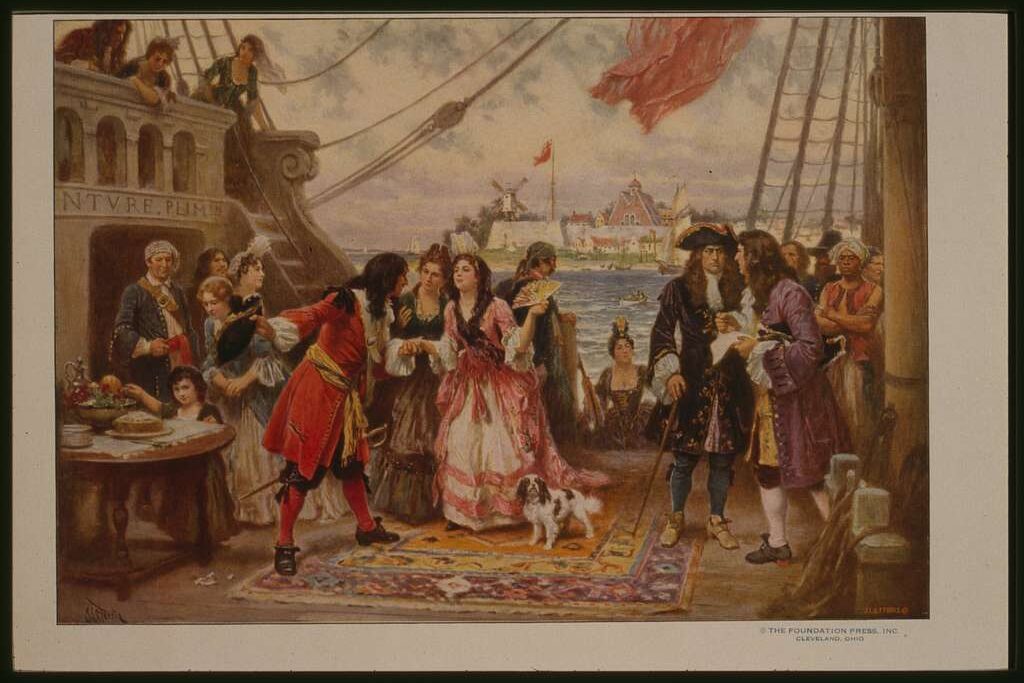
Captain William Kidd is often remembered as one of the most notorious pirates of the Golden Age of Piracy. Popular stories describe him as a ruthless sea raider who buried treasure and terrorized shipping routes. His name became so tied to pirate lore that treasure hunters still search for supposed hoards linked to him. That reputation helped turn Kidd into a legendary villain of the high seas.
However, the historical record shows that Kidd began as a privateer working under official authorization from England. Privateers were essentially government-approved raiders who attacked enemy ships during wartime. Kidd’s problems began when political winds shifted and some of his actions were reinterpreted as piracy. When he returned to England hoping to clear his name, he was arrested and eventually executed in 1701. Some historians argue he was partly a victim of political pressure and shifting loyalties. His reputation as a pure pirate may owe as much to legend as to fact.
10. Annie Oakley

Annie Oakley became famous as one of the greatest sharpshooters in American history. Her performances in Buffalo Bill’s Wild West shows amazed audiences across the United States and Europe. She could shoot coins out of the air, hit distant targets with ease, and perform trick shots that seemed almost impossible. The public image that developed was of a flawless performer and national hero.
Yet even Oakley’s story has moments that complicate the legend. Early in her career she was sometimes described in exaggerated promotional material that blurred the line between truth and showmanship. Like many performers in traveling shows, her public persona was carefully crafted for audiences. At times she also had to fight false rumors spread by newspapers, including one incorrect report that she had been arrested for theft. Oakley successfully sued several publications for libel and won many of the cases. Her reputation survived intact, but the experience showed how easily public legends can be shaped by publicity and rumor.
11. Jesse James
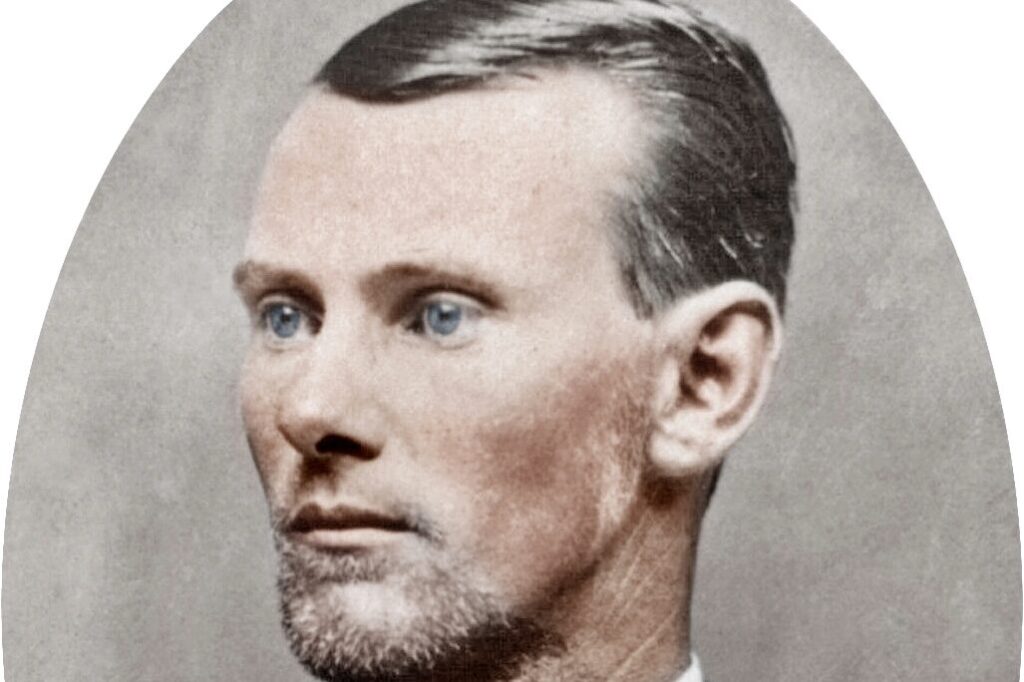
Jesse James is often portrayed as a rebellious outlaw who robbed banks and trains while standing up to powerful institutions. In many stories he becomes almost a Robin Hood figure of the American frontier. Supporters sometimes claimed he was avenging injustices that occurred after the Civil War. That image helped turn him into one of the most famous outlaws in American history.
But historians say that portrayal is largely myth. James and his gang primarily robbed banks, trains, and stagecoaches for their own profit. There is little evidence that he shared money with ordinary people or acted out of noble motives. Much of the romantic image was created by sympathetic newspaper editors who admired his Confederate past. These articles helped transform a violent criminal into a folk hero. The reputation stuck long after the reality of his actions faded from public memory.
12. Nikola Tesla
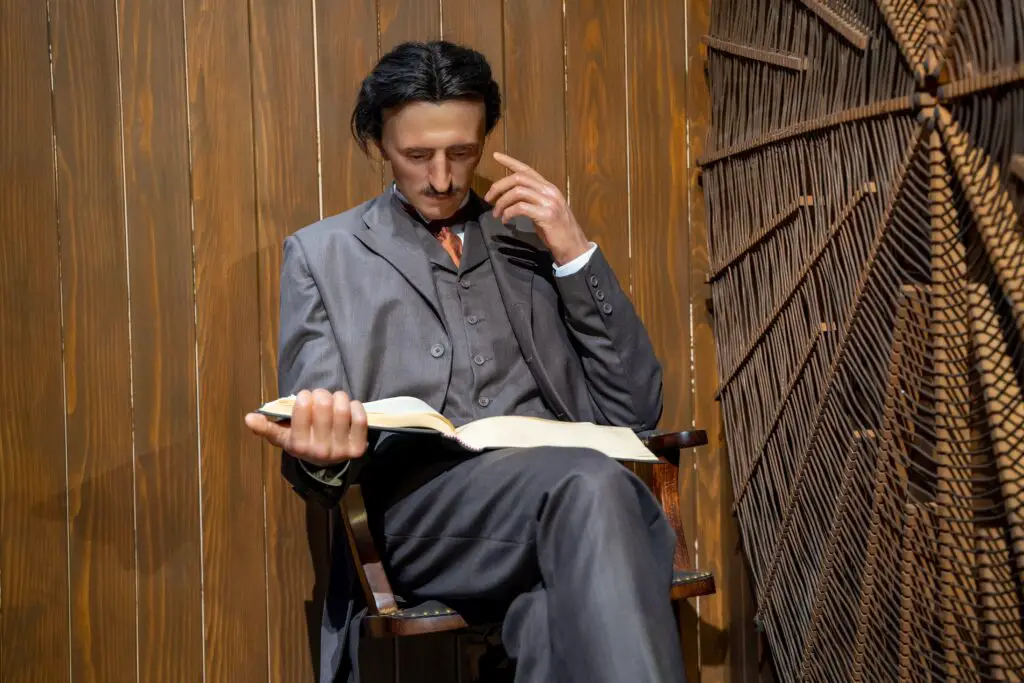
Nikola Tesla is often celebrated today as the brilliant inventor who was supposedly ignored while others took credit for his ideas. Popular stories describe him as a misunderstood genius who single-handedly created many modern technologies. In recent years his reputation has grown even larger online, with claims that he invented nearly everything related to electricity. The narrative often positions him as the tragic rival of Thomas Edison.
The truth is both impressive and more nuanced. Tesla absolutely made major contributions to electrical engineering, especially with alternating current systems and induction motors. However, some claims about him in modern popular culture are exaggerated or unsupported by historical evidence. Many technologies attributed to Tesla were actually developed by teams of engineers over time. Historians still recognize him as an extraordinary innovator. At the same time, separating the real achievements from the growing legend remains an ongoing challenge.