
1. Waiting Until Everyone Was at the Table Before Eating

In many households, dinner simply did not begin until every single person had made it to the table. Even if the food was getting cold, someone would say, “We’re waiting for your father,” or “Don’t start yet.” Kids learned quickly that sneaking a bite early was frowned upon. It wasn’t necessarily explained as a rule about respect, but that was clearly the message behind it. Sitting together felt like a small ceremony that marked the end of the day.
The habit reinforced the idea that meals were shared experiences, not just quick refueling stops. People talked about school, work, or neighborhood news while passing dishes around. Even families who were otherwise casual about rules seemed to treat this one as sacred. Many children grew up assuming that everyone everywhere waited for the whole table. Only later did they realize how unusual that ritual had become.
2. Bringing a Dish Anytime You Visited Someone’s Home
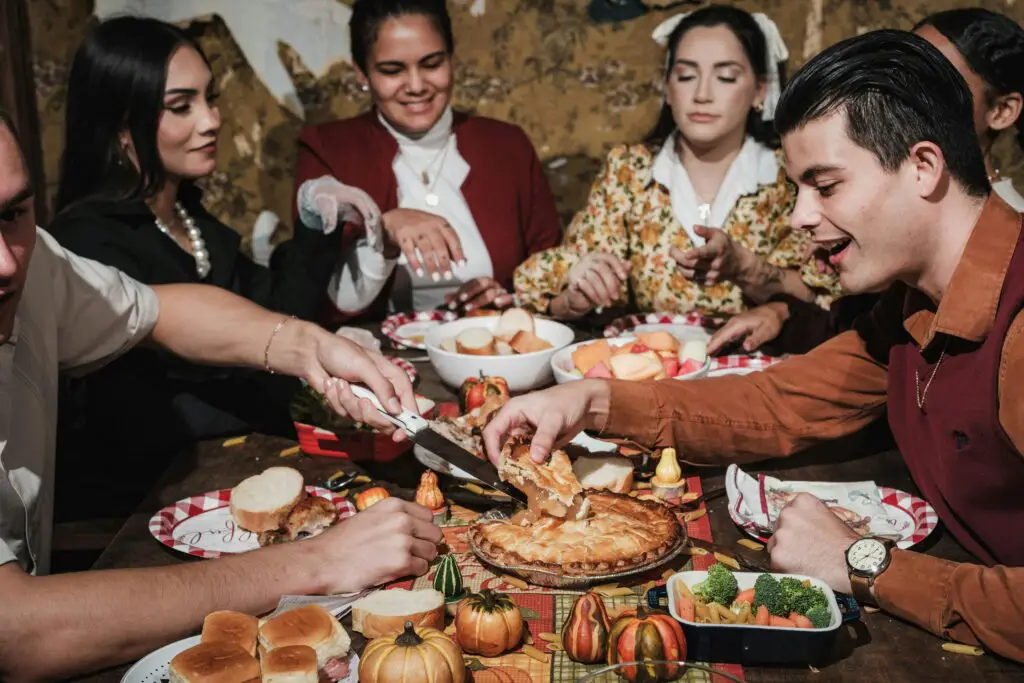
Showing up empty handed to someone’s house felt almost unthinkable in many families. A pie, a casserole, or even a plate of cookies was the expected offering. Children watched their parents wrap dishes in foil and carry them carefully to the car. No one necessarily explained the rule out loud, but everyone seemed to know it. Hospitality worked both ways.
It also created a quiet system of sharing food throughout the neighborhood. Leftovers traveled from house to house inside familiar casserole dishes. Sometimes those dishes took weeks to find their way back home. Kids often assumed this exchange was just how visiting worked. Only later did they notice that the custom was slowly fading.
3. Dressing Up for Church or Special Outings
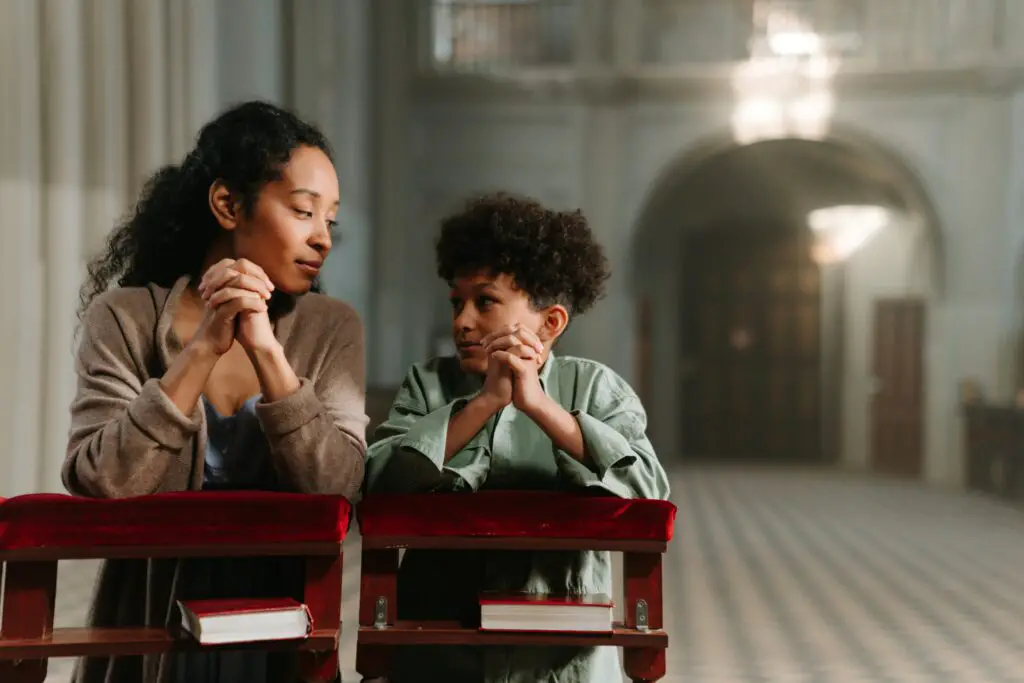
For many families, certain places demanded nicer clothes without debate. Church, holiday dinners, or a visit to relatives meant polished shoes and carefully pressed outfits. Kids might complain about itchy collars or stiff dresses, but the expectation rarely changed. The idea was simple, you dressed appropriately for important occasions. Even if no one spelled out the reasoning, the message was clear.
Parents often treated these moments as a matter of respect for the setting. Looking presentable showed appreciation for the people and traditions involved. Family photo albums are full of these carefully dressed moments. Children grew up assuming formal clothes were just part of life’s rhythm. It often surprised them later how casually many events are treated now.
4. Writing Thank You Notes After Receiving Gifts

Receiving a present was only the first step in many households. Soon afterward came the quiet reminder to sit down and write a thank you note. Children learned how to address envelopes and carefully form polite sentences. It could feel tedious at the time, but the routine rarely changed. Gratitude was expected to be expressed clearly and personally.
Parents believed the act itself mattered more than the length of the message. Even a short handwritten note showed appreciation. The process also taught patience and attention to detail. Many adults later realized that this habit had quietly shaped how they handled kindness. It was a small ritual that carried surprising weight.
5. Calling Older Relatives on Holidays

Certain holidays came with an automatic task, calling grandparents, aunts, and uncles. Phones would be passed from person to person so everyone could say hello. Children sometimes waited their turn while adults chatted about family news. The expectation was simple, you checked in on the people who mattered. No one questioned it.
These calls helped keep extended families connected across distances. Kids learned the names and voices of relatives they rarely saw in person. Even brief conversations reinforced a sense of belonging to something bigger. Many people did not realize how meaningful those calls were until they stopped happening. The habit had quietly kept relationships alive.
6. Cleaning the House Before Guests Arrived
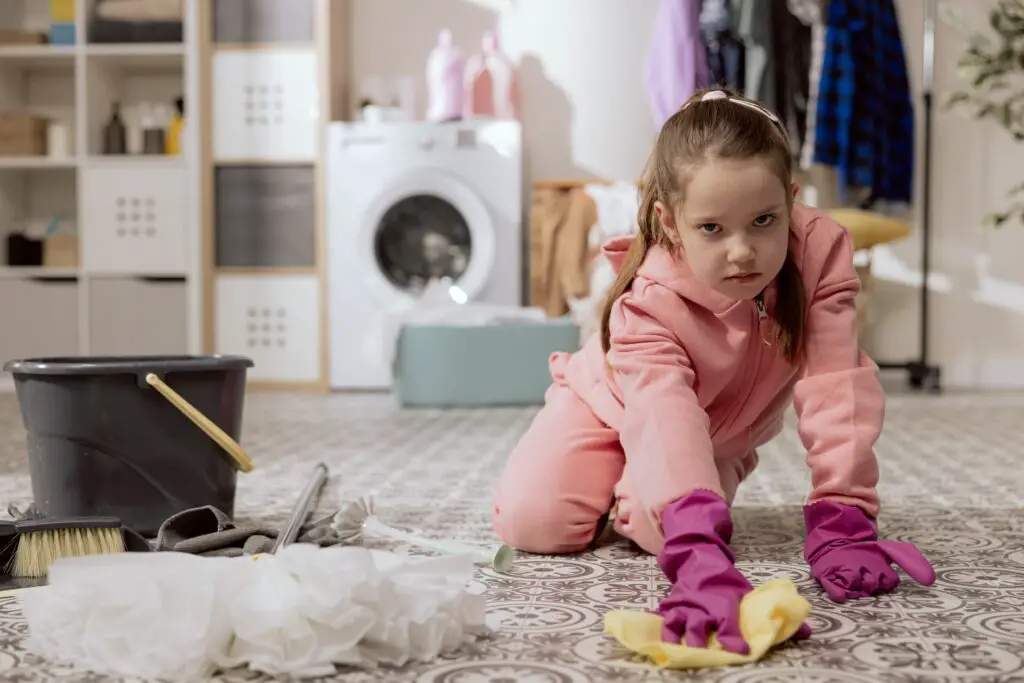
The moment visitors were expected, the entire house seemed to spring into motion. Kids were suddenly asked to straighten bedrooms, vacuum floors, or clear clutter from the living room. It felt like a transformation that happened every time company was coming. Even homes that were normally relaxed became spotless for the occasion. The effort was rarely explained but always expected.
Parents often framed it as a way of showing respect for guests. A tidy home suggested care and pride. Children learned quickly that certain spaces had to look presentable. The routine created a sense of preparation and anticipation before visits. Many adults still feel the urge to clean the moment someone announces they are stopping by.
7. Saving the Good Dishes for Special Occasions

Many families kept a set of dishes that appeared only a few times a year. Holidays, anniversaries, or important dinners were the moments when they came out. The plates often lived safely behind glass or high in a cabinet the rest of the time. Children grew curious about them long before they were allowed to use them. The dishes carried a quiet sense of importance.
Using them felt like participating in a tradition older than anyone at the table. Meals seemed slightly more formal and deliberate when those plates appeared. Parents might mention that the set had belonged to grandparents. Even if the story was brief, it added meaning to the moment. The habit turned ordinary meals into small ceremonies.
8. Sending Holiday Cards Every Year
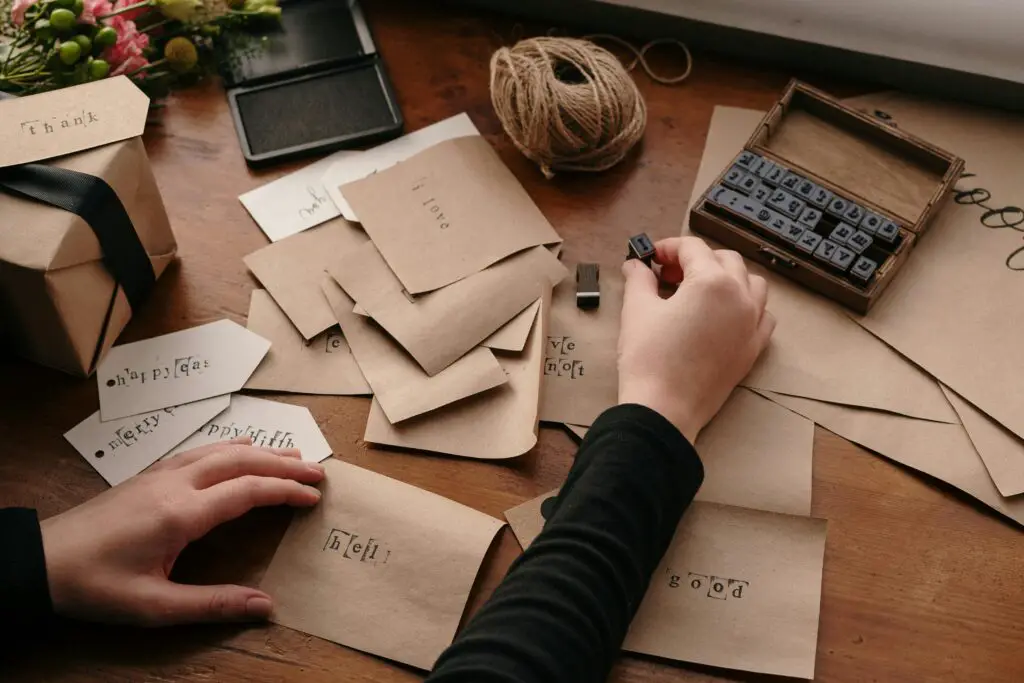
As winter approached, many families began addressing stacks of holiday cards. Names and addresses were carefully written, sometimes by hand. Children helped seal envelopes or attach stamps while parents worked through the list. It was a quiet seasonal routine that happened almost automatically. Everyone seemed to know who should receive one.
The cards kept distant friends and relatives connected year after year. Even short messages reminded people they were remembered. Families often displayed the cards they received across mantels or doorways. Kids grew up recognizing familiar names that appeared every December. The tradition created a sense of community that stretched far beyond the household.
9. Standing When an Adult Entered the Room
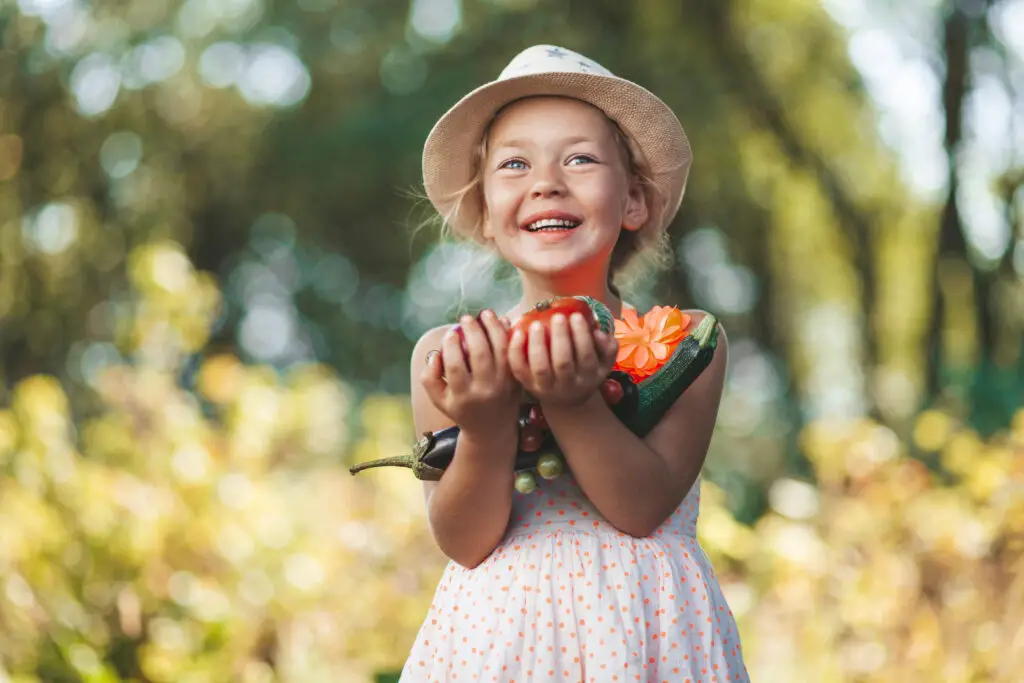
In some homes, children were taught to stand up when an adult entered or approached. The gesture might seem formal today, but it once carried a simple meaning. It was a sign of respect and attention. Kids often learned it by watching older siblings or cousins. Soon it became second nature.
The practice reinforced a clear hierarchy within the household. Adults held authority, and children acknowledged it visibly. Even if the moment lasted only a few seconds, it carried symbolic weight. Many people later realized they had absorbed the habit without ever hearing a full explanation. It simply felt like the proper thing to do.
10. Visiting Relatives on Sundays
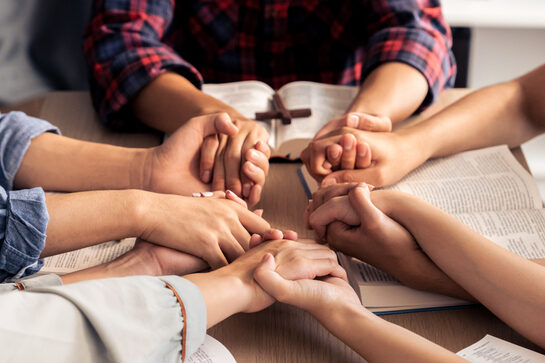
Sunday often meant piling into the car and heading to a relative’s house. It might be grandparents, an aunt and uncle, or another branch of the family. Children sometimes grumbled about the routine, especially if they wanted to stay home. Still, the visits happened week after week. The expectation was rarely questioned.
These gatherings created predictable rhythms within family life. Conversations stretched across living rooms while kids played nearby. Meals or desserts often appeared without much planning. The routine reinforced family bonds through repetition. Many people later recognized how much those weekly visits had shaped their sense of connection.
11. Finishing Everything on Your Plate
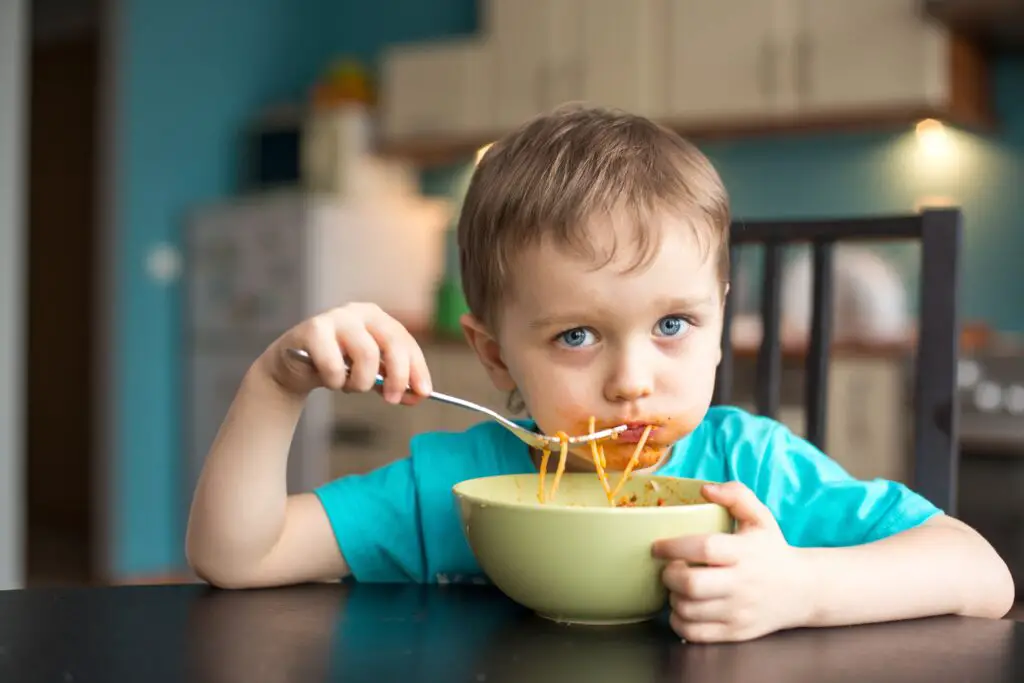
At many dinner tables, leaving food behind was strongly discouraged. Children were reminded about people who had less or about the effort it took to prepare the meal. Even if the portion felt large, the expectation remained the same. Plates were meant to be cleared. The habit often began early and stuck for years.
Parents believed the rule taught appreciation and avoided waste. It also reflected memories of harder times for older generations. Kids learned to approach meals with a sense of responsibility. Some carried the habit into adulthood without realizing it. Only later did they question why finishing every bite felt so automatic.
12. Greeting Guests at the Door

When visitors arrived, someone usually answered the door with a proper greeting. Children were often encouraged to say hello rather than hide in another room. The exchange might include a handshake, a hug, or a friendly welcome inside. It was a small gesture that set the tone for the visit. Everyone seemed to understand its importance.
The ritual helped guests feel immediately included in the household. It also taught children basic social confidence. Saying hello became a natural part of hosting. Over time, the practice shaped how families presented themselves to others. Even today, many people still feel that greeting someone at the door is simply the right thing to do.