
1. What Really Happened to the Lost Colony of Roanoke
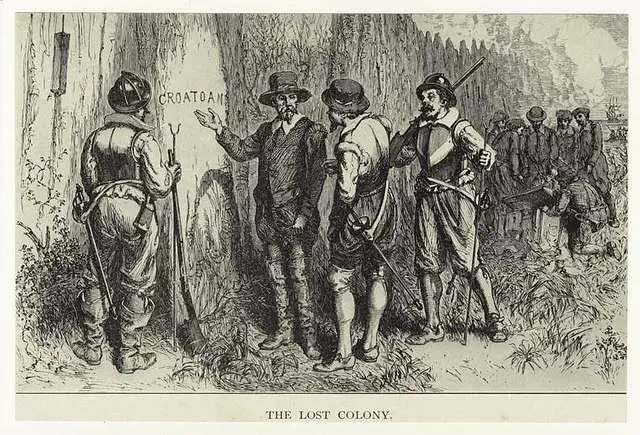
In 1587, more than 100 English settlers arrived on Roanoke Island off the coast of present day North Carolina. A few years later, when a supply ship finally returned, the entire colony had vanished. The only clue left behind was the word “Croatoan” carved into a wooden post. No bodies, no wreckage, and no obvious signs of violence were found. That tiny clue has fueled speculation for centuries.
Some historians believe the colonists may have joined a nearby Indigenous tribe and simply blended into their community. Others think disease, starvation, or conflict forced them to move inland where they eventually died out. Archaeologists have searched the region for decades, but no definitive evidence has surfaced. The mystery continues to fascinate scholars and amateur historians alike. For now, the disappearance of Roanoke remains one of America’s oldest unanswered questions.
2. The Identity of Jack the Ripper
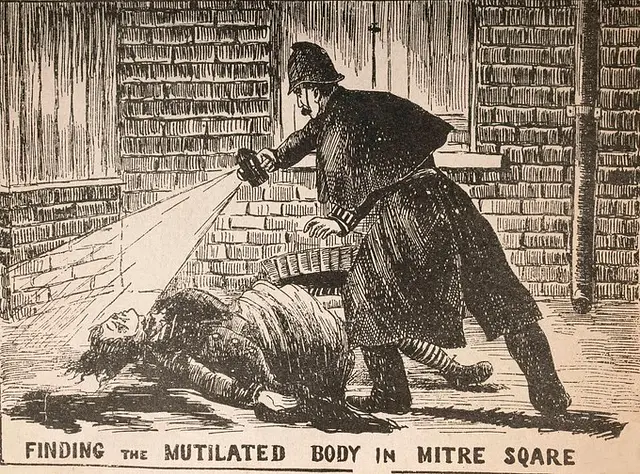
In 1888, a series of brutal murders shook London’s Whitechapel district. The killer targeted women, and the crimes were shocking even by Victorian standards. Newspapers quickly nicknamed the murderer “Jack the Ripper” after a letter sent to police claiming responsibility. Despite a massive investigation, the killer was never identified.
Over the years, dozens of suspects have been proposed, including doctors, butchers, artists, and even members of the royal family. Modern forensic techniques have been applied to old evidence, but the results remain controversial. Many historians argue that the surviving material is too degraded to draw firm conclusions. The mystery continues to divide experts, and every few years a new theory emerges. More than a century later, the true identity of Jack the Ripper is still unknown.
3. The Disappearance of Amelia Earhart

In 1937, aviation pioneer Amelia Earhart attempted to fly around the world along the equator. During the journey, she and navigator Fred Noonan vanished somewhere over the Pacific Ocean. Their last radio transmissions suggested they were running low on fuel and struggling to locate a small island runway. Then the signals stopped.
The most widely accepted explanation is that their plane ran out of fuel and crashed into the ocean. However, some researchers believe they may have landed on a remote island and survived for a time. Others have proposed far more unusual theories involving capture or hidden landings. Expeditions continue to search for wreckage that might confirm what happened. Despite decades of investigation, Earhart’s final moments remain uncertain.
4. Who Betrayed Anne Frank’s Family

During World War II, Anne Frank and her family hid in a secret annex in Amsterdam to escape Nazi persecution. For more than two years, they managed to remain hidden. In August 1944, however, authorities raided the hiding place and arrested everyone inside. Anne later died in the Bergen Belsen concentration camp.
The question that continues to trouble historians is simple: who revealed their hiding place? Over the years, multiple suspects have been proposed, including neighbors, business associates, and informants. Several investigations have attempted to identify the betrayer, but none have reached universal agreement. Some scholars even argue the raid may have been accidental rather than the result of a deliberate tip. The debate remains unresolved and deeply emotional.
5. The Fate of the Mary Celeste Crew
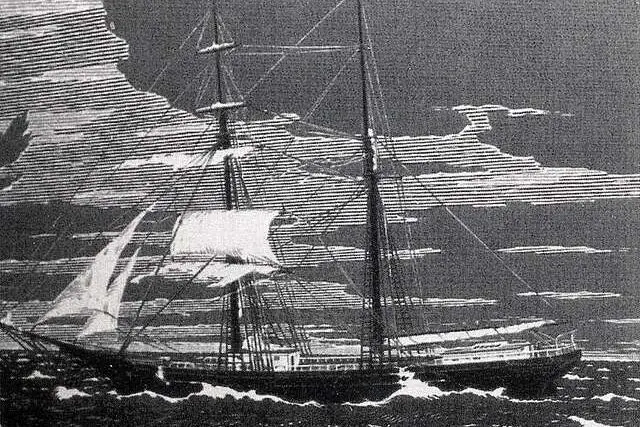
In 1872, the merchant ship Mary Celeste was discovered drifting in the Atlantic Ocean. The vessel itself was largely intact and seaworthy. Food, cargo, and the crew’s personal belongings were still on board. The only thing missing was the entire crew.
The ship’s lifeboat was gone, suggesting the crew abandoned the vessel at some point. But there were no signs of violence or panic. Some historians believe the crew feared an explosion from leaking alcohol cargo and left temporarily. Others think a storm or navigational error caused them to abandon ship too soon. Since the lifeboat and crew were never found, the truth may never be known. The Mary Celeste remains one of the sea’s most enduring mysteries.
6. The Builder of the Voynich Manuscript
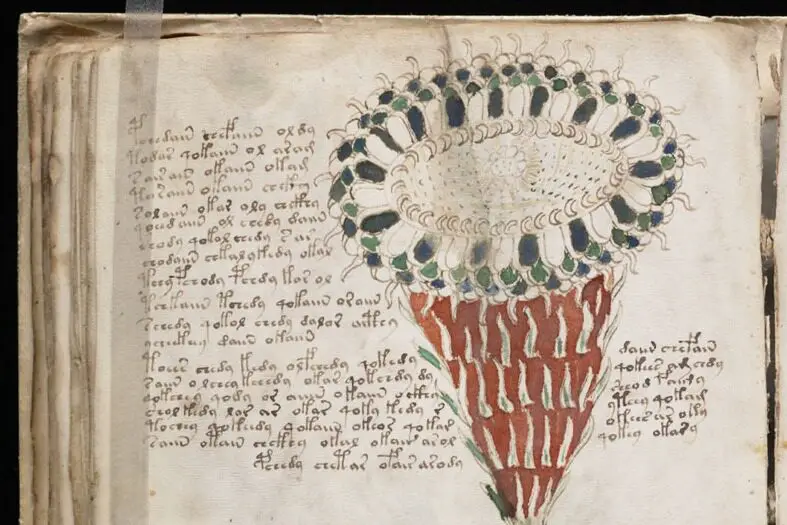
The Voynich Manuscript is a strange illustrated book written in an unknown language or code. The manuscript likely dates to the early 15th century and contains drawings of unusual plants, astronomical diagrams, and mysterious symbols. For decades, linguists, cryptographers, and historians have tried to decode it. None have succeeded.
Some scholars believe the book contains a sophisticated cipher hiding real information. Others argue it may be an elaborate hoax created to deceive wealthy collectors. A few researchers suspect it could represent a lost or artificial language. Modern computer analysis has revealed patterns in the text, but no definitive translation has been confirmed. The manuscript continues to puzzle experts and inspire endless debate.
7. What Caused the Dyatlov Pass Incident

In 1959, nine experienced hikers died under mysterious circumstances in the Ural Mountains of the Soviet Union. Their abandoned campsite showed signs that they had cut their way out of their tent from the inside. Some of the hikers were found partially clothed in freezing conditions, and several had severe injuries. The situation baffled investigators.
Official reports from the time blamed an unknown “compelling natural force.” Over the decades, theories have ranged from avalanches to secret military tests. Some explanations even venture into the supernatural, though historians generally reject those ideas. In 2020, Russian investigators concluded that a small avalanche likely triggered the tragedy. However, not all researchers agree with that conclusion. The strange details of the case still raise questions.
8. The Location of Cleopatra’s Tomb

Cleopatra VII, the last active ruler of ancient Egypt, died in 30 BCE after the defeat of her forces by Octavian. Ancient writers suggested she was buried alongside Mark Antony. However, despite centuries of searching, archaeologists have never confirmed the location of her tomb. That absence has turned it into one of archaeology’s most famous missing sites.
Several researchers believe the tomb may lie near the ancient temple complex of Taposiris Magna. Excavations in the area have uncovered promising clues, including tunnels and statues linked to Cleopatra. Yet no burial chamber clearly tied to the queen has been found. Others suspect the tomb may have been destroyed by earthquakes or coastal flooding. Until new evidence appears, Cleopatra’s final resting place remains unknown.
9. The Strange Case of the Somerton Man
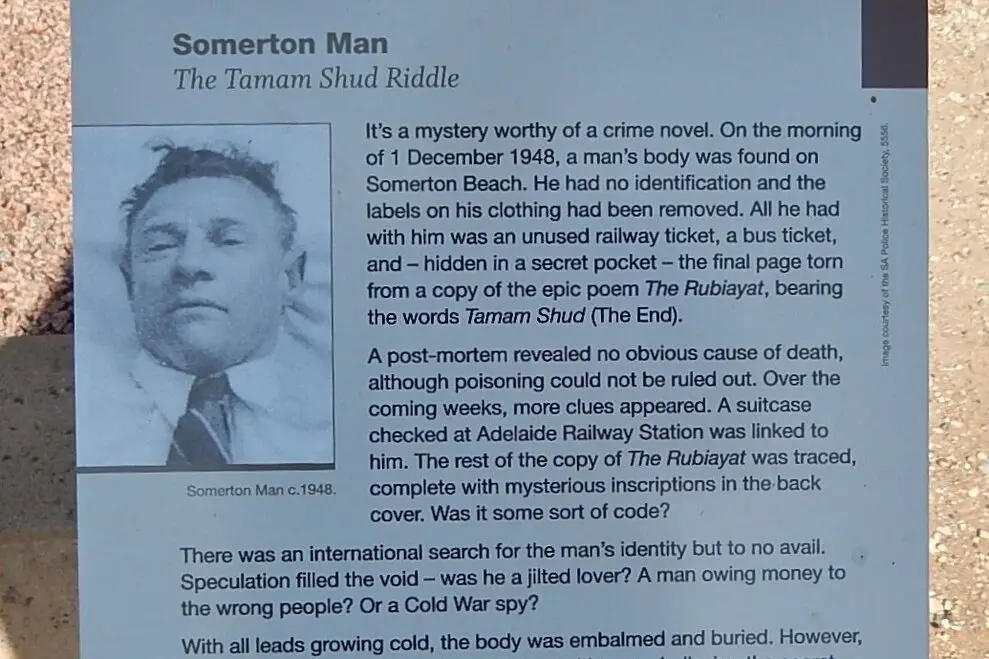
In 1948, an unidentified man was found dead on Somerton Beach in Adelaide, Australia. He carried no identification, and the labels had been removed from his clothing. In a hidden pocket, investigators discovered a small piece of paper with the words “Tamám Shud,” meaning “ended” in Persian. The phrase came from a rare book of poetry.
Police later found the book that the paper had been torn from, and inside it were cryptic handwritten letters that looked like a code. Despite years of investigation, the man’s identity remained unknown for decades. Some researchers suspected espionage because of the strange clues and Cold War timing. Recent DNA analysis has suggested a possible identity, but the findings remain debated. The Somerton Man mystery continues to intrigue investigators.
10. The Disappearance of the Princes in the Tower
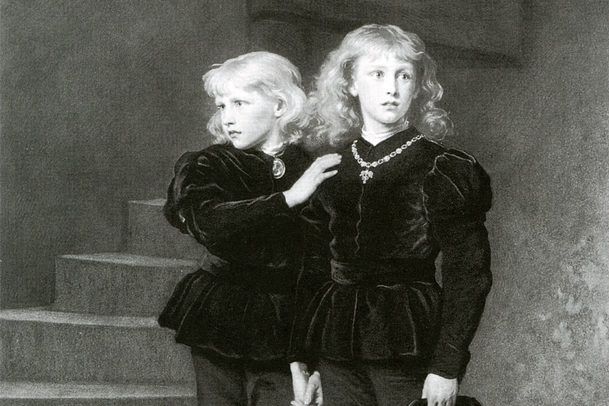
In 1483, two young princes, Edward V and his brother Richard, were placed in the Tower of London. Their uncle, Richard III, had taken the throne and declared the boys illegitimate. Soon afterward, the princes vanished from public view. They were never seen alive again.
Many historians believe the boys were murdered to remove them as rivals to the throne. Richard III has long been the main suspect, though some scholars argue other political figures could have been responsible. In the 1600s, two skeletons discovered in the Tower were believed to be the princes. However, the remains have never been conclusively identified with modern DNA testing. Without definitive evidence, the fate of the princes remains uncertain.
11. The Treasure of the Flor de la Mar
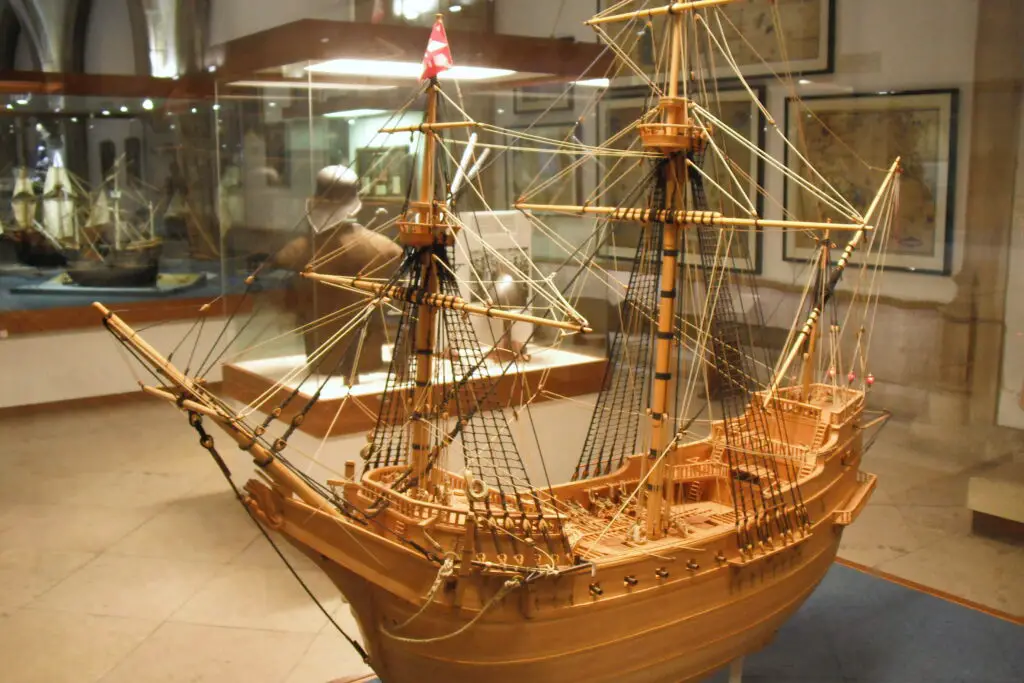
The Flor de la Mar was a massive Portuguese ship that sank in 1511 near the coast of Sumatra. At the time, it was carrying an enormous amount of treasure captured during the conquest of Malacca. The ship was heavily loaded with gold, jewels, and other valuables. When it went down in a storm, the treasure disappeared with it.
For centuries, treasure hunters have searched the surrounding waters hoping to locate the wreck. The problem is that the exact sinking location was poorly recorded. Shifting sands and deep waters have also complicated the search. Some historians believe the treasure may still lie undiscovered somewhere along the strait. If found, it could be one of the richest shipwrecks ever recovered.
12. The Disappearance of Malaysia Airlines Flight MH370
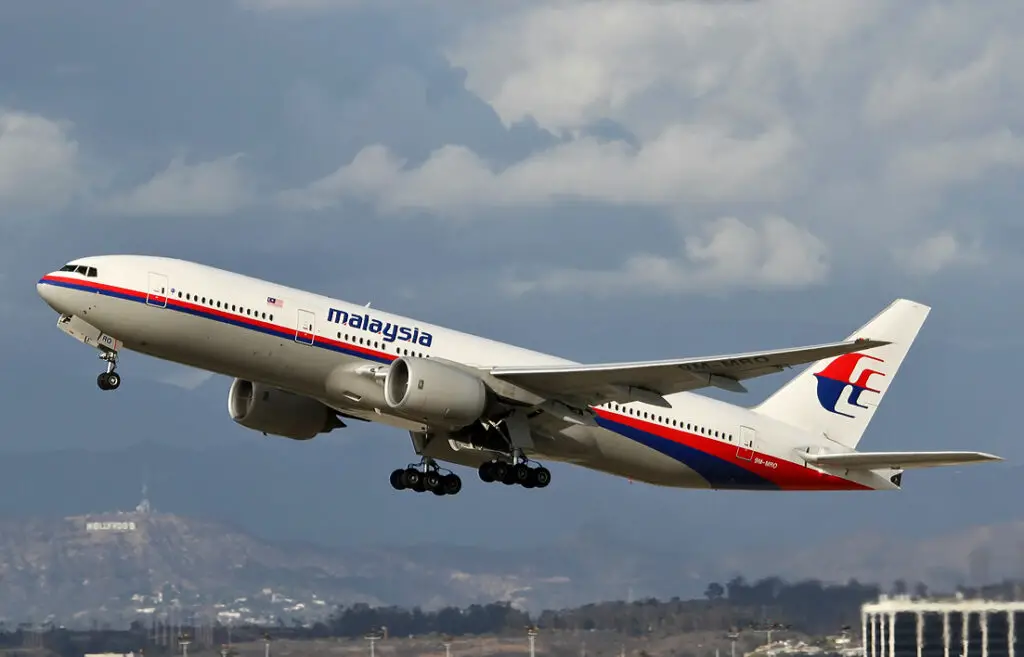
In March 2014, Malaysia Airlines Flight MH370 vanished during a flight from Kuala Lumpur to Beijing. The aircraft stopped communicating with air traffic control and changed course unexpectedly. Satellite data later suggested it continued flying for hours before disappearing over the Indian Ocean. Despite an enormous international search, the main wreckage has never been located.
Pieces of debris believed to be from the aircraft have washed ashore on islands in the western Indian Ocean. However, investigators still do not know exactly where the plane crashed or why it changed course. Several theories have been proposed, including mechanical failure and deliberate actions by someone on board. None have been proven conclusively. The disappearance remains one of aviation’s most puzzling modern mysteries.
13. The Purpose of Stonehenge
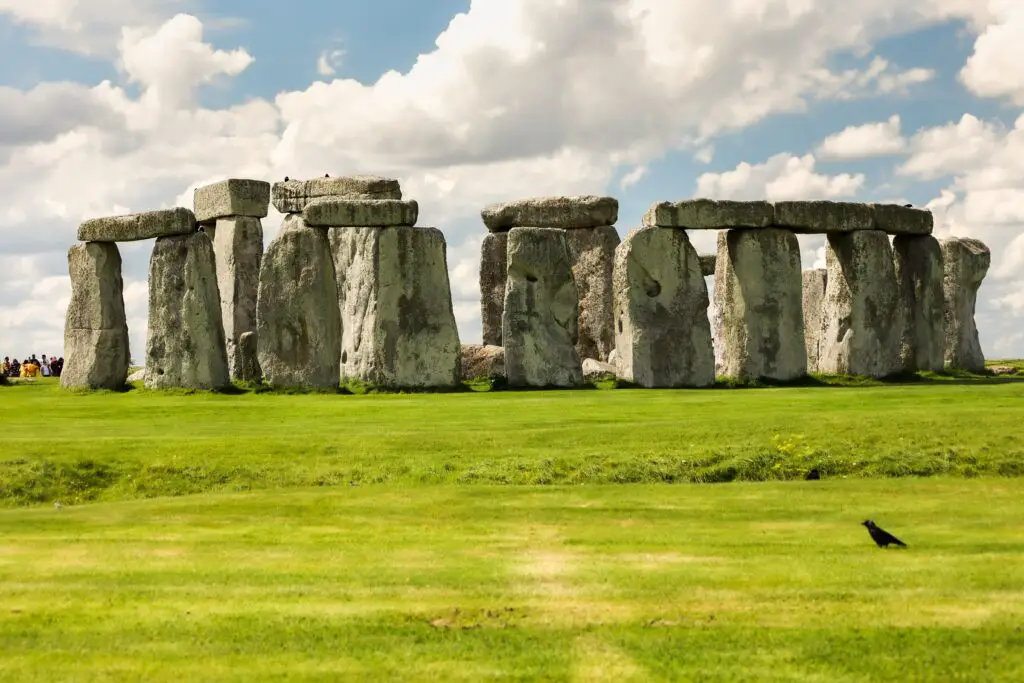
Stonehenge, located in southern England, is one of the most famous prehistoric monuments in the world. The massive stone circle was built in stages between roughly 3000 and 2000 BCE. Transporting the enormous stones required remarkable effort and coordination. Yet the exact purpose of the structure remains debated.
Some archaeologists believe Stonehenge served as a ceremonial or religious gathering place. Others think it functioned partly as an astronomical observatory aligned with the solstices. Evidence of burials nearby suggests it may also have had funerary significance. The site likely had multiple meanings for the people who built it. Even after centuries of study, the monument still holds many unanswered questions.