
1. Crossing Your Fingers for Good Luck

Almost every kid learns to cross their fingers when they’re hoping something works out. Whether it was wishing for a snow day or silently praying the teacher wouldn’t call on them, the gesture felt almost magical. Most children never stopped to ask why folding two fingers together was supposed to help. It was just something everyone seemed to do.
The tradition actually goes back centuries, when early Christians used crossed fingers as a secret sign of faith and protection. Over time, it evolved into a broader symbol of luck. By the time modern kids picked it up on playgrounds and school buses, the original meaning had mostly faded. The habit remained, even though the explanation rarely did.
2. Saying “Step on a Crack, Break Your Mother’s Back”
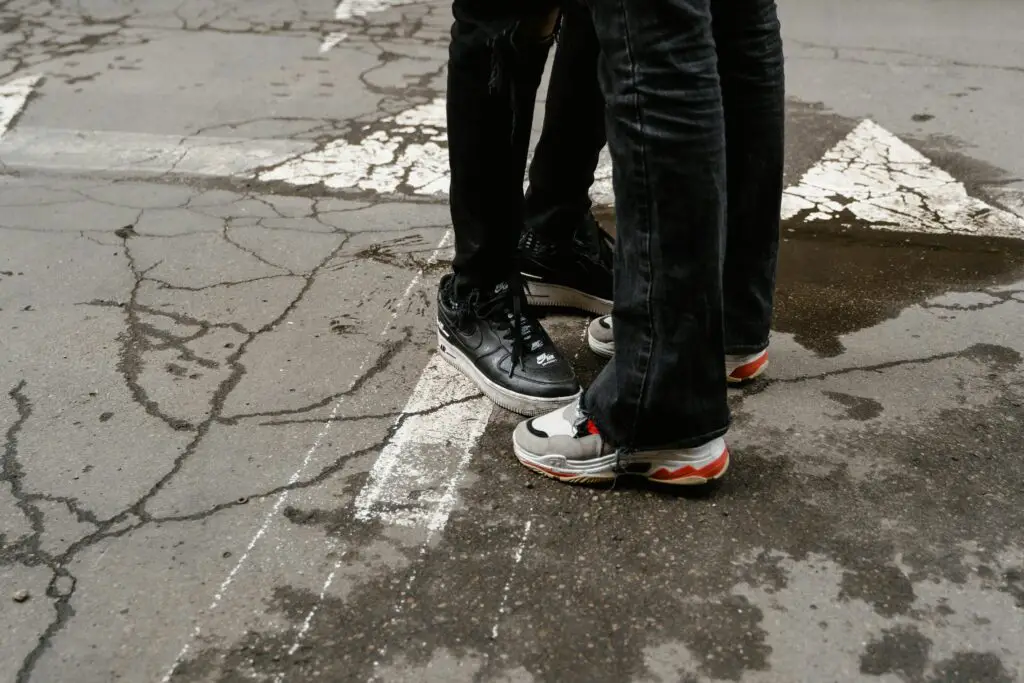
Walking along sidewalks could turn into a strange challenge if someone started chanting that familiar rhyme. Kids would suddenly leap between the cracks like the pavement had become lava. The rule sounded serious enough that nobody wanted to test it. Still, very few children ever questioned where the saying came from.
The rhyme likely gained popularity in the early 1900s as part of jump-rope and playground chants. It was never meant as a literal warning, just a rhythmic line that stuck in kids’ heads. Somehow it became accepted playground wisdom. Generations repeated it without realizing it was basically just an old rhyme that refused to disappear.
3. Knocking on Wood
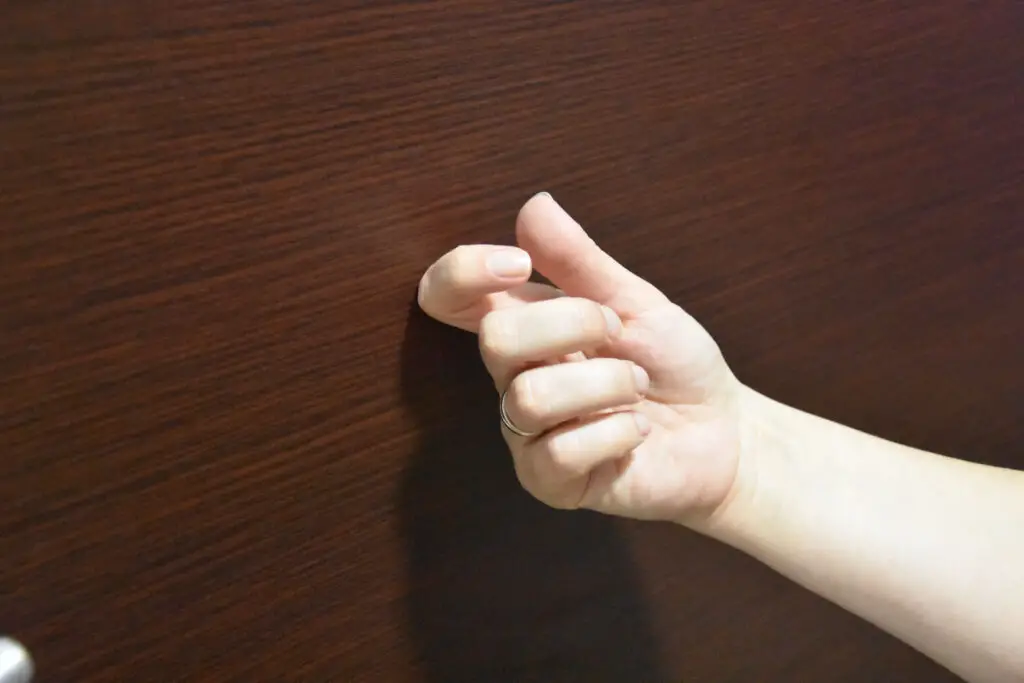
A kid might say something hopeful, then quickly tap the nearest desk, tree, or kitchen table. The action felt like a tiny insurance policy against bad luck. If someone forgot to knock on wood, another kid would often remind them immediately. The rule seemed obvious even if nobody knew the logic behind it.
The habit traces back to ancient European beliefs that spirits lived inside trees. Touching wood was thought to call on those spirits for protection. Over centuries, the superstition became less about spirits and more about avoiding jinxes. By the time children were repeating it at school, the folklore behind it had long been forgotten.
4. Making a Wish on Eyelashes

If a loose eyelash landed on someone’s cheek, a nearby friend might carefully pluck it off and place it on their fingertip. The person would then blow it away while making a secret wish. Kids treated the moment like a tiny bit of magic. Nobody really asked how a single eyelash got connected to wish-granting.
The tradition likely grew from old European folklore about eyelashes symbolizing luck or protection. Some cultures believed eyelashes falling out carried hidden meaning. Over time the idea softened into a simple childhood ritual. The wish usually mattered more than the explanation.
5. Calling “Jinx” When Two People Spoke at Once

Two kids say the same thing at the same moment and suddenly someone shouts “Jinx!” The other person might be told they couldn’t speak again until their name was said. The rule appeared instantly and everyone seemed to understand it. Still, very few kids knew why that word triggered the game.
The term “jinx” originally referred to a spell or curse in folklore. Over time, it became associated with playful bad luck. The speaking rule was likely added by children themselves as part of playground culture. What began as a superstition slowly turned into a silly social game.
6. Tossing Salt Over Your Shoulder

If someone spilled salt at the dinner table, a child might instinctively grab a pinch and throw it over their shoulder. It was done quickly, almost like fixing a mistake. The motion felt important even if no one remembered who taught it to them. Kids just knew it was something you were supposed to do.
The tradition comes from an old belief that spilled salt invited bad luck or even evil spirits. Throwing salt over the left shoulder was thought to blind or distract the devil standing there. While the original superstition faded, the reflex stuck around. Children kept copying the gesture long after the reason was forgotten.
7. Blowing Out Birthday Candles
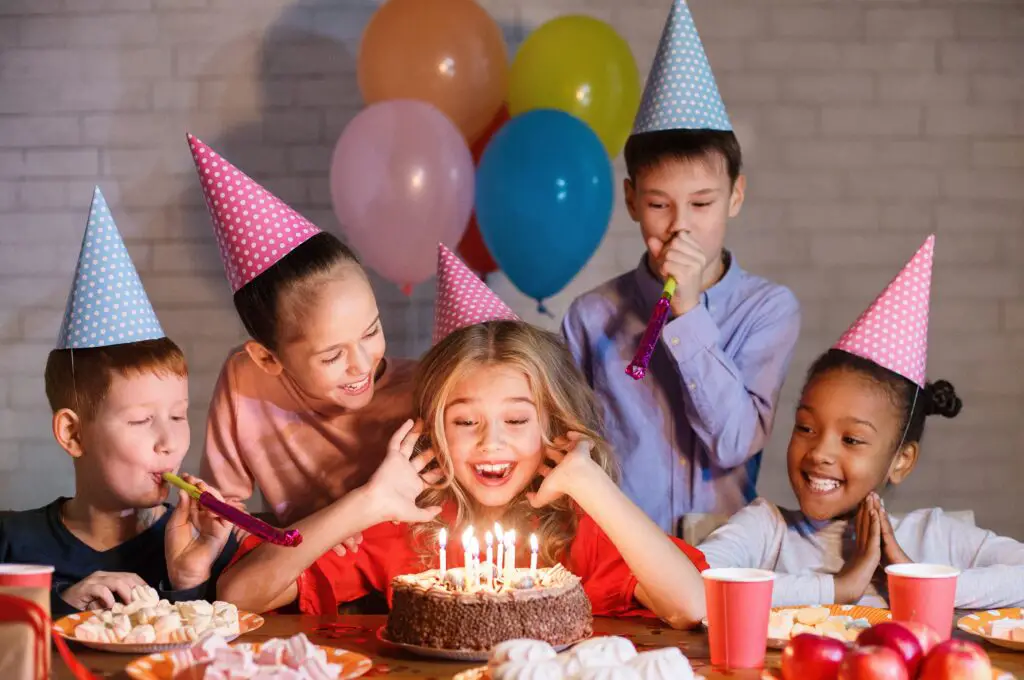
A birthday cake arrives with candles glowing on top, and the birthday kid closes their eyes to make a wish. Everyone waits while they take a deep breath and blow them all out at once. The ritual feels essential to the celebration. Yet most children never hear the deeper story behind it.
The custom dates back to ancient Greek celebrations honoring Artemis, when cakes were topped with candles to resemble the moon. People believed smoke from blown-out candles carried wishes to the gods. Over time the tradition blended into birthday parties. Kids kept the wish-making part even when the ancient history disappeared.
8. Counting the Petals of a Flower for Love

A child sitting in the grass might pick a daisy and slowly pull off the petals. With each one they’d say “loves me” or “loves me not.” The final petal was supposed to reveal the truth. Even kids who didn’t believe it still felt curious about the result.
The game comes from a European fortune-telling tradition dating back hundreds of years. It was once taken more seriously as a way to predict romance. Over time it drifted into childhood play. The rhyme survived even when the original fortune-telling idea faded.
9. Avoiding Walking Under Ladders

If a ladder was leaning against a building, many kids automatically walked around it. Someone might warn them not to go underneath. The rule sounded serious enough that most children obeyed it without question. Still, the reason usually remained a mystery.
The superstition dates back to ancient times when a ladder leaning against a wall formed a triangle shape. Triangles were considered sacred in some cultures, and passing through them was believed to break the balance. Later beliefs also connected ladders to execution sites and bad luck. The warning lived on long after those associations faded.
10. Saying “Rabbit Rabbit” on the First of the Month

Some kids grew up hearing that you should say “rabbit rabbit” first thing on the first day of the month. If you did it before speaking anything else, it supposedly brought good luck. Many children followed the rule faithfully even if it sounded completely random. The phrase itself didn’t explain much.
The tradition likely appeared in early 20th century British folklore. Rabbits had long been considered lucky animals in many cultures. Repeating the word became a simple ritual for starting the month on a positive note. Kids often kept the habit alive without ever learning its strange origins.
11. Holding Your Breath When Driving Past a Cemetery

During car rides, someone might suddenly announce that everyone had to hold their breath while passing a cemetery. Kids would inhale deeply and wait until the car reached the other side. It turned a quiet stretch of road into a moment of suspense. Few children stopped to ask where the idea came from.
The custom appears to have grown from old beliefs about spirits and respect for the dead. Some versions suggested holding your breath prevented spirits from entering your body. Others treated it more like a dare between kids. Either way, it became a small road trip ritual.
12. Breaking the Wishbone After Thanksgiving
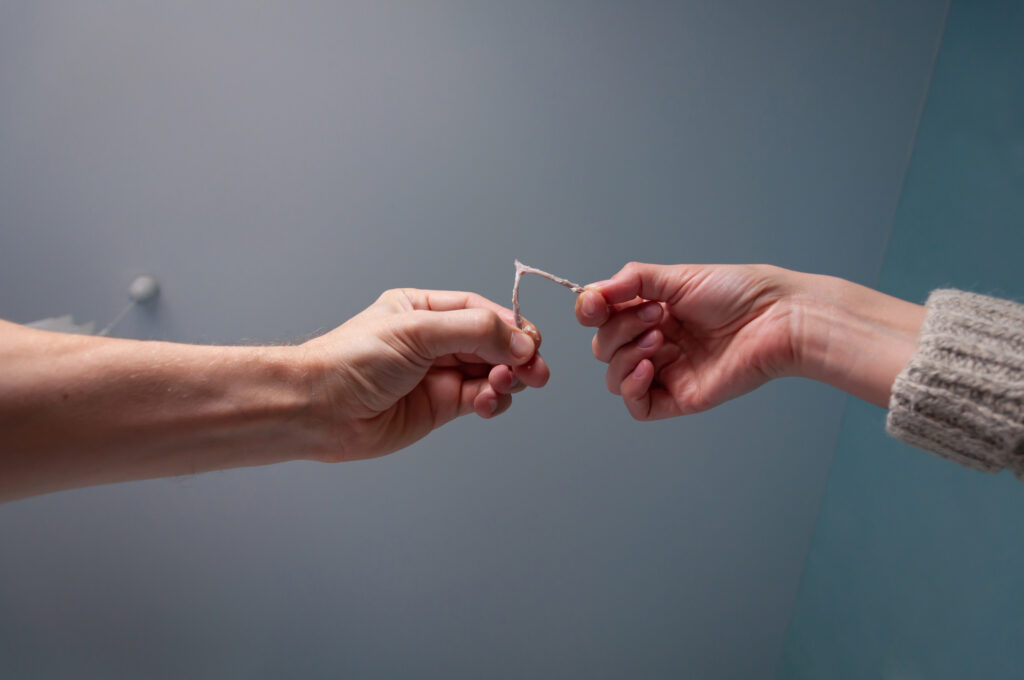
At many family dinners, two kids were handed a dried turkey wishbone and told to pull it apart. Whoever ended up with the larger piece got to make a wish. The contest felt like a tiny prize at the end of the meal. Most children never wondered why a turkey bone was involved.
The tradition dates back to the ancient Etruscans of Italy, who believed birds could predict the future. Later Romans adopted the practice and passed it through Europe. Eventually the custom traveled to America along with turkey dinners. By then it had turned into a simple game that kids followed without knowing its long history.