
1. Grossinger’s Catskill Resort, New York
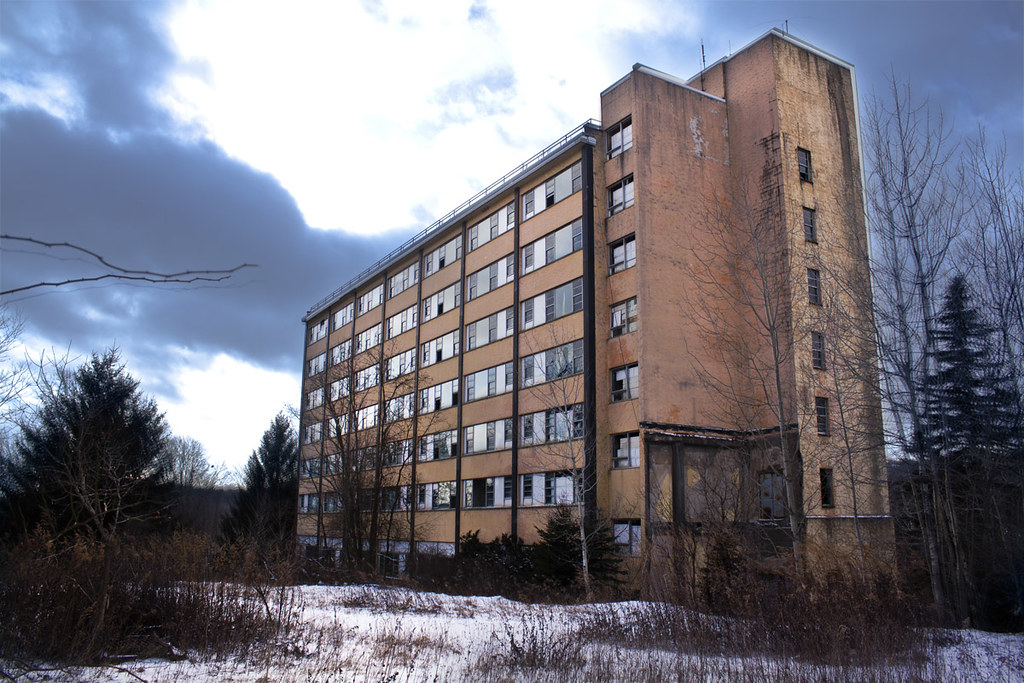
For decades, Grossinger’s Catskill Resort in Liberty, New York was one of the most glamorous vacation spots in the Catskills. Celebrities, politicians and families flocked there for big band music, ice skating and lavish meals. At its peak in the ’50s and ’60s, the resort had more than 1,200 rooms and its own airstrip. But by the mid ’80s, changing travel habits and cheaper flights to warmer destinations began pulling guests away.
The resort closed in 1986, and most of the buildings slowly fell into ruin. Today, the once glittering pool complex and hotel wings sit empty, with vines crawling through broken windows. Walking through the property feels like stepping into a time capsule of the Catskills’ golden age. Even now, locals still talk about the nights when the dance floors were packed and the lights never seemed to go out.
2. Salton Sea Beach Resort, California
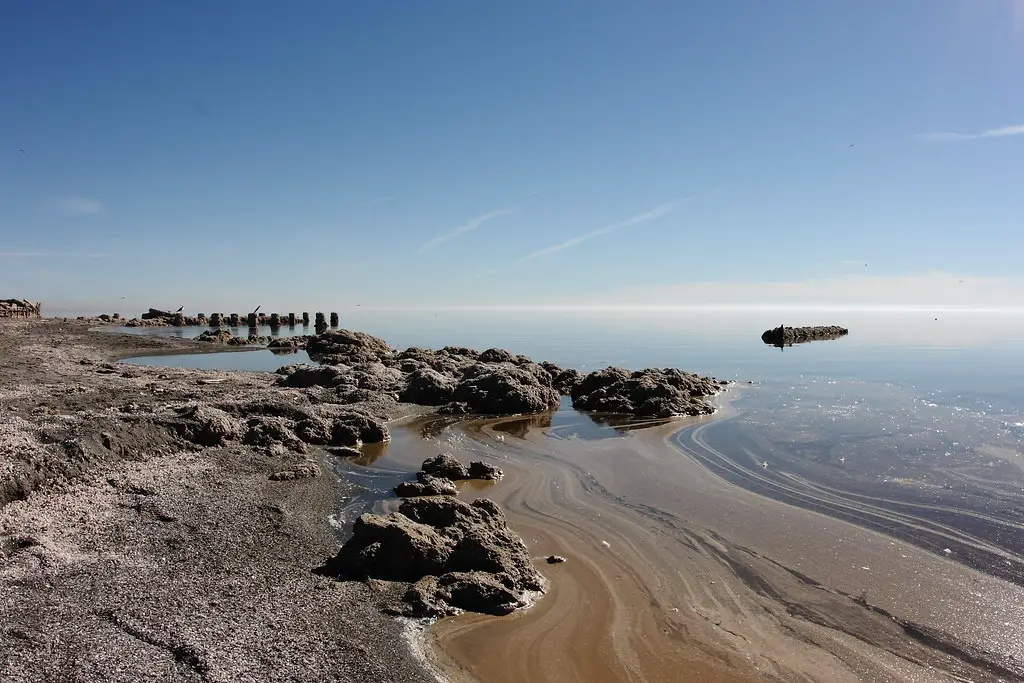
In the ’50s and early ’60s, the Salton Sea in Southern California was marketed as the next Palm Springs. Yacht clubs, marinas and beachside resorts popped up along the shoreline. Hollywood celebrities visited, and developers imagined it becoming a glamorous desert getaway. For a short time, it actually worked.
Then environmental problems changed everything. Rising salinity, fish die offs and a strong smell drove tourists away by the ’70s. Many resort areas were abandoned as property values collapsed. Today, the empty marinas and decaying buildings give the area a strangely eerie beauty that photographers and explorers find fascinating.
3. Varosha, Famagusta, Cyprus
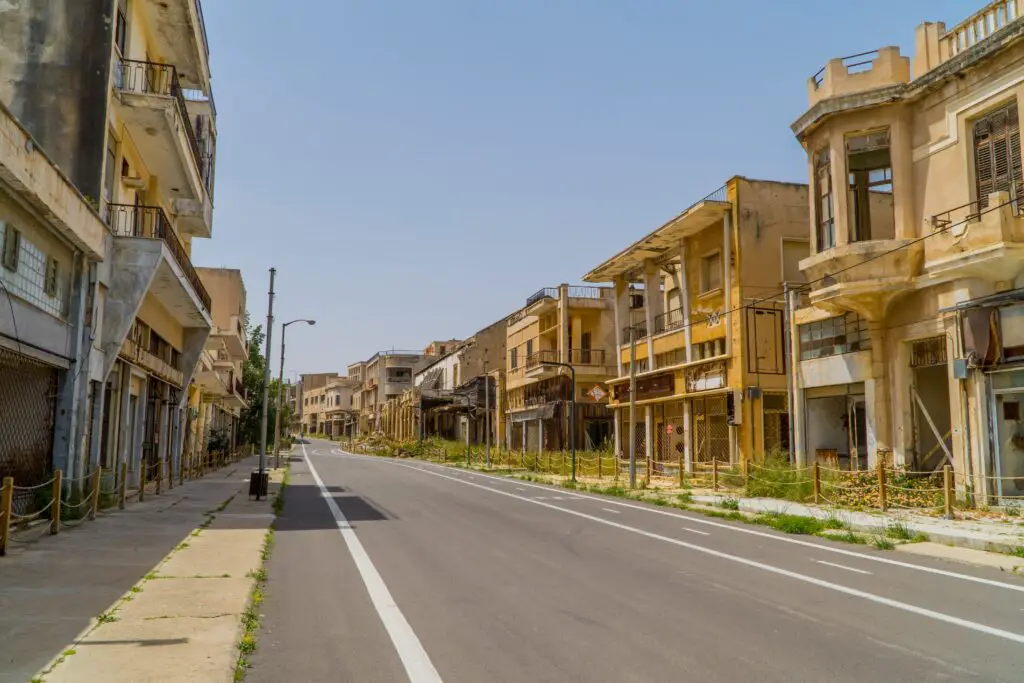
Before 1974, Varosha was one of the most luxurious beach destinations in the Mediterranean. Movie stars and international travelers stayed in its high rise hotels overlooking the sea. The beaches were packed, the restaurants were busy and the city felt like a glamorous playground. Everything changed when the Turkish invasion of Cyprus forced residents to flee overnight.
The area was sealed off and left completely untouched for decades. Hotels, shops and apartments remain exactly where people left them. Overgrown streets and crumbling balconies now dominate what was once a thriving resort district. In many ways, Varosha still looks like a frozen snapshot of a ’70s vacation paradise.
4. Six Flags New Orleans, Louisiana
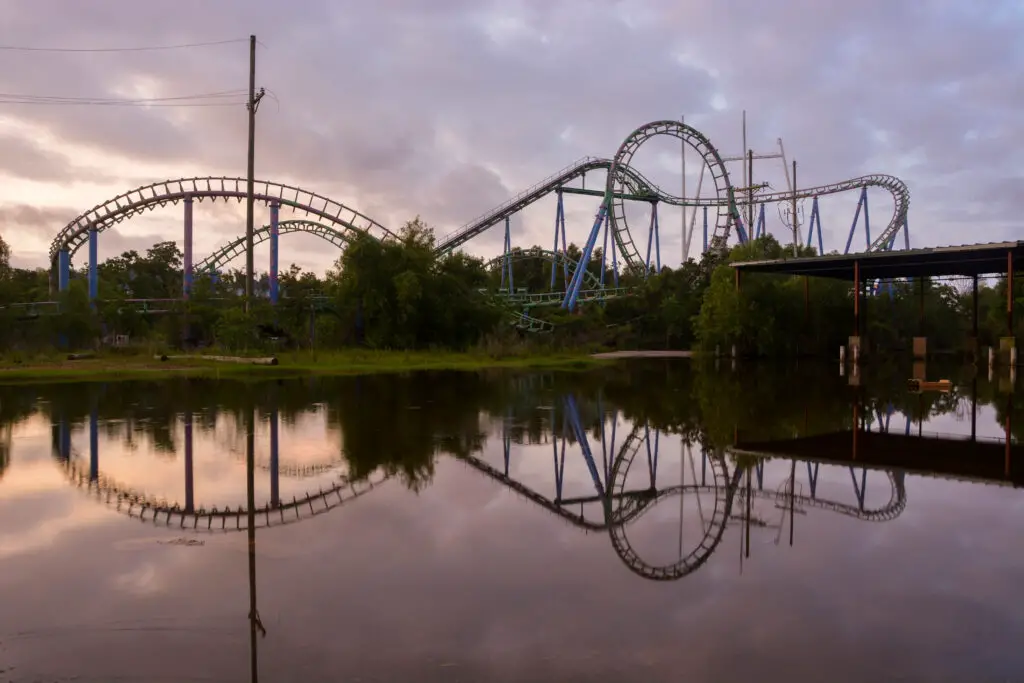
When Six Flags New Orleans opened in 2000, it promised to be a major theme park destination in the Gulf region. Roller coasters, water rides and colorful attractions quickly drew visitors from across Louisiana and neighboring states. For several years it was a lively place filled with families and vacationers. Then Hurricane Katrina arrived in 2005.
The park was submerged in floodwater for weeks, causing extensive damage. Plans to rebuild repeatedly stalled, and the gates never reopened. Today, rusting roller coasters and faded carnival signs stand quietly behind locked fences. Nature has slowly begun reclaiming the park, turning it into one of the most haunting abandoned attractions in the United States.
5. Buck Hill Inn, Pennsylvania
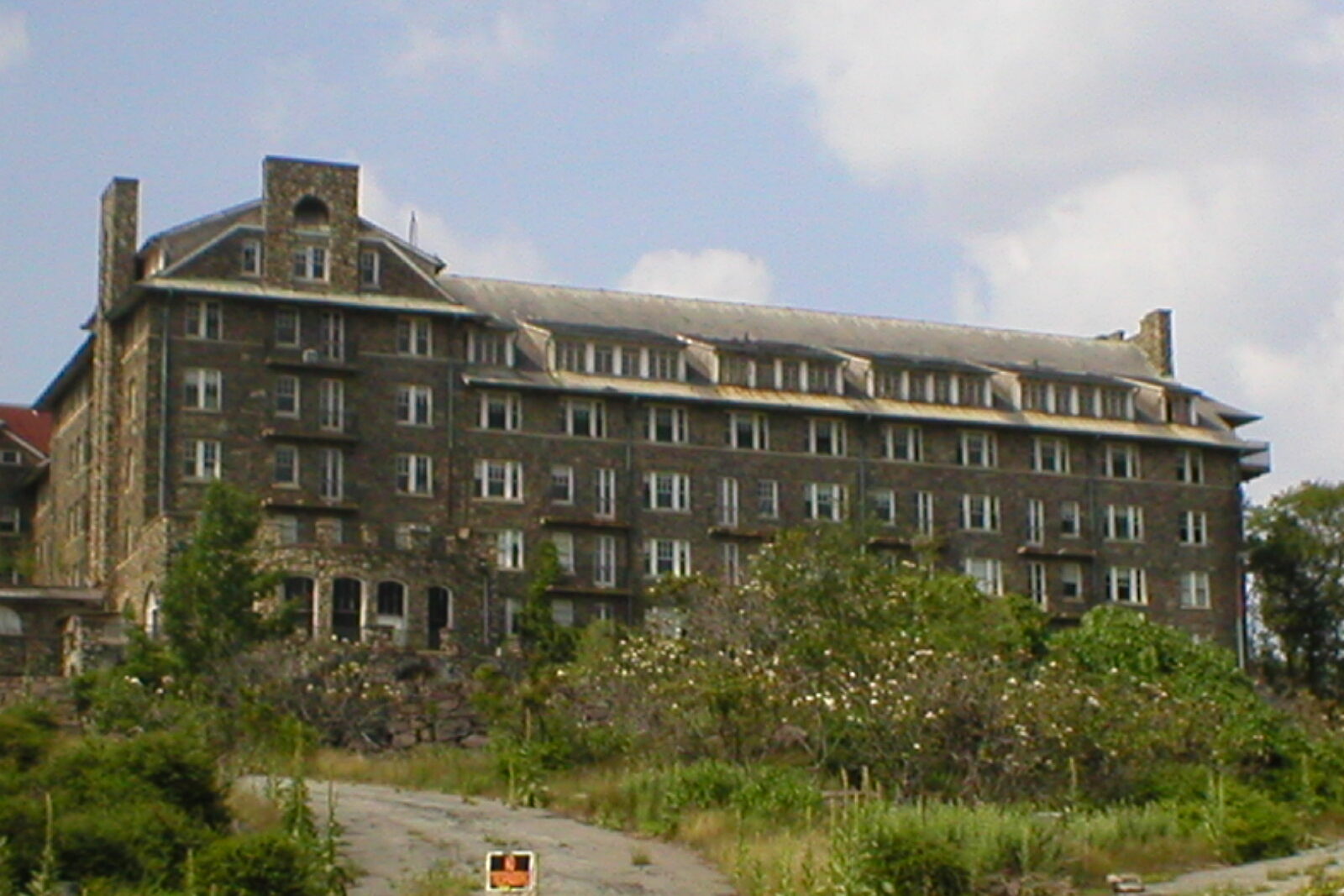
Hidden in the Pocono Mountains, Buck Hill Inn was once one of Pennsylvania’s most elegant resorts. It opened in 1901 and quickly became a favorite destination for wealthy travelers from New York and Philadelphia. Guests came for horseback riding, golf and grand dining rooms filled with live music. For decades it symbolized the refined side of mountain vacations.
But as travel habits changed in the late 20th century, the resort struggled to stay profitable. It finally closed in 1990 after nearly a century of operation. The main building was eventually demolished after years of decay and vandalism. Today only scattered remnants and old photographs hint at the once glamorous retreat that stood there.
6. Pripyat Amusement Park, Ukraine
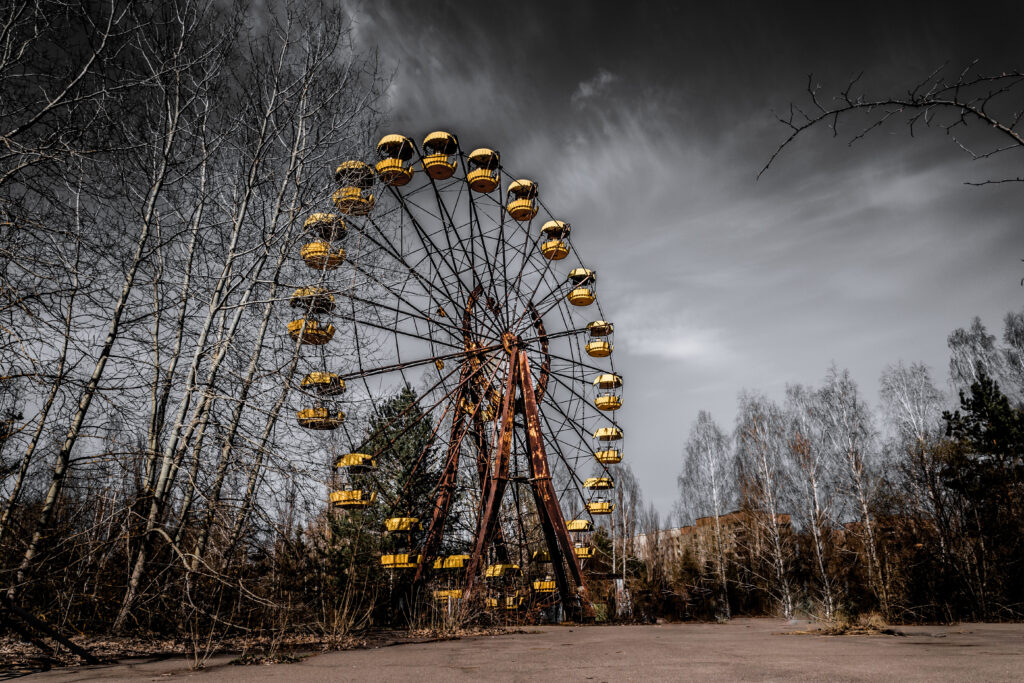
The amusement park in Pripyat was supposed to open in May 1986 as part of the city’s May Day celebrations. The famous yellow Ferris wheel and carnival rides were freshly built and ready for families. But everything changed just days earlier when the nearby Chernobyl nuclear disaster forced the entire city to evacuate. The park never officially opened.
Today the Ferris wheel still stands, rusted and silent among the trees. The bumper cars sit abandoned beneath a collapsing pavilion. Because Pripyat has remained largely untouched since the disaster, the amusement park looks eerily preserved in time. It has become one of the most recognizable images of abandoned modern history.
7. Michigan Central Station Hotel Project, Detroit
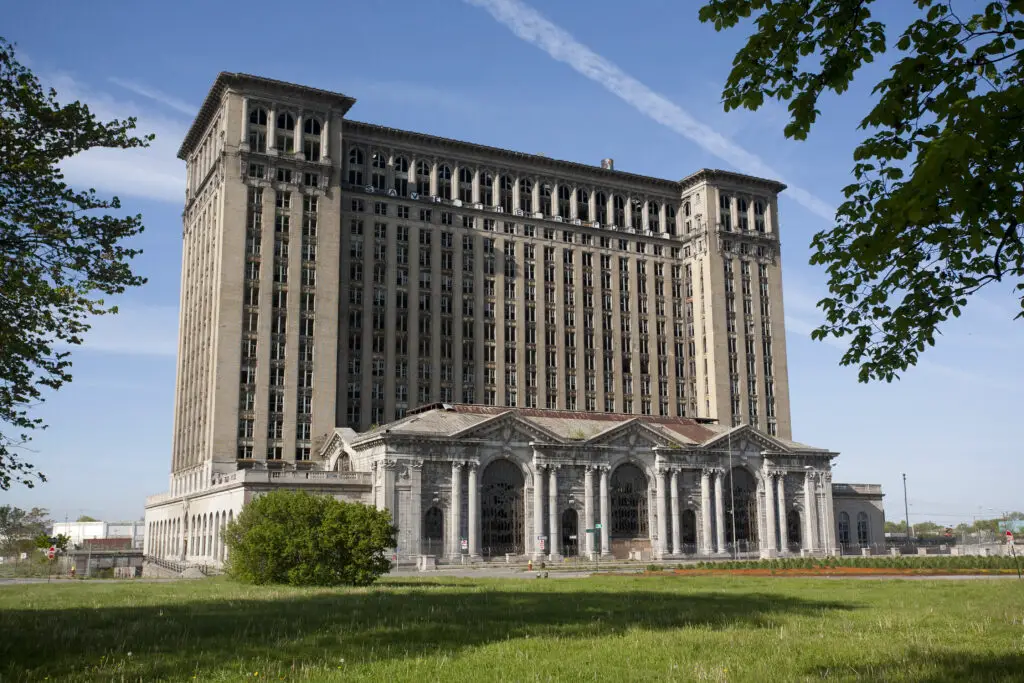
In the early 20th century, developers imagined turning the area around Michigan Central Station into a major hub for travelers. Plans included hotels, restaurants and entertainment spaces for visitors passing through Detroit. For a time, the surrounding district bustled with activity as train passengers arrived from across the country. It felt like the gateway to the city.
As rail travel declined after World War II, the neighborhood began to fade. The station itself closed in 1988, and nearby developments were abandoned or repurposed. For decades the massive building towered over an empty landscape, symbolizing Detroit’s economic struggles. Though restoration efforts have begun in recent years, the site long felt like a ghostly reminder of a different era of travel.
8. Wonderland Amusement Park, Beijing
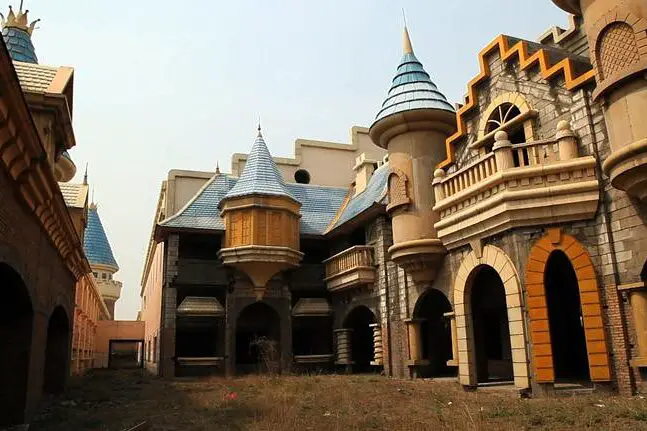
When Wonderland Amusement Park was planned in the ’90s, it was meant to be Asia’s largest theme park. The unfinished castle structure rising from the fields outside Beijing looked like something out of a fantasy film. Developers promised rides, hotels and massive tourist crowds. But financial disputes halted construction before the park could open.
For years, the giant castle and empty grounds sat abandoned. Farmers even used the land around it to grow crops. The surreal image of a fairytale castle surrounded by farmland became famous online. Eventually the site was demolished in 2013, but for nearly two decades it felt like a theme park frozen mid dream.
9. Lee Plaza Hotel, Detroit
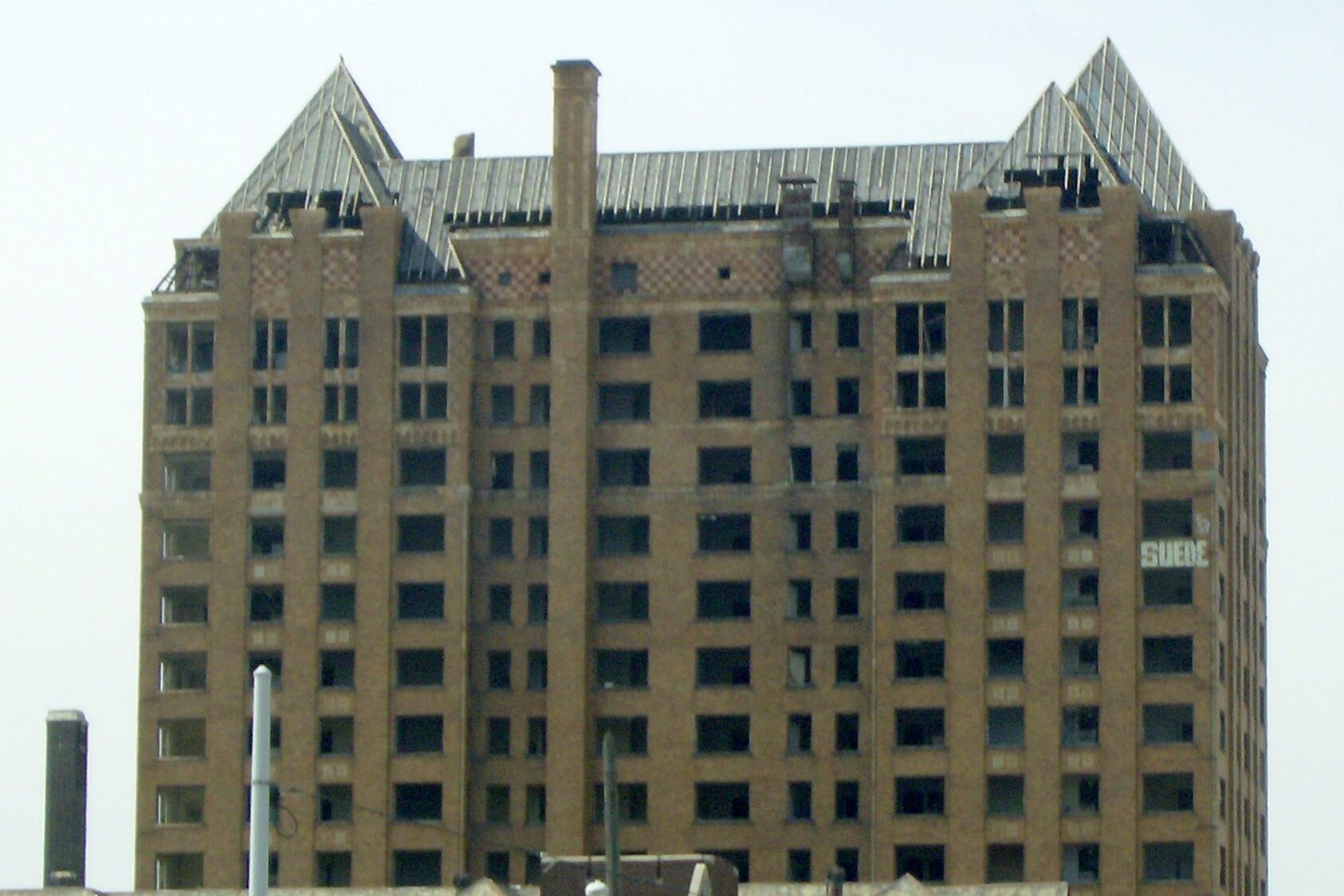
When the Lee Plaza Hotel opened in 1929, it was one of Detroit’s most luxurious places to stay. The towering Art Deco building offered elegant rooms, fine dining and sweeping city views. Travelers arriving by train often chose it as their home base while exploring the city. At the time, it represented Detroit’s booming prosperity.
Over the decades the hotel changed ownership and eventually closed in the ’90s. The once glamorous interior fell into disrepair, with broken windows and empty hallways. Yet the building’s ornate architecture still hints at its former grandeur. Standing nearby, it is easy to imagine the days when guests dressed for dinner and jazz music filled the lobby.
10. Lake Shawnee Amusement Park, West Virginia
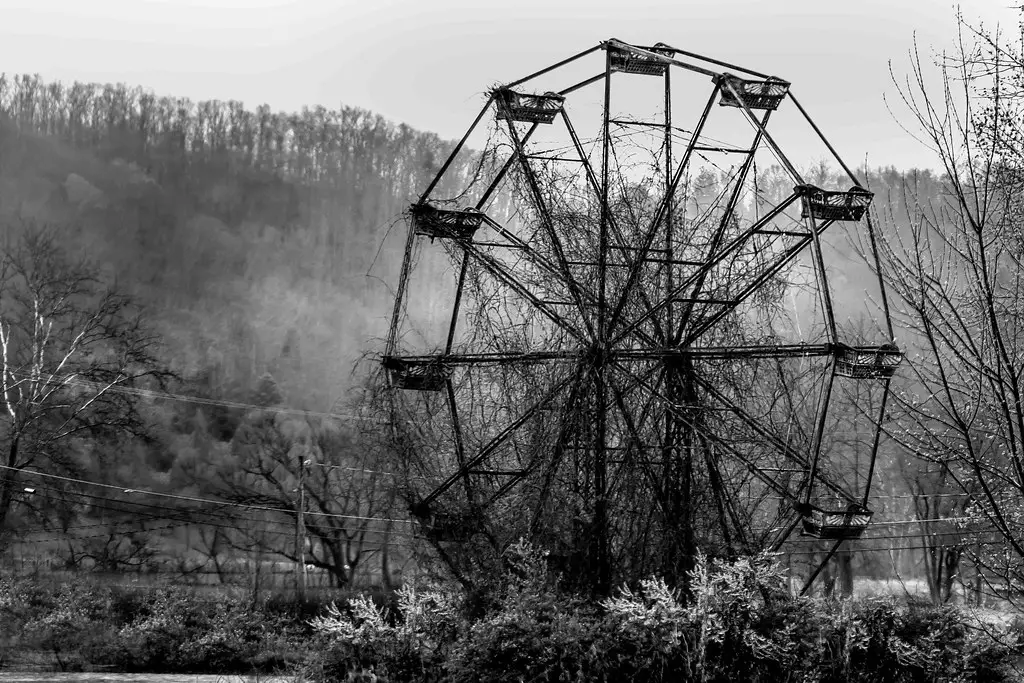
Lake Shawnee Amusement Park opened in the 1920s and quickly became a popular regional attraction. Families rode the Ferris wheel, carousel and swings during summer vacations. For years it was filled with laughter and carnival music. But several tragic accidents over the decades gave the park a darker reputation.
The park closed in 1966 and has remained mostly untouched since. Rusted rides sit among tall grass and quiet woods. Some visitors now come for historical tours and paranormal stories connected to the site. Whether or not you believe the legends, the abandoned rides definitely feel like echoes of a long forgotten summer.
11. Ryugyong Hotel Resort Vision, North Korea
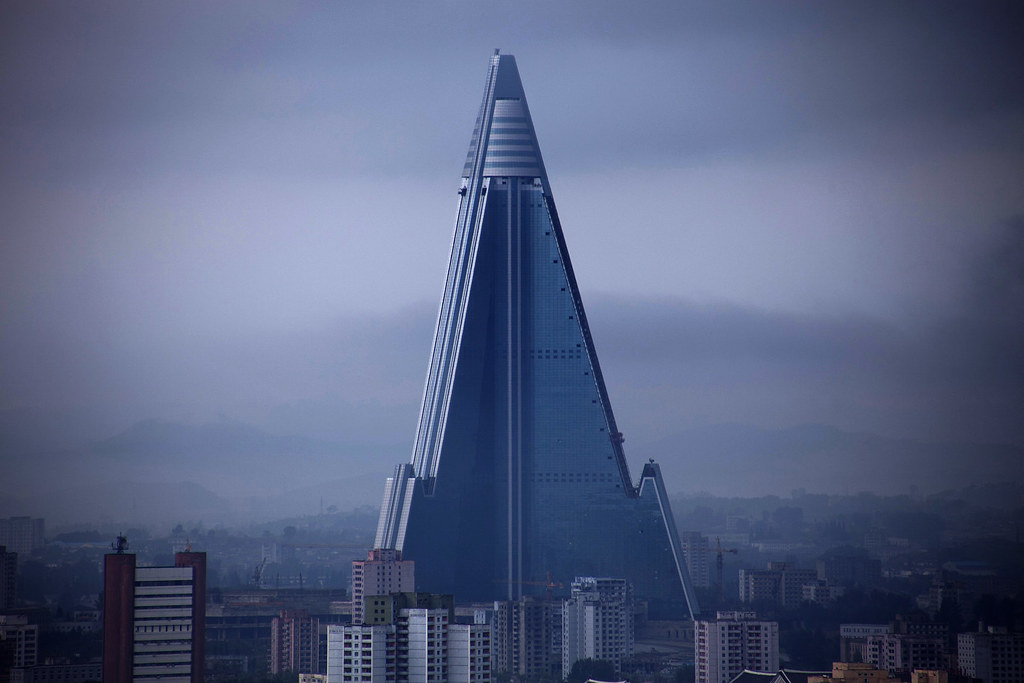
The Ryugyong Hotel in Pyongyang was originally intended to anchor a grand tourism project in the late ’80s. The massive pyramid shaped skyscraper was supposed to include thousands of hotel rooms and rotating restaurants. It was meant to show the world North Korea’s ambition as an international destination. Construction began quickly but soon ran into financial problems.
For years the empty concrete tower stood unfinished, dominating the skyline. Though some exterior work has been completed in recent years, the interior remains largely unused. The structure became famous as one of the tallest abandoned buildings in the world. It represents a tourism vision that never fully materialized.
12. Casa del Desierto Resort, Spain
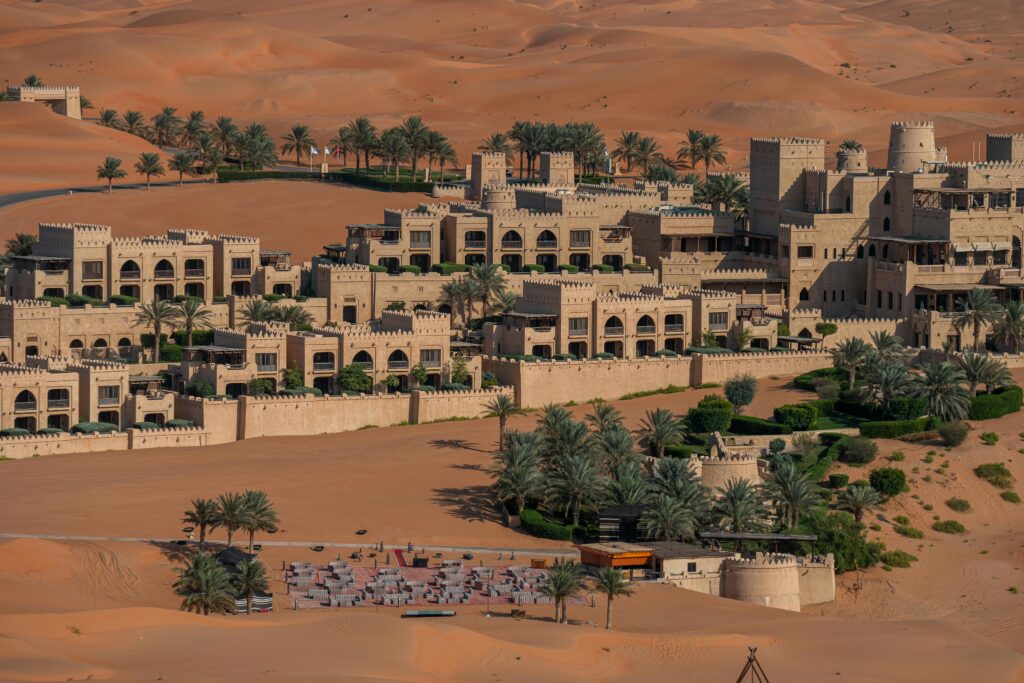
In the mid 20th century, developers built desert style resorts in southern Spain hoping to attract adventurous travelers. Casa del Desierto was one such project, promising sunshine, quiet landscapes and exotic architecture. Guests initially arrived for relaxation and scenic views. For a while, the remote setting was part of the appeal.
Over time the isolation made it difficult for the resort to stay profitable. Tourism shifted toward coastal destinations instead. Eventually the resort closed and the buildings were left behind. Windblown sand and fading walls now give the place a cinematic, almost surreal atmosphere.
13. Penn Hills Resort, Pennsylvania
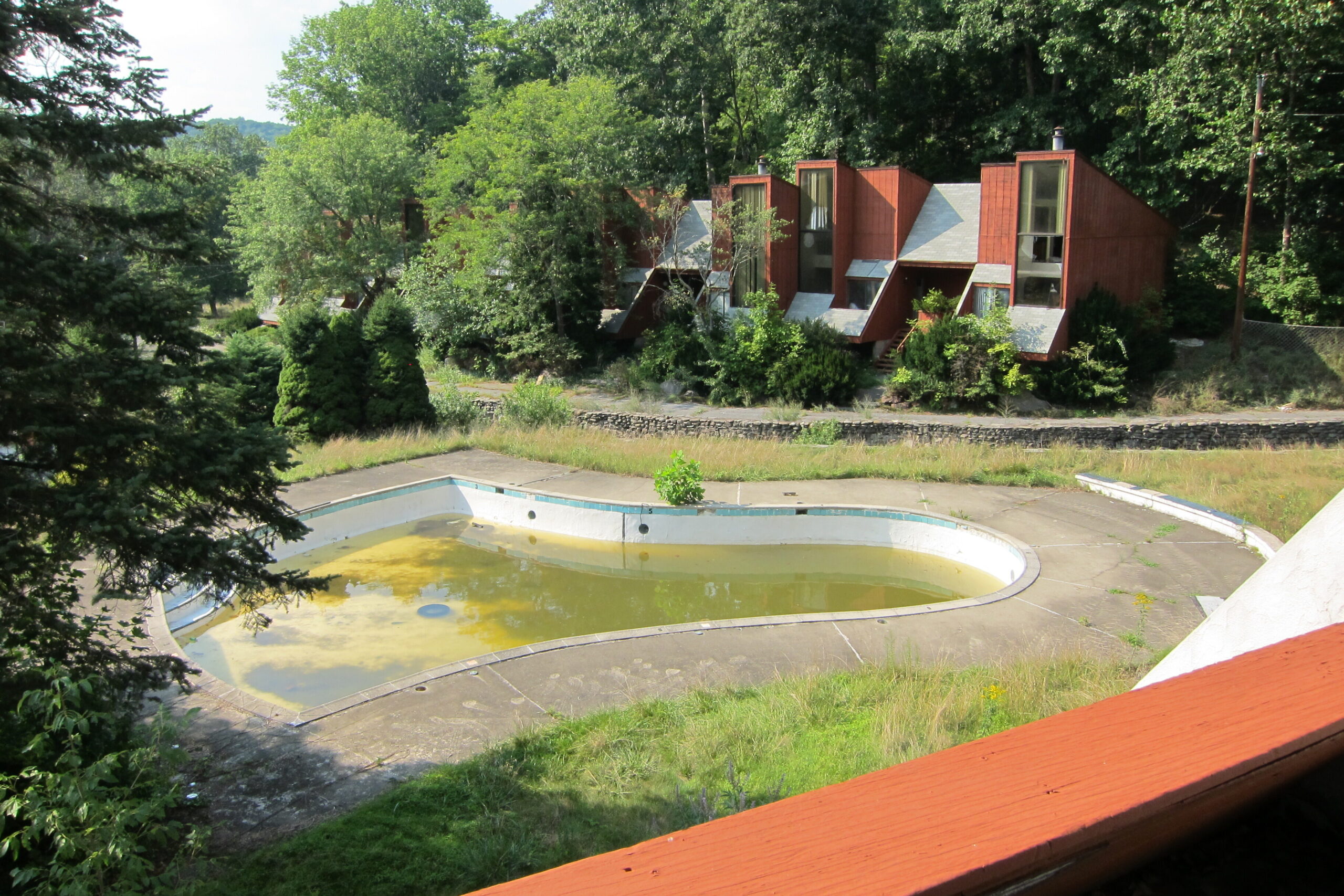
Penn Hills Resort in the Poconos was famous for its heart shaped bathtubs and honeymoon suites. Couples arrived from all over the Northeast during the ’60s, ’70s and ’80s. The resort leaned heavily into romance themed décor and packages for newlyweds. At one point it was one of the region’s most recognizable getaway spots.
By the early 2000s, however, the aging property struggled to keep up with modern resorts. It finally closed in 2009. The abandoned buildings still contain remnants of its once playful design. Walking through the empty hallways today, it is easy to picture the decades of couples who once celebrated their first vacations together there.
14. Nara Dreamland, Japan
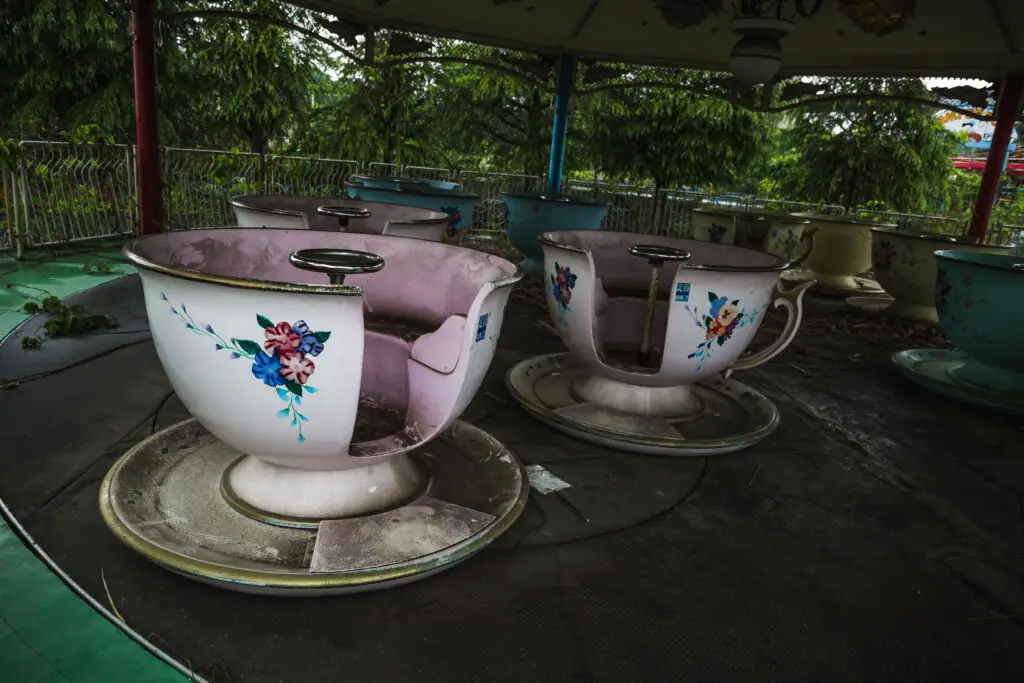
Nara Dreamland opened in 1961 and was heavily inspired by Disneyland. The park featured similar castle structures, themed rides and colorful parades. For many Japanese families, it became a beloved childhood destination. Crowds poured through the gates during its peak years.
But as newer theme parks opened nearby, attendance slowly declined. The park closed in 2006 and sat abandoned for nearly a decade. Rusting rides and empty streets gave it a haunting atmosphere that attracted urban explorers. It was eventually demolished in 2016, but photos of the abandoned park still circulate widely online.
15. Hotel del Salto, Colombia
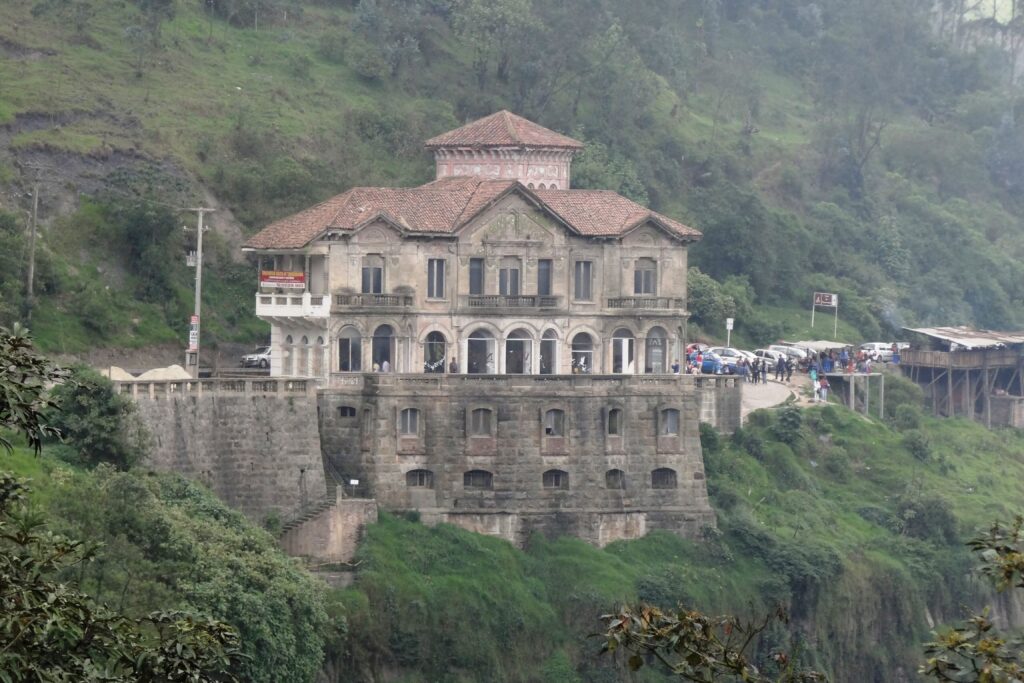
Perched beside the dramatic Tequendama Falls, Hotel del Salto opened in the 1920s as a luxury destination for travelers near Bogotá. Visitors came to admire the waterfall and stay in the elegant French style building overlooking the gorge. The setting made it one of Colombia’s most unique hotels. For years it hosted wealthy guests and special events.
Environmental issues affecting the nearby river eventually reduced tourism. By the ’90s the hotel closed and the building sat abandoned. Locals began sharing ghost stories about the empty structure. In recent years the building has been restored and turned into a museum, but for decades it stood like a forgotten relic beside the roaring falls.