
1. Memorizing Phone Numbers
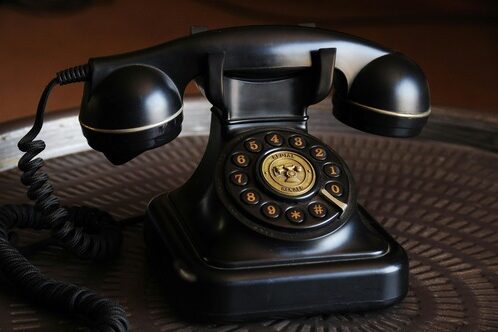
There was a time when you knew at least a dozen phone numbers by heart. Your best friend’s number, your grandparents’ number, maybe even the local pizza place, all lived in your memory instead of a device. If you lost your address book, it felt like a small crisis. You could dial without looking because your fingers just knew the pattern. Now, most of us would struggle to recall even our closest family member’s number. Our phones remember everything for us.
It seemed efficient at first, and in many ways it is. But it also quietly changed how we use our brains day to day. We rely on search bars and contact lists instead of mental recall. The skill didn’t vanish overnight, it simply became unnecessary. Technology absorbed it, and we let it go.
2. Waiting by the Phone
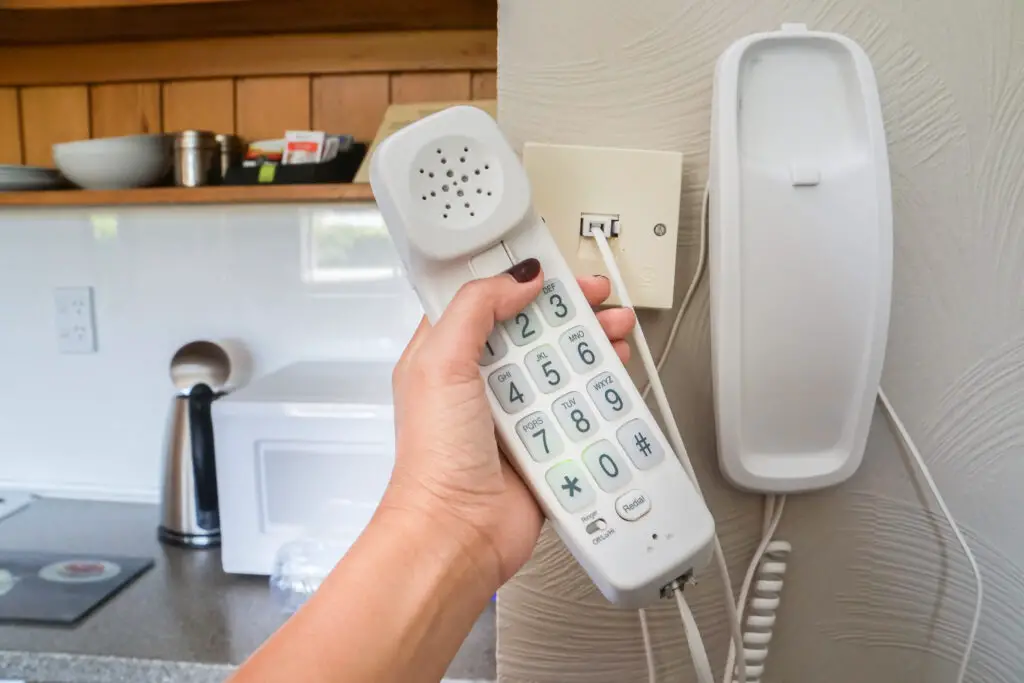
Missing a call used to mean actually missing it. If someone said they would call at seven, you were home at seven. You didn’t wander too far from the kitchen or hallway phone. There was a quiet anticipation to it, sometimes mixed with nerves. If the phone rang, everyone in the house heard it.
Now calls follow us everywhere. If we miss one, we text back in seconds. The urgency and drama have mostly disappeared. We no longer rearrange our evenings around a single ring. The ritual of waiting has been replaced by constant availability.
3. Reading the Newspaper from Front to Back
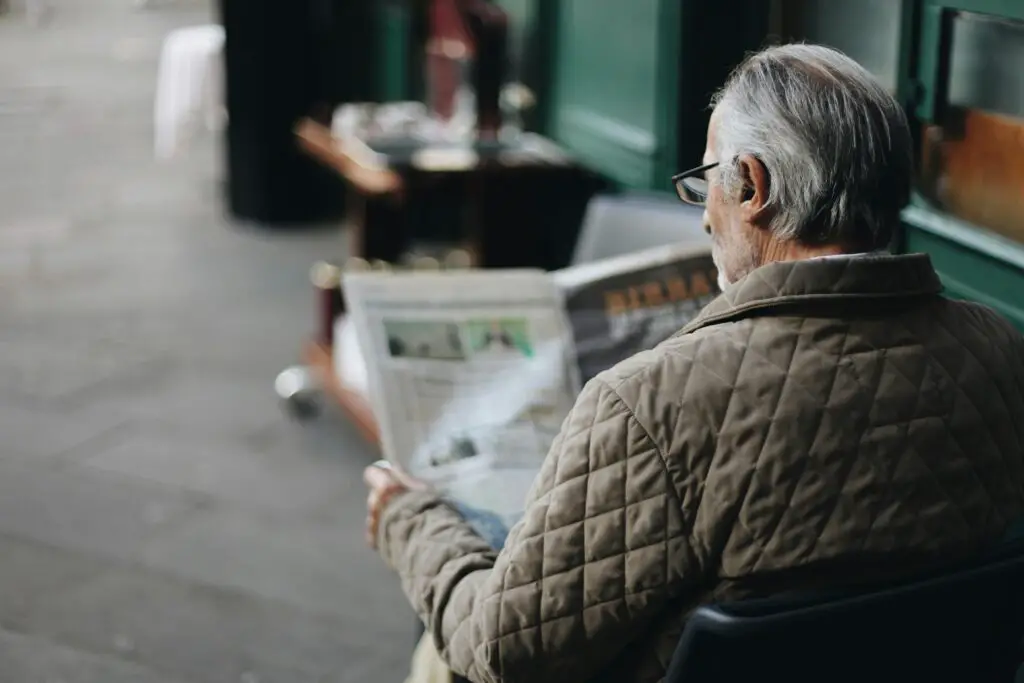
Mornings once began with a physical newspaper spread across the table. You started at the front page and worked your way through, even glancing at sections you didn’t think you cared about. The sports scores, the classifieds, the comics, it was all part of the routine. Your hands ended up smudged with ink.
Today headlines come in fragments on screens. We scroll instead of turning pages. Algorithms decide what we see first. The slow, linear experience of reading everything has given way to quick, selective consumption. The habit faded as news became instant and endless.
4. Using a Paper Map

Before GPS, road trips required preparation. You unfolded a large paper map, traced your route, and sometimes argued about which highway to take. If you missed a turn, you pulled over to reassess. There was a sense of accomplishment in navigating successfully.
Now a calm voice tells us where to go. We rarely memorize routes or landmarks. The physical map in the glove compartment is mostly gone. Navigation became automated, and with it, the habit of studying geography by necessity.
5. Writing Letters by Hand
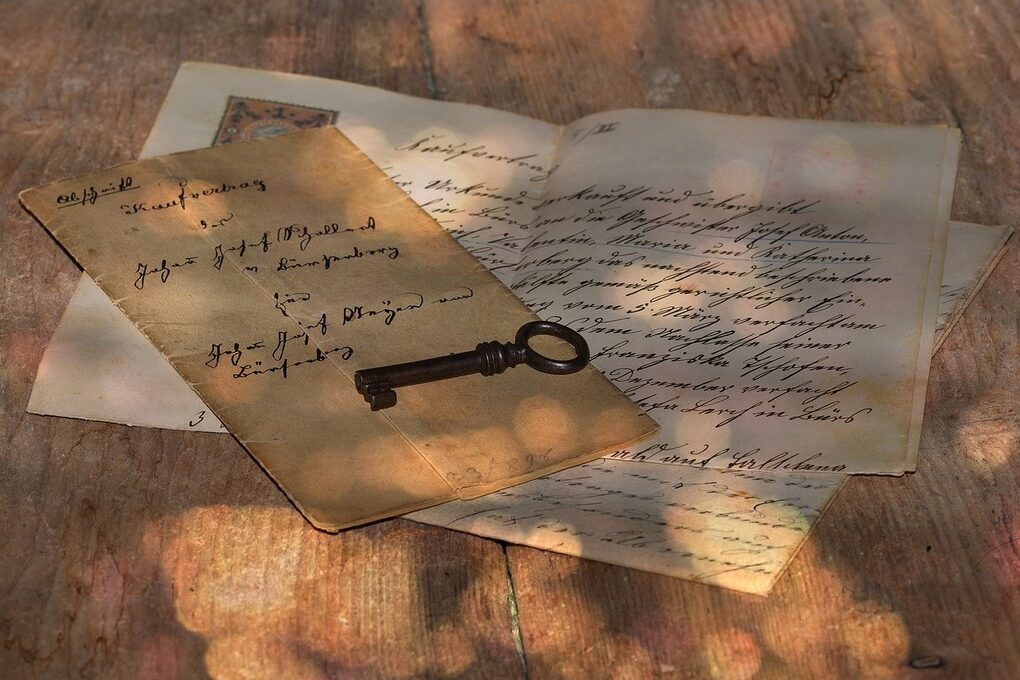
Handwritten letters once carried real weight. You chose stationery, found a quiet moment, and carefully formed each sentence. The mailbox felt like a portal to other lives. Waiting for a reply could take days or weeks.
Email and messaging made communication immediate. That speed is convenient, but it changed the tone. We type quickly and send without much ceremony. The slow, deliberate act of letter writing became rare. It survives mostly in holiday cards and special occasions.
6. Balancing a Checkbook

Balancing a checkbook used to be a monthly ritual. You sat down with your bank statement and a calculator. Every transaction had to match. It was meticulous, sometimes tedious, but it kept you aware of your spending.
Online banking changed that rhythm. Transactions update in real time. Many people never even see a paper statement anymore. The discipline of manually tracking each dollar has largely disappeared. Technology handles the math, and we trust it to be accurate.
7. Browsing Video Rental Stores
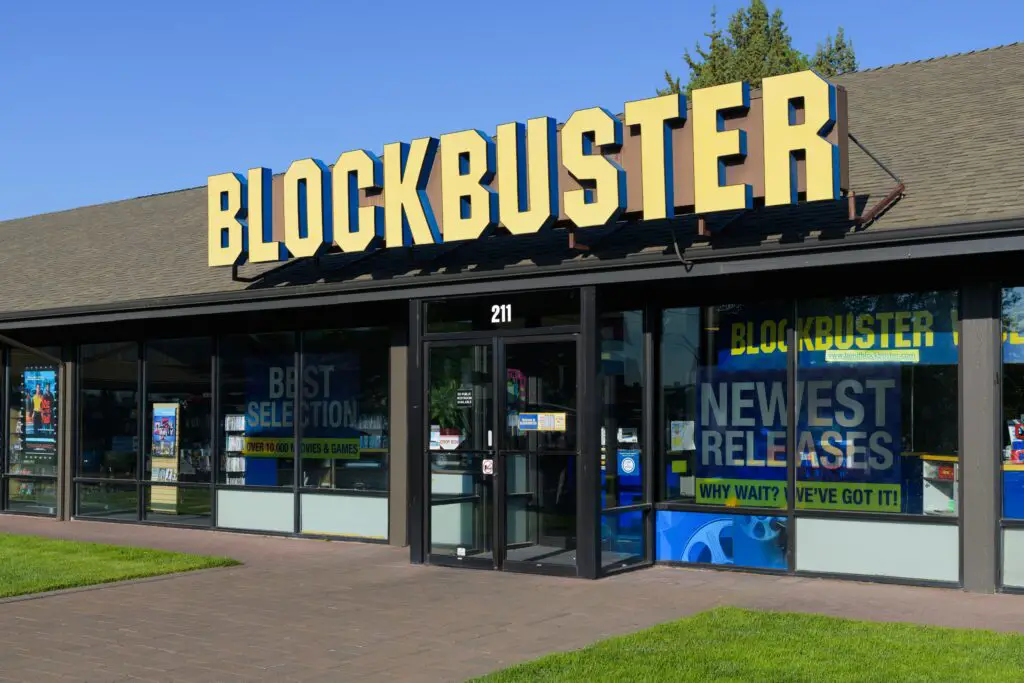
Friday nights once meant walking the aisles of a video rental store. You picked up cases, read the backs, and debated your choice. If the new release was gone, you chose something else. There was a shared excitement in that small ritual.
Streaming removed the physical trip. Now we scroll through endless options from the couch. The convenience is undeniable. But the social, tactile experience of browsing shelves is gone. The habit faded as entertainment became on demand.
8. Developing Film and Waiting for Photos
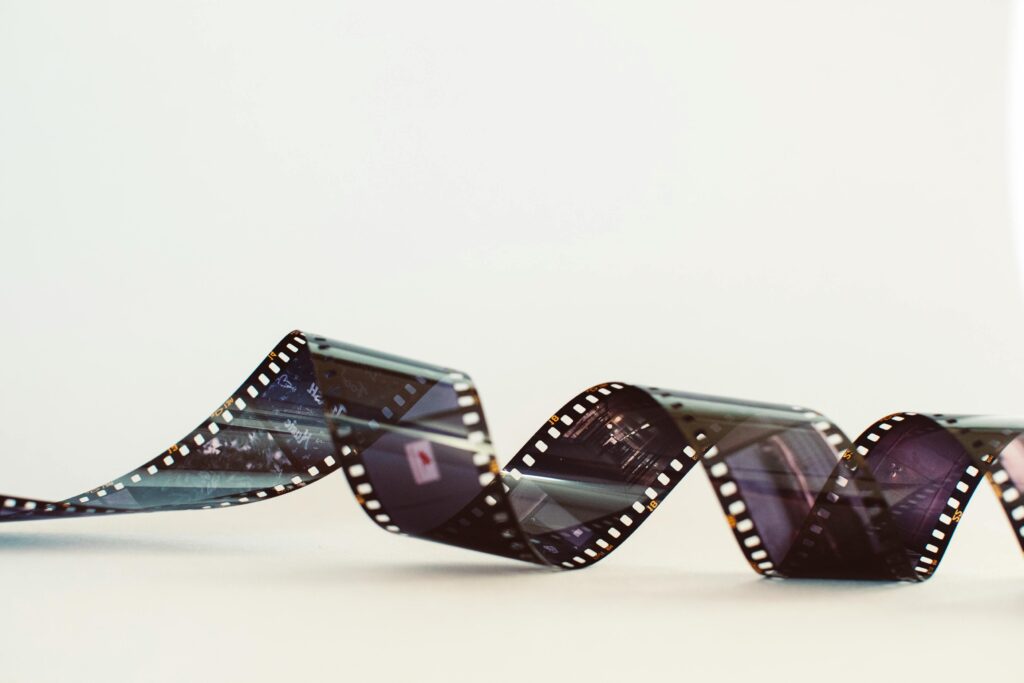
Taking pictures once required patience. You finished a roll of film before seeing any results. Then you dropped it off and waited days to find out if the shots turned out. Sometimes half of them were blurry or poorly lit.
Digital cameras and smartphones erased that uncertainty. We review, delete, and retake instantly. The suspense and surprise have mostly vanished. Photography became immediate and abundant. The waiting became unnecessary.
9. Calling for Movie Times
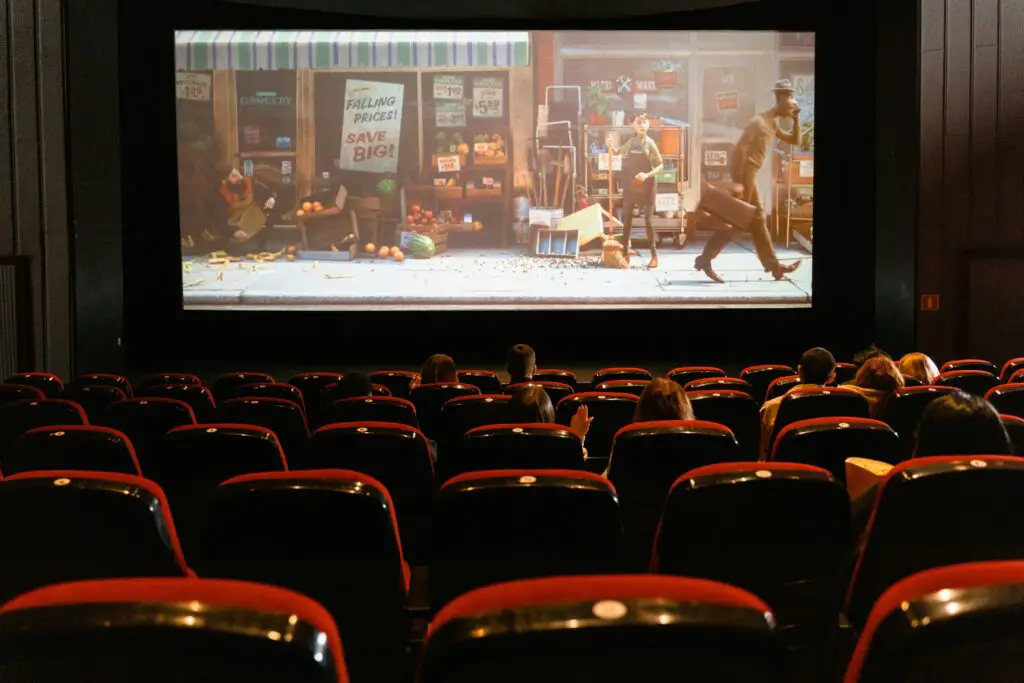
Before online listings, you called a recorded line to hear movie showtimes. You listened carefully and sometimes wrote them down. If you missed the time you wanted, you had to wait for the recording to cycle back. It was oddly routine.
Now showtimes are a quick search away. We buy tickets with a tap. There is no recording, no repetition. The habit dissolved quietly as information became searchable in seconds.
10. Setting an Alarm Clock by Hand
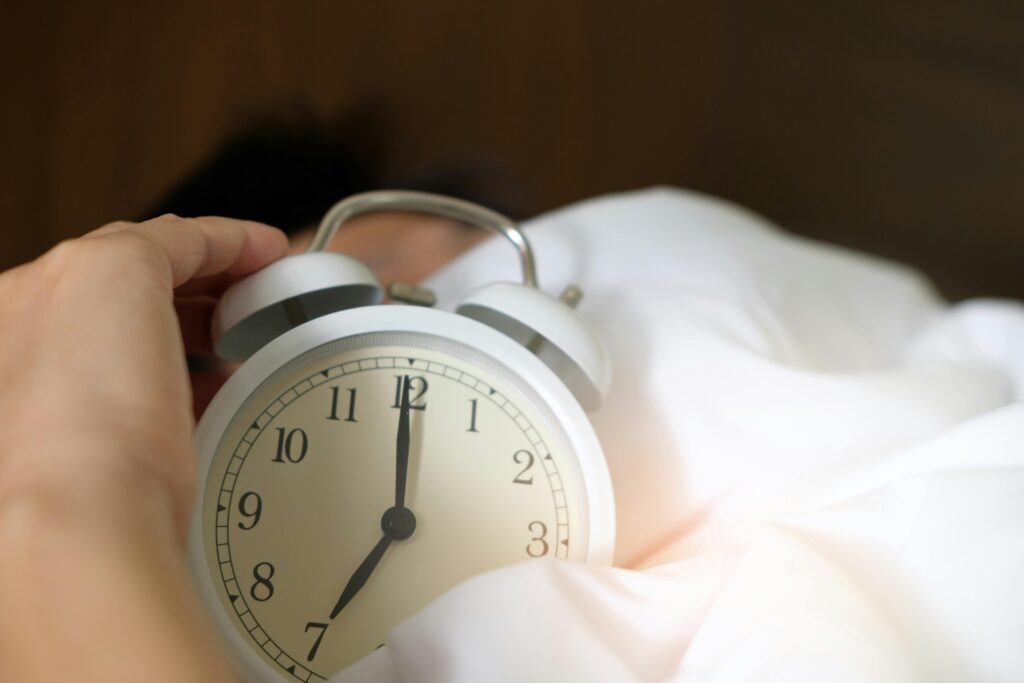
Many people once relied on a standalone alarm clock. You turned a dial or pressed physical buttons before bed. The clock glowed faintly in the dark. If the power went out, you worried you would oversleep.
Smartphones replaced that object on most nightstands. The alarm is now just another app. We rarely think about the mechanism behind it. The separate ritual of setting a dedicated device has largely disappeared.
11. Memorizing Directions from a Friend
When someone gave you directions, you listened carefully. “Turn left at the big oak tree, then right after the gas station.” You might jot it down on a scrap of paper. You repeated it in your head on the drive.
Now we send a location pin. There is no need to remember landmarks. The mental rehearsal of directions has faded. Navigation shifted from memory to automation.
12. Flipping Through Phone Books
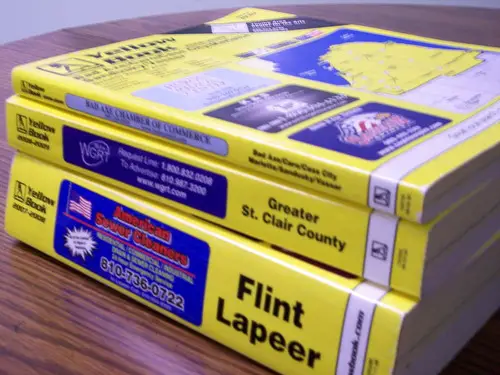
The phone book used to sit in a drawer or near the phone. It was thick, heavy, and surprisingly useful. If you needed a plumber or a florist, you flipped through pages. The Yellow Pages felt like a directory to the whole town.
Search engines replaced that function almost entirely. We type a query and get instant results with reviews. The physical book is rarely printed now. The habit of browsing alphabetical listings quietly disappeared.
13. Keeping a Physical Address Book
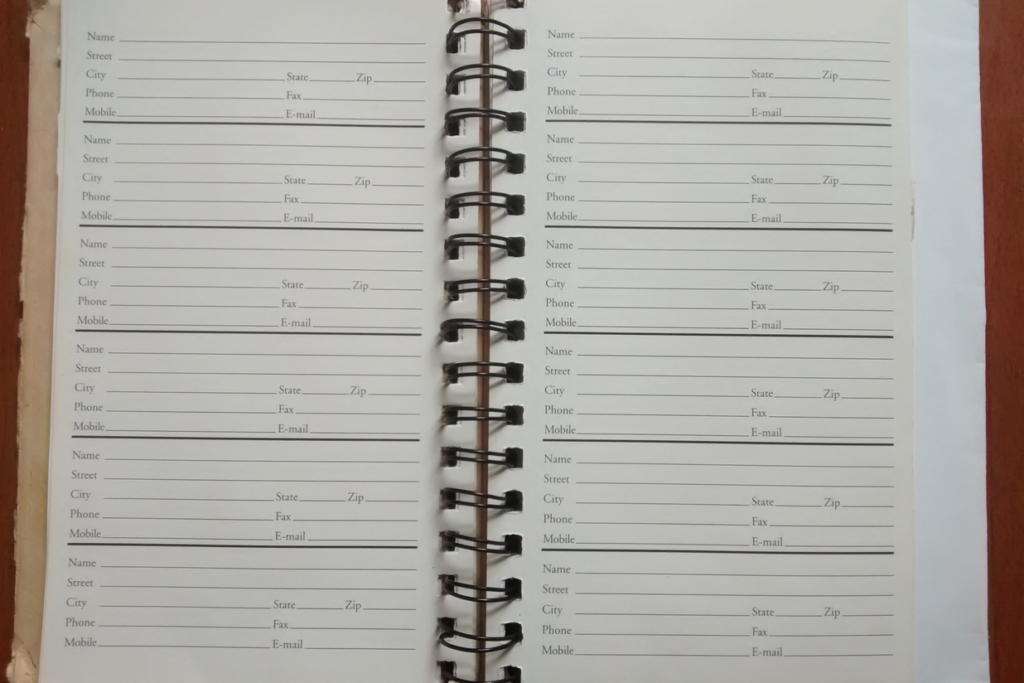
An address book once held birthdays, mailing addresses, and phone numbers. It was often handwritten and updated carefully. Losing it felt significant because it held pieces of your social world. It sometimes lasted for years.
Today contacts sync across devices. Information updates automatically. We do not flip through tabs labeled A through Z. The personal artifact has been replaced by digital databases. The practice slowly faded as convenience took over.
14. Checking the Weather on TV at a Specific Time
Evenings once included watching the local weather segment. You waited through other news to see tomorrow’s forecast. If you missed it, you might not know until the next broadcast. It felt scheduled and communal.
Now weather updates live in our pockets. We check them multiple times a day. There is no fixed time, no shared viewing. The daily appointment with the forecast disappeared as real time data became constant.