
1. Leech Therapy

For centuries, doctors used leeches to treat everything from headaches to heart problems, believing that removing “bad blood” could restore balance to the body. By the late 19th century, the practice became a symbol of outdated medicine and was largely abandoned. It seemed like the ultimate example of how far science had come. Yet in recent decades, leeches have quietly made a comeback in highly specific medical settings. Surgeons now use medical-grade leeches to improve blood flow after reconstructive surgery, particularly in cases involving reattached fingers or skin grafts.
The reason is surprisingly straightforward. Leech saliva contains anticoagulants that prevent blood clots and help relieve venous congestion. Modern use is tightly controlled and nothing like the old practice of widespread bloodletting. Instead, it is a targeted tool backed by clinical evidence. What once looked primitive is now applied with precision in operating rooms.
2. Fasting

There was a time when fasting was associated mainly with religious devotion or extreme dieting trends. Doctors often warned that skipping meals would slow metabolism or cause muscle loss. In the late 20th century, the prevailing advice emphasized frequent small meals to “keep the engine running.” But more recently, researchers have taken a closer look at intermittent fasting and time-restricted eating. The results have complicated the old narrative.
Studies now suggest that certain fasting patterns may improve insulin sensitivity, support weight management, and trigger cellular repair processes such as autophagy. That does not mean fasting is universally safe or appropriate for everyone. However, it has moved from fringe practice to legitimate research topic. The conversation is no longer about whether fasting is foolish, but about when and for whom it might be beneficial.
3. Cold Water Exposure

Older generations sometimes believed that cold plunges or brisk swims could “toughen you up.” Over time, cold exposure came to be viewed as unnecessary discomfort, or even risky. Doctors typically emphasized avoiding hypothermia and stress on the heart. Recently, however, interest in cold therapy has resurged in both athletic and mental health circles. Researchers are examining how controlled cold exposure affects inflammation and mood.
Cold showers and ice baths are now studied for their potential role in reducing muscle soreness and activating the sympathetic nervous system. Some early findings suggest improvements in resilience and mood regulation, though evidence is still evolving. The practice is not a cure-all, and it requires caution for people with cardiovascular conditions. Still, something once dismissed as old-fashioned bravado is now under scientific scrutiny.
4. Herbal Remedies

For much of the 20th century, herbal medicine was often dismissed as folklore. Pharmaceutical advances overshadowed plant-based treatments, and many doctors discouraged their use. Yet modern pharmacology itself originated from plants such as willow bark, which led to aspirin. Today, researchers are revisiting traditional herbal remedies with more rigorous testing. Some are finding measurable effects that align with long-standing cultural practices.
Turmeric, for example, is being studied for its anti-inflammatory properties, and certain plant extracts are evaluated for anxiety and sleep support. Not all claims hold up under scientific testing, and quality control remains a concern. Still, the blanket rejection of herbal medicine has softened. Science is increasingly interested in separating myth from measurable benefit.
5. Sunlight Exposure

There was a period when doctors prescribed sunshine for various ailments, especially tuberculosis. Later, public health messaging shifted strongly toward sun avoidance due to skin cancer risks. Sunscreen campaigns emphasized staying out of direct sunlight whenever possible. While skin protection remains critical, researchers now acknowledge that moderate sunlight plays an essential role in vitamin D production. Vitamin D deficiency has become a growing concern in some populations.
Modern guidance aims for balance rather than total avoidance. Limited, controlled sun exposure may support bone health and immune function. The key difference lies in dose and timing. What was once encouraged without limit and then later discouraged almost entirely is now being reconsidered with nuance.
6. Bone Broth

Bone broth was once considered a humble kitchen staple, especially in households that avoided food waste. Over time, it became associated with old-fashioned cooking rather than serious nutrition. In recent years, it has reemerged as a wellness trend, prompting both enthusiasm and skepticism. Researchers are examining its collagen and amino acid content more closely.
While bone broth is not a miracle food, it does contain nutrients such as glycine and gelatin that may support joint and gut health. The evidence is still developing, and claims often outpace research. However, the idea that traditional broths provided meaningful nourishment is not entirely unfounded. Modern science is parsing which benefits are plausible and which are exaggerated.
7. Fermented Foods
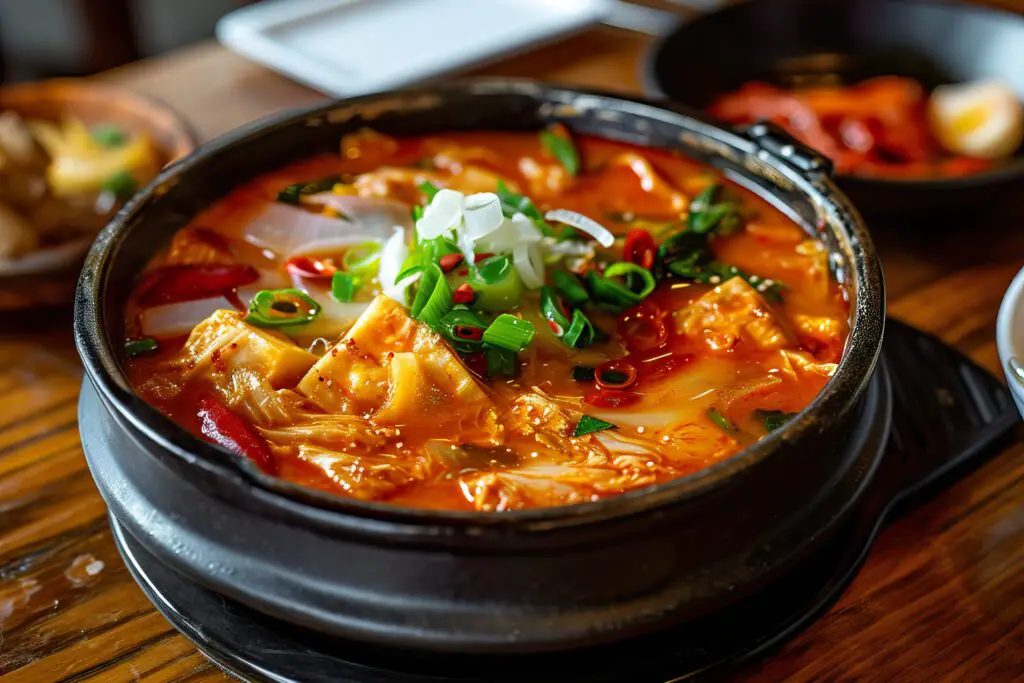
Before refrigeration, fermentation was a practical necessity. Foods like sauerkraut, kimchi, and yogurt were everyday staples. Later, heavily processed and pasteurized foods became more common, and fermentation seemed old-fashioned. In recent years, interest in the gut microbiome has changed that perspective. Scientists now recognize the complex role gut bacteria play in overall health.
Fermented foods naturally contain probiotics that may influence digestive and immune function. Not all fermented products are equal, and not everyone tolerates them well. Still, research into the microbiome has reframed these foods as more than cultural relics. What was once routine preservation is now part of a larger conversation about microbial health.
8. Walking After Meals

Many grandparents insisted on taking a short walk after dinner. For decades, exercise advice often focused on longer, more intense workouts instead. Casual post-meal strolls did not seem especially impactful. However, newer research suggests that even brief movement after eating can influence blood sugar levels. This has implications for metabolic health.
Studies indicate that light activity after meals may reduce glucose spikes, particularly in people with insulin resistance. The activity does not need to be strenuous to have measurable effects. The simplicity of the habit is part of its appeal. An old routine that seemed quaint is now supported by metabolic data.
9. Napping

Daytime napping was sometimes labeled as laziness, especially in work-driven cultures. Sleep experts once emphasized consolidated nighttime sleep as the gold standard. More recently, researchers have explored the cognitive and cardiovascular effects of short naps. The findings suggest that brief naps can improve alertness and memory.
The key distinction lies in duration and timing. Short naps of about 20 to 30 minutes appear beneficial, while long or irregular naps may disrupt nighttime sleep. Modern science is refining rather than rejecting the practice. What was once criticized outright is now seen as context-dependent.
10. Castor Oil Packs

Castor oil packs were a staple in certain traditional and alternative medicine circles. They were believed to support digestion and detoxification. Mainstream medicine often dismissed them due to limited clinical evidence. Recently, some small studies have revisited topical castor oil for its anti-inflammatory properties.
While strong evidence for “detox” claims remains lacking, castor oil itself contains ricinoleic acid, which has measurable biological activity. Researchers are investigating potential roles in wound care and localized inflammation. The broader claims remain controversial. Still, elements of the practice are being studied rather than ignored.
11. Posture Training
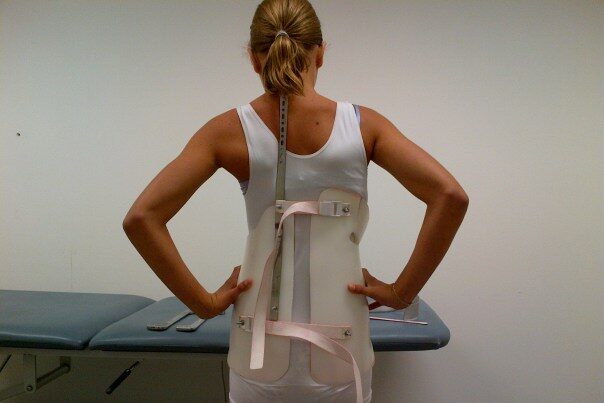
Older generations often emphasized standing up straight, sometimes with strict posture drills. In the late 20th century, posture advice was often oversimplified or dismissed as cosmetic. Today, musculoskeletal research has taken a more nuanced view. Prolonged sitting and device use have renewed attention on spinal alignment.
Modern studies link certain postural habits to chronic pain and functional limitations. Physical therapy now incorporates posture awareness into broader movement training. The rigid rules of the past have softened, but the core principle remains relevant. Science is reframing posture as part of overall musculoskeletal health rather than mere etiquette.
12. Breathing Exercises

Breathing exercises were long associated with yoga, meditation, or alternative wellness. Conventional medicine rarely emphasized breathwork outside of respiratory illness. Recently, clinical research has explored controlled breathing techniques for anxiety, blood pressure, and stress regulation. The physiological mechanisms are becoming clearer.
Slow, diaphragmatic breathing can activate the parasympathetic nervous system and lower heart rate. This has measurable effects on stress hormones and cardiovascular markers. While exaggerated claims still circulate, the foundational science is solidifying. What once seemed purely spiritual is increasingly recognized as a legitimate physiological tool.