
1. Faye Dunaway

There was a stretch of time when Faye Dunaway felt absolutely inescapable. After starring in Bonnie and Clyde and later winning an Academy Award for Network, she represented a certain sharp, intelligent glamour that defined late ’60s and ’70s cinema. Her performances were intense and commanding, the kind that critics dissected for weeks. She wasn’t just acting in movies, she was shaping the tone of serious American film. Directors sought her out for prestige projects. Magazine covers followed wherever she went.
But as Hollywood shifted toward blockbuster spectacle in the ’80s, those adult-driven dramas became rarer. Dunaway still worked, yet the roles grew smaller and less central to pop culture conversation. Stories about difficult productions began to overshadow discussion of her talent. Over time, newer generations recognized the films more than the woman who anchored them. The dominance faded quietly, replaced by reverence for an earlier era.
2. Leif Garrett

In the late ’70s, Leif Garrett was the definition of teen idol. His face was everywhere, from Tiger Beat covers to bedroom posters taped up with care. He released pop singles that climbed the charts and starred in television specials that drew massive audiences. Young fans memorized every lyric and haircut change. He embodied that glossy, heartthrob energy studios knew how to manufacture. For a few years, he felt untouchable.
Then the machinery that built him moved on. Personal struggles and shifting musical tastes made it harder to maintain that carefully crafted image. The teen-idol cycle is notoriously brief, and Garrett’s proved no different. As MTV-era artists took over the spotlight, his cultural footprint shrank. Today he’s remembered more as a symbol of a moment than as a continuing force.
3. Howard Johnson’s
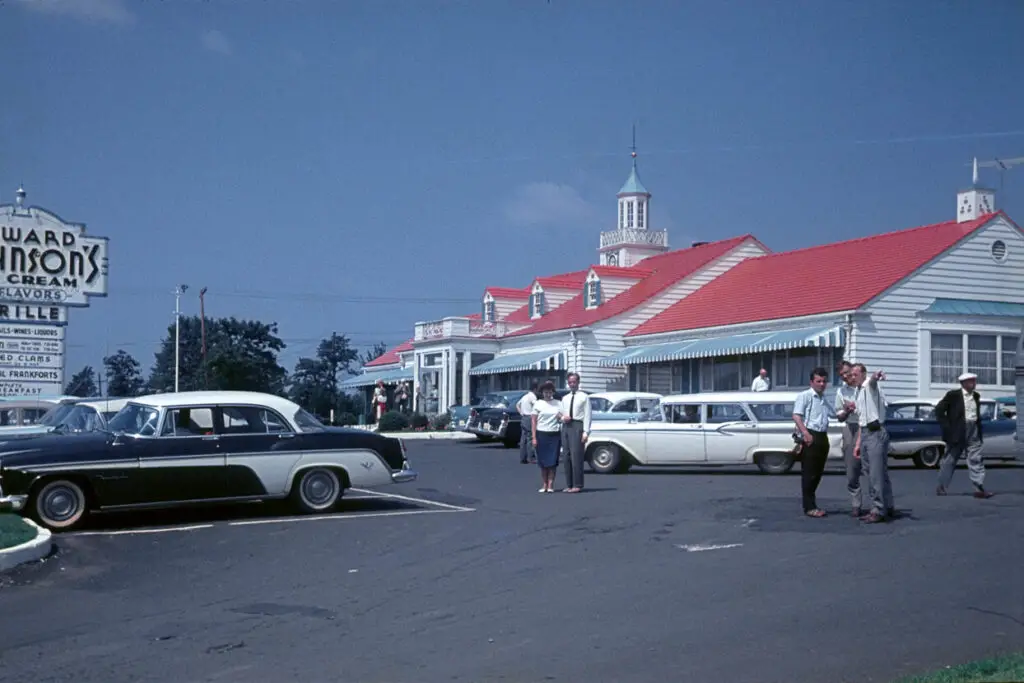
For decades, Howard Johnson’s was practically synonymous with American road trips. The orange-roofed restaurants dotted highways, promising fried clams and 28 flavors of ice cream. Families planned stops around those familiar signs. It wasn’t just a meal, it was a ritual break from the drive. The brand became shorthand for mid-century travel culture. At its peak, there were hundreds of locations nationwide.
Then the interstate system changed how and where people stopped. Fast food chains with lower prices and faster service crowded the exits. One by one, locations closed, and the bright roofs disappeared. What once dominated the landscape became a nostalgic reference in old postcards. The name lingers, but the empire it represented has largely faded.
4. David Cassidy
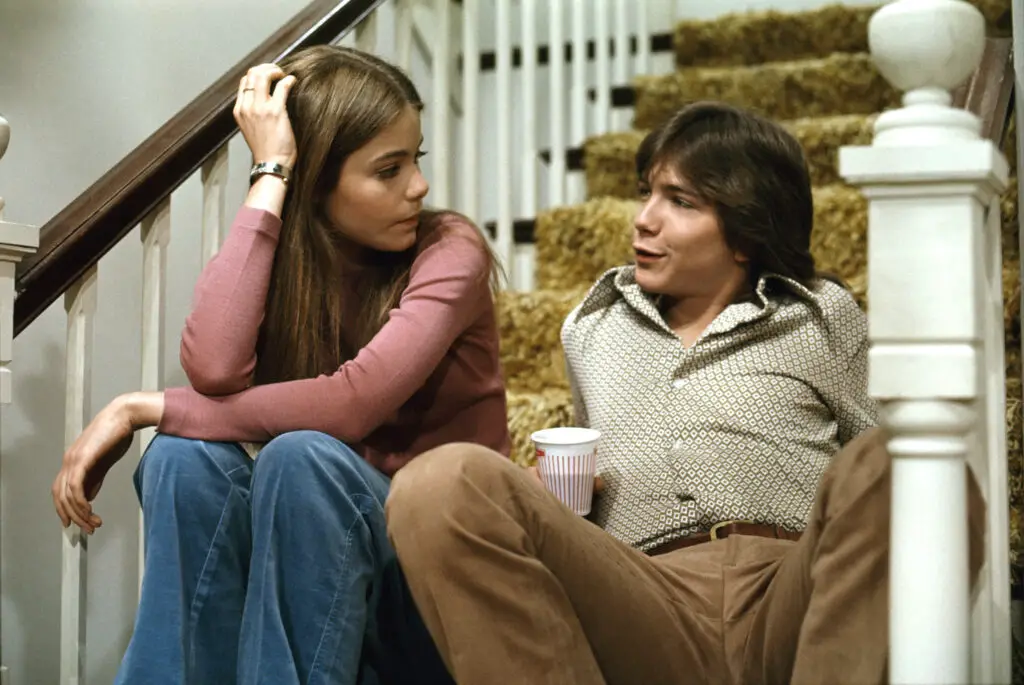
When The Partridge Family aired in the early ’70s, David Cassidy became a phenomenon almost overnight. His soft voice and shag haircut turned him into a global heartthrob. Concerts were chaotic, with screaming fans who treated him like royalty. Merchandise flew off shelves, from lunchboxes to albums. He symbolized a softer, television-friendly version of pop stardom. For a time, he was one of the most recognizable young men in the world.
Yet teen hysteria has a short shelf life. As the show ended and music trends evolved, Cassidy struggled to redefine himself beyond the image that made him famous. He continued performing, but the cultural frenzy cooled dramatically. New idols stepped into the spotlight, and the industry pivoted. His dominance became a vivid memory of a specific era.
5. Blockbuster Video

On Friday nights in the ’90s, Blockbuster Video felt like the center of the universe. Blue and yellow signs glowed in strip malls across the country. Families wandered aisles debating new releases versus old favorites. Late fees became a shared cultural joke. It wasn’t just a store, it was part of the weekly rhythm of life. For a while, it seemed unstoppable.
Then streaming crept in quietly and changed everything. Mail-order DVDs, followed by instant digital access, made the trip unnecessary. Blockbuster struggled to adapt as competitors embraced new technology faster. Stores shuttered at a startling pace. What once dominated home entertainment became a case study in how quickly culture can pivot.
6. MC Hammer

At the start of the ’90s, MC Hammer was everywhere. “U Can’t Touch This” blasted from radios, and parachute pants became a fashion statement. He sold millions of albums and filled massive arenas. Commercial endorsements followed, cementing his mainstream appeal. For a brief window, he defined the pop-rap crossover. His brand was exuberant and impossible to ignore.
But the industry shifted toward grittier, more stripped-down hip-hop. Critics questioned his authenticity, and the backlash was swift. Financial troubles added to the narrative of decline. Though he continued to work in various ventures, the cultural dominance evaporated. His peak now feels like a very specific snapshot of early ’90s optimism.
7. The Osmonds
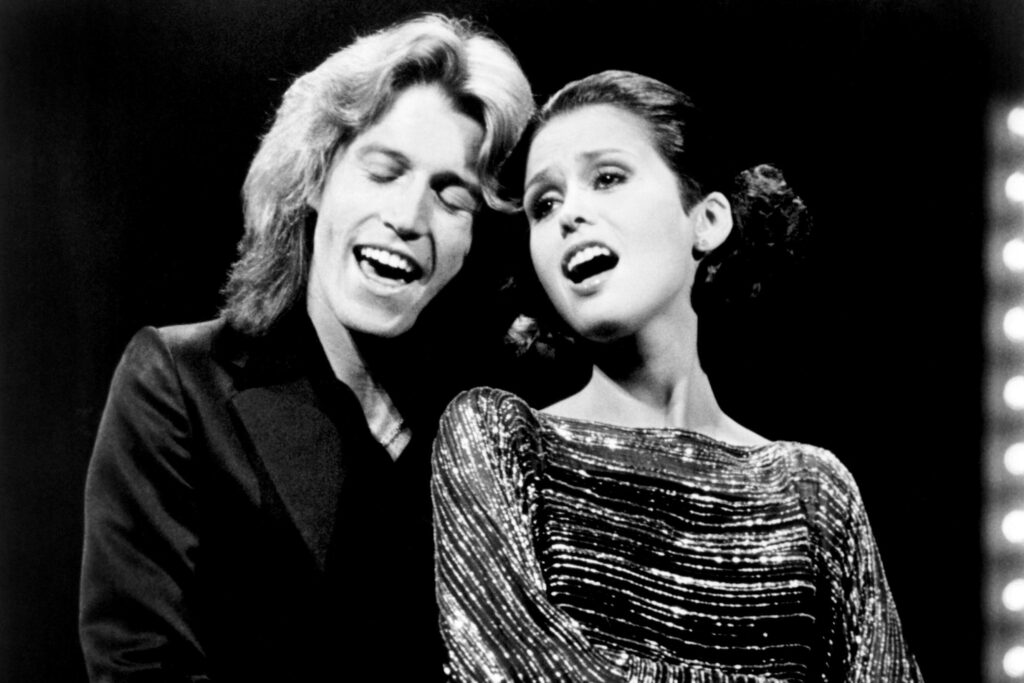
The Osmonds were once a television staple and pop-chart regular. Their clean-cut image made them favorites on variety shows and family programming. Donny Osmond in particular became a teen sensation, rivaling the biggest idols of the day. They had hit records, sold-out tours, and a wholesome brand that appealed broadly. Their presence felt constant.
As musical tastes hardened in the mid to late ’70s, that polished style fell out of favor. The cultural tide turned toward disco, then harder rock. The Osmonds adapted in pieces, but the unified frenzy diminished. They remained entertainers, yet no longer the epicenter of youth culture. What was once omnipresent became part of nostalgia television specials.
8. Atari
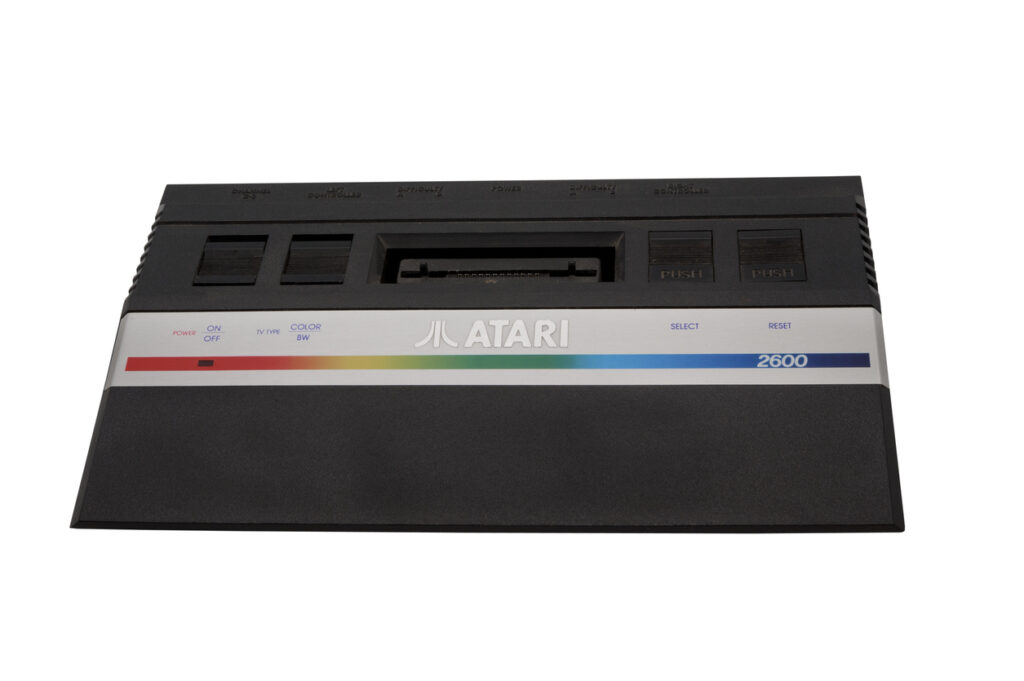
In the early days of home gaming, Atari was practically the industry. The Atari 2600 introduced living rooms to pixelated adventure. Kids gathered around televisions to master simple but addictive games. It felt futuristic and thrilling. The brand name itself became shorthand for video games. For a time, it seemed like the ceiling for home entertainment.
Then the video game crash of the early ’80s hit hard. Oversaturation and declining quality eroded consumer trust. Competitors like Nintendo redefined the market with tighter control and stronger branding. Atari’s dominance crumbled rapidly. Today it exists more as a nostalgic logo than as a powerhouse.
9. Katharine Ross
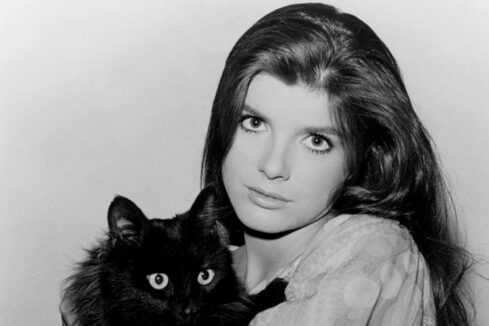
Katharine Ross became a defining face of late ’60s cinema with roles in The Graduate and Butch Cassidy and the Sundance Kid. Her quiet intensity gave those films a distinct emotional texture. Audiences connected deeply with her presence. She was part of a new Hollywood wave that challenged traditional storytelling. For several years, her star shone brightly.
But as that era gave way to new trends and fresh faces, Ross appeared less frequently in high-profile projects. She chose selective roles, sometimes stepping back from the spotlight. The industry moved quickly, as it often does. Her early performances remain iconic, yet her cultural dominance did not persist at the same level.
10. Sears

For much of the 20th century, Sears was a retail giant. Its catalogs reached into homes across America, shaping buying habits for generations. From tools to clothing, it seemed to sell everything. Shopping there was almost a rite of passage. Entire malls were anchored by its presence. It symbolized dependable middle-class commerce.
But retail changed dramatically in the late ’90s and 2000s. Big-box competitors and online shopping chipped away at its base. Strategic missteps accelerated the decline. Store closures became common headlines. A name that once dominated American shopping became a cautionary tale.
11. Brooke Shields

As a child and teenage model and actress, Brooke Shields was a cultural lightning rod. Her Calvin Klein ads sparked conversation across the country. Films like The Blue Lagoon made her a household name. She was both celebrated and scrutinized, often at the same time. Her face was instantly recognizable. For years, she occupied an outsized place in pop culture debate.
Eventually, the intensity of that early fame subsided. Shields transitioned into television and stage work with more measured attention. The shock factor that once drove headlines faded. She remained respected, yet no longer the center of national conversation. The dominance softened into steady, long-term career work.
12. MySpace

Before Facebook took over, MySpace was the social network. Musicians launched careers there, and teens customized glittering profile pages. It felt creative and chaotic in equal measure. Friend counts were status symbols. For a brief period in the mid-2000s, it defined online interaction. The site shaped how people thought about digital identity.
But a cleaner, more streamlined competitor emerged. Facebook’s rapid growth siphoned off users at a startling rate. MySpace struggled to evolve quickly enough. What had felt cutting-edge soon appeared cluttered and dated. Its dominance became a footnote in internet history.
13. Debbie Gibson

In the late ’80s, Debbie Gibson was a chart-topping phenomenon. She wrote and produced her own hits at a remarkably young age. Songs like “Foolish Beat” climbed to number one, proving her crossover appeal. She toured extensively and became a teen role model. Her image was bright, ambitious, and polished. For a moment, she was pop royalty.
As the music landscape shifted toward grunge and edgier sounds, that bubblegum sheen felt out of step. Chart positions slipped, and radio moved on. Gibson continued working in theater and television, carving out a steady career. Still, the cultural saturation of her early years never returned. Her peak remains distinctly late ’80s.
14. RadioShack

RadioShack once felt indispensable to hobbyists and tech enthusiasts. Need batteries, cables, or obscure connectors, it had them. The stores were compact but crammed with possibility. For decades, it occupied a unique niche between electronics and tinkering culture. The brand was familiar in small towns and cities alike. It stood at the crossroads of DIY and mainstream tech.
Then consumer electronics retail consolidated and moved online. Big-box stores undercut prices, and Amazon streamlined delivery. RadioShack struggled to redefine its purpose. Bankruptcy filings followed, and locations closed en masse. A once-ubiquitous storefront faded from the landscape.
15. Milli Vanilli
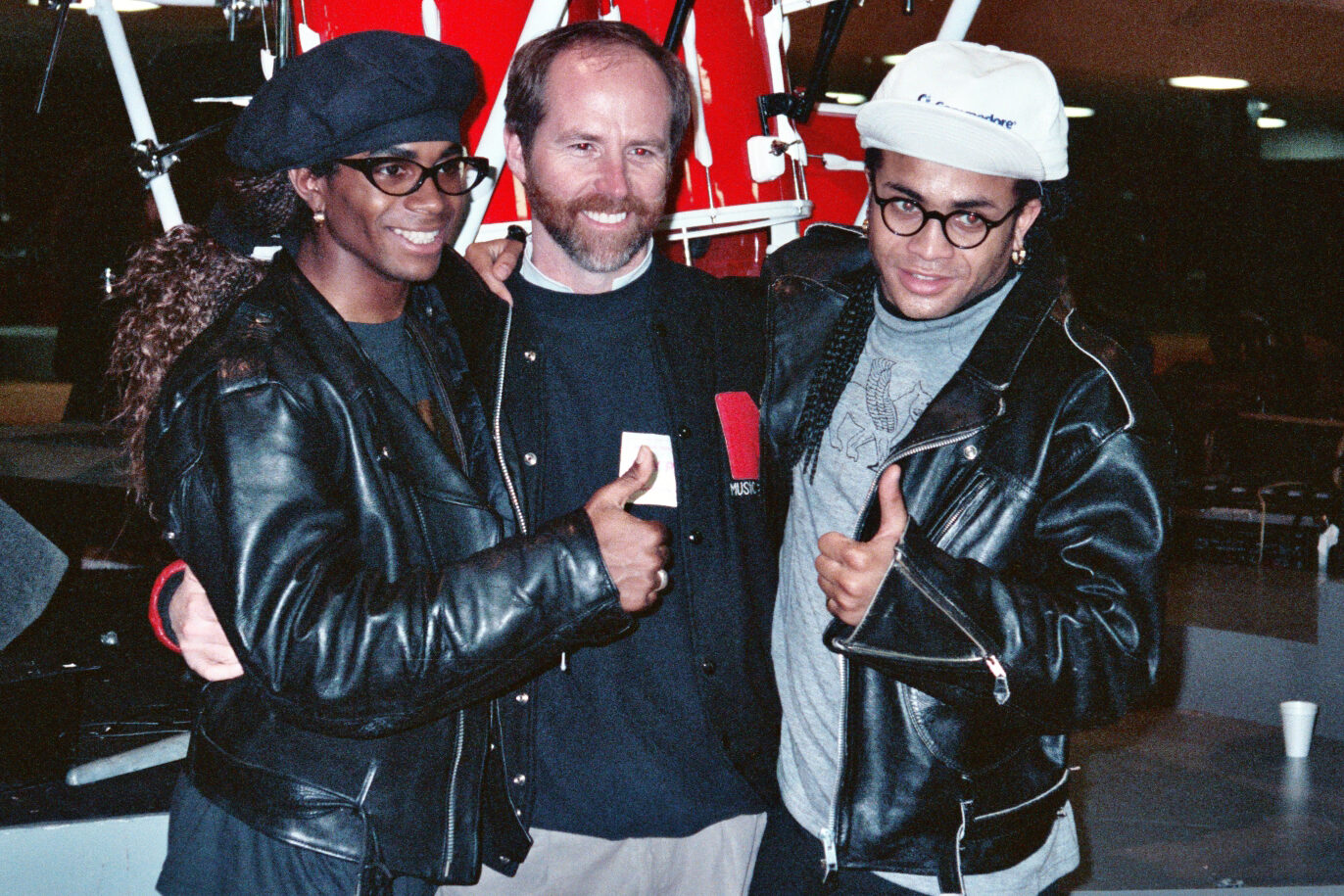
At the end of the ’80s, Milli Vanilli were pop superstars. Their songs topped charts, and their image was carefully curated. They won a Grammy Award and seemed poised for a long run. Fans embraced the polished dance-pop sound. For a brief stretch, they were dominant on radio and television. The ascent was rapid.
Then the lip-syncing scandal broke. The revelation that they had not sung on their recordings shocked audiences. Awards were rescinded, and credibility vanished almost overnight. The backlash was swift and unforgiving. Their story remains one of the most dramatic rises and falls in modern pop history.