
1. Christopher Columbus
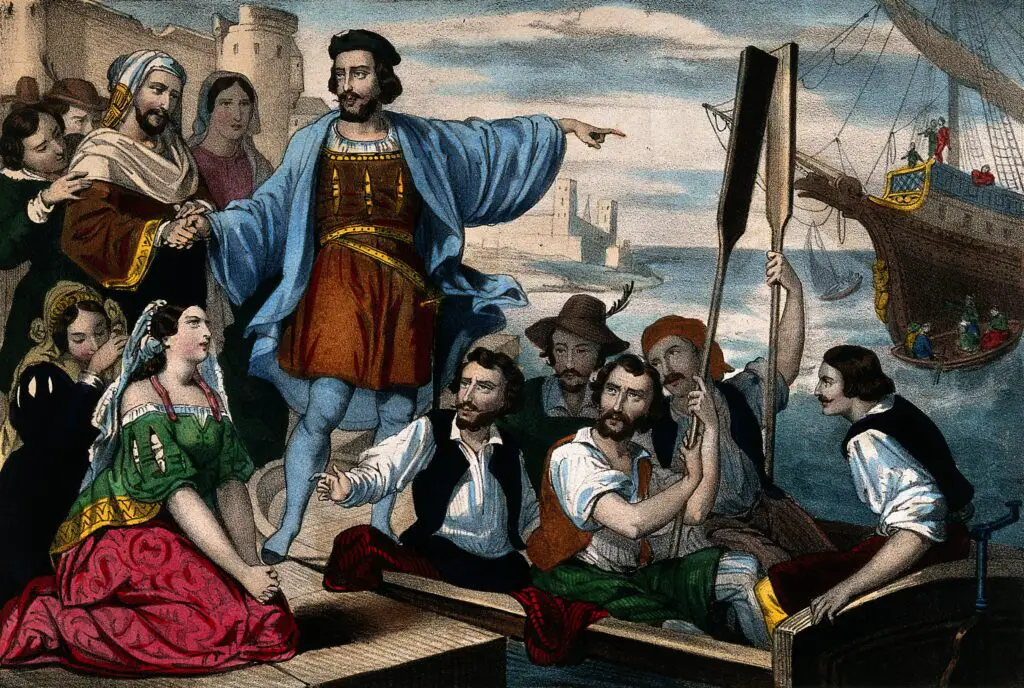
For generations, Christopher Columbus was presented as a brave explorer who “discovered” America in 1492, a figure wrapped in school pageantry and parades. Textbooks once focused almost entirely on his navigation skills and determination to sail west under the Spanish crown. Over the last few decades, however, scholars have examined ship logs, letters and colonial records more closely. That research has revealed far more about the violence, enslavement and exploitation that followed his voyages. His governorship in the Caribbean, once glossed over, is now scrutinized in detail. As a result, Columbus Day has been reconsidered in many places, replaced by Indigenous Peoples’ Day.
What changed was not the basic timeline of his journeys but the willingness to foreground Indigenous accounts and Spanish archival material. Historians now analyze his own writings alongside reports from contemporaries who criticized his rule. Archaeological evidence in the Caribbean has also deepened understanding of the immediate impact on native communities. The image of a simple heroic explorer has given way to a far more complicated portrait. His story continues to shift as new scholarship reframes early colonial history. It is a reminder that national myths often soften realities that the historical record eventually restores.
2. Cleopatra VII
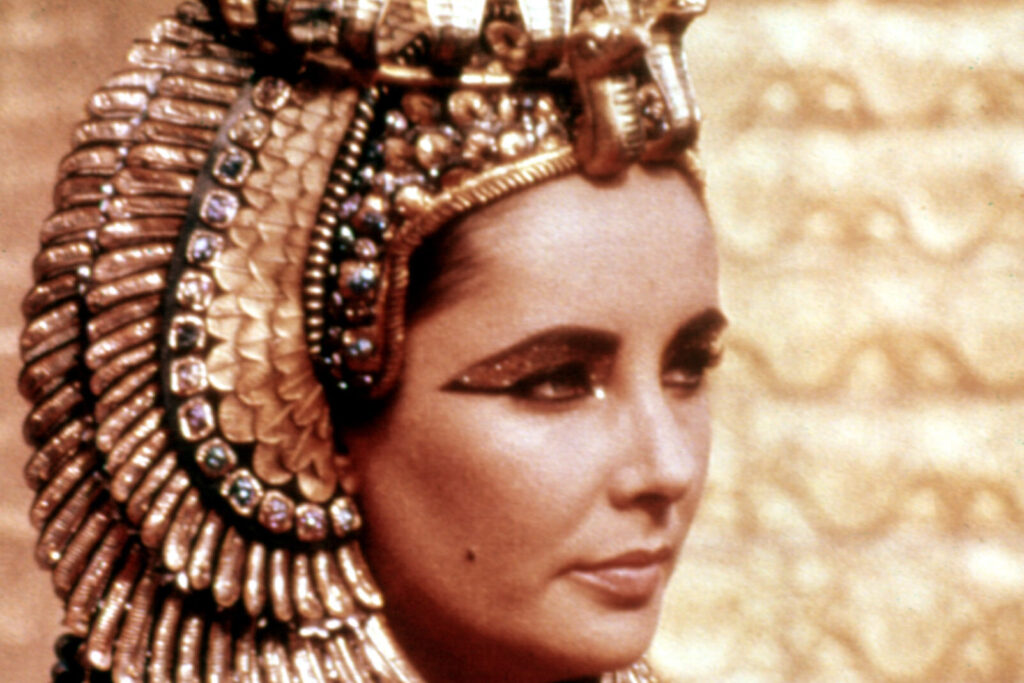
Cleopatra VII of Egypt has long been filtered through Roman propaganda and later Hollywood spectacle. For centuries, she was depicted primarily as a seductress who manipulated Julius Caesar and Mark Antony. Much of that image came from Roman sources hostile to her, especially after Octavian’s victory. In recent decades, historians have reexamined coins, inscriptions and Egyptian records. Those sources suggest a multilingual ruler deeply involved in governance and diplomacy. Rather than a side character in a Roman drama, she appears as a strategic monarch defending her dynasty.
Archaeological work in Alexandria has also contributed to a more grounded understanding of her reign. Scholars now emphasize her political acumen, economic reforms and naval strategy. Even debates about her ancestry and appearance continue as new evidence surfaces. Each wave of research chips away at the caricature shaped by ancient rivals. Cleopatra’s reputation has evolved from temptress to tactician, though the conversation is ongoing. Her story illustrates how power struggles can distort historical memory for centuries.
3. Richard III
For hundreds of years, Richard III of England was remembered largely through the lens of Tudor propaganda and William Shakespeare’s play. He was cast as a deformed villain who murdered his nephews to seize the throne. That image hardened over time, reinforced by dramatic literature rather than forensic proof. In 2012, the discovery of his remains beneath a parking lot in Leicester changed the conversation. Forensic analysis confirmed his identity and revealed scoliosis but not the exaggerated deformities of legend. The reburial in 2015 prompted renewed interest in his short reign.
Subsequent scholarship has revisited contemporary accounts and administrative records. Some historians argue that the case against him in the disappearance of the Princes in the Tower remains inconclusive. The physical evidence humanized him, showing battle wounds consistent with a king who died in combat. DNA testing even traced living descendants through his sister’s line. While debate continues, the certainty of his villainy has softened. His reputation now sits in a more contested and nuanced space.
4. Hatshepsut
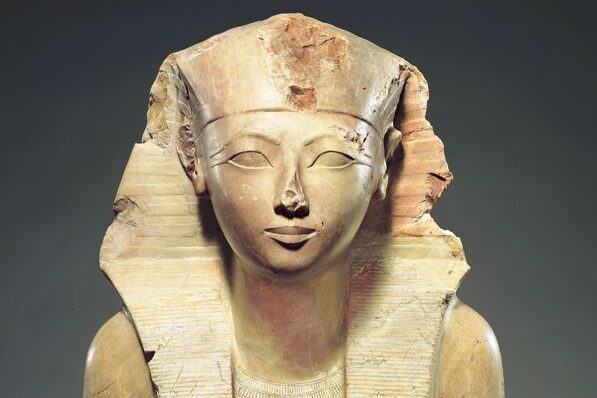
Hatshepsut ruled as pharaoh in ancient Egypt during the 15th century BCE, yet for centuries her legacy was obscured. After her death, many of her images and cartouches were defaced or replaced. Early Egyptologists struggled to piece together her reign because of that deliberate erasure. As more temples and inscriptions were excavated and translated, her accomplishments came into focus. She oversaw major building projects and expanded trade networks, including expeditions to Punt. Rather than a footnote, she emerged as one of Egypt’s more successful rulers.
Modern scholarship has also reconsidered why her memory was targeted. The destruction of her monuments may have been political rather than purely personal. Archaeological advances have allowed researchers to identify statues once misattributed to male pharaohs. CT scans of mummies have even been used to propose possible identifications of her remains. Each discovery refines the timeline of her reign. Hatshepsut’s story continues to evolve as Egyptology advances.
5. Thomas Jefferson
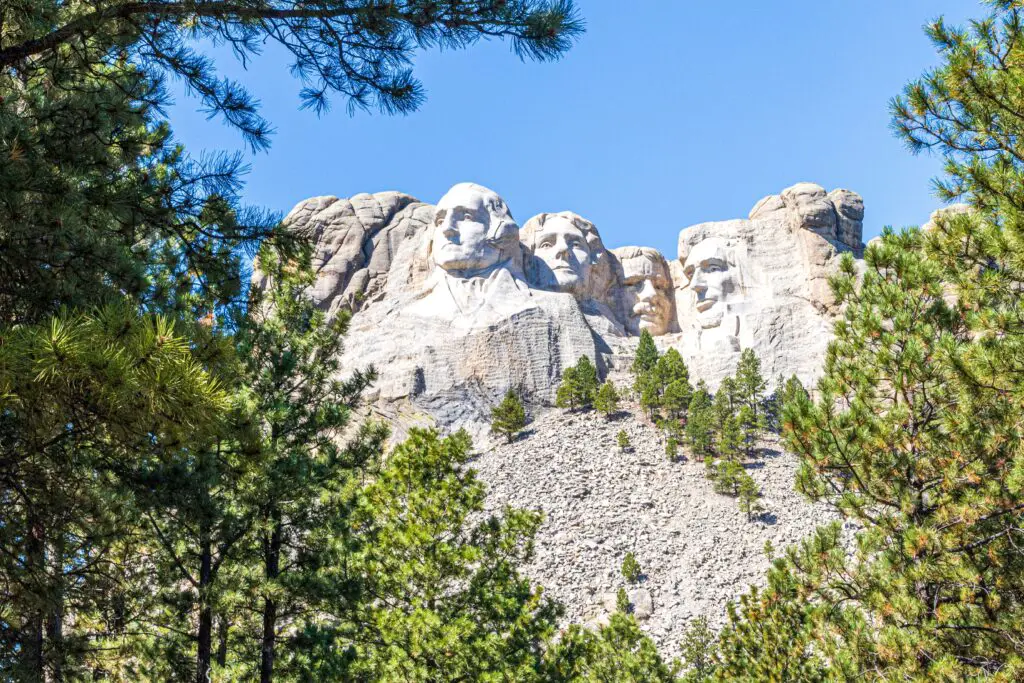
Thomas Jefferson is often remembered as the principal author of the Declaration of Independence and a champion of liberty. For much of American history, that reputation overshadowed contradictions in his personal life. The long-standing question of his relationship with Sally Hemings was debated for generations. In 1998, DNA analysis linked a male Jefferson line to Hemings’ descendants. That scientific evidence shifted the historical consensus significantly. Many scholars now accept that Jefferson fathered several of her children.
Ongoing archival research has also illuminated the complexity of his views on slavery and race. Letters and plantation records reveal the gap between his ideals and his practices. Monticello’s interpretation has changed over time to reflect these findings. Public memory of Jefferson has become more layered and less reverential. He remains central to American history, but the narrative is more candid. His evolving story shows how new methods, including genetic testing, can reshape long-standing debates.
6. Genghis Khan
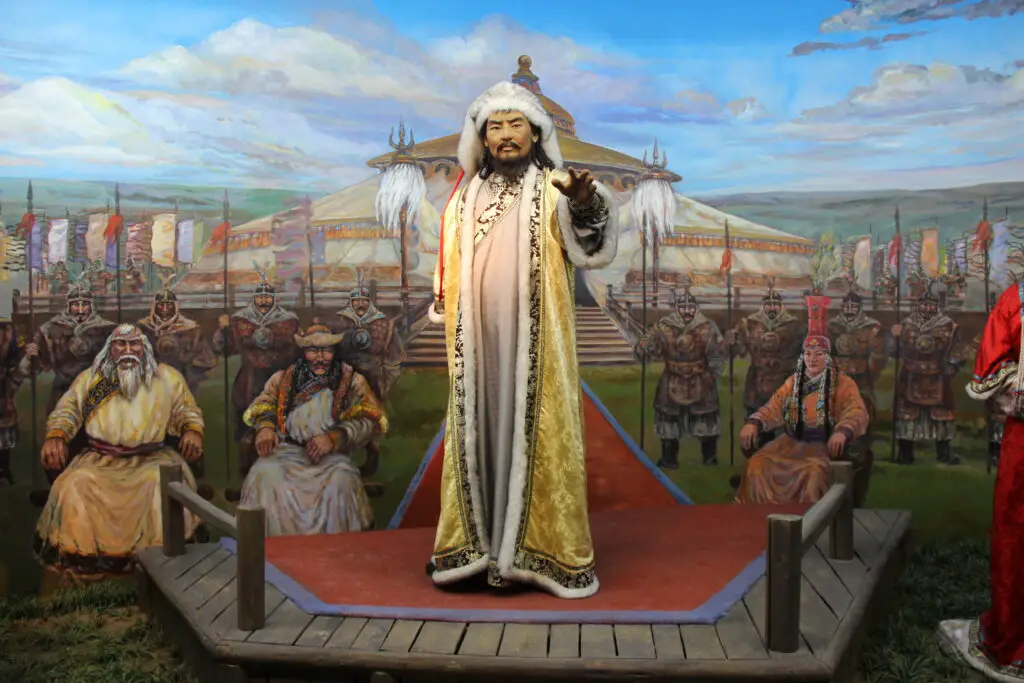
Genghis Khan was once portrayed almost exclusively as a ruthless conqueror who left devastation in his wake. Medieval chroniclers emphasized the scale of destruction during Mongol campaigns. While those accounts are not unfounded, recent scholarship has broadened the picture. Researchers have examined Persian, Chinese and Mongolian sources more comparatively. This has revealed administrative innovations and trade networks that flourished under Mongol rule. The Mongol Empire facilitated cultural exchange along the Silk Road on a vast scale.
Archaeological studies have uncovered evidence of religious tolerance and merit-based promotion within the empire. Environmental historians have even examined the ecological effects of Mongol conquests. Genetic studies tracing lineages across Asia have added another layer to his legacy. The image of Khan as solely a barbaric warlord has softened into something more complex. He remains a conqueror, but also a state-builder. His reputation continues to be reassessed in light of global historical perspectives.
7. Marie Antoinette
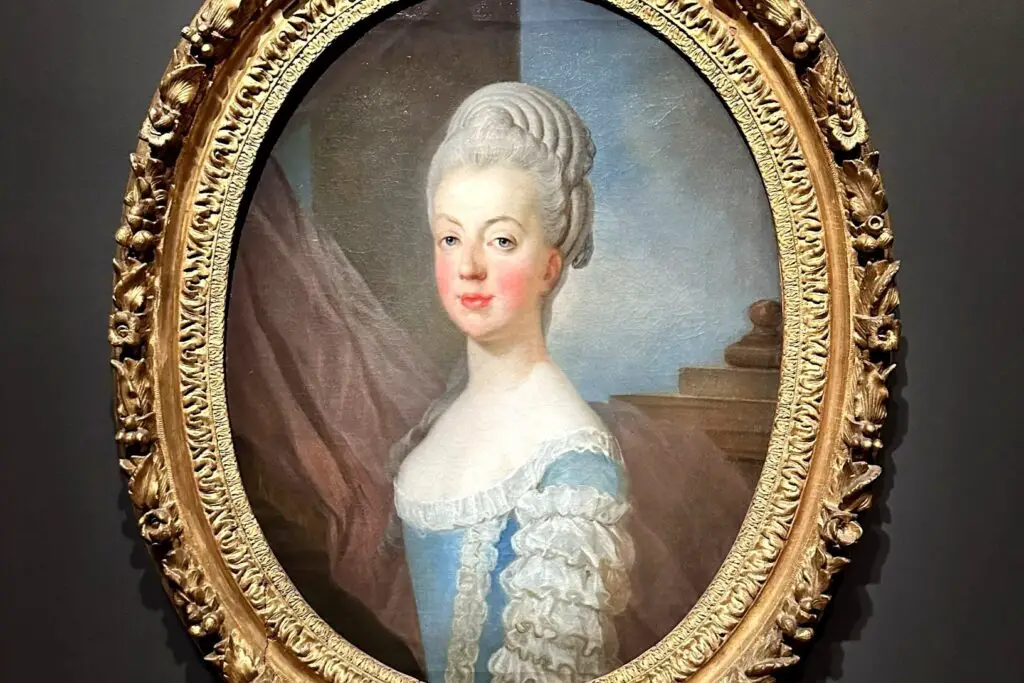
Marie Antoinette’s reputation was long defined by the phrase “Let them eat cake,” though historians agree she never said it. Revolutionary propaganda in France painted her as extravagant and indifferent to suffering. Pamphlets and caricatures fueled a narrative of decadence that endured for centuries. Modern historians have revisited court records and correspondence. These documents suggest she was politically inexperienced but not uniquely irresponsible. Some evidence shows she engaged in charitable efforts during food shortages.
Biographers have also contextualized her spending within broader court culture at Versailles. The monarchy’s financial crisis had deeper structural causes than her wardrobe. Newly examined letters reveal a more personal and anxious figure during the Revolution. While she was undeniably part of a troubled regime, the caricature has faded. Her story now reflects the power of propaganda in shaping memory. Each new study peels back another layer of myth.
8. Galileo Galilei
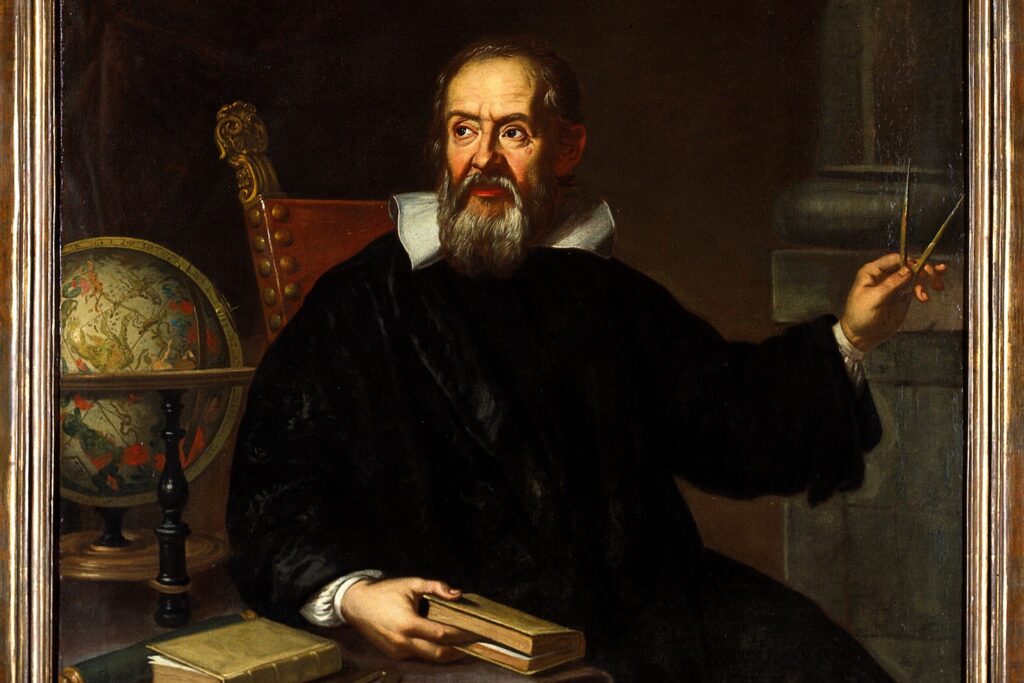
Galileo Galilei has often been cast as a lone martyr for science, bravely standing against a hostile Church. The traditional narrative presents a simple conflict between reason and faith. More recent research into trial documents and correspondence complicates that image. Scholars note that Galileo had allies within the Church and that politics played a role. The controversy was as much about authority and interpretation as about astronomy. His personality and rhetorical style also influenced events.
Historians now situate his trial within the broader context of 17th century intellectual debates. Newly translated documents have clarified procedural details of his condemnation. The image of pure persecution has been tempered by a more nuanced understanding. Galileo remains a pivotal scientific figure, but the story is less black and white. The shifting interpretation reflects careful archival work. It underscores how even iconic clashes can be reexamined.
9. Tutankhamun
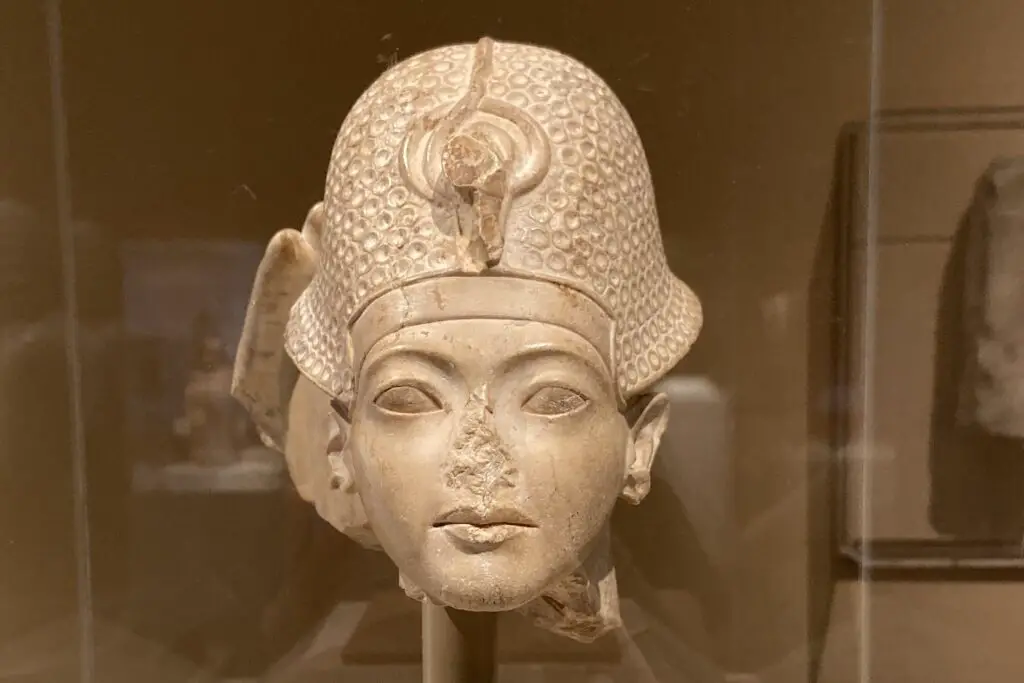
Tutankhamun was once considered a minor pharaoh whose fame rested largely on the discovery of his intact tomb in 1922. Early interpretations suggested he was a frail boy king who died mysteriously. Over time, advances in medical imaging have revised that view. CT scans and DNA testing have offered insights into his health and lineage. Evidence now points to multiple health issues, possibly compounded by malaria. The dramatic murder theories popular in the 20th century have lost ground.
Archaeologists continue to debate the political implications of his reign. His restoration of traditional religious practices after Akhenaten’s reforms has gained more attention. Some artifacts once attributed to others may have been repurposed for him. Each technological advance brings new data to the discussion. Tutankhamun’s life appears less sensational and more medically complex than once believed. The science continues to refine his story.
10. Joan of Arc
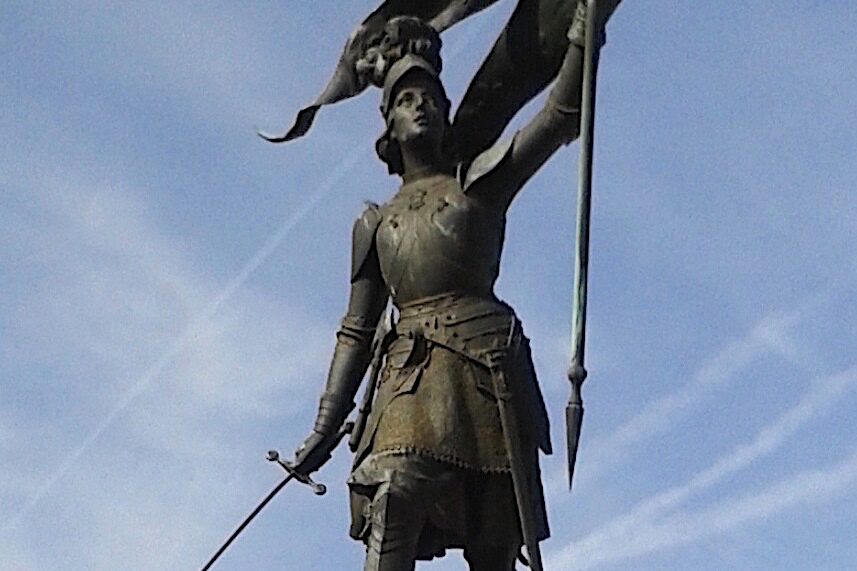
Joan of Arc has been remembered as a divinely guided peasant girl who led French troops during the Hundred Years’ War. Her trial and execution in 1431 cemented her status as a martyr. For centuries, accounts relied heavily on selective records. The later nullification trial preserved additional testimony that historians continue to analyze. Modern scholarship has examined these transcripts with greater linguistic and cultural sensitivity. This has illuminated the political pressures surrounding her prosecution.
Some historians now explore how national identity shaped her legend in later centuries. Newly contextualized sources reveal a savvy and determined young woman navigating court politics. The process that led to her condemnation appears more procedurally flawed upon close study. While her faith remains central to her story, the surrounding circumstances are clearer. Joan’s image has shifted from mythic saint to historically grounded individual. Her story keeps evolving as scholars revisit primary sources.
11. Vlad III Dracula
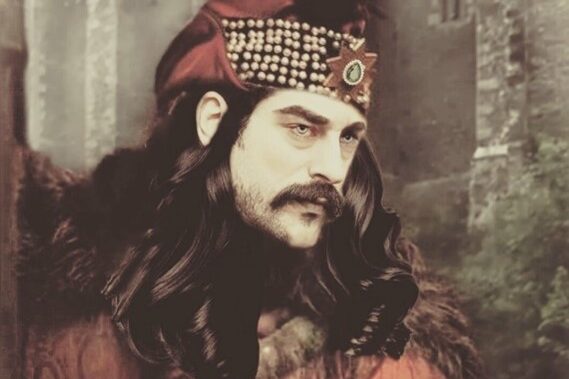
Vlad III of Wallachia, often associated with the Dracula legend, was long portrayed as a sadistic tyrant. Contemporary pamphlets circulated in Europe depicted gruesome acts of impalement. Modern historians have reassessed those accounts in light of regional politics. Some of the most sensational stories may have been propaganda from rival powers. Ottoman and German sources framed him differently depending on political needs. This has led to a more cautious interpretation of the evidence.
While Vlad did employ brutal tactics, they were not uncommon in 15th century warfare. Romanian historians have emphasized his role in resisting Ottoman expansion. Archival research continues to parse myth from documented fact. The fictional overlay from Bram Stoker’s novel further complicates public perception. Separating legend from record remains an ongoing task. Vlad’s reputation shifts as scholars weigh competing sources.
12. Sacagawea
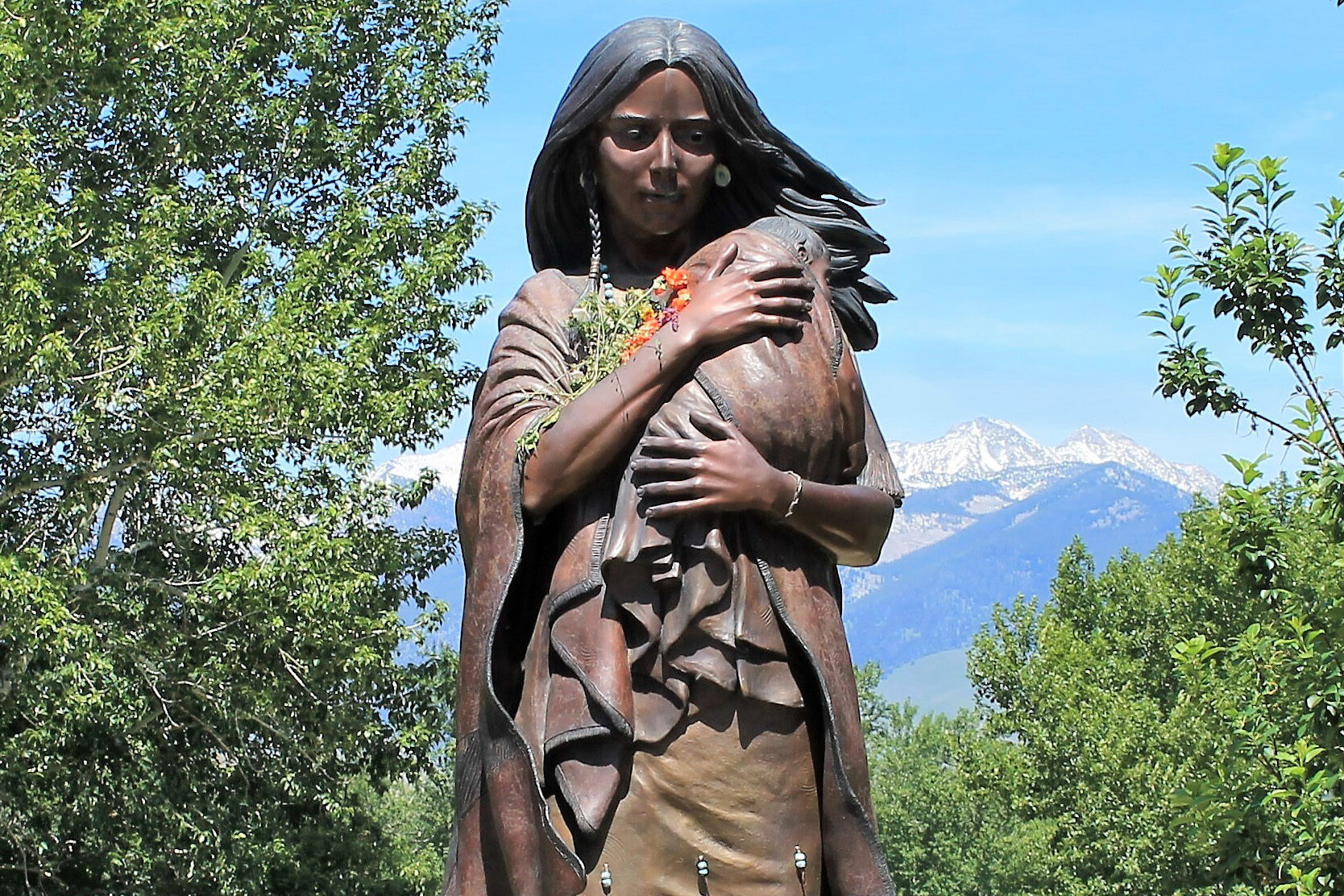
Sacagawea is widely remembered as the Shoshone woman who assisted the Lewis and Clark expedition. For many years, accounts simplified her role to that of a guide who translated and carried her infant son. Recent scholarship has examined expedition journals more carefully. Historians note that her presence signaled peaceful intent to other tribes. Her knowledge of terrain and survival skills proved critical at key moments. Indigenous scholars have also offered perspectives that challenge older narratives.
Debates continue about the details of her later life and death. Some oral traditions differ from written records compiled by expedition members. Archaeological and documentary research remains ongoing. The portrayal of Sacagawea has shifted from side character to essential participant. Her story reflects broader efforts to center Indigenous voices in American history. As evidence is reevaluated, her legacy grows more fully realized.