
1. Buttered Saltines with Cold Milk
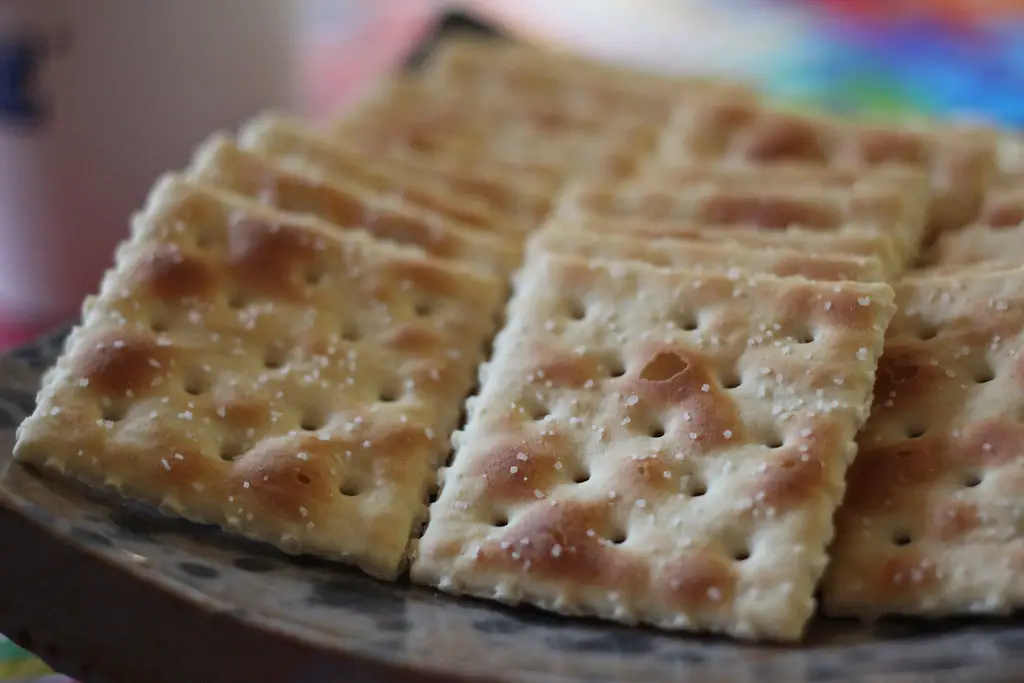
This was the kind of snack that happened quietly at the kitchen table, usually late at night. Someone would butter a stack of saltines, sprinkle on extra salt, and pretend it was a real meal. It felt oddly comforting, like a shortcut to calm when the house finally went quiet. No one ever offered it to guests because it looked too strange to explain.
Paired with a glass of cold milk, it became a full experience that only made sense to the person eating it. Kids learned early that this was not something to mention at school. Adults knew it wasn’t impressive, but it worked every time. It was less about hunger and more about habit.
2. Ketchup on White Bread

This was a last-resort food that appeared when the fridge was nearly empty. A slice of white bread folded over with ketchup inside somehow counted as lunch. It was eaten fast, usually standing at the counter, and never spoken about again. There was a sense of mild embarrassment even while eating it.
No one would have admitted to liking it, but plenty of people did. It tasted familiar, salty, and oddly satisfying. Parents framed it as temporary, not something you did by choice. Still, it showed up more often than anyone cared to admit.
3. Cold Spaghetti Straight from the Fridge
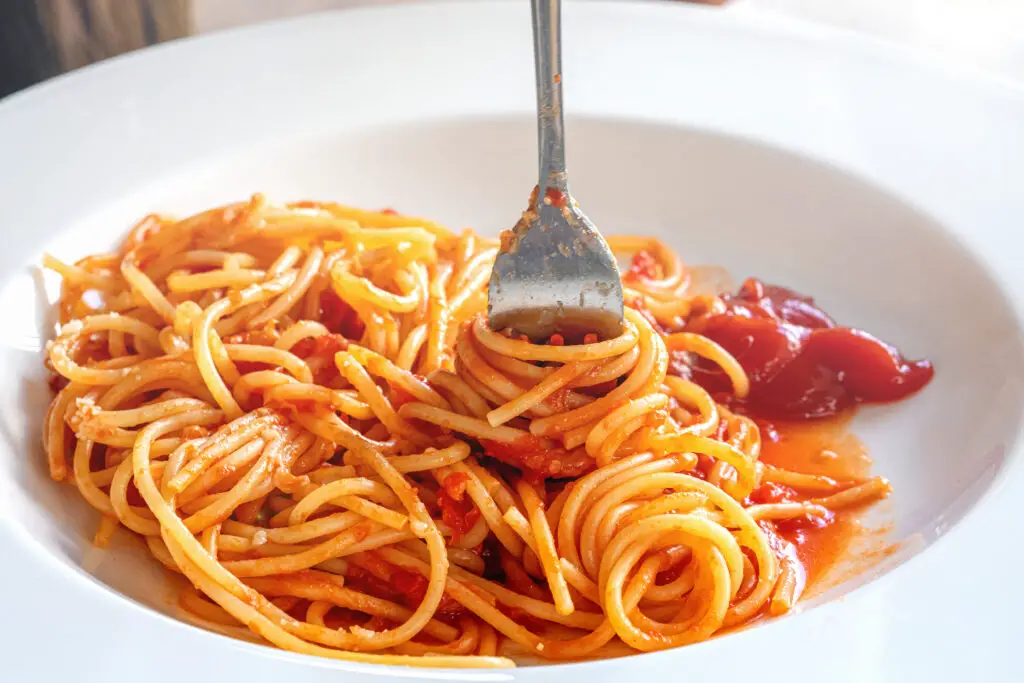
Cold spaghetti had a very different personality than the hot version served at dinner. It was eaten with fingers or straight from the container, usually late at night. The sauce had soaked in, making it denser and somehow better. It felt like a private reward for surviving the day.
No one reheated it because that would have made it official. This was about convenience and comfort, not presentation. Families rarely talked about it, even though everyone knew it happened. It lived in that quiet space between snack and meal.
4. Canned Ravioli at Room Temperature
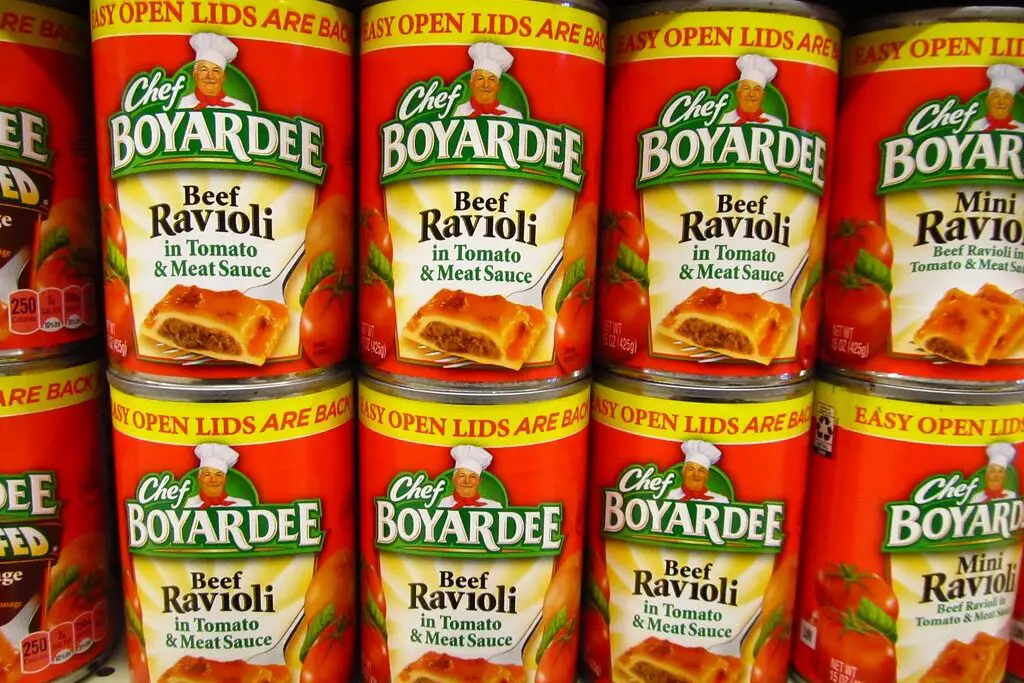
Heating it would have meant dirtying a pot or using the microwave. Eating it straight from the can felt faster and more secretive. The metal lid was peeled back carefully, often late at night or during a rushed afternoon. It wasn’t glamorous, but it got the job done.
This was never served when company was around. It was the kind of food you pretended not to rely on. Still, many families kept it stocked for emergencies. It carried a strange mix of shame and relief.
5. Cinnamon Sugar on Toast
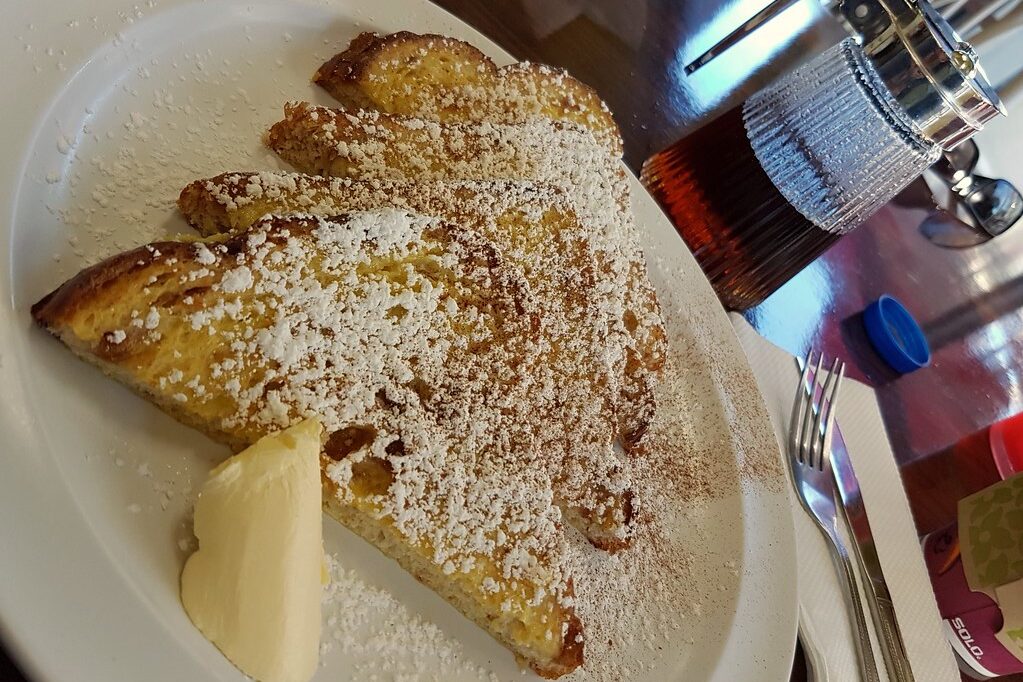
This started as a kid snack and quietly followed people into adulthood. Toast was buttered generously, then buried under cinnamon and sugar. It felt like dessert disguised as breakfast. The smell alone made it feel indulgent.
It wasn’t something parents bragged about serving. It showed up when supervision was light or moods were low. Everyone knew it was messy and unnecessary. That made it feel even more comforting.
6. Leftover Mashed Potatoes Cold
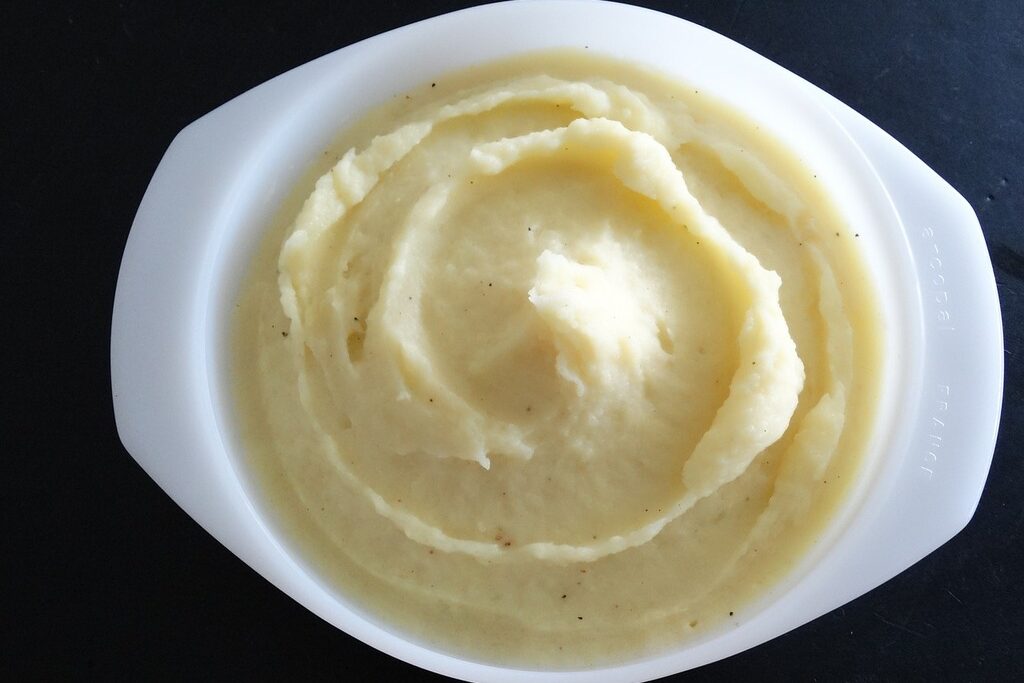
Cold mashed potatoes were eaten straight from the bowl with a spoon. They were denser, saltier, and strangely calming. This usually happened after the dishes were done and the kitchen was quiet. It felt like sneaking a second helping without announcing it.
No gravy, no reheating, no explanation. Families didn’t discuss this habit because it sounded odd out loud. But it was surprisingly common. It was comfort food in its most private form.
7. Peanut Butter by the Spoonful
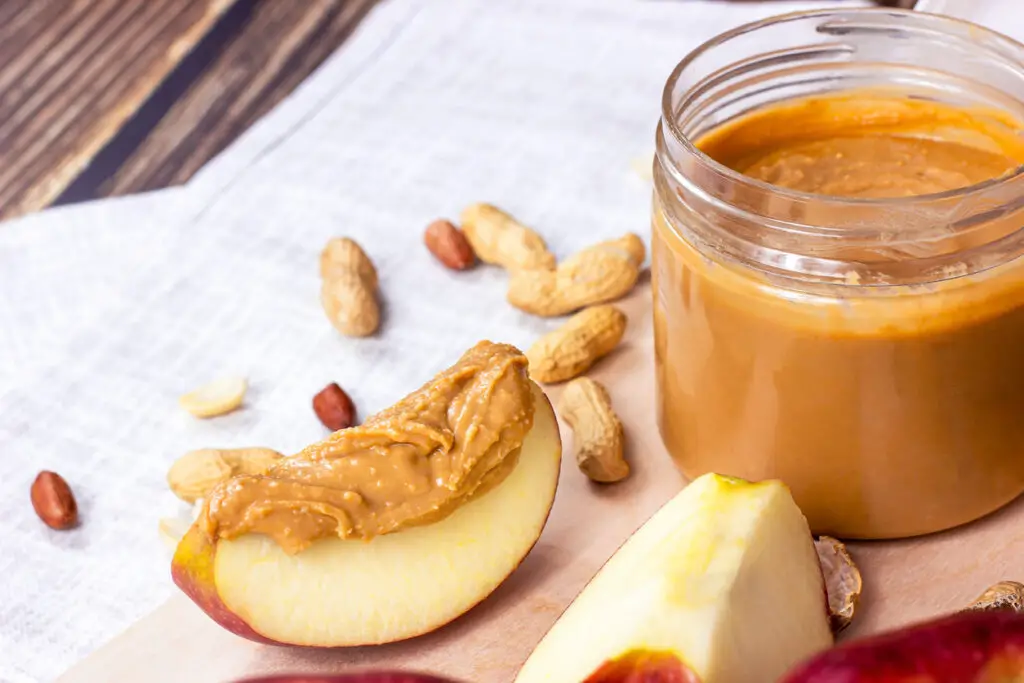
This was less a snack and more a coping mechanism. Someone would open the jar, take a spoon, and stand there eating silently. No bread meant no witnesses and no crumbs. It was quick, filling, and deeply personal.
Families rarely acknowledged this behavior, even when it happened often. It wasn’t polite enough for company and not structured enough to count as a meal. Still, it showed up in moments of stress or exhaustion. The jar always told the truth.
8. Bologna Rolled Up Plain

A slice of bologna folded into itself required no preparation or cleanup. It was eaten straight from the fridge, usually when no one else was around. The simplicity was part of the appeal. It felt functional rather than enjoyable.
This was not something people served on a plate. It happened quickly and quietly. Families knew it was there but never talked about it. It was a snack that preferred anonymity.
9. Leftover Rice with Butter and Salt
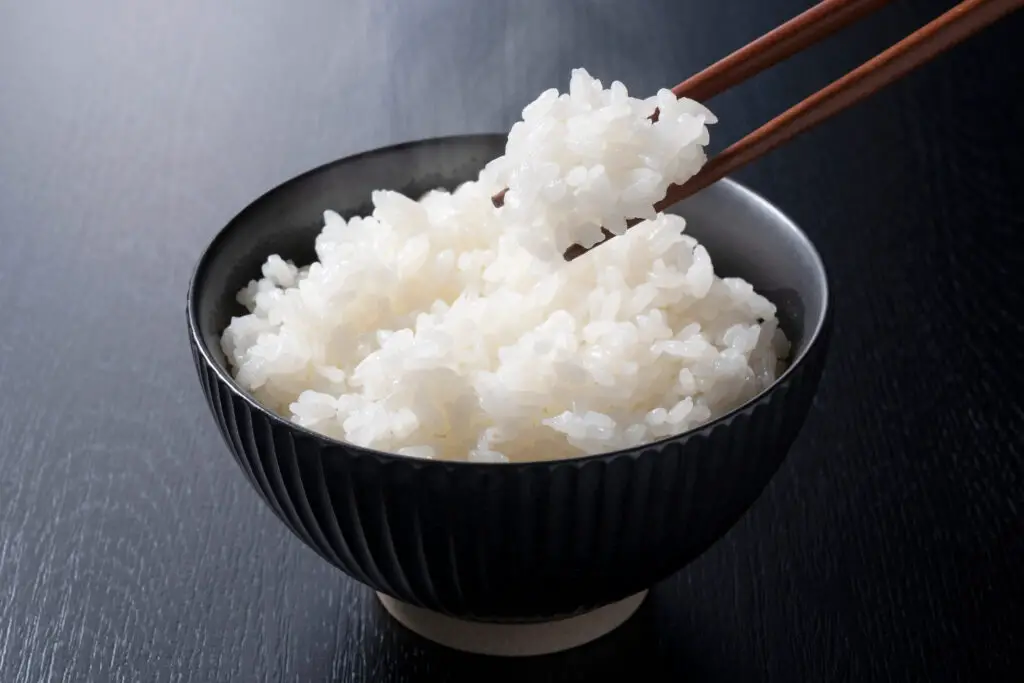
Rice from the night before was scooped into a bowl and topped with butter. A little salt turned it into something comforting and familiar. It wasn’t exciting, but it felt grounding. This was often eaten alone, without ceremony.
It never showed up when guests were around. Families treated it like a fallback plan rather than a real dish. Still, it satisfied in a way more elaborate food sometimes didn’t. It was quiet food for quiet moments.
10. Crushed Crackers in a Bowl

Saltines or Ritz were crushed by hand and eaten like cereal. Sometimes milk was added, sometimes not. It was a food born from boredom and necessity. The texture mattered more than the taste.
This was not something anyone admitted to enjoying. It looked too odd to explain. Families did it anyway, usually when options were limited. It filled the gap without asking questions.
11. Leftover Gravy on Bread
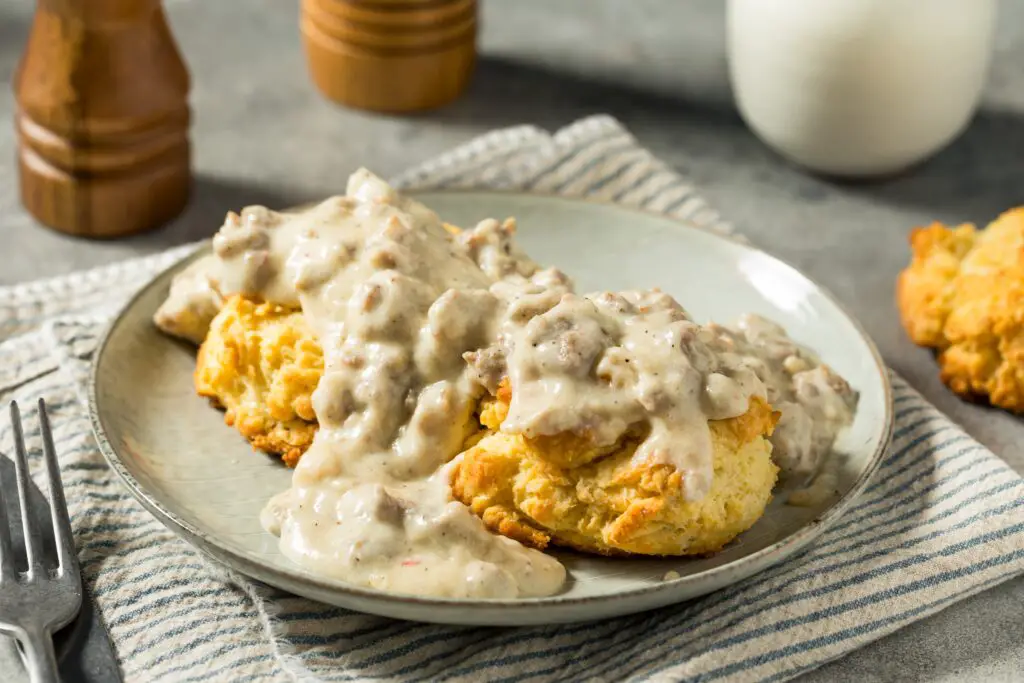
Gravy soaked into bread in a way that felt indulgent and slightly wrong. It was eaten quickly, often while standing at the counter. This was not planned and never plated. It existed only because the gravy was there.
No one talked about it afterward. It wasn’t pretty, but it was effective. Families knew it wasn’t for company. It stayed firmly in the category of private food.
12. Cold Pizza for Breakfast Alone

Cold pizza tasted different in the morning. The flavors were sharper, and the rules felt looser. It was eaten quietly, often before anyone else woke up. That secrecy made it better.
Families joked about it, but rarely served it openly. It felt like breaking a small rule. Even when everyone did it, no one formalized it. It stayed a personal ritual.
13. Mac and Cheese Straight from the Pot
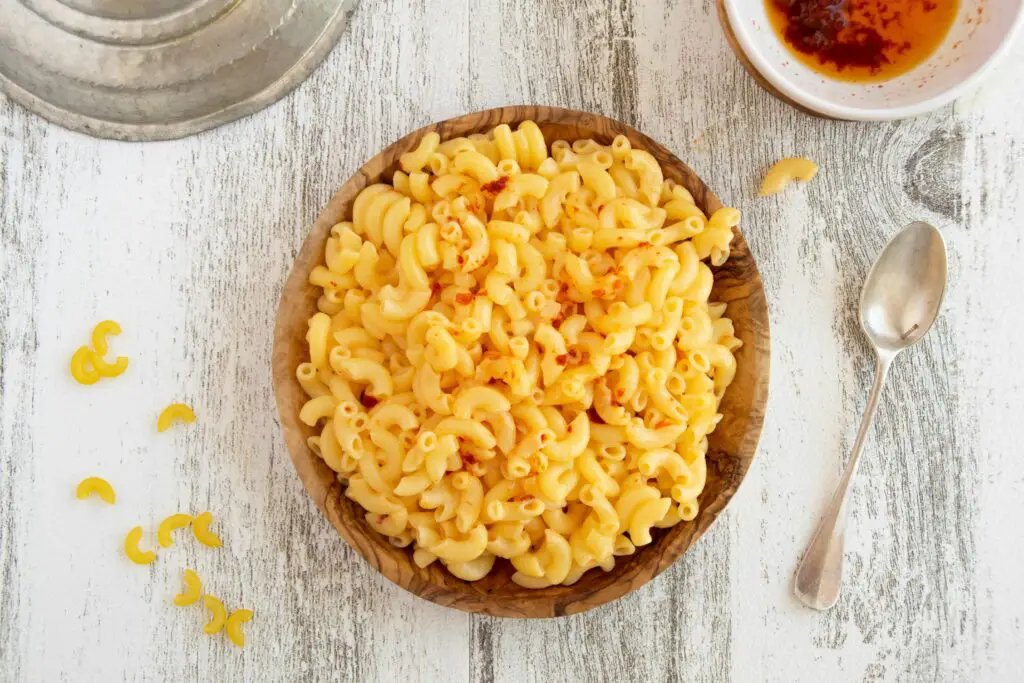
Eating it straight from the pot saved time and avoided dishes. The cheese was thicker, and the noodles stuck together. It felt comforting in a slightly reckless way. This usually happened when no one was watching.
It wasn’t meant to be shared. Families didn’t encourage it, but they didn’t stop it either. It was understood as a temporary indulgence. The pot told the story later.
14. Cereal Without Milk
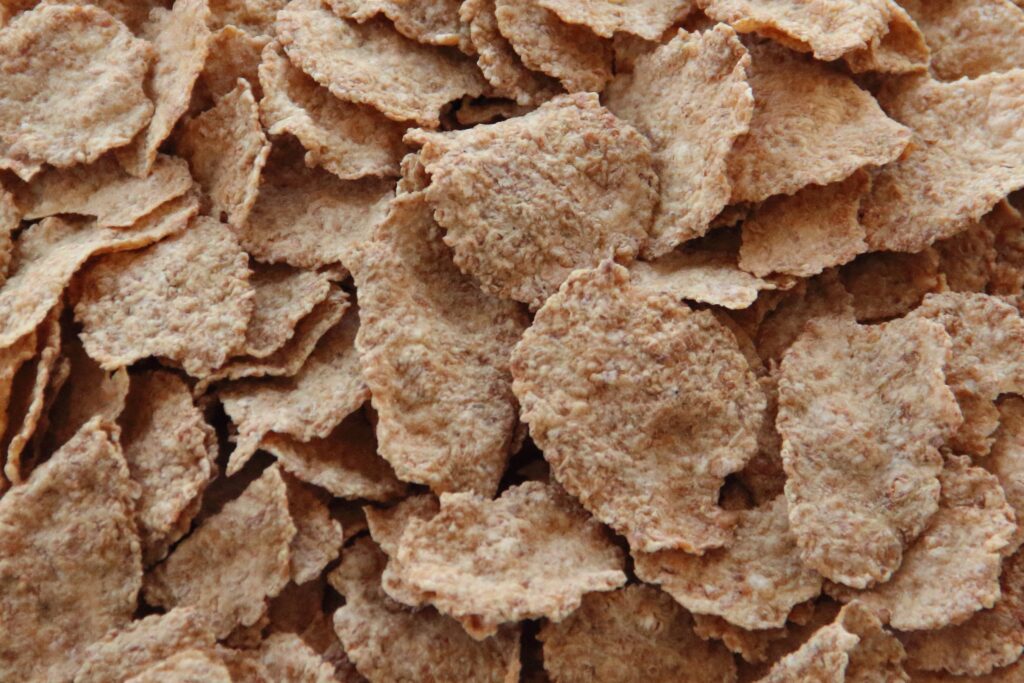
Dry cereal eaten by the handful felt unofficial. It was quieter and easier than using a bowl. People ate it while walking through the kitchen or standing at the pantry. It barely counted as eating at all.
Families never served it this way to guests. It was a personal habit, not a presentation choice. Still, it happened constantly. Some foods were better when no one was watching.