
1. Salton Sea Resorts, California
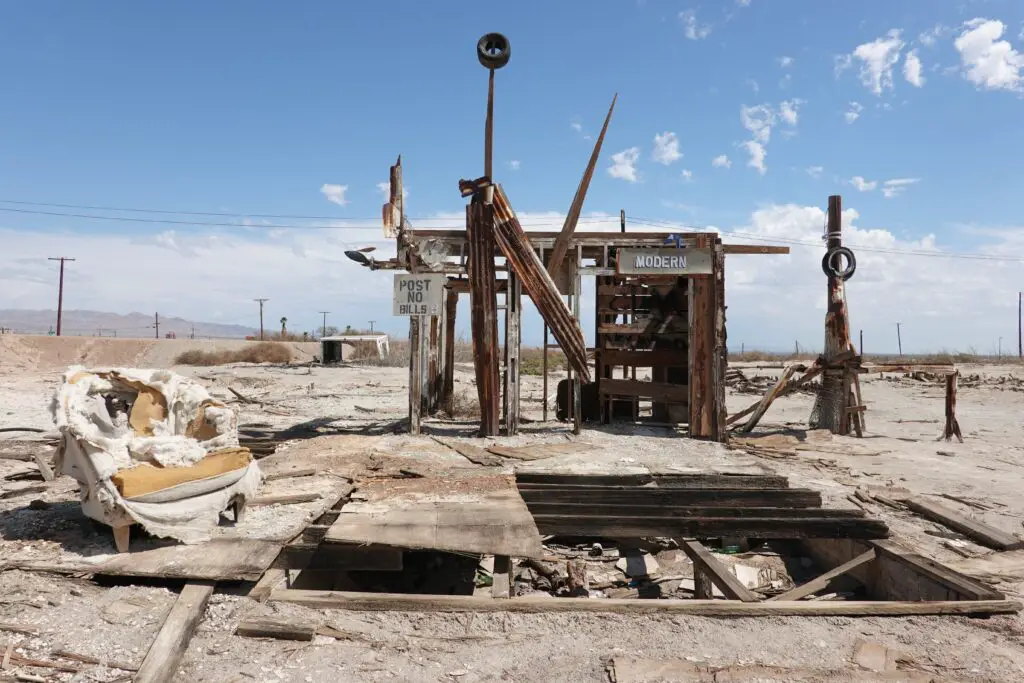
There was a brief window when the Salton Sea was pitched as California’s next great vacation playground. Resorts promised fishing, boating, golf courses, and glamorous desert weekends not far from Los Angeles. Celebrities showed up, postcards were printed, and the future looked strangely bright for a lake created by accident. Then the water began to recede, salinity spiked, and fish died off in staggering numbers. What was sold as a miracle oasis quickly turned into an environmental cautionary tale.
Today, the marinas and motels sit largely abandoned, with faded signs still advertising long-gone fun. Some buildings have been swallowed by dust and salt, others simply locked and left behind. Locals still pass through, but tourism never recovered in any meaningful way. The silence feels especially loud when you know how hard it was once marketed as a must-see destination.
2. Holy Land USA
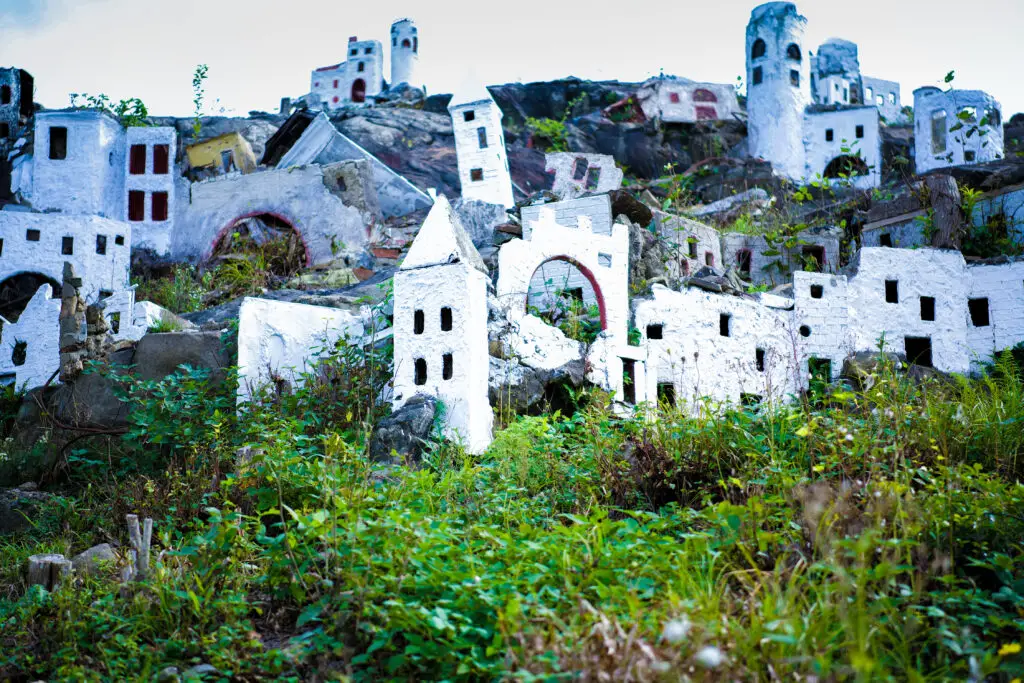
Holy Land USA was once a full-scale religious theme park, complete with replicas of biblical scenes spread across a hillside. Families visited on church trips, Easter weekends, and long summer afternoons. It was meant to be educational, immersive, and spiritually uplifting in a way that felt very mid-20th century. For decades, it succeeded at exactly that. But attendance slowly dropped as tastes changed and upkeep became expensive.
After closing, the site lingered in a strange half-life of disrepair and curiosity. Weather and vandalism took their toll, and what was once carefully constructed fell apart piece by piece. Attempts at revival have come and gone, but it never returned to its former role. Today it feels more like a forgotten landmark than a destination anyone plans a trip around.
3. Buzludzha Monument
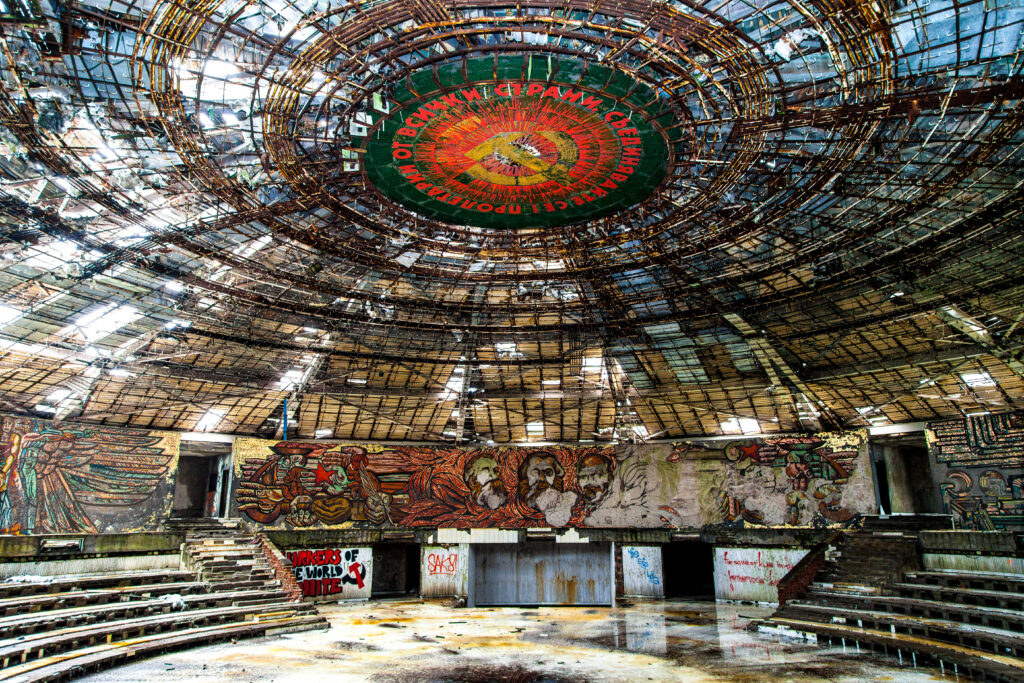
At its peak, the Buzludzha Monument was meant to symbolize progress, unity, and national pride. Its futuristic design drew visitors who wanted to see one of the most striking structures in Eastern Europe. Inside, massive murals celebrated political ideals that once defined an era. For a time, it was treated as both a tourist attraction and a cultural centerpiece. That relevance vanished almost overnight after political change.
Now the building sits exposed to the elements, its interior slowly collapsing. Graffiti and decay have replaced guided tours and official ceremonies. While photographers still seek it out, it is no longer maintained as a destination. The monument stands as a reminder of how quickly cultural priorities can shift.
4. Hashima Island
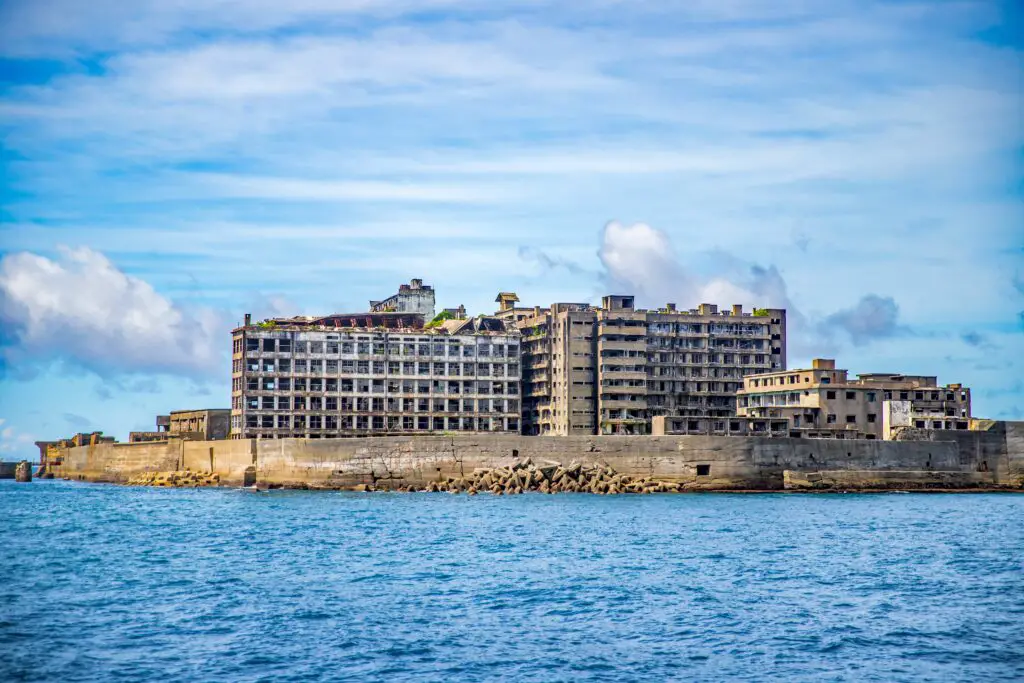
Hashima Island once represented modern industrial success, packed tightly with apartment blocks and buzzing with life. Visitors came to witness an island that functioned like a self-contained city. It was crowded, efficient, and oddly fascinating to outsiders. When the coal industry collapsed, residents were forced to leave almost immediately. The island emptied in a matter of months.
For years it sat completely abandoned, battered by ocean winds. Although limited tours later resumed, most of the island remains off-limits. The silence is striking when you realize how dense and loud life once was there. Hashima’s appeal today is rooted more in curiosity than tourism.
5. Dogpatch USA
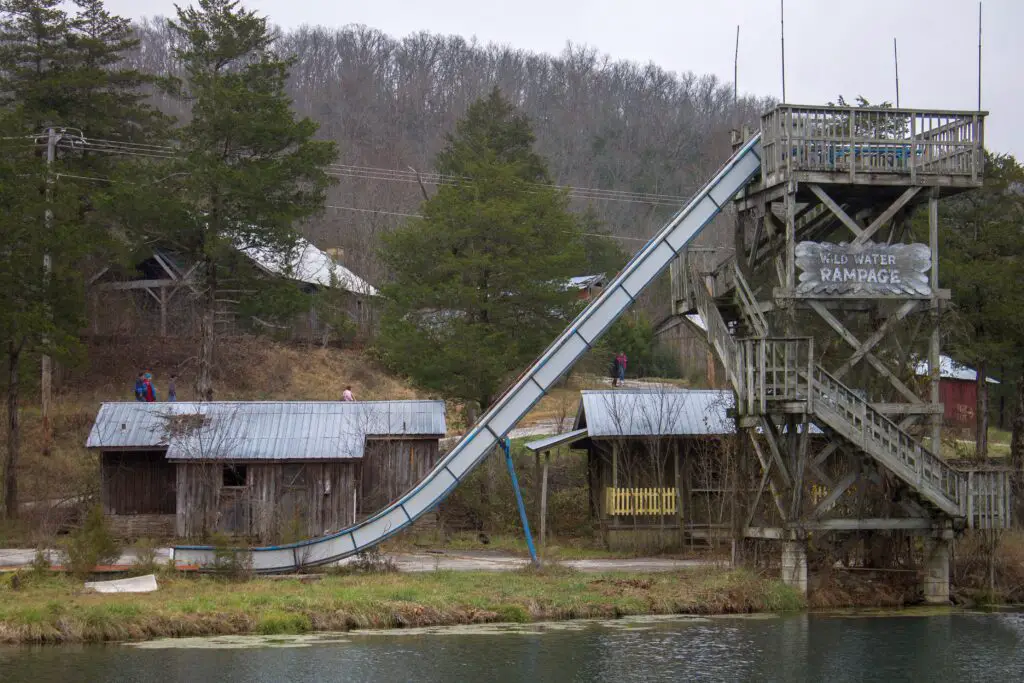
Dogpatch USA leaned hard into folksy charm, promising visitors a live-action version of a comic strip world. It was quirky, rural, and proudly odd, which worked well for a while. Families planned trips around it, and bus tours rolled in regularly. Over time, maintenance slipped and interest faded. The charm couldn’t compete with newer attractions.
After closing, the park fell into neglect almost immediately. Buildings decayed, signs faded, and the roads grew quiet. Occasional redevelopment plans never fully materialized. What remains is a shell of something that once felt cheerful and busy.
6. Varosha
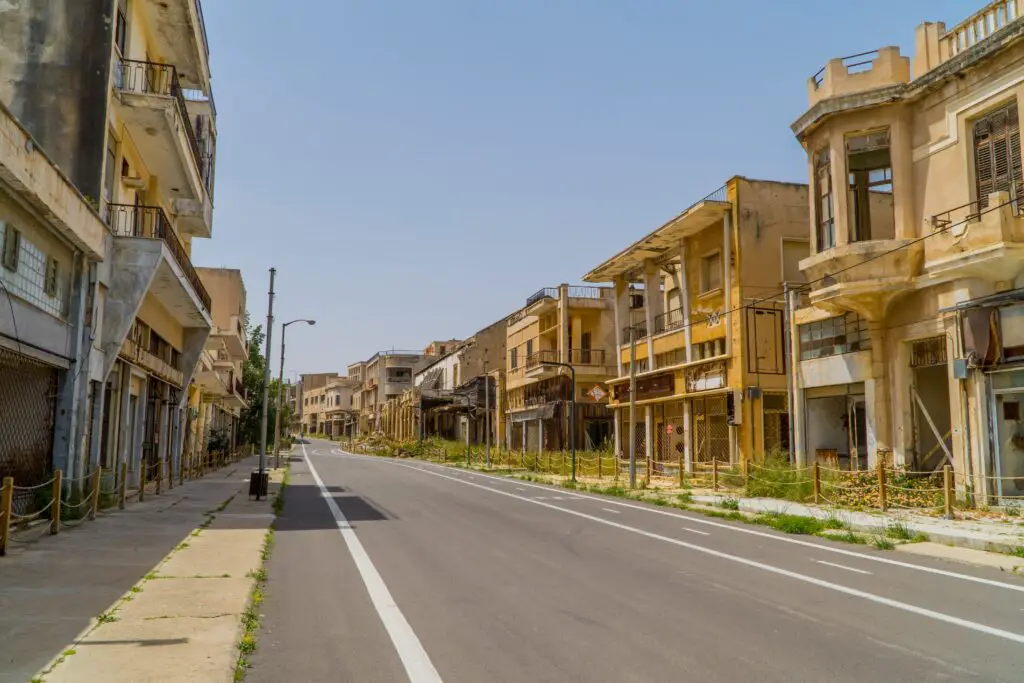
Varosha was once a glamorous Mediterranean resort area filled with hotels, shops, and beachfront promenades. It attracted international travelers looking for sun and nightlife. The district symbolized modern leisure and prosperity. Then geopolitical conflict forced its sudden evacuation. Residents left everything behind, expecting to return soon.
Decades later, Varosha still sits largely empty and fenced off. Buildings remain frozen in time, slowly crumbling under the coastal air. Tourism moved elsewhere, leaving this district untouched by recovery. It’s one of the most striking examples of a destination halted mid-story.
7. Centralia
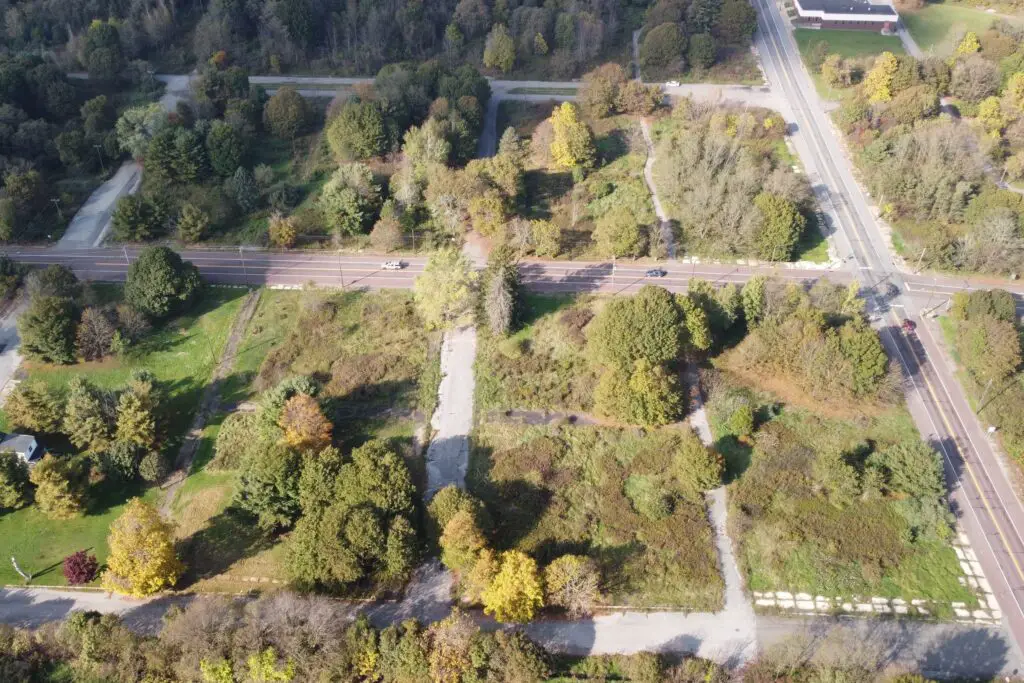
Centralia wasn’t originally a tourist attraction, but curiosity turned it into one. Visitors came to see smoke rising from cracks in the ground and streets buckling from underground fires. For a while, it became a strange roadside stop. People drove out of their way just to experience it firsthand. The novelty spread quickly.
As residents relocated, the town emptied almost completely. Roads were eventually closed, and access restricted. What once drew crowds now feels eerie and off-limits. Centralia remains famous, but not in the way any town hopes to be.
8. Wonderland Amusement Park
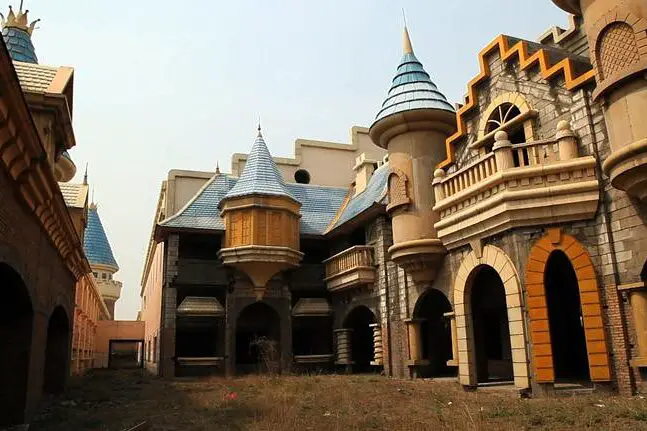
Wonderland was meant to be China’s answer to Western theme parks, ambitious and massive. Early plans promised castles, rides, and international appeal. Tourists watched its construction with curiosity and anticipation. Then funding collapsed before it ever fully opened. What was supposed to be a showpiece stalled indefinitely.
For years, the unfinished structures sat abandoned in fields. Visitors stopped coming, and the project faded into local memory. Eventually, the site was demolished, erasing most physical traces. It remains a reminder of how even large-scale dreams can disappear quietly.
9. Pripyat
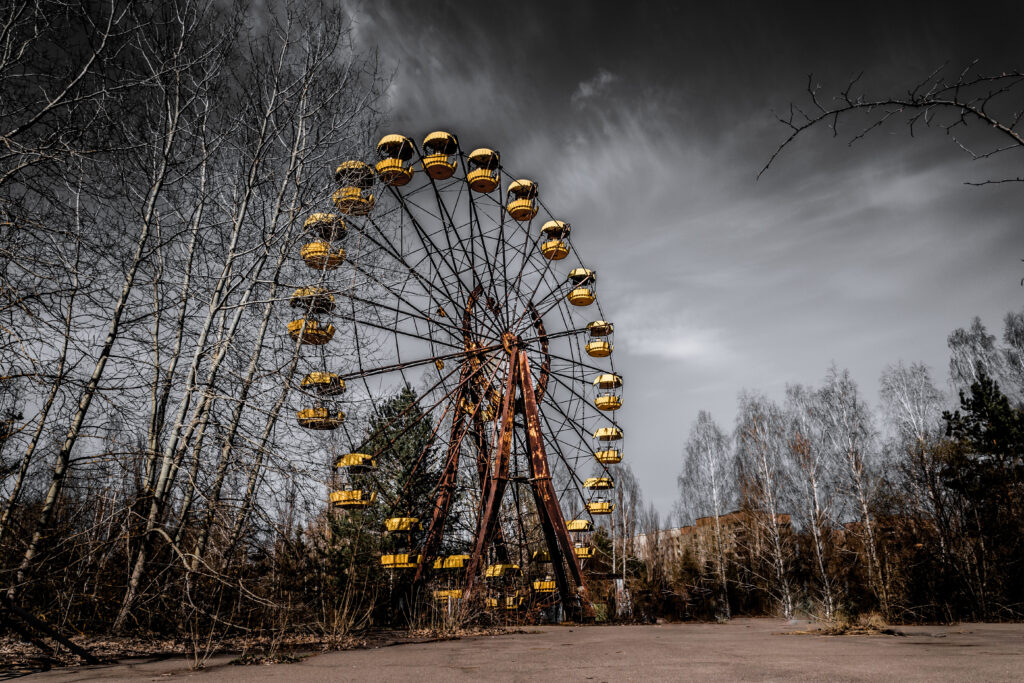
Pripyat was once a model city, built to support workers and families. Tourists came later, drawn by its sudden abandonment after disaster. The empty schools, amusement park, and apartments became symbols of loss. Guided tours turned it into a place people felt compelled to see at least once. The fascination was intense.
Over time, access became more restricted and carefully controlled. What was once a frequent stop for curious travelers is now limited and heavily regulated. The city remains frozen, but tourism is tightly managed. Pripyat’s silence carries a weight most destinations never do.
10. Old Tucson Studios
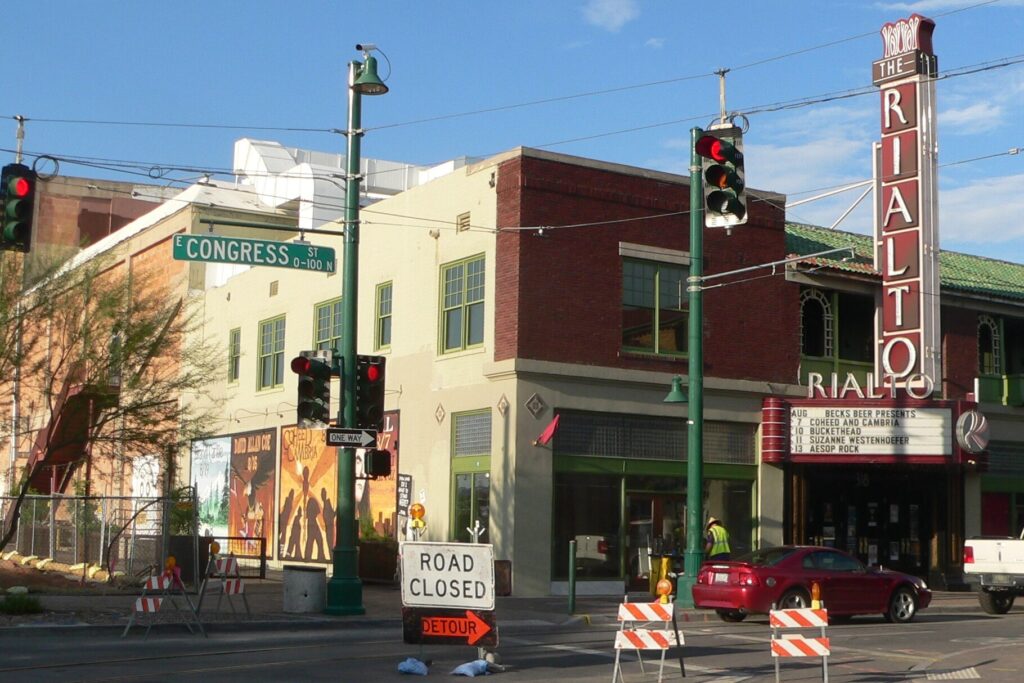
Old Tucson Studios thrived as both a filming location and a tourist attraction. Visitors walked through classic Western sets and watched staged gunfights. It felt like stepping into movie history. For decades, it was a reliable stop for travelers in the region. Fires, financial trouble, and shifting interests chipped away at its popularity.
Though parts remain, much of the site no longer draws crowds. Events come and go, but the steady stream of visitors is gone. The sets feel quieter now, more like relics than attractions. Nostalgia keeps its name alive more than tourism does.
11. Pyramiden

Pyramiden was designed as a showcase of Soviet prosperity in the Arctic. Tourists once visited to see how people lived in such extreme conditions. It was surprisingly comfortable, complete with cultural facilities and communal spaces. When mining stopped, the town was abandoned almost overnight. Everything was left behind.
Today, only a handful of caretakers remain. Visitors are rare and tightly controlled. The buildings still stand, but life never returned. Pyramiden exists more as a historical curiosity than a destination.
12. Gulliver’s Kingdom
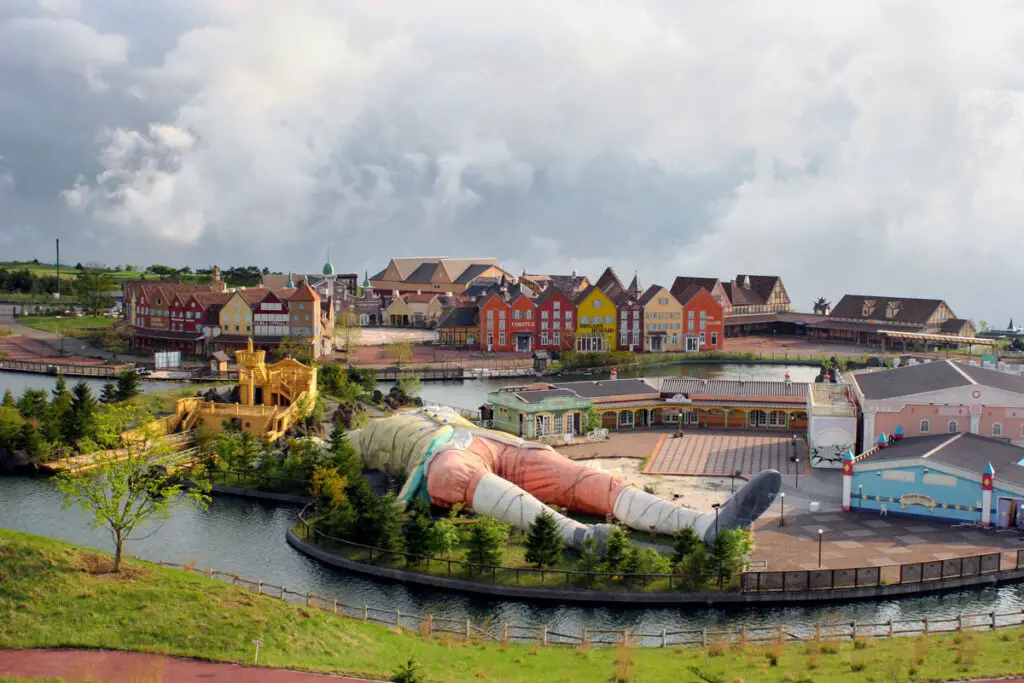
Gulliver’s Kingdom tried to blend literature, fantasy, and amusement rides. Early visitors found it strange but intriguing. It became known for its odd themes and slightly surreal atmosphere. Attendance never matched expectations. Financial issues shut it down quickly.
After closing, the park was left to decay. Its location near sensitive areas limited redevelopment and access. What once drew curious families now attracts only historians and urban explorers. The park’s story is better known than the park itself.
13. Kolmanskop
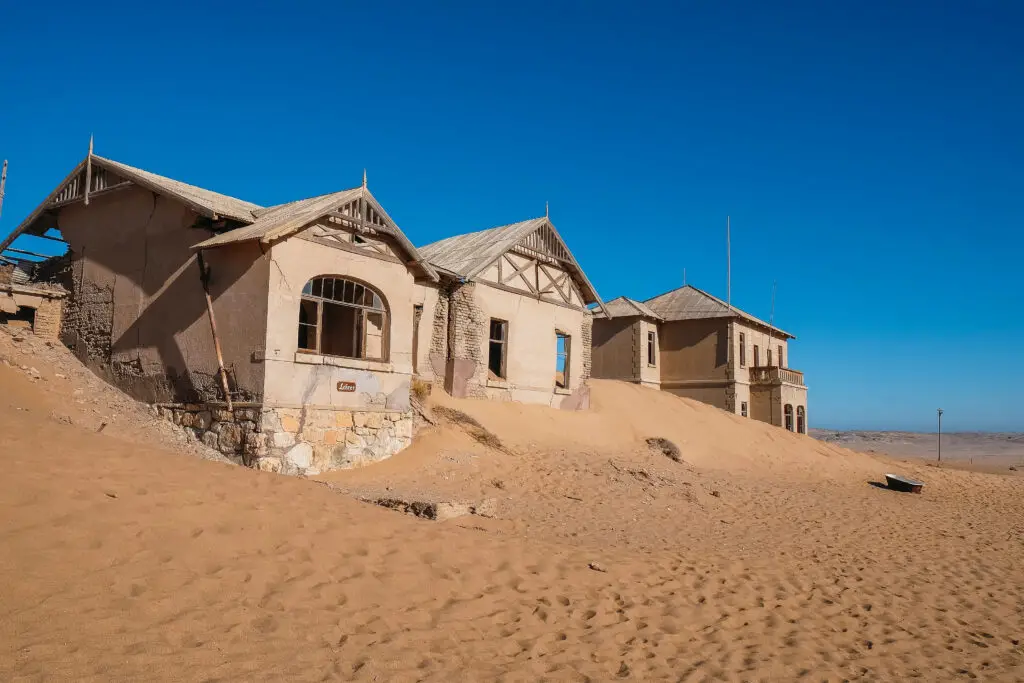
Kolmanskop was once a thriving diamond mining town with European-style architecture. Tourists later came to see wealth overtaken by desert sands. It became a symbol of nature reclaiming industry. Guided tours made it a popular stop for travelers. The visuals alone were enough to draw crowds.
Over time, interest softened and tourism slowed. Buildings continue to deteriorate, making access more limited. While still photographed, it no longer functions as a bustling attraction. The town feels increasingly fragile and temporary.
14. Six Flags New Orleans
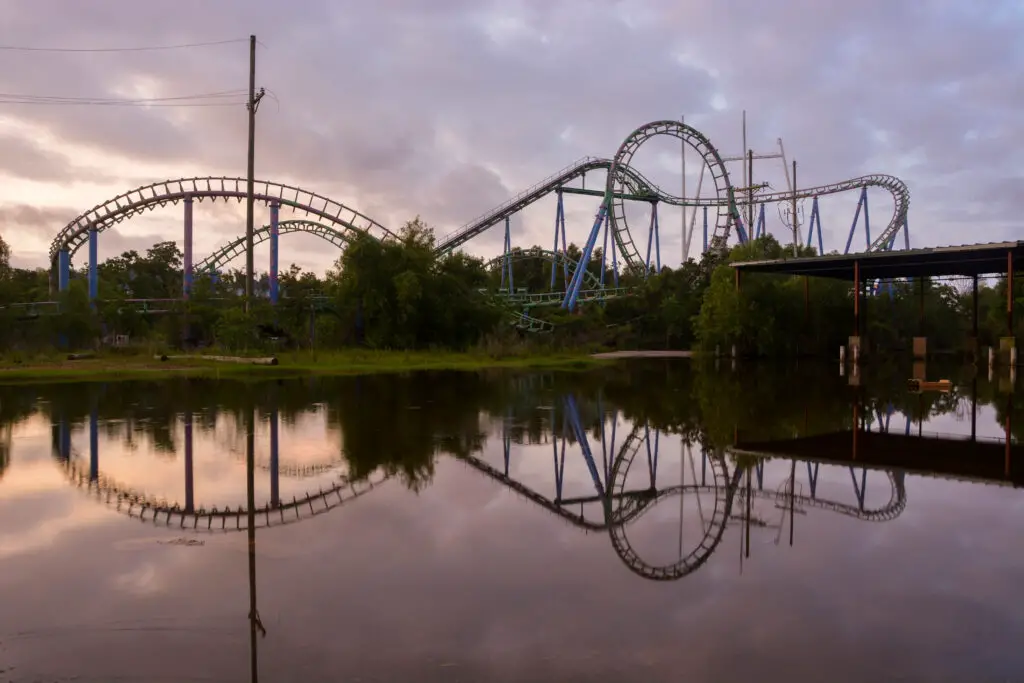
Before disaster struck, Six Flags New Orleans was a standard family theme park. Locals and tourists alike visited for rides, shows, and seasonal events. It was never flashy, but it was reliable. After Hurricane Katrina, the park closed and never reopened. Flood damage proved too severe.
Since then, the site has sat empty and overgrown. Plans to redevelop have repeatedly stalled. The rides remain, but frozen in rust. It’s a familiar name attached to an unfamiliar silence.
15. Bannerman Castle
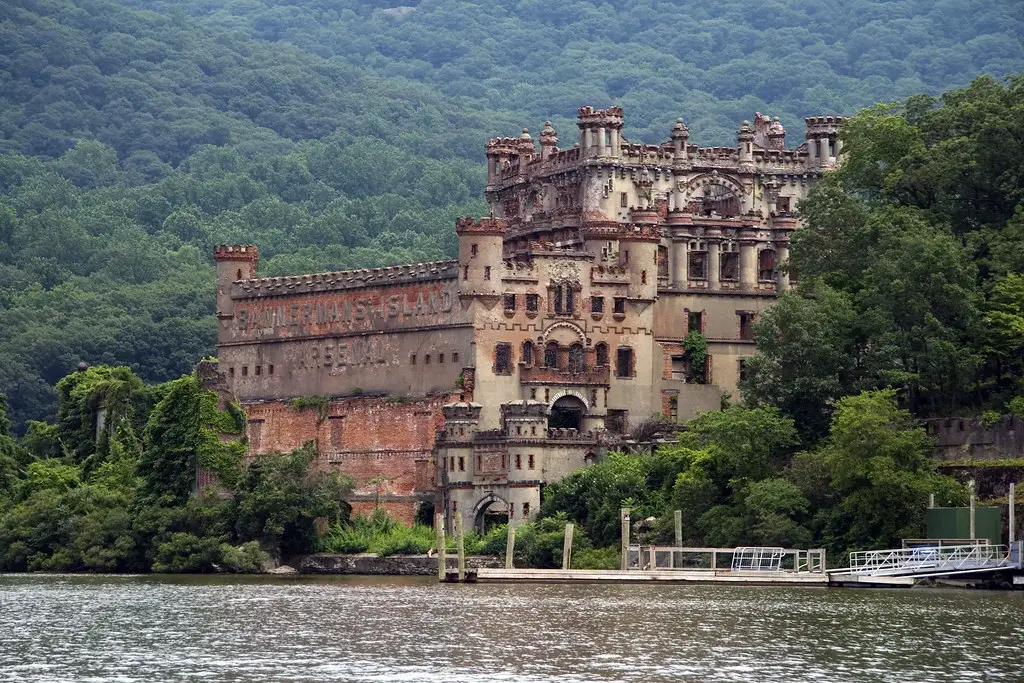
Bannerman Castle once attracted visitors intrigued by its dramatic setting and eccentric history. Tour boats brought guests to explore the island and its storied ruins. It felt romantic and theatrical, perched above the river. Structural damage and safety concerns limited access over time. Tourism slowed as restrictions increased.
Today, visits are rare and carefully controlled. Much of the site remains off-limits. The castle still captures imagination, but no longer crowds. It stands as a reminder that even iconic stops can quietly fade from itineraries.