
1. Writing Thank You Notes by Hand
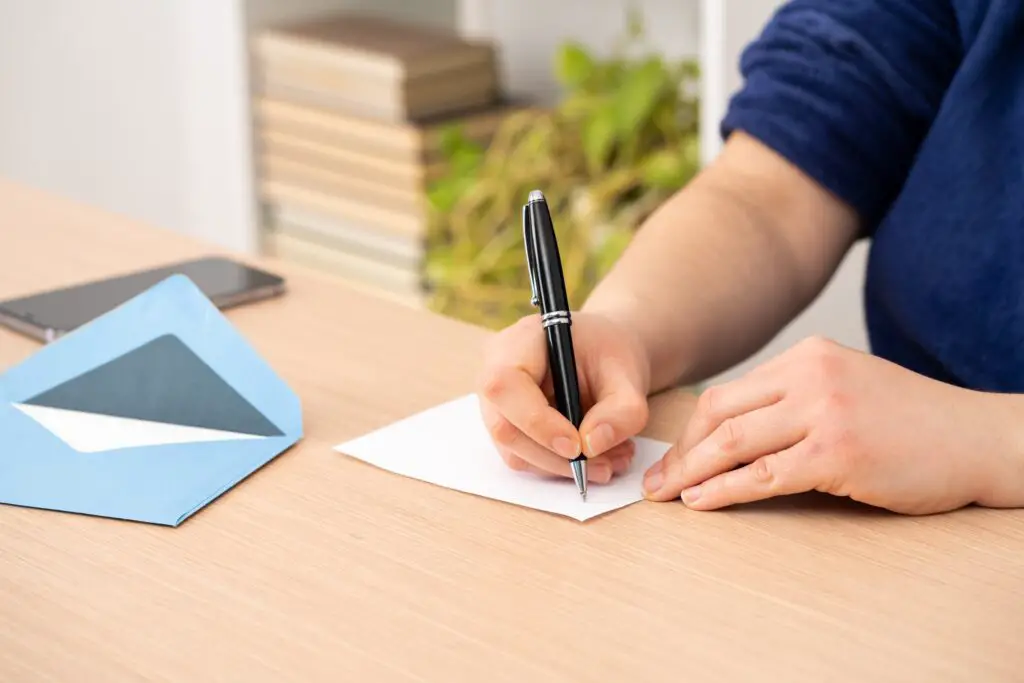
There was a time when a gift was not considered complete until a handwritten thank you arrived in the mail. People kept stationery for this exact purpose, and the note itself mattered almost as much as the present. It showed effort, good manners, and a certain awareness of social rhythm. Even short notes felt personal because someone had taken the time to sit down and write.
Now, a quick text or email often replaces that ritual, if anything is sent at all. The shift did not happen overnight, it just quietly became acceptable. Many people still appreciate a handwritten note, but fewer expect one. The custom did not disappear because it was disliked, it simply lost its place in everyday life.
2. Calling Just to Chat
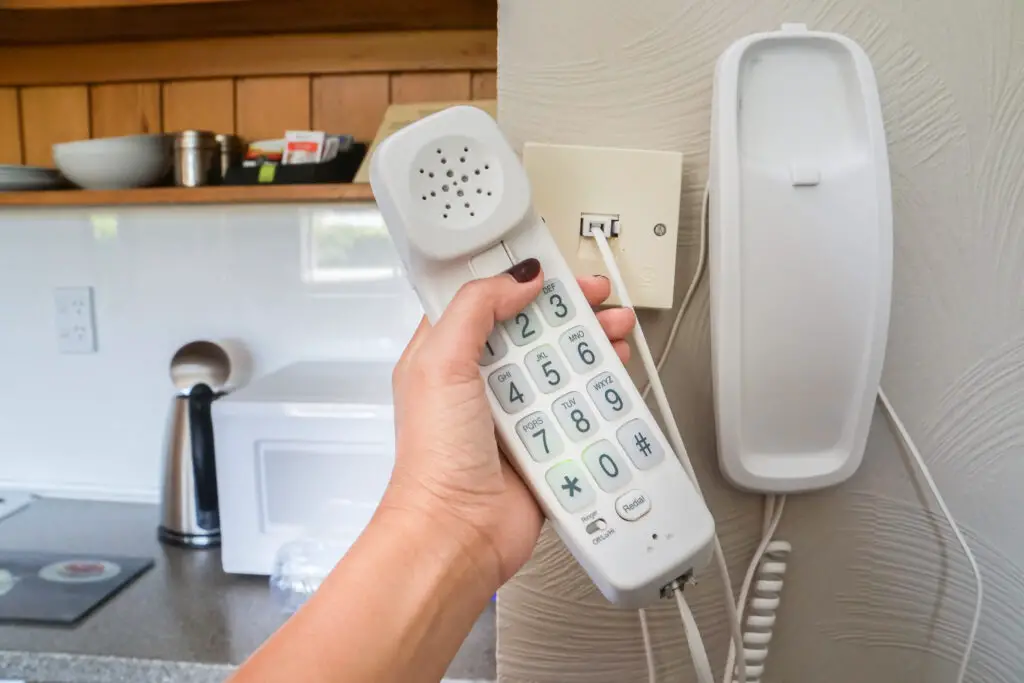
Phone calls used to be a primary way people stayed connected, even when there was no specific reason. Friends would call in the evening simply to talk through the day or share small updates. These conversations could stretch on, full of pauses, laughter, and meandering topics. It was understood that calling meant you had time.
Now calls often feel urgent or transactional, reserved for logistics or problems. Texting replaced casual check ins without any announcement. Many people hesitate to call at all, worried about interrupting or seeming intrusive. The slow fade of casual phone calls changed how spontaneous connection feels.
3. Dressing Up for Air Travel

Flying once carried a sense of occasion, and people dressed accordingly. Travelers wore nice clothes, styled their hair, and treated the airport almost like a public event. It was part practicality and part pride, a way of presenting yourself to strangers. Even children were often dressed neatly for the trip.
Over time, comfort overtook formality, and the change was gradual. Sweatshirts and sneakers became normal, then expected. No one declared the shift, it simply happened as flying became more routine. The airport lost that subtle sense of ceremony without anyone really noticing.
4. Memorizing Phone Numbers
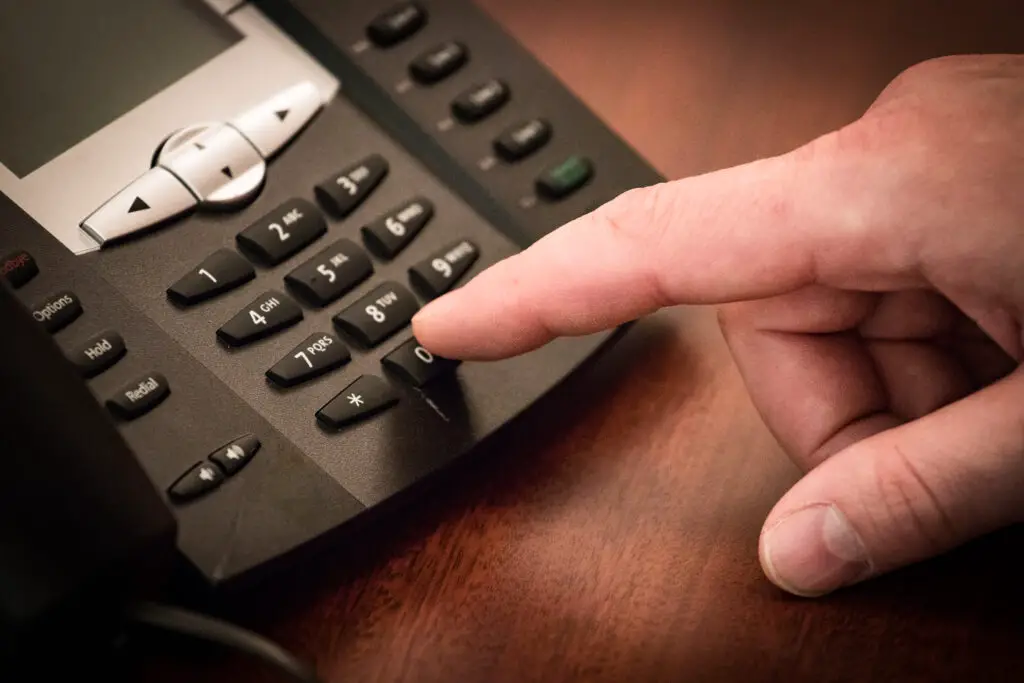
People once carried long lists of phone numbers in their heads. You knew your friends’ numbers, your relatives’ numbers, and often your workplace number by heart. Dialing required attention and memory, which made repetition unavoidable. Knowing a number felt like knowing a person a little better.
As phones began storing contacts automatically, memorization stopped being necessary. The skill faded quietly, without regret or resistance. Now many people only know their own number, if that. It is a small change that reshaped how memory fits into daily life.
5. Stopping by Without Calling First
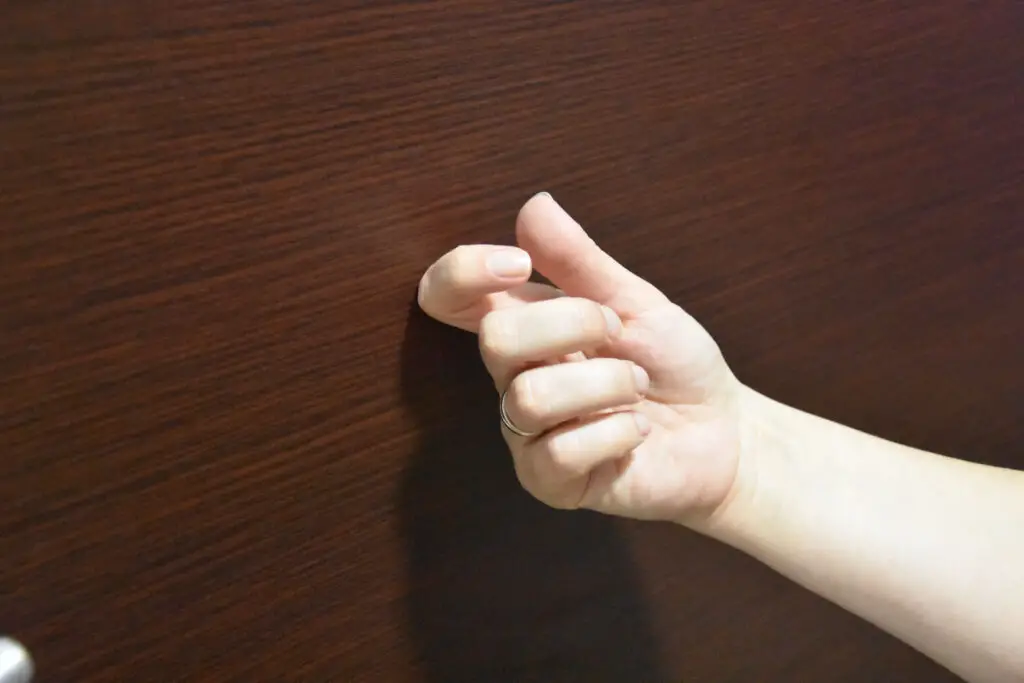
Unannounced visits were once common, especially among neighbors or close friends. Someone would knock on the door simply because they were nearby or thinking of you. These visits were informal and often brief, built into the rhythm of the day. Being home meant being available.
Gradually, expectations shifted toward scheduling and advance notice. Dropping by can now feel intrusive rather than friendly. The custom did not vanish because people stopped caring, it faded as lives became more structured. What was once normal now feels unusual.
6. Reading the Morning Newspaper
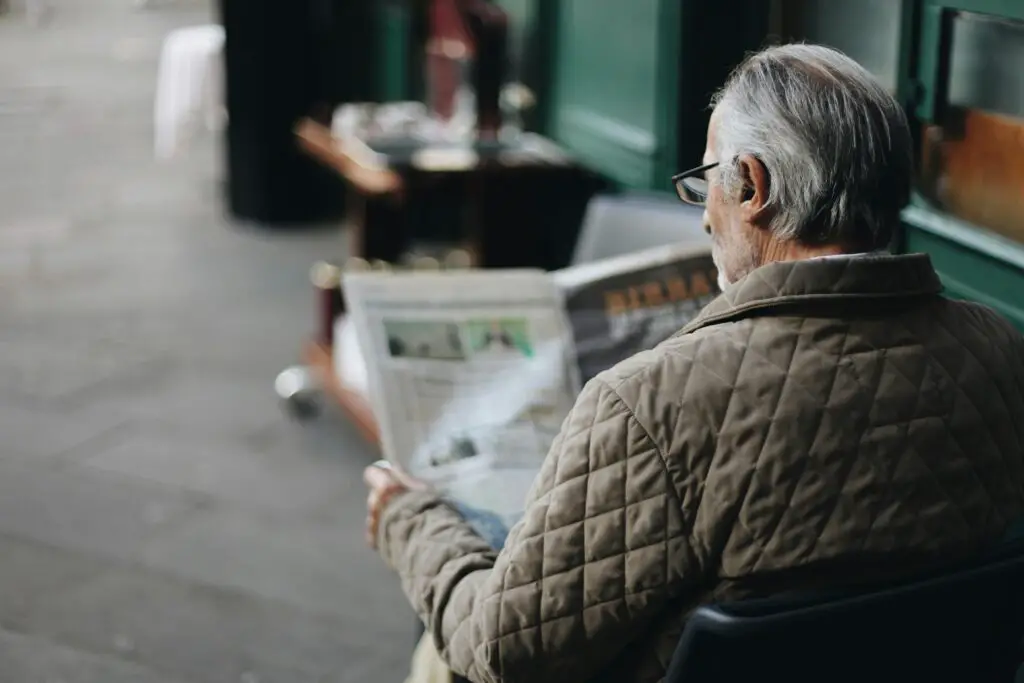
The daily newspaper was once a shared household experience. People read it over breakfast, folded it carefully, and passed sections along. Headlines shaped conversations, and the physical paper marked the start of the day. It created a pause before everything else began.
As news moved online, the ritual loosened and then disappeared. Information became constant instead of contained. The act of sitting with the paper slowly lost relevance. What remains is the news itself, without the shared moment around it.
7. Address Books and Rolodexes

People once kept physical address books filled with names, numbers, and notes. These books followed them for years, accumulating crossed out entries and updates. A Rolodex on a desk signaled organization and professionalism. Losing one felt like losing a piece of your social world.
Digital contacts replaced them with little resistance. The change was practical and efficient, so no one argued. Over time, the physical record of relationships disappeared. What remains is easier to manage, but less tangible.
8. Waiting for Photos to Be Developed

Taking photos once involved patience and uncertainty. You did not know what you had captured until days later. That delay added anticipation, and sometimes disappointment, but also surprise. Each envelope of photos felt like an event.
Digital photography removed the waiting entirely. Images became immediate and disposable. The transition happened quickly, but the emotional shift was slower. The thrill of discovery quietly faded along with the process.
9. Sending Holiday Cards to Everyone
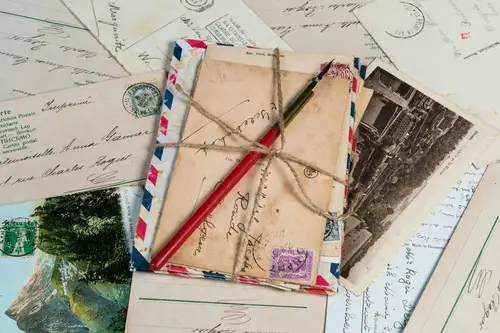
Holiday cards were once a major seasonal task. People made lists, addressed envelopes, and kept cards on display for weeks. Receiving one felt like a small affirmation that you were remembered. The cards themselves became part of the decor.
Over time, lists shortened and traditions softened. Social media greetings replaced many cards without much discussion. The practice did not end, it simply narrowed. What was once widespread became selective.
10. Using Cash for Everyday Purchases

Cash was once the default for small transactions. People carried wallets full of bills and coins and counted change without thinking. Paying in cash felt immediate and grounded. It made spending feel more tangible.
Cards and digital payments slowly took over. The transition was gradual, driven by convenience rather than preference. Now cash feels optional or even outdated in some places. The habit disappeared quietly, without resistance.
11. Leaving the TV On for Background Noise

Television once served as background company. It filled the room with familiar voices, even when no one was watching closely. Shows repeated often enough to become comforting. Silence was something to be avoided.
Streaming changed how people use television. Content became intentional instead of ambient. Many households now prefer music or quiet. The role of TV shifted without any formal decision.
12. Writing Checks Regularly
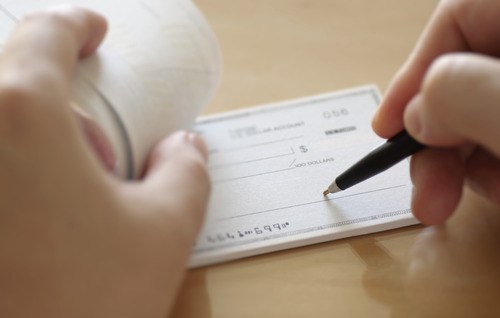
Checks were once a routine part of paying bills and handling finances. People balanced checkbooks carefully and knew their handwriting well. Writing a check felt official and deliberate. It required attention and follow through.
Electronic payments slowly replaced the process. The change felt practical, not sentimental. Over time, checks became rare rather than normal. The skill remains, but the habit faded.
13. Asking for Directions from Strangers

Getting lost once meant asking someone nearby for help. These interactions were brief but human, often friendly. Directions were described with landmarks and gestures. It was an ordinary way to interact with strangers.
GPS removed the need for those moments. Navigation became private and silent. The custom did not end abruptly, it simply became unnecessary. A small social exchange disappeared along the way.
14. Waiting by the Phone
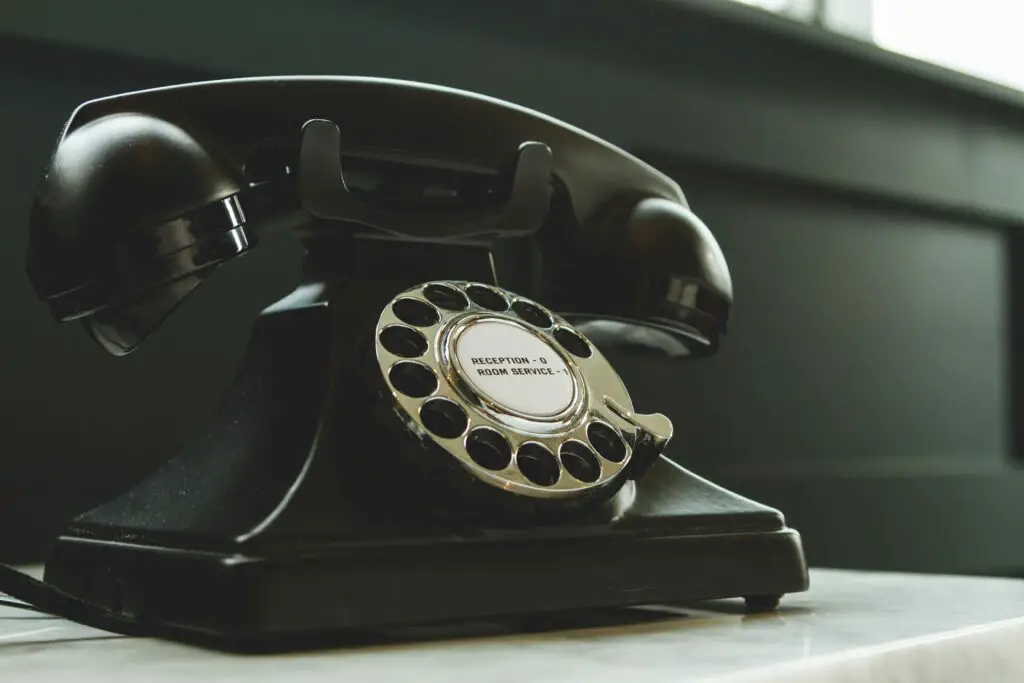
Before constant connectivity, people truly waited by the phone. Missing a call meant missing the moment entirely. The act of waiting carried hope, anxiety, and attention. It made communication feel weighty.
Voicemail, texting, and read receipts changed that dynamic. Messages no longer required perfect timing. The emotional intensity softened over time. Waiting by the phone quietly became a thing of the past.