
1. Cleopatra
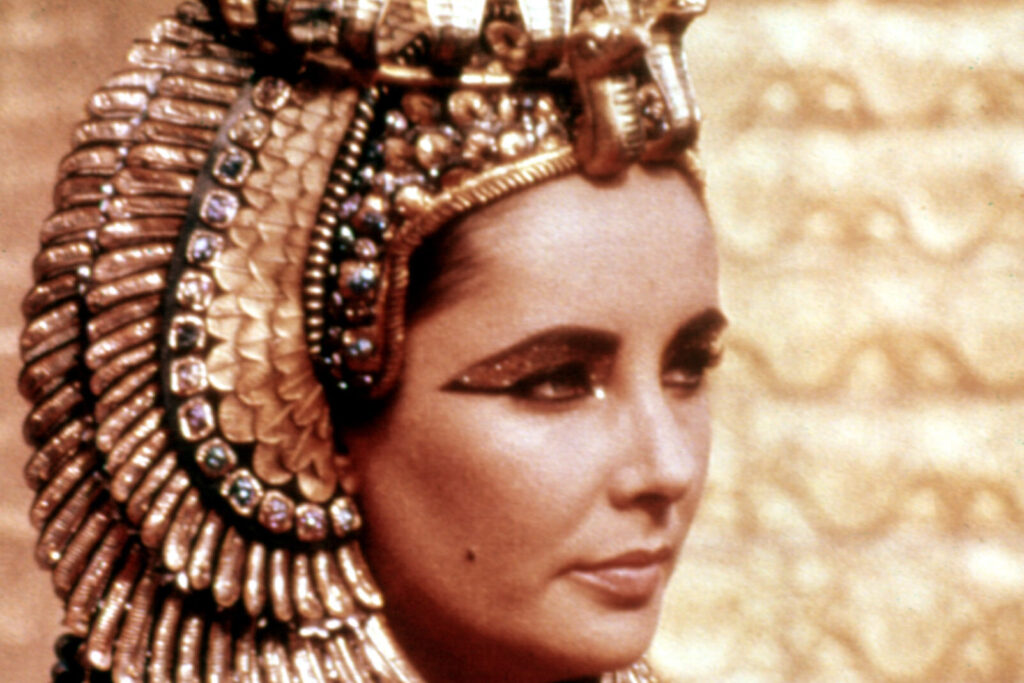
Cleopatra’s image feels firmly set in pop culture, yet much of what we think we know comes from enemies who had every reason to tear her down. Roman writers painted her as manipulative and indulgent, which conveniently justified Rome’s conquest of Egypt. Even her appearance is debated, since surviving coins and descriptions don’t fully agree. What’s clear is that she was highly educated and politically sharp, traits that get overshadowed by the legend.
Her death is just as uncertain as her life. The famous story of the asp bite is dramatic, but not medically airtight. Some historians argue poison or even a staged narrative meant to preserve her dignity. Cleopatra’s legacy survives, but the details remain frustratingly slippery.
2. King Arthur
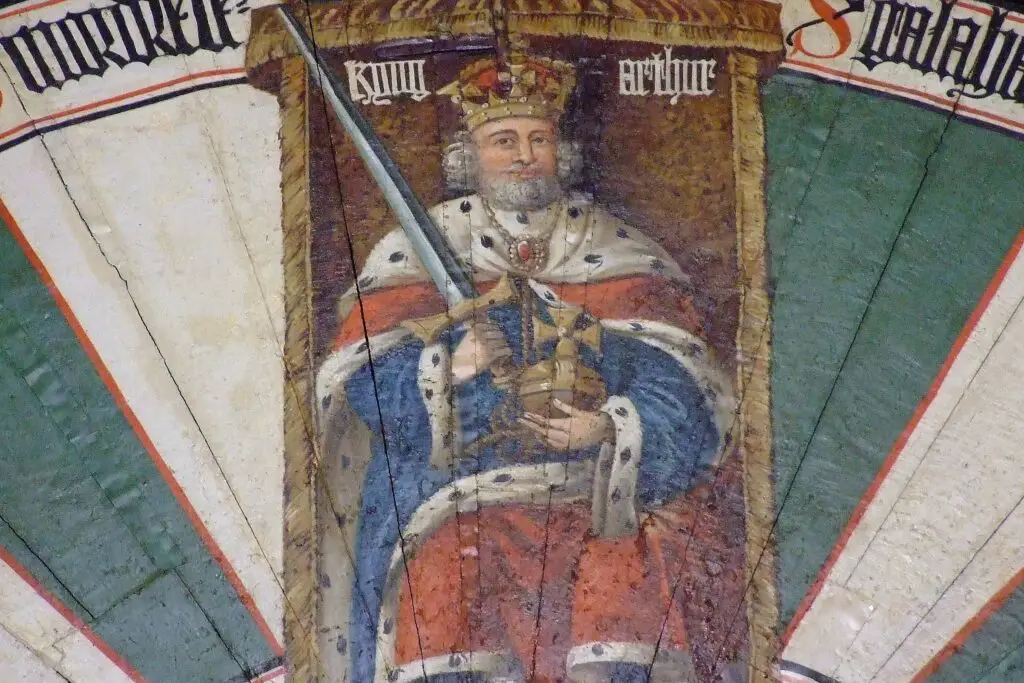
King Arthur sits at the crossroads of history and myth in a way few figures do. Some scholars argue he was a real Romano-British leader, while others say he’s entirely fictional. The earliest written accounts appear centuries after he supposedly lived. That gap leaves plenty of room for exaggeration and invention.
Even the Round Table, Excalibur, and Camelot shift depending on the source. One version contradicts the next, often within the same era. Arthur’s story survives because it adapts, not because it settles. The lack of clarity may be the very reason it endures.
3. Joan of Arc
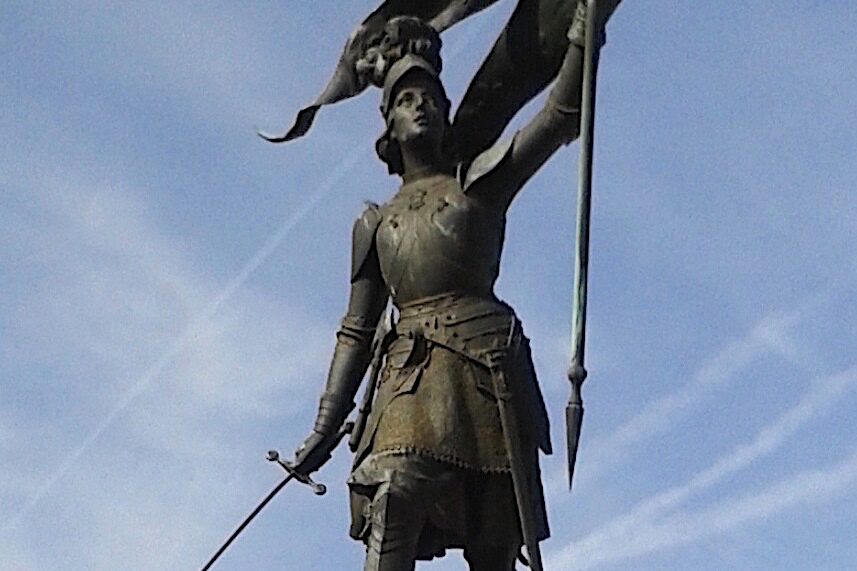
Joan of Arc’s trial records exist, yet her personal experiences remain hard to pin down. She claimed to hear divine voices, but what that truly meant is open to interpretation. Some see deep faith, others suggest political manipulation, psychological explanations, or misunderstood trauma. Each reading changes who Joan appears to be.
Her execution is well documented, but the motivations behind it remain debated. Was she primarily a religious threat, a political symbol, or simply inconvenient? Even her later rehabilitation complicates the picture. Joan’s story is solid on paper but hazy in meaning.
4. William Shakespeare
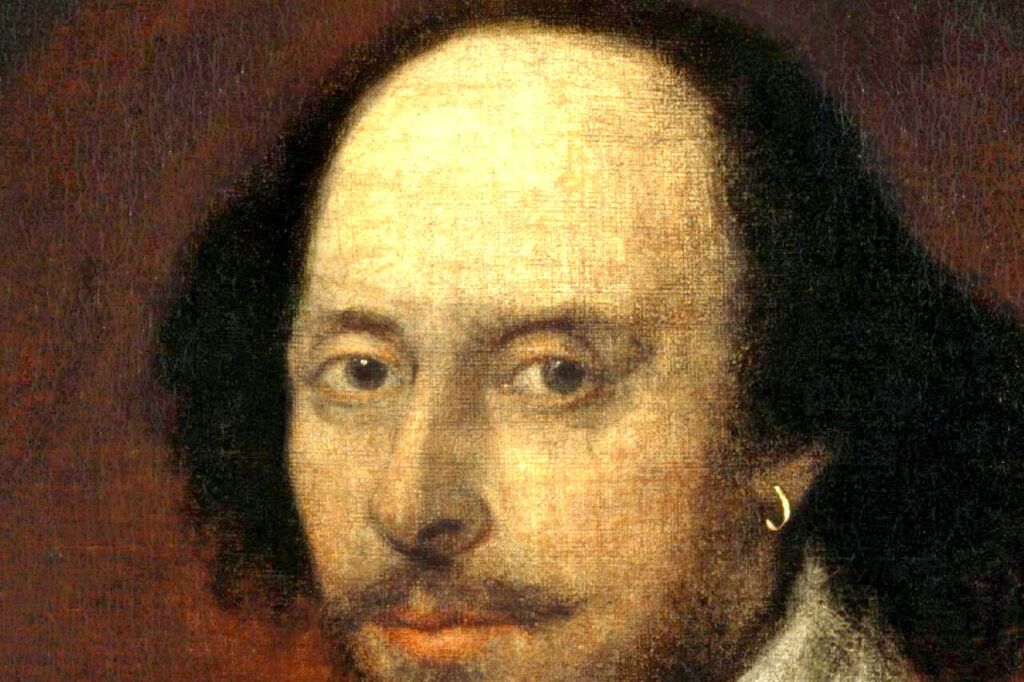
Shakespeare’s works are undisputed, but the man himself remains oddly elusive. There are few personal records, and those that exist are mostly legal or financial. This lack of detail fuels endless speculation about his education, beliefs, and even authorship. Some theories stretch credibility, but the questions persist.
What’s strange is how little we know about someone who shaped the English language so profoundly. His plays reveal insight into politics, psychology, and human nature. Yet his personal voice is missing. Shakespeare survives as a presence without a clear portrait.
5. Robin Hood
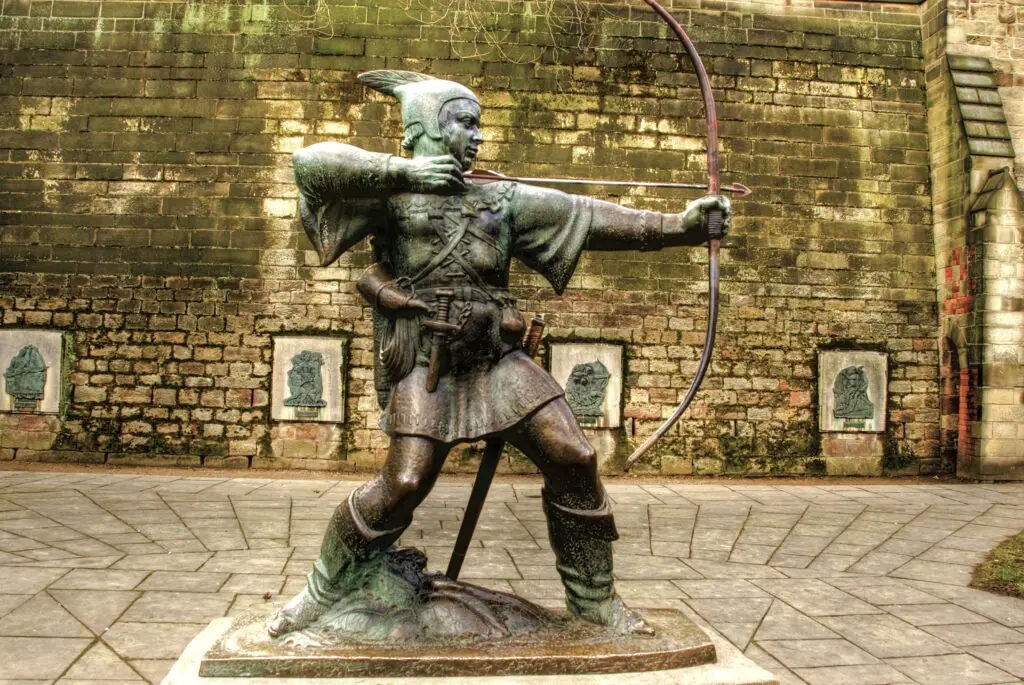
Robin Hood feels timeless, but pinning him down historically is nearly impossible. Early ballads describe wildly different versions of the character. Sometimes he’s a nobleman, sometimes a yeoman, and sometimes a full outlaw with no backstory. The setting shifts just as often.
Even his motivations change depending on the telling. Was he resisting tyranny, helping the poor, or simply living outside the law? Historians have linked him to multiple real figures, but none fully fit. Robin Hood exists in pieces that never quite assemble.
6. Alexander the Great
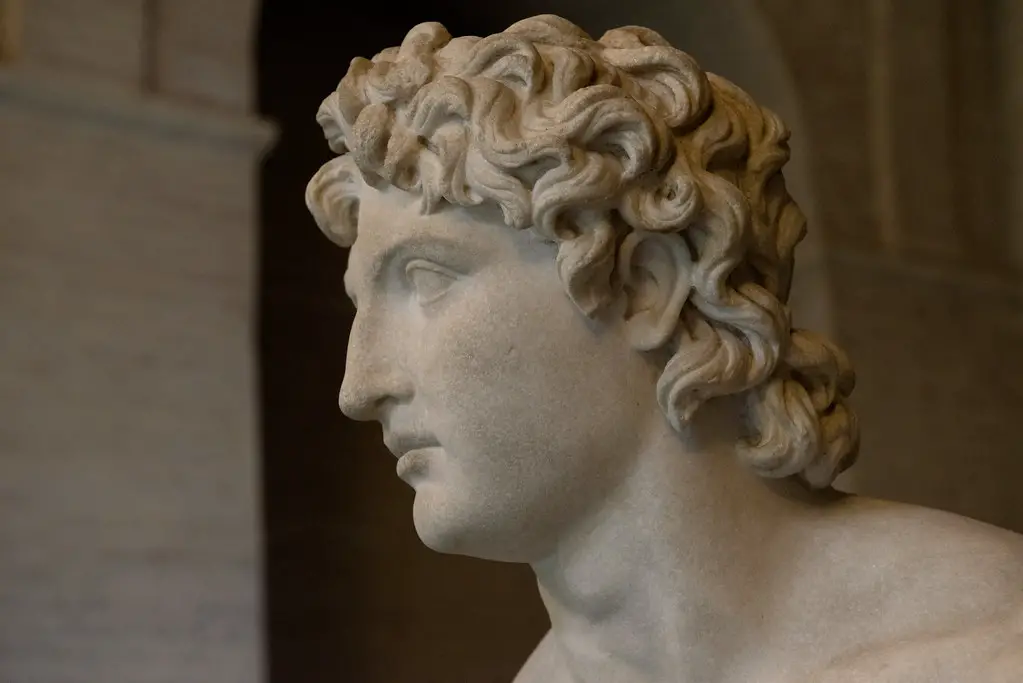
Alexander’s military achievements are undeniable, but his personal story is full of gaps and contradictions. Ancient historians often wrote with admiration or resentment, rarely neutrality. Accounts of his temperament swing between enlightened ruler and violent tyrant. Both versions draw from selective evidence.
Even his cause of death is debated. Illness, poisoning, and complications from old wounds have all been proposed. The truth likely lies somewhere in between. Alexander’s legend grew faster than reliable recordkeeping could keep up.
7. Vlad the Impaler
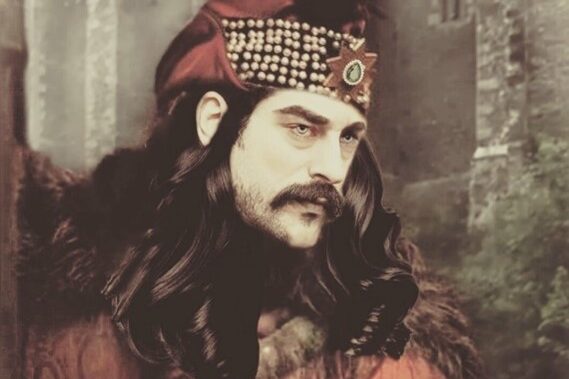
Vlad the Impaler’s reputation is split between national hero and brutal monster. Romanian sources emphasize his resistance against invading forces. Western accounts focus almost entirely on his cruelty. Both narratives serve political purposes.
The truth likely includes elements of both. Medieval warfare was violent, but Vlad’s punishments were unusually theatrical. Later stories exaggerated those acts into horror. By the time Dracula entered the conversation, reality had already blurred.
8. Pocahontas
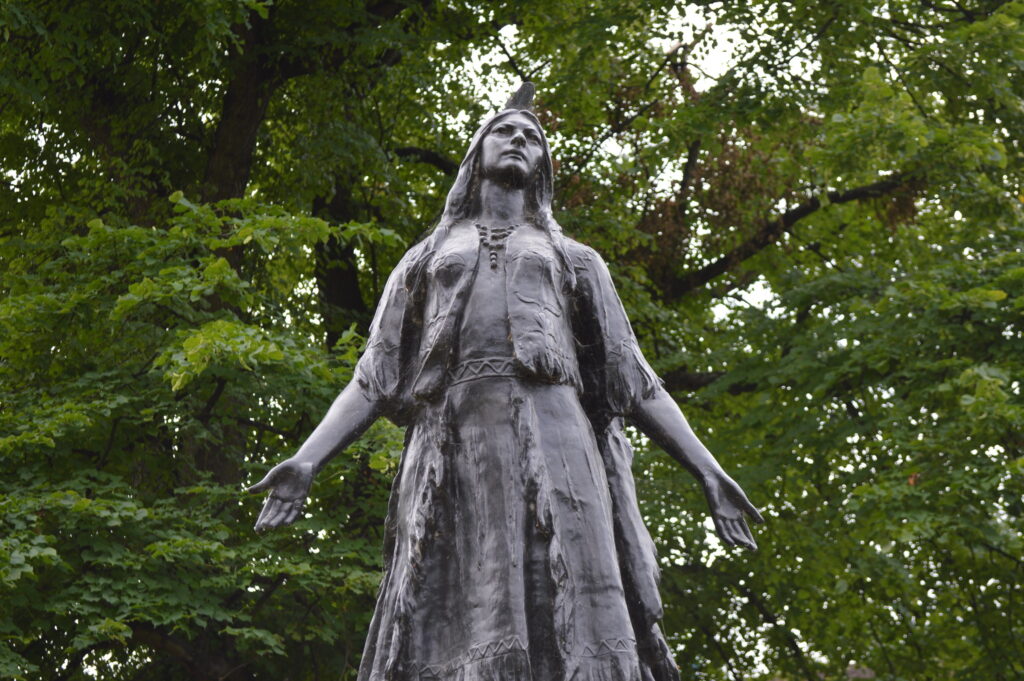
Pocahontas is often remembered through a romanticized lens that doesn’t match historical records. She was very young during her interactions with English settlers. Later accounts smoothed uncomfortable details into a palatable story. Those retellings became dominant.
Her marriage, conversion, and trip to England were real, but the motivations behind them remain unclear. Some see diplomacy, others coercion. Pocahontas lived between cultures that recorded her life very differently. The result is a story full of silences.
9. Nero
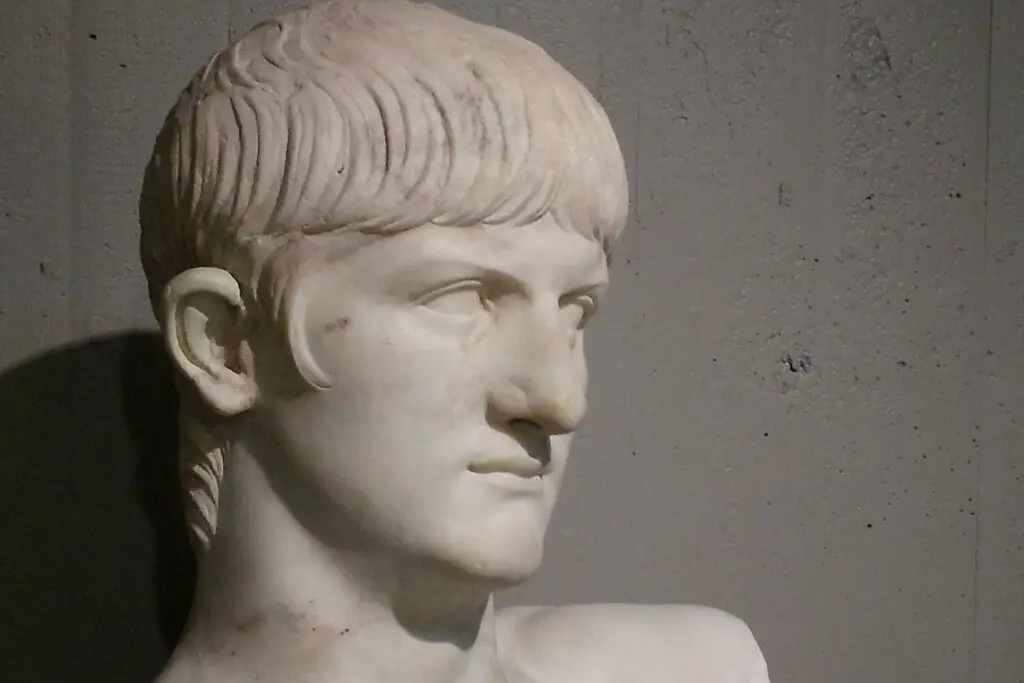
Nero’s name has become shorthand for excess and cruelty. Much of what we know comes from historians who despised him. Their accounts highlight scandals while downplaying any competent governance. That imbalance complicates modern reassessment.
The Great Fire of Rome is a prime example. He was blamed almost immediately, yet evidence is inconclusive. Some reports even suggest he helped organize relief efforts. Nero may have been deeply flawed, but the full picture remains distorted.
10. Blackbeard
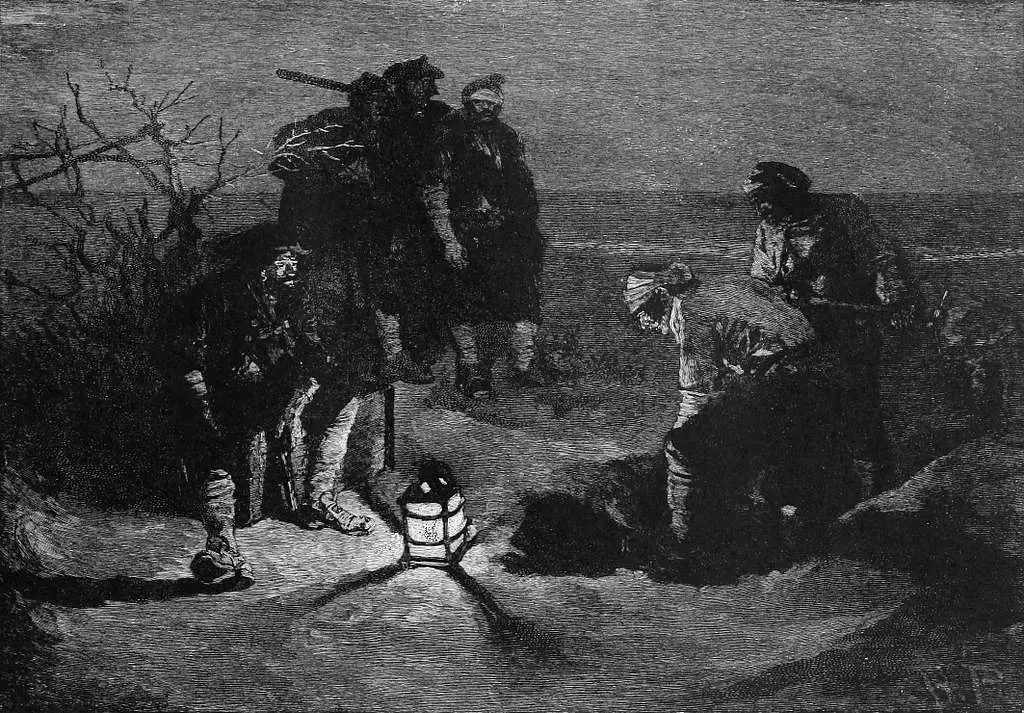
Blackbeard carefully cultivated his terrifying image, which makes separating fact from performance difficult. Contemporary accounts describe smoke, fire, and theatrical intimidation. That doesn’t necessarily mean the violence matched the legend. His reputation did much of the work.
Records of his actual crimes are surprisingly thin. He may have relied more on fear than bloodshed. His death was dramatic, cementing the myth. What remains is a character partly written by the man himself.
11. Rasputin
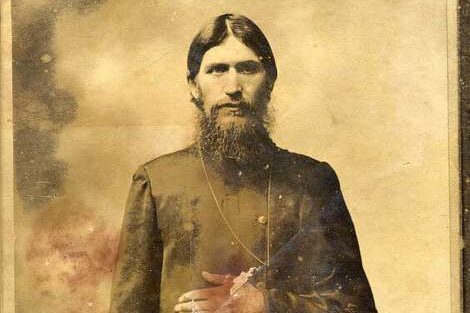
Rasputin’s rise to power defies simple explanation. Some saw him as a holy man, others as a manipulator exploiting royal desperation. His influence over the Russian court remains difficult to measure. Stories often exaggerate his control.
Even his death has been mythologized beyond recognition. Poison, gunshots, drowning, and supernatural endurance all appear in later retellings. The truth is likely less cinematic. Rasputin became larger than life before he was gone.
12. Davy Crockett
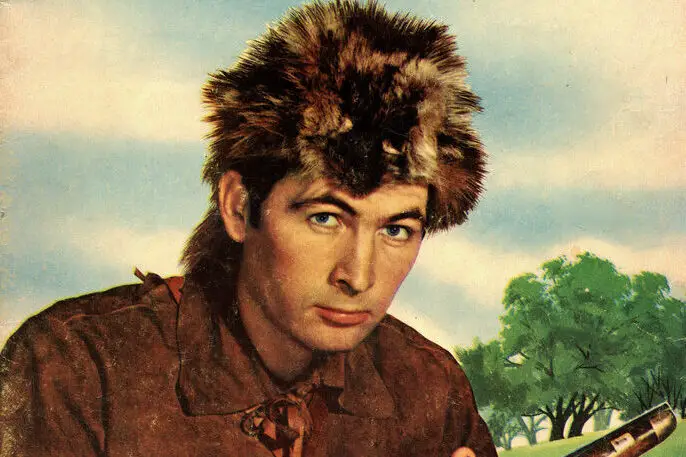
Davy Crockett actively shaped his own legend through speeches and writings. He knew the value of storytelling in building a public image. That self-promotion complicates efforts to verify events. His frontier persona was carefully managed.
His death at the Alamo is still debated. Some accounts say he died fighting, others suggest capture and execution. Eyewitness testimony conflicts sharply. Crockett remains both a man and a myth, never fully separating into one or the other.