
1. Everyone Showing Up Exactly When Dinner Was Ready

Dinner time was treated like a fixed appointment, even if no one ever said it out loud. You could be halfway through a show or finishing homework, but somehow everyone knew when it was time. There was no announcement, just the quiet understanding that plates would be filled and chairs would be claimed. Being late felt strange, like breaking an invisible rule.
Families didn’t debate whether dinner was optional, it simply happened. The table became the one place everyone gathered, even if conversation was minimal. It reinforced the idea that this was shared time, not something to squeeze in later. No one called it tradition, but it absolutely was.
2. Kids Waiting for Adults to Start Eating

Children often sat staring at their plates until a parent took the first bite. Nobody explained why, it was just how things worked. Starting early felt almost rude, even if the food was getting cold. You learned the rule by watching, not by being told.
This habit quietly reinforced respect and patience. It also made meals feel structured, like there was a proper order to things. Over time, it became automatic and unquestioned. Many people carried this habit into adulthood without realizing it came from childhood dinners.
3. Certain Topics Being Off Limits at the Table
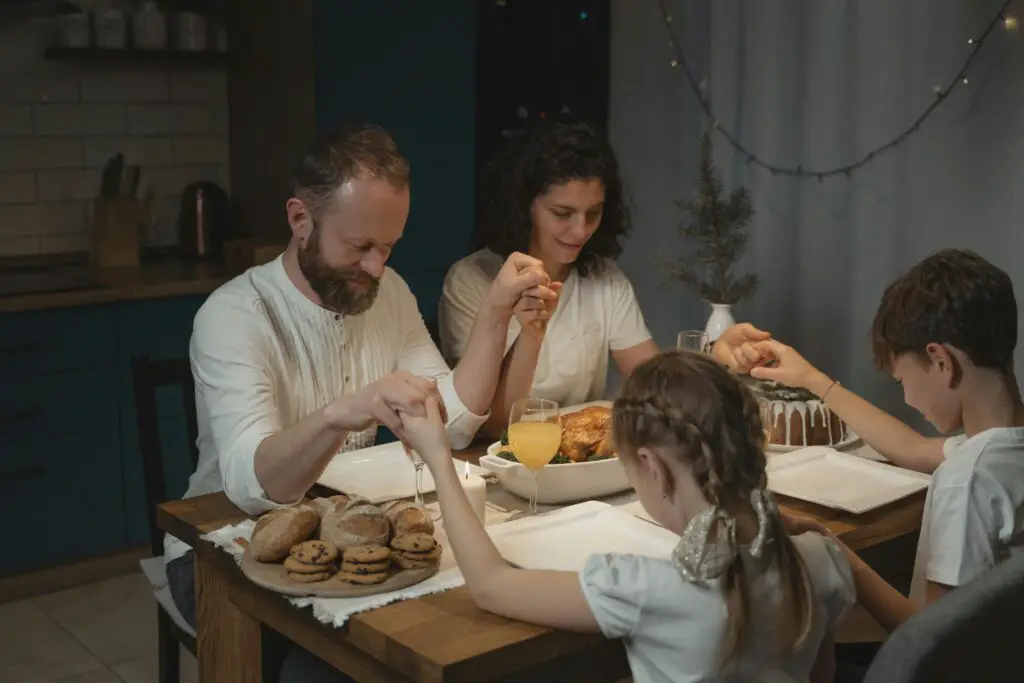
Some subjects were simply not discussed during meals, and no one needed to spell them out. Money, arguments, and bad news were saved for later. Dinner was meant to stay calm, even if the day hadn’t been. You learned quickly which conversations caused the room to tighten.
This created a kind of emotional boundary around meals. The table became a neutral zone where everyone could breathe. It also taught kids how to read a room without explicit instructions. Silence on certain topics spoke louder than any rule.
4. Sunday Feeling Different From Every Other Day

Sundays had their own rhythm, even in families without strict religious routines. Mornings were slower, clothes were a little nicer, and the day felt quieter. Nobody announced that Sunday was special, but everyone behaved like it was. Errands felt wrong, and loud energy seemed out of place.
The day often revolved around family meals or simple routines. It was understood that Sunday wasn’t for rushing or starting big projects. This unspoken pause shaped how people viewed rest. It made the week feel like it had a natural reset point.
5. Kids Automatically Helping Without Being Asked
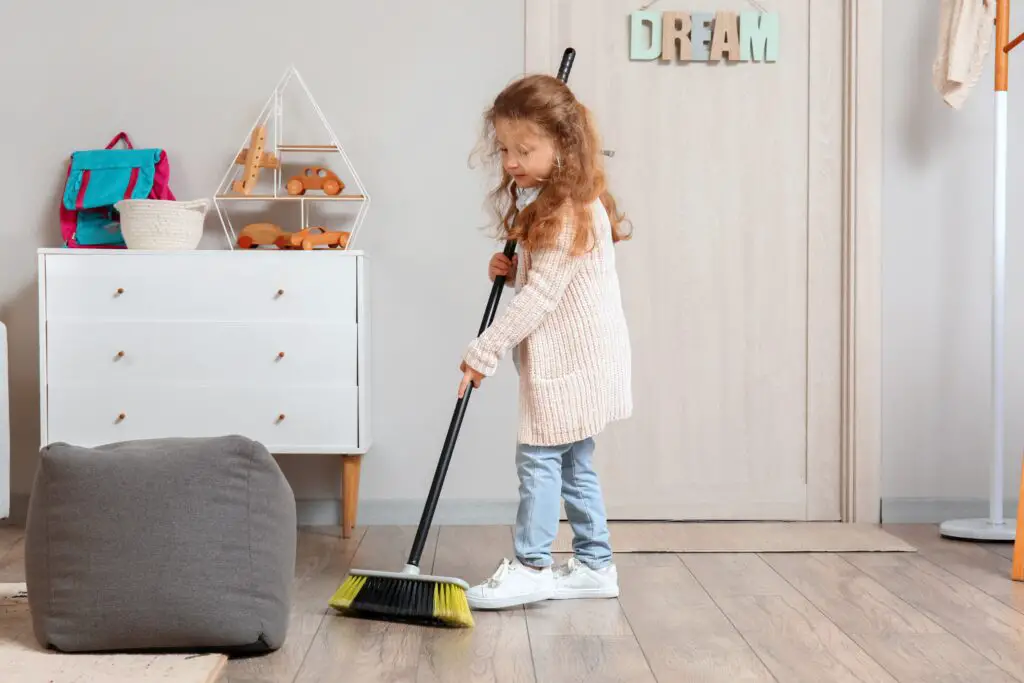
At a certain age, kids just knew when to clear plates or carry groceries. Parents didn’t always ask, and kids didn’t always question it. You watched older siblings or cousins and followed their lead. Helping out became part of belonging.
This habit quietly taught responsibility without lectures. It also showed kids where they fit into the family system. Doing your part felt normal, not praiseworthy. The expectation was shared effort, not reward.
6. Guests Being Treated Better Than Anyone Else

When company came over, everything changed slightly. The good snacks came out, voices softened, and everyone behaved a little better. Kids knew to be polite without needing reminders. Guests were given the best seats and first pick of food.
This habit taught hospitality through action, not explanation. It showed kids how to make others feel welcome. The shift in behavior was subtle but consistent. Even short visits carried this quiet sense of importance.
7. Bedtime Routines That Never Varied

Even without strict schedules, bedtime followed a familiar pattern. Certain shows ended the evening, lights went off in the same order, and doors were checked without discussion. Deviating from the routine felt unsettling. Everyone just knew what came next.
These routines created a sense of safety and predictability. They also helped signal when the day was truly over. No one labeled it a ritual, but it functioned like one. Years later, many people still crave similar routines before sleep.
8. Older Relatives Automatically Getting the Best Seat
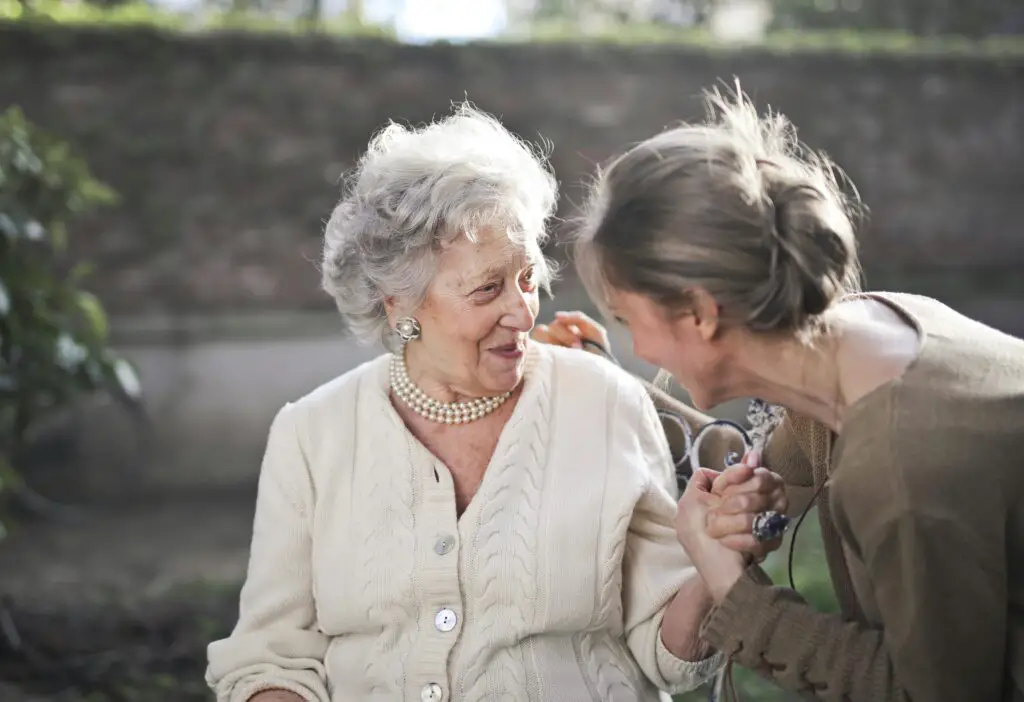
Grandparents or older relatives often claimed the most comfortable chair without question. No one challenged it, and no explanation was offered. It was simply understood that they deserved it. Kids adjusted without complaint.
This habit quietly reinforced respect for age. It also showed how hierarchy worked within the family. The gesture was small but symbolic. Comfort was offered as a form of appreciation.
9. Certain Holidays Being Taken Very Seriously

Some holidays were non negotiable, even if others were skipped entirely. Decorations appeared, meals followed tradition, and attendance was expected. No one debated why these days mattered more. You just knew which ones counted.
These habits shaped how kids understood celebration and obligation. Missing a major holiday felt unthinkable. The seriousness was conveyed through consistency, not explanation. Over time, those days carried emotional weight.
10. Finishing What Was on Your Plate

Leaving food behind was quietly discouraged, even without direct comments. You learned to judge portions carefully. Wasting food felt wrong, not just careless. The message was absorbed through repetition.
This habit often came from earlier generations who valued thrift. It taught awareness and restraint at a young age. While not always healthy, it was deeply ingrained. Many adults still hear echoes of this rule at dinner.
11. Everyone Watching the Same Shows Together

Certain programs became shared family experiences by default. The TV was tuned without discussion, and everyone gathered in the same room. Missing an episode felt like missing out on a group moment. It wasn’t framed as bonding, but it was.
These shared viewing habits created common reference points. Quotes and jokes carried over into daily life. The routine fostered connection without effort. It made entertainment feel communal instead of individual.
12. Keeping Family Matters Inside the House

Problems were handled privately, even when things felt tense. You learned not to share certain details with outsiders. Loyalty was implied, not explained. Family issues stayed within family walls.
This habit taught discretion and protection. It also shaped how people understood trust. While not always healthy, it was deeply rooted. Silence became a form of unity.