
1. Adults Do Not Always Have the Answers
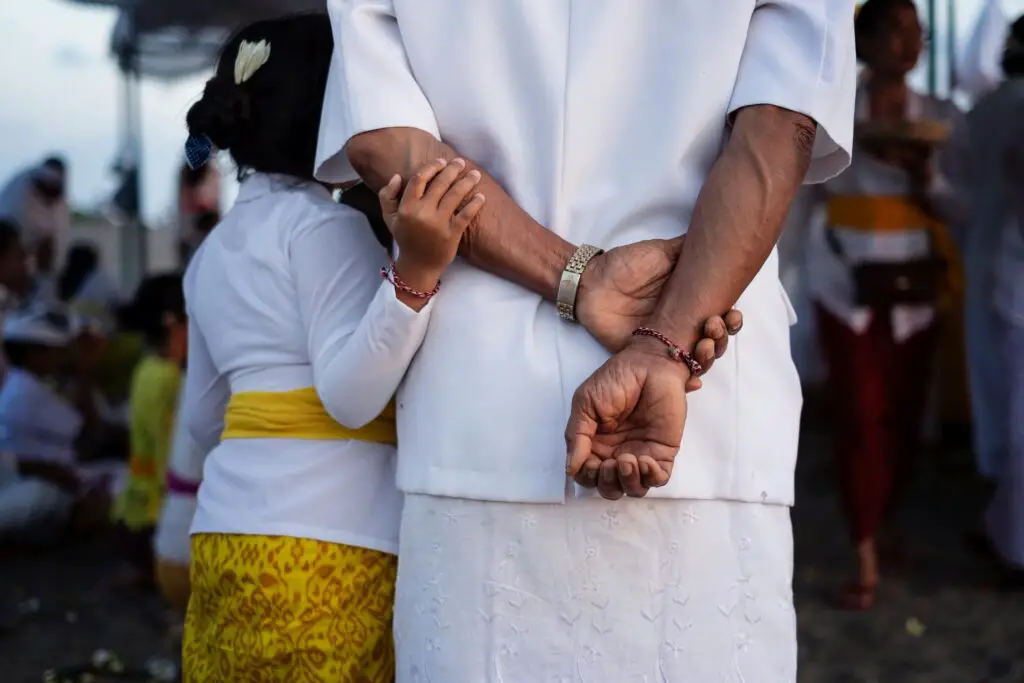
As kids, we assume grown-ups know exactly what they are doing. Teachers, parents, and neighbors all seem confident and sure, even when they are clearly guessing. Over time, small cracks show up, like conflicting advice or rules that change depending on the situation. That is often the first hint that adulthood is not a manual anyone actually receives.
Eventually, kids realize everyone is figuring things out in real time. Mistakes are not a failure of adulthood, they are part of it. That realization can feel unsettling at first, but it is also freeing. It means perfection was never the standard. It also means kids are allowed to learn by doing, just like everyone else.
2. Fair Is Not the Same as Equal
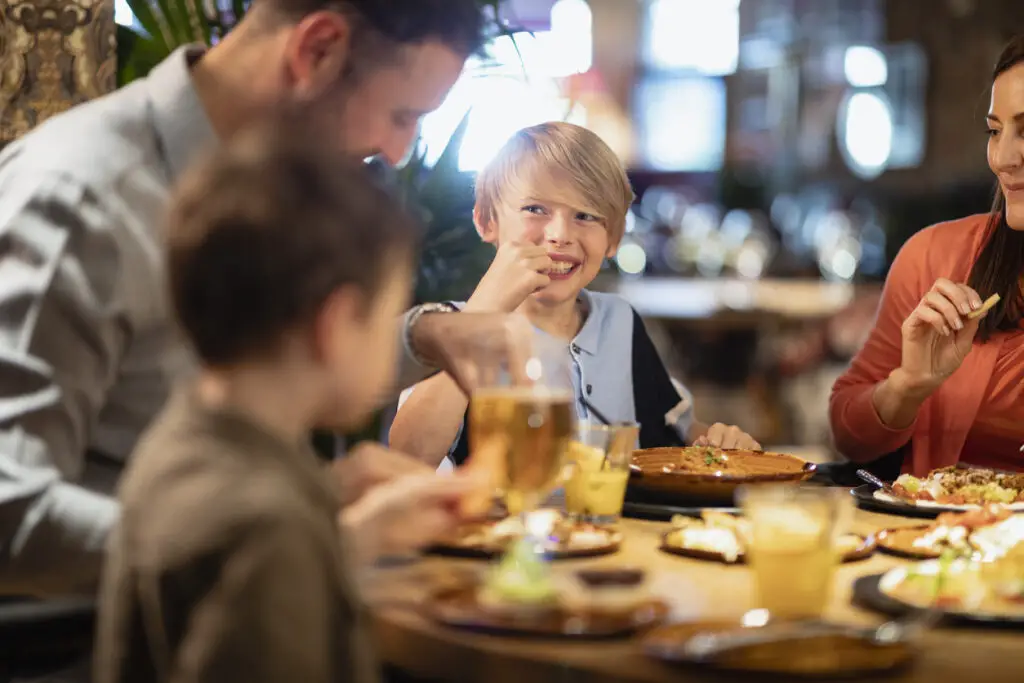
Kids often hear that things should be fair, and they usually imagine that means identical. When one sibling gets something different, it can feel deeply wrong. Over time, life quietly shows them that fairness depends on circumstances, not symmetry. Different needs call for different responses.
This lesson shows up in school, friendships, and family dynamics. One person might need extra help, while another needs space. Kids slowly understand that fairness is about balance, not sameness. It is an idea that sticks with them long after childhood arguments fade.
3. Boredom Is Not a Bad Thing

At first, boredom feels like something to escape at all costs. Kids complain about it loudly and often, convinced it is a problem that needs fixing. But boredom has a strange way of inviting imagination when no one rushes in to solve it. Left alone, kids invent games, stories, and entire worlds.
Without realizing it, they learn how to entertain themselves. Boredom becomes the doorway to creativity and self direction. That quiet skill carries into adulthood, even if they forget where it started. It is one of the earliest lessons in resourcefulness.
4. You Cannot Be Friends With Everyone
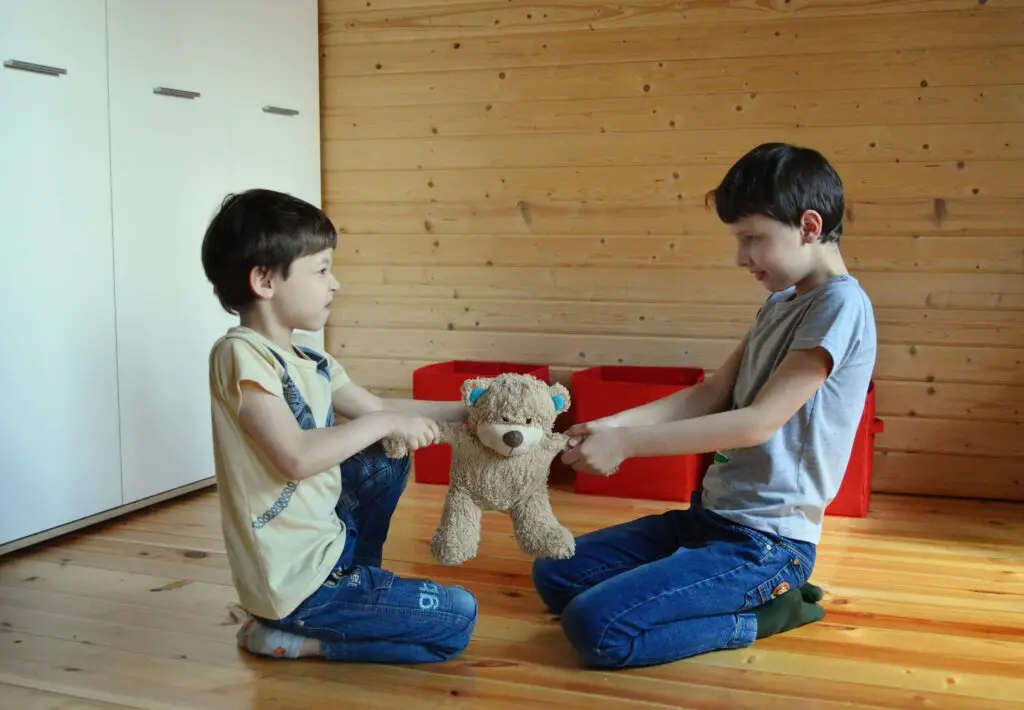
Early friendships often come with the idea that everyone should get along. When conflicts arise, kids can feel confused or hurt by rejection. Over time, patterns emerge, and personalities clash in ways no apology can fix. Not everyone fits together naturally.
This lesson teaches kids to stop forcing connections that do not feel right. They learn that some relationships are meant to be brief or distant. Letting go does not always mean something went wrong. Sometimes it just means people are different.
5. Actions Matter More Than Apologies
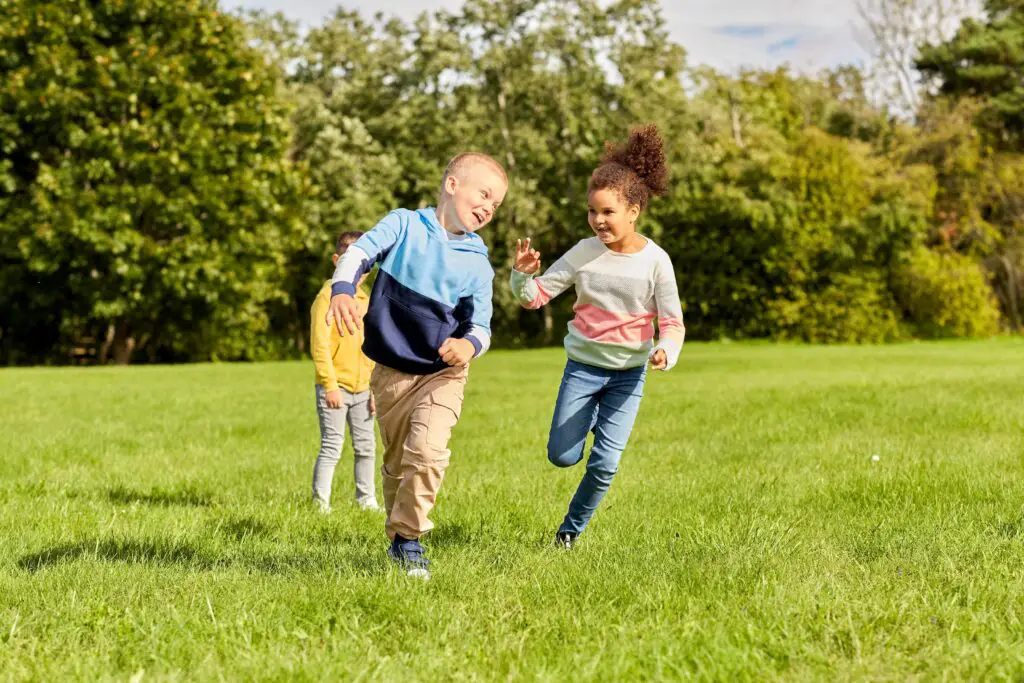
Kids hear a lot of apologies growing up, some sincere and some clearly not. Over time, they notice which ones lead to real change and which ones do not. Words lose their weight when behavior stays the same. Patterns tell the real story.
Without being taught directly, kids learn to watch what people do. Trust becomes tied to consistency, not promises. This lesson shapes how they evaluate relationships later on. It also teaches them accountability in their own actions.
6. Hard Work Does Not Always Equal Immediate Rewards

Kids are often told that effort pays off, and sometimes it does. Other times, they try their hardest and still come up short. That disconnect can feel confusing and unfair. It is often their first encounter with delayed gratification.
Slowly, they learn that progress is not always visible right away. Skills take time to develop, even when effort is real. The reward might come later or in an unexpected form. That understanding helps them build patience.
7. Being Quiet Can Be Powerful
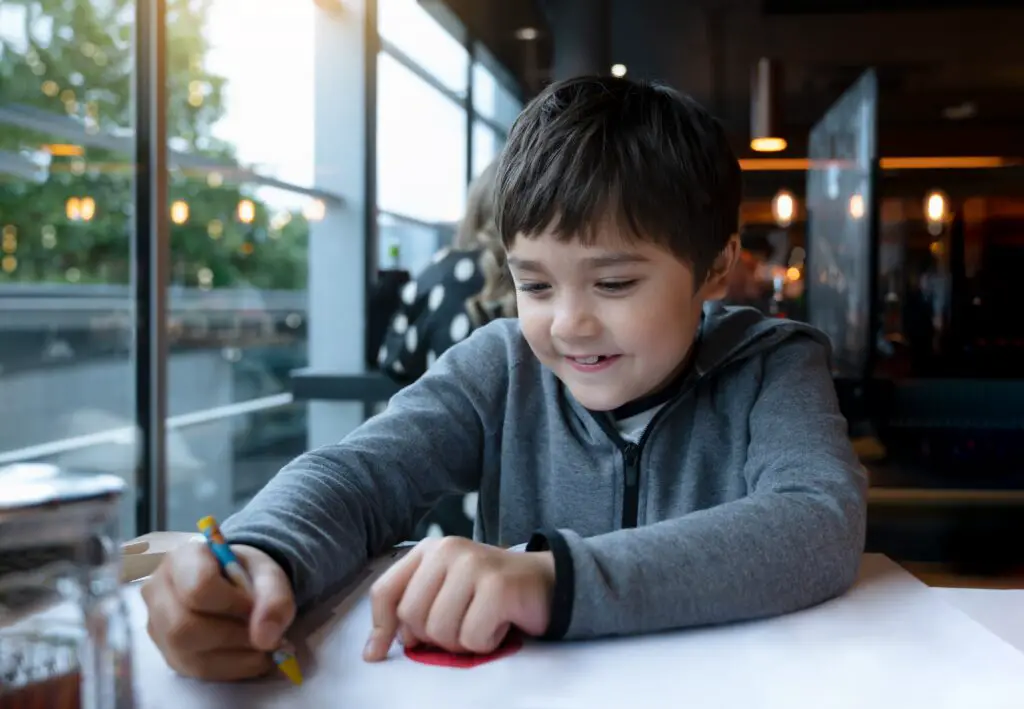
Many kids are encouraged to speak up, but they also notice the strength in listening. Quiet kids often observe more than they say. They pick up on tone, mood, and unspoken rules. Silence becomes a form of awareness.
This lesson teaches them that presence does not always require volume. Listening can create trust and understanding. It also shows them that confidence does not have a single shape. Quiet strength has its own kind of influence.
8. Grown Ups Get Nervous Too
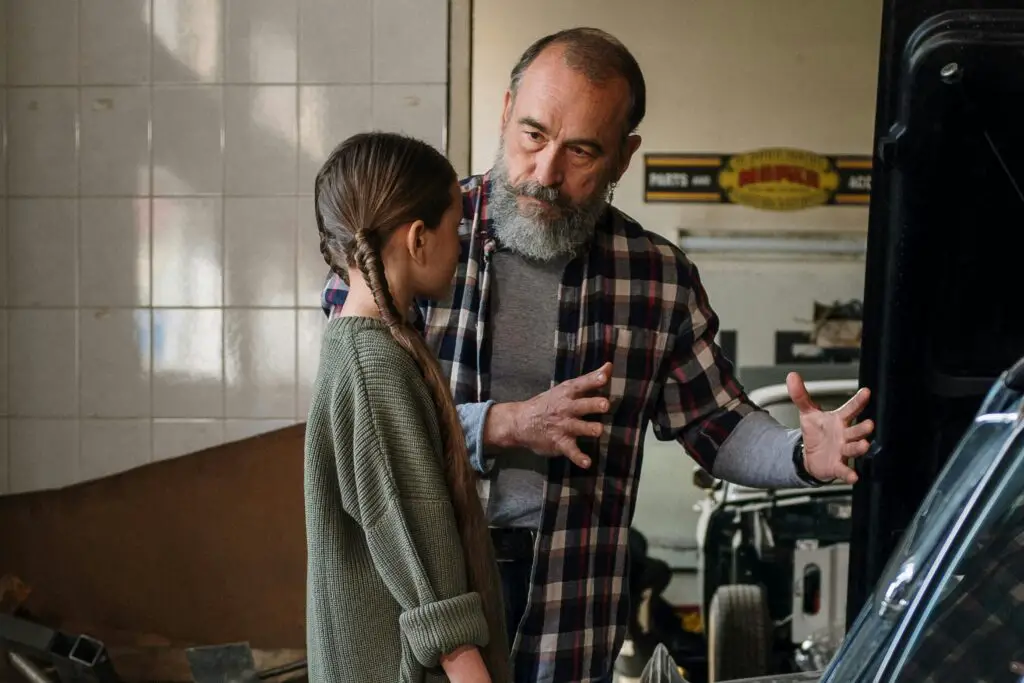
Kids often think fear disappears with age. Adults seem calm during big moments, even when they are clearly tense. Over time, kids notice shaky hands, forced smiles, and deep breaths. Anxiety is not exclusive to childhood.
This realization makes fear feel less embarrassing. Nervousness becomes something shared rather than something to hide. Kids learn that bravery is not the absence of fear. It is showing up anyway.
9. Saying No Is a Skill

At first, kids are used to being told no, not saying it. As they grow, situations arise where they are uncomfortable or overwhelmed. Saying yes feels easier in the moment. Later, they feel the cost of that choice.
Slowly, they learn that boundaries matter. Saying no protects time, energy, and well being. It is not rude, it is necessary. That lesson often starts quietly and sticks for life.
10. People Remember How You Made Them Feel

Kids may forget exact words or events, but emotions linger. They notice which adults made them feel safe and which ones did not. Tone, patience, and kindness leave lasting impressions. Those memories shape their understanding of trust.
This lesson teaches empathy without spelling it out. Kids begin to understand the impact of their own behavior. How you treat people matters more than what you say. That awareness grows stronger with time.
11. Rules Sometimes Exist for Reasons You Cannot See Yet
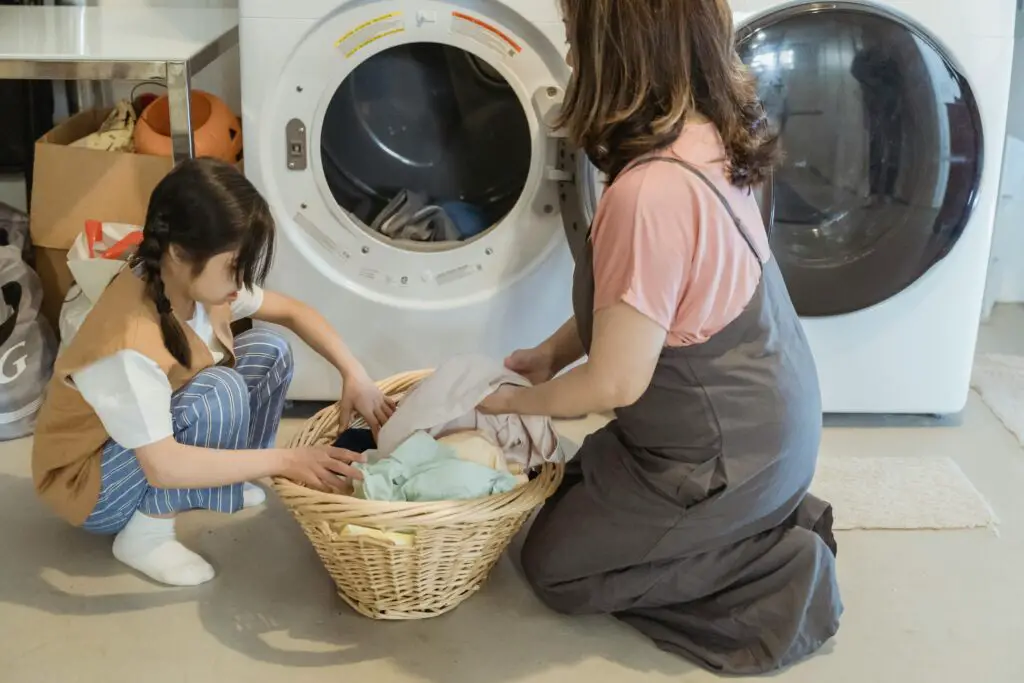
Rules often feel arbitrary to kids. Bedtimes, curfews, and limitations seem unfair in the moment. Over time, they begin to notice patterns tied to safety and well being. What once felt restrictive starts to make sense.
This lesson teaches perspective. Not every explanation is immediate or satisfying. Understanding often comes later, after experience fills in the gaps. Kids learn that patience can change perception.
12. Failure Is Not Permanent

Early failures can feel huge to kids. A bad grade or lost game seems like a defining moment. Over time, new chances arrive and old mistakes fade. Life keeps moving forward.
Kids learn that failure is temporary. It becomes a moment, not an identity. That understanding builds resilience without needing a speech. It teaches them to try again.
13. Kindness Is Often Quiet
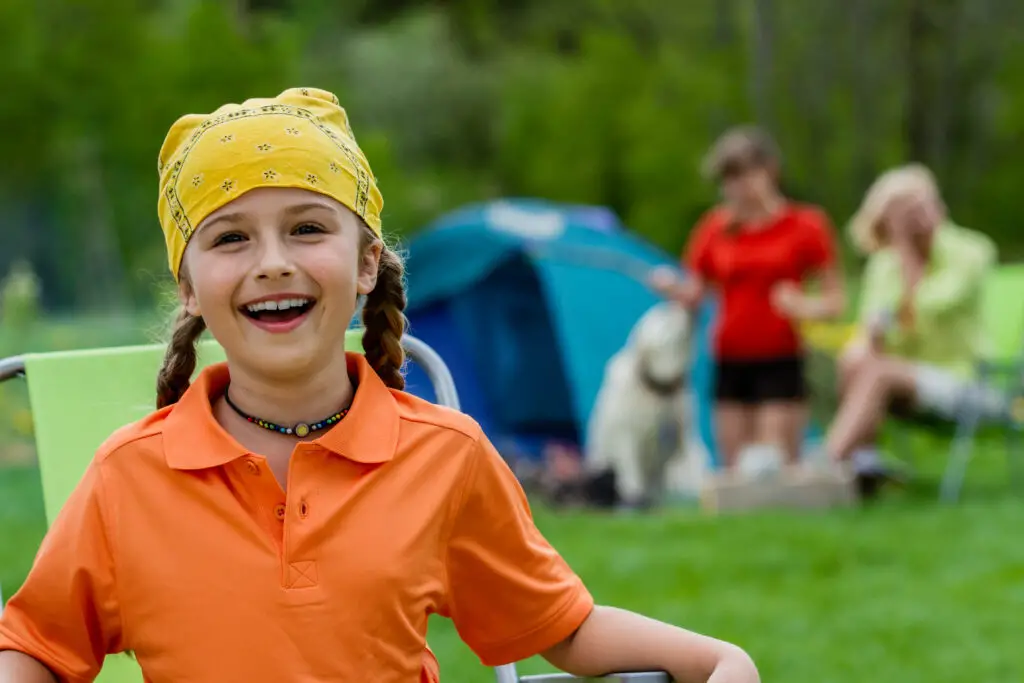
Big gestures get attention, but kids notice small acts too. A shared snack, a defended classmate, a gentle word all leave an impression. Kindness does not always announce itself. It often slips by unnoticed.
This lesson teaches humility. Doing good does not require recognition. Kids learn that kindness has value even when no one applauds. That idea shapes character.
14. You Can Feel More Than One Thing at Once
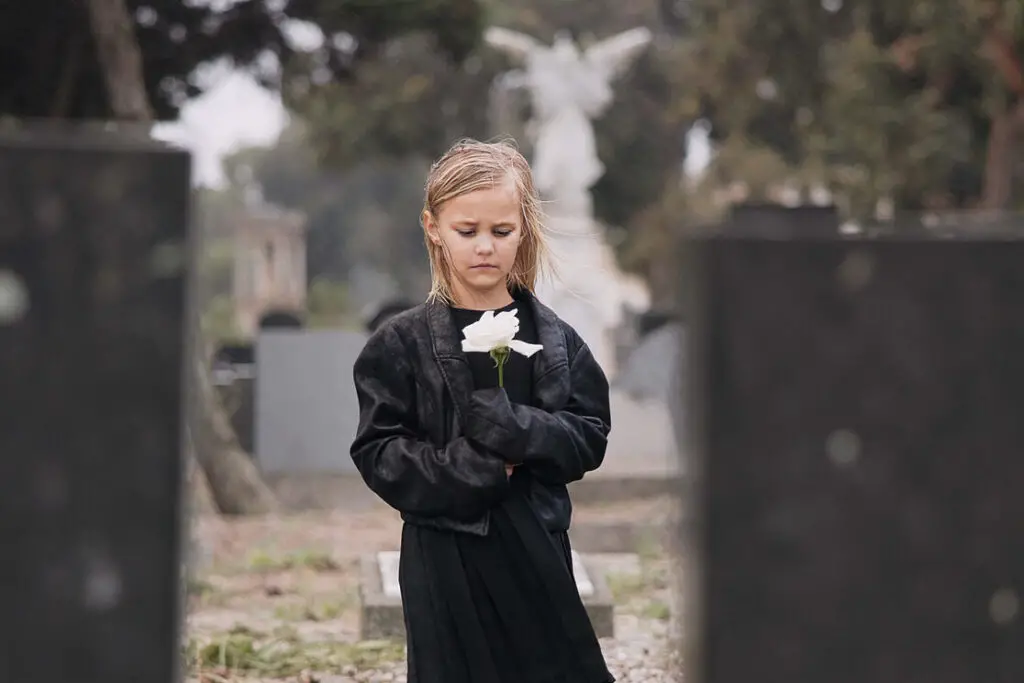
Kids often think emotions should be singular. Happy or sad, excited or scared. Life introduces moments that are layered and confusing. Graduations, moves, and goodbyes carry mixed feelings.
This lesson teaches emotional complexity. Kids learn that conflicting emotions can coexist. Feeling more than one thing does not mean something is wrong. It means the moment matters.
15. Trust Is Built Slowly
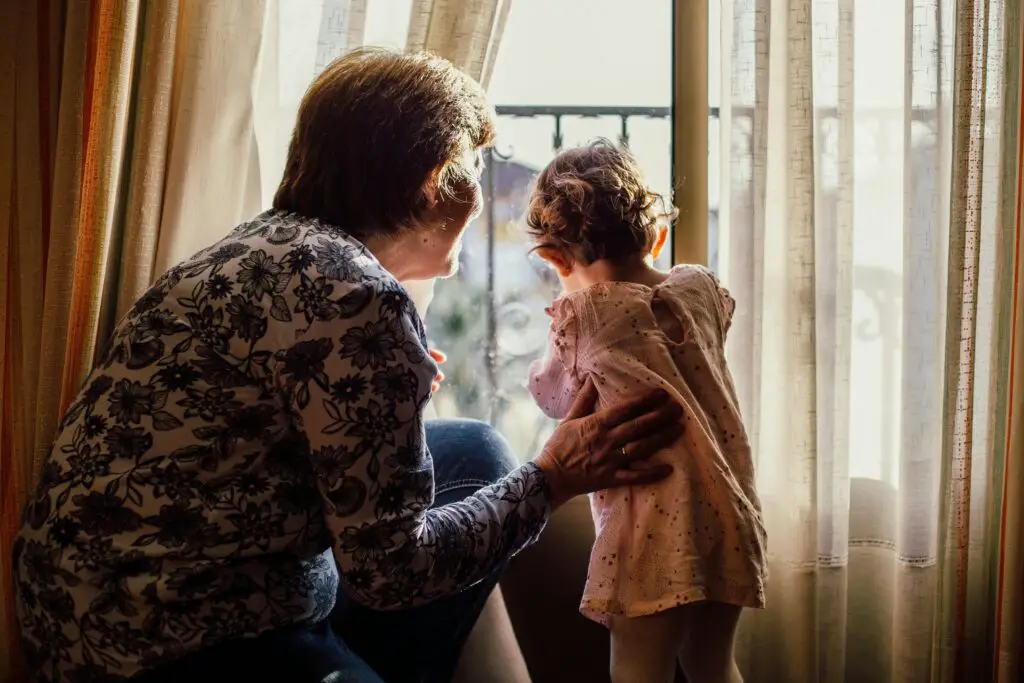
Kids learn trust through repetition. Promises kept and patterns repeated create a sense of safety. One big gesture rarely outweighs consistent behavior. Reliability becomes the foundation.
This lesson teaches patience in relationships. Trust grows over time, not overnight. Kids learn to notice who shows up consistently. That awareness guides future connections.
16. You Are Allowed to Change

Kids often feel pressure to stay the same. Labels stick easily in childhood. Over time, interests shift and personalities evolve. Change becomes inevitable.
This lesson teaches self permission. Growing does not mean betraying who you were. It means responding to who you are becoming. That realization is quietly empowering.