
1. Ketchup Soup
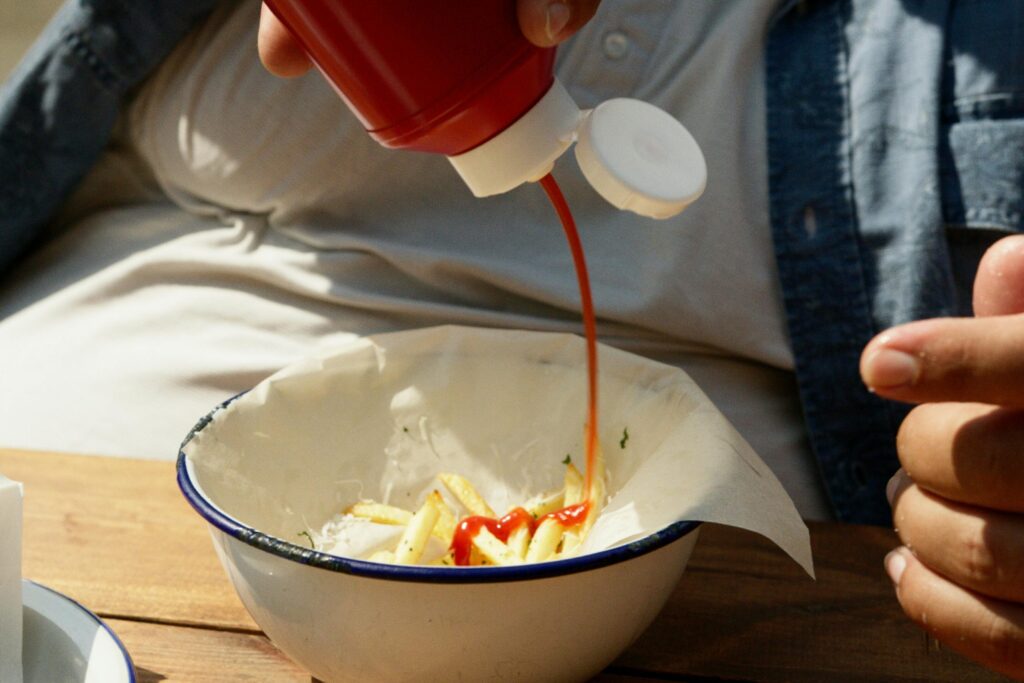
This was the kind of meal that appeared when there was technically food in the house, just not real food. A few packets of ketchup, water, and maybe a dash of pepper went into a pot and somehow became dinner. Kids knew it wasn’t soup in any traditional sense, but it was warm and that counted for something. Parents framed it as “creative” even though everyone knew it was survival. It smelled vaguely comforting and slightly alarming at the same time. Bread was optional but highly prized.
What made it memorable was how seriously it was served, often in real bowls with real spoons. Everyone pretended it was intentional, like it had a recipe. Years later, the memory still brings a mix of humor and tenderness. It wasn’t good, but it kept everyone fed for one more night.
2. Buttered Noodles
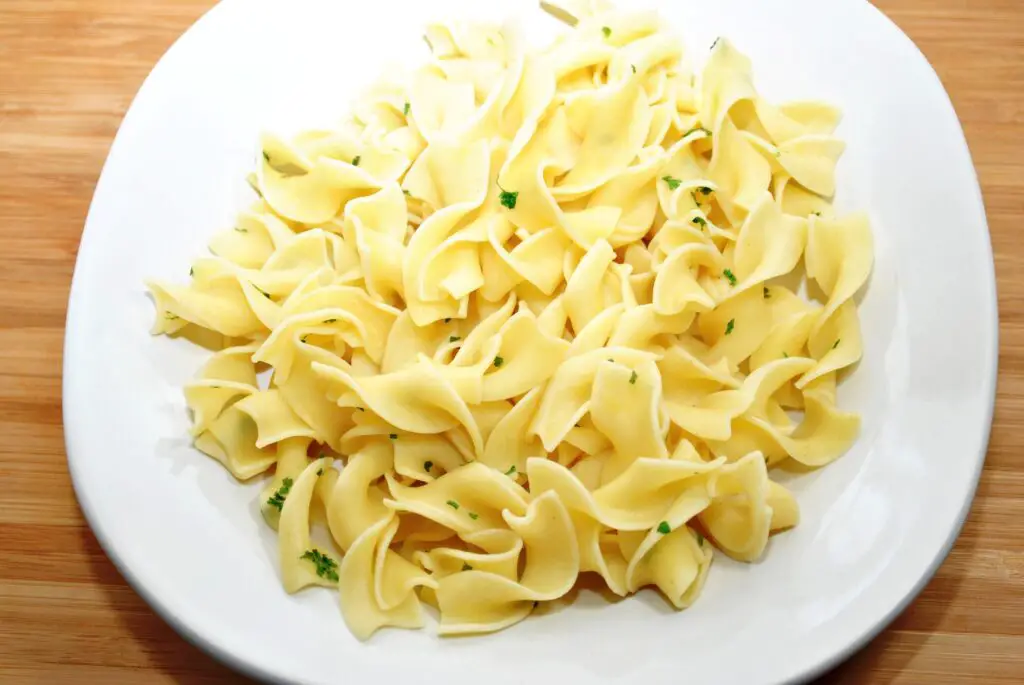
When the pantry was bare, noodles became the default plan. Pasta was cheap, filling, and forgiving, even without sauce. A little butter melted over the top made it feel like a complete dish. Salt and pepper were the only seasonings most nights. It was plain but dependable.
Families leaned into the simplicity and rarely complained out loud. It filled stomachs and left leftovers for lunch the next day. Some kids grew up thinking this was a perfectly normal dinner. Even now, buttered noodles can feel oddly comforting.
3. Hot Dog Coins and Rice
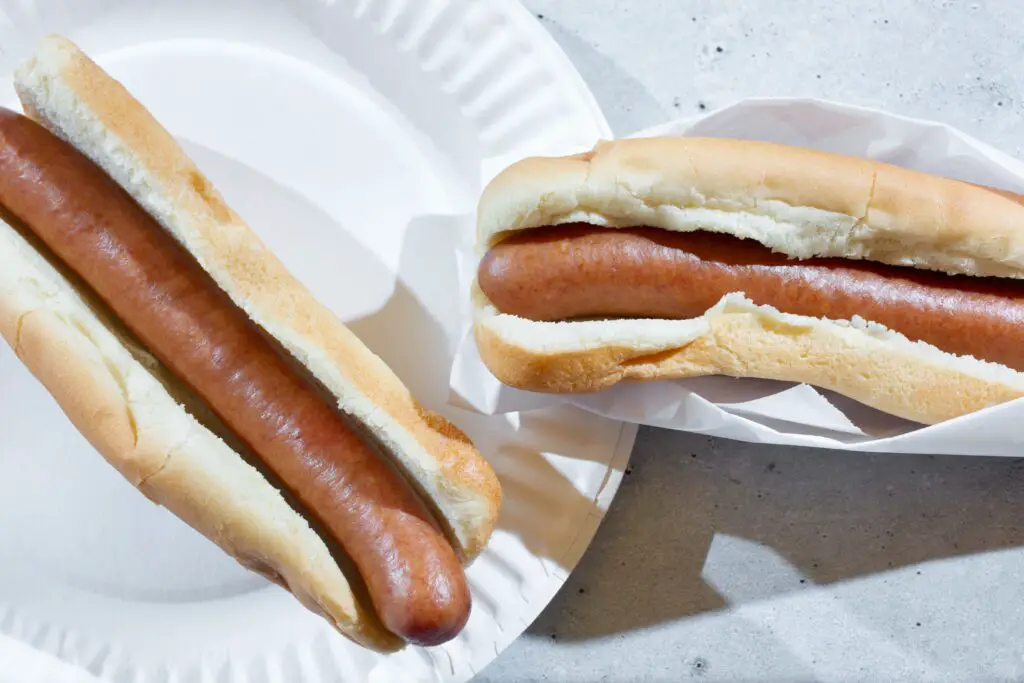
This meal stretched one package of hot dogs as far as it could go. Sliced thin, each hot dog suddenly looked like more food. Rice filled the plate and absorbed whatever flavor it could. Soy sauce or ketchup usually tied it all together.
It was never fancy, but it felt filling in a way that mattered. Parents praised how far the meal went, and kids learned not to ask for seconds. It showed how small adjustments could make food last. For many families, it was a repeat performance.
4. Breakfast for Dinner
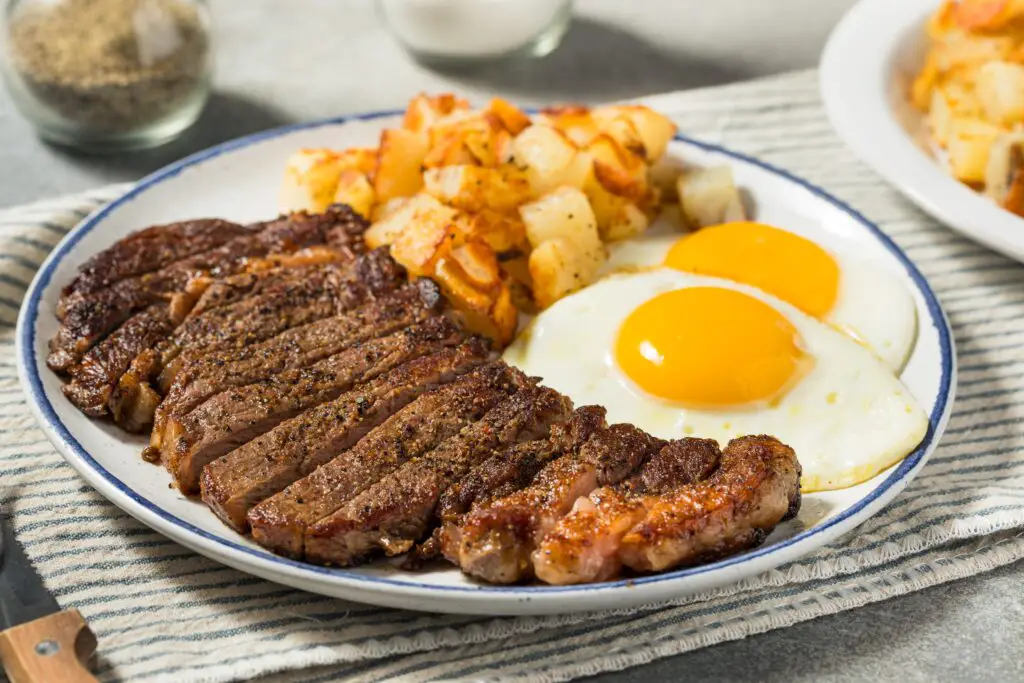
When groceries ran low, breakfast foods stepped in to save the day. Eggs, toast, and pancakes were cheaper than most dinners. It felt like a treat even though everyone knew why it was happening. Syrup made things feel festive.
This meal worked because it distracted from the lack of options. Kids rarely complained about breakfast foods at night. It created a sense of fun during stressful weeks. Sometimes it became the most requested meal later on.
5. Grilled Cheese Without the Extras
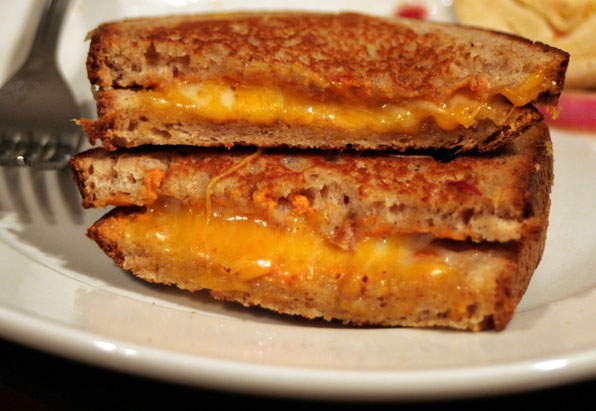
This was grilled cheese in its most basic form. White bread, one slice of cheese, and a pan were all it took. Tomato soup was a luxury, not a guarantee. The sandwich still felt like comfort food.
Families made these quietly, knowing it was a fallback meal. It filled the kitchen with a familiar smell that helped calm nerves. Even with the simplest ingredients, it felt like care on a plate. Some nights, that was enough.
6. Potato Anything
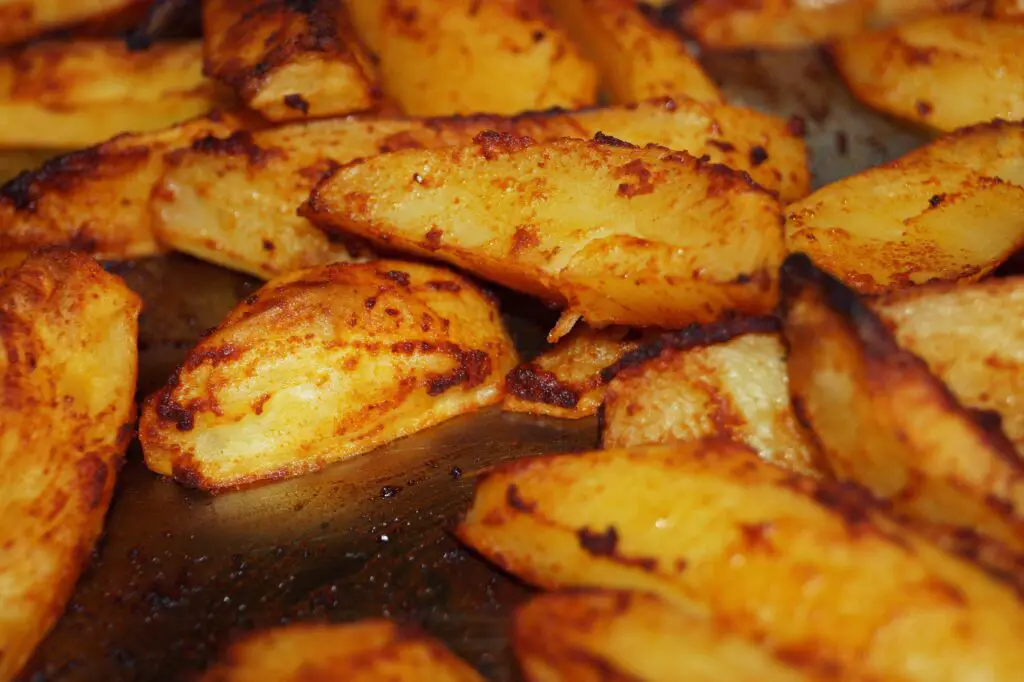
When potatoes were around, they became everything. Baked, boiled, or mashed, they showed up night after night. A little butter or salt made them passable. Sometimes they stood alone as the whole meal.
Potatoes were cheap and filling, which made them dependable. Families trusted them to carry everyone through lean weeks. No one pretended they were exciting. They were there to do a job.
7. Rice with Whatever Was Left

This meal depended entirely on scraps. A spoonful of beans, a stray vegetable, or a bit of meat got mixed into rice. Each bowl looked slightly different. Everyone got what there was.
It taught kids to eat what was in front of them. Rice stretched tiny portions into something that felt complete. Parents didn’t call it a struggle meal, but everyone understood. It was resourcefulness in action.
8. Fried Bologna Sandwiches
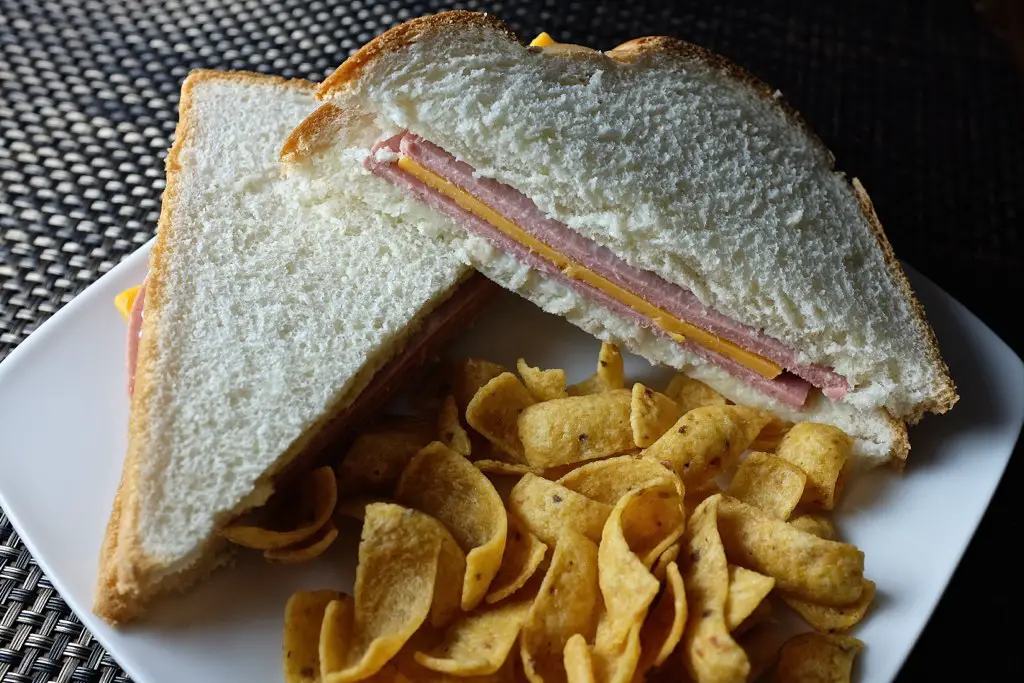
Bologna went from lunch meat to dinner star when money ran out. Fried in a pan, it felt more substantial. Bread and mustard made it feel like a real sandwich. It was salty, greasy, and oddly satisfying.
This meal showed how presentation mattered. Cooking the bologna changed how it felt. Kids often loved it more than expected. It became one of those meals remembered fondly later.
9. Soup Made from Freezer Odds and Ends
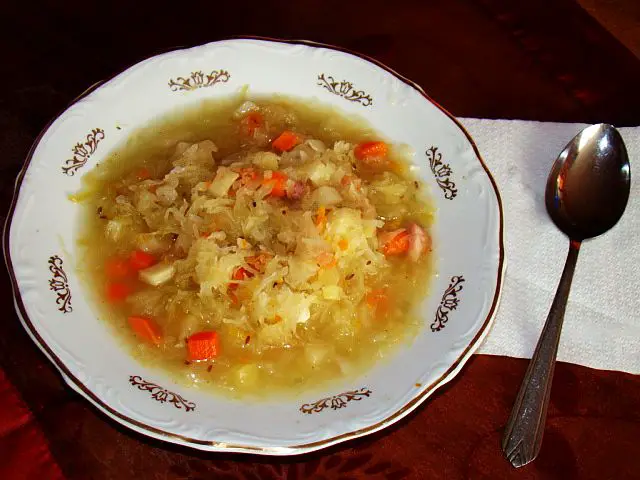
This soup never had a recipe. Frozen vegetables, broth cubes, and leftovers all went into one pot. It simmered until it smelled like something cohesive. No two batches were ever the same.
Families relied on this meal when groceries were scattered. It used up what needed to be eaten. Everyone hoped it would turn out okay. Most of the time, it did.
10. Peanut Butter Toast Plates
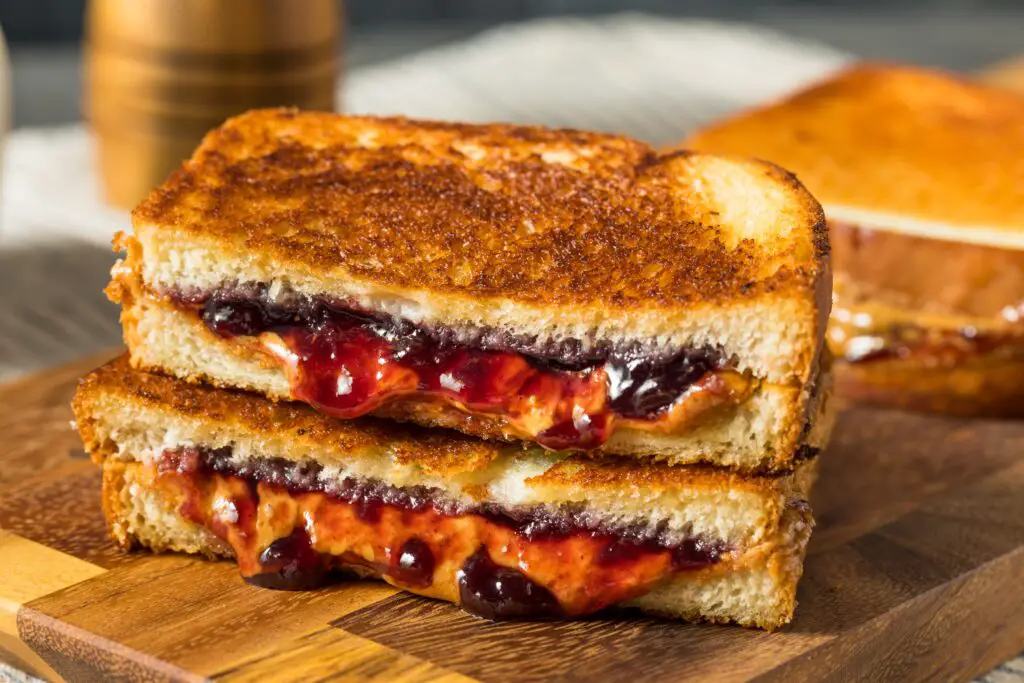
When dinner plans collapsed, peanut butter stepped in. Toast covered in peanut butter felt filling enough to count. Sometimes jelly was involved, sometimes not. Milk made it feel balanced.
This meal walked the line between snack and dinner. Parents framed it as simple, not lacking. Kids usually accepted it without protest. It was fast, cheap, and dependable.
11. Canned Beans and Bread
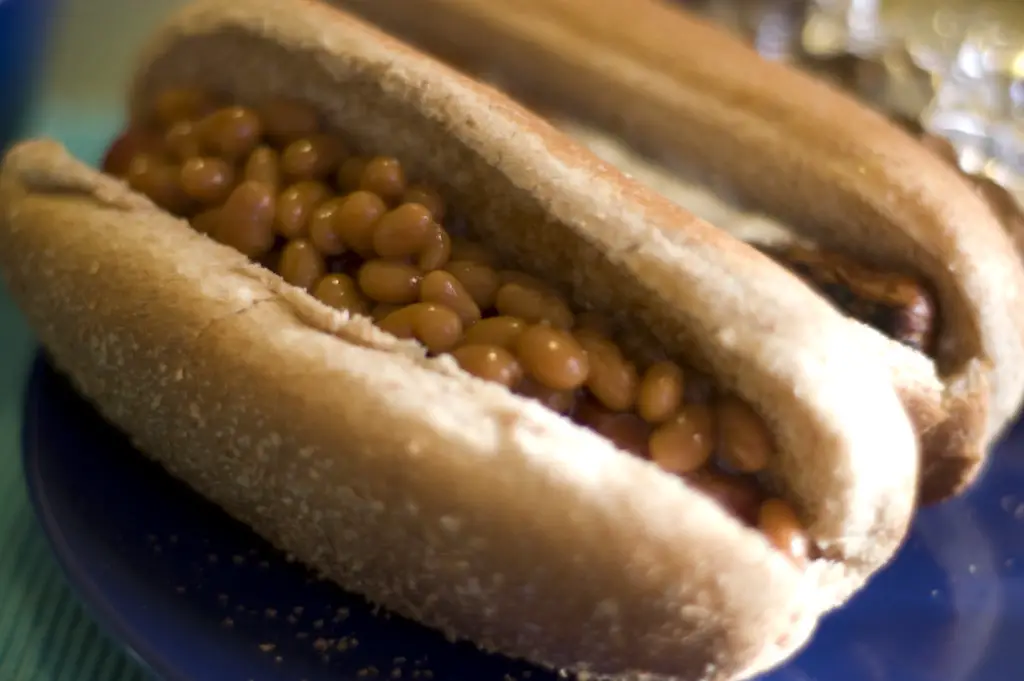
Canned beans became the main dish more often than anyone admitted. Heated on the stove and paired with bread, they made a full plate. Salt and pepper did most of the work. It wasn’t exciting, but it worked.
This meal leaned heavily on pantry staples. Families appreciated how far it stretched. It kept hunger at bay without much effort. Sometimes practicality mattered more than taste.
12. Ramen with Add-Ins
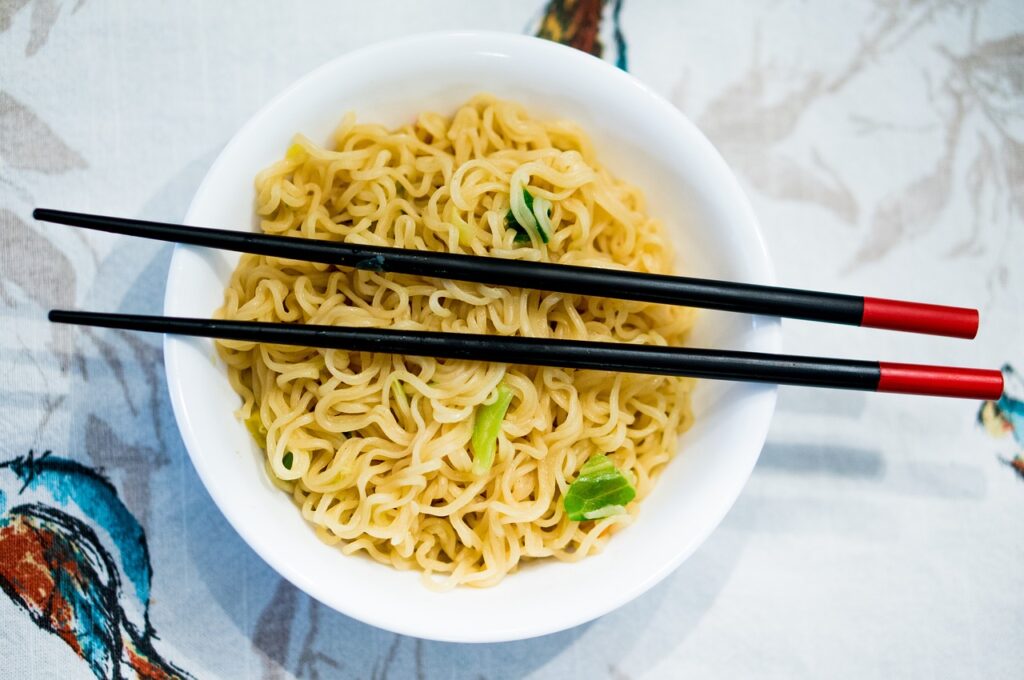
Ramen noodles were cheap and endlessly adaptable. An egg, frozen vegetables, or leftover meat could transform it. Families stretched packets to feed everyone. It felt like a full meal with just a little effort.
This dish taught creativity under pressure. Kids learned how to make it themselves early on. It became a comfort food long after the budget improved. The memory of it stuck.
13. Toast with Cinnamon Sugar
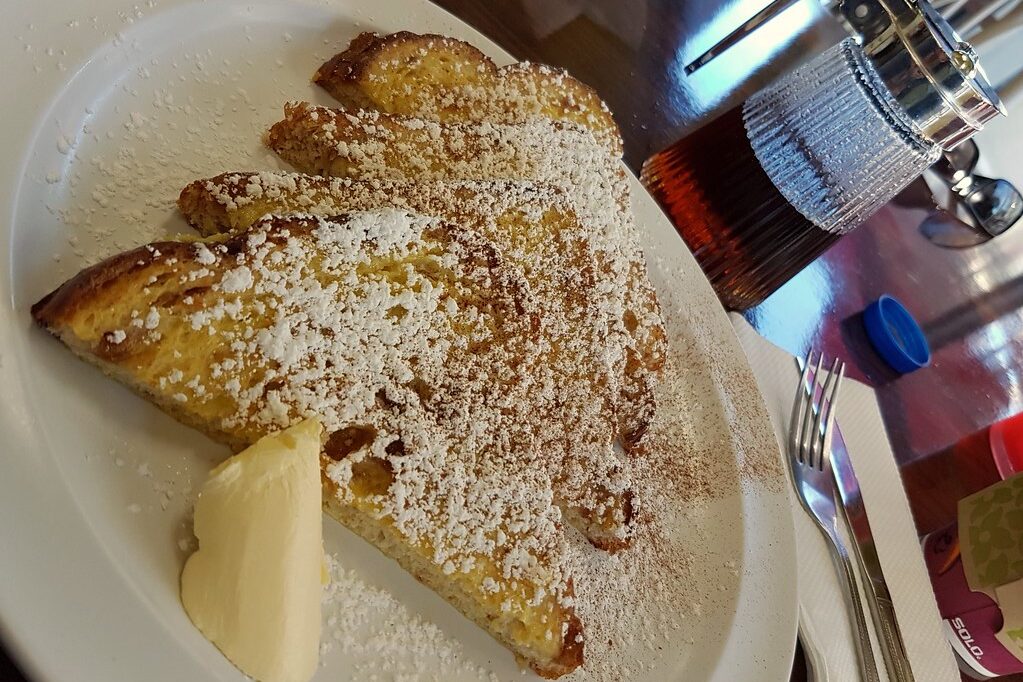
When nothing else sounded possible, toast saved the night. Butter, sugar, and cinnamon made it feel special. It was sweet, warm, and filling enough to quiet stomachs. Everyone knew it wasn’t ideal.
Still, it felt like care. Parents turned it into a small ritual. Kids didn’t question it at the time. Looking back, it’s remembered with surprising affection.
14. Macaroni with Just Butter
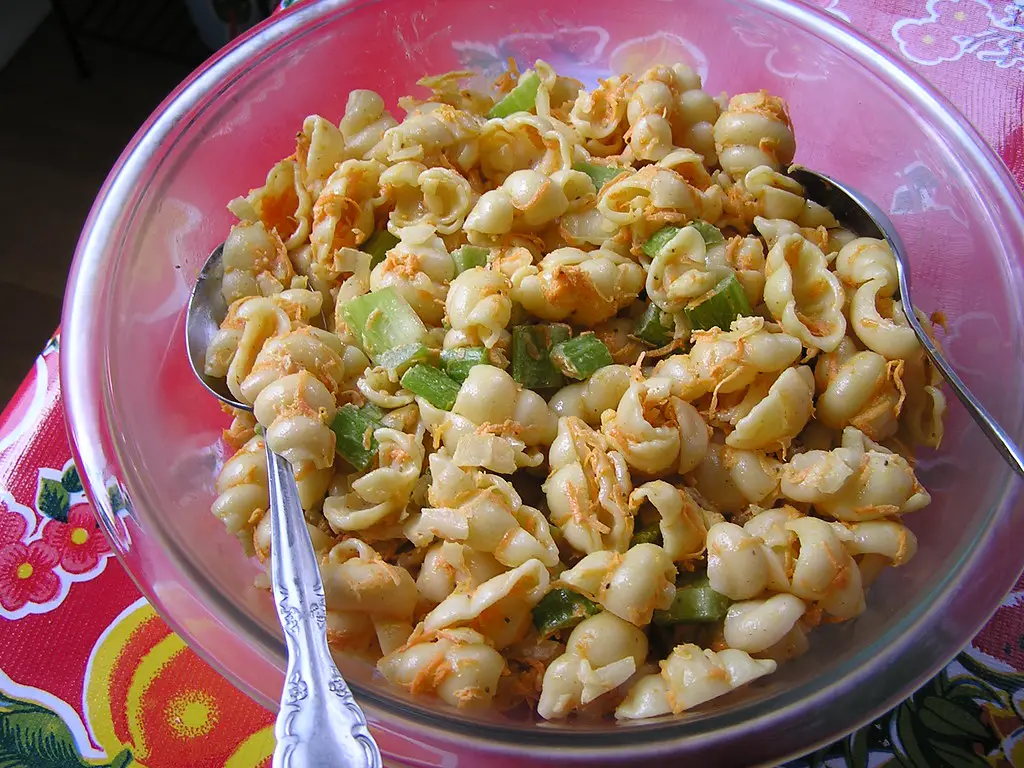
This was the boxed dinner without the packet. Pasta boiled, drained, and buttered was all there was. Salt did the heavy lifting. It looked unfinished but filled plates quickly.
Families served it without explanation. Everyone understood the unspoken context. It was better than nothing, and sometimes that was the point. Years later, it still feels familiar.
15. Leftover Casserole Experiments
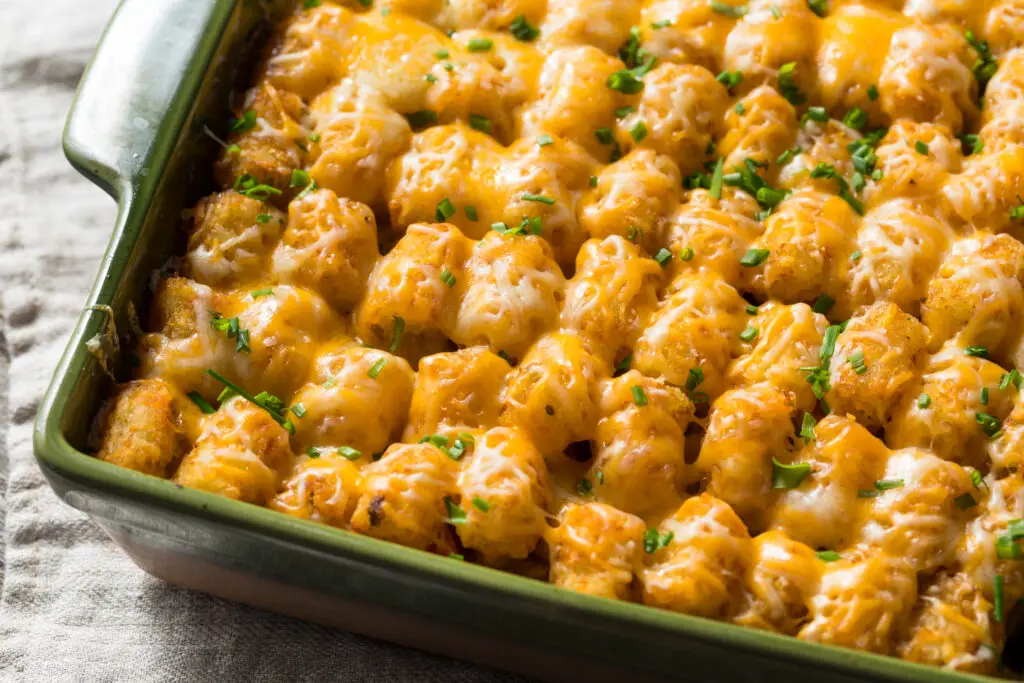
This meal was born from necessity and hope. Leftovers from several nights were combined into one dish. Cheese or breadcrumbs tried to unify it all. The result was unpredictable.
Sometimes it worked surprisingly well. Other times, everyone ate quietly and moved on. It was about using everything and wasting nothing. It represented determination more than flavor.