
1. Kate Bush
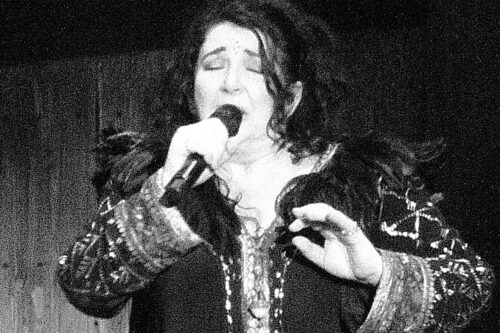
Kate Bush didn’t just step away from touring, she essentially closed the door on it. After her physically demanding Tour of Life in 1979, she chose studio work and privacy over life on the road. Fans spent decades assuming a comeback tour was inevitable. It never came.
When Bush returned to the stage in 2014, it was a tightly controlled London residency, not a tour and not repeated elsewhere. She never followed it with dates across cities or countries. The choice felt deliberate, not tentative. Walking away was part of how she protected her work and herself.
2. The Smiths
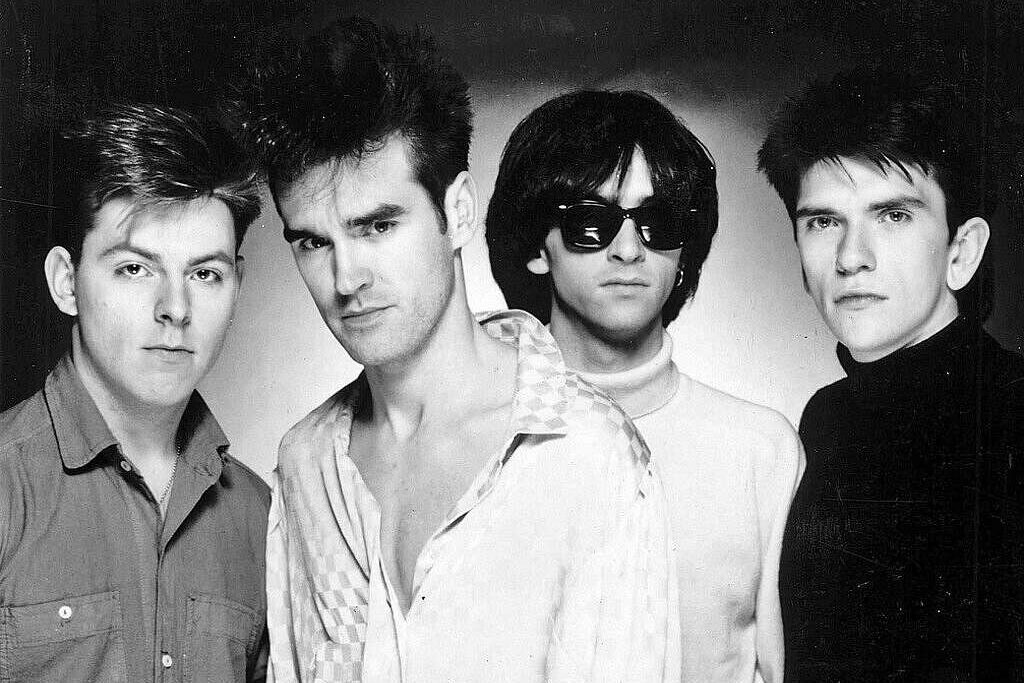
The Smiths broke up in 1987 and never looked back. Despite endless rumors, staggering money offers, and fan desperation, a reunion tour has never happened. Morrissey and Marr repeatedly made it clear that revisiting the past was not appealing.
Their catalog lives on through reissues and cultural influence, not nostalgia circuits. Unlike many peers, they never softened their stance with a one-off tour. The absence became part of the band’s legacy. For fans, the door stayed firmly shut.
3. Talking Heads
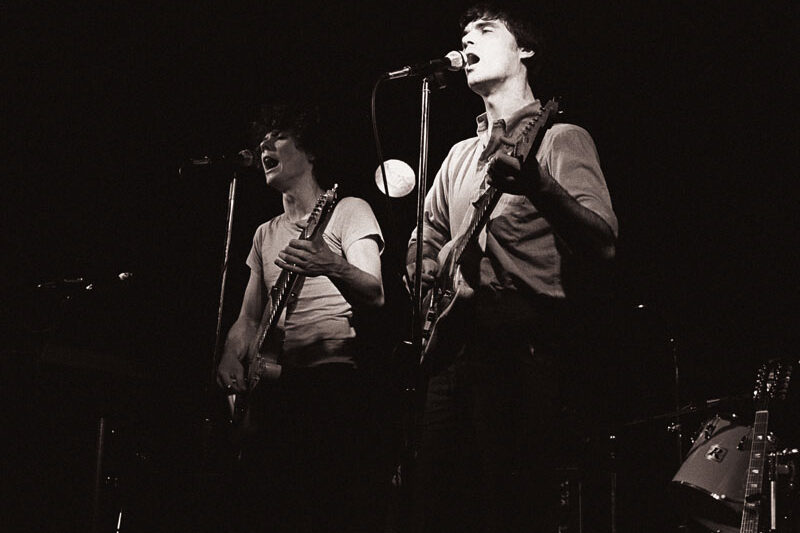
Talking Heads disbanded quietly in the early ’90s and avoided the reunion-tour trap entirely. The band reunited only briefly for ceremonial appearances, never for live dates. David Byrne consistently resisted the idea of reviving the group on stage.
That refusal made their ending feel unusually final. No farewell tour, no anniversary run, no victory lap. The band’s influence continued to grow without them ever cashing in on it. In a touring-heavy industry, that restraint stood out.
4. ABBA
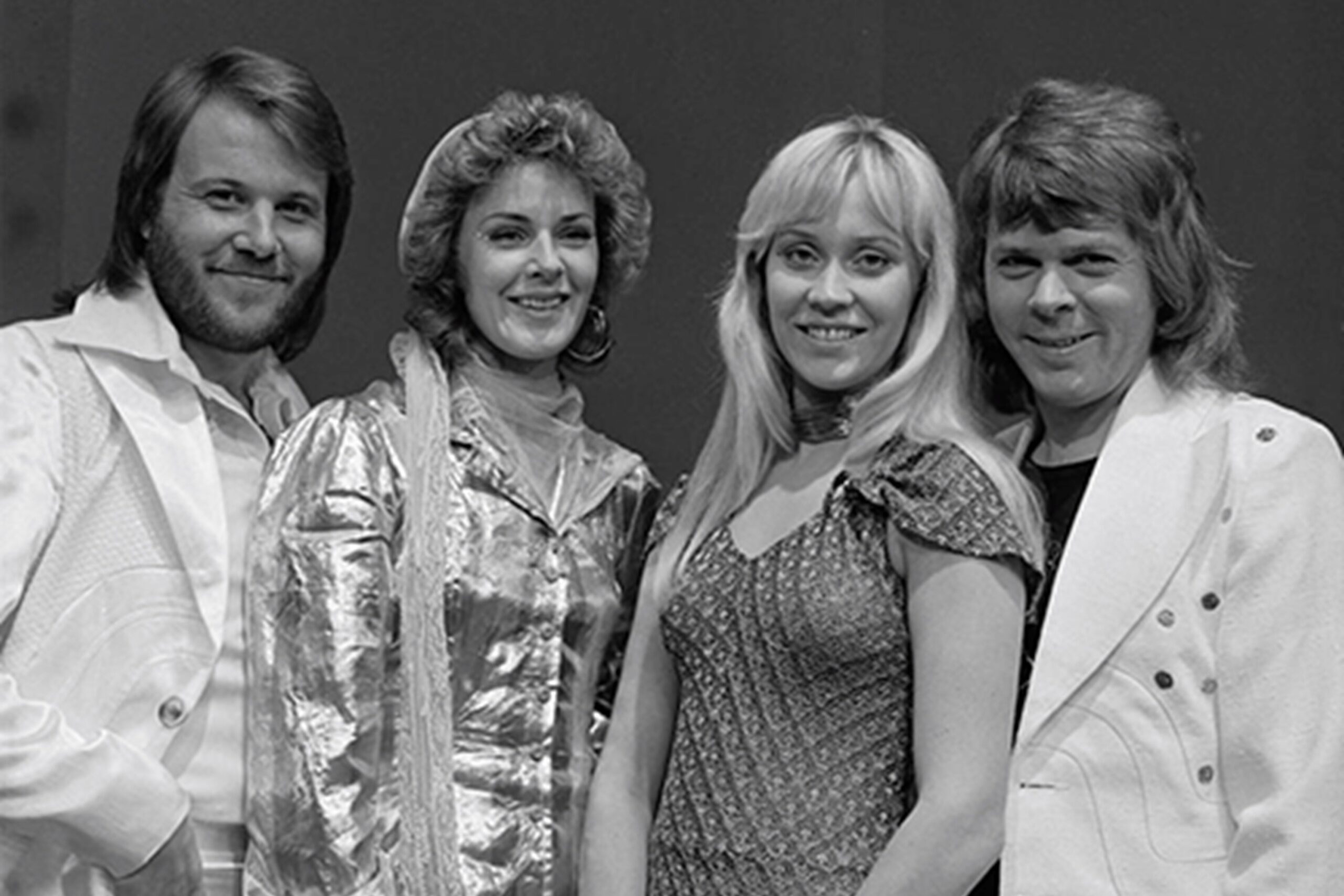
ABBA walked away at the height of their popularity and stayed gone for decades. They famously turned down massive offers to reunite on tour. Even when they reunited musically with Voyage, it came without a traditional tour.
The group’s return relied on technology, not travel. Fans didn’t get city-to-city shows or live appearances. It was a comeback without the expected mechanics. ABBA proved you could return on your own terms and still avoid touring altogether.
5. Led Zeppelin

After John Bonham’s death, Led Zeppelin disbanded and refused to tour again. They honored their legacy by not continuing without him. Occasional one-off performances never turned into sustained live runs.
There was no reunion tour, no extended comeback. The band chose restraint over reinvention. That decision preserved their mystique and prevented dilution. Fans were left with the original era, untouched.
6. Daft Punk
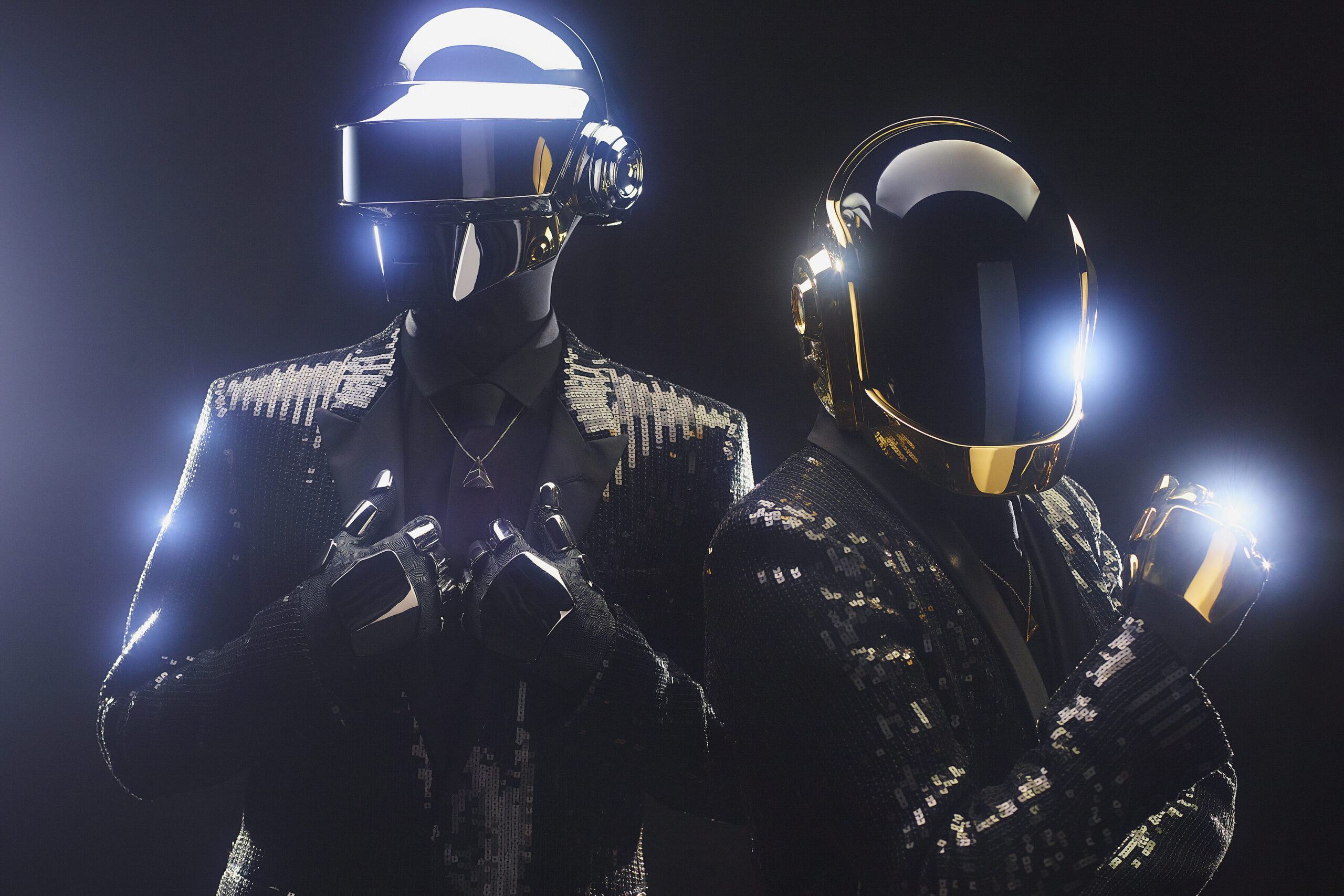
Daft Punk ended things as quietly as they lived. When they announced their split, it came without hints of a farewell tour. Their final tour had already happened years earlier.
They resisted the trend of reunion runs that dominate electronic music nostalgia. No last bow, no revival tour, no festival circuit. The silence felt intentional. It reinforced their long-standing preference for control and anonymity.
7. Laurie Anderson
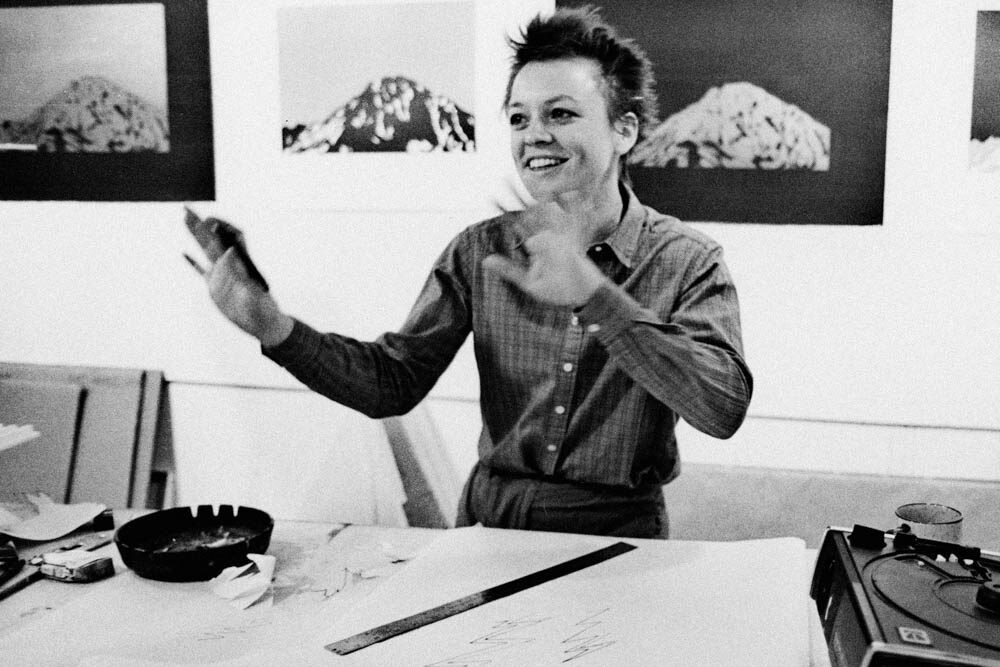
Laurie Anderson gradually stepped away from large-scale touring rather than announcing a formal exit. Her performances became rare and site-specific. She never returned with a broad comeback tour.
Instead, she focused on installations, writing, and interdisciplinary work. The road life was not something she reclaimed. Fans adjusted expectations accordingly. Her absence from touring felt aligned with her evolving art.
8. Sade

Sade became known as much for their disappearances as their music. They would tour, then vanish for years at a time. Each return felt like a quiet reemergence rather than a full comeback narrative.
Eventually, the long gaps became the story. There was no dramatic farewell or comeback tour framing. Touring stopped without a formal announcement. The band simply stepped away again.
9. Grace Jones
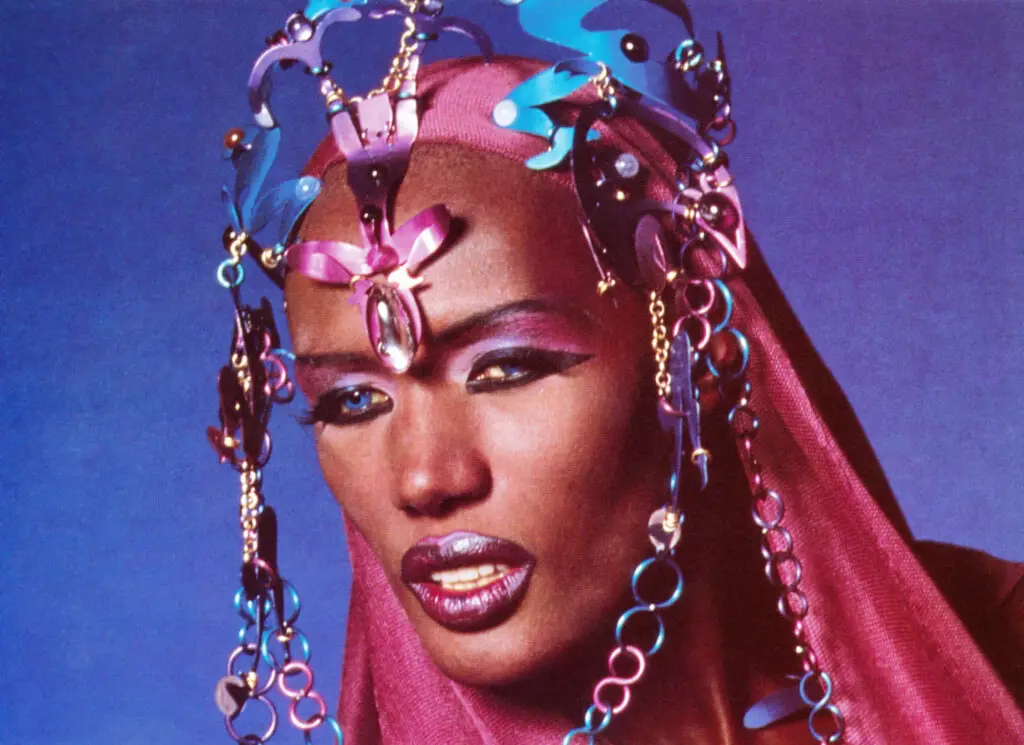
Grace Jones scaled back touring without ever staging a grand return. Her performances became selective and rare. There was no headline comeback tour designed to reclaim the spotlight.
She remained culturally present through fashion, film, and occasional appearances. Touring was no longer central to her identity. The choice felt personal rather than promotional. She left without a goodbye tour moment.
10. Neutral Milk Hotel
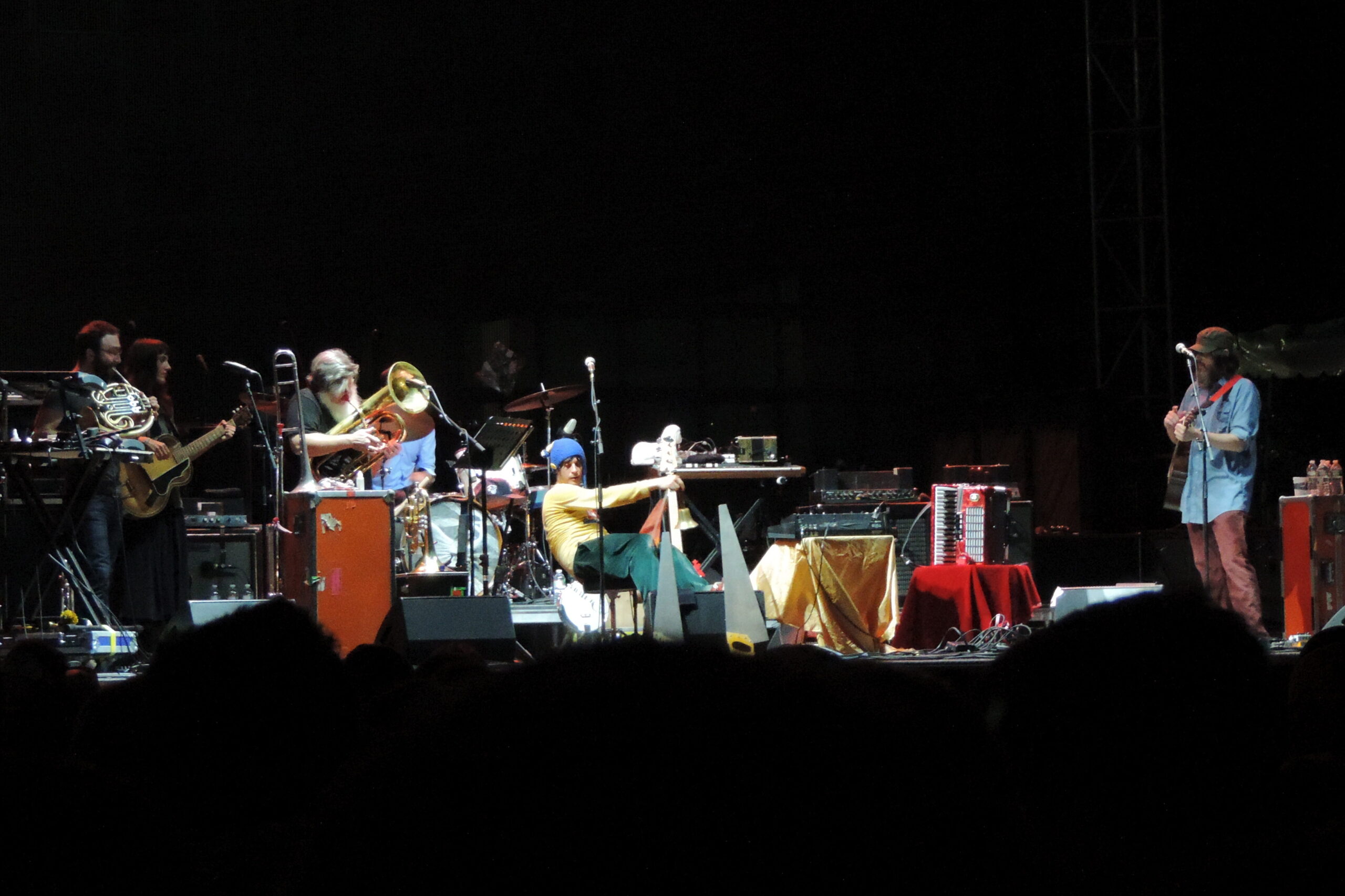
Neutral Milk Hotel’s disappearance after sudden success was abrupt. Jeff Mangum withdrew from public performance entirely for years. When the band later resurfaced briefly, it never became a long-term touring revival.
Their reappearance did not reset their career into touring mode. There was no sustained comeback cycle. After the brief window closed, they vanished again. The band resisted becoming a nostalgia act.
11. The Police
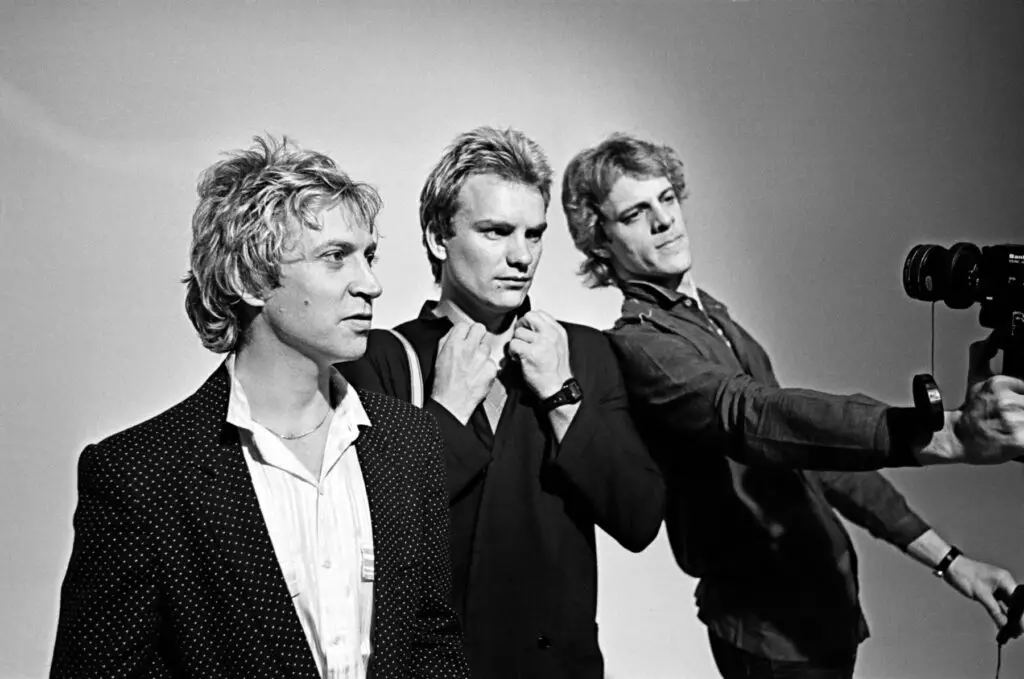
The Police reunited once, toured, and then stopped again. They did not repeat the cycle or follow up with further comeback tours. That single return stood alone.
Afterward, the band resisted reopening the door. No anniversary run followed. No second reunion attempt materialized. The tour was the exception, not a new phase.
12. Enya
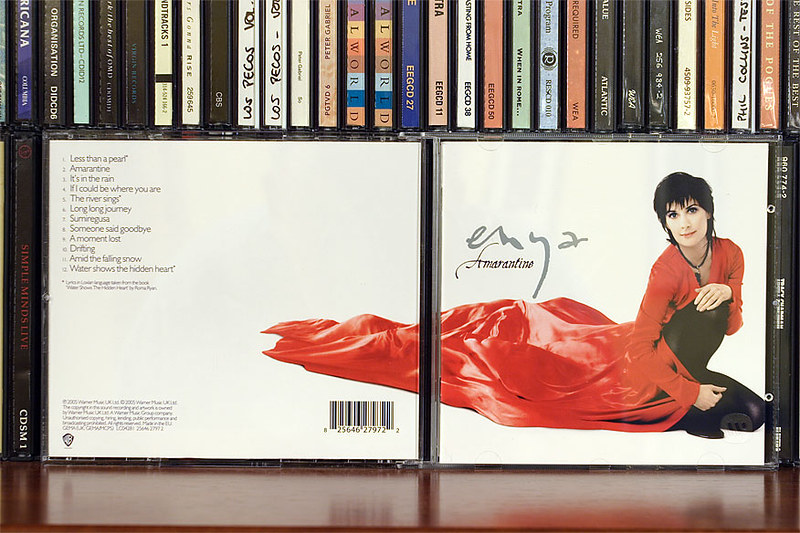
Enya built a massively successful career without touring at all. She never left the stage because she never stepped onto it in the first place. As a result, there was no comeback tour to anticipate.
Her work thrived entirely through recordings. Fans learned to separate her music from live performance expectations. The absence became normalized. In a touring-driven industry, she quietly opted out.