
1. Reading a Paper Map

Older generations assumed everyone could unfold a map on the hood of a car and immediately know where they were. It was considered basic competence, not a special skill. You were expected to recognize highways, back roads, and landmarks without much fuss. Getting lost was seen as a temporary inconvenience, not a crisis.
That confidence came from constant exposure and necessity. When directions were printed or spoken once, you learned to pay attention. Over time, map reading felt as natural as reading a clock. It was never framed as a talent, just something you picked up by doing it.
2. Remembering Phone Numbers

People once carried dozens of phone numbers in their heads without thinking twice. Family, friends, work contacts, and emergency numbers were memorized by default. Writing them down was a backup, not the main plan. Forgetting a number felt mildly embarrassing.
Repetition made it automatic, especially when phones were used mainly at home. Dialing forced memory in a way tapping contacts never does. Older generations assumed everyone’s brain worked that way. The idea of not knowing your closest contacts by heart would have sounded strange.
3. Writing in Cursive

Cursive was treated as a life skill rather than a stylistic choice. Once you learned it, you were expected to use it forever. Notes, letters, and signatures all relied on it. Printing was sometimes seen as childish or rushed.
Because it was taught early and used constantly, fluency followed naturally. Adults rarely questioned whether it was still useful. It was simply how writing worked beyond grade school. The thought that someone might struggle to read it barely crossed anyone’s mind.
4. Fixing Simple Household Problems
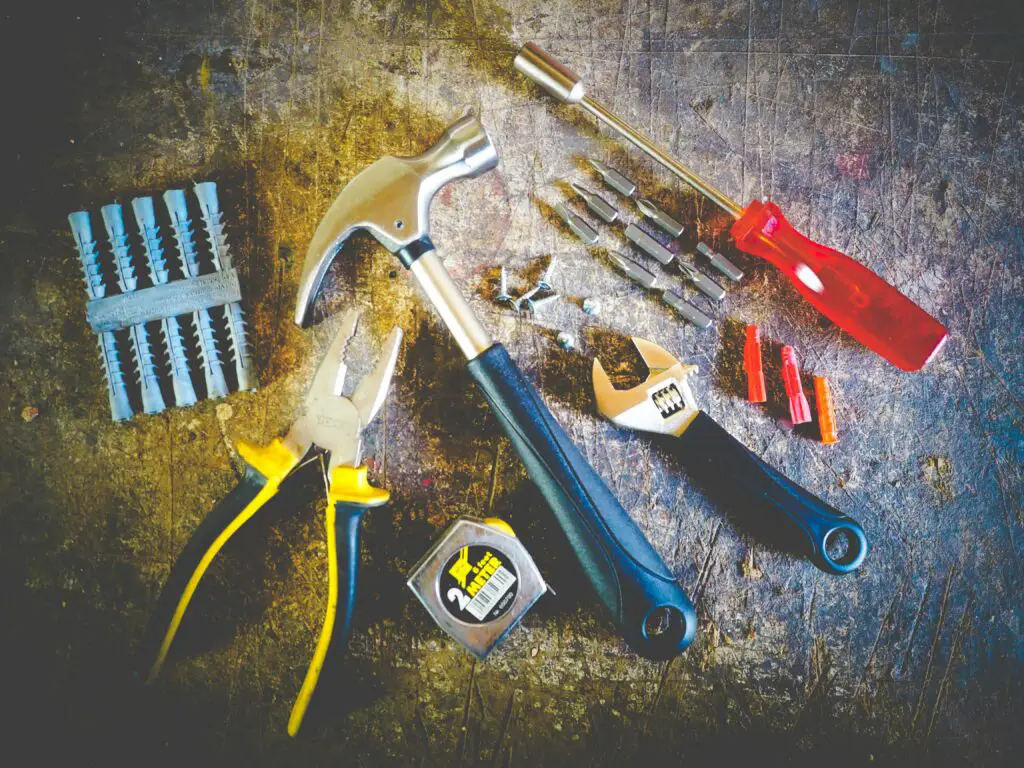
Loose hinges, clogged drains, and flickering lights were things you were expected to handle yourself. Calling for help was reserved for serious issues. Trial and error was part of learning. You learned by watching, then by doing.
Instruction manuals were skimmed, not studied. Over time, confidence grew through necessity. Older generations assumed this practical competence developed automatically. It was just part of being an adult.
5. Balancing a Checkbook

Keeping track of spending by hand was considered basic responsibility. You wrote things down carefully and double checked the math. Mistakes happened, but you caught them quickly. Relying on a bank to track things for you felt risky.
This habit taught awareness of money in a very direct way. Numbers stayed tangible because you interacted with them constantly. Older generations believed this awareness came naturally with age. It was seen as common sense, not training.
6. Cooking Without a Recipe

You were expected to know how to make a few meals by instinct. Measurements were flexible and tasting guided decisions. Watching someone cook once was often enough. Exact instructions were optional.
This kind of cooking built confidence over time. You learned what worked by doing it repeatedly. Older generations assumed everyone absorbed these basics growing up. Cooking felt more like intuition than instruction.
7. Telling Time on an Analog Clock

Analog clocks were everywhere, so reading them became automatic. You learned to glance and instantly understand the time. No one explained it after childhood. It was just assumed knowledge.
Because clocks surrounded daily life, the skill stayed sharp. There was no alternative that removed the need to practice. Older generations assumed this fluency was universal. The idea of needing to think about it would have sounded odd.
8. Writing a Formal Letter

There was a shared understanding of how letters should look and sound. Greetings, closings, and tone followed unspoken rules. You learned by reading and writing them regularly. Personal and professional letters felt distinct.
This structure made communication feel orderly and intentional. Older generations assumed everyone internalized these conventions naturally. It was part of basic literacy. Deviating too much felt improper rather than creative.
9. Driving Without GPS

Driving meant paying attention to road signs and surroundings. You memorized routes through repetition. Detours required quick thinking, not rerouting software. Confidence came from familiarity.
Getting somewhere new involved preparation and mental mapping. Over time, spatial awareness improved. Older generations believed this awareness developed on its own. It was simply how driving worked.
10. Entertaining Yourself Without Screens

Boredom was expected and accepted. You filled time with books, hobbies, or quiet observation. There was no constant external stimulation. Creativity often came from necessity.
This built patience and focus in subtle ways. Older generations assumed everyone learned to sit with their thoughts. Entertainment was something you created, not something delivered. That expectation shaped how free time was understood.
11. Memorizing Song Lyrics

Songs were heard repeatedly on the radio or on records. Lyrics stuck because you listened closely. There was no instant way to look them up. Singing along came from memory.
This repetition trained recall without effort. Older generations assumed everyone absorbed lyrics this way. It was part of enjoying music. Forgetting words felt unusual, not normal.
12. Giving Clear Verbal Directions

Explaining how to get somewhere required precision. You mentioned landmarks, turns, and distances from memory. Vague instructions were frustrating. Clarity mattered.
This skill improved with practice and listening. Older generations assumed people naturally learned to explain routes. It was a practical form of communication. Being unclear felt like a personal failing.
13. Waiting Without Complaining
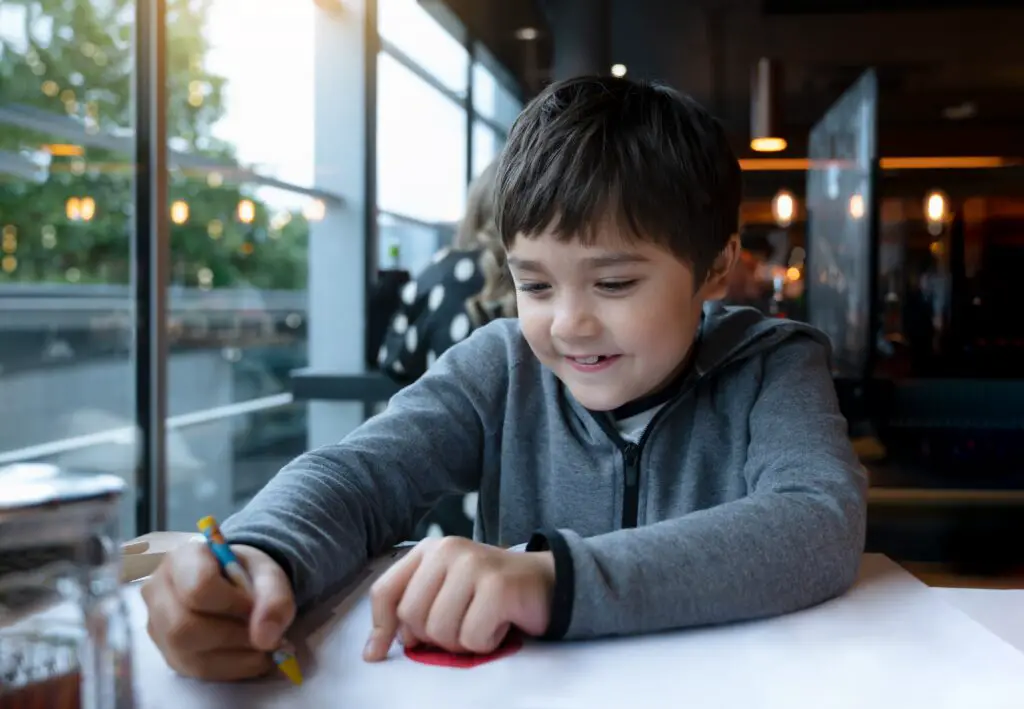
Waiting was built into daily life, from lines to phone calls. There were few distractions to soften it. You learned to tolerate it quietly. Complaining rarely sped things up.
This fostered a different relationship with time. Older generations assumed patience developed naturally. Waiting was just part of life. Expecting instant results would have seemed unrealistic.
14. Doing Mental Math
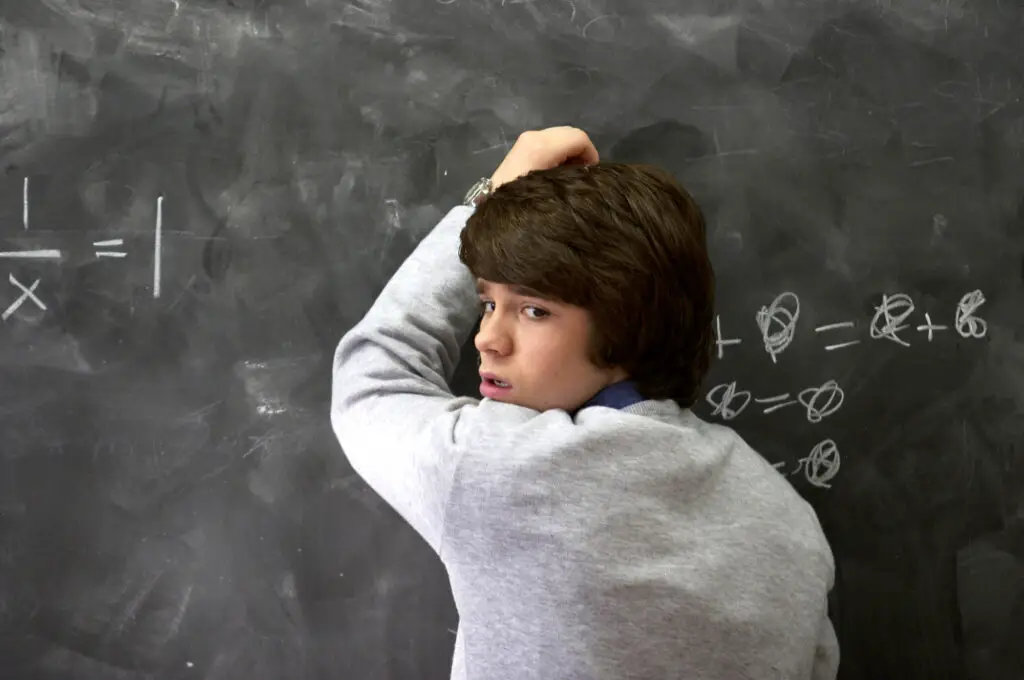
Calculators were not always close at hand. You estimated totals, made change, and checked prices mentally. Accuracy mattered, but speed mattered too. Practice made it easier over time.
Because it was used daily, the skill stayed sharp. Older generations assumed everyone developed this ability. It was tied to independence. Struggling with it felt inconvenient, not exceptional.
15. Making Small Talk With Strangers
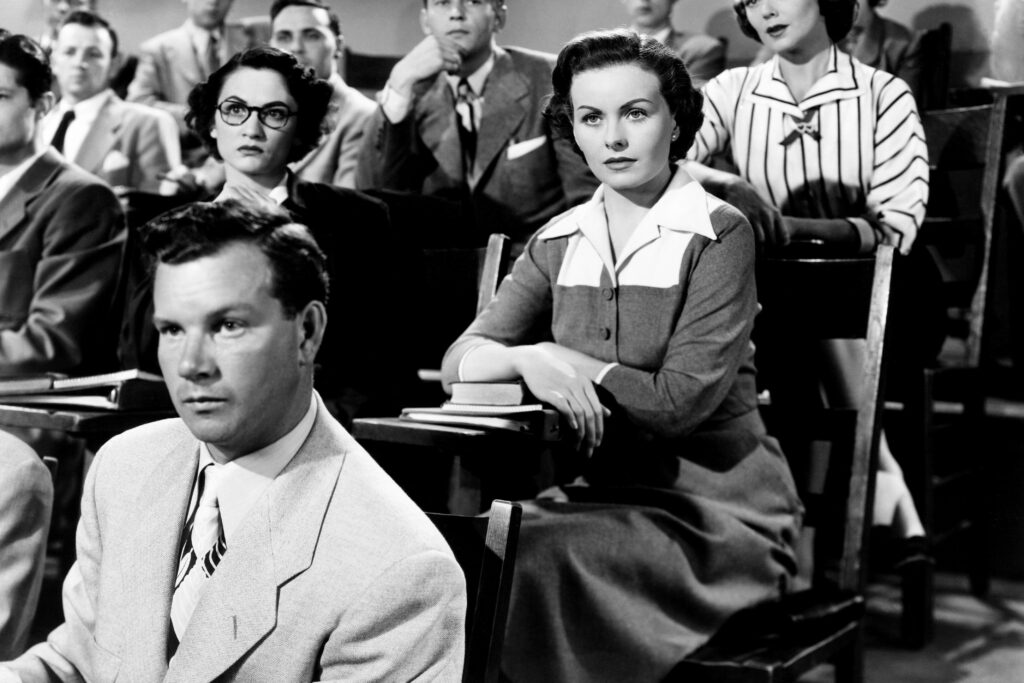
Casual conversation was a normal social skill. You chatted in lines, on buses, or while waiting. Silence was sometimes seen as awkward. Politeness meant engagement.
This kind of interaction smoothed everyday life. Older generations assumed everyone learned it naturally. Talking to strangers felt ordinary, not risky. It was simply how public life worked.