
1. Standing When an Adult Entered the Room

Kids didn’t question why they popped up from the couch the second an adult walked in. It felt automatic, like a reflex you learned before you even knew what respect meant. Nobody explained the rule, you just knew staying seated was not an option. Even if you were in the middle of something important, you stood anyway.
Sometimes the adult waved you back down, sometimes they didn’t. Either way, the point had already been made. It was about manners, hierarchy, and showing you knew your place. Looking back, it feels formal for a room full of kids in sneakers.
2. Eating Whatever Was Put on Your Plate

If dinner landed on your plate, you ate it, no questions asked. Complaining was risky and refusing outright was unthinkable. You might hear about starving kids somewhere else, which shut down the conversation immediately. It didn’t matter if you liked it or not.
Finishing everything was part of being a “good” kid. Even foods you hated became something you learned to tolerate quietly. Only years later did people start talking about preferences and listening to your body. Back then, the plate was the law.
3. Waiting for the Commercial Break
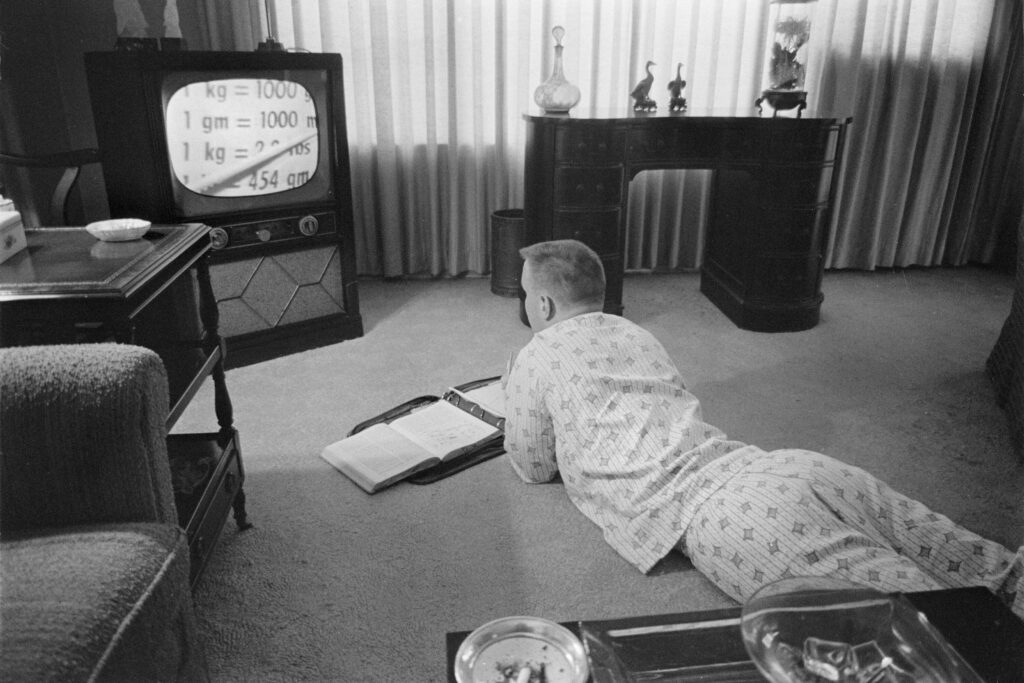
Bathroom trips, snacks, and conversations all waited for commercials. You didn’t pause the TV, you planned around it. Everyone in the house seemed to understand the timing without saying a word. Missing a scene felt like a small disaster.
Kids learned patience through television schedules. You sat still and held it because the show mattered more. It taught you to adapt to the rhythm of something you couldn’t control. Now it sounds strange, but it felt normal then.
4. Raising Your Hand to Speak

Even if you knew the answer, you waited. Blurting something out was a fast way to get in trouble. Raising your hand felt like asking permission to exist in the conversation. You learned quickly that enthusiasm needed to be contained.
This rule followed kids outside the classroom too. Interrupting adults was frowned upon everywhere. It shaped how kids learned to listen and wait their turn. Only later did anyone question whether that silence was always necessary.
5. Going Outside Until the Streetlights Came On
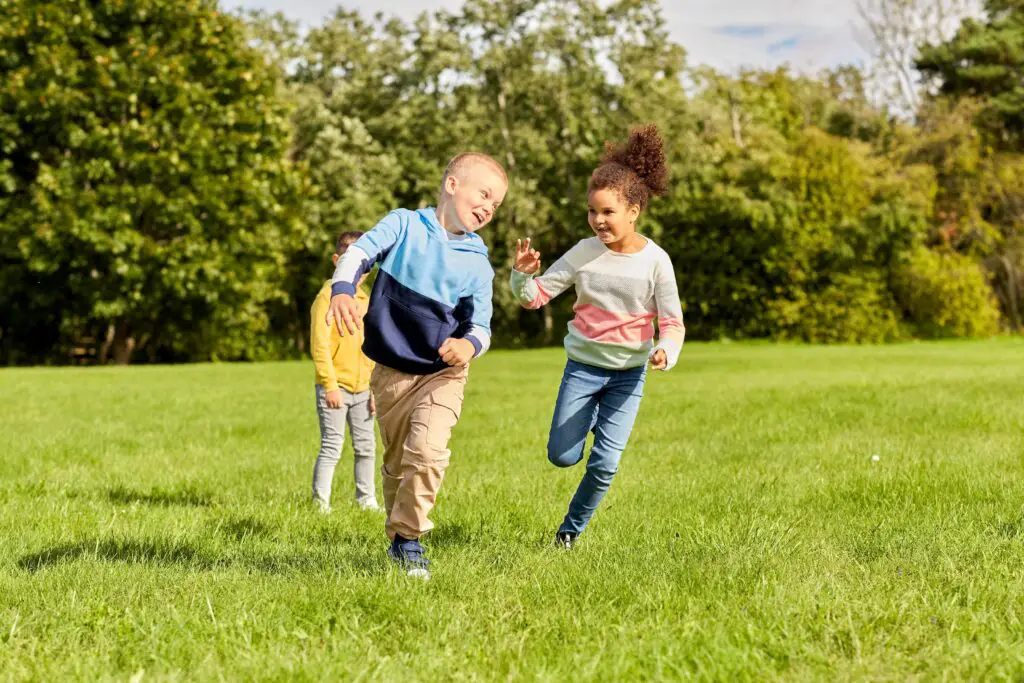
Once you were sent outside, you stayed there. Nobody hovered, tracked, or checked in constantly. The streetlights were the universal signal that the day was over. Until then, you figured things out on your own.
Kids accepted this freedom without questioning it. It was exciting and slightly intimidating at the same time. You learned independence simply by being gone all afternoon. Today, it feels almost unreal.
6. Wearing Uncomfortable Clothes for Special Occasions
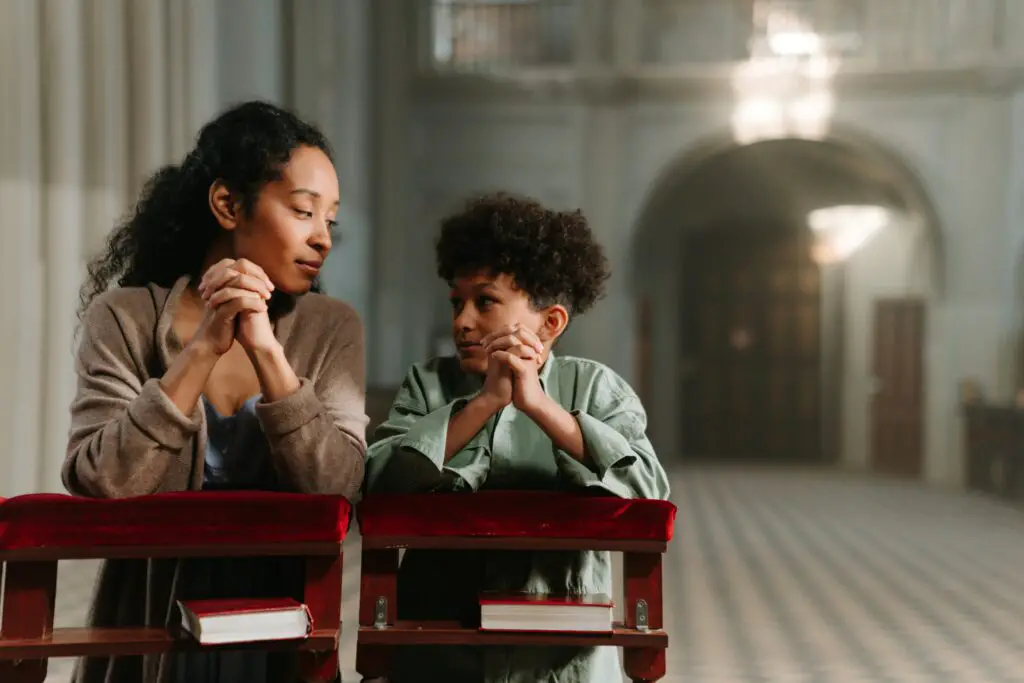
If it pinched, itched, or restricted movement, that was just part of dressing up. Comfort was never the priority. You wore the outfit because it was expected, not because it felt good. Complaints were brushed off quickly.
Kids learned that appearances mattered more than ease. You sat carefully and moved slowly to avoid trouble. Once the event ended, the relief was immediate. It was a lesson in endurance disguised as politeness.
7. Saying Hello to Every Adult Present
Walking into a room meant greeting everyone, even strangers. Skipping someone was considered rude. You were expected to make eye contact and speak clearly. Shyness wasn’t an excuse.
Kids followed this rule without understanding why it mattered so much. It was about acknowledgment and respect, even if it felt awkward. Adults noticed when you did it right. Over time, it became second nature.
8. Accepting “Because I Said So”

Explanations were not guaranteed. Sometimes the discussion ended before it started. “Because I said so” was the final word. Kids learned quickly not to push past that line.
The rule taught obedience more than understanding. You followed instructions without knowing the reasoning. Questioning authority wasn’t encouraged. It’s one of those phrases that sticks with you long after childhood.
9. Sitting Quietly During Adult Conversations

When adults talked, kids became background noise. You sat nearby and waited until someone addressed you. Interrupting was considered disrespectful. Your thoughts could wait.
Kids absorbed entire conversations this way. You learned more by listening than speaking. It taught awareness and restraint. At the time, it just felt like another unspoken rule.
10. Sharing With Siblings Automatically
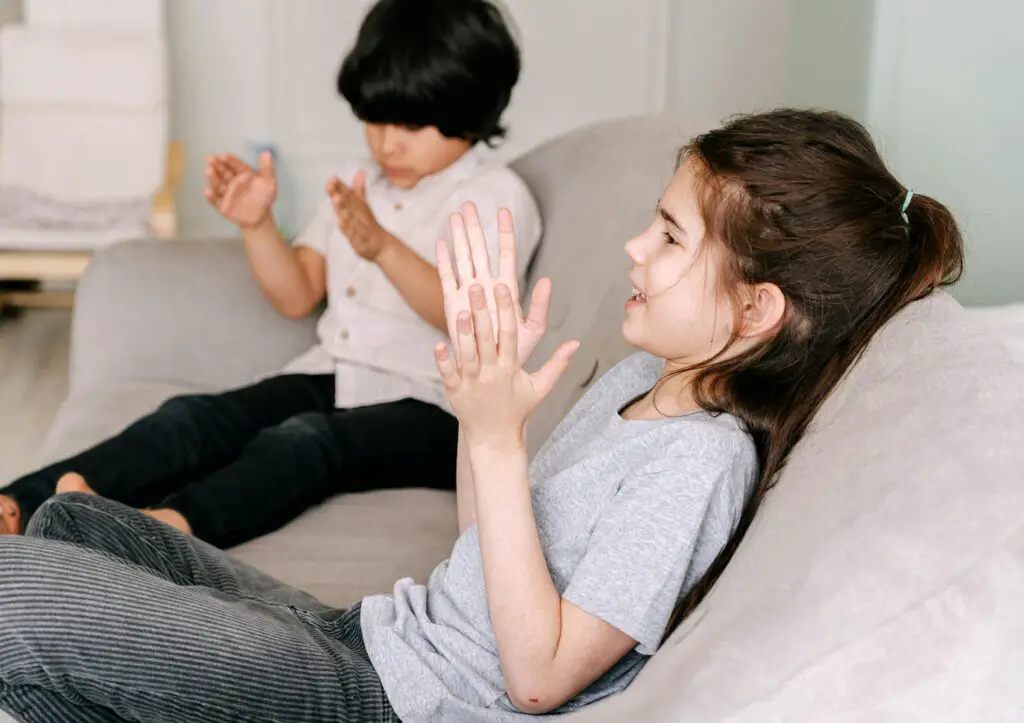
If you had something, it belonged to everyone. Personal ownership was flexible at best. Saying no often led to trouble. Sharing wasn’t optional.
Kids didn’t question why fairness always leaned toward compromise. You learned to give things up to keep the peace. It shaped how you handled conflict early on. Only later did boundaries enter the conversation.
11. Clearing Your Plate Before Dessert
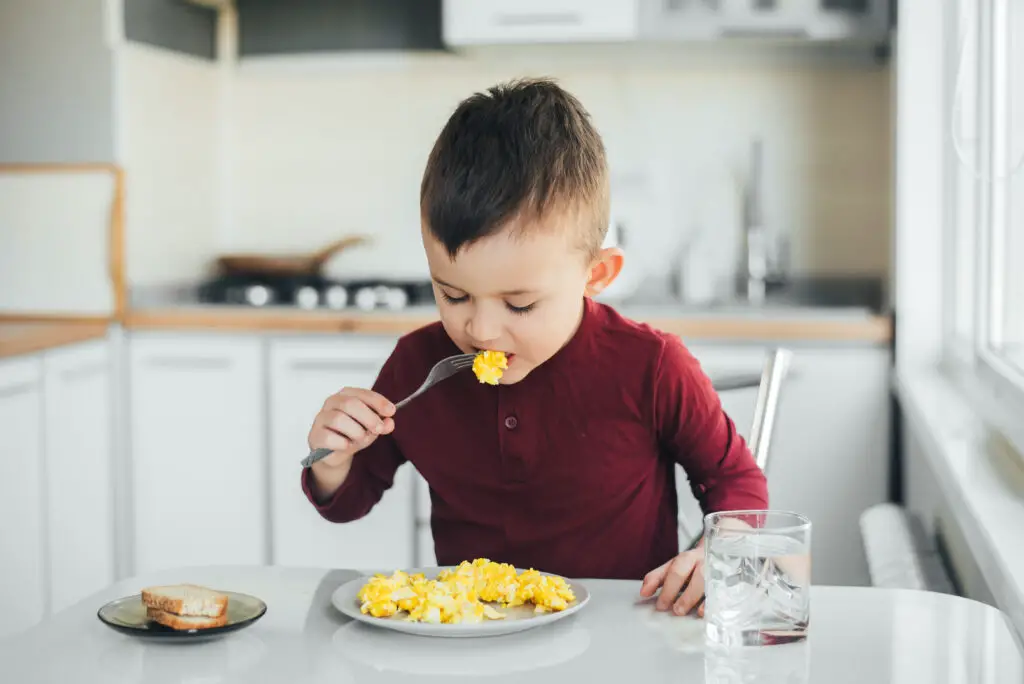
Dessert was a reward, not a given. You earned it by finishing dinner first. Even if you were full, the rule still applied. Leaving food behind meant no treat.
Kids learned to associate food with discipline. Dessert became motivation rather than enjoyment. The logic was rarely explained. It was just how things worked.
12. Wearing Hand Me Downs Without Complaint
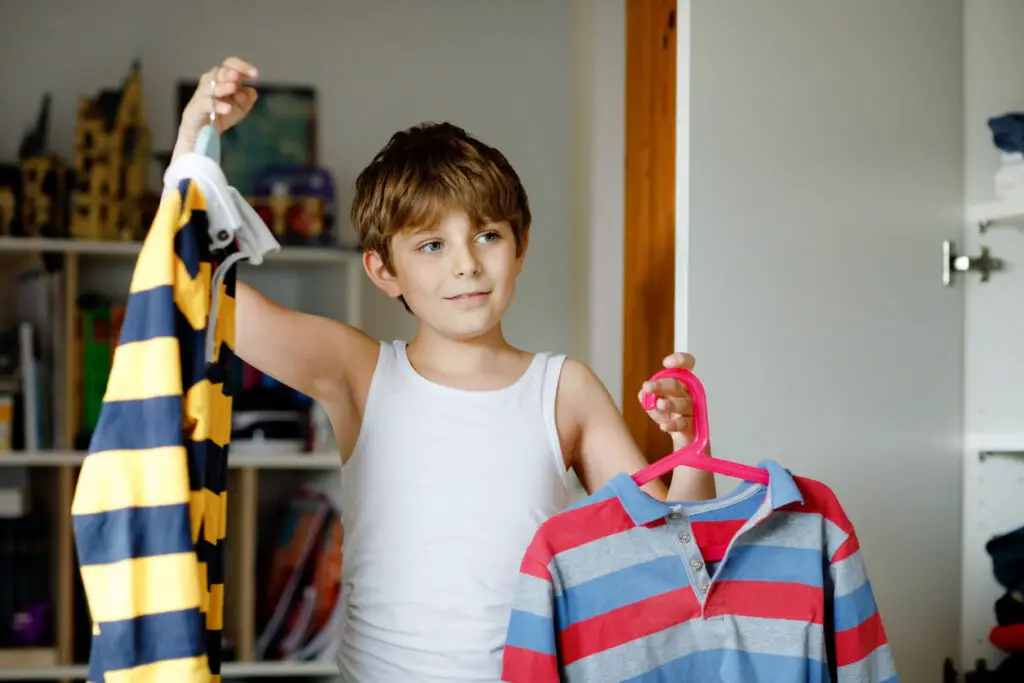
If clothes fit, you wore them. It didn’t matter where they came from or who had them before you. Complaining made you seem ungrateful. Kids accepted it as normal.
Hand me downs taught flexibility and humility. Style took a backseat to practicality. You learned to make it work. Only later did personal choice become part of dressing.
13. Writing Thank You Notes

Gifts came with an obligation. You wrote thank you notes, even if it felt awkward. Adults checked to make sure they were done. Forgetting was not an option.
Kids didn’t question why this mattered so much. It was about gratitude and responsibility. You learned how to acknowledge kindness properly. The habit stuck with many people into adulthood.
14. Going to Bed When Told

If it was bedtime, that was it. Negotiations were short and rarely successful. You didn’t argue about being tired or not. The decision was already made.
Kids learned to trust adult judgment over their own feelings. The routine was firm and predictable. It provided structure, even if it felt unfair sometimes. Looking back, it was one of the clearer boundaries.
15. Standing for the Pledge
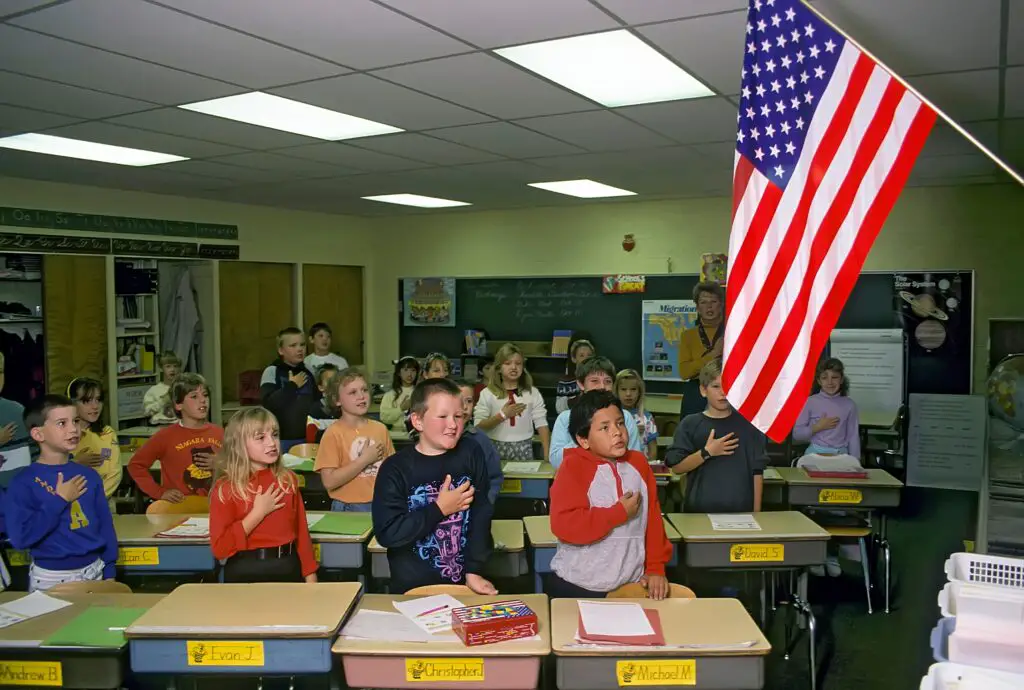
Every morning started the same way. You stood, faced the flag, and followed along. Nobody explained the meaning in depth. Participation was expected.
Kids followed the ritual without question. It was simply part of the school day. Over time, it became muscle memory. Only later did people start asking what it represented.
16. Saving the “Good” Stuff for Guests
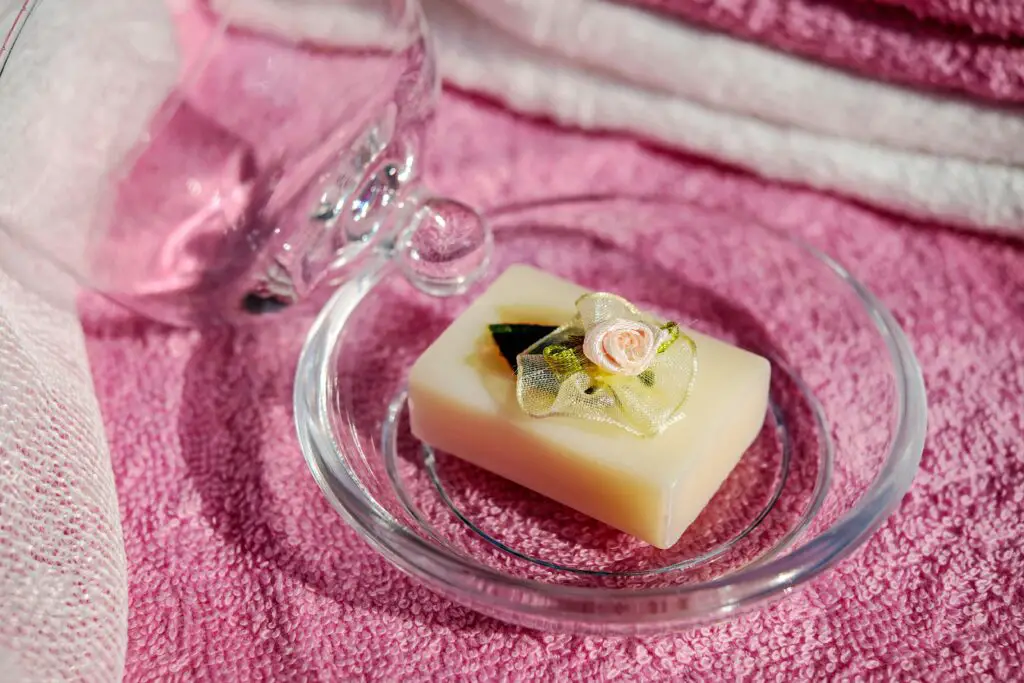
Certain items were off limits unless company came over. Furniture, snacks, and even dishes had special status. Kids knew not to touch them. No explanation was needed.
This rule taught restraint and anticipation. You learned some things weren’t meant for everyday use. It felt strange but normal at the time. The idea of waiting for the right moment stuck with you.