
1. Varosha
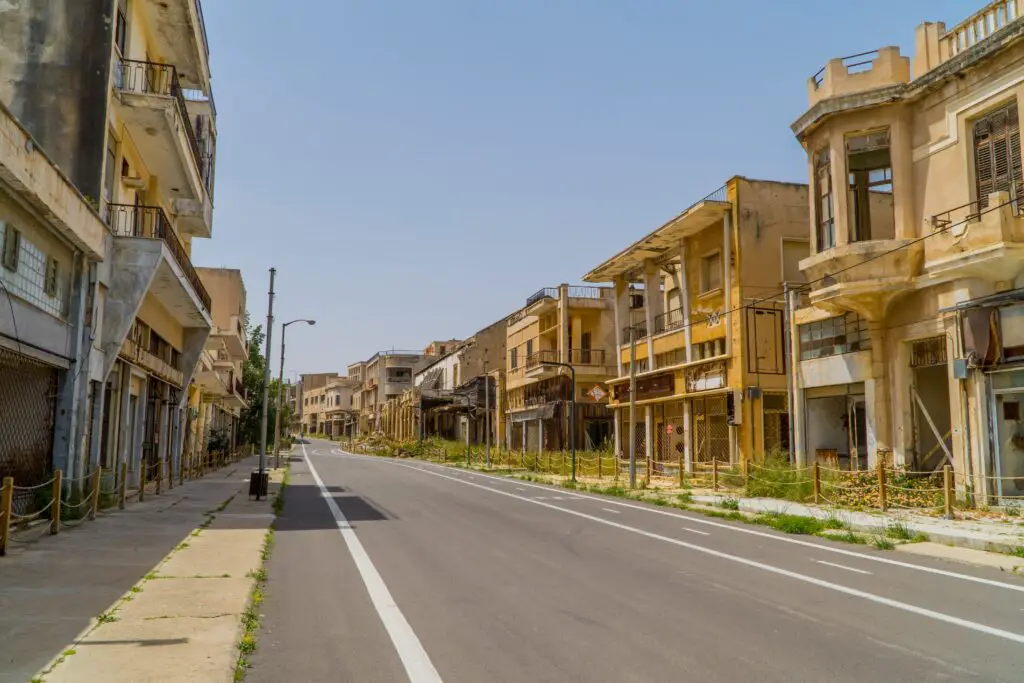
Before 1974, Varosha was one of the Mediterranean’s most glamorous beach destinations, packed with modern hotels, boutiques, and nightlife that rivaled the French Riviera. Celebrities vacationed there, and the beachfront skyline was built to impress. When conflict divided Cyprus, the area was abruptly fenced off and left untouched for decades. From a distance, the high-rises still look like they’re waiting for guests to check in.
Balconies face the sea, hotel signage remains visible, and the streets still follow a familiar resort layout. Nature has crept in slowly rather than violently, which makes the emptiness more unsettling. It feels paused rather than destroyed. Even now, it resembles a place that simply closed for the season and never reopened.
2. Salton Sea resorts
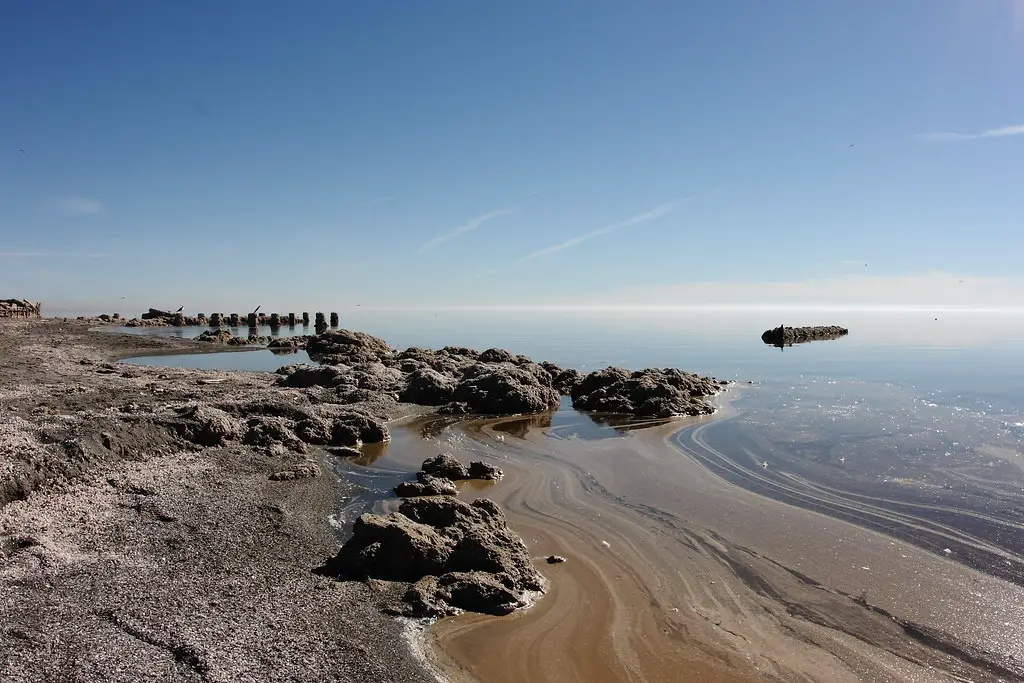
In the 1950s and early 1960s, the Salton Sea was promoted as California’s next great vacation playground. Yacht clubs, hotels, marinas, and trailer parks lined the shore, and crowds came for boating and fishing. Environmental problems eventually drove visitors away, leaving entire resort towns behind. What remains still looks like a lakeside getaway in mid-decline rather than total ruin.
Marinas sit empty, palm trees still line the roads, and faded signage hints at former glamour. Many buildings remain structurally intact, as if someone might unlock them tomorrow. The setting feels oddly familiar, like a vacation brochure that aged badly. It is quiet, but not erased.
3. Grossinger’s Catskill Resort Hotel
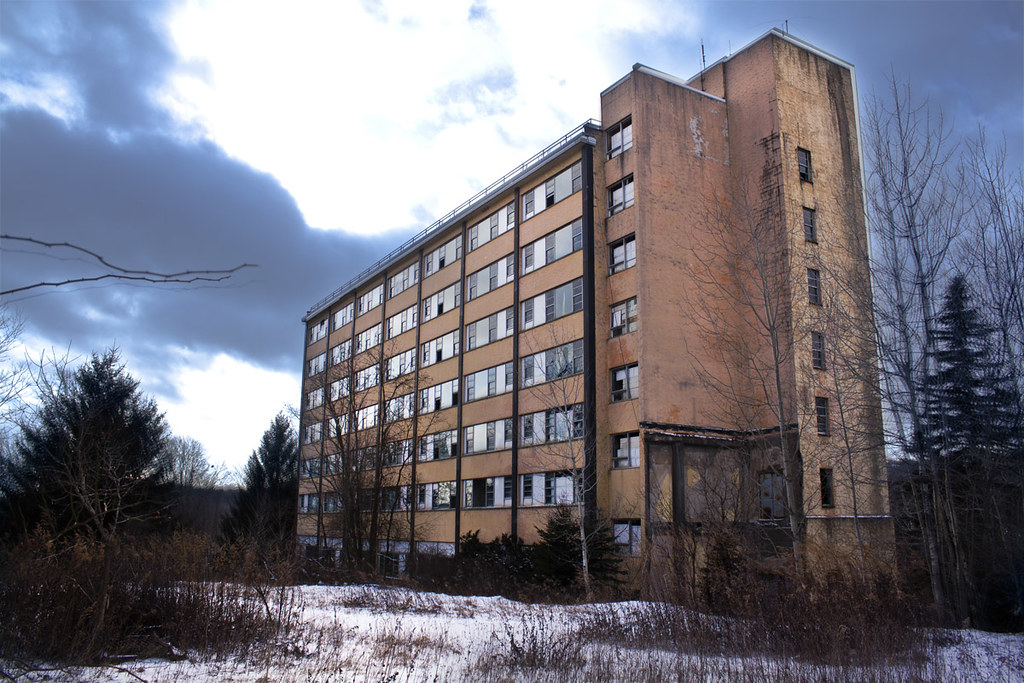
Grossinger’s was once one of the crown jewels of the Catskills, part of a region known as the Borscht Belt. Families returned year after year for entertainment, swimming, and sprawling grounds. When travel habits changed, the resort eventually closed in the 1980s. Despite years of abandonment, the scale of the property still feels ready for guests.
Long corridors, grand public spaces, and recognizable resort layouts remain visible. You can still imagine luggage carts rolling through the halls. The bones of a classic American vacation spot are unmistakable. It feels less like a ruin and more like a place that missed its next renovation cycle.
4. Hotel del Salto
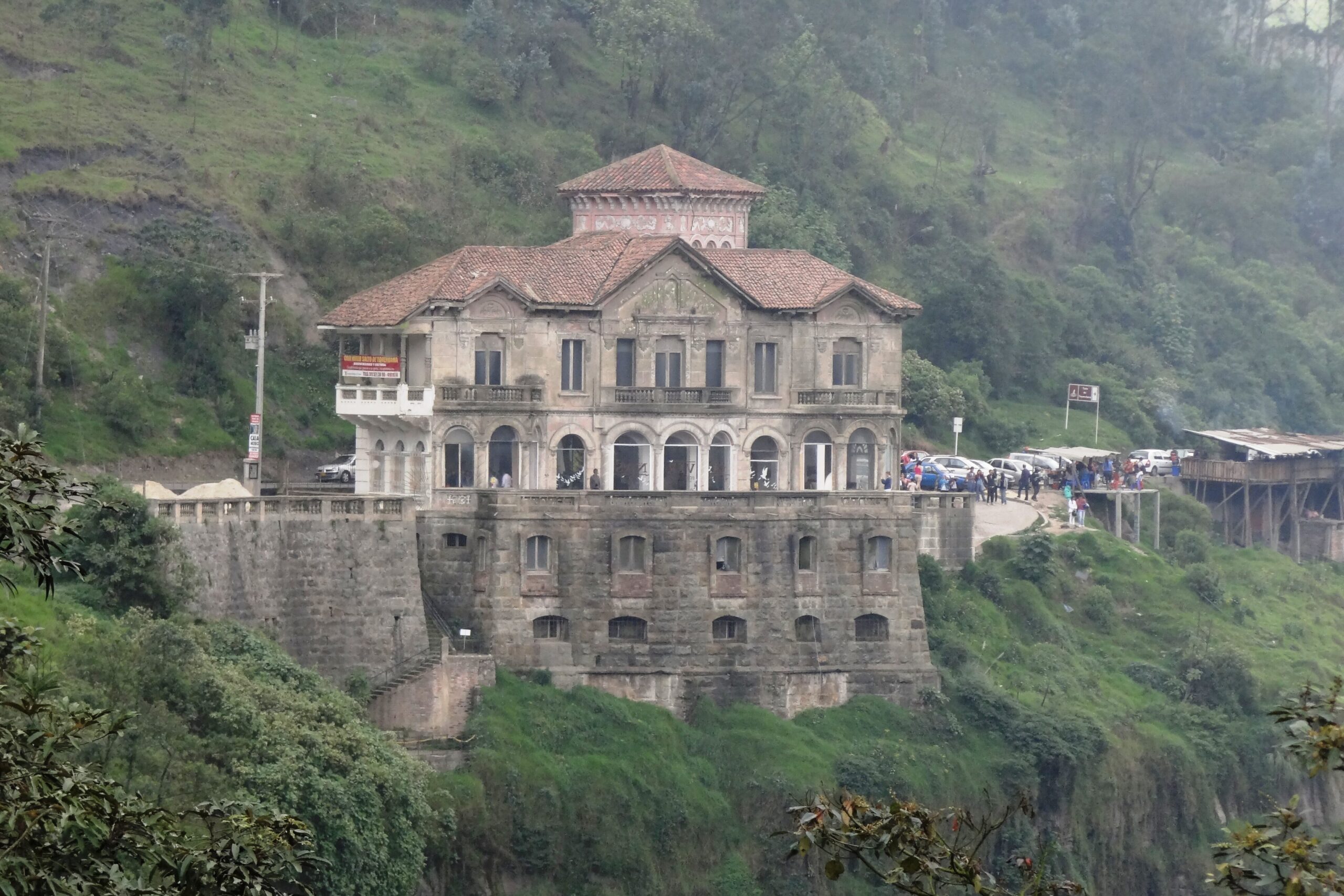
Built overlooking the dramatic Tequendama Falls, this hotel once catered to elite travelers drawn to the scenery. Its location made it a destination in itself, blending luxury with natural spectacle. Pollution and shifting travel patterns eventually led to its closure. Even now, the building retains its elegance.
The structure stands upright and symmetrical, with windows and terraces still clearly defined. From afar, it looks like it could reopen as a boutique hotel with minimal effort. The surrounding landscape adds to the illusion of readiness. It feels abandoned more by circumstance than collapse.
5. Hashima Island
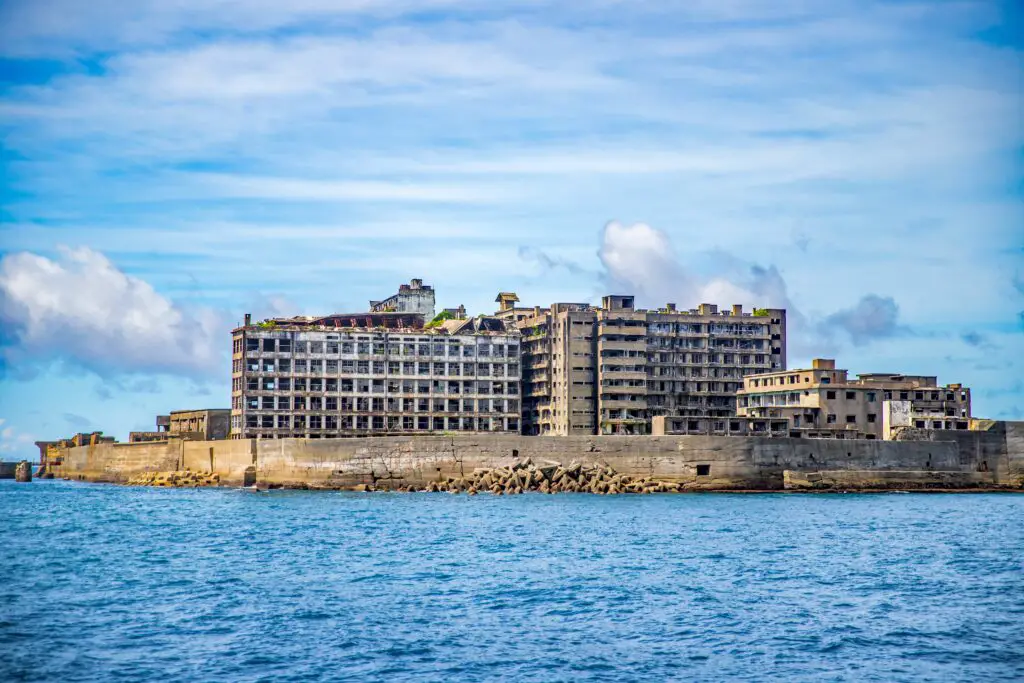
Hashima Island was once a densely populated company town built to house coal miners and their families. Apartment blocks, schools, and shops filled the tiny island, creating a self-contained community. When coal mining ended, residents left almost overnight. Despite its stark concrete appearance, the island still feels strangely complete.
Buildings remain upright and tightly packed, as if people simply stepped out. The layout still makes sense as a functioning place. From a distance, it looks less like a ruin and more like a city frozen in time. It has the feel of a destination waiting for repurposing.
6. Pripyat
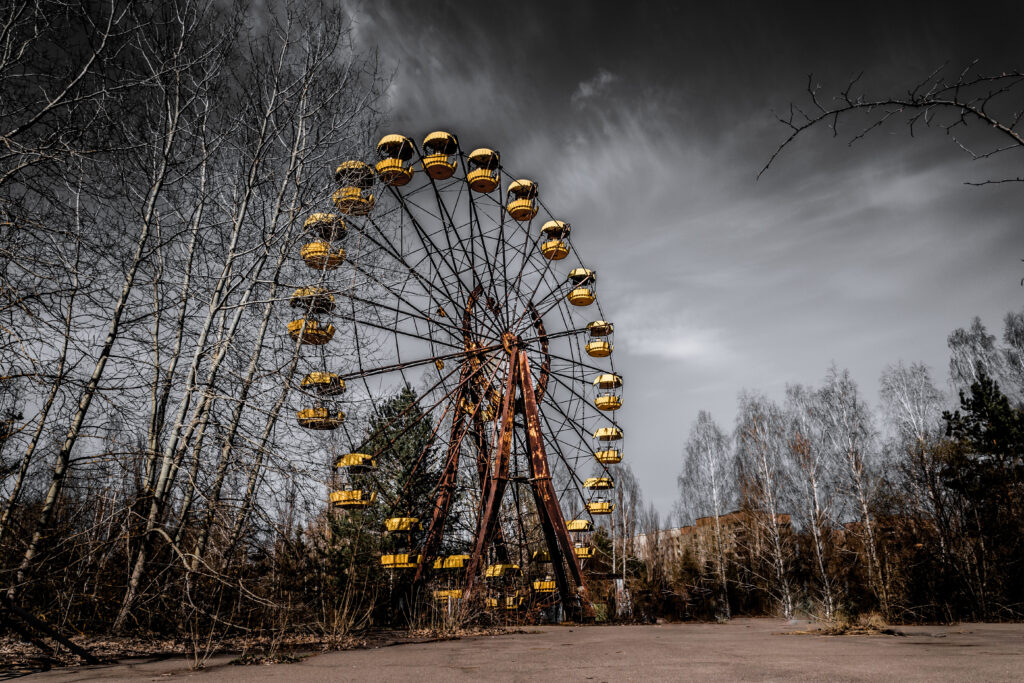
Pripyat was designed as a model city for workers at the nearby nuclear power plant, complete with parks, schools, and apartments. It was evacuated rapidly after the 1986 disaster, leaving everyday life behind. The city remains structurally intact decades later. It still looks like a place meant to be lived in.
Amusement rides stand assembled, streets are laid out logically, and buildings retain their original forms. The absence of people is what feels most unnatural. Visually, it resembles a quiet city awaiting residents. The readiness is eerie rather than inviting.
7. Buzludzha Monument
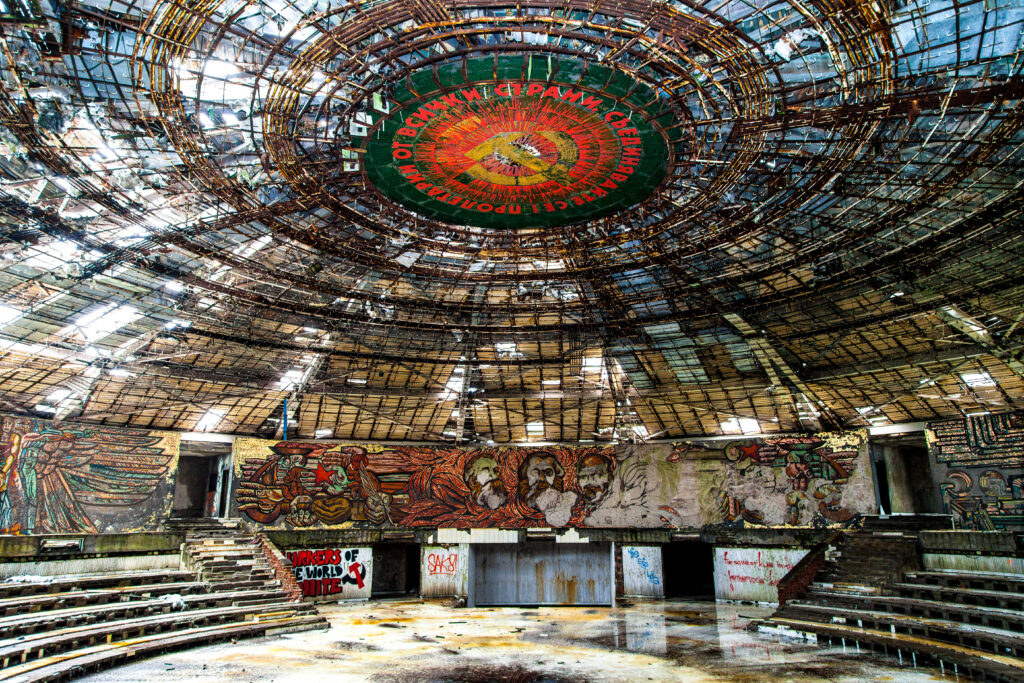
Although not a resort in the traditional sense, Buzludzha was built as a monumental gathering place intended to host visitors. Its futuristic design once symbolized national pride and ambition. After political changes, it was abandoned and left to weather. Despite its condition, the structure still commands attention.
The building remains recognizable and imposing, perched dramatically on a mountaintop. Interiors are damaged, but the overall form suggests it was built to last. It feels like a destination that lost its purpose rather than its integrity. With restoration, it could welcome visitors again.
8. Ordos Kangbashi
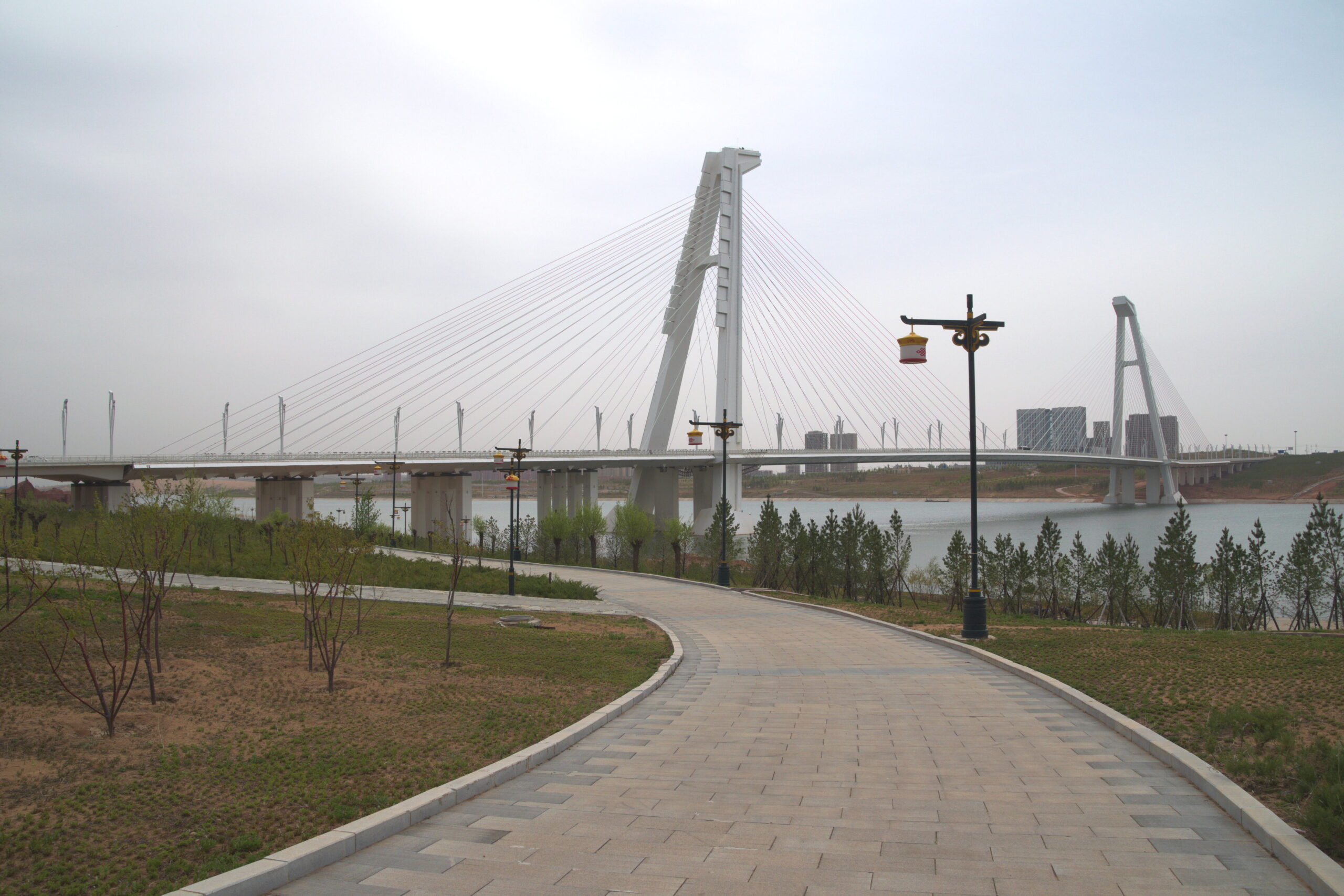
Kangbashi was built as a modern city meant to house hundreds of thousands of residents. Grand plazas, museums, and apartment complexes appeared almost overnight. The population never fully arrived, earning it the label of a ghost city. Visually, it still looks brand new.
Streets are wide, buildings are intact, and public spaces remain clean. There is little decay, only emptiness. It feels like a vacation city waiting for crowds that never showed up. The infrastructure suggests readiness rather than abandonment.
9. Agdam

Agdam was once a bustling city with hotels, shops, and cultural venues. Conflict led to its abandonment, leaving behind a hollowed-out urban landscape. Unlike many ruins, the city layout remains easy to read. You can still see how visitors once moved through it.
Large buildings remain standing, and streets follow familiar patterns. From a distance, it does not immediately register as abandoned. The city feels paused rather than erased. It looks like a destination that lost its people, not its identity.
10. Kolmanskop
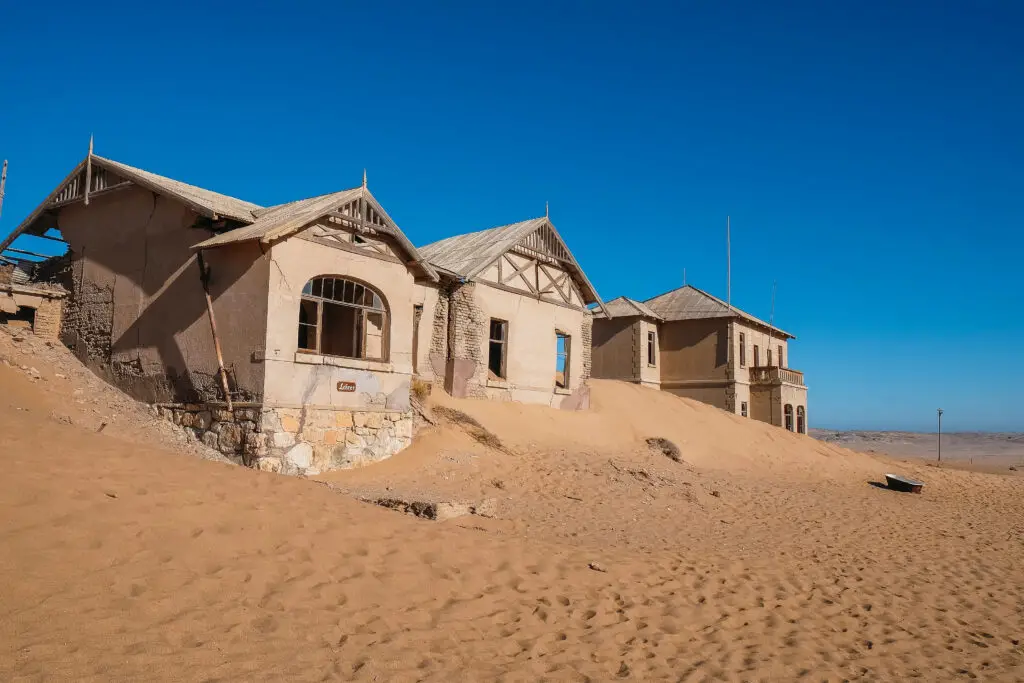
Kolmanskop began as a diamond mining town and quickly grew into a surprisingly luxurious settlement. Residents built grand homes, theaters, and social clubs in the desert. When diamonds dwindled, the town was abandoned. The buildings remain remarkably intact.
Sand fills the interiors, but the structures themselves are still elegant. The layout resembles a resort town caught in a strange natural takeover. From the outside, it still looks livable. It feels more surreal than ruined.
11. Beelitz-Heilstätten
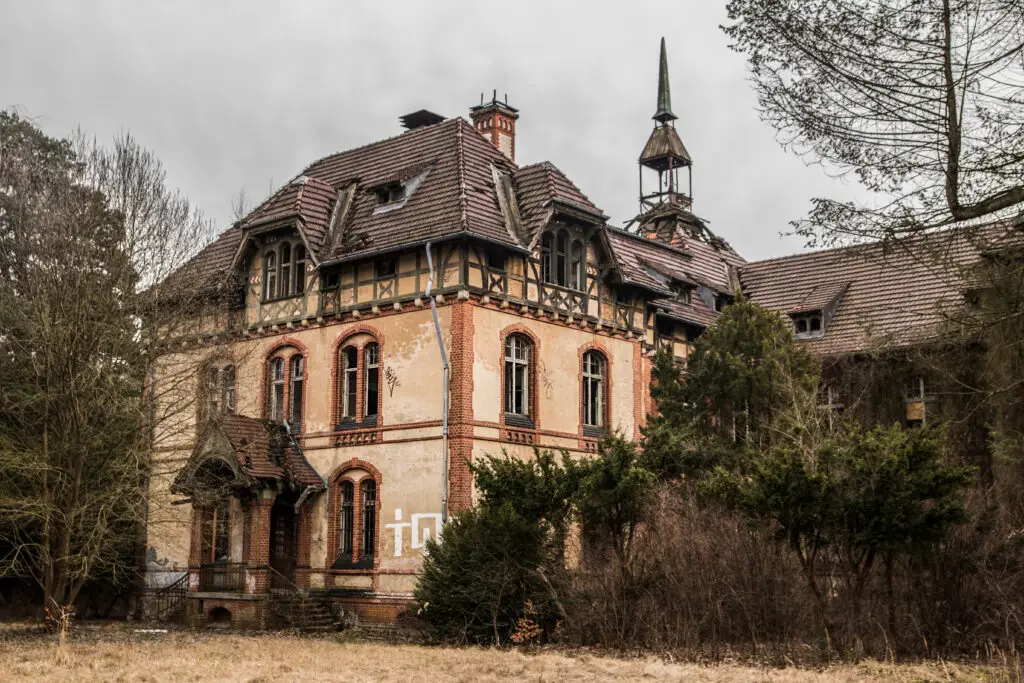
Originally a hospital complex, Beelitz-Heilstätten later became a retreat-like medical destination surrounded by forest. Its architecture is grand and resort-like, with wide corridors and large windows. After years of closure, the complex was largely abandoned. Many buildings still stand strong.
The grounds are expansive and orderly, and the structures remain impressive. It feels like a wellness resort that simply shut its doors. The atmosphere is quiet, not chaotic. With restoration, it would not feel out of place welcoming visitors again.
12. San Zhi Pod City
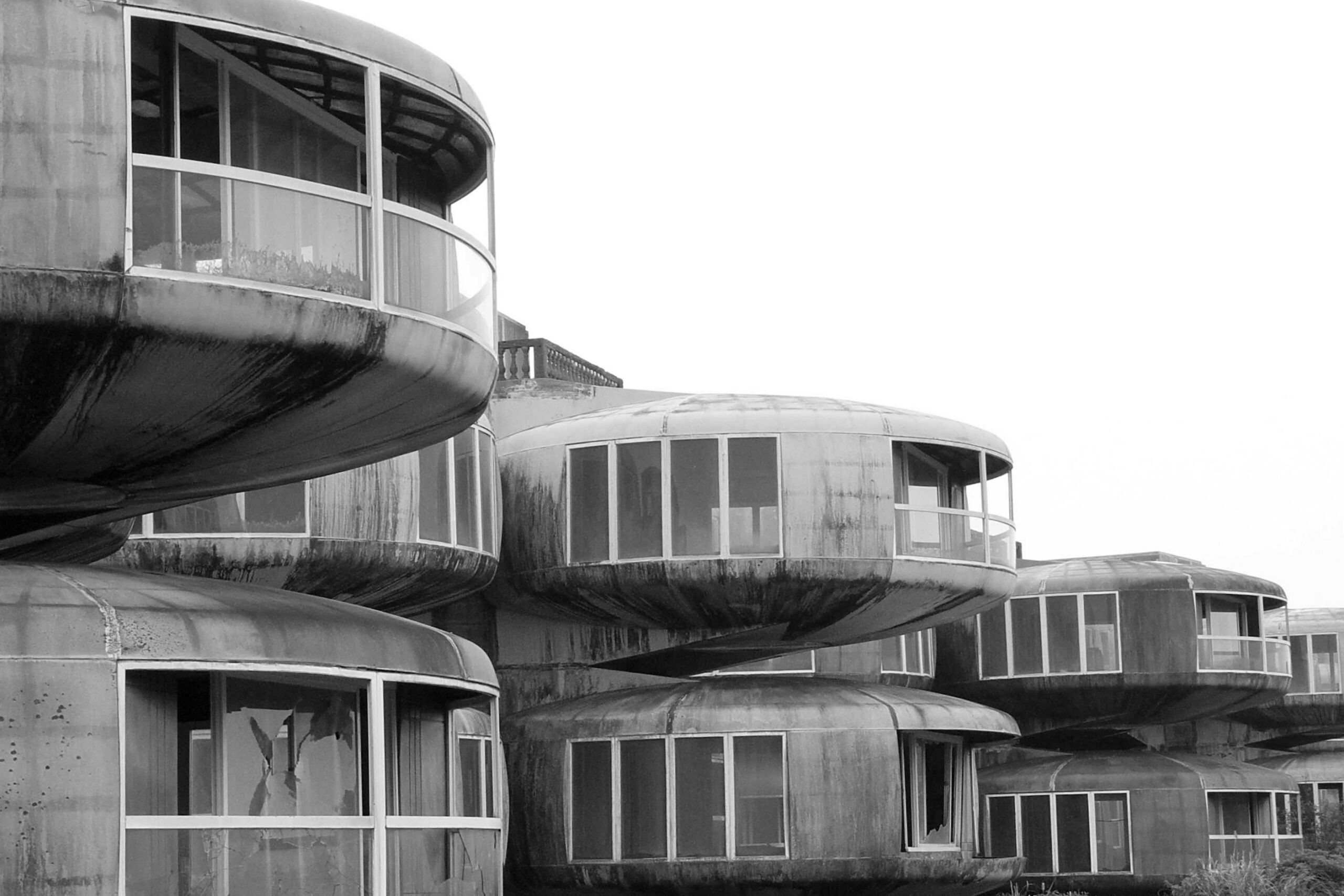
San Zhi Pod City was envisioned as a futuristic vacation community near the coast. Construction stalled before completion, leaving behind clusters of unfinished pod houses. Despite this, the area still looks intentionally designed. It feels more paused than failed.
The colorful structures remain standing and recognizable. Roads and layouts suggest planned tourism rather than abandonment. The setting still feels coastal and inviting. It looks like a resort that never got its grand opening.
13. Pyramiden

Pyramiden was a Soviet-era mining town designed to showcase quality of life in a remote Arctic setting. It included cultural centers, housing, and communal spaces. When mining ceased, residents left, but the town remained largely intact. It still feels surprisingly orderly.
Buildings stand upright, signage remains visible, and the streets are clearly defined. The isolation adds to the sense of readiness rather than decay. It feels like a place waiting for a seasonal return. The structure of daily life is still visible.
14. Gulliver’s Kingdom
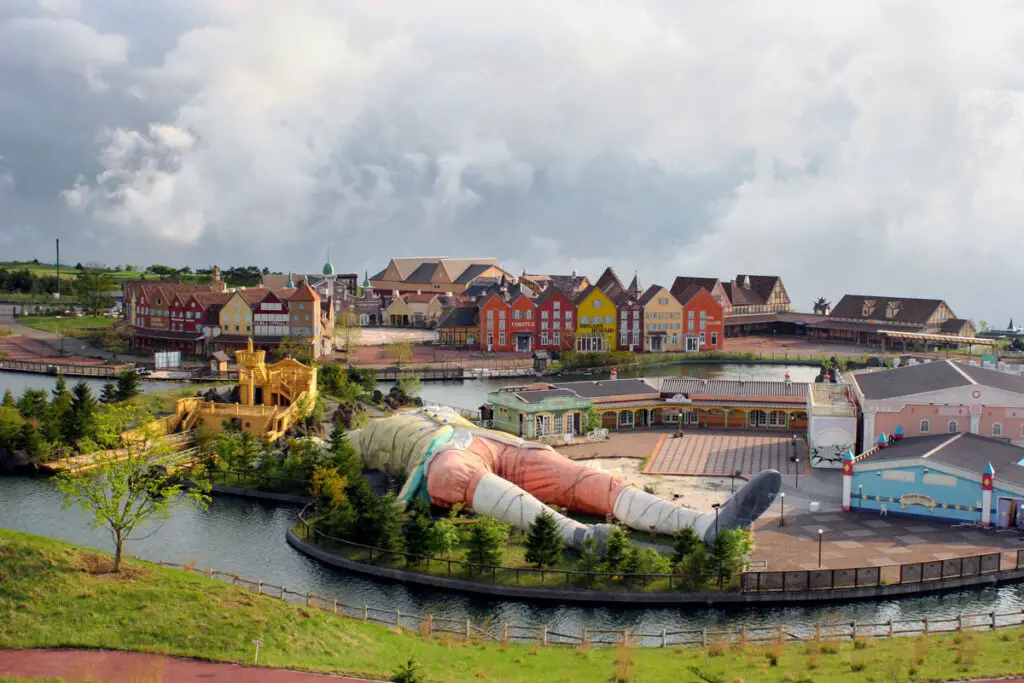
Gulliver’s Kingdom was a theme park built near Mount Fuji, intended to attract families and tourists. It struggled financially and closed within a few years. Much of the park remained standing long after. The layout still looked functional.
Paths, structures, and themed elements stayed recognizable. It felt like a park awaiting reopening rather than demolition. The surroundings remained scenic and accessible. The readiness made its emptiness more striking.
15. Miranda Castle
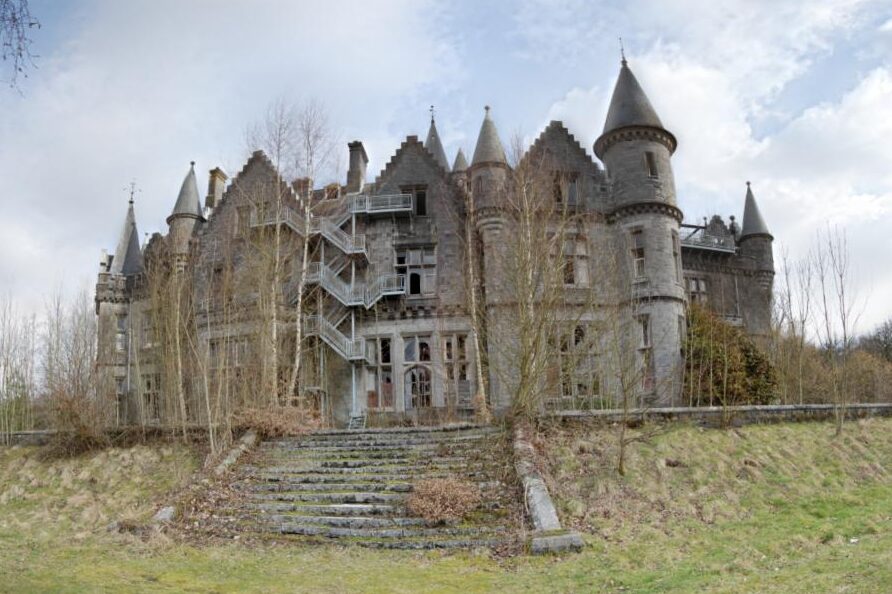
Often mistaken for a fantasy resort, Miranda Castle was built as a luxury project that was never fully realized. Its dramatic towers and grand design still dominate the landscape. Despite years of abandonment, the structure remains visually intact. It still reads as a destination.
The castle-like appearance suggests hospitality rather than decay. From the outside, it looks prepared for guests and events. The setting enhances its resort-like illusion. It feels like a place that missed its moment, not its potential.