
1. Waiting for the Morning Paper
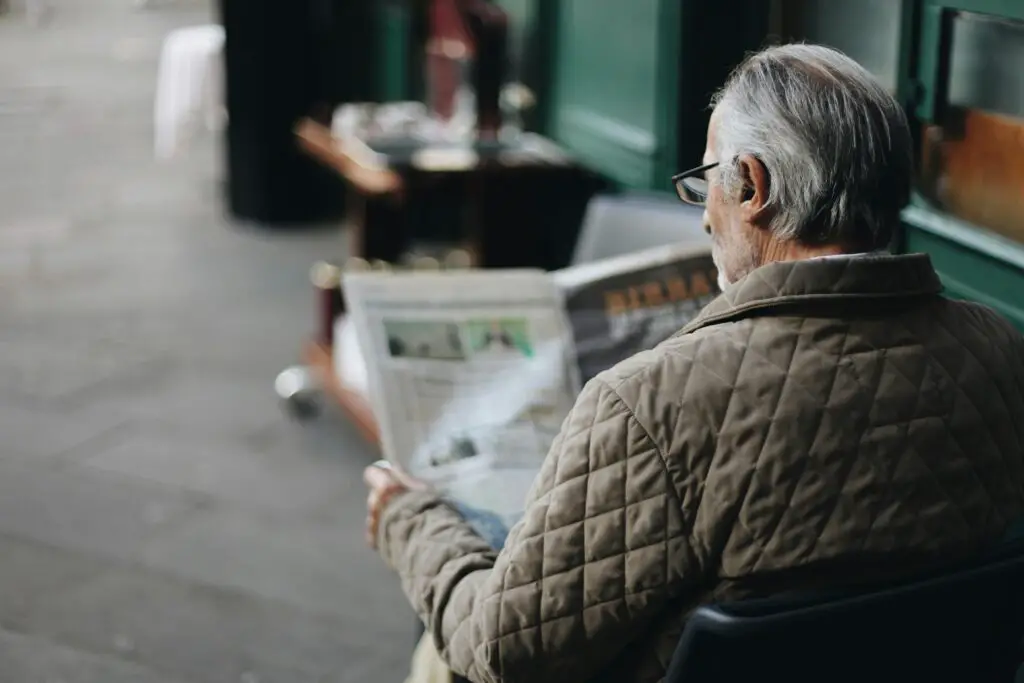
There was a time when news arrived once a day and everyone accepted that pace without complaint. People stepped outside in slippers, unfolded the paper, and took their time reading it from front to back. Headlines were absorbed slowly, often with coffee cooling beside them. You didn’t skim, you lingered.
That routine gave the day a softer start and made information feel finite. If you missed something, you’d hear about it later from a neighbor or coworker. Now news refreshes constantly, and the idea of waiting until morning feels almost impossible. The quiet ritual disappeared as speed replaced patience.
2. Sitting Down for Three Full Meals
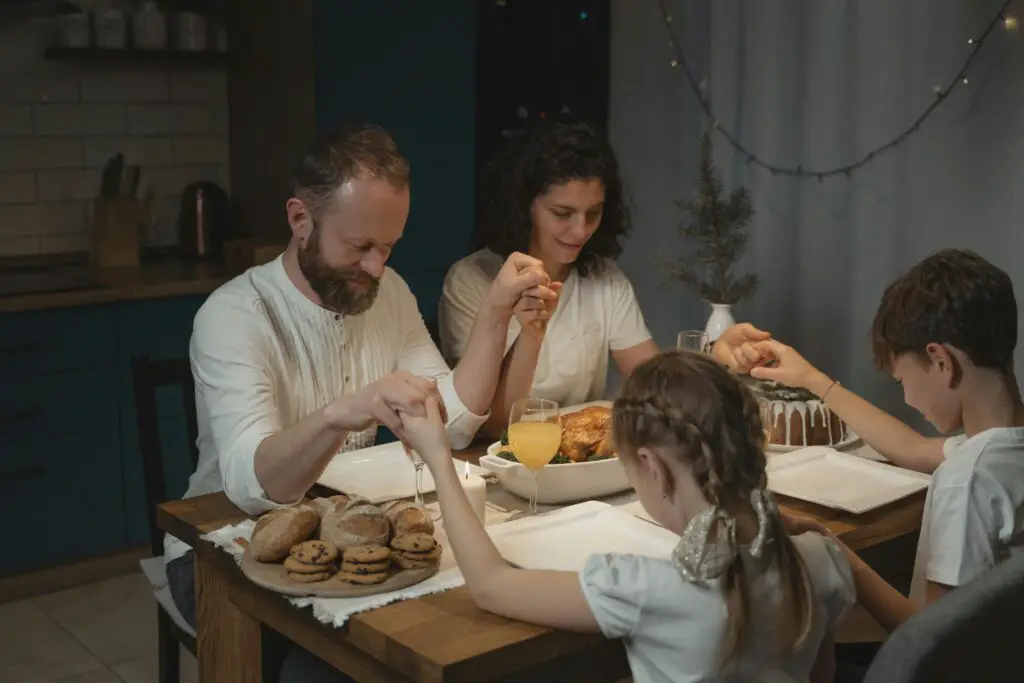
Meals used to anchor the day, not interrupt it. Breakfast, lunch, and dinner were expected pauses, often eaten at a table instead of on the go. Even quick meals involved sitting, talking, and finishing what was on the plate. Eating was an activity, not a side task.
As schedules tightened, meals became portable and optional. Lunch shrank into something eaten while working, and breakfast turned into whatever could be swallowed fastest. Dinner survived the longest but even that began competing with screens and errands. The rhythm of daily meals quietly eroded.
3. Writing and Mailing Personal Letters
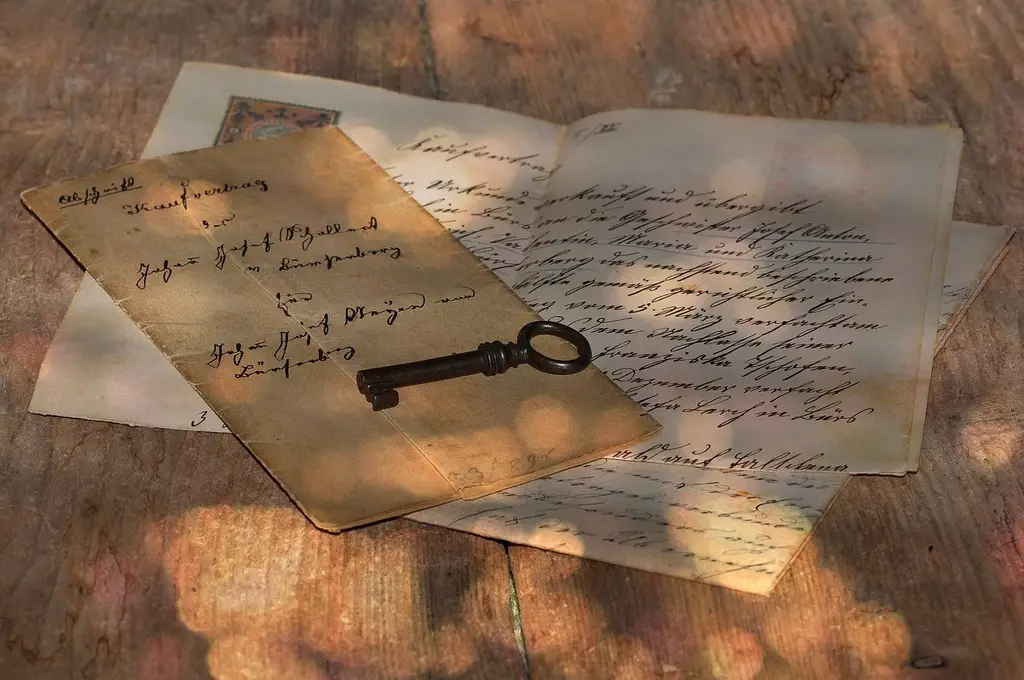
Letter writing once required time, thought, and a bit of emotional courage. You chose your words carefully, knowing there was no undo button. The act of writing was slow and intentional, and the waiting afterward was part of the experience. Receiving a reply felt earned.
As communication sped up, letters felt impractical and overly formal. Messages became shorter, quicker, and easier to discard. The anticipation that once stretched over days vanished almost overnight. What was lost was not just the letter, but the patience surrounding it.
4. Evening Phone Calls That Stayed Short
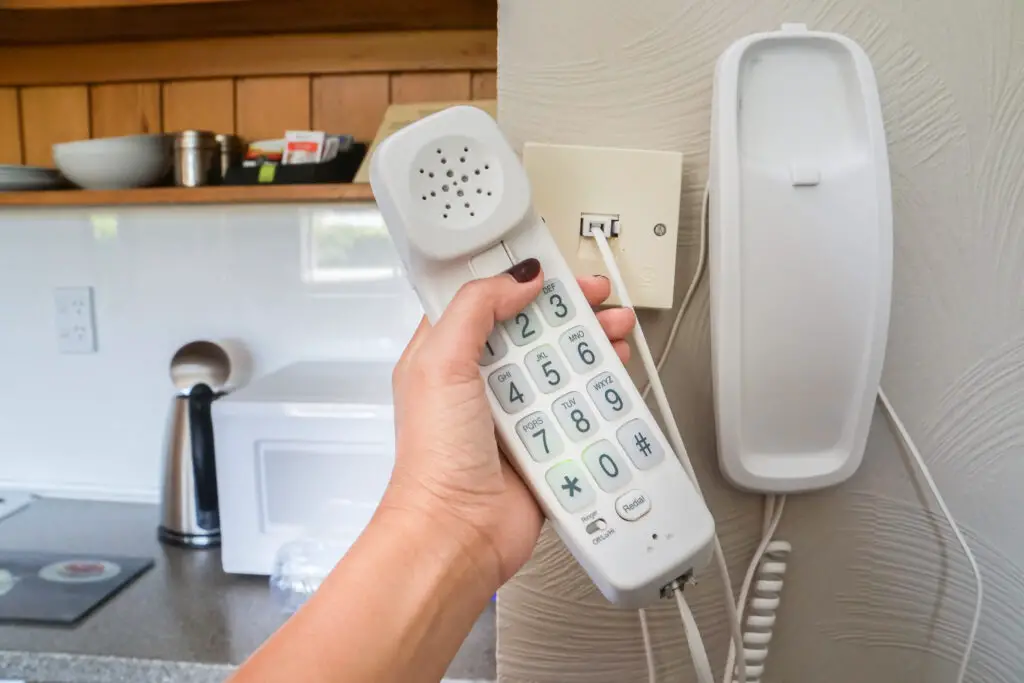
Phone calls used to be planned and purposeful, often made after dinner. People checked the clock, knowing long calls tied up the line. Conversations were focused, friendly, and usually ended with a clear goodbye. You didn’t call just to fill silence.
As phones became constant companions, calling lost its structure. Conversations stretched, overlapped, or happened while multitasking. The sense of calling at the right time faded. What once felt polite and contained became casual and endless.
5. Running One Errand at a Time
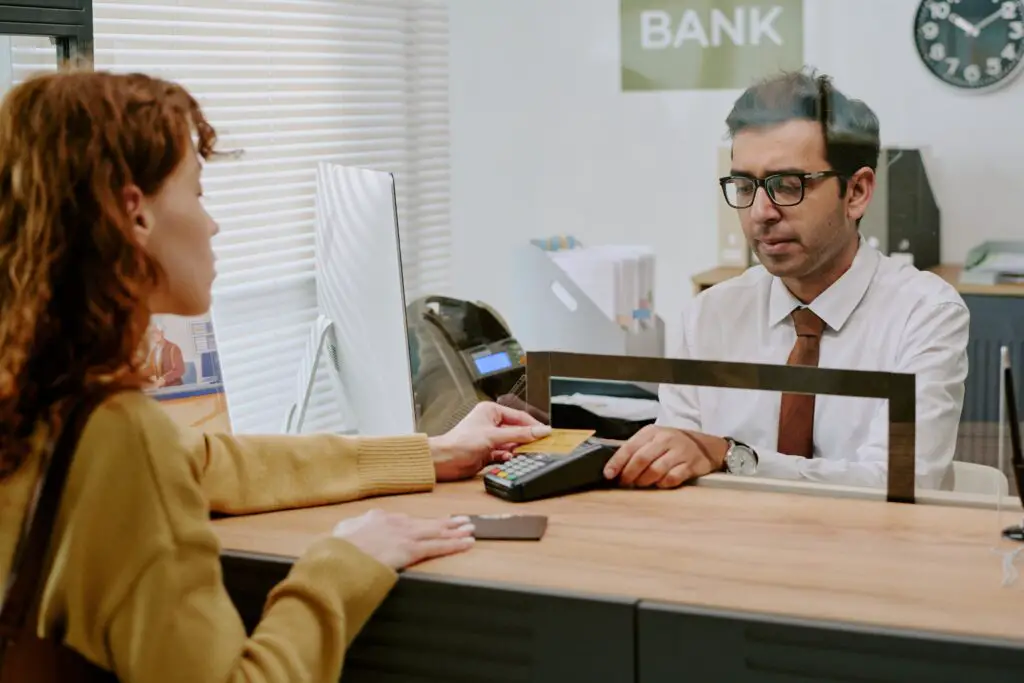
Errands were once individual tasks that marked the day. You went to the bank, then home, then maybe back out later. Each stop felt complete on its own, with no pressure to bundle everything together. Time moved in smaller, calmer segments.
As life accelerated, errands stacked up into optimized routes. People rushed from place to place, trying to save minutes wherever possible. The simple satisfaction of finishing one thing before starting another disappeared. Efficiency replaced ease.
6. Waiting Without Entertainment

Waiting used to be quiet and sometimes uncomfortable. You stood in line, sat in a waiting room, or rode the bus with nothing to distract you. Minds wandered, observations were made, and boredom was tolerated. It was a normal part of daily life.
Now waiting is treated like a problem that needs fixing. Screens fill every pause, no matter how brief. The ability to simply wait has weakened over time. Silence lost its place in the routine.
7. Planning the Day the Night Before

Many people once planned tomorrow after dinner or before bed. Clothes were laid out, lunches packed, and schedules reviewed mentally. This created a clear boundary between today and what came next. Mornings felt more predictable as a result.
As calendars moved into phones and notifications took over, that habit faded. Planning became reactive instead of reflective. The day now begins already behind schedule. That small moment of calm preparation disappeared quietly.
8. Browsing Stores Without a Goal

Shopping once involved wandering without urgency. People browsed shelves, chatted with clerks, and discovered things by accident. There was no list optimized for speed or price. Time spent browsing was considered time well spent.
As convenience became king, browsing felt inefficient. Online shopping and same day delivery removed the need to linger. Physical stores turned into quick stops rather than destinations. The casual joy of browsing slowly slipped away.
9. Waiting Days for Photos to Be Ready

Taking photos used to be a commitment. You snapped carefully, knowing film was limited and mistakes cost money. Then you waited days or weeks to see what you captured. The delay made the results feel special.
Instant photos removed that pause entirely. Images are now checked, edited, and shared within seconds. The surprise element disappeared along with the waiting. What was once an event became automatic.
10. Ending the Day with Nothing Scheduled

Evenings once had open edges. After dinner, there was often nothing planned except rest. People read, talked, or simply sat without feeling guilty about it. The day wound down naturally.
As life sped up, evenings filled with obligations and scrolling. Free time began to feel wasted if it wasn’t productive. Rest turned into something that had to be justified. The unstructured evening quietly vanished.
11. Memorizing Phone Numbers
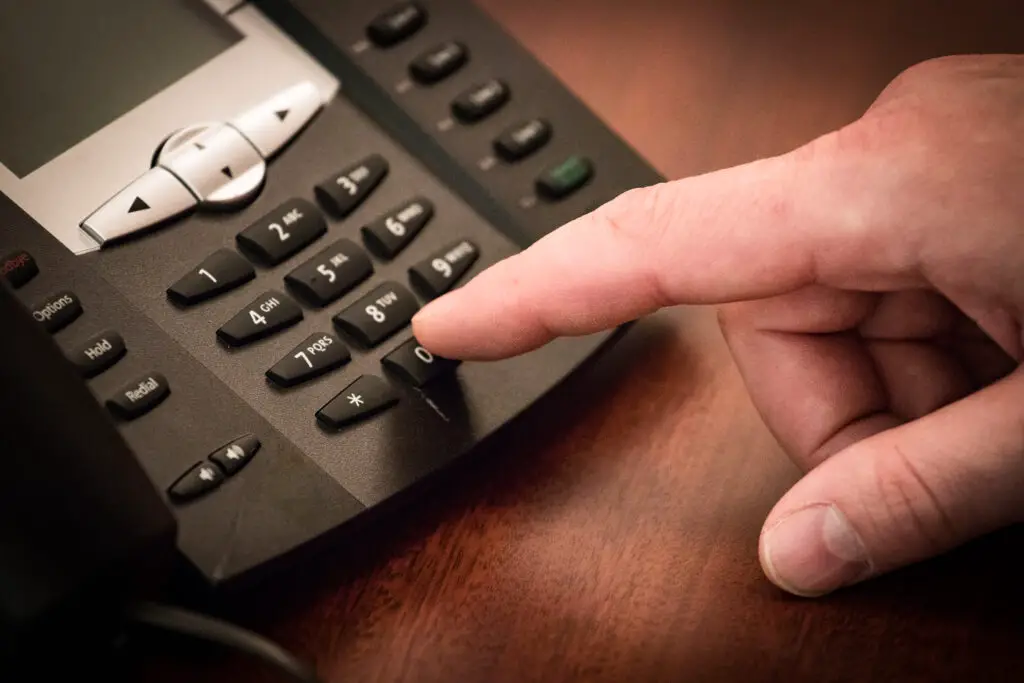
People used to know dozens of phone numbers by heart. Repetition and necessity made memorization unavoidable. Knowing someone’s number felt like knowing them well. It was practical and personal.
As contacts moved into devices, memory became unnecessary. Numbers disappeared from minds almost immediately. What was lost was a small mental discipline. Convenience replaced recall.
12. Reading the Same Book Over and Over
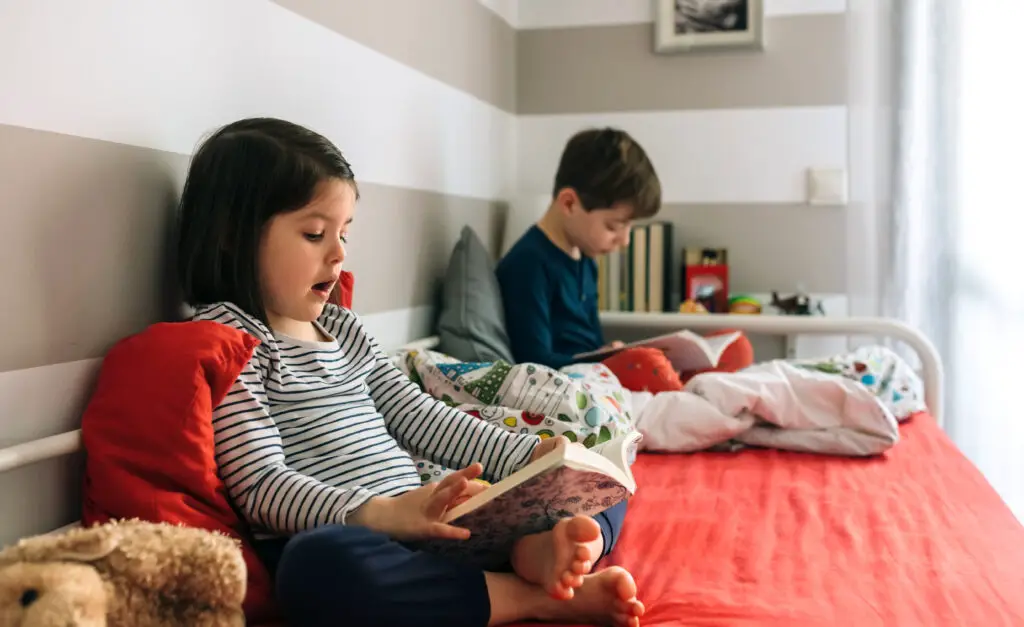
Books were once revisited because options were limited. People reread favorites, noticing new details each time. Reading wasn’t rushed, and finishing wasn’t the goal. The relationship with the book deepened slowly.
Now reading competes with endless alternatives. Finishing quickly feels more important than lingering. Revisiting a book can feel indulgent or inefficient. The slow reread faded as choice exploded.
13. Letting the Day End Naturally

Bedtime once followed the body more than the clock. People stayed up until tired, not until something refreshed. The day closed gradually, with fewer artificial cues. Sleep felt like a natural conclusion.
As screens and schedules tightened their grip, that instinct weakened. Bedtime became delayed and disrupted. The gentle ending of the day was replaced by abrupt exhaustion. Another quiet routine slipped away.