
1. Neighborhood Video Rental Stores
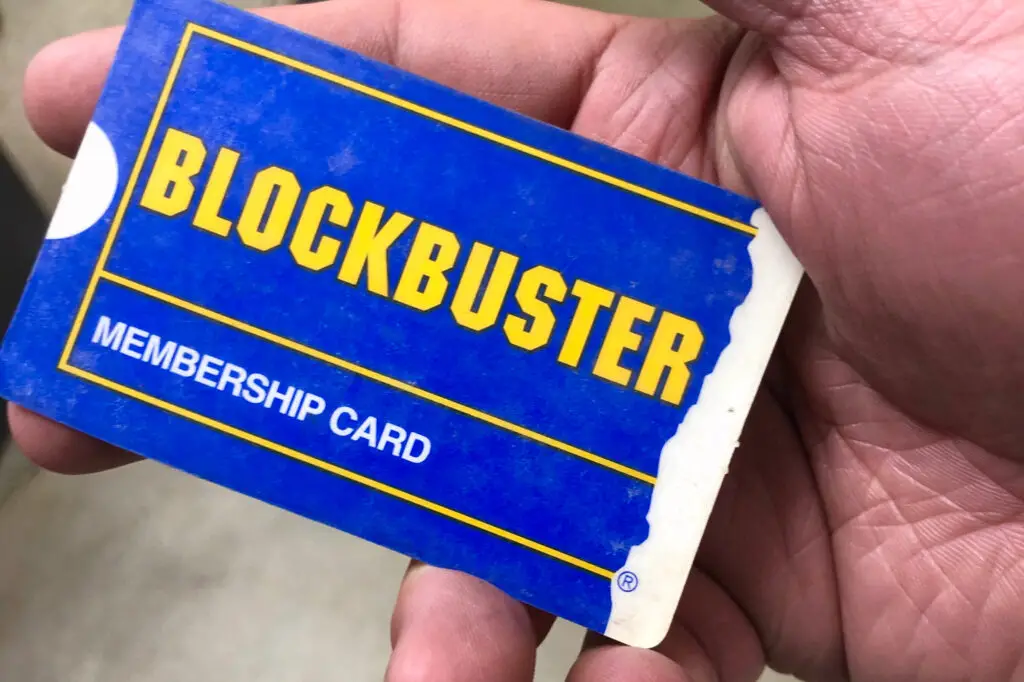
There was a time when the video store was a weekly ritual rather than a nostalgic punchline. You wandered the aisles slowly, judging movies by their box art and silently competing with strangers for the last decent copy. Clerks had opinions and did not hesitate to share them, whether you asked or not. Late fees loomed over everything, yet they somehow added urgency and meaning to movie night. The store felt like neutral territory where everyone had the same goal.
When they disappeared, it did not feel like a loss at first. Streaming was faster and cleaner, and no one missed rewinding tapes. What vanished quietly was the casual conversation, the shared disappointment, and the oddly social act of choosing entertainment together. The space did not announce its absence until years later, when movie nights felt strangely solitary.
2. Mall Food Courts
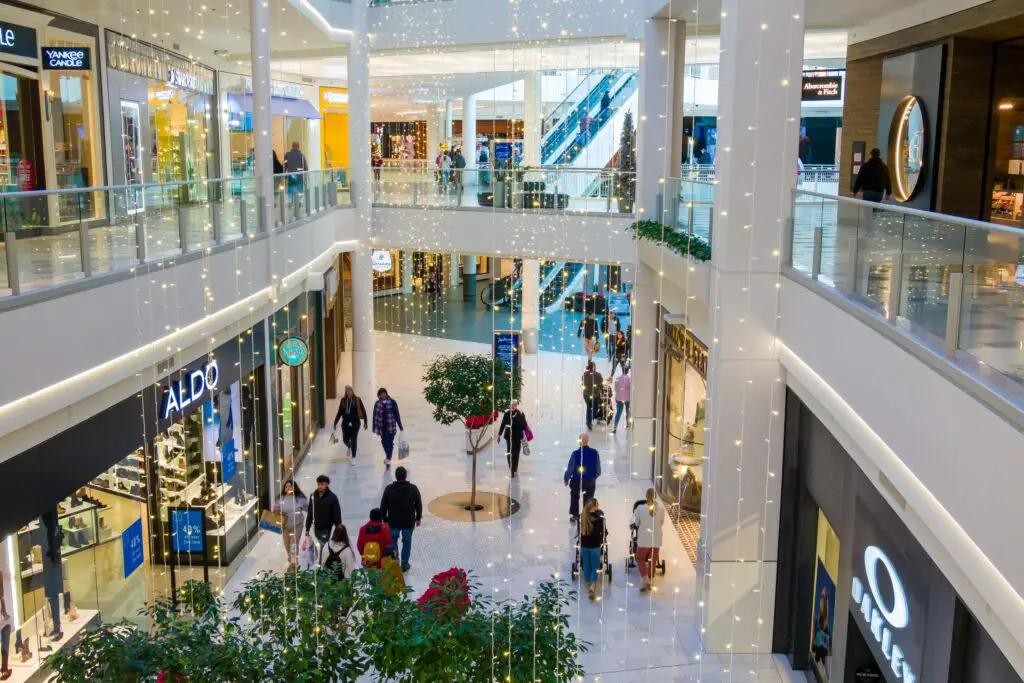
Mall food courts were never about culinary excellence, and that was part of their charm. They were loud, chaotic, and full of mismatched smells that somehow worked together. Teenagers lingered without ordering much, parents took a break mid errand, and seniors claimed the same tables every morning. It was one of the few places where everyone sat together without a shared purpose.
As malls faded, the food courts went with them, often without a closing announcement. Online shopping replaced the errand, but not the pause. What disappeared was the unplanned gathering spot where nobody needed an invitation. The loss was subtle, but the social gap it left behind was not.
3. Local Bowling Alleys

Bowling alleys were community spaces disguised as recreation. League nights created routines that lasted decades, and birthdays were practically guaranteed to involve rented shoes and greasy pizza. The lighting was terrible, the music was loud, and everyone accepted it without complaint. You did not need to be good at bowling to belong there.
Many alleys closed quietly as costs rose and leagues dwindled. When they vanished, so did an affordable, low pressure way to gather regularly. Not every community replaced that structure with something new. The loss showed up slowly, in fewer standing plans and fewer familiar faces.
4. Independent Bookstores

Independent bookstores once served as informal cultural centers. People browsed with no urgency, overheard conversations, and discovered books they were not looking for. Staff recommendations carried real weight, often handwritten and opinionated. It was acceptable to linger without buying anything.
Their closures were often polite and understated. A sign went up, inventory went on sale, and then the lights went out. Online convenience filled the gap, but the space for slow discovery disappeared. Reading remained, but the communal aspect quietly slipped away.
5. Neighborhood Laundromats With Seating

Laundromats were never glamorous, but they were strangely social. People shared folding tables, parenting advice, and unspoken rules about dryers. Regulars recognized each other without ever learning names. The rhythm of machines made conversation optional but welcome.
As in home laundry became more common, many of these spaces closed. The practical function moved indoors, but the shared downtime vanished. What was lost was a rare place where conversation happened without expectation. Its absence went largely unnoticed.
6. Community Bulletin Boards
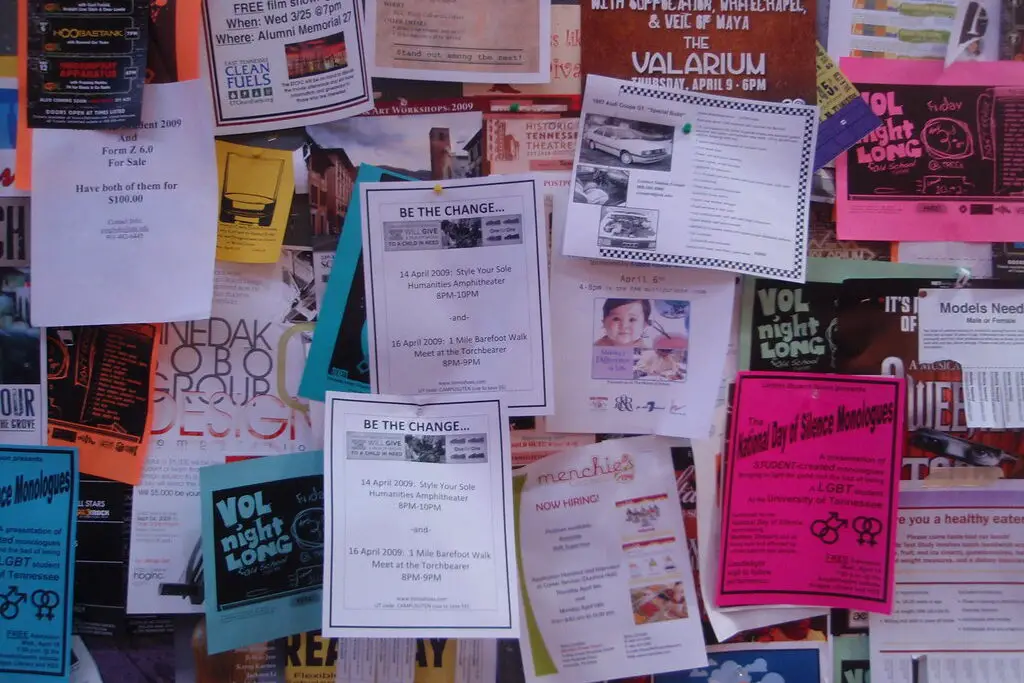
Bulletin boards once acted as analog social networks. Flyers overlapped, staples multiplied, and messages stayed up long past their relevance. You learned what was happening simply by standing still and reading. It was low effort connection at its best.
When online calendars replaced them, the boards were removed or ignored. Information became cleaner but less visible. The casual discovery of events faded with them. Community awareness became something you had to actively seek.
7. Church Basements Used for Everything
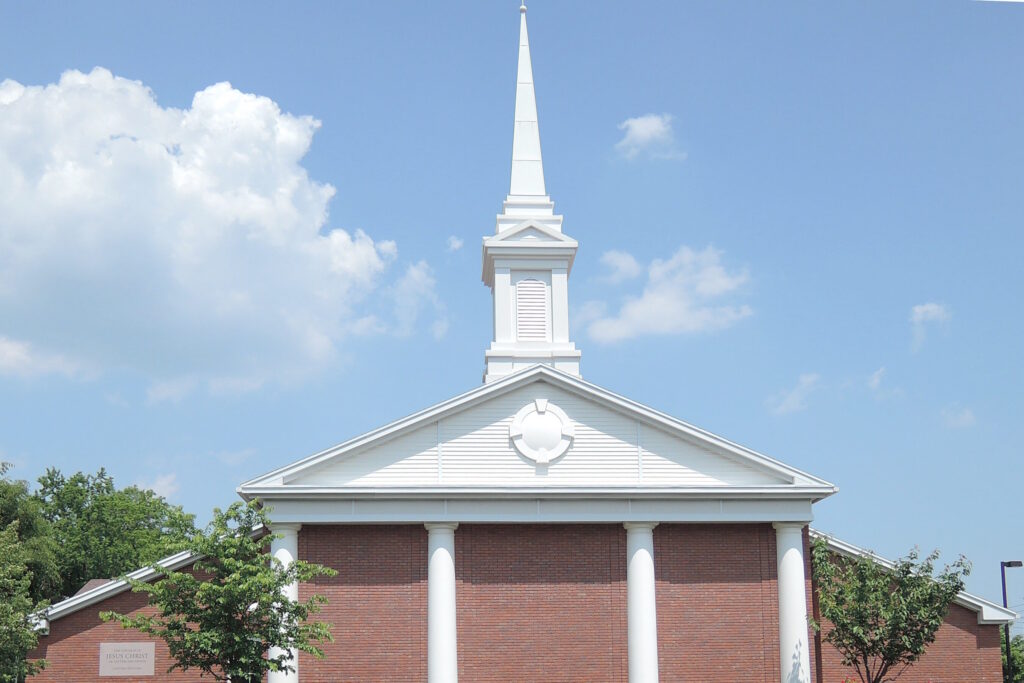
Church basements hosted more than religious gatherings. They were used for potlucks, support groups, blood drives, and town meetings. Folding chairs and bad coffee were standard, but the purpose was clear. Everyone knew where to go.
As organizations shifted online or into rented spaces, many basements went unused. The building remained, but the communal function weakened. Something important was lost when the neutral gathering place disappeared. Not every group found a replacement.
8. Local Arcades
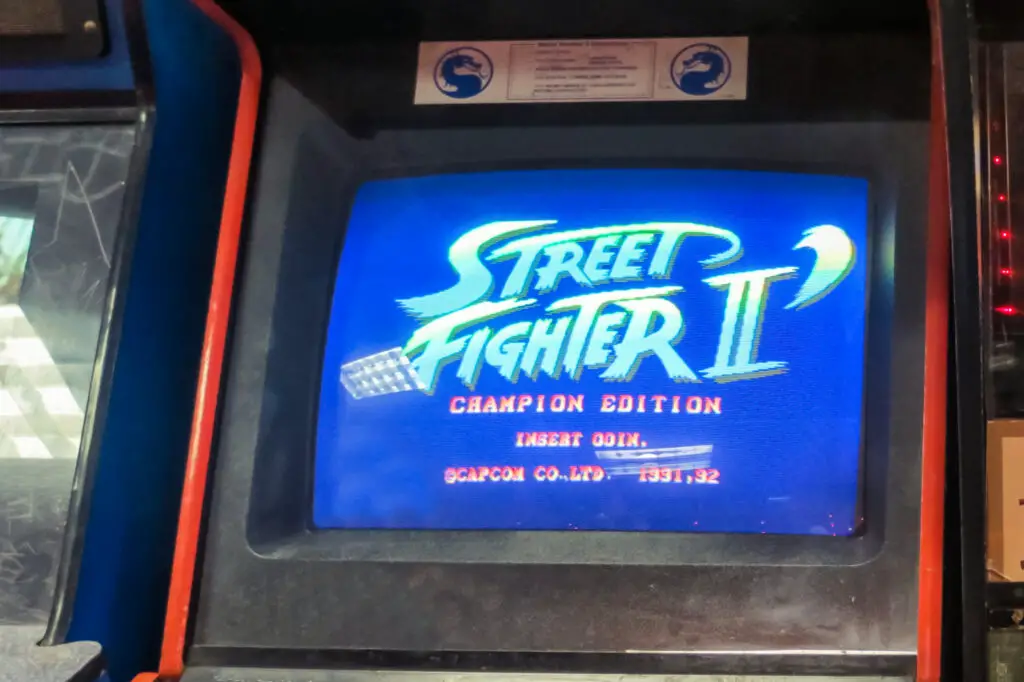
Arcades were loud, dark, and unapologetically social. You did not just play games, you watched others play them. Skills were learned by observation and competition happened face to face. It was entertainment built around presence.
Home consoles eventually replaced them, offering convenience without the crowd. Arcades closed quietly, sometimes turning into other businesses overnight. Gaming survived, but shared excitement did not. The disappearance felt minor until it was complete.
9. Town Square Gazebos
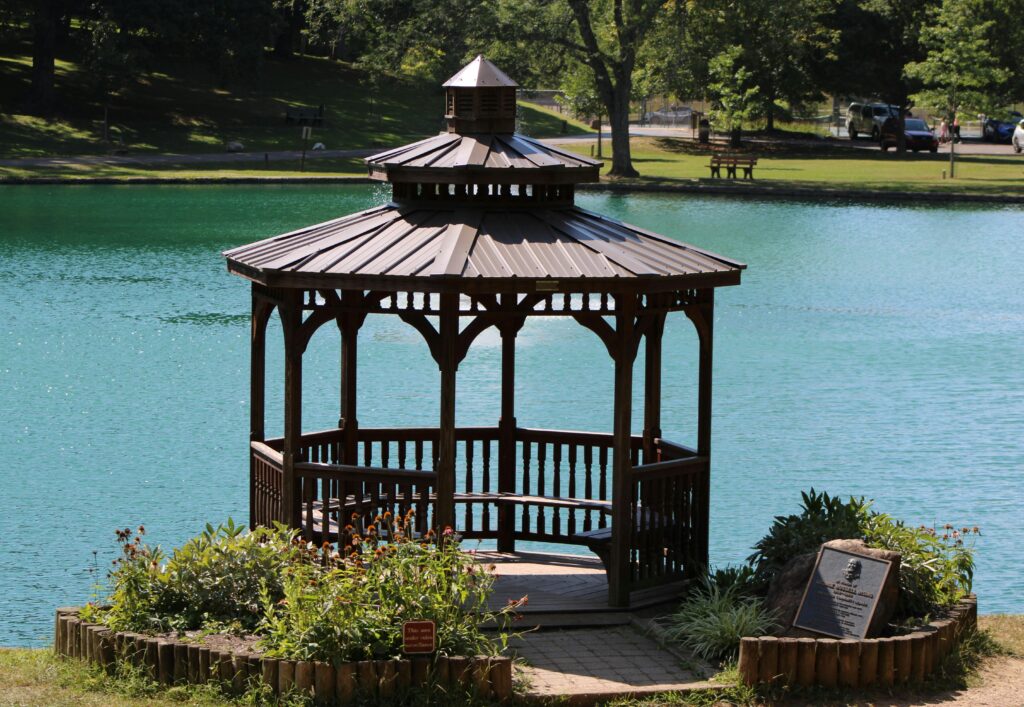
Gazebos in town squares served no specific purpose, which made them useful. They hosted concerts, speeches, and spontaneous gatherings. On quiet days, they were simply a place to sit and feel part of something larger. They symbolized civic pride without requiring effort.
Many fell into disrepair or were removed during renovations. Their absence rarely made headlines. Without them, towns lost a visible center point. The change was subtle but lasting.
10. Neighborhood Coffee Shops With Open Seating

Old coffee shops encouraged lingering. Tables were shared, conversations overlapped, and time moved slowly. You could sit for hours with a single cup and no one minded. It was one of the few places where being alone did not feel isolating.
As chains standardized layouts and turnover became the goal, that atmosphere faded. Seating became limited and stays shortened. Coffee remained, but the sense of welcome changed. The shift happened gradually enough that few noticed.
11. Community Pools

Community pools were seasonal social hubs. Everyone knew the lifeguards, the rules, and the schedule. Kids made friends quickly and parents connected by default. The pool was a shared summer memory.
Rising costs and liability concerns led many pools to close. Private options replaced them, but access became uneven. The shared experience disappeared quietly. Summers changed without anyone officially marking it.
12. Public Phone Booth Areas
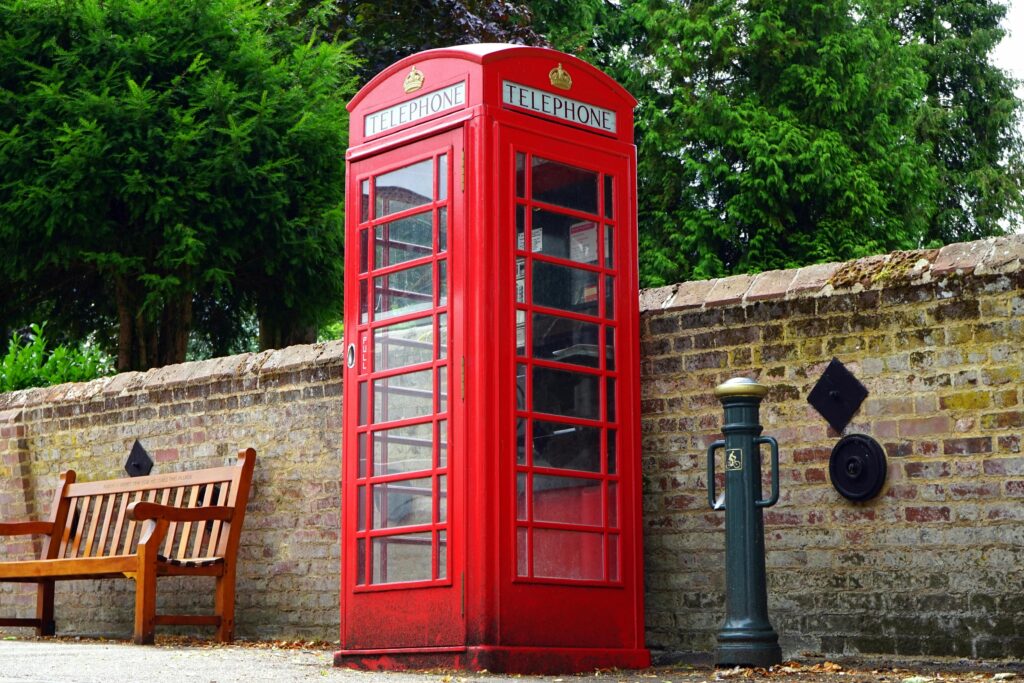
Phone booths were more than utilities, they were landmarks. People waited nearby, overheard fragments of conversations, and helped strangers in need. The booths created small moments of interaction. They were part of the streetscape.
As mobile phones spread, booths were removed one by one. Their disappearance felt inevitable, so it went unchallenged. What vanished was a tiny but real point of human connection. The streets became quieter.
13. Local Hobby Shops
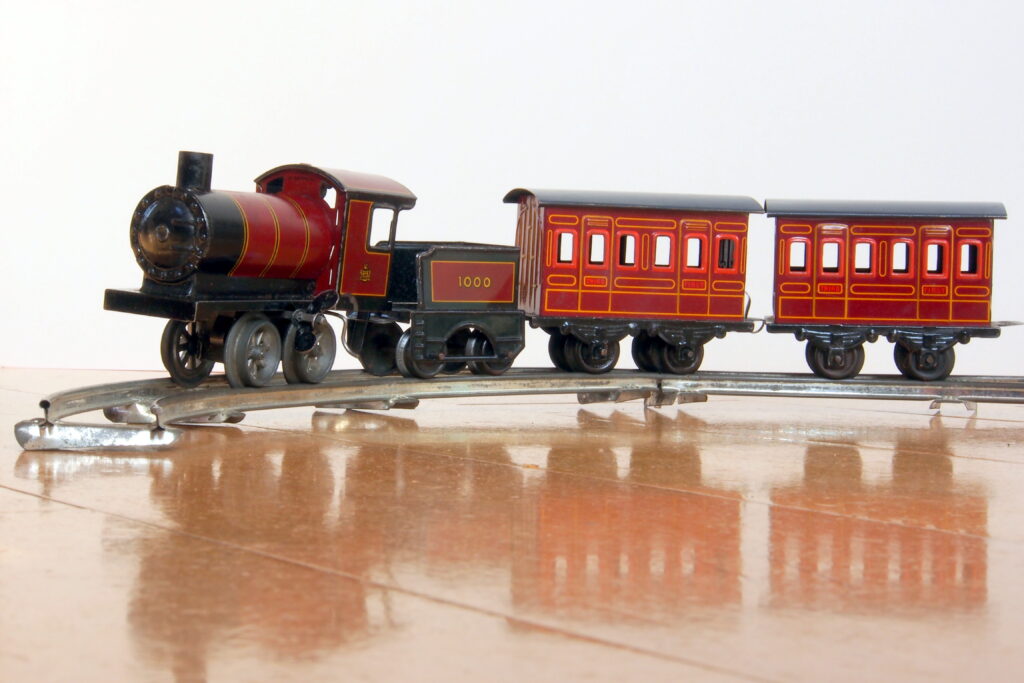
Hobby shops catered to niche interests with surprising dedication. Model builders, crafters, and collectors found expertise and encouragement there. Staff knew customers by their projects, not just their purchases. The space rewarded curiosity.
Online ordering eventually replaced many of these stores. Supplies became easier to find, but guidance did not. The social learning aspect quietly disappeared. Hobbies became more solitary as a result.
14. Neighborhood Playgrounds With Benches
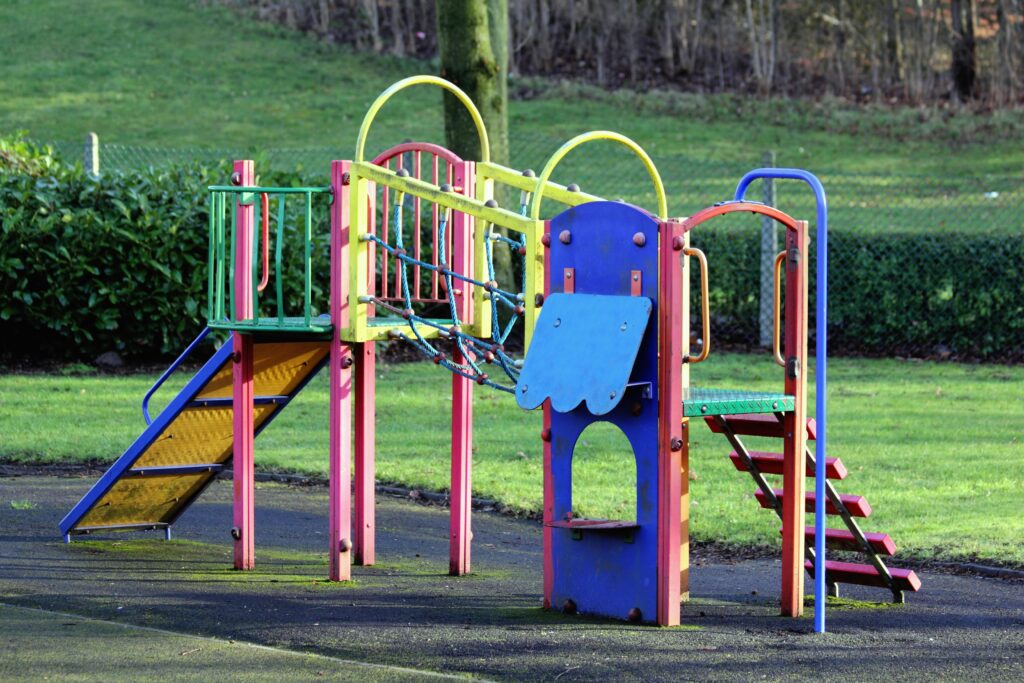
Playgrounds were as much for adults as for children. Benches allowed parents and caregivers to talk while watching kids play. Friendships formed over shared supervision. The space encouraged conversation without pressure.
When playgrounds were removed or redesigned without seating, that dynamic changed. Play continued, but connection diminished. The loss was practical rather than emotional at first. Over time, it became noticeable.
15. Local Meeting Halls

Meeting halls hosted dances, debates, and celebrations. They were neutral spaces that belonged to everyone. Decorations changed, but the purpose remained consistent. Community events had a home.
As attendance declined, many halls closed or were repurposed. Events moved elsewhere or disappeared entirely. The closure rarely caused immediate disruption. Only later did communities realize what they had lost.